
Train stations in Seville
Sevilla Santa Justa is Seville's main intercity station; San Bernardo serves commuter and some regional trains, while Plaza de Armas is a bus station.

- Stations
- 10
- Primary station
- Sevilla Santa Justa
- Passenger operators
- 4
- Routes covered
- 11
For most rail visitors, Sevilla Santa Justa is the practical arrival station. Confirm the station and your final transfer before you book.
Choose Santa Justa
Santa Justa is Seville's main intercity station. If the ticket says Sevilla, Sevilla Santa Justa or Santa Justa, this is normally the station you need. Use the name printed on the confirmed itinerary, then compare it with the accommodation address and the final local route. Do this before you pay, rather than after the ticket is issued.
The common mistake is treating every Seville transport name as interchangeable. A journey can look simple on a map but become awkward if it ends at the wrong place for the rest of the day. Save the address and decide how you will cover the last leg. A short station name can conceal an awkward arrival plan.
When a booking page shows only Seville, open the train details and look for the full station name. Use the itinerary rather than an assumption from a route search. If you are meeting someone, collecting a car or going straight to a timed activity, check that their plans also refer to Santa Justa. This simple check avoids a rushed cross-city correction after arrival.
Treat the rail journey and the city arrival as the same decision. A train that looks convenient can be less useful if its arrival leaves you with a difficult transfer, heavy luggage or little time before a hotel check-in. Confirm the address, expected arrival time and final transport option before you choose between otherwise similar departures.
Distinguish San Bernardo and Plaza de Armas
Sevilla San Bernardo has commuter and some regional relevance, but it is not the default answer for a long-distance visitor simply searching for Seville. Check the actual calling point before deciding that it is better for the hotel. Do not switch to it merely because it appears closer on a map.
Plaza de Armas is a bus station, not a railway station. If an itinerary combines rail and coach, check where each leg starts and finishes rather than assuming the hubs are the same place. A rail ticket to Santa Justa does not put you at the bus station.
This matters most when you have an onward coach, a separate booking or a late arrival. Read every leg as its own instruction: departure point, arrival point, time and ticket conditions. Do not assume that the city name makes the connection automatic. Leave enough time to move between the places named on the two bookings, especially when luggage or an unfamiliar local transport system makes a short connection less forgiving.
If a journey planner combines train and bus, save both confirmations. Check which part is rail and which part is coach, then make a separate plan for the change. The mistake to avoid is following the first station name you recognise and discovering that the next leg starts elsewhere. Check the exact stop printed on each ticket.
Leave time for the selected service
Read the booking confirmation and station instructions before travel day. The station layout and boarding process can differ between the service you chose and a local commuter train. For a high-speed departure, leave a margin that lets you find the correct station area and complete the required boarding process without rushing. Do not plan to learn the practical details while the train is due to leave.
Check the departure, ticket conditions and any access instructions attached to the booked service. This prevents arriving at the right station but too late for the practical steps before boarding. It also helps when a ticket has a named train, carriage or other instruction that is easy to overlook in a confirmation email.
Make a small departure plan the day before. Keep the ticket available without relying on a weak signal, note the station name and decide when you need to leave the hotel. If your plans depend on a meal, luggage storage or a local connection first, include that in the margin instead of treating it as something you can arrange at the platform. Include the train as one part of the departure plan.
Check the ticket conditions as well as the time. A flexible-looking city break can become expensive if you assume you can take any later service when the fare is tied to a particular departure. If you need room for a delayed arrival or a changing plan, check the conditions before purchase and choose the ticket that fits that risk. The cheaper option is not always the right ticket for that risk.
Plan the final transfer
Before arrival, check the route from Santa Justa to the accommodation and decide whether walking, local transport or a taxi is practical for the arrival time. Save the address and arrival instructions offline. A familiar-looking map does not give you a workable transfer plan when you are tired or carrying bags.
Choose the final transfer based on the actual arrival, not only the distance. Walking may suit a daylight arrival with light luggage, while a later arrival or a place outside the central area may need a different option. Check the accommodation's arrival information and any restrictions on check-in before you leave the station. That avoids reaching the right neighbourhood without a practical way to finish the journey.
If you are changing to another train or coach after arriving, treat Santa Justa as a connection point rather than the end of the trip. Check the next departure point, the time you need for the change and which ticket covers each leg. Do not assume that a rail ticket covers local travel or a coach connection unless the booking says so. Keep the documents for each part of the journey together.
Before you travel
Confirm the station name, selected service, ticket conditions and final transfer together. That avoids arriving at a bus station by mistake, choosing the wrong rail stop or discovering too late that the booked service needs more station time than expected.
For most visitors, the default is simple: book Sevilla Santa Justa, then check the exact train and the journey from the station to your address. Use San Bernardo only when the confirmed itinerary and your final destination make it the better choice. Treat Plaza de Armas separately when a coach is involved. Those checks take a few minutes and remove the errors that cause most trouble on a short stay.
Where to book
Train tickets
- Check times & prices
Omio
Omio connects you with over 1,000 transport providers - trains, buses, flights, and more - to simplify your travel planning.
Rail Europe
Rail Europe is a leading travel tech company specializing in European train bookings for over 15,000 travel professionals worldwide.
Trainline
Trainline sells rail and coach tickets worldwide on behalf of major UK and European transport companies.



Passenger train operators
- Check times & prices
iryo is a private Spanish high-speed operator linking Madrid with Barcelona, Valencia, Alicante, Seville and Malaga; every passenger needs a reservation.
Official website - Check times & prices
Ouigo is SNCF's low-cost high-speed brand, serving over 60 destinations in France and routes in Spain; basic fares include one hand bag and one cabin bag.
Official website - Check times & prices
Renfe serves Spain with AVE, Avlo, Alvia and regional trains. AVE tickets are named and reserved, while Interrail and Eurail passes need reservations.
Official website - Check times & prices
SNCF operates France's TGV and regional trains. SNCF Connect books domestic and many international journeys, with fares ranging from flexible to non-refundable.
Official website

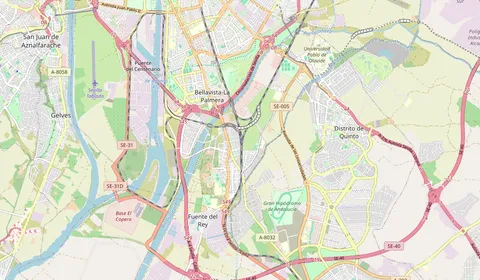
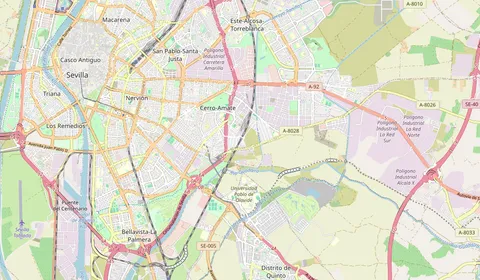
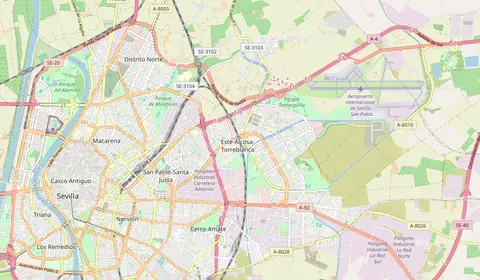
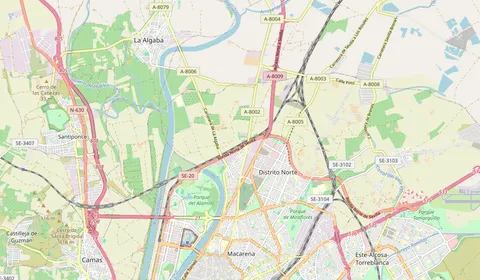
Train stations in Seville
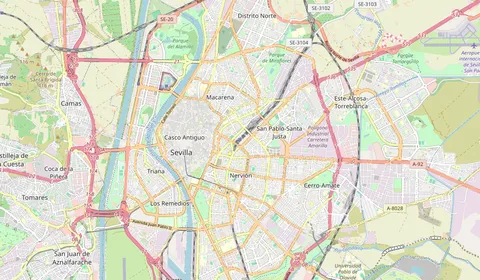



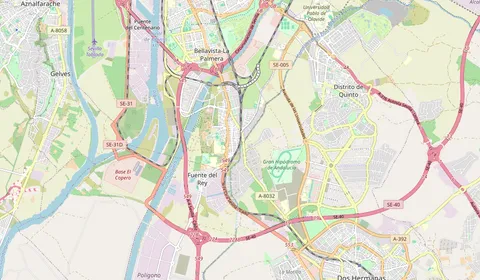
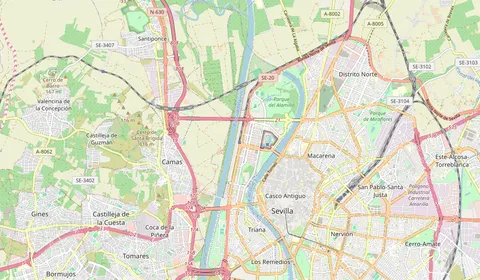
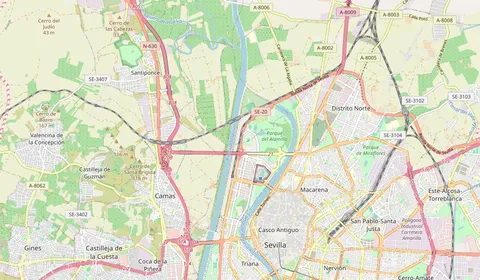
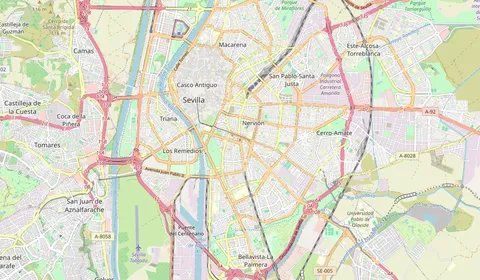
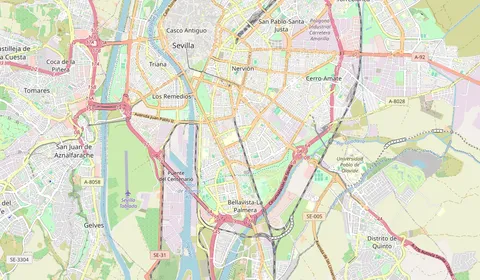
Train routes to and from Seville
Find places to stay in Seville

Frequently asked questions
Which station should I use in Seville?
Use Sevilla Santa Justa for most intercity journeys unless the confirmed itinerary clearly names another station.
Is Plaza de Armas a train station?
No. Plaza de Armas is a bus station, so check each rail and coach leg separately.
Should I use San Bernardo instead?
Only when the actual train and final address make it the practical choice.
How early should I arrive at Santa Justa?
Check the booked service instructions and leave time to find the correct station area and complete the required boarding steps.
What should I plan after arriving?
Check the route to the accommodation and a practical final transfer before travel day.
Are there luggage lockers at Sevilla Santa Justa?
Yes, Sevilla Santa Justa has staffed and/or automated luggage storage; confirm current hours and pricing at the station before relying on it for a same-day connection.
How do I get from Sevilla Santa Justa to the airport?
Sevilla airport (SVQ) is not directly served by the station; use the airport bus (EA line) or a taxi from outside Santa Justa.
Do I need a reservation for trains from Seville?
Yes on AVE and Alvia long-distance services. Seat reservation is mandatory on Spanish high-speed trains, including with a rail pass.