
Train stations in Madrid
Atocha usually serves Barcelona, Toledo and southern Spain; Chamartín serves northern Spain and most trains to Valencia or Alicante. Check the terminal.
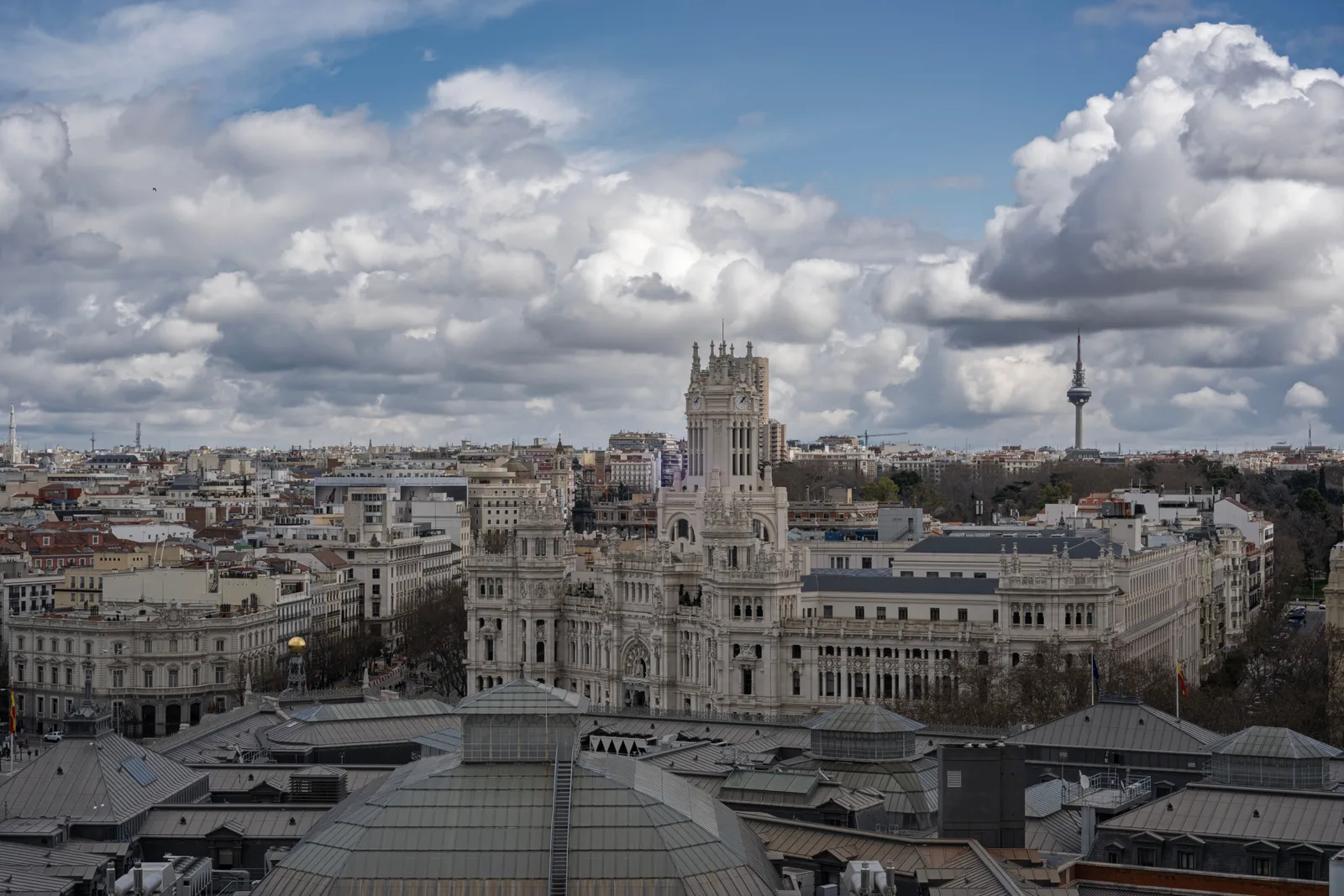
- Stations
- 11
- Primary station
- Madrid Atocha
- Passenger operators
- 4
- Routes covered
- 21
Most Madrid trains use Atocha or Chamartín. Check the full station name before booking a hotel, airport transfer or local connection.
Choose the station shown on the ticket
Madrid Puerta de Atocha-Almudena Grandes is the usual starting point for Barcelona, Zaragoza, Toledo and much of southern Spain. Madrid Chamartín-Clara Campoamor is the usual choice for northern Spain, Segovia and most trains towards Valencia, Alicante and Murcia.
These are useful defaults, but the ticket has the final word. Renfe, iryo and OUIGO can use different Madrid terminals on the same corridor, and the pattern changes. Open the exact departure before paying and read the full station name on both legs.
| Station | Sensible default | Check before booking |
|---|---|---|
| Puerta de Atocha | Barcelona, Zaragoza, Toledo, Seville, Córdoba, Málaga and Marseille | Operator, boarding area and whether the train also serves Chamartín |
| Chamartín | Northern Spain, Segovia, Valencia, Alicante and Murcia | Operator, exact terminal and current station access |
Atocha is more useful for the Prado, Reina Sofía and accommodation south or east of the centre. Chamartín suits the northern business district and hotels near the station. Confirm the terminal before choosing where to stay.
Use the correct part of Atocha
Puerta de Atocha and Atocha Cercanías are connected parts of the same rail complex, but they do different jobs. Long-distance tickets direct you to Puerta de Atocha, while local trains use Atocha Cercanías. Follow the train number and boarding-area signs rather than the first platform entrance you see.
Atocha is being transformed, so old floor-by-destination instructions can become misleading. Arrive about 30 minutes before a long-distance departure and allow for baggage screening and ticket control. Then follow the live screen. If the connection is tight, check when your operator closes the gate.
Chamartín is also under redevelopment. Metro lines 1 and 10, Cercanías and long-distance trains meet there, but temporary routes through the building can change. Leave extra walking time and confirm any luggage-storage service before relying on it.
Match the route to the operator
Madrid has three main high-speed operators. Renfe runs AVE and other long-distance services, plus Avlo on selected low-cost routes. Iryo and OUIGO compete on several busy corridors. Barcelona has the broadest choice, and the quickest direct trains take about 2 hours 30 minutes.
Compare the final journey, not just the first fare shown. The cheapest operator can change by date, and a low headline fare may come with tighter luggage, seat, change or refund conditions. Compare the Madrid terminal too. Saving a few euros is poor value if it creates an awkward cross-city transfer.
For Seville, Córdoba and Málaga, start by looking at Atocha. For Galicia, Asturias, Cantabria and the Basque Country, start with Chamartín. Most Madrid to Valencia and Alicante services also use Chamartín, although Renfe runs a limited number from Atocha. Open the selected train before committing because there are exceptions.
Plan international journeys around the real connection
A direct international AVE runs from Puerta de Atocha to Marseille. Paris normally means changing in Barcelona. London needs Eurostar to or from Paris, followed by further trains through France and Spain.
The Madrid to Lisbon sleeper no longer runs. The daytime route changes at Badajoz and Entroncamento, so inspect the whole itinerary instead of planning around an old Trenhotel listing. With separate tickets, leave enough time to recover from a delay.
International pass trips need the same care. A train can be included in the pass and still require a paid seat booking. Secure that reservation before fixing a tight onward connection.
Transfer between Atocha and Chamartín by Cercanías
Cercanías is normally the simplest station-to-station transfer. The train ride takes roughly 10 to 15 minutes, but that is not a sensible connection allowance. You still have to reach the local platforms, wait for the train, cross the next station and pass the long-distance security check.
Allow at least 45 to 60 minutes between separate departures. Give yourself more when a missed train would be expensive. On the platform, board only a service whose screen explicitly shows the other station, as planned works can alter the line pattern.
Eligible Renfe AVE, Alvia, Euromed and Intercity tickets include a free Cercanías journey for four hours before departure and four hours after arrival. Every iryo ticket provides the same four-hour windows. Try the barcode at the marked gate. If it does not scan, use the ticket machine or staffed desk.
Match airport transport to the terminal
Cercanías line C-1 links Atocha and Chamartín with Airport T4. It is the cleanest airport option for a T4 flight or a direct connection with a long-distance train. Check the exact-day C-1 or C-10 pattern because engineering work can alter the route.
For T1, T2 or T3, Metro Line 8 serves the shared Aeropuerto T1-T2-T3 station. It also serves T4. A €3 airport supplement applies to a Metro single or 10-trip ticket. Madrid's Airport Express bus costs €5.
The rail station is at T4, not at the other terminal buildings. A free Aena shuttle links T4 with T1, T2 and T3, so include that transfer in your timing. T4S is a separate satellite building reached from T4 by the airport's internal people mover. Confirm the terminal before leaving Madrid.
Reserve high-speed trains and check pass coverage
Spanish high-speed tickets are train-specific and include an assigned seat. An Interrail or Eurail pass gives you the travel entitlement, but you still need a compulsory reservation for the exact covered train.
Domestic AVE pass-holder reservations start at €10 in second class and €13 in first-class Elige Confort. Iryo charges €10 in second-class Inicial Superior and €13 in first-class Infinita. These are reservation fees rather than full fares, and the booking service may add its own fee. Confirm the train and final amount before paying.
Renfe and iryo participate in Interrail and Eurail. Avlo and OUIGO do not, so buy a separate ticket or choose a covered departure. Book the reservation before committing to accommodation or a tight onward train.
Compare luggage before accepting a low fare
Luggage rules belong in the price comparison. Renfe permits up to three pieces with a combined limit of 25 kg and 290 cm. Iryo's Inicial fare includes a hand item and cabin bag. OUIGO's base offer includes a hand bag and cabin-size bag, while larger or additional luggage costs extra.
Measure a large case before buying. Paying for an extra bag in advance is safer than discovering at boarding that it exceeds the allowance. Check bicycles, pets and child equipment separately because one operator's rule does not carry over to another.
Station lockers are separate from train luggage rules. Facilities and opening hours can change during work at Atocha or Chamartín, so confirm storage before planning a day around leaving bags there.
Use Madrid for practical day trips
Toledo is the simplest high-speed day trip from Puerta de Atocha, with Avant trains taking about 30 minutes. Segovia's high-speed trains leave Chamartín and reach Segovia-Guiomar in about 30 minutes. Guiomar is outside the historic centre, so include the local bus or taxi in the plan.
Ávila uses slower regional trains rather than the same high-speed pattern. It can still work well as a day trip, but check the Madrid station and return timetable first. Do not assume that every nearby city uses Atocha, takes 30 minutes or has its station beside the main sights.
Where to book
Train tickets
- Check times & prices
Omio
Omio connects you with over 1,000 transport providers - trains, buses, flights, and more - to simplify your travel planning.
Rail Europe
Rail Europe is a leading travel tech company specializing in European train bookings for over 15,000 travel professionals worldwide.
Trainline
Trainline sells rail and coach tickets worldwide on behalf of major UK and European transport companies.


Passenger train operators
- Check times & prices
iryo is a private Spanish high-speed operator linking Madrid with Barcelona, Valencia, Alicante, Seville and Malaga; every passenger needs a reservation.
Official website - Check times & prices
Ouigo is SNCF's low-cost high-speed brand, serving over 60 destinations in France and routes in Spain; basic fares include one hand bag and one cabin bag.
Official website - Check times & prices
Renfe serves Spain with AVE, Avlo, Alvia and regional trains. AVE tickets are named and reserved, while Interrail and Eurail passes need reservations.
Official website - Check times & prices
SNCF operates France's TGV and regional trains. SNCF Connect books domestic and many international journeys, with fares ranging from flexible to non-refundable.
Official website

Train stations in Madrid
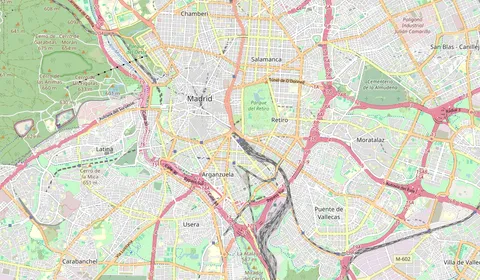

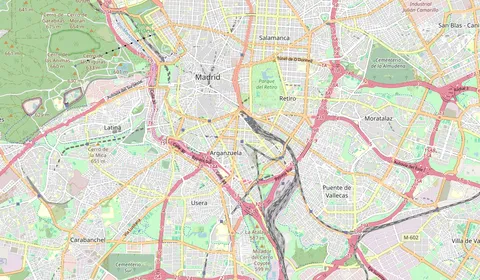
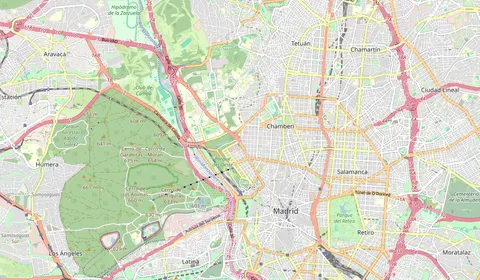
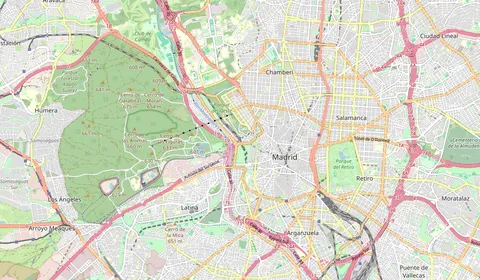
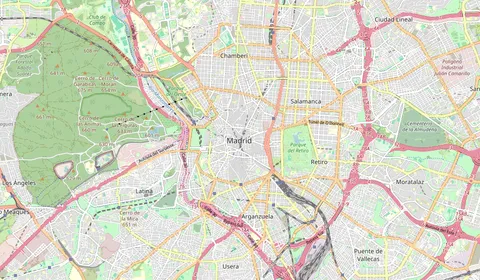
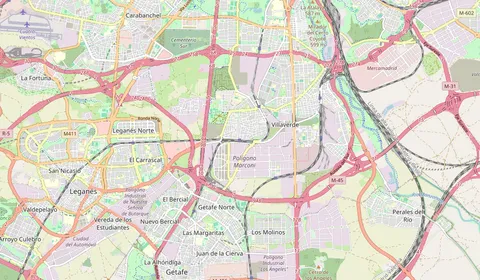
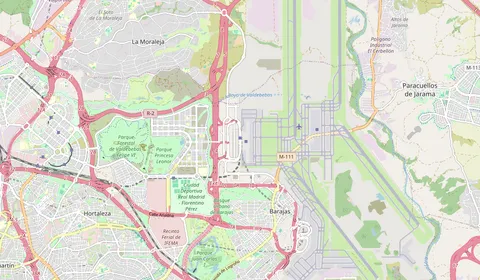
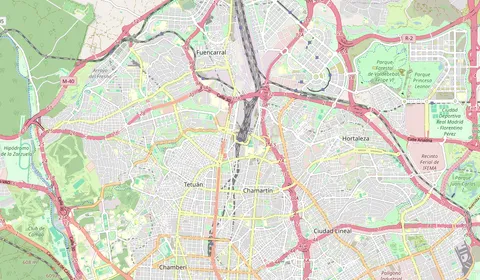
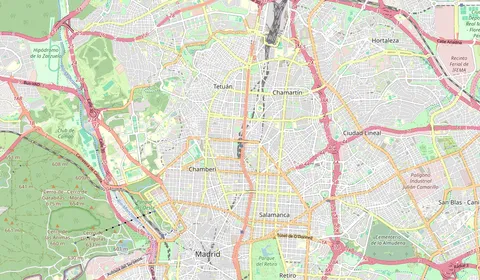
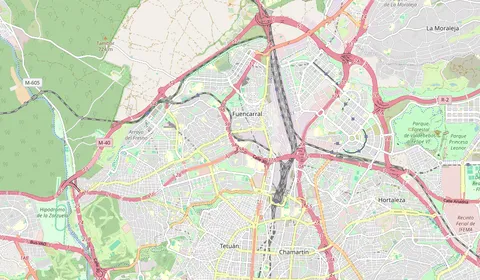
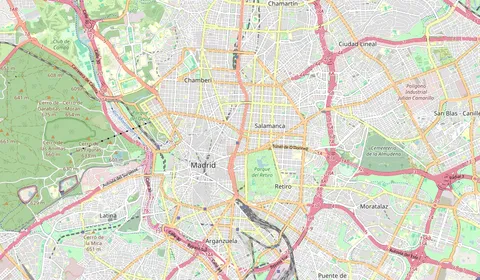
Train routes to and from Madrid
Find places to stay in Madrid

Frequently asked questions
Is the Madrid Tourist Travel Pass valid on the airport Metro?
Yes. Zone A and Zone T Tourist Travel Passes include the airport Metro supplement. They do not cover the Airport Express bus, which needs a separate ticket.
Does Madrid's free airport terminal bus run overnight?
Yes. Aena's terminal shuttle operates throughout the night. Its daytime interval is 5 minutes, changing to 20 minutes between 22:00 and 06:00.
Can I buy an OUIGO ticket at Atocha or Chamartín?
No. OUIGO has no public ticket shop or physical sales desk. Buy through its website or app, or use an authorised distributor before going to the station.
Do I need to print an OUIGO ticket for Madrid?
No. Download the original ticket PDF to your phone or print it clearly. A PKPASS summary may be accepted, but OUIGO can still require the original PDF.
Can a baby travel free on an OUIGO train to Madrid?
Yes. A child under 4 can travel free without a seat when added as a baby to the booking. Buy a child ticket if you want a separate seat.