
Train stations in London
London has no single central station; major termini serve different UK routes, while St Pancras International handles Eurostar.

- Stations
- 12
- Primary station
- London St Pancras International
- Passenger operators
- 9
- Routes covered
- 27
If you’re arriving from Paris, Brussels, or Amsterdam and expecting one grand central station, London works differently. The city’s rail network is spread across several major termini, each serving different parts of Britain. This guide helps you choose the right station, plan a cross-London change, and avoid common airport and ticketing mistakes.
Overview of London’s main railway stations
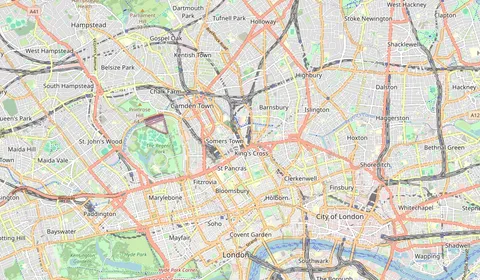
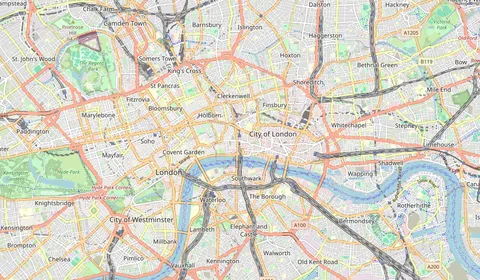
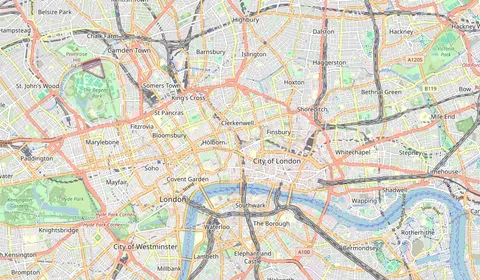
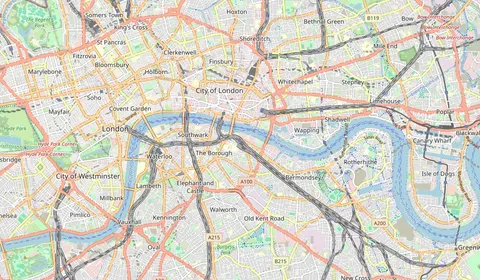
London has no single central railway station. Most long-distance services start or end at separate termini around central London, so the station on your booking matters as much as the city name. Check the exact station before you leave for the airport or another London terminal.
Most major termini connect with the Underground, buses, taxis, or other National Rail services. A cross-London transfer is possible, but it is not the same as changing platforms. Use the TfL Journey Planner and allow enough time to find the next station, pass ticket gates, and deal with a delayed first train.
- London has no single “Central Station”. Each terminal serves specific routes.
- King’s Cross and St Pancras are next to each other, but they are separate stations.
- A ticket to London does not always cover a Tube or bus journey between terminals.
Which London station do I need for my journey?
Start with the destination and then follow the exact station shown by the operator or National Rail journey planner. These are the main patterns:
- King’s Cross: Scotland and north-eastern England, including York, Newcastle, and Edinburgh.
- Euston: Birmingham and the West Coast Main Line towards north-west England and Scotland.
- Paddington: the west and south-west of England, including Bristol, Bath, Oxford, Cardiff, and Exeter. Heathrow services also connect with Paddington.
- Waterloo: South Western Railway services for destinations across the south and south-west, including Southampton, Portsmouth, and Bournemouth.
- Victoria: services towards southern and south-eastern England. Check the exact destination because several London stations serve the south.
- Liverpool Street: East Anglia and Stansted Airport connections.
- Charing Cross and London Bridge: routes towards south-east London and Kent, with London Bridge also serving cross-London Thameslink journeys.
- Marylebone: Chiltern routes towards Oxford, the Midlands, and nearby towns.
The station pattern is a useful first check, not a substitute for a live itinerary. Engineering works, train operators, and the destination station can change the sensible route.
International trains: St Pancras International and Eurostar
Eurostar services to Paris and Brussels depart from London St Pancras International. Current Eurostar route pages give typical direct journey times of about 2 hours 16 minutes to Paris and 1 hour 53 minutes to Brussels, but check the exact departure before booking.
Eurostar’s London departure process includes ticket checks, security, and border controls. At London St Pancras, Eurostar currently recommends arriving 75 minutes before departure for Standard and Plus, or 45 minutes for Premier. The gates close 30 minutes before departure for Standard and Plus and 15 minutes before departure for Premier. Download your ticket near the travel date in case the recommended timing changes.
King’s Cross is immediately beside St Pancras, which makes the complex useful for connections but easy to confuse. Eurostar departs from St Pancras International, not King’s Cross.
Major London termini and where they go
Use the station name on your ticket. The short guide below is for orientation; the operator’s live itinerary takes priority.
London King’s Cross
King’s Cross is the main London station to check for Scotland and the north-east, including York, Newcastle, and Edinburgh. It is beside St Pancras, with a direct pedestrian connection between the two station complexes. Use the station page to check current access and assistance arrangements.
St Pancras and St Pancras International
St Pancras International handles Eurostar departures, while the wider St Pancras complex also has domestic National Rail services and Thameslink connections. Confirm the station label carefully: a domestic train from St Pancras is not the same departure point as a Eurostar train from the international platforms.
London Euston
Euston is the London station for Birmingham and many journeys towards north-west England and Scotland. King’s Cross and St Pancras are nearby, but they are not interchangeable with Euston. Check the walking or Tube route if you are changing stations.
London Paddington
Paddington serves the west and south-west, including Bristol, Bath, Oxford, Cardiff, and Exeter. It is also the main London connection for Heathrow Express and the Elizabeth line. Check the airport service and the exact National Rail departure separately.
London Victoria
Victoria handles many services towards southern and south-eastern England and has direct airport connections to Gatwick. It is close to Victoria Coach Station, but the coach station is a separate building and departure point.
London Waterloo
Waterloo is the main London terminus for South Western Railway services towards the south and south-west, including Southampton, Portsmouth, and Bournemouth. Check the station page before travelling if you need step-free access, assistance, or late-night facilities.
London Liverpool Street
Liverpool Street is the main central London station to check for East Anglia and the Stansted Express. It connects with the Underground, Elizabeth line, and London Overground, so confirm which service and platform your booking uses.
Charing Cross and London Bridge
Charing Cross and London Bridge both serve south-east London and Kent. London Bridge is also a major Thameslink interchange, so it can be useful when a journey crosses London without using a separate central terminal.
London Marylebone
Marylebone is the station to check for Chiltern services towards Oxford, the Midlands, and nearby towns. It is separate from both Euston and Paddington even though all three serve west or north-west parts of central London.
Getting between London stations: Underground and cross-London rail
Use the TfL Journey Planner for Tube, Elizabeth line, DLR, bus, and walking options. Do not assume that two stations with similar names are the same place: King’s Cross and St Pancras are next door, while Euston is a separate station nearby.
Thameslink can be useful for cross-London journeys between St Pancras, Farringdon, City Thameslink, Blackfriars, and London Bridge. Check whether your ticket is valid for that route before boarding. A London Terminals ticket and a separate contactless or Oyster journey do not automatically cover the same travel.
For a connection involving separate tickets, protect the change with a realistic buffer. You may need to leave one station, find the correct Underground entrance, queue at gates, and walk from the arrival platform to the next departure area. Taxis are an option, but road traffic makes their arrival time less predictable.
Stations and London airports: rail connections
The airport station or terminal can change the best route into London. Check the airport’s own travel information and the live TfL or National Rail journey planner before setting out.
Heathrow: Heathrow Express connects with Paddington. The Elizabeth line and Piccadilly line also connect Heathrow with central London. Compare the current route and ticket conditions before choosing between them.
Gatwick: Gatwick Express connects with Victoria. Southern and Thameslink services also connect Gatwick with central London, including London Bridge and St Pancras International on relevant departures.
Stansted: Stansted Express connects with Liverpool Street. Tottenham Hale can provide a further Underground connection, depending on your destination.
Luton: Thameslink serves Luton Airport Parkway. You then need the airport shuttle to reach the terminal, so allow for that extra step.
London City: the DLR connects the airport with central London interchanges including Bank. Check the route if you are travelling with luggage or during engineering works.
Airport fares and journey times change. Use the current operator or airport information rather than relying on an old price or a fixed comparison.
Facilities, luggage storage, and accessibility at London stations
Facilities vary by station and can change during works. Check the relevant National Rail station page for opening hours, lifts, step-free access, toilets, ticket machines, waiting areas, Wi-Fi, shops, and current service notices. Do not assume that a facility available at one terminus is available at another.
Passenger Assist can arrange help with boarding, leaving a train, and moving through the station. You can request assistance in advance or on the day of travel, but checking the operator’s current instructions is sensible for a complex connection.
Luggage storage is not a standard service at every London station. Check the station or storage provider directly for availability, opening hours, security rules, and the current fee before travelling with bags.
Planning and timing your station arrivals
For domestic trains, arrive with enough time to reach the correct station, pass the ticket gates, find the departure area, and respond to a platform or service change. Check live departures on National Rail, the operator’s app, or station screens before walking to the platform.
For Eurostar from London, use the current class-specific arrival guidance in the Eurostar section above. The border and security process takes place before boarding, so arriving at the wrong station or leaving a cross-London transfer too late can put the whole journey at risk.
Weekend engineering works and short-notice disruption can change routes and platforms. Check again on the day of travel, especially when an airport connection or separate ticket is involved.
Understanding “London Terminals” on UK train tickets
“London Terminals” usually means that a ticket can be used at more than one central London terminal on a reasonable route using National Rail services. It does not automatically provide a Tube or bus journey across London.
For example, a ticket from Woking to London Terminals may be valid at Waterloo, Victoria via Clapham Junction, London Bridge, Blackfriars, City Thameslink, Charing Cross, Waterloo East, or Cannon Street when those stations are on the reasonable National Rail route. It would not normally cover Euston or Paddington if reaching them requires a separate cross-London journey.
Some tickets name one terminal or have additional route restrictions. If the station you need is not obvious, check the ticket’s route conditions in the National Rail journey planner or ask station staff before starting the cross-London leg.
More resources for travelling by train in and beyond London
For live train times and disruption alerts, use National Rail, the relevant operator, and Transport for London. Check engineering works before travelling at weekends.
If your journey combines Eurostar with a domestic UK train, treat the tickets and station changes as separate planning decisions. Check both operators’ conditions and leave enough time for the cross-London connection.
Keep digital copies of tickets and reservations on your phone. They are useful when you need to move quickly between stations or through Eurostar checks. Check the departure board before boarding because platforms can change.
Where to book
Train tickets
- Check times & prices
Omio
Omio connects you with over 1,000 transport providers - trains, buses, flights, and more - to simplify your travel planning.
Rail Europe
Rail Europe is a leading travel tech company specializing in European train bookings for over 15,000 travel professionals worldwide.
Trainline
Trainline sells rail and coach tickets worldwide on behalf of major UK and European transport companies.



Passenger train operators
- Check times & prices
Avanti West Coast runs London Euston to Birmingham, Manchester, Liverpool, Glasgow and Edinburgh, with Advance, Off-Peak and Anytime fares.
Official website - Check times & prices
Caledonian Sleeper runs overnight from London Euston to Glasgow, Edinburgh, Aberdeen, Inverness and Fort William, with cabin and seated fares.
Official website - Check times & prices
Chiltern Railways runs London Marylebone to Birmingham, Oxford, Stratford-upon-Avon and Aylesbury, with Advance, Off-Peak and Anytime fares.
Official website - Check times & prices
Eurostar runs high-speed trains from London St Pancras to Paris (2 h 16 min), Brussels (1 h 53 min) and Amsterdam; London departures require border checks.
Official website - Check times & prices
GWR runs from London Paddington to Bristol, Bath, Cardiff, Devon, Cornwall, Oxford and Reading, with Advance, Off-Peak and Anytime fares.
Official website - Check times & prices
Greater Anglia runs from London Liverpool Street to Norwich, Cambridge, Ipswich, Colchester and East Anglia's coast, Broads and airports.
Official website - Check times & prices
SNCF operates France's TGV and regional trains. SNCF Connect books domestic and many international journeys, with fares ranging from flexible to non-refundable.
Official website - Check times & prices
South Western Railway runs from London Waterloo to Southampton, Bournemouth, Portsmouth, Exeter and the Isle of Wight's Island Line.
Official website - Check times & prices
Thameslink runs a 24 hour core route between Bedford and Brighton through central London, with a direct link to Luton Airport.
Official website







Train stations in London


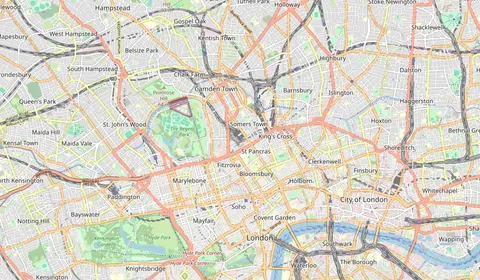
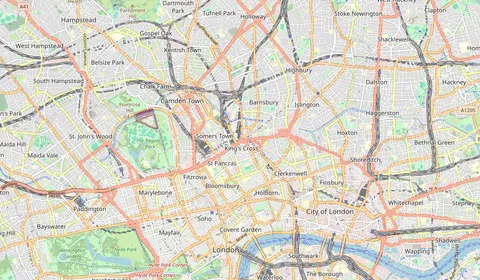
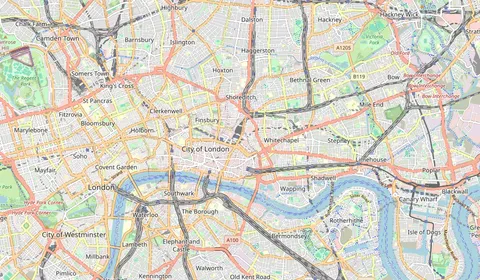
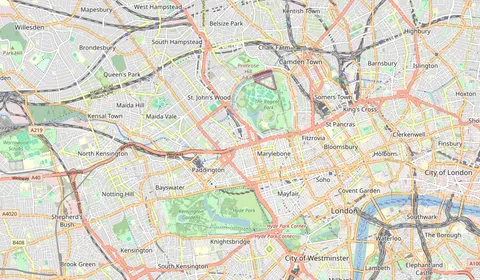
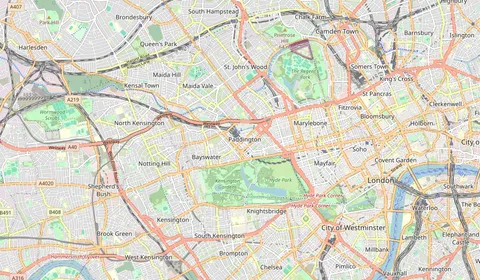
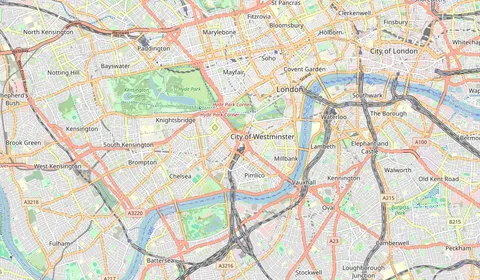
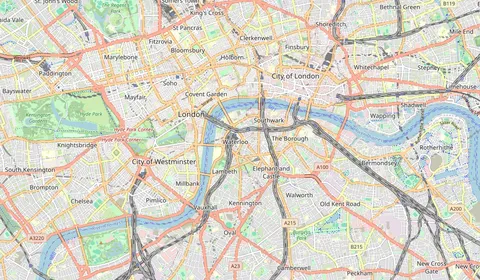
Train routes to and from London
Find places to stay in London

Before you travel
London is a terminal-style rail city, so station choice matters more than simply heading for a single central station. Use London St Pancras International as the first station to check for relevant long-distance or international trips, then confirm the exact London terminal named on your ticket.
Many London rail journeys are organised around different terminals. Choose accommodation, local transport, and transfer time around the station shown in the booking flow rather than assuming another London station will be equally convenient.
London station names are usually distinct terminal names rather than variations of one main station. Keep the full station name visible when planning Underground, taxi, or walking transfers between rail legs.
Frequently asked questions
How long does the train from London to Paris and Brussels take?
Eurostar's current route pages give typical direct journey times of about 2 hours 16 minutes from London to Paris and 1 hour 53 minutes from London to Brussels. Both services depart from London St Pancras International. Check the exact departure before booking because journey times and timetables can vary.
Which London station should I use for my train?
Use the exact station shown by the operator or National Rail journey planner. King’s Cross is the main station to check for Scotland and the north-east, Euston for Birmingham and many north-west journeys, Paddington for the west and south-west, Waterloo for the south and south-west, and Liverpool Street for East Anglia. St Pancras International is the Eurostar station; it is next to King’s Cross but is not the same station.
How early should I arrive for Eurostar from London?
At London St Pancras, Eurostar currently recommends arriving 75 minutes before departure for Standard and Plus, or 45 minutes for Premier. The gates close 30 minutes before departure for Standard and Plus and 15 minutes before departure for Premier. Check your downloaded ticket near travel day in case the guidance changes.
How do I transfer between London train stations?
Use the TfL Journey Planner for the Tube, Elizabeth line, DLR, buses, and walking routes. King’s Cross and St Pancras are next to each other, but other station changes require a cross-London journey. If you hold separate tickets, allow a realistic buffer and check whether your train ticket covers the Underground or whether you need contactless or Oyster pay as you go.
What does London Terminals mean on a UK train ticket?
London Terminals usually means that your ticket can be used at more than one central London terminal on a reasonable National Rail route. It does not automatically include a Tube or bus journey across London. Check the ticket’s route conditions if you need to reach a named station such as Euston or Paddington from a different terminal.