
Train travel in United Kingdom
Britain's 9,848-mile rail network serves 2,585 stations; Advance fares are cheapest, while Anytime tickets offer the most flexibility.

- Stations
- 8
- Main operators
- 32
- Routes covered
- 29
- Rail passes valid
- 4
Britain’s railway network represents over two centuries of innovation and evolution, creating one of the world’s most comprehensive rail systems. Whether you’re a first-time visitor planning scenic route adventures or a seasoned commuter looking to save money on train tickets, understanding the UK’s rail infrastructure can transform your travel experience.
This complete guide covers everything you need to know about trains in UK, from booking cheap train tickets to navigating major stations and understanding the complex fare structure that defines british rail network operations.
Overview of the UK Rail Network
Britain operates the world’s oldest railway network with 9,848 miles of track managed by Network Rail. This extensive rail infrastructure connects every corner of Great Britain, from the remote Scottish Highlands to the bustling streets of London.
The uk national rail network serves over 1.6 billion passenger journeys annually across 2,585 stations in England, Scotland, and Wales. More than 20 private train operating companies provide services under the national rail brand, creating a complex but comprehensive system that rivals any in Europe.
Major routes form the backbone of british trains operations. The west coast main line connects London Euston to Glasgow via Birmingham, Manchester, and Preston, while the east coast main line links London King’s Cross to Edinburgh through York and Newcastle. The Great Western Main Line extends from London Paddington to Cardiff, Bristol, and Cornwall, offering some of Britain’s most scenic train journeys.
The rail network encompasses high-speed services reaching 125 mph, regional trains connecting major cities, local services serving smaller communities, and heritage railways preserving Britain’s railway history. This diversity ensures that train travel remains accessible and practical for millions of passengers daily.
Network Rail maintains all track, signals, and major stations, while train companies operate passenger services under franchise agreements. This separation of infrastructure and operations, established during privatization in the 1990s, creates the modern structure of rail services across Great Britain.
Understanding UK Train Ticket Types
The UK’s fare structure revolves around three main ticket categories that apply across all train operators. Understanding these options is crucial for finding cheap train tickets and planning cost-effective journeys.
Anytime Tickets
Anytime tickets represent the most expensive but flexible option for train travel. These tickets are valid any time, any day on any operator serving your route, making them ideal for business travelers and last-minute journeys.
One-way anytime tickets remain valid for two days from the travel date, while return tickets offer validity for one month with unlimited journey breaks allowed. No advance booking is required, and unlimited availability means you’ll never face sold-out situations. Optional seat reservations are available but not mandatory.
The premium pricing reflects maximum flexibility, you can catch any train on your route without restrictions. For frequent travelers or those with unpredictable schedules, anytime tickets eliminate the stress of missing specific services.
Off-Peak Tickets
Off peak tickets provide mid-priced fares by avoiding Monday-Friday morning and evening rush hours. Generally valid after 10:30 on weekdays and all day during weekends and bank holidays, these tickets offer significant savings compared to anytime fares.
Day returns allow same-day travel, while monthly returns provide flexible return dates within 30 days. Time restrictions vary by route and operator, so checking specific off peak times for your journey is essential. Some routes have different off peak periods reflecting local commuting patterns.
Off peak return tickets and off peak day return options can save 20-40% compared to anytime fares while maintaining reasonable flexibility. For leisure travelers and those avoiding peak commuting hours, these tickets represent excellent value.
Advance Tickets
Advance tickets offer the cheapest fares available, starting from just £8 for long-distance journeys. These must be booked in advance for specific trains and include mandatory seat reservations, eliminating the uncertainty of finding available seats.
Available 8-10 weeks before travel until 18:00 the day before departure, advance fares operate on limited availability. Non-refundable with restricted change options, these tickets require commitment to specific departure times but deliver substantial savings.
Journey breaks are not permitted, and tickets are valid only on the booked train and operator. Missing your booked service typically requires purchasing a new ticket at the station, often at anytime prices.
How to Book Train Tickets
Modern booking systems make purchasing train tickets straightforward, with multiple platforms offering different advantages depending on your needs.
Online Booking Options
The official national rail website (nationalrail.co.uk) displays all operators’ services in a comprehensive search interface. This platform shows every available train ticket option without favoring specific companies, making it ideal for comparing advance fares and off peak tickets across operators.
Individual train company websites like avanti west coast, LNER, or Great Western Railway often match national rail prices while avoiding booking fees charged by third-party platforms. These sites excel for specific operator journeys and loyalty program benefits.
Third-party platforms like Trainline charge booking fees typically ranging from £1-3 per transaction but offer enhanced features including mobile ticket storage, journey planning tools, and streamlined purchasing processes. For international visitors or occasional travelers, the convenience often justifies the booking fee.
Mobile tickets delivered directly to smartphones eliminate collection queues and provide instant access. Station collection from fast-track machines requires only the payment card used for booking, while postal delivery suits advance bookings with sufficient lead time.
Finding Cheap Fares
Booking advance fares early typically yields the lowest prices, but avoid booking too far ahead when only expensive anytime tickets are available. Advance ticket releases follow complex algorithms, with cheapest fares often appearing 8-12 weeks before travel.
Split-ticketing using specialized sites like trainsplit.com can generate significant savings on longer journeys. This technique involves purchasing multiple tickets for different segments of the same journey, exploiting pricing anomalies in the fare structure.
Consider alternative routes that may offer lower prices. For example, London to Exeter journeys via Waterloo (Southwest Railway) often cost less than the faster Paddington route (Great Western Railway), despite slightly longer journey times.
Setting fare alerts through various platforms notifies you when cheap advance tickets become available for specific routes. This passive approach works particularly well for flexible travelers planning leisure trips several months ahead.
Railcards and Discounts
Railcards provide 33% discounts on most train fares, costing £35 annually or £80 for three years. These cards deliver substantial savings for regular travelers and can pay for themselves within just a few journeys.
The 16-25 Railcard targets students and young professionals, while the 26-30 Railcard extends similar benefits to the next age bracket. The Senior Railcard serves passengers aged 60 and above, and the Family & Friends Railcard offers discounts for groups including children.
The Two Together Railcard provides couples with significant savings when traveling together, requiring both cardholders to travel on the same journey. The Disabled Persons Railcard offers enhanced discounts and can be used by a companion traveling with the cardholder.
Railcard discounts apply to anytime tickets, off peak fares, and advance tickets, though some restrictions apply during peak hours on certain routes. Purchase is possible online or at staffed stations, with digital versions stored on smartphones for convenient presentation to ticket inspectors.
International visitors can purchase and use railcards, making them valuable for tourists planning multiple train journeys during extended UK visits. The investment quickly recovers costs for anyone making several medium to long-distance trips.
Major Train Operating Companies
Understanding which train companies serve specific routes helps with journey planning and booking strategies. The franchise system creates regional monopolies with some overlap on major corridors.
Long-Distance Operators
Avanti West Coast operates the prestigious west coast main line, connecting London Euston to major cities including Manchester, Birmingham, Liverpool, and Glasgow. Their Pendolino trains reach 125 mph and offer both standard and first-class accommodations.
LNER serves the east coast main line from London King’s Cross, providing direct services to York, Newcastle, and Edinburgh. Their Azuma trains represent some of the newest rolling stock on the network, featuring modern amenities and enhanced passenger comfort.
Great Western Railway covers the west of England from London Paddington, serving Bath, Bristol, Cardiff, and extending to Cornwall’s popular tourist destinations. Their network includes both high-speed services and local stopping trains serving smaller communities.
CrossCountry operates the UK’s most extensive route network, connecting Scotland to Southwest England via Birmingham. Their cross country journeys eliminate the need for London connections when traveling between regions.
Regional and Local Services
Regional operators focus on specific geographic areas, providing essential connectivity between major cities and local communities. Northern Rail covers northern England from the Scottish border to the Midlands, operating everything from urban metro services to rural branch lines.
ScotRail dominates Scottish rail services, connecting Edinburgh and Glasgow to Highland destinations including Inverness, Fort William, and Mallaig. Transport for Wales serves Wales and the Welsh borders, linking Cardiff to North Wales and cross-border destinations.
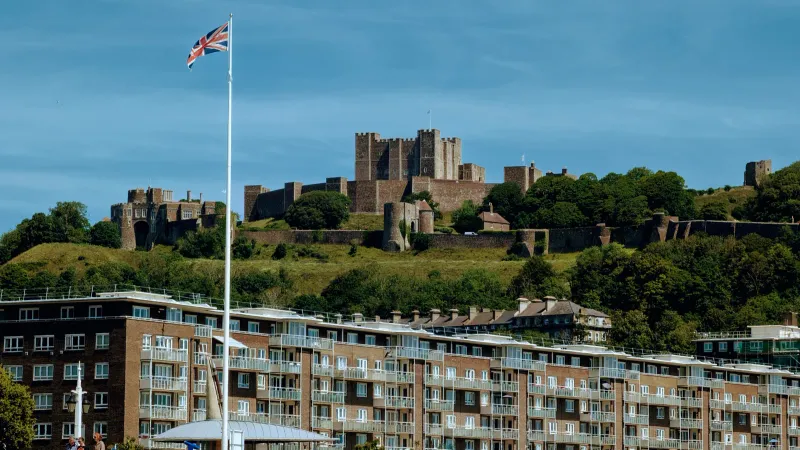
South Western Railway operates from London Waterloo to Southern England, including Portsmouth, Southampton, and the scenic route to Exeter. Southeastern connects London to Kent, serving Dover for Continental ferry connections.
East Midlands Railway links London to the East Midlands and Yorkshire, while West Midlands Trains serves the Birmingham area. TransPennine Express connects major Northern cities including Manchester, Leeds, Liverpool, and Sheffield.
Each operator maintains distinct branding, rolling stock, and service standards while operating under the unified national rail network. Understanding operator territories helps with booking strategies and service expectations.
Traveling by Train in the UK
The practical experience of train travel in Britain combines historical infrastructure with modern amenities, creating a unique journey environment that varies significantly between operators and route types.
Station Navigation and Facilities
London’s twelve main terminal stations form a central ring around the city center, each serving different regions of the country. King’s Cross handles east coast services, Paddington serves the west, Victoria connects to southern England, and Euston operates west coast services.
Major cities like Birmingham and Manchester operate multiple main stations reflecting historical railway company territories. Birmingham New Street serves as the primary interchange, while Manchester has Piccadilly for intercity services and Victoria for regional connections.
Left luggage facilities operate at major stations, providing secure storage for day trips or while awaiting accommodation check-in. Most stations offer accessibility services including ramps, lifts, and assistance for passengers with mobility requirements.
Platform information typically displays 10-15 minutes before departure, showing coach formations and first-class locations. Real-time displays update regularly, reflecting the dynamic nature of railway operations and potential service adjustments.
Station facilities vary dramatically by size and importance. Major stations feature extensive retail areas, restaurants, and business facilities, while smaller rural stations may offer only basic shelter and ticket machines.
Onboard Experience
Standard class provides comfortable seating with reasonable legroom for most passengers. Modern trains feature aircraft-style seating configurations with fold-down tables, while older stock maintains traditional railway compartment layouts.
First class offers enhanced comfort with larger seats, extra legroom, and wider tables suitable for laptop use. Complimentary refreshments are standard on long-distance services, ranging from simple drinks and snacks to full meal services on premium routes.
Free WiFi is available on most intercity trains, though connectivity quality varies by location and network demand. Power outlets are standard at most seats on modern rolling stock, essential for device charging during longer journeys.
Bicycle storage is available on most trains, though advance booking may be required during peak periods or on specific services. Folding bikes generally travel free without reservations, while standard bicycles may incur charges on some operators.
Quiet coaches provide low-noise environments for working or relaxing, with mobile phone restrictions and reduced announcements. Family areas accommodate travelers with children, offering more flexible seating arrangements and tolerance for higher noise levels.
Connections and Integrated Travel
Britain’s transport integration extends beyond railways, connecting seamlessly with urban transit, ferry services, and airport links to create comprehensive travel options.
Urban Transport Links
The london underground system connects directly to all London terminal stations, enabling efficient transfers between national rail services and the capital’s metro network. Visitor Oyster Cards provide convenient access to all London transport modes with daily price capping.
PlusBus tickets add unlimited local bus travel in over 200 towns and cities for just £2-3 extra when purchasing train tickets. This integration eliminates separate ticket purchases and provides door-to-door connectivity from railway stations.
Major cities operate dedicated metro systems complementing national rail services. Glasgow’s subway, Merseyrail around Liverpool, and the Tyne and Wear Metro in Newcastle provide urban connectivity independent of the national network.
Transport integration extends to airports with dedicated rail links. The heathrow express provides 15-minute connections between central London and Heathrow Airport, while Gatwick Express serves Gatwick Airport from Victoria station.
Ferry Connections
Integrated train-ferry tickets connect the mainland to island destinations including the Isle of Wight, Northern Ireland, and Channel Islands. These through-tickets simplify complex journeys requiring multiple transport modes.
Northlink Ferries provide connections to Orkney and Shetland with coordinated rail connections from Aberdeen. This integration enables single-ticket purchases for journeys from anywhere in Britain to Scotland’s remote islands.
International ferry connections via Dover integrate with train services, enabling through-ticketing to Continental Europe. While not as convenient as the Channel Tunnel, ferry connections offer alternative routes for those preferring sea crossings.
Special Services and Passes
Unlimited travel options and special services cater to tourists, business travelers, and those requiring extensive rail travel across Britain.
BritRail Passes for International Visitors
BritRail Passes provide unlimited travel exclusively for overseas visitors, available for periods from three days to one month. These passes offer exceptional value for tourists planning multiple long-distance journeys across different regions.
Pass holders enjoy free seat reservations available online or at any staffed station. The flexibility to travel on any national rail service without individual ticket purchases simplifies complex multi-destination itineraries.
BritRail Passes are valid on all train services but exclude london underground, buses, and Eurostar. Pass validation occurs before first use, with validity periods running consecutively from the chosen start date.
Regional variations include England-only passes, Scotland passes, and combined England-Scotland options. Pricing varies by duration and coverage area, with significant savings available for extensive travel plans.
Rail Rovers and Regional Passes
Unlimited travel passes cover all or specific parts of the british rail network, offering duration options from single days to full months. Railcard discounts apply to most rover tickets, enhancing value for eligible passengers.
Some restrictions apply on premium business routes before 10:00 on weekdays, though these limitations rarely affect leisure travelers. Most rover tickets include access to heritage railways and certain sleeper services.
These passes suit travelers exploring specific regions intensively or those planning spontaneous journeys without fixed itineraries. The freedom to board any service within the validity area eliminates advance booking requirements.
Planning Your Journey
Effective journey planning combines multiple information sources and tools to navigate Britain’s complex but comprehensive rail network successfully.
Live Information and Disruptions
National rail live departure boards provide real-time information accessible via websites and mobile apps. These displays show current delays, cancellations, and platform changes essential for smooth travel.
Realtimetrains.co.uk offers detailed running information including actual arrival and departure times, rolling stock details, and historical performance data. This specialized platform serves enthusiasts and those requiring precise scheduling information.
Planned engineering works information is available weeks in advance, allowing travelers to adjust plans before disruptions occur. Alternative routes and replacement bus services operate during major works, though journey times typically increase significantly.
The complexity of rail infrastructure means disruptions can cascade across the network. Having alternative route knowledge and flexible travel plans helps minimize inconvenience during significant incidents.
Maps and Route Planning
National rail network maps are available in both geographic and schematic formats, showing the physical layout and service patterns across Britain. These maps help visualize route options and connection possibilities.
Station plans detail facilities, accessibility features, and platform layouts for major stations. This information proves valuable when planning connections or identifying specific amenities like left luggage or accessible toilets.
The National Routeing Guide defines permitted routes for each ticket type, ensuring legal compliance with complex fare regulations. Understanding these rules prevents issues with ticket validity during inspections.
Mobile apps from various operators and third parties provide journey planning, ticket management, and real-time information in integrated platforms. These tools have largely replaced paper timetables for most travelers, offering dynamic information updates and personalized travel assistance.
Journey planner tools consider multiple factors including price, journey time, and connection complexity. Advanced features allow filtering by direct services only, arrival time preferences, and accessibility requirements.
The british rail network offers unparalleled connectivity across Great Britain, linking remote communities to major cities through a complex web of routes and services. Understanding fare structures, booking systems, and travel options enables both domestic and international visitors to navigate this historic network efficiently.
Whether you’re seeking cheap tickets for budget travel, exploring scenic routes through Britain’s countryside, or connecting between major stations for business purposes, the rail network provides reliable, extensive coverage. From heritage railways preserving steam-age nostalgia to high speed lines delivering rapid intercity connections, trains in uk continue evolving to meet modern travel demands.
Planning successful rail journeys requires understanding the interplay between different ticket types, operators, and booking platforms. With proper preparation and knowledge of available discounts, train travel in Britain offers excellent value, environmental benefits, and the chance to experience the country’s diverse landscapes from the comfort of your seat.
The investment in understanding Britain’s rail system pays dividends through years of efficient, enjoyable travel across one of the world’s most comprehensive railway networks. Whether you’re a visitor planning a grand tour or a resident seeking better commuting options, mastering the intricacies of train travel opens up countless possibilities for exploring Great Britain by rail.
Where to book
Train tickets
- Check times & prices
Omio
Omio connects you with over 1,000 transport providers - trains, buses, flights, and more - to simplify your travel planning.
Rail Europe
Rail Europe is a leading travel tech company specializing in European train bookings for over 15,000 travel professionals worldwide.
Trainline
Trainline sells rail and coach tickets worldwide on behalf of major UK and European transport companies.



Train service
- Check times & prices
Avanti West Coast runs London Euston to Birmingham, Manchester, Liverpool, Glasgow and Edinburgh, with Advance, Off-Peak and Anytime fares.
Official website - Check times & prices
c2c runs London Fenchurch Street to Shoeburyness, serving 26 East London and South Essex stations, with e-tickets, Smartcard and contactless fares.
Official website - Check times & prices
Caledonian Sleeper runs overnight from London Euston to Glasgow, Edinburgh, Aberdeen, Inverness and Fort William, with cabin and seated fares.
Official website - Check times & prices
Chiltern Railways runs London Marylebone to Birmingham, Oxford, Stratford-upon-Avon and Aylesbury, with Advance, Off-Peak and Anytime fares.
Official website - Check times & prices
CrossCountry runs long-distance trains linking Scotland, the North, Midlands, Wales and the South West without changing in London.
Official website - Check times & prices
East Midlands Railway runs Intercity trains to London St Pancras, regional services across the Midlands and North, and Eurostar connections.
Official website - Check times & prices
The Elizabeth line is TfL's cross-London railway linking Heathrow and Reading with the City and Shenfield or Abbey Wood.
Official website - Check times & prices
Eurostar runs high-speed trains from London St Pancras to Paris (2 h 16 min), Brussels (1 h 53 min) and Amsterdam; London departures require border checks.
Official website - Check times & prices
Gatwick Express runs non-stop between London Victoria and Gatwick Airport in about 31 minutes, with some trains also serving Brighton.
Official website - Check times & prices
Grand Central is an open-access operator from London King's Cross to York, Sunderland, Doncaster and Bradford. Bike spaces are limited.
Official website - Check times & prices
Great Northern links London King's Cross and Moorgate with Cambridge, King's Lynn and Peterborough on the southern East Coast Main Line.
Official website - Check times & prices
GWR runs from London Paddington to Bristol, Bath, Cardiff, Devon, Cornwall, Oxford and Reading, with Advance, Off-Peak and Anytime fares.
Official website - Check times & prices
Greater Anglia runs from London Liverpool Street to Norwich, Cambridge, Ipswich, Colchester and East Anglia's coast, Broads and airports.
Official website - Check times & prices
Heathrow Express runs non-stop between London Paddington and Heathrow in 15 to 21 minutes. Fares from £10 in advance, up to £26 on the day.
Official website - Check times & prices
Hull Trains is an open-access operator running direct services from Hull and Beverley to London King's Cross, with Advance fares bookable up to 26 weeks ahead.
Official website - Check times & prices
Island Line runs Ryde Pier Head to Shanklin on the Isle of Wight, operated by South Western Railway.
Official website - Check times & prices
LNER runs East Coast Main Line trains from London King's Cross to Yorkshire, the North East, Edinburgh and Inverness.
Official website - Check times & prices
London Northwestern Railway connects London Euston with Birmingham, Liverpool, Northampton and Crewe. Bikes travel free; e-scooters are banned.
Official website - Check times & prices
London Overground is a TfL rail service with six named lines circling outer London, using Oyster and contactless pay as you go.
Official website - Check times & prices
Lumo runs all-electric trains from London to Edinburgh and Newcastle, plus a newer London to Stirling route via Preston.
Official website - Check times & prices
Merseyrail runs the Northern and Wirral lines around Liverpool. Buy before boarding or tap MetroCard, contactless or a smart device.
Official website - Check times & prices
NI Railways is Translink's rail brand in Northern Ireland, running trains to Bangor and Derry~Londonderry and the Enterprise to Dublin.
Official website - Check times & prices
Northern runs regional and commuter trains to over 500 stations across the North of England, from Advance to Anytime fares.
Official website - Check times & prices
ScotRail runs over 2,000 daily services across more than 340 Scottish stations, publicly owned by the Scottish Government since 2022.
Official website - Check times & prices
South Western Railway runs from London Waterloo to Southampton, Bournemouth, Portsmouth, Exeter and the Isle of Wight's Island Line.
Official website - Check times & prices
Southeastern runs across London, Kent and East Sussex, with High Speed services to St Pancras and 164 stations on its network.
Official website - Check times & prices
Southern runs between central London and the south coast through Sussex, Surrey and parts of Kent and Hampshire, calling at Gatwick Airport.
Official website - Check times & prices
Stansted Express runs Stansted Airport to London Liverpool Street in 48 minutes, every 15 minutes, with fares from £9.90.
Official website - Check times & prices
Thameslink runs a 24 hour core route between Bedford and Brighton through central London, with a direct link to Luton Airport.
Official website - Check times & prices
TransPennine Express runs intercity trains across the North of England and into Scotland, linking Manchester, Leeds, Newcastle, Edinburgh and Glasgow.
Official website - Check times & prices
Transport for Wales runs the Wales and Borders rail network, from the Cambrian Coast and Heart of Wales lines to Cardiff, Chester and Manchester Airport.
Official website - Check times & prices
West Midlands Railway runs regional trains around Birmingham to Coventry, Shrewsbury, Stafford and Worcester. Bikes travel free; e-scooters are banned.
Official website



















Main routes in United Kingdom
Major stations and cities in United Kingdom






Frequently asked questions
How large is the UK's railway network?
Britain operates the world's oldest railway network with 9,848 miles of track managed by Network Rail. It serves over 1.6 billion passenger journeys annually across 2,585 stations in England, Scotland, and Wales.
Which areas does ScotRail serve?
ScotRail dominates Scottish rail services, connecting Edinburgh and Glasgow to Highland destinations including Inverness, Fort William, and Mallaig.
What regions does Northern Rail cover in the UK?
Northern Rail covers northern England from the Scottish border to the Midlands, operating everything from urban metro services to rural branch lines.
Which operator connects London to Kent and ferry services to the Continent?
Southeastern connects London to Kent, serving Dover for Continental ferry connections.
Which operator serves Wales and the Welsh borders?
Transport for Wales serves Wales and the Welsh borders, linking Cardiff to North Wales and cross-border destinations.