
Train stations in Rome
Roma Termini is Rome's main station; some high-speed trains use Roma Tiburtina, and Leonardo Express reaches Fiumicino Airport in 32 minutes.
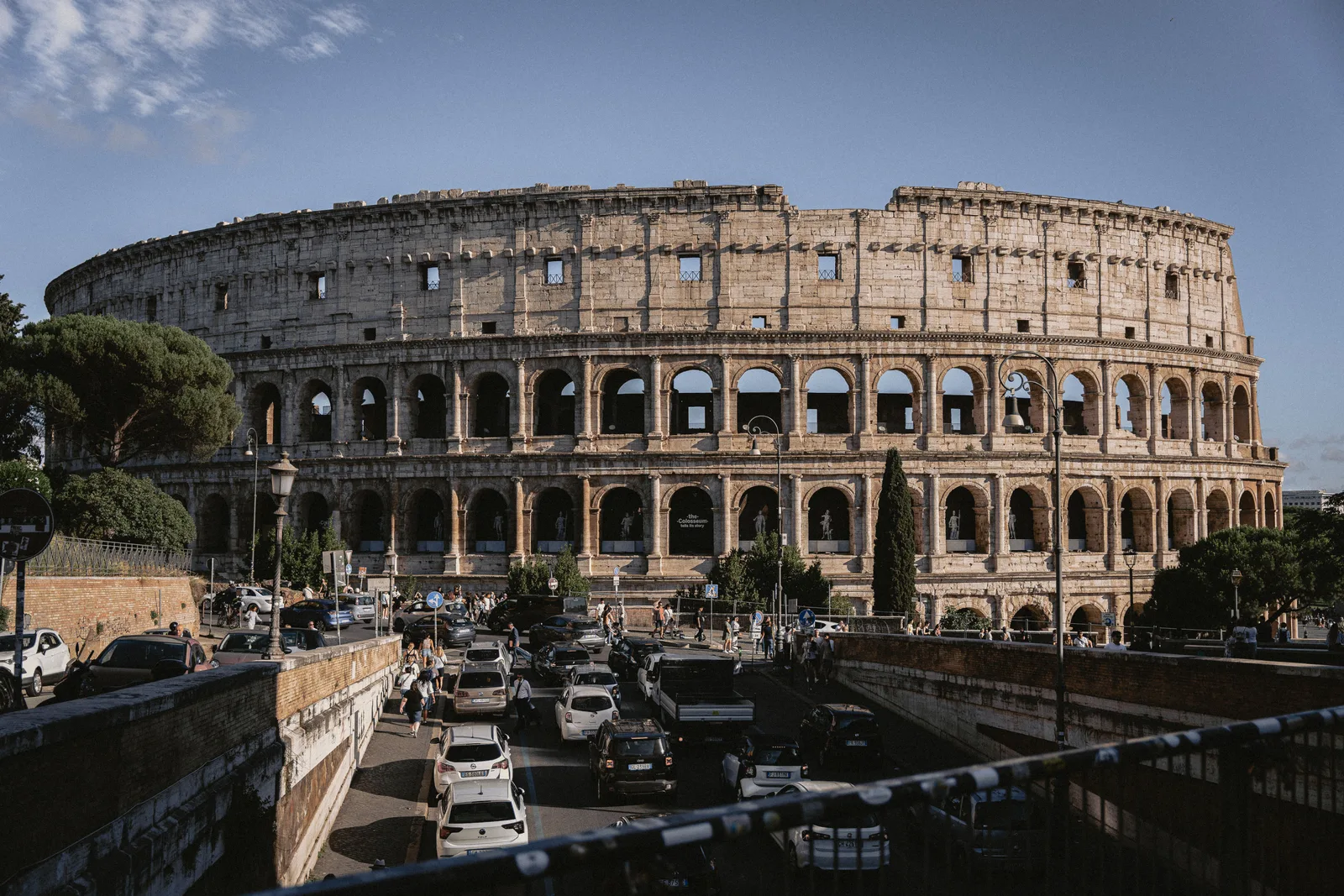
- Stations
- 5
- Primary station
- Roma Termini
- Passenger operators
- 3
- Routes covered
- 31
Book Roma Termini for most journeys, but trust the full station name on your ticket because some high-speed trains also use Roma Tiburtina.
Roma Termini is the default station for most visits
For most visits, Roma Termini is the right choice. It has Metro lines A and B, the direct Leonardo Express to Fiumicino Airport, and a mix of long-distance and regional trains. A search result labelled only "Roma" is not enough. Open the train details and confirm the full station name before paying.
Termini has 32 platforms. The eastern platforms and platforms 25 to 29 are about 500 metres beyond the main platform line, which is a long walk with luggage. Leave extra time when one of those numbers appears, then match the train number and destination on the live departure board.
If you need a taxi, use the official points in Piazza dei Cinquecento or Via Marsala. Licensed Rome taxis are white, with a roof sign and licence number, and ordinary city journeys run on the meter. Make sure the meter is on and ask for a receipt.
Roma Tiburtina needs a separate arrival plan
If the ticket says Roma Tiburtina, go to Tiburtina. Italo serves both Termini and Tiburtina, and some Trenitalia trains also call at both. Heading to Termini by habit can turn a comfortable departure into a missed train.
Tiburtina is northeast of central Rome and connects with Metro Line B. The metro runs directly to Termini, but Tiburtina is not a walkable substitute for a central arrival. Confirm the direction, final stop and time needed from the street entrance to the railway platform.
Some trains call at both Rome stations; others use only one. Board at the station on the booking unless the operator changes the itinerary. Recheck the station and train number on the day when engineering work or a timetable change could affect a fixed connection.
Ostiense and Trastevere suit specific local journeys
Roma Ostiense and Roma Trastevere make sense when the FL1 airport train or the final address points you there. The FL1 serves Trastevere, Ostiense and Tiburtina, but not Termini. Ostiense also connects with Metro Line B at Piramide.
Neither station replaces Termini or Tiburtina for a high-speed booking. A hotel near Trastevere can make the FL1 the better airport choice, while anyone bound for Termini needs another train or metro leg. Confirm the full station name, interchange and final walk before choosing the journey.
Domestic high-speed routes offer useful choices
Compare Trenitalia Frecciarossa and Italo for the same date. Both run high-speed trains through Rome, and the sensible choice often comes down to departure time, fare conditions and the exact Rome station. Italo's fastest published times are about 55 minutes to Naples, 1 hour 30 minutes to Florence, 3 hours to Milan and 3 hours 34 minutes to Venice. Bologna is also on the main northbound high-speed route.
Those are the fastest published times, not a promise for every departure. Look at the selected train's stops, arrival station and total journey time. Intercity and Frecciabianca can work better for places outside the high-speed network, including direct trains on the Rome to Pisa route.
Long-distance tickets belong to the booked operator and train, while change and refund rights depend on the fare. A Trenitalia ticket does not work on Italo. Confirm the operator, train number and fare rules before relying on a tight flight, night train or separate connection.
Classes and fares reward the right trade-off
Start with Frecciarossa Standard or Italo Smart unless extra space or an included service matters to you. Frecciarossa also has Premium, Business and Executive. Italo's three main classes are Smart, Prima Business and Club Executive. The names are not direct equivalents, so compare the benefit you would actually use on the chosen train.
The cheapest fare is usually the least flexible. Trenitalia sells Base, Economy and Super Economy, each with different change and refund rules. Italo uses Low Cost, Economy and Flex, with Flex offering the widest choice of changes and refunds. Read the conditions before paying, especially after a flight when a fixed departure could be risky.
The operator's booking page is the clearest place to understand the ticket. If a reseller issues it, find out which operator runs the train and which company handles changes. A low headline fare is poor value when the connection risk calls for a more flexible ticket.
Rail passes still require an Italian train check
Use eligible Trenitalia trains rather than Italo with an Interrail or Eurail Pass. Italo is not covered. Frecciarossa and Frecciargento require a compulsory pass-holder reservation costing €13 in either class, while Intercity reservations cost €3.
The pass and reservation are separate products. A pass alone is not enough on a train with compulsory reservations, and a reservation is not a full ticket. Find the exact train in the pass timetable and secure the reservation before building fixed plans around it.
Regional Trenitalia trains are generally the reservation-free alternative, but ticket validity is a separate matter. A pass does not cover every local operator either. Check the company on each leg before assuming that coverage continues beyond the mainline journey.
International and overnight journeys need route-by-route planning
Read the complete itinerary for an international journey to Rome. Daytime EuroCity and Railjet trains from northern Europe enter Italy through cities such as Milan, Venice, Verona or Bologna, so Rome commonly appears as a separate domestic leg. A city-pair headline will not tell you the change station or whether the connection is protected.
Nightjet includes Rome in its destination network. Trenitalia also runs Intercity Notte trains between Rome and Sicily and Trieste, plus selected weekend routes elsewhere in Italy. Operating days, stations and accommodation vary. Confirm the date, Rome station and whether you have booked a seat, couchette or sleeper.
Pass holders still need the relevant night-train reservation or accommodation booking. For separate tickets, find out whether a through-journey agreement applies and allow a larger margin when the connection is unprotected. The ticket terms matter more than the route description.
Fiumicino trains serve different parts of Rome
Take the Leonardo Express for a direct journey between Fiumicino Airport and Roma Termini. It takes 32 minutes, runs every 15 minutes in the main service pattern and costs €14 for a single ticket. Look up the exact departure before travel because planned works and some time bands can alter the interval.
The FL1 is the better fit when Trastevere, Ostiense or Tiburtina is closer to the accommodation. A single ticket from the airport to stations inside Rome's fare ring costs €8. Trains run every 15 minutes on working days and every 30 minutes on Sundays and public holidays. They do not serve Termini.
Choose by final address, not price alone. For an early flight, check the first useful train, the airport station walk and the airline deadline. The published railway time does not include reaching the terminal or check-in area.
Local transport starts with the correct station exit
At Termini, Metro lines A and B are the simplest option when the accommodation is near a station. Rome's BIT ticket costs €1.50 and lasts 100 minutes, including one metro journey. ROMA24H costs €8.50; the 48-hour and 72-hour products cost €15 and €22.
Count the journeys you expect to make before buying a time-based ticket. Paper and digital products have different activation steps, so follow the instructions for the format you bought. An unactivated ticket is not valid, however cheap it was.
With luggage, an official taxi may be easier than changing metro lines. Use a white licensed taxi from a marked rank, check the meter and ask for a receipt. Rome's city fares are meter-based, so ignore remembered fixed estimates and read the current tariff displayed in the vehicle.
Day trips work best with the return planned first
Florence and Naples are the easiest high-speed day trips from Rome. The fastest published times are about 1 hour 30 minutes to Florence and 55 minutes to Naples. Look at the return before leaving Rome when an evening arrival matters, then confirm both stations and the fare flexibility.
Pompeii needs a separate local ticket after Naples. The Circumvesuviana Napoli to Sorrento line serves Pompei Scavi Villa dei Misteri for the Porta Marina and Piazza Esedra entrances. A Trenitalia or Italo ticket to Napoli Centrale does not automatically cover that EAV leg, and Interrail or Eurail passes exclude Circumvesuviana trains.
Pisa takes more care. Trenitalia runs direct Frecciabianca trains on the Rome to Pisa route, while some Italo offers combine high-speed and Trenitalia regional services. Check whether the itinerary is direct, where any change occurs and whether separate tickets leave the connection unprotected before committing to the longer day.
Regional tickets and disruption rules deserve a final check
Regional ticket validation depends on the format. Trenitalia's Regional Digital Ticket validates automatically at the scheduled departure of the chosen train. An Electronic Regional Ticket needs no validation, while a single paper regional ticket must be validated before departure.
Read the ticket instead of applying a rule remembered from an earlier trip. At the station, "binario" means platform, "partenza" means departure and "ritardo" means delay. Match the train number as well as the destination, then check the platform again close to departure.
On strike days, Trenitalia publishes guaranteed minimum services, but individual routes and trains can still change. Read the operator's notice and train status before leaving for the station. If the trip connects with a flight or separate international ticket, keep more margin than the normal timetable suggests.
Where to book
Train tickets
- Check times & prices
Omio
Omio connects you with over 1,000 transport providers - trains, buses, flights, and more - to simplify your travel planning.
Rail Europe
Rail Europe is a leading travel tech company specializing in European train bookings for over 15,000 travel professionals worldwide.
Trainline
Trainline sells rail and coach tickets worldwide on behalf of major UK and European transport companies.


Passenger train operators
- Check times & prices
Italo is Italy's private high-speed operator, linking Milan, Rome and Florence with trains reaching 300 km/h; book early for lower fares.
Official website - Check times & prices
ÖBB is Austria's national railway, with Railjet high-speed and Nightjet sleeper services plus regional trains across Austria and neighbouring countries.
Official website - Check times & prices
Trenitalia runs Italy's Frecce high-speed, Intercity and regional trains; Super Economy fares are cheapest but allow no changes or refunds.
Official website
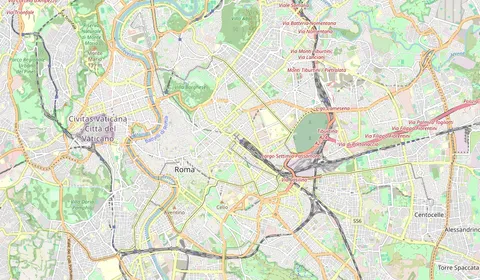
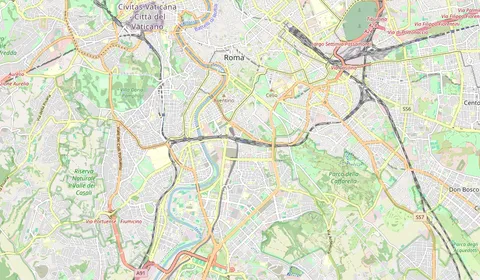
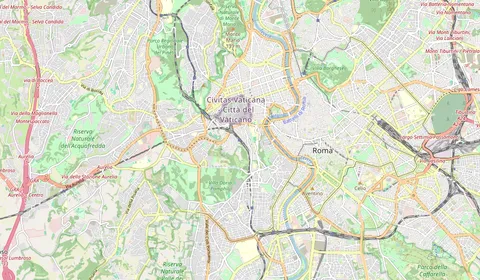
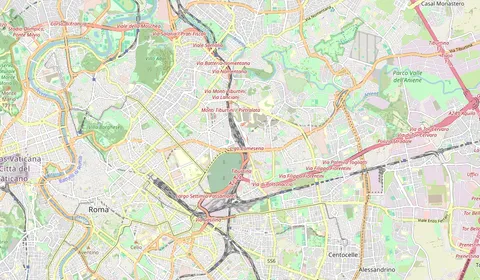
Train stations in Rome

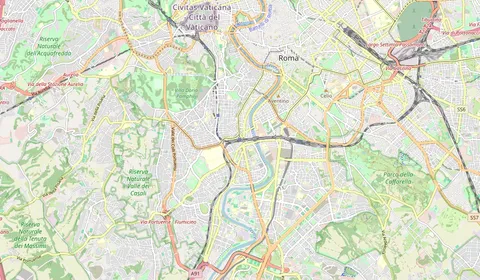
Train routes to and from Rome
Find places to stay in Rome

Before you travel
Roma Termini is the main station to check first for most Rome rail journeys, but Rome also has useful secondary stations for some directions and local connections. Confirm the station named on the ticket before planning your route across the city.
Rome station choice can affect both rail routing and local transfers. Use the station list as orientation, then plan around the exact station shown in your booking rather than assuming every Rome train uses Roma Termini.
Roma is the Italian name used in station names. If your ticket names a station other than Termini, allow time to reach that specific station and do not treat it as a platform within the main station.
Frequently asked questions
Where is the Sala Blu assistance point at Roma Termini?
The Sala Blu is near platform 1 and the Via Marsala entrance. Arrange assistance for the specific journey, then report to the agreed meeting point at least 30 minutes before departure. Allow a 30-minute assistance margin for an interchange unless Sala Blu approves an exception.
What child discounts apply on Trenitalia national trains?
Children under four travel free without their own seat. Children aged four to 14 receive 50% off the Base fare on national trains. Select the child's correct age when booking and carry proof of age in case train staff ask for it.
Can I take a bicycle on a Frecciarossa or Intercity train?
One dismantled and bagged bicycle or fully closed folding bike travels free on Frecce trains up to 80 x 110 x 45 cm. An assembled bicycle needs a €3.50 supplement and compulsory space booking on equipped Intercity trains. Check the bicycle option before paying.
Can I take a pet on an Italo train from Rome?
Small dogs, cats and other pets travel free in a carrier. A medium or large dog needs the paid Dog service, available in Smart and Prima Business. Add the animal during booking and check the current carrier, document and seating rules.
Is luggage included on Trenitalia regional trains?
Hand luggage travels free when stowed in the designated spaces without obstructing people, property or railway staff. Keep valuables with you and check unusual items before travel. Trenitalia permits luggage only when it contains no dangerous substances and causes no damage.