
Train stations in Turin
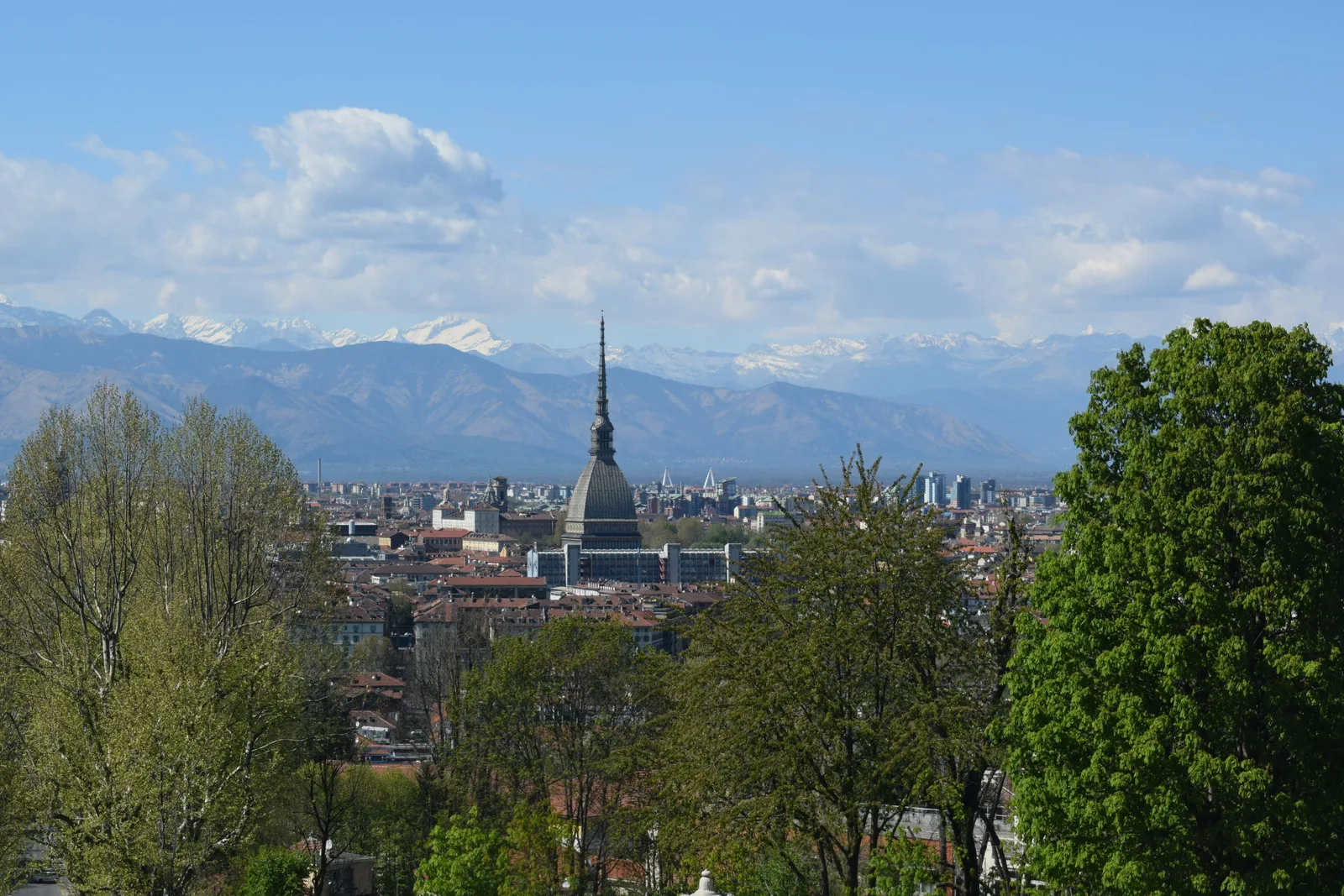
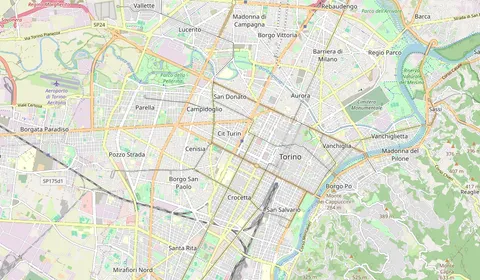
Turin has two stations: Torino Porta Nuova for regional trains and trains to Genoa, and Torino Porta Susa for Paris trains; many high-speed trains use both.
- Stations
- 2
- Primary station
- Torino Porta Nuova
- Passenger operators
- 3
- Routes covered
- 1
Turin has two main line stations, Torino Porta Nuova and Torino Porta Susa, and picking the wrong one costs you extra transfer time.
Two stations, and the choice matters
Turin has two main line stations, Torino Porta Nuova and Torino Porta Susa, and picking the wrong one costs you a taxi ride or a scramble across town. The simple rule: if your train is one of the high speed Frecciarossa or Italo services heading south to Rome, Florence or Naples, or north from Paris, use Porta Susa, since it is the modern station built for that traffic and the one Paris services stop at exclusively. If you are heading to Genoa or Pisa, use Porta Nuova, because those regional and long distance services do not call at Porta Susa at all. For the domestic north south corridor through Milan, Bologna and on to Rome, most high speed trains call at both stations in sequence, Porta Nuova first and then Porta Susa a few minutes later, so either works and the ticket will tell you which one your specific train uses. Read the station code on your ticket before you pay, not just the city name, because Torino alone does not tell you which building to walk into.
Getting to Milan on the high speed line
Frecciarossa and Italo both run frequent high speed services between Turin and Milan, and the fastest of them cover the roughly 140 kilometre run in around 45 minutes. Treat 45 minutes as the best case rather than the average, since the wider range of departures across the day, including ones that make an extra stop, runs closer to an hour and ten minutes. With around 26 trains a day on the route between the two cities, you are rarely waiting more than half an hour for the next departure during the working day, which makes Turin to Milan one of the more forgiving connections on the Italian network if your own schedule slips. Both operators serve Porta Susa on this route, and Frecciarossa services also call at Porta Nuova, so check which platform building your specific departure uses rather than assuming.
Regional trains fan out from Porta Nuova
Porta Nuova is the older, grander station and it remains the hub for regional Trenitalia services into the wider Piedmont region, including connections toward Asti, Alessandria and the airport town of Caselle via bus link rather than direct rail. If your trip involves a same day side trip out of Turin on a regional train rather than a high speed one, Porta Nuova is more likely to be your starting point, and its concourse is the busier and more central of the two for that reason. Porta Susa, by contrast, was purpose built for the high speed era and sits closer to the newer business district, with a lighter, more modern footprint that suits a fast connection rather than a long wait.
Walking and tram links into the centre
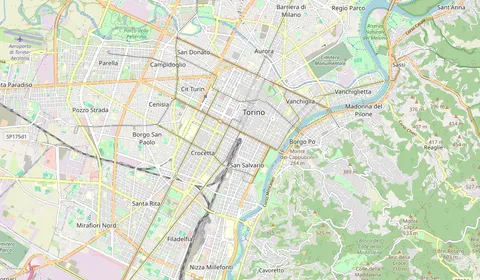
Porta Nuova sits right at the edge of Turin's historic centre, and most travellers walk the short distance to Piazza San Carlo or the Quadrilatero district in under fifteen minutes. Porta Susa is a little further out but is served directly by Turin's Metro line 1, which runs into the centre in a few stops, and by several tram lines that connect it to Porta Nuova and on to the rest of the city. If you arrive at Porta Susa and your hotel sits near Porta Nuova or the old centre, the metro is faster and cheaper than a taxi for most of the day. Late at night, when metro frequency drops, a short taxi ride between the two stations is a reasonable fallback.
Confirm before you pay
Because both stations sell tickets that look identical on a booking site, the single habit that saves the most trouble is checking the station name printed on the ticket itself before paying, not just relying on the search result you clicked. A Paris to Turin booking that only serves Porta Susa will strand you at the wrong end of town if you assumed Porta Nuova out of habit, and the same applies in reverse for a Genoa connection. When in doubt, search the specific route on Trenitalia's or Italo's own site rather than a generic Turin search, since the operator's own timetable will show the calling station for that exact train rather than a blended city level result.
Where to book
Train tickets
- Check times & prices
Omio
Omio connects you with over 1,000 transport providers - trains, buses, flights, and more - to simplify your travel planning.
Rail Europe
Rail Europe is a leading travel tech company specializing in European train bookings for over 15,000 travel professionals worldwide.
Trainline
Trainline sells rail and coach tickets worldwide on behalf of major UK and European transport companies.


Passenger train operators
- Check times & prices
Italo is Italy's private high-speed operator, linking Milan, Rome and Florence with trains reaching 300 km/h; book early for lower fares.
Official website - Check times & prices
SNCF operates France's TGV and regional trains. SNCF Connect books domestic and many international journeys, with fares ranging from flexible to non-refundable.
Official website - Check times & prices
Trenitalia runs Italy's Frecce high-speed, Intercity and regional trains; Super Economy fares are cheapest but allow no changes or refunds.
Official website
Train stations in Turin
Train routes to and from Turin
Find places to stay in Turin

Frequently asked questions
Should I use Trenitalia to check a Turin ticket?
Use the official operator timetable and conditions for the exact service. Check every leg and ticket flexibility before paying.
Should I choose the shortest connection to Turin?
Choose it only when the connection is protected and practical. More margin is normally better when an earlier train, coach or flight could be late.
Can I treat the airport transfer as part of the train ticket?
Plan the airport transfer separately unless the confirmed itinerary explicitly includes it. Leave time for baggage, delays and the move between airport transport and rail.
Can a rail pass replace a Turin ticket?
A pass can cover eligible journeys, but check the selected train and any reservation condition before travel day.
Should I buy separate tickets for a Turin journey?
They can work when you allow a generous connection margin. Read the later ticket conditions first because they may not cover an earlier delay.