Updated
Fastest Trains in Europe: A High-Speed Journey Across the Continent
Europe's fastest trains include Italo (up to 360 km/h), TGV (320 km/h) and Eurostar (300 km/h); journey times depend on the route.
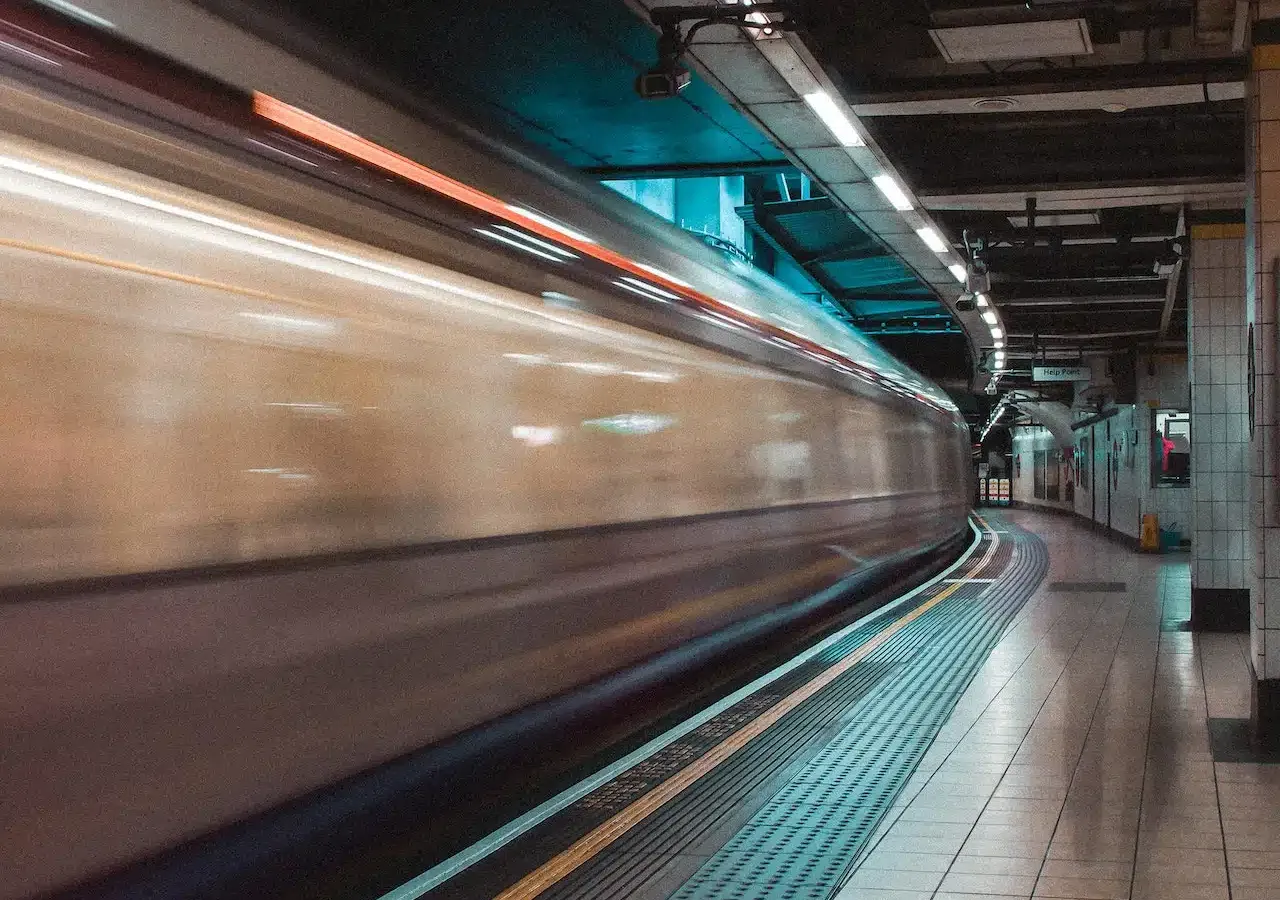
Europe is home to some of the fastest trains in the world, with cutting-edge technology and sleek designs that make for a comfortable and efficient travel experience. Whether you’re traveling for business or pleasure, these high-speed trains can get you to your destination in record time. Here are some of the fastest trains in Europe:
Eurostar
This high-speed train links London to Paris and Brussels through the Channel Tunnel, with a top speed of 300 km/h (186 mph). The journey from London to Paris takes just over two hours, while London to Brussels takes around 1 hour and 50 minutes.
Eurostar is a popular choice for travelers wanting to cross the English Channel quickly and comfortably. The train features spacious and comfortable seats, free Wi-Fi, and an onboard food and drink service. The train is also environmentally friendly, with carbon emissions 90% lower than that of a plane on the same journey.
TGV, The Train à Grande Vitesse
The Train à Grande Vitesse (TGV) is France’s flagship high-speed train, with a top speed of 320 km/h (199 mph). It connects Paris to Lyon, Marseille, and other cities in the south of France, as well as to destinations in Switzerland, Belgium, and Spain.
TGV is renowned for its high-speed journeys and frequent connections. Passengers can enjoy spacious and comfortable seating, and have access to onboard amenities such as power outlets and an onboard café. In addition to its high-speed services within France, TGV also connects France to major European cities such as Brussels, Geneva, and Zurich.
Italo
Italy’s high-speed train, Italo, can reach speeds of up to 360 km/h (224 mph). It connects cities such as Rome, Florence, and Milan, and also travels to destinations in Switzerland and France. Italo’s sleek design and exceptional service make it a popular choice for travelers in Italy. The train offers a range of seating options, including a premium service with extra legroom and onboard refreshments. Passengers can also enjoy free Wi-Fi and a selection of entertainment options during their journey.
AVE
Spain’s high-speed train, AVE, has a top speed of 310 km/h (193 mph). It connects Madrid to other major Spanish cities, including Barcelona, Valencia, and Seville. AVE is a fast and convenient way to travel between major cities in Spain. Passengers can enjoy comfortable seating and a selection of onboard amenities, including free Wi-Fi and an onboard café. The train also offers a high-speed connection between Madrid and Barcelona, which takes just over two and a half hours.
ICE
The Intercity-Express (ICE) is Germany’s high-speed train, with a top speed of 320 km/h (199 mph). It connects major cities such as Berlin, Munich, and Frankfurt, as well as destinations in other European countries. CE’s modern and efficient trains offer a comfortable way to travel between major cities in Germany and beyond. The train features spacious seating, free Wi-Fi, and an onboard café. ICE’s international connections include services to Paris, Brussels, and Zurich.
Sapsan
Russia’s high-speed train, Sapsan, can reach speeds of up to 250 km/h (155 mph). It connects Moscow to St. Petersburg, and offers a comfortable and fast way to travel between these two major cities. Sapsan’s fast and modern trains offer a comfortable way to travel between Moscow and St. Petersburg. The train features spacious seating and a range of onboard amenities, including free Wi-Fi and an onboard café. With a journey time of just under four hours, Sapsan is a popular choice for travelers wanting to explore these two major Russian cities.
Thalys
The Thalys is a high-speed train that connects Paris to Brussels, Amsterdam, and Cologne. It has a top speed of 300 km/h (186 mph), and offers a quick and convenient way to travel between these major European cities. Thalys is a convenient and fast way to travel between major European cities. Passengers can enjoy spacious seating, free Wi-Fi, and an onboard café. The train offers high-speed connections between Paris, Brussels, Amsterdam, and Cologne, making it a popular choice for business and leisure travelers alike.
These high-speed trains are not only fast and efficient, but also offer a comfortable and enjoyable travel experience. With modern amenities such as onboard restaurants, Wi-Fi, and comfortable seating, you can sit back, relax, and enjoy the ride as you speed across Europe.
Frequently asked questions
How fast can Eurostar trains travel?
Eurostar trains can reach up to 300 km/h on high-speed lines. Through the Channel Tunnel, the current operator information gives a lower operating speed of 160 km/h, so the headline maximum does not apply to the whole journey.
Is TGV faster than Eurostar?
By maximum recorded speed on certain high-speed lines, yes. TGV INOUI lists 320 km/h, compared with Eurostar's 300 km/h on high-speed lines. That does not make every TGV journey faster, because the route, stops and connections still determine the actual travel time.
Is Thalys still a separate train operator?
No. Thalys is now part of Eurostar, and the trains carry the Eurostar name. If an older route guide refers to Thalys between Paris, Brussels, Amsterdam or Cologne, search for the current Eurostar service instead.
Does a train's top speed tell me how long the journey will take?
No. Top speed is a maximum reached only on suitable high-speed sections. Your end-to-end journey also depends on the route, tunnel or conventional-line sections, station stops and any connections, so compare the full timetable rather than the headline speed alone.