

Train service

Eurostar
Eurostar is an international high-speed rail operator connecting the UK, France, Belgium, the Netherlands, and Germany.
Check times & pricesOfficial website Check times & prices
Train tickets

Omio
Omio connects you with over 1,000 transport providers - trains, buses, flights, and more - to simplify your travel planning.

Trainline
Trainline sells rail and coach tickets worldwide on behalf of major UK and European transport companies.

Raileurope
Rail Europe is a leading travel tech company specializing in European train bookings for over 15,000 travel professionals worldwide.
Travelling to London by train is fast, practical, and considerably better for the environment than flying. Britain’s largest city, home to over 8.7 million people and more than 3,500 pubs, sits at the centre of the UK’s rail network, with 17 terminal stations and over 20 rail companies serving it. Arrive from within the UK or cross from mainland Europe and you step off at a city-centre station, not an airport 30 miles out.
- London to Paris by Eurostar produces more than 90% fewer carbon emissions per passenger than flying the same route.
- Reach Paris in as little as 2 hours 15 minutes, Brussels in 2 hours 1 minute, or Birmingham in just 1 hour 17 minutes.
- Advance tickets on domestic routes start from £2.25 on some routes when booked early.
- Skip airport check-in and security queues with direct city-centre arrivals at stations close to London’s main attractions.
Introduction to London trains
London’s rail network connects the city to destinations across the UK and Europe. Avanti West Coast and East Midlands Railway run high-frequency domestic services into Euston, Paddington, and Liverpool Street, while Eurostar links London St Pancras International directly to Paris, Brussels, and Amsterdam via the Channel Tunnel. Two things cut costs reliably on any of these routes: book early and travel off-peak.
Quick comparison of key train routes
| Route | Travel time | Operator | Starting price |
|---|---|---|---|
| London to Paris | 2h 15m | Eurostar | From £51 Standard |
| London to Brussels | 2h 01m | Eurostar | From £51 Standard |
| London to Birmingham | 1h 17m - 2h 20m | Avanti, Chiltern | From £2.25 |
| London to Amsterdam | 3h 52m | Eurostar | From £51 Standard |
With 17 terminal stations, London is the hub for both domestic and international rail travel in Britain.
Train routes to London
International train routes
Eurostar operates high-speed services to London St Pancras International from several European cities via the Channel Tunnel. All international Eurostar trains arrive and depart at St Pancras, so there is no need to cross London to a separate international terminal.
| Destination | Journey time | Notes |
|---|---|---|
| Paris | 2h 15m - 2h 37m | Frequent service, multiple departures daily; terminates at Paris Gare du Nord |
| Brussels | 2h 01m | Direct service to Bruxelles-Midi; most Brussels trains call at Lille |
| Rotterdam | 3h 13m | Direct service available |
| Amsterdam | 3h 52m | Stops at Lille and Rotterdam; terminates at Amsterdam Centraal |
| Lille | 1h 30m | Useful interchange for onward French TGV services |
Eurostar no longer operates a direct service to Disneyland Paris station (Marne-la-Vallee); that route was discontinued in 2023. To reach Disneyland Paris, take the Eurostar to Gare du Nord then connect onto the RER A. Antwerp, Bruges, and Ghent are reachable from Brussels by onward Belgian rail, not by direct Eurostar from London.
UK train routes
Three operators share the London to Birmingham corridor, so there are frequent choices throughout the day. Avanti West Coast is the fastest, covering London Euston to Birmingham New Street in 1 hour 17 minutes at its quickest. Chiltern Railways takes around 2 hours from London Marylebone to Birmingham Moor Street and tends to be quieter and cheaper. West Midlands Trains runs a slower service of around 2 hours 20 minutes.
Advance tickets on domestic routes start from £2.25 on some routes. Prices rise quickly once advance allocations sell out, so booking early pays off, particularly for peak-time travel.
Travel time guide
| Origin city | Travel time | Frequency | Operator |
|---|---|---|---|
| Paris | 2h 15m - 2h 37m | Multiple daily | Eurostar |
| Brussels | 2h 01m | Several daily | Eurostar |
| Birmingham | 1h 17m - 2h 20m | Dozens of departures daily | Multiple operators |
| Rotterdam | 3h 13m | Daily service | Eurostar |
| Amsterdam | 3h 52m | Multiple daily | Eurostar |
| Lille | 1h 30m | Several daily | Eurostar |
London to Birmingham is one of the UK’s busiest rail corridors. Trains run from early morning until late evening across Avanti West Coast, Chiltern Railways, and West Midlands Trains combined.
London train stations
London is served by 17 terminal stations and over 20 rail companies. The main arrival points for visitors are Waterloo, Victoria, Liverpool Street, London Bridge, Euston, King’s Cross, St Pancras, and Paddington. Every one of them connects to the Underground and local bus network, so reaching your final destination from any of them is straightforward.
St Pancras International station
St Pancras International is London’s terminal for Eurostar services and for domestic trains on the Midland Main Line and Thameslink network. It sits adjacent to King’s Cross, and the two stations share an Underground interchange.
| Destination | Services | Notes |
|---|---|---|
| Paris | Eurostar | Multiple daily departures to Gare du Nord |
| Brussels | Eurostar | Direct service to Bruxelles-Midi |
| Amsterdam | Eurostar | Stops at Rotterdam; terminates at Amsterdam Centraal |
| Lille | Eurostar | Interchange for French TGV high-speed services |
Domestic connections from St Pancras include East Midlands Railway to Leicester, Derby, Sheffield, and Nottingham; Thameslink to Brighton, Gatwick, Cambridge, and Peterborough; and Southeastern to Canterbury, Margate, and across Kent.
If you are catching a Eurostar, arrive at St Pancras at least 30 minutes before departure. You pass through passport control and airport-style security before reaching the platforms, and the queues can build up. Eurostar boards from platforms 5 to 10.
Main London stations
| Station | Primary routes | Key features |
|---|---|---|
| King’s Cross | Northeast England, Scotland | 350+ bike racks, family lounge with play area, showers available |
| Euston | Northwest England, West Midlands | Main hub for Birmingham and Manchester services |
| Paddington | West England, Wales | Home to the Heathrow Express; serves Bristol, Bath, Oxford, Exeter, Cardiff |
| Victoria | Southeast England | Terminus for the Gatwick Express |
| Liverpool Street | East England | Stansted Express services to Stansted Airport |
All major London stations have ticket offices, shops, dining, luggage storage, free WiFi, charging points, accessibility services, and connections to the Underground and local buses. Paddington has a First Class lounge with seating and refreshments.
Types of tickets
Eurostar offers three ticket classes for travel between London and Europe. Prices are dynamic and change with demand and availability, so treat the figures below as starting-point orientation rather than fixed fares.
| Ticket type | Starting price | What’s included |
|---|---|---|
| Standard | From £51 one-way | Comfortable seating, free WiFi, café-bar on board, changes until 1 hour before departure |
| Plus | From £98 one-way | Wider 1st class seating, complimentary cold meal and drinks, free WiFi |
| Premier | From £325 one-way | 1st class, hot meal, champagne, Premier lounge access in London and Paris, fully flexible including refunds up to 48 hours after the scheduled departure |
Children under 4 travel free on Eurostar and do not need a ticket. Children aged 4 to 11 travel at a reduced child fare. Interrail and Eurail pass holders can use Eurostar with a passholder reservation, currently from around £26.50 in Standard class.
For Standard and Plus tickets, changes are free until 1 hour before departure; refunds are available until 7 days before travel with a £25 fee. Premier tickets are fully flexible and refundable until 48 hours after the scheduled departure.
Ways to save money
Booking ahead is the most reliable way to cut costs. UK domestic advance fares are typically released 12 weeks before travel; Eurostar tickets open up to 11 months before departure. The earlier you book, the more lower-priced allocations are still available.
The 16-25 Railcard costs £35 a year (or £80 for three years) and gives a third off most fares across Great Britain. The 26-30 Railcard offers the same discount at the same price for those aged 26 to 30. Family and Friends, Senior, and Disabled Persons Railcards cover other groups with similar reductions.
Split ticketing is worth checking on longer routes: buying two separate tickets for different legs of the same journey can save up to 50%. GroupSave cuts fares by a third for groups of three to nine people on many domestic Off-Peak services. Children aged 5 to 15 pay half the adult advance fare on UK domestic routes.
Digital tickets
Most UK train operators and Eurostar issue tickets directly to your smartphone. Download the relevant operator app before you travel, enable alerts for service updates, and keep your device charged. Saving a screenshot of your ticket is a useful backup if you lose signal. For live UK departure information, National Rail Live Departures shows real-time station boards.
Peak and off-peak times
Peak services on UK domestic routes run on weekday mornings and evenings. Travelling off-peak, including weekends, bank holidays, and midday slots, generally means lower fares and a less crowded train. If your journey is flexible, check which departure times drop into a cheaper fare tier before you book.
Booking train tickets
You can book UK domestic and Eurostar tickets online, through mobile apps, or at station ticket machines and offices. For Eurostar, booking direct at eurostar.com avoids booking fees and lets you manage seat selection after payment. The National Rail journey planner compares routes across domestic operators and links through to booking. Trainline and Omio cover both UK and European routes in a single booking flow, which is useful if you are connecting from a UK regional station to a Eurostar departure.
Getting around London
The London Underground carries around 4 million passengers a day and is the quickest way to move between areas of the city. It covers central and outer London across 11 colour-coded lines, running from early morning until around midnight on most lines, with Night Tube services on selected routes on Friday and Saturday nights.
Using the Tube
| Zone feature | Details | Tips |
|---|---|---|
| Zone coverage | Zones 1 to 9 | Central London is Zone 1 |
| Zone 1 fare | £2.80 off-peak | Use contactless or Oyster for the lowest fares |
Stand on the right on escalators and let passengers off before boarding. Leicester Square and Covent Garden stations are only about 260 metres apart, so it is often quicker to walk between them than to take the Tube.
Payment methods
| Payment type | Cost | Benefits |
|---|---|---|
| Oyster card | £5 refundable deposit | Auto top-up available; widely accepted across TfL services |
| Visitor Oyster card | £5 plus postage | Pre-order before arriving; convenient for short stays |
| Contactless card or phone | No deposit | Daily and weekly spending caps apply automatically |
Buses in London use the Hopper fare: each journey costs £1.75, and you can make unlimited bus and tram trips within one hour of your first touch-in at the same price. Daily bus spending is capped at £5.25, so heavy bus users never pay more than that in a single day.
Transport options
London’s red double-decker buses cover routes the Underground does not, with a daily cap of £5.25 per person. Santander Cycles are available from £2 at docking stations across central London; you can hire one via the Santander Cycles app or pay at any docking station terminal with a bank card. Thames Clippers run frequent River Bus services between piers from Putney in the west to Woolwich in the east, and accept Oyster card and contactless payment.
City centre and beyond
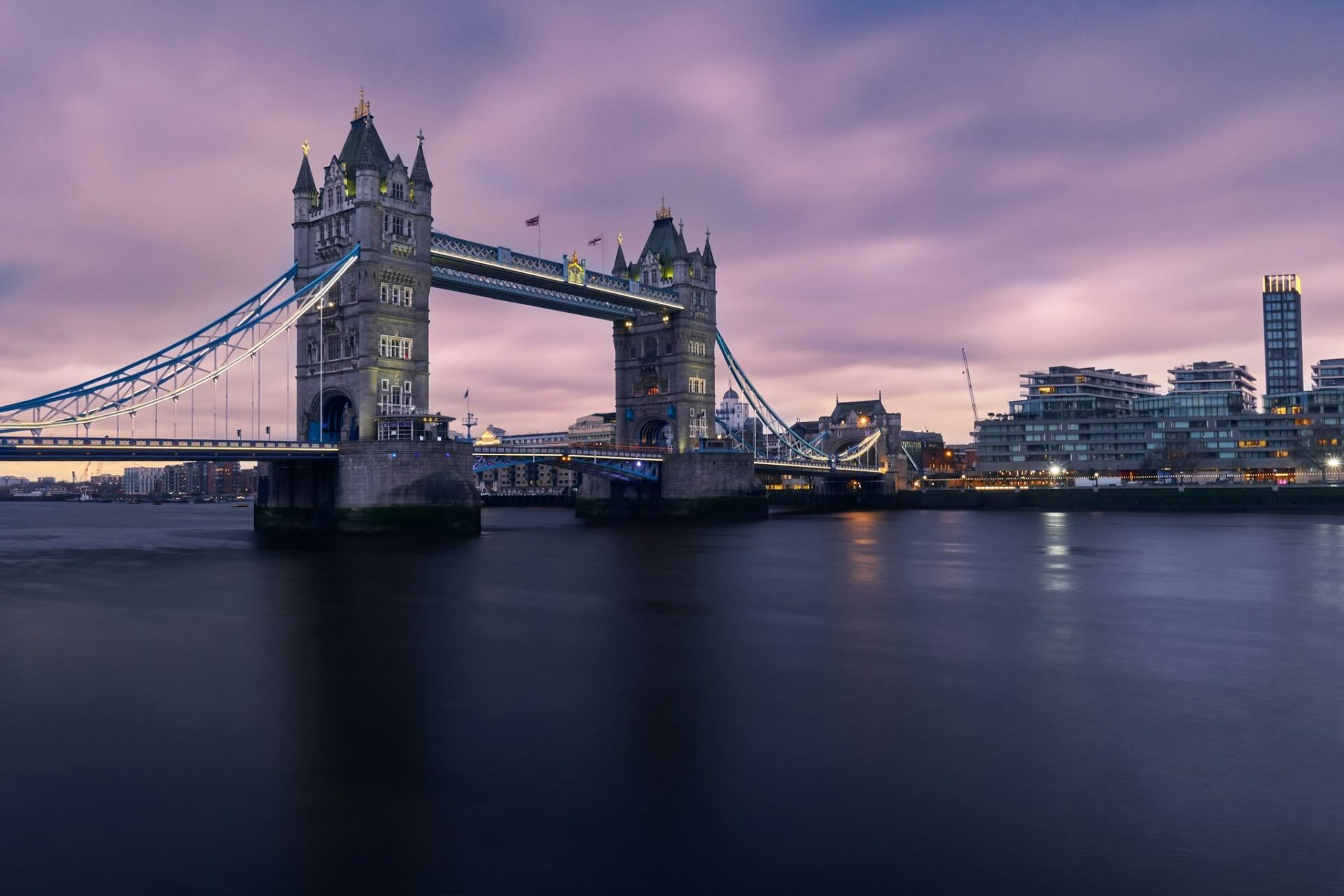
Many of London’s best-known sites are a short walk from main arrival stations. Buckingham Palace and Westminster Abbey are close to Victoria. The Tower of London and Tower Bridge are a short Tube or bus ride from London Bridge. Paddington and Liverpool Street connect via the Underground to virtually every part of the city. Shoreditch and Camden are well served by Overground and Underground lines; Greenwich is reachable by Thames Clipper or DLR.
Other travel options
The Underground, buses, and river services cover most journeys within London. For travel to mainland Europe, Eurostar from St Pancras is the fastest option. The Thames River Sightseeing Cruise is a slower, scenic way to see landmarks along the river. The South Bank is within walking distance of Waterloo station and is home to Tate Modern, the National Theatre, and the Southbank Centre. For shopping, Bond Street on the Elizabeth line connects directly to Oxford Street and Mayfair, while Brick Lane in east London is accessible from Liverpool Street.
Travel tips
Luggage and services
National Rail allows passengers to bring up to three pieces of luggage on board at no extra charge. Each item should be under 85 cm in any dimension as a general guide.
| Luggage type | Size restrictions | Additional notes |
|---|---|---|
| Standard items | Under 85 cm in any dimension | Suitcases, backpacks |
| Oversized items | Over 85 cm in any dimension | Not permitted where assistance is required to load |
| Foldable bikes | Approximately 90 cm x 70 cm x 40 cm when folded | Accepted by some operators (for example, Lumo); check with your train company before travelling |
“You’re generally welcome to bring up to 3 pieces of luggage onboard, at no extra cost.”
National Rail
Left-luggage facilities are available at major stations including Victoria and Waterloo. Fees and coverage terms vary by provider; check with the facility on arrival.
Travel assistance
- Passenger Assistance by Transreport app
- Phone: 0800 022 3720 (option 1)
- Text: 60083 (Monday to Friday, 9:00 AM to 5:00 PM)
- Help Point or station staff for immediate assistance
- Sunflower lanyard scheme recognised by all British train operators
Border control
If you are arriving in London by Eurostar, you pass through UK border control at St Pancras before boarding, not on arrival. Allow time for this when planning your arrival at the station.
| Traveller type | Required documents | Validity requirements |
|---|---|---|
| UK citizens | Valid UK passport | Must be valid for the whole of your stay |
| EU, EEA and Swiss citizens | Valid passport; UK ETA required for most visitors | Passport valid for the whole of your stay; EU/EEA/Swiss national ID cards are no longer accepted for general visits to the UK |
| Non-EU citizens | Valid passport plus UK ETA or visa | Requirements vary by nationality; check GOV.UK before travel |
The UK Electronic Travel Authorisation (ETA) costs £20 per person and is required for most visitors from Europe, the United States, Australia, Canada, and many other countries. It does not apply to British or Irish citizens, or to those who already have permission to live or work in the UK. Carriers submit Advance Passenger Information on your behalf before departure.
EU, EEA, and Swiss national identity cards are no longer accepted for general visits to the UK. If you previously used an ID card to enter the UK, you now need a passport and, unless exempt, a UK ETA. Travellers with UK settled or pre-settled status, a Frontier Worker permit, or an EU Settlement Scheme family permit may still be eligible to use a national identity card; check GOV.UK for your specific situation.
Summary
| Travel aspect | Key information | Cost details |
|---|---|---|
| City transport | Underground, buses, trams, river services | Zone 1 Tube fare: £2.80 off-peak; daily bus cap: £5.25 |
| Payment options | Visitor Oyster card or contactless | Oyster: £5 refundable deposit; Visitor Oyster: £5 plus postage |
Frequently asked questions
How fast is the train from London to Paris and Brussels?
The Eurostar from London St Pancras reaches Paris Gare du Nord in as little as 2 hours 15 minutes and Brussels Midi in 2 hours 1 minute. Standard class tickets start from around £51 one-way; Plus class from around £98. Fares are dynamic and change with demand, so booking early gives the best prices. Tickets open up to 11 months before travel.
How environmentally friendly is the train from London to Paris?
Travelling from London to Paris by Eurostar produces more than 90% fewer carbon emissions per passenger than flying the same route. For most journeys between London and Paris, the train is also faster than flying once you account for airport check-in and transfer times.
What are the main ways to save money on trains to London?
Booking ahead is the most reliable method. UK domestic advance fares are typically released 12 weeks before travel and start from £2.25 on some routes; Eurostar tickets open up to 11 months ahead. Railcards give a third off most domestic fares: the 16-25 Railcard and 26-30 Railcard each cost £35 a year. GroupSave cuts fares by a third for groups of three to nine people on Off-Peak services. Split ticketing can save up to 50% on longer domestic journeys.
How many train stations and rail companies serve London?
London has 17 terminal stations served by over 20 rail companies, making it the central hub of the UK rail network. Major arrival stations for visitors include St Pancras, Euston, Paddington, Victoria, King's Cross, and Liverpool Street, each connecting to the London Underground.
What ticket classes does Eurostar offer for travel between London and Europe?
Eurostar has three classes. Standard (from around £51 one-way) includes comfortable seating, free WiFi, and a cafe-bar; changes are free until 1 hour before departure. Plus (from around £98) adds wider seating and a complimentary cold meal and drinks. Premier (from around £325) includes a hot meal, champagne, lounge access at London St Pancras and Paris Gare du Nord, and full flexibility including refunds up to 48 hours after the scheduled departure. Children under 4 travel free; ages 4 to 11 pay a reduced child fare. Fares change with demand, so treat these as starting-point orientation and check eurostar.com for the exact price when you book.