Train service

NTV
Italo (NTV) is Italy’s first private high-speed rail operator, offering a competitive alternative to Trenitalia since 2012.
Check times & pricesOfficial website Check times & prices
Trenitalia
Trenitalia is Italy’s state-owned rail operator, running high-speed, intercity, and regional trains across the country and beyond.
Check times & pricesOfficial website
OBB
ÖBB is Austria’s national rail operator, known for its Railjet trains and Europe’s largest night train network, Nightjet.
Check times & pricesOfficial websiteTrain tickets

Raileurope
Rail Europe is a leading travel tech company specializing in European train bookings for over 15,000 travel professionals worldwide.

Trainline
Trainline sells rail and coach tickets worldwide on behalf of major UK and European transport companies.

Omio
Omio connects you with over 1,000 transport providers - trains, buses, flights, and more - to simplify your travel planning.
Venice is one of the easiest Italian cities to reach by train, but the station name matters more than many booking pages make clear. For most first-time visitors, and for most stays in the historic centre, book to Venezia Santa Lucia. The station is on the island of Venice beside the Grand Canal, so you arrive in the city itself rather than on the mainland.
Choose Venezia Mestre when your hotel is in Mestre, when you are changing trains, or when road and airport transport on the mainland would make the trip easier. Mestre can also work well when your accommodation is on the mainland, but it is not the same arrival as central Venice. If a booking page says only “Venice”, open the train details and check the station code before you pay.
Quick guide to arriving by train
| Traveller need | Best choice | What to check |
|---|---|---|
| Historic Venice, the Grand Canal, most central hotels | Venezia Santa Lucia | Hotel location, luggage, nearest vaporetto stop and walking route |
| Mainland hotels, Mestre stays, onward rail connections | Venezia Mestre | Whether the hotel is actually in Mestre or whether you still need to continue to the island |
| High-speed trains from Rome, Milan, Florence, Bologna or Naples | Trenitalia or Italo | Exact departure, arrival station, fare type and refund rules |
| Regional trips from Verona, Padua, Treviso or nearby Veneto towns | Trenitalia regional services | Digital or paper ticket rules, selected train and validation instructions |
| Night trains or international arrivals | ÖBB Nightjet/Railjet or connecting services | Whether the journey is direct, what accommodation is included, and whether a reservation is needed |
The main mistake is booking the wrong station. Santa Lucia gives you the classic Venice arrival. Mestre is useful, but it usually adds one more local train, bus, tram or taxi step before you reach the historic centre.
Venice Santa Lucia and Venice Mestre
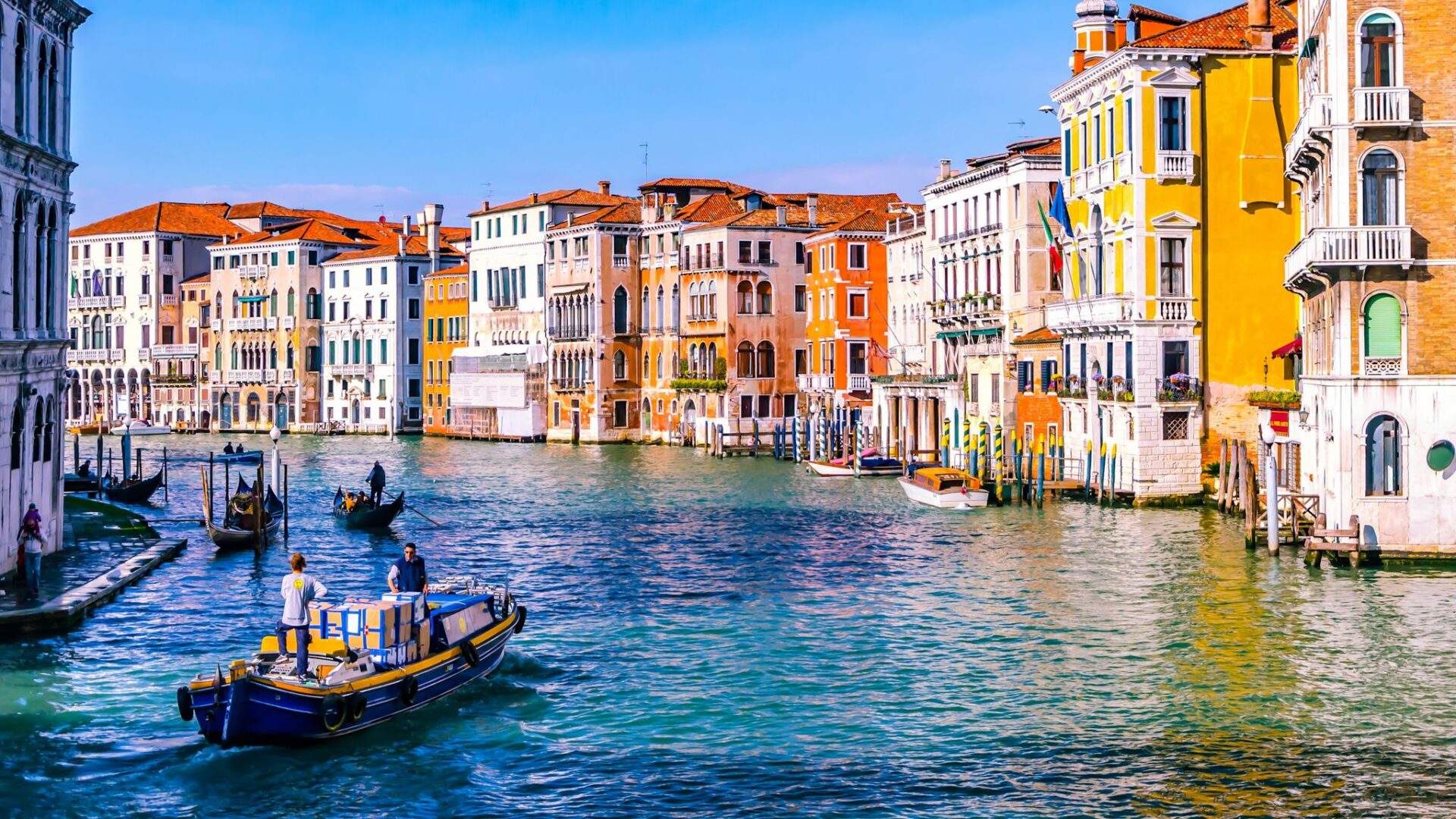
Venezia Santa Lucia is the main station for the historic city. It is the right arrival point if you want to step out near the Grand Canal, walk to areas such as Cannaregio or Santa Croce, or continue by vaporetto to another part of Venice. It is also the station to choose when your hotel describes itself as being in Venice rather than Mestre.
The practical catch is luggage. Venice is walkable, but bridges and narrow streets make even a short walk harder with heavy bags. Before booking a hotel, check the nearest vaporetto stop and the walking route from Santa Lucia. A hotel that looks close on a map can still mean several bridges.
Venezia Mestre is on the mainland. It is a major rail junction with rail connections to Santa Lucia, plus bus, tram and taxi connections. Choose Mestre if your accommodation is there, if you arrive late and want an easier road transfer, or if Venice is one stop in a wider rail itinerary.
Do not book Mestre by accident just to save a few euros. The saving can disappear if you need extra local transport, more time, or a difficult transfer with luggage.
Main train routes to Venice
Start with the type of journey you are making, then compare operators. Trenitalia and Italo are the main high-speed choices on major Italian corridors to Venice. Regional trains are often the practical option for shorter trips within Veneto and nearby cities.
Use the times below as route orientation, not as a promise for every departure. Journey times change by operator, stopping pattern, engineering work and the exact station pair shown in the booking engine.
| Route | Typical fastest pattern | Traveller note |
|---|---|---|
| Rome to Venice | Fast high-speed departures can take under 4 hours | Compare Trenitalia and Italo, and check whether the arrival is Santa Lucia or Mestre |
| Milan to Venice | Fast services can be around 2 hours, with some advertised departures showing shorter headline times | Check the exact train because stopping patterns and station choices affect the journey time |
| Florence to Venice | Fast high-speed departures are around 2 hours | Useful for a two-city Italy trip, but check the departure time and arrival station before building plans around it |
| Bologna to Venice | Frequent high-speed and regional options | Choose by price, speed and flexibility rather than assuming the fastest train is always best |
| Verona, Padua or Treviso to Venice | Regional trains are often the practical choice | Check digital regional ticket rules and the exact station before boarding |
| Naples to Venice | High-speed trains run through Rome and Florence | It is a long trip, so compare departure time, seat class and refund rules carefully |
Italo’s official Venice route page gives useful fare scale as well as journey-time orientation. Treat these as Italo-advertised starting fares checked on 16 June 2026, not guaranteed prices for every train or date.
| Italo route example | Advertised starting fare | Traveller use |
|---|---|---|
| Padua, Verona, Vicenza or Ferrara to or from Venice | from €8.90 | Use as a nearby-city benchmark, then compare against regional trains and the exact Venice station shown |
| Bologna to or from Venice | from €11.90 | A useful short high-speed benchmark when speed matters more than maximum flexibility |
| Florence or Milan to or from Venice | from €14.90 | Good low-fare scale for two-city Italy trips, if the cheapest fare bucket is still available |
| Rome to or from Venice | from €29.90 | A realistic low-fare anchor for the under-4-hour high-speed market, with flexibility often costing more |
| Naples to or from Venice | from €35.90 | Useful for judging long-distance value, but check departure time, seat class and refund rules |
| Salerno to or from Venice | from €38.90 | A farther-south benchmark where total journey time and any connection needs matter as much as fare |
The useful takeaway is price scale. Official Italo examples put nearby Veneto and Ferrara trips below €10, Bologna around €12, Florence and Milan around €15, Rome around €30, and Naples or Salerno in the mid-to-high €30s when the cheapest Italo fare bucket is available. If a search is much higher, first check whether cheaper departures exist nearby, then decide whether the stricter fare rules, exact station and arrival time still work for your trip.
For long-distance trips, do not judge the ticket only by the headline fare. A cheaper train may arrive at an inconvenient time, have stricter change rules, or leave you with a late transfer in Venice.
Tickets, fares and reservations
Italian high-speed fares are dynamic. Prices can change by date, demand, operator, class and fare type, so use advertised “from” prices as fare-bucket examples rather than promises. Italo’s official Venice examples, checked on 16 June 2026, are still useful anchors: Italo advertised Milan or Florence to or from Venice from €14.90, Rome from €29.90 and Naples from €35.90 when the lowest bucket is open. If those fares are gone, decide whether changing departure time is worth more than paying for the train you actually need.
On Trenitalia high-speed and Intercity services, the main fare names include Base, Economy and Super Economy. Base is the flexibility-focused option. Economy and Super Economy are saving fares with tighter conditions, although Trenitalia may offer optional refund products or promotions. The useful question is not only “which ticket is cheapest?” It is “how certain is my plan?” If your Venice hotel, flight or cruise connection depends on the train, a less flexible ticket can be a false economy.
Italo also sells high-speed tickets with its own fare and class structure. Do not assume a Trenitalia fare rule applies to Italo, or the other way round. A low Italo “from” fare can be useful, but only if the departure time, arrival station, seat class and refund rules fit the trip. Compare those conditions on the booking page before paying.
Regional trains work differently from high-speed trains. Trenitalia’s Digital Regionale ticket is automatically validated for the scheduled departure of the selected train, and the official rules allow time changes up to the scheduled departure time on the day of travel. Older paper or station-bought tickets may have different validation instructions. Follow the rule shown on your actual ticket rather than relying on old advice to print or stamp every ticket.
If you use an Interrail or Eurail Pass, check reservations before assuming the pass is enough. Regional trains are usually the simplest with a pass, while high-speed trains and night trains can require a separate reservation or supplement. For sleeper and couchette travel, the accommodation reservation is often the detail that decides whether the trip works.
International trains to Venice
Venice is connected to the wider European rail network, but the details depend on the route and timetable. Avoid assuming that every city listed in an old guide still has a direct train to Venice.
ÖBB Nightjet serves Venice on overnight routes from Austria and Germany, with departure options advertised from cities such as Vienna, Salzburg, Munich and Stuttgart. Nightjet offers seats, couchettes and sleepers. If you want a proper bed, book early because sleeper and couchette places are limited and the cheaper allocations can sell out first.
Daytime international travel often involves a route through Austria, Switzerland, Germany or France and then an Italian connection via cities such as Verona or Milan. Some journeys are direct in certain timetables, while others require a change. The safe booking habit is simple: check whether your selected journey is direct, where any change happens, and whether the connection is protected on one ticket.
For pass holders, international trips need extra care. A pass can be useful for flexibility, but reservations, supplements and sleeping accommodation are separate checks. Do not board a high-speed or night train to Venice with only the pass unless the booking source confirms that no reservation is required for that exact train.
Getting from the station to your hotel
From Santa Lucia, many central addresses are walkable, but Venice walking routes are not like normal city pavements. Bridges, steps and crowds make luggage the deciding factor. If your hotel is close and you have a small bag, walking can be easiest. If you have heavy luggage, a late arrival, or a hotel far from the station, plan the onward leg before you arrive.
The vaporetto is Venice’s public water bus. It is usually the practical choice for reaching areas along the Grand Canal, San Marco, Giudecca, the Lido and the lagoon islands. Check the route, stop and ticket validity on Venezia Unica or the local transport operator before buying, because the product you choose needs to cover the trip you will actually make.
A water taxi is the most direct option for some hotels, but it is expensive and should be treated as a convenience choice, not ordinary public transport. It can make sense for groups, late arrivals, mobility needs or heavy luggage, especially when the hotel has a suitable landing point.
From Mestre, you usually continue by local train, bus, tram or taxi. The train to Santa Lucia is often the simplest rail connection onto the island. Buses and trams end at Piazzale Roma, the road gateway to Venice, and from there many hotels still require a walk or water transport.
Local transport in Venice
Venice public transport is useful, but the right ticket depends on how much you will ride after arrival. A single vaporetto ticket can be enough if you only need one transfer from Santa Lucia. A time-based pass can make more sense if you plan several boat trips, want to visit islands such as Murano or Burano, or are staying away from the station.
Keep the rail fare and the arrival transfer cost in the same decision. A cheap high-speed ticket to Mestre can still be poor value if it adds a taxi, a late tram or an awkward luggage transfer. A slightly higher fare to Santa Lucia may be the better buy when it puts you within walking distance or one simple vaporetto ride of your hotel.
Before buying, check whether the ticket covers the journey you actually need. Airport boats, airport buses, People Mover trips and ordinary ACTV urban transport can have different products and validity. Do not rely on old prices or third-party snippets for this decision.
If you are staying in Mestre, check whether your accommodation is near the station, a tram stop or a bus stop. “Venice area” hotels can be convenient or awkward depending on the exact address. The better question is not whether the hotel is cheaper, but how easy it will be to get back there after dinner or a late arrival.
Booking timing for trains to Venice
Book earlier when your travel date, train choice or arrival time matters. High-speed fares can rise as cheaper fare buckets sell out, and sleeper or couchette spaces on night trains are limited. Venice also has busy visitor periods and selected visitor-fee dates in 2026. During those periods, a late arrival can make hotels and local transport harder to manage.
For regional day trips from nearby cities, you usually have more flexibility, but still check the selected train and ticket rules. If you are travelling with a group, using a pass, carrying a bike, or needing reduced-mobility assistance, confirm the relevant rule before relying on a last-minute plan.
The most useful booking check is the same across the article: station, operator, departure time, arrival time, fare type, reservation and onward transport. If those seven details are right, the trip to Venice is usually straightforward.
Booking checklist
Before you pay, check the full station name. Venezia Santa Lucia and Venezia Mestre are close in rail terms, but they are different arrivals for a traveller with luggage and a hotel booking. If the booking engine shows only “Venezia”, open the train details and confirm the station.
Next, check the operator and fare type. Trenitalia and Italo both run high-speed trains, but their fare names and change rules are not interchangeable. For regional journeys, check whether your ticket is digital or paper and whether it is tied to a selected departure.
Finally, check the first step after arrival. A cheap ticket can still feel like a bad choice if it gets you to Mestre when your hotel is beside a vaporetto stop in central Venice, or if it arrives late enough that a simple walk becomes awkward with luggage.
Summary
For most travellers, the best train arrival in Venice is Venezia Santa Lucia. It puts you directly in the historic city and avoids an extra mainland transfer. Venezia Mestre is still useful, especially for mainland hotels and onward connections, but it should be a deliberate choice.
Use high-speed trains for long-distance Italian routes such as Rome, Milan, Florence, Bologna and Naples. Use regional trains for shorter trips from nearby cities such as Verona, Padua and Treviso. For international journeys, verify the exact service rather than trusting old direct-train lists.
Before booking, check the exact station, fare rules and reservation requirements. Before arrival, check how you will get from the station to your hotel. Those two checks prevent most Venice train mistakes.
Frequently asked questions
Which Venice train station should I choose?
Choose Venezia Santa Lucia for the historic centre, the Grand Canal and most central hotels. Choose Venezia Mestre only when your accommodation is on the mainland, you are changing trains, or road and airport transport from Mestre works better for your trip. If a booking page says only Venice, check whether the station is Santa Lucia or Mestre before paying.
How long do trains to Venice take from Rome, Milan and Florence?
Fast high-speed trains can take under 4 hours from Rome to Venice, around 2 hours from Florence, and around 2 hours or less on some Milan departures, depending on the exact service. Use those times as orientation only, then check the train, operator, stopping pattern and arrival station shown in the booking engine.
How much do Italo trains to Venice cost?
Italo advertised starting fares checked on 16 June 2026 from €8.90 for Padua, Verona, Vicenza or Ferrara to or from Venice, from €11.90 for Bologna, from €14.90 for Florence or Milan, from €29.90 for Rome, from €35.90 for Naples and from €38.90 for Salerno. Treat these as fare-bucket examples, not guaranteed prices for every train or date.
Which companies run trains to Venice?
Trenitalia and Italo are the main high-speed operators on major Italian routes to Venice. Trenitalia regional services are often the practical choice from nearby cities such as Verona, Padua and Treviso. For international travel, check the exact route and date because some journeys are direct and others need a connection.
Can I use an Interrail or Eurail Pass to travel to Venice?
Yes, but the pass is not always the only thing you need. Regional trains are usually the simplest with a pass, while high-speed trains, night trains, supplements and sleeper or couchette accommodation can require separate reservations. Check the requirement for the exact train before boarding.
Should I book trains to Venice in advance?
Book earlier when your train choice, arrival time, fare type or night-train accommodation matters. High-speed fares can rise as cheaper fare buckets sell out, and sleeper or couchette spaces are limited. Regional day trips usually allow more flexibility, but you should still check the selected train and ticket rules.
How do I get from Venezia Santa Lucia to my hotel?
From Santa Lucia, walking can be easiest for nearby hotels if you have light luggage. For heavier bags, late arrivals or hotels farther from the station, plan the vaporetto, water taxi or walking route before you arrive. Bridges and narrow streets can make a short map distance slower than it looks.