SBB CFF FFS
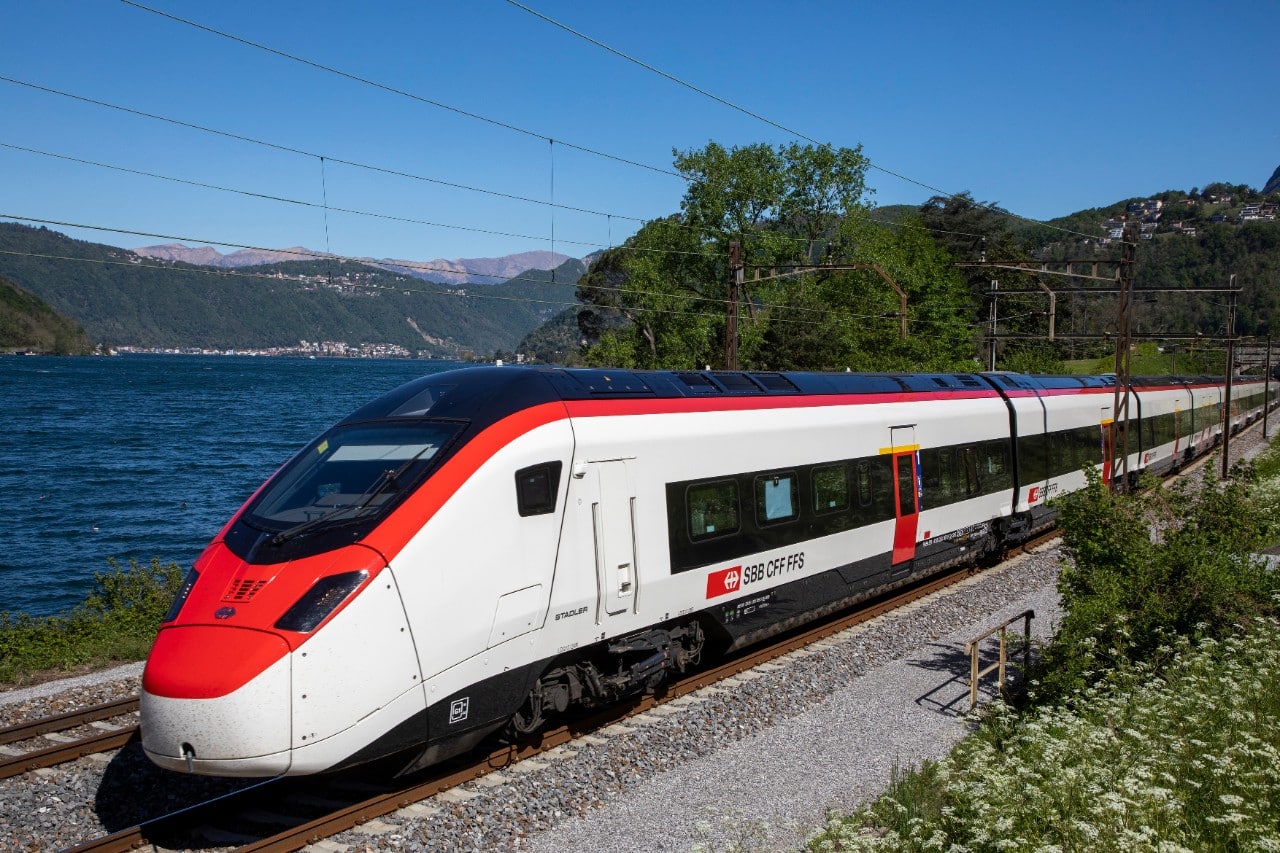
SBB is Switzerland's national railway, connecting cities, towns and mountain villages. InterCity trains generally do not require reservations.
- Country
- Switzerland
- Official website
- Official website
- Train tickets
- 3
Your Guide to CFF Trains: Booking and Beyond
Switzerland, a land of majestic Alps, pristine lakes, and charming villages, is best explored by train. And when it comes to Swiss rail, there’s one name that stands above the rest: CFF. If you’re planning a trip, or even just curious about navigating this efficient system, you’ve come to the right place. This guide is designed to be your trusted mentor, helping you confidently book tickets, understand schedules, and unlock all the benefits of Swiss train travel.
Understanding the SBB/CFF/FSS Landscape
Before we dive into the nitty-gritty of booking, let’s clear up some potential confusion. You’ve probably seen a few different acronyms floating around: SBB, CFF, and FSS. Don’t worry, they all refer to the same world-class railway system.
The Three Names, One System Explained
Imagine a company that operates in three distinct language regions, German, French, and Italian. To best serve its diverse clientele, it adopts names that resonate in each language. That’s precisely the case with the Swiss Federal Railways.
- SBB stands for Schweizerische Bundesbahnen (German).
- CFF stands for Chemins de fer fédéraux suisses (French).
- FSS stands for Ferrovie Federali Svizzere (Italian).
They are, in essence, three linguistic faces of the same highly efficient, punctual, and extensive railway network. So, whether you see SBB, CFF, or FSS, rest assured you’re dealing with the national rail carrier of Switzerland. For simplicity and because it’s commonly used internationally, we’ll often refer to it as CFF throughout this guide.
Why CFF (or SBB, or FSS) is Your Best Bet for Swiss Travel
Think of the CFF network as the circulatory system of Switzerland. It connects every major city, most towns, and even many remote mountain villages with unparalleled precision. This isn’t just a utilitarian transport service; it’s an integral part of the Swiss experience.
Here’s why it’s your go-to choice:
- Punctuality: Swiss trains are legendary for their adherence to schedules. Delays are rare, and connections are meticulously planned, making multi-leg journeys remarkably stress-free.
- Coverage: From the bustling streets of Zurich to the serene shores of Lake Geneva and the majestic peaks of Zermatt, CFF trains reach virtually every corner of the country. This extensive network means you can truly explore Switzerland without needing a car.
- Sustainability: Choosing the train is an environmentally conscious decision. Switzerland’s railway system is powered predominantly by hydroelectricity, making it a green way to travel.
- Efficiency: The entire system is designed for ease of use. Clear signage, multilingual information, and user-friendly booking platforms make navigating the network straightforward, even for first-time visitors.
In short, CFF trains aren’t just a means to get from A to B; they’re an essential, enjoyable, and sustainable part of your Swiss adventure.
Mastering Your CFF Train Journey: Booking Your Ticket
Now that you understand the CFF landscape, let’s get down to the practicalities of securing your seat. Booking a train ticket in Switzerland is straightforward, with options to suit everyone.
Online Booking: Your Digital Gateway
For most travelers, the CFF website or mobile app will be your primary portal for booking tickets. It’s intuitive, available in multiple languages, and offers the most comprehensive view of available connections and pricing.
Think of the CFF website (www.sbb.ch) as your personalized travel agent, available 24/7. When you visit, you’ll immediately see fields for your departure and arrival stations, date, and time. Enter your desired journey, and the system will present you with various options, including different departure times, train types, and prices.
Key things to look for:
- “Supersaver Tickets” (Sparbillette): These are discounted tickets available on specific routes and times, often released well in advance. They are typically non-refundable and tied to a specific train, but can offer significant savings. Think of them as the “early bird gets the worm” option.
- Classes of Travel: You’ll generally have the choice between 1st and 2nd class. 2nd class is perfectly comfortable and modern, offering excellent value. 1st class provides more space, often quieter carriages, and sometimes additional amenities like power outlets at every seat.
- Seat Reservations: Unlike many other European countries, seat reservations are generally not mandatory on CFF trains, even for InterCity services. You can usually just find an empty seat. However, for peace of mind, especially on popular routes or during peak travel times (e.g., Friday evenings, holiday weekends), you can reserve a seat for a small fee. This is often a wise choice if you’re traveling with a group or have specific seating preferences.
Once you’ve selected your desired connection, proceed to payment. You can usually pay with major credit cards. Your ticket will typically be delivered as a PDF via email or directly into the CFF Mobile App. You can then show the QR code on your phone to the conductor or print the ticket if you prefer a physical copy. It’s that simple!
In-Person Booking: For the Traditionalist
While online booking offers convenience, sometimes you prefer a human touch or need to handle a complex itinerary. CFF caters to this as well.
- Ticket Machines: At virtually every CFF station, you’ll find easy-to-use self-service ticket machines. These machines are multilingual and allow you to purchase standard tickets, check schedules, and even top up your Swiss Travel Pass. They accept cash, debit cards, and credit cards. They’re excellent for last-minute purchases or when you’re already at the station.
- Ticket Counters: For more personalized assistance, head to a staffed ticket counter at larger stations. Here, CFF employees can help you plan intricate journeys, explain different pass options, and address any specific questions you might have. Think of these as your personal travel advisors on the ground. While convenient, be prepared for potential queues during peak hours.
Whether you’re a digital native or prefer a more traditional approach, CFF ensures you can easily acquire your ticket and embark on your journey.
Beyond the Ticket: Essential CFF Tools and Services
A train ticket is just the beginning. CFF offers a suite of tools and services designed to enhance your travel experience, from real-time information to managing your luggage.
Checking Schedules and Real-Time Information
Punctuality is a point of national pride in Switzerland, and CFF makes it easy to stay informed.
- The CFF Mobile App: This is an indispensable tool for any traveler in Switzerland. Beyond booking tickets, the app provides real-time train schedules, platform changes, and delay notifications. It even tells you which sector of the platform your carriage will arrive in, making it easy to position yourself correctly. Imagine being able to see if your connecting train is running late before you even arrive at the transfer station, that’s the power of this app.
- CFF Website (sbb.ch): Similar to the app, the website offers comprehensive schedule information. You can search for connections, check arrival and departure boards, and even see the composition of a train (e.g., where the dining car is located).
- Station Display Boards: At every station, large electronic display boards provide up-to-the-minute information on arrivals, departures, platforms, and any potential disruptions.
Always check schedules before you travel, especially for connections, as unforeseen circumstances (though rare) can sometimes lead to minor adjustments.
Navigating the Swiss Travel Pass and Half-Fare Card
For tourists, these two options can offer significant savings and convenience.
- Swiss Travel Pass: This is an all-in-one ticket designed for visitors. It offers unlimited travel on trains, buses, and boats across Switzerland, and even includes free admission to over 500 museums and discounts on mountain excursions. Think of it as your golden key to unlocking the entire country. It’s available for various durations (e.g., 3, 4, 8, 15 days) and can be incredibly cost-effective if you plan to travel extensively.
- Half-Fare Card: If your travel plans are less intense, or if you’re staying for an extended period, the Half-Fare Card might be a better fit. For a fixed price, it allows you to purchase all CFF (and most other public transport) tickets at half the standard fare for a year. It’s like having a permanent 50% discount on almost all public transport in Switzerland. This can be especially beneficial if you’re taking a few expensive mountain excursions.
Deciding between these passes depends on your itinerary. Do some calculations based on your planned journeys to see which offers the best value. The CFF website has excellent tools to help you compare.
Luggage Services: Travel Light or Not At All
Swiss efficiency extends to your baggage. CFF offers several services to make your journey smoother, especially if you’re traveling with heavy bags or ski equipment.
- Station-to-Station Luggage: You can drop off your luggage at one station and have it transported to another station by a specific time, often the next day. This allows you to travel unencumbered, enjoying the scenery or exploring a town without your bags.
- Door-to-Door Luggage: For ultimate convenience, CFF can even pick up your luggage from your accommodation and deliver it directly to your next hotel or destination. This service requires advance booking and usually takes a couple of days, so plan accordingly.
- Ski and Snowboard Transport: Special services are available for transporting winter sports equipment, making it easy to get your gear to the slopes.
These services, while incurring an extra fee, can significantly enhance your travel comfort, especially if you’re moving between multiple destinations.
Onboard the CFF: What to Expect
Stepping onto a CFF train is often an experience in itself. Here’s what you can look forward to.
Comfort and Amenities: From Wi-Fi to Dining
Swiss trains are designed for comfort and functionality.
- Seating: Expect comfortable seats, whether in 1st or 2nd class. Most carriages have both individual seats and sets of four with a table in between, perfect for families or small groups.
- Power Outlets: Many newer trains, especially InterCity services, offer power outlets (Swiss Type J) at seats, allowing you to charge your devices. Look for the symbols or check 1st class carriages where they are more common.
- Wi-Fi: Free Wi-Fi is available on many InterCity and InterRegio trains. Look for the “Free Wi-Fi” stickers or check the CFF app for details on specific connections.
- Dining Options: On longer routes, many trains feature a restaurant car or a bistro car (often called the “MiniBar” service, where staff come through the carriages with a cart) offering hot and cold beverages, snacks, and sometimes full meals. This allows you to enjoy a meal with a view as the Swiss landscape rolls by.
- Toilets: Clean and well-maintained toilets are standard on all trains.
Understanding Different Train Types (InterCity, Regional, etc.)
CFF operates various train types, each serving a specific purpose:
- InterCity (IC) / EuroCity (EC): These are the express trains connecting major cities with minimal stops. They are the fastest option for long-distance travel and typically offer the most amenities (restaurant car, Wi-Fi). EuroCity trains connect Switzerland with neighboring countries.
- InterRegio (IR): These trains connect larger towns and regions, making more stops than IC trains but fewer than regional services. They are still comfortable and efficient.
- RegioExpress (RE) / Regionalzug (R): These are local trains that stop at most or all stations along their route. They are great for exploring smaller towns and villages.
- S-Bahn (S): Suburban rail networks found around major cities like Zurich and Bern, serving commuters. They are essentially the city’s metropolitan rail system.
Knowing the train type helps you understand the speed and number of stops your journey will entail.
Making the Most of Your Journey
Your CFF train isn’t just transport; it’s part of the adventure.
- Enjoy the View: Switzerland’s landscapes are breathtaking. Don’t be afraid to put away your phone and simply gaze out the window.
- Plan Your Connections: While CFF is punctual, tight connections (under 5 minutes) can be stressful if you’re unfamiliar with the station layout or have heavy luggage. Build in a little buffer if you can.
- Have Your Ticket Ready: Conductors frequently check tickets. Have your digital or printed ticket easily accessible to avoid delays.
- Mind Your Manners: Swiss people are generally polite and orderly. Keep noise levels down, especially in quiet zones (if designated), and respect fellow passengers.
Common Questions and Troubleshooting
Even with the best planning, sometimes things don’t go exactly as expected. Here’s how to handle common situations.
Lost Tickets or Passes: What to Do
- Digital Tickets: If your ticket was digital (via email or the CFF app), you can usually re-download it or access it from your account. This is a major advantage of online booking.
- Printed Tickets: If you lose a physical ticket, it can be more challenging. For regular point-to-point tickets, you may need to purchase a new one. For a lost Swiss Travel Pass or Half-Fare Card, if you purchased it online and registered it, CFF might be able to re-issue it or provide a replacement, but proof of purchase is essential. Always keep a digital copy or photo of your passes.
- Reporting Lost Items: If you lose an entire wallet or bag containing your tickets, report it to the CFF lost and found (Fundbüro) and also to the local police.
Dealing with Missed Connections
While CFF excels at punctuality, unforeseen delays (e.g., weather, technical issues) can occasionally lead to a missed connection.
- Stay Calm: The system is designed to help you.
- Check the CFF App/Display Boards: These will often show the next available connection for your destination.
- Speak to a CFF Employee: Find a staff member on the platform or at the information desk. They are generally very helpful and can guide you to the next train, explain alternatives, or provide information on your rights (e.g., if you’re entitled to a refund for significant delays, though this is rare with CFF).
- Tickets Are Flexible (mostly): If you have a standard point-to-point ticket, it’s generally valid for any train on the specified route for that day, so a missed connection typically just means catching the next available train. Supersaver tickets, however, are tied to a specific train. If you miss a Supersaver train due to a CFF-caused delay, you’ll usually be allowed on the next train; if you miss it due to your own fault, you’ll likely need to buy a new ticket.
Customer Service: When You Need a Helping Hand
For any questions, issues, or assistance, CFF offers several channels:
- CFF Information Desks: Found at larger stations, these desks provide in-person support.
- CFF Website: The website (www.sbb.ch) has extensive FAQs and contact forms.
- Phone: You can call the CFF customer service hotline (number available on their website).
- Social Media: CFF is generally responsive on platforms like Twitter for quick questions or updates.
Don’t hesitate to reach out if you need assistance; the Swiss typically pride themselves on their helpfulness.
Making Your CFF Journey Unforgettable
Beyond the logistics, your CFF journey can be a truly memorable part of your Swiss experience.
Embrace the Scenery: Window Seats are Gold
This is perhaps the most important tip. Swiss trains are specifically engineered to offer panoramic views. From the stunning glacial landscapes of the Bernina Express route to the serene lakeside vistas on the GoldenPass Line, the scenery is a constant companion. Try to secure a window seat, especially on the “scenic routes,” and simply let the magic unfold outside your window. The journey itself is often as spectacular as the destination.
Connecting with Local Culture on the Go
Traveling by train in Switzerland offers a unique glimpse into local life. You’ll observe commuters, families, and fellow travelers, providing a subtle immersion into the rhythm of the country. Listen to the blend of languages, try a local snack from the dining car, or simply enjoy the quiet efficiency of the Swiss way of life. It’s a chance to slow down and observe.
Final Thoughts: Enjoying the Ride
The CFF system is a testament to Swiss precision, efficiency, and dedication to quality. It’s designed to make your travels as smooth and enjoyable as possible. By familiarizing yourself with these booking methods, services, and onboard expectations, you’re not just buying a ticket; you’re gaining access to a beautifully orchestrated system that will transport you through one of the world’s most stunning countries.
So, relax, look out the window, and trust in the CFF. Your Swiss adventure truly begins the moment you step aboard. Enjoy the ride!
Where to book
Train tickets
- Check times & prices
Omio
Omio connects you with over 1,000 transport providers - trains, buses, flights, and more - to simplify your travel planning.
Rail Europe
Rail Europe is a leading travel tech company specializing in European train bookings for over 15,000 travel professionals worldwide.
Trainline
Trainline sells rail and coach tickets worldwide on behalf of major UK and European transport companies.



Frequently asked questions
What do the acronyms SBB, CFF, and FSS all refer to?
All three acronyms refer to the same organization, the Swiss Federal Railways. SBB stands for Schweizerische Bundesbahnen (German), CFF for Chemins de fer fédéraux suisses (French), and FSS for Ferrovie Federali Svizzere (Italian).
What does the Swiss Travel Pass include?
The Swiss Travel Pass offers unlimited travel on trains, buses, and boats across Switzerland, free admission to over 500 museums, and discounts on mountain excursions. It is available for various durations including 3, 4, 8, and 15 days.
What is the CFF Half-Fare Card and how long is it valid?
The Half-Fare Card allows the holder to purchase all CFF and most other Swiss public transport tickets at half the standard fare. It is valid for one year.
Are seat reservations mandatory on CFF trains?
Unlike many other European countries, seat reservations are generally not mandatory on CFF trains, even for InterCity services. Passengers can usually just find an empty seat, though reservations can be made for a small fee if preferred.
What special luggage services does CFF offer?
CFF offers station-to-station luggage transport (drop off luggage at one station to be collected at another by a specific time) and a door-to-door service (CFF picks up luggage from accommodation and delivers it to the next hotel, requiring advance booking and usually taking a couple of days). Special transport for ski and snowboard equipment is also available.
Lost tickets or passes: what to do?
- Digital tickets: If your ticket was digital, for example by email or in the SBB app, you can usually redownload it or access it via your account. This is a major advantage of booking online.
- Printed tickets: If you lose a paper ticket, it can be more difficult. For standard point-to-point tickets, you may need to buy a new one. For a lost Swiss Travel Pass or Half-Fare Card, SBB may be able to reissue or replace it if you bought it online and registered it; proof of purchase is essential. Always keep a digital copy or photo of your passes.
- Reporting lost items: If you lose an entire wallet or bag containing your tickets, report it to SBB's lost property office (Fundbüro) as well as to the local police.
Dealing with missed connections
SBB is very punctual, but unforeseen delays, for example due to weather or technical problems, can occasionally cause a missed connection.
- Stay calm: the system is designed to help you.
- Check the SBB app and departure boards: these usually show the next available connection to your destination.
- Speak to SBB staff: look for a staff member on the platform or at the information desk. Staff are generally very helpful and can direct you to the next train, explain alternatives, or provide information about your rights, for example regarding refunds for major delays, although this is rarely needed with SBB.
- Tickets are usually flexible: if you have a standard point-to-point ticket, it is generally valid on any train on the specified route that day. A missed connection then usually just means taking the next train. Supersaver tickets, however, are tied to a specific train. If you miss a Supersaver train due to a delay caused by SBB, you are normally allowed to take the next train; if you miss it through your own fault, you will likely need to buy a new ticket.
Customer service: when you need help
For questions, problems, or support, SBB offers several channels:
- SBB information desks: available at larger stations for personal assistance.
- SBB website: the website (www.sbb.ch) offers detailed FAQs and contact forms.
- Phone: you can call the SBB customer service hotline; the number is listed on the website.
- Social media: SBB generally responds to short questions or current issues on platforms such as Twitter.
Do not hesitate to seek help if you need support. In Switzerland, people generally take pride in good service and helpfulness.
More operators in Switzerland
Train service
asm runs regional trains and buses in Oberaargau, Solothurn and Seeland, linking Langenthal, Solothurn, Biel/Bienne and Ins.
Official website- Check times & prices
Aargau Verkehr runs the Wynental-Suhrentalbahn from Aarau and the Bremgarten to Dietikon line, using SBB and regional tariffs.
Official website - Check times & prices
Appenzeller Bahnen runs regional and rack trains between St. Gallen, Appenzell, Gais, Altstätten, Rorschach and Heiden. Tickets accept national Swiss passes.
Official website - Check times & prices
BLS runs Bern's S-Bahn, regional trains to the Lötschberg and Emmental, plus boats on Lake Thun and Lake Brienz, priced in CHF.
Official website Brienz Rothorn Bahn is a seasonal steam cogwheel railway from Brienz to Rothorn Kulm in the Bernese Oberland. Seat guarantee recommended. CHF fares.
Official websiteCJ runs narrow-gauge trains around La Chaux-de-Fonds, Tavannes, Glovelier, Le Noirmont and Saignelégier, plus steam and heritage trains.
Official websiteFerrovia Monte Generoso is a seasonal rack railway from Capolago to the 1704 m summit above Lake Lugano, Ticino. Swiss GA not valid. CHF fares.
Official websiteFLP's S60 line runs every 15 minutes between Lugano and Ponte Tresa, on the Arcobaleno zone tariff in CHF, with tickets via the FAIRTIQ app.
Official websiteGornergrat Bahn is Zermatt's cog railway to the 3,089 m Gornergrat, with Matterhorn views. Trains run about every 24 minutes; fares are in CHF.
Official website- Check times & prices
Jungfrau Railways (Jungfraubahnen)
Jungfrau Railways runs the trains and cableways to the Jungfraujoch, Grindelwald-First and other Bernese Oberland peaks. Fares are in CHF.
Official website - Check times & prices
LEB runs the narrow gauge train from Lausanne-Flon to Echallens and Bercher. Mobilis and SwissPass tickets, including the AG, are accepted.
Official website - Check times & prices
Matterhorn Gotthard Bahn runs 144 km of Alpine track from Zermatt to Disentis, with its own multi day pass and a car shuttle at Furka.
Official website MBC runs the Bière to Morges and Apples to L'Isle regional trains, plus area buses, under the cantonal Mobilis fare.
Official website- Check times & prices
MOB/MVR runs the GoldenPass Express Montreux to Interlaken, plus rack railways to Rochers-de-Naye and Les Pléiades. CHF only; GPX reservation CHF 20.
Official website NStCM trains link Nyon with St-Cergue and La Cure across 19 stops. Tickets use the Mobilis zone tariff, and SwissPass GA and half-fare cards are valid.
Official website- Check times & prices
Pilatusbahnen runs the world's steepest cogwheel railway from Alpnachstad, plus cableways from Kriens, up Mount Pilatus near Lucerne. Prices in CHF.
Official website - Check times & prices
RegionAlps runs regional trains from St-Gingolph to Brig, and Martigny to Le Châble and Orsières. Buy tickets before boarding; CHF only.
Official website Regionalverkehr Bern-Solothurn (RBS)
RBS runs S-Bahn Bern trains from an underground Bern station to Solothurn, Worb and Jegenstorf on Libero and Swiss half-fare tickets.
Official website- Check times & prices
Rhätische Bahn runs Graubünden's regional trains and the Bernina Express, a separately booked panoramic service over the UNESCO-listed Bernina and Albula lines.
Official website - Check times & prices
Rigi Bahnen runs cogwheel trains from Vitznau and Goldau, plus a Weggis cable car, up Mount Rigi in Central Switzerland. Prices in CHF.
Official website Sihltal Zürich Uetliberg Bahn (SZU)
SZU runs the S4 Sihltal train to Sihlwald, the S10 Uetliberg train, and the Felsenegg cable car from Zürich HB. Fares in CHF through Zürich's ZVV network.
Official website- Check times & prices
SOB runs the Voralpen-Express, Treno Gottardo and Aare Linth plus eastern Swiss S-Bahn lines from its St. Gallen base. CHF fares, Swiss national ticketing.
Official website - Check times & prices
THURBO runs regional S-Bahn trains across eastern Switzerland, including cross-border services to Konstanz, Waldshut, Bregenz and Lindau. Tickets in CHF.
Official website TMR runs the Mont-Blanc Express from Martigny to Chamonix and Saint-Gervais, and links to the Saint-Bernard Express. CHF only; SNCF runs the French leg.
Official websiteTPF runs the RER Fribourg | Freiburg regional trains with SBB, plus canton buses. Tickets are sold by zone under the shared Frimobil tariff.
Official websitetransN runs Neuchâtel canton's regional trains, including the Littorail and Val-de-Travers lines, on the ONDE VERTE zone fare.
Official websiteTransports Publics du Chablais (TPC)
TPC runs four mountain train lines from Aigle: to Leysin, Les Diablerets, Villars via Bex, and Champéry. Buy tickets before boarding; CHF only.
Official websiteTRAVYS runs trains between Yverdon-les-Bains and Ste-Croix plus local buses across Nord Vaudois. No online ticket sales; use FAIRTIQ, CFF or SwissPass.
Official website- Check times & prices
The Vigezzina-Centovalli line runs Domodossola to Locarno through the Centovalli. Book online or at station offices; a seat reservation applies.
Official website - Check times & prices
Zentralbahn runs the Luzern-Interlaken Express and the line to Engelberg, with hourly panorama trains and optional seat reservations from CHF 12.
Official website