
Train stations in Athens
Athens Railway Station, also called Larissa Station, is the city's main national-rail station; Larissis is the separate Metro Line 2 reference.

- Stations
- 1
- Primary station
- Athens
- Passenger operators
- 1
- Routes covered
- 2
Athens Railway Station is commonly called Larissa Station and serves as Athens's main railway station.
Start with the right Athens station
Use Athens Railway Station as your national-rail reference, even when a map or ticket calls it Larissa Station. They are two names for the same main station in Athens. Get this right first.
The name can cause a costly search mistake because Larissa is also a city in central Greece. When booking a journey from the capital, confirm that the origin is Athens and compare the address with the one shown in your map app. Do not choose Larissa city simply because the station name looks familiar.
You may also see the spelling Larissis on Athens urban-transport signs. Larissis is an Athens Metro reference distinct from a national-train booking label. It is useful for finding the connection, but your national train still departs from the railway station. Check the operator and train number on the ticket rather than relying on the shortest place name.
The choice is between results from different transport systems, not two Athens national terminals. Before you travel, match three things: the station address, the operator, and the departure shown on your ticket.
Reach the station from central Athens
For most city-centre starts, plan the journey to Larissis on the Athens Metro and leave time to move from the urban platforms to the railway departure area. Larissis is a Metro Line 2 reference in the Athens urban network. Current engineering work or service changes can alter the easiest approach.
Check the urban leg separately on the day. A disruption on the Metro does not necessarily mean the national train is cancelled, and a normal national timetable does not prove that your local connection is running. This matters most for an early departure, when a missed local connection can use up the margin you expected to have at the station.
Plan backwards from the national train and allow time to find the correct platform and read the live departure information. An unfamiliar station name, a platform change, and a separate local ticket can slow a first visit. Arriving with a sensible margin is usually more valuable than choosing the final possible Metro connection.
If your starting point is awkward for the Metro, compare a taxi or bus connection against the rail option. Choose the route that gives you a reliable arrival before the national train, then recheck both the local service and the Hellenic Train departure before leaving.
Plan airport and Piraeus transfers by service
From Athens International Airport or Piraeus, choose the exact itinerary before choosing the ticket. Athens airport and Piraeus transfers can use different urban and suburban transport services. Similar destination labels do not mean the trains use the same platforms, stops, or fare rules.
For an airport transfer, enter Athens Railway Station or Larissa Station as the destination rather than only "Athens centre". Then inspect every stop in the proposed journey. One result may use a Hellenic Train suburban service, while another may use the Metro and an urban connection. Choose according to your arrival time and final destination, not simply the first train shown.
Check which operator sells each leg. Athens urban ticket conditions are set through the OASA urban-transport system and must be checked separately from national rail tickets. If the itinerary combines systems, identify where you need a separate ticket and where you must change platforms.
Use the same method for Piraeus. "Piraeus" can describe a port transfer, an urban station, or a suburban-rail result, and the right choice depends on the ferry terminal or train connection you actually need. Confirm the arrival stop and walking or onward-transfer plan before accepting a route that merely reaches the wider Piraeus area.
Allow extra margin when the transfer continues to a flight, ferry, or reserved long-distance train. These are separate operations, so a delay on one does not guarantee protection on the next. Check the current itinerary shortly before departure, especially when works or replacement transport appear in either operator's notices.
Use Athens for longer rail journeys
Hellenic Train is the appropriate operator source for current national and suburban rail itineraries in Greece. Start a national journey with its current itinerary, not with an old list of destinations or a remembered timetable. Thessaloniki is the clearest representative long-distance journey from Athens, while other mainland trips may use a different service pattern or require a change.
Read the full itinerary before paying. Confirm the departure station, destination, train number, any connection, and the ticket conditions for that specific service. A journey being possible by rail does not mean every departure is direct or that the same timetable runs every day.
Reservation requirements and ticket flexibility can depend on the train and fare selected. If you need the option to change plans, compare the conditions before choosing the lowest displayed fare rather than assuming every ticket can be altered later.
For a connecting journey, check where the change happens and how much time the itinerary allows. A short connection may be acceptable within one protected booking, but it is a poorer choice when you are combining separate urban, suburban, or national tickets. Choose a longer margin when a missed train would leave few alternatives.
Start with the date-specific result for your trip. Then decide whether the route, change pattern, and arrival time work for you.
Build a connection that survives changes
Keep each part of an Athens rail journey clear: local transport to the station, the Hellenic Train booking, and any onward airport or port connection. This makes it easier to see which timetable, ticket, and notice applies when something changes.
Save the train number and booking details somewhere you can reach without a network connection. On the day, compare them with the live departure display and any operator notice. If the platform or service changes, follow the current station information rather than the platform shown in an older screenshot.
When separate systems meet, protect the most expensive or least flexible leg. If missing a reserved train or ferry would cause the bigger problem, give that connection the larger buffer. A few extra minutes at the station are easier to manage than a new ticket after a tight transfer fails.
Before setting out, check the exact Athens station name, the operator for each leg, and the current departure or disruption notice. That short review catches the mistakes most likely to cost time or invalidate a ticket.
Where to book
Train tickets
- Check times & prices
Omio
Omio connects you with over 1,000 transport providers - trains, buses, flights, and more - to simplify your travel planning.

Passenger train operators
- Check times & prices
Hellenic Train links Athens, Thessaloniki, and most regional capitals with InterCity, regional, and suburban trains. Most domestic IC trains need reservations.
Official website

Train stations in Athens
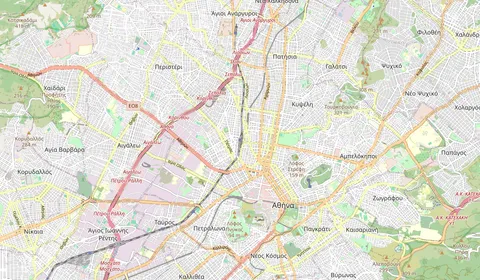
Train routes to and from Athens
Find places to stay in Athens

Frequently asked questions
Can I arrange assistance for a Hellenic Train journey from Athens?
If you have reduced mobility or special needs, contact Hellenic Train well before travel to arrange assistance and confirm the meeting point.
Can I take a bicycle on a Hellenic Train service from Athens?
Check bicycle-carriage conditions for your chosen service before buying. Do not assume that every train has the same space or procedure.
What luggage rules apply on Hellenic Train services?
Check the luggage conditions for the service you are using, especially if a large bag could make an urban transfer or platform change harder.
Can I change or cancel a Hellenic Train ticket?
Change and cancellation conditions depend on the ticket you choose. Check them before buying, because a cheaper fare may be the wrong choice if you need to change plans later.
What should I check before booking a late train to Athens?
Check the exact arrival station and time, then map the final journey to your accommodation. A lower fare is poor value if the remaining trip does not suit you or your luggage.