How to Book European Train Tickets: A Beginner's Guide How to Book European Train Tickets: A Beginner's Guide

How to Book European Train Tickets: A Beginner’s Guide

Navigate Europe’s rail network effortlessly with tips on booking tickets, choosing passes, and traveling comfortably across the continent.
  • Save Money: Use rail passes like Eurail (non-Europeans) or Interrail (Europeans) for multi-city trips. Example: A 10-day Interrail Pass can save up to €430 compared to individual tickets.

  • Convenience: Trains connect city centers, saving time on transfers. Apps like Rail Planner make booking and navigation simple.

  • Stunning Views: Routes like the Swiss Alps or Italian coastline offer breathtaking scenery.

  • Booking Tips: Use platforms like Trainline, Omio, or Raileurope to compare routes, prices, and book tickets. Advance purchase is key to securing cheaper tickets, especially for high-speed trains. Advance-purchase tickets are often cheaper than buying tickets on the day of travel.

Train travel in Europe is one of the most convenient and affordable ways to discover the continent’s diverse landscapes and cultures. With a vast network of routes connecting major cities and charming small towns, European trains make it easy to plan your dream trip. Booking European train tickets in advance is a great way to secure cheap train tickets, especially for high-speed trains and popular routes. Many train companies, such as Spain’s national train company Renfe, offer competitive fares and frequent departures, making it simple to hop between destinations. Whether you’re gliding through the countryside on high-speed trains, catching a night train to save on accommodation, or using commuter trains for short hops between suburbs and city centers, Europe’s rail network has something for every traveler. With comfy seats, reliable schedules, and easy connections, train travel is a stress-free way to explore Europe’s most iconic cities and hidden gems.

Quick Comparison of Booking Platforms

Platform

Booking Fee

Best For

Key Features

Trainline

3% per ticket

Complex itineraries

Combines routes across operators

Raileurope

€6.95 per basket

International journeys

Fixed fee for multiple tickets

Omio

Varies

Multi-modal travel

Includes trains, buses, and flights

Pro Tip: Book high-speed or night trains months in advance for the best prices. Don’t forget where required!

Advance tickets are often available at the cheapest price thanks to dynamic pricing—fares can increase as the travel date approaches, especially on popular routes. Booking early helps secure the lowest fare before advance tickets sell out.

Ready to dive into the details? Keep reading for a step-by-step guide to booking tickets, choosing the right pass, and navigating Europe’s rail network.

A Step by Step Guide for Beginners

Overview of European Train Networks

Europe’s rail system is a well-coordinated network of national and private operators, connecting countless destinations across the continent. Knowing how these networks work together can help you plan your train journeys more easily.

In mainland Europe, long distance trains often require advance booking, especially for popular routes between major cities. However, tickets for short distance and suburban trains, as well as local and regional services, can usually be bought at the station without the need for advance purchase. Most main train stations are located in the city center, making travel more convenient and saving travelers from expensive cab rides to and from the airport.

National and Private Train Companies

National rail companies like SNCF in France, Deutsche Bahn in Germany, Trenitalia in Italy, and Spain’s national train company Renfe are the main drivers of rail travel in Europe, offering both regional and high-speed train services. Each European country, such as Spain’s national train company Renfe, has its own ticketing system and website. Alongside these, private operators such as Italo in Italy and Thalys, which focuses on cross-border routes, provide additional options. These private companies often offer competitive pricing and extra amenities, giving travelers more choices. For instance, on the Milan-Rome route, you can compare Trenitalia and Italo for schedules, ticket prices, and onboard features. Many countries also offer discount cards for seniors, which can provide reduced fares.

Popular Websites for Booking Tickets

Navigating Europe’s rail system can feel overwhelming, especially for first-timers. These booking platforms simplify the process by connecting you to various operators. Here’s a quick comparison:

Platform

Key Features

Booking Fees

Best For

Trainline.com

Combines routes across operators

3% per ticket

Complex itineraries

Raileurope.com

Broad coverage of routes

€6.95 per basket

International journeys

Omio

Includes other travel options

Varies

Multi-modal travel

These platforms link directly to national railway systems, offering the same base fares as booking directly. The main differences lie in booking fees and user experience. For example, Trainline.com is particularly helpful for finding complex routes involving multiple operators, such as traveling from Paris to Florence.

For travelers planning multi-country trips, Eurail Passes (for non-Europeans) and Interrail Passes (for Europeans) are excellent options. When choosing a booking platform, think beyond just the price. Features like seat selection and reservation options can make your journey much smoother, especially if it’s your first time traveling by train in Europe.

With the basics of operators and booking platforms covered, you’re ready to dive into selecting the best ticket or pass for your travels.

Top Routes and Destinations

Europe is home to some of the world’s most popular train routes, connecting vibrant cities and must-see destinations in just a few hours. For example, the high-speed train from Paris to Milan whisks you between these two major cities in just over four hours, offering a fast and scenic journey. Other popular train routes include Madrid to Barcelona, where high-speed trains make the trip quick and comfortable, and Berlin to Amsterdam, a favorite for travelers exploring Western Europe. Beyond these, you can easily reach iconic destinations like Rome, Vienna, and Prague by train from many other major cities. With frequent departures and efficient connections, exploring Europe’s popular destinations by train is both convenient and enjoyable, allowing you to make the most of your time in each city.

How to Choose the Right Train Tickets or Passes

Picking the right train ticket can make a big difference in your travel budget and overall experience. The choice often depends on how many destinations you’re visiting, your travel style, and how much flexibility you need.

Flexible tickets allow you to change your travel plans, stop over at different locations, and re-schedule routes without penalties, making them ideal if you want versatility. In contrast, advance-purchase tickets are usually cheaper but require you to commit to a specific train and schedule, and changes are often not allowed or come with a fee.

Ticket Type

Description

Point-to-point

Single journey between two cities

Rail pass

Unlimited travel within a region or country for a set period

Advance-purchase

Cheaper, but less flexible; must travel on a specific train

Flexible

More expensive, but allows changes and stopovers

Some trains, especially regional or suburban services, offer fixed price tickets that are sold at a constant price at the station, making them simple and predictable without the need for advance booking.

Booking a reserved seat on a specific train is often required for high-speed and long-distance routes, and seat reservations are mandatory on many high-speed and long-distance trains in countries like France, Italy, and Spain. This guarantees you a place and helps avoid shortages during busy periods.

Round-trip tickets can sometimes be cheaper than buying two one-way tickets, especially in countries like Britain, Ireland, and Spain.

Most European train companies offer both first and second class options. First class tickets provide more comfort and amenities compared to second class, which is generally cheaper.

Point-to-Point Tickets vs. Rail Passes

If you have a fixed itinerary or plan to take just a few train rides, point-to-point tickets are simple and easy to understand. But for those traveling across multiple countries or making several trips, rail passes can often save you money. Keep in mind, Interrail Passes are for European residents, while Eurail Passes are for travelers from outside Europe, offering tailored options for each group.

Here’s an example of the savings: A 10-day Interrail Global Pass, including reservations, costs €379 (€301 for the pass + €78 for reservations). This can save you €430 compared to spending €809 on equivalent point-to-point tickets.

Option

Best For

Advantages

Cost Considerations

Point-to-Point

Single journeys

Simple pricing, no planning

Can add up with more trips

Rail Pass

Multi-country travel

Unlimited trips, flexibility

Pass price + reservations

High-Speed Trains

Fast, direct routes

Quick travel times

€6-10 reservation fee

Night Trains

Long distances

Save on accommodation

€20-45 reservation fee

International Routes

Cross-border travel

Convenient connections

€15-35 reservation fee

When Reservations Are Needed

For certain trains, a seat reservation is required in addition to your ticket or pass. This is especially true for high-speed trains, night trains, and popular routes during busy travel seasons. Booking early helps you save money and guarantees a reserved seat, which is mandatory on many high-speed trains and often comes with an additional fee. Watch out for these:

  • High-speed trains like Paris-Milan or Madrid-Barcelona (reserved seat required)

  • All night trains with sleeping accommodations

  • Busy routes during summer or holidays

Most long-distance journeys on trains in Europe will have amenities such as charging sockets, a cafe, and Wi-Fi.

You can book reservations through platforms like Trainline (3% fee per ticket) or Raileurope (€6.95 flat fee per transaction). These platforms also sell tickets, making it easier to manage everything in one place.

Once you’ve sorted out the right ticket or pass, you’re ready to dive into booking your tickets online effortlessly!

High-Speed Trains and Night Trains

High-speed trains are the backbone of modern European rail travel, allowing you to cover long distances quickly and in comfort. Many countries have invested in high-speed rail networks, with trains like France’s TGV, Spain’s AVE, and Germany’s ICE reaching speeds of up to 320 km/h. These high speed trains connect major cities and popular routes, making it possible to travel between destinations in just a few hours. For those looking to maximize their time and budget, night trains are an excellent option. Sleeper trains such as the Nightjet offer cozy cabins, comfy seats, and amenities like free Wi-Fi, letting you rest while you travel overnight. Night trains are perfect for long distance journeys, saving you the cost of a hotel and delivering you refreshed to your next destination. Whether you choose high-speed or night trains, you’ll enjoy a smooth, efficient, and memorable train trip across Europe.

Step-by-Step Guide to Booking Train Tickets Online

After choosing the right ticket or pass, the next step is booking it online. These days, modern platforms make it easy to find and purchase train tickets across Europe.

It’s important to consider advance purchase when booking train tickets in Europe. Prices for high-speed and international trains often rise significantly as the departure date approaches, much like air fares. Advance tickets are usually available at lower prices and can sell out quickly, especially for popular routes and high-speed services. Booking early helps you avoid expensive fares and ensures you secure the best deals for your journey.

How to Use Booking Websites and Apps

Platforms like Trainline and Omio connect directly to national railway systems such as SNCF (France), DB (Germany), and SBB (Switzerland). They offer a straightforward way to book tickets with features designed to make the process smooth.

Here’s a quick comparison of popular platforms:

Platform

Booking Fee

Key Features

Trainline

3% per ticket

Combines multiple operators, offers e-tickets

Omio

Small service fee

Easy-to-use app, covers most European railways

Raileurope

€6.95 flat fee

Fixed fee no matter how many tickets you book

Steps to book your ticket:

  • Enter your travel details (departure/arrival stations and dates)

  • Compare available routes, schedules, and prices

  • Select your seat class and add any necessary reservations

  • Complete your purchase through secure online payment

When buying tickets for a specific train, booking directly with the national operator often guarantees the best rates and makes it easier to manage changes if your train is delayed or canceled.

While these platforms are convenient, there are a few common mistakes to be aware of.

Common Mistakes to Avoid

  1. Booking Too Late
    Discounted tickets for high-speed trains often sell out months in advance, especially for major routes.

  2. Skipping E-ticket Options
    Always choose e-tickets when possible. They save you from needing to print or pick up tickets at the station.

  3. Underestimating Connection Times
    Plan for at least 30 minutes between connections. Allow extra time for station changes or international routes.

  4. Overlooking Multi-Operator Benefits
    Platforms like Trainline let you book journeys involving multiple operators in a single transaction – something not all national railway websites offer.

  5. Ignoring Off Peak Times
    Don’t overlook off peak times. Off-peak travel can be cheaper than peak-time journeys, particularly in Britain and France, and some train companies offer reduced fares or specific schedules during these less busy periods.

Though third-party platforms may charge small fees, they often provide added convenience and functionality. With these tips, booking train tickets across Europe becomes a hassle-free experience.

Complex Journeys and Split Bookings

If your travel plans involve multiple stops or less direct routes, you may need to book separate tickets for different segments of your journey. Many train companies and booking platforms, like Omio, make it easy to manage complex journeys by allowing you to reserve seats on several trains in one go. When planning these trips, it’s important to research the best train routes and schedules in advance to ensure smooth connections. Don’t forget to factor in seat reservation requirements, especially for high-speed or international trains, as well as any baggage fees that might apply. If your itinerary includes airport transfers, check whether your train ticket covers the journey between the train station and the airport. By planning ahead and considering all aspects of your trip, you can enjoy a seamless and stress-free experience, even on the most complicated routes.

Foreign Currency and Fees

When booking European train tickets, it’s wise to pay attention to foreign currency charges and booking fees that can add up quickly. Using a credit card or payment method that doesn’t charge foreign transaction fees is a simple way to save money on your train trip. Additionally, some booking websites offer the option to pay in your home currency or have lower booking fees, so it’s worth comparing platforms before you buy. Many train companies, such as Deutsche Bahn, also offer country passes that provide unlimited travel within a specific European country—an excellent way to explore multiple destinations without worrying about individual ticket prices. By researching your options and planning ahead, you can avoid unnecessary fees and make the most of your European train adventure, keeping more money in your pocket for exploring new cities and experiences.

Other Tips for Train Travel in Europe

Making your train travel in Europe hassle-free goes beyond just booking tickets. Knowing station layouts and travel policies can make a big difference.

Rules for Luggage, Bikes, and Pets

Most European trains let you bring two large suitcases and one small carry-on without extra charges. However, high-speed trains often have stricter rules, requiring luggage to be stored in specific areas.

Here’s a quick guide to common policies:

Item Type

Rules

Extra Costs

Large Luggage

Max 2 pieces, must fit in designated spaces

Free on most trains; Eurostar charges for oversized items

Bicycles

Allowed on regional trains

Reservation needed for high-speed trains; fees vary

Small Pets

Must be in carriers, under 10kg

Usually free with a carrier

Large Dogs

Leashed, muzzled if required

Special ticket charges half-fare on some railways

Small pets in carriers usually travel free, while larger dogs need a leash, a muzzle (if required), and a special ticket. If you’re traveling with a Eurail Pass, it often includes bike transport, but high-speed trains may require advance reservations.

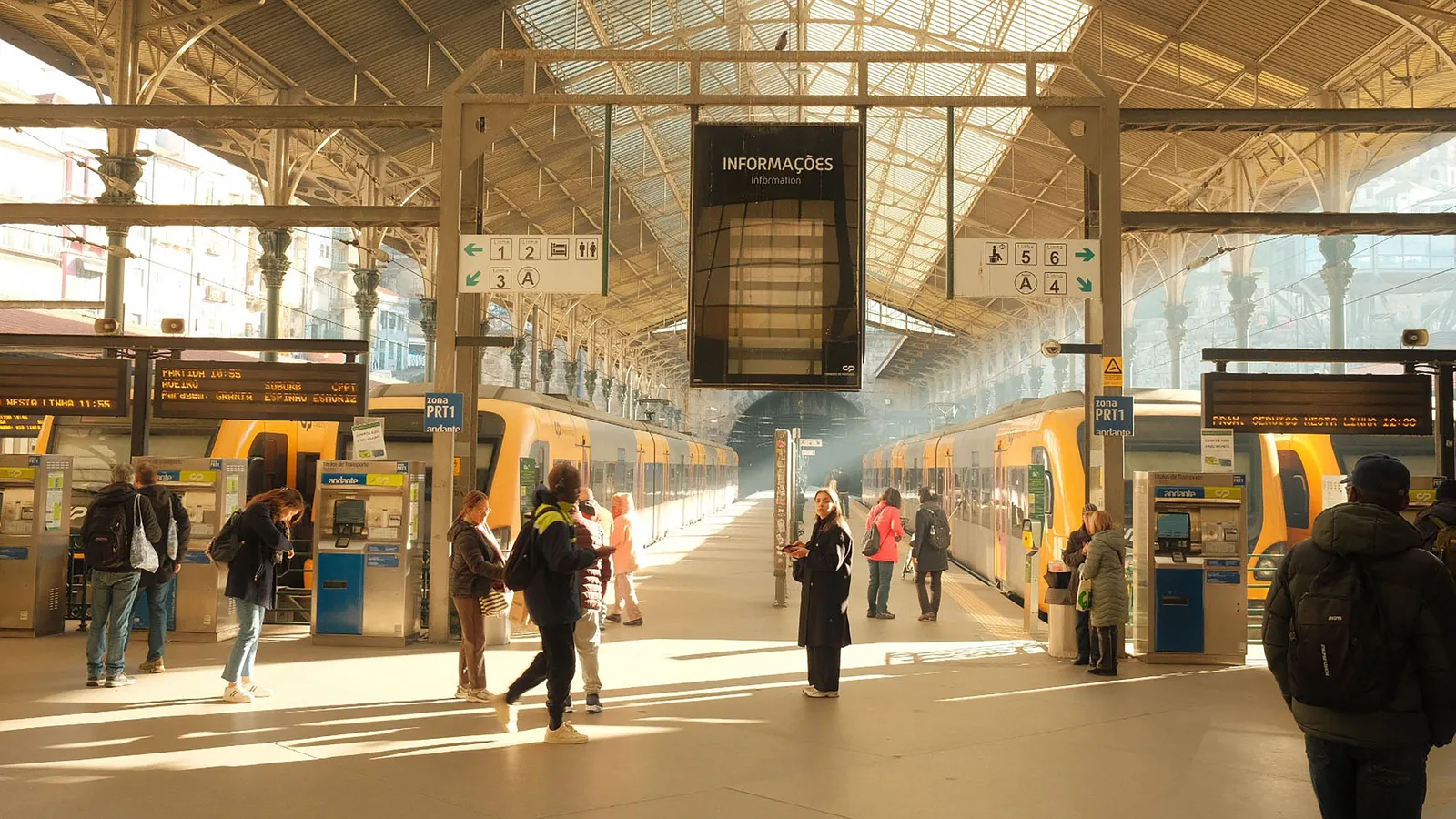
How to Navigate Train Stations

Busy European train stations can be overwhelming, especially during peak times. The Rail Planner app is a lifesaver, offering offline maps and station details. Look out for these key features:

  • Departure boards (labeled Abfahrt or Départs)

  • Platform numbers (Gleis or Voie)

  • Ticket validation machines

  • Luggage storage lockers

  • Elevators and ramps for accessibility

To make your experience smoother:

  • Use the Rail Planner app for station maps.

  • Save ticket QR codes in your phone’s wallet app.

  • Take screenshots of platform details.

  • Arrive 30–45 minutes early, especially for international trips.

Most station staff speak English, but knowing a few local phrases can be handy. With these tips, navigating Europe’s train system becomes much easier.

Plan Your Train Trip with Confidence

With the right tools and a bit of preparation, booking European train tickets can be straightforward. Modern platforms make the process easier, while smart planning ensures you save money and enjoy a hassle-free experience. Train travel is not just a practical way to explore Europe – it’s also one of the most enjoyable.

Platforms like Trainline and Rail Europe connect travelers directly with major operators, simplifying ticket purchases across the continent. Tools like the Rail Planner app give you offline access to schedules and booking features, making last-minute changes a breeze. For added value, resources like EveryRail help you plan routes and discover cultural highlights at your destinations.

While flexibility is key, it’s especially important to plan ahead for high-speed and night trains. Stay updated with apps and official websites to manage schedule changes and optimize your trip. These digital tools, paired with thoughtful preparation, make navigating Europe’s vast rail network much simpler.

Whether you opt for individual tickets or a rail pass, train travel offers a blend of comfort and convenience that’s hard to beat. With new routes and expanded night train services, travelers now have even more options for long-distance journeys—night trains have become a smart and sustainable alternative across Europe. Planning your Eurail adventure is easier than ever thanks to modern booking tools, so you can take full advantage of the continent’s extensive train network while enjoying the ride.

FAQs

Should you book European train tickets in advance?

Booking train tickets ahead of time is a smart move, especially for high-speed and night trains. Advance purchase and buying advance tickets are the best ways to secure cheaper tickets, as many European train operators use dynamic pricing—meaning prices increase as the departure date approaches and demand rises. Booking early can save you money—sometimes up to 50% off standard fares on popular routes in countries like France, Germany, and Italy. The best deals on advance tickets typically show up 3-6 months before your travel dates, particularly for longer or faster trips.

Here’s when booking early is most important:

  • High-speed trains: Reservations are mandatory, with fees ranging from €6 for domestic trips to €15 for international ones. Advance tickets for these trains often sell out quickly, especially on popular services like TGV or Le Frecce.

  • Night trains: Booking in advance secures sleeping accommodations.

  • Popular routes: Major city connections, especially during busy seasons, sell out fast, so advance purchase is key to getting cheaper tickets.

  • International journeys: Cross-border services have limited seating, so planning ahead helps.

For local or regional trains, you can usually buy tickets at the last minute without a problem. These trains often have flexible schedules and consistent pricing throughout the day.

What if you need to book last-minute?

If you’re booking last-minute, local and regional trains are your best bet since they rarely require advance reservations. Flexible tickets are usually available for these regional trains, and tickets for slower regional or medium-speed trains cost the same whether they’re bought two months or two minutes before the train leaves. For high-speed trains, tickets are often still available, but last-minute purchases typically result in expensive fares, especially for flexible tickets or on-the-day ticketing options. Using tools like the Rail Planner app can help you find open seats or alternative routes if your first choice is sold out.

Peak travel times, such as summer months and holidays, make advance booking even more important. While spontaneous travel is doable, it may require you to be flexible with your schedule and route options.

With these tips, you’ll be ready to plan a smooth European train trip that works for both your itinerary and wallet.