Introduktion till TGV
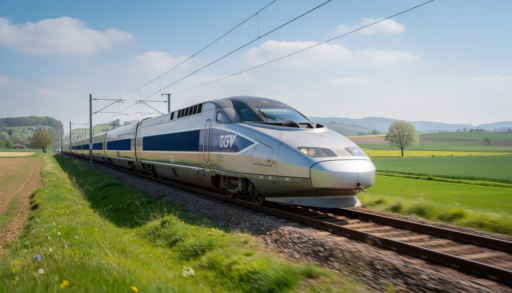
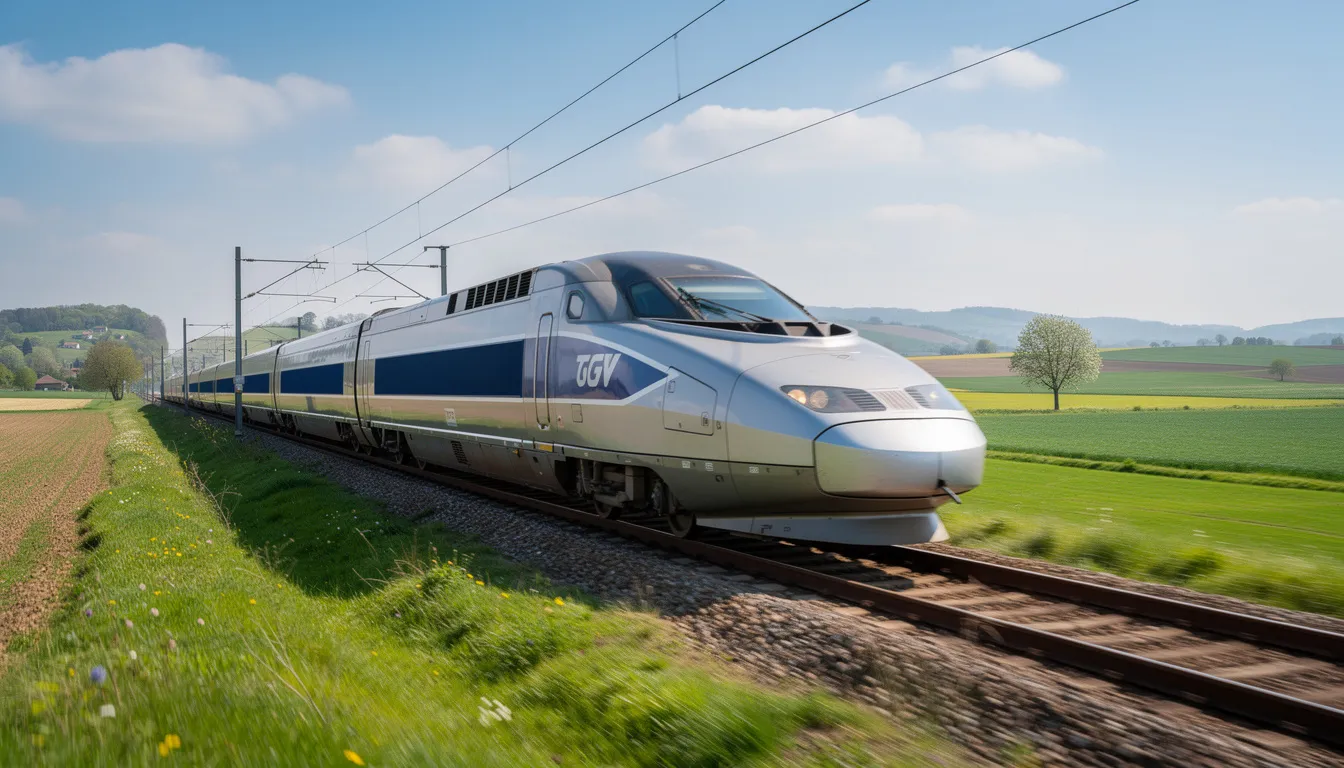
TGV - kort för Train à Grande Vitesse, eller ungefär ”höghastighetståg” på franska - är Frankrikes flaggskepp inom järnvägstrafiken och ett av världens mest framgångsrika snabbtågsnät. Tjänsten trafikerar de stora franska städerna och invigdes 1981 som ett helt nytt sätt att resa med tåg. På de specialbyggda höghastighetslinjerna, kallade LGV (Ligne à Grande Vitesse), håller tågen hastigheter upp till 320 km/h. TGV-projektet tog form under samma period som andra stora teknologisatsningar i Frankrike, som Ariane 1-raketen och det supersoniska passagerarplanet Concorde. SNCF började planera för ett snabbtågsnät redan 1966. Eftersom TGV går direkt från stadskärna till stadskärna slipper du långa resor till och från flygplatsen och de ändlösa säkerhetskontrollerna - i stället kliver du av mitt i stan.
Vad är det egentligen som gör TGV så anmärkningsvärt? Svaret ligger i en kombination av teknisk skicklighet, ett brett nät och en exceptionell säkerhetshistorik som sträcker sig över mer än fyra decennier. Från sitt nav i Paris når TGV-nätet ut till städer som Lyon, Marseille, Bordeaux, Lille, Strasbourg, Nantes, Tours och Rennes. Dessutom sträcker sig nätet utanför Frankrikes gränser och erbjuder direktförbindelser till Belgien, Tyskland, Schweiz, Spanien, Italien och Luxemburg. Totalt kopplar TGV-tågen samman över 200 destinationer i Frankrike och i grannländer som Belgien, Tyskland, Italien, Spanien och Schweiz.
TGV håller världsrekordet i hastighet för konventionella hjulburna tåg. Den 3 april 2007 nådde ett specialutrustat TGV-fordon den hisnande hastigheten 574,8 km/h på LGV Est-linjen. Det var ingen vanlig kommersiell tur - tåget hade modifierats och det luftburna kraftsystemet uppgraderats enbart för rekordförsöket. Ursprungligen var TGV tänkt att drivas av gasturbiner, men efter oljekrisen 1973 bytte man till eldrift. Den normala kommersiella maxhastigheten ligger på ett fortfarande imponerande 300-320 km/h, vilket räcker mer än väl för att göra tåget konkurrenskraftigt mot flyget på många sträckor.
SNCF, Frankrikes nationella tågoperatör, driver TGV-nätet under två olika varumärken. Sedan 2017 har TGV döpts om till TGV inOui för att skilja det från lågprisalternativet Ouigo. TGV inOui är det premiumbetonade alternativet med bättre komfort, uppkoppling och service ombord. Ouigo är SNCF:s lågpristjänst med snabbtågsteknik, konfigurerad med hög täthet och en enda reselass. Ouigo erbjuder ett prisvärt alternativ på utvalda sträckor och gör snabbtågsresor tillgängliga för dig som är extra prismedveten. Båda tjänsterna bygger på samma grundläggande TGV-teknik men skiljer sig påtagligt åt när det gäller prissättning och vad som ingår.
TGV:s historia och utveckling
TGV-historien börjar i början av 1970-talet, när de franska järnvägarna stod inför en rejäl utmaning. Flyget och bilen vann mark på bekostnad av tåget, och SNCF behövde ett modigt svar. Det kom i form av ett helt nytt grepp på järnvägsresandet - specialbyggda linjer, ritade från grunden för höghastighetsbruk.
I ett tidigt skede utforskade man gasturbinteknik, inspirerad av de kompakta helikoptermotorerna från den eran. Men oljekrisen 1973 förändrade allt. När bränslepriserna sköt i höjden blev eldrift via luftledningar ett mycket mer attraktivt alternativ, och projektet svängde bestämt i den riktningen. År 1976 hade den franska staten tagit det avgörande beslutet att finansiera det som skulle bli den första höghastighetssträckan - LGV Sud-Est, mellan Paris och Lyon.
Den 27 september 1981, bara månader efter president François Mitterrands installation, avgick det första kommersiella TGV-tåget från Gare de Lyon i Paris. Effekten var omedelbar och genomgripande. Restiden mellan Paris och Lyon föll från drygt fyra timmar till bara två. Under det första året reste 10 miljoner passagerare på linjen - ett resultat som tystade alla skeptiker som tvivlat på om fransmännen verkligen skulle omfamna snabbtåget. Sud-Est-fordonsparken byggdes mellan 1978 och 1988 och trafikerade den första TGV-sträckan Paris-Lyon.
Nätet växte snabbt under de följande decennierna, med nya TGV-linjer som förde snabbtågsresandet vidare ut i Frankrike och in i grannländerna. TGV Atlantique-linjen öppnade 1989 och knöt ihop Paris-Montparnasse med västra Frankrike och Bretagne. Utbyggnaden förde med sig en ny generation av tåg och en spektakulär kraftdemonstration - den 18 maj 1990 nådde ett TGV Atlantique-fordon 515 km/h och slog det dåvarande världsrekordet.
LGV Nord öppnade 1993 och korttade kraftigt restiderna på sträckan Lille-Paris, samtidigt som det lade grunden för internationell trafik mot Belgien, Nederländerna och - via Kanaltunneln - till slut även Storbritannien. Eurostartjänsten till London kom att bli en av de kommersiellt mest framgångsrika internationella tågsatsningarna i Europa. De första Réseau-fordonen (Nätverk) togs i drift 1993.
Under tidigt 2000-tal fortsatte TGV-linjerna att växa. LGV Méditerranée stod klar 2001 och förde snabbtågsdriften hela vägen till Marseille. LGV Est européenne öppnade 2007 och tog äntligen med Strasbourg i snabbtågsnätet, med direktförbindelser mot Tyskland. Samma linje användes för 2007 års världsrekordförsök som satte en ny gräns för vad konventionell spårbunden teknik klarar av.
Senare tillskott är LGV Rhin-Rhône (2011) och LGV Sud Europe Atlantique (2017), där den sistnämnda kapade restiden Paris-Bordeaux till drygt två timmar. TGV-konceptet har också satt avtryck internationellt - Spaniens AVE och Sydkoreas KTX har båda hämtat inspiration från fransk kompetens. TGV Océane-fordonen moderniserade fordonsparken ytterligare; med helt nyrenoverade interiörer togs de i drift 2017.
En viktig innovation kom i mitten av 1990-talet med TGV Duplex-tågen. De tvåvåningade fordonen ökade kapaciteten med ungefär 45 procent utan att plattformarna behövde byggas om eller att fler avgångar krävdes - en avgörande fördel på hårt trafikerade sträckor som Paris-Lyon.
TGV-nätet i Frankrike transporterade 168 miljoner passagerare under 2025.
TGV:s teknik och tågdesign
TGV:s tekniska uppbyggnad skiljer sig i grunden från konventionella tåg. Varje fordon består av två kraftvagnar - i princip lok - placerade i var sin ände, med ledat passagerarinnandöme däremellan. Genom att koncentrera den tunga drivutrustningen i ändarna blir passagerarutrymmet lättare, och vibrationer och buller i sittdelen minskar påtagligt.
Den ledade konstruktionen använder Jacobsboggar, där angränsande vagnar delar en gemensam bogge vid kopplingspunkten i stället för att varje vagn har egna boggar i båda ändar. Det ger flera fördelar. Tåget håller exceptionell stabilitet i höga hastigheter eftersom de delade boggarna inte kan svänga oberoende av varandra. Vid ett eventuellt spårhopp håller den ledade konstruktionen vagnarna i linje i stället för att de viker sig som ett jackknivsfall, vilket förbättrar krocksäkerheten avsevärt. Designen minskar också det totala antalet hjul och axlar, vilket sänker underhållsbehovet och slitaget på spåret.

På de avsedd LGV-banorna kör TGV-tågen i kommersiell hastighet, 300-320 km/h. Det kräver specialanpassad infrastruktur: helsvetsad räls, förstärkta banunderbyggnader, kraftfulla kontaktledningssystem som levererar 25 kV AC-ström och fullständig planskildhet från vägtrafiken. Det finns inga plankorsningar på LGV-linjerna - alla korsningar sker via broar eller tunnlar.
Signaleringen på höghastighetsavsnitten bygger på system i förarhytten snarare än traditionella signaler längs banan. I 320 km/h hinner föraren helt enkelt inte läsa konventionella bankantsignaler. TVM-systemet (Transmission Voie-Machine) skickar hastighetsgränser och spårläge direkt till hytten, med automatisk bromsning om föraren inte reagerar i tid. Nyare tåg har dessutom ERTMS (European Rail Traffic Management System), vilket möjliggör smidig gränsöverskridande trafik.
Säkerhetssystemen genomsyrar hela tågkonstruktionen. Kontinuerlig automatisk hastighetsövervakning är aktiv hela tiden. Den ledade konstruktionen håller tåget som en sammanhållen enhet även under extrema förhållanden. Bromssystemet kombinerar regenerativ elbromning med konventionella skivbromsar och ger redundant bromsförmåga. Allt detta har bidragit till en exemplarisk säkerhetshistorik - sedan starten 1981 har ingen passagerare omkommit i reguljär höghastighetsdrfit på LGV-linjerna.
Passagerarkomforten har förbättrats avsevärt genom åren. Moderna TGV-fordon har sofistikerade fjädringssystem som jämnar ut ojämnheter i spåret, effektiv ljudisolering och bra klimatsystem. De flesta aktuella fordon erbjuder WiFi ombord, eluttag vid sätena och realtidsinformation om resan.
TGV:s tågtyper och generationer
TGV-parken har utvecklats i ett flertal tydliga generationer, var och en anpassad för specifika sträckor, elsystem och kapacitetskrav. Vissa är envåningskonstruktioner optimerade för fart och turtäthet. Andra är tvåvåningsutföranden byggda för att maximera antalet passagerare på de mest trafikerade sträckorna. Att känna till dessa typer hjälper dig förstå varför upplevelsen kan skilja sig beroende på vilken linje du väljer.
TGV Atlantique och Réseau
TGV Atlantique-fordonen togs i drift runt 1989, byggda för de nya linjerna söderut från Paris-Montparnasse mot Le Mans, Tours, Bretagne och Atlantkusten. De representerade ett stort steg framåt jämfört med de ursprungliga orange-lackerade tågen, med förbättrad aerodynamik och kraftfullare motorer som möjliggjorde det spektakulära hastighetrekordet 1990.
TGV Réseau-tågen kom i mitten av 1990-talet, utformade som mångsidiga fordon som kunde trafikera flera olika sträckor. De envåningsbaserade fordonen körde på olika inrikessträckor och en del tidiga gränsöverskridande linjer. Med typiska driftshastigheter på 300-320 km/h lade de grunden för den pålitliga snabbtågsservice som lever kvar än i dag. Nyare generationer håller på att successivt ersätta dem på de viktigaste sträckorna, men Réseau-fordon är fortfarande i trafik på en del linjer.
TGV Duplex, Dasye och Océane
TGV Duplex revolutionerade kapaciteten när det introducerades i mitten av 1990-talet. Genom att gå upp i tvåvåningsformat ökade SNCF antalet sittplatser med ungefär 45 procent - utan att tågen behövde bli längre eller att nya plattformar byggdes. Konstruktionen visade sig perfekt för högtraffikerade inrikessträckor som Paris-Lyon-Marseille och Paris-Nice, där efterfrågan konsekvent översteg vad envåningsfordonen klarade.
Den första Duplex-generationen trafikerar i första hand inrikes franska sträckor. Senare tillkom Dasye-varianten (sent 2000-tal) med flersystemsförmåga för internationell trafik, och Océane-fordonen från 2017. TGV Duplex utgör nu ryggraden i den kapacitetsstarka trafiken över hela det franska nätet.
Océane-fordonen togs i drift specifikt för den uppgraderade sträckan Paris-Bordeaux och har genomgående moderniserade interiörer. I första klass kan du rotera ditt säte, WiFi-täckningen är bättre och designen är genomgående tidsenlig. Det är nulägets måttstock för fransk snabbtågskomfort på de viktigaste sträckorna.
Avelia Euroduplex (TGV 2N2)
Avelia Euroduplex, även kallad TGV 2N2, tillkom i slutet av 2000-talet som en tredje generationens tvåvåningsdesign. Tågen sattes i kommersiell drift från 2011 och kombinerar hög kapacitet med förmågan att trafikera internationella sträckor.
Euroduplex-fordonen i 800-serien är godkända för full kommersiell hastighet, 320 km/h, på LGV-linjerna. Avgörande är att de är kompatibla med flera signalsystem, inklusive ERTMS, vilket gör att de kan köra direkt in i Spanien, Tyskland och Schweiz utan att loket behöver bytas. Paris-Barcelona-trafiken förlitar sig till exempel på just dessa flersystemståg för att klara de olika el- och signalstandarderna längs sträckan.
TGV M (Avelia Horizon)
SNCF beställde 100 TGV M-fordon i juli 2018, och den nya generationen sattes progressivt i kommersiell drift från 2024. Under namnet Avelia Horizon representerar de ett ordentligt kliv framåt i effektivitet och flexibilitet.
En typisk TGV M med 8 vagnar kostar ungefär €25 miljoner och förbrukar runt 20 procent mindre energi jämfört med dagens fordon. Det modulära interiörkonceptet gör det möjligt för SNCF att bygga om säteslayouten under tågets livstid - en nyhet för TGV - och anpassa kapacitet och klassfördelning i takt med att resemönstren förändras.
TGV M-upplevelsen präglas av förbättrat passagerarutrymme, bättre tillgänglighet och heltäckande digitala tjänster. Fordonen kommer successivt att ersätta äldre generationer under 2030-talet och säkerställer att TGV-nätet håller sig i framkant av snabbtågstekniken.
TGV:s sträckor i Frankrike och Europa
TGV-linjerna strålar ut från Paris och når i princip alla stora franska städer, och bildar ett heltäckande snabbtågsnät som också kopplar upp sig mot grannländerna. Nätet inkluderar städer som Marseille, Lille, Bordeaux, Strasbourg, Rennes och Montpellier. TGV trafikerar inrikessträckor som Paris, Lyon, Marseille och Bordeaux. Att ha koll på nätets geografi hjälper dig planera resan och bilda dig en realistisk uppfattning om restider och byten. TGV-trafiken sträcker sig dessutom till grannländerna, däribland Italien, Spanien, Belgien, Luxemburg och Tyskland.
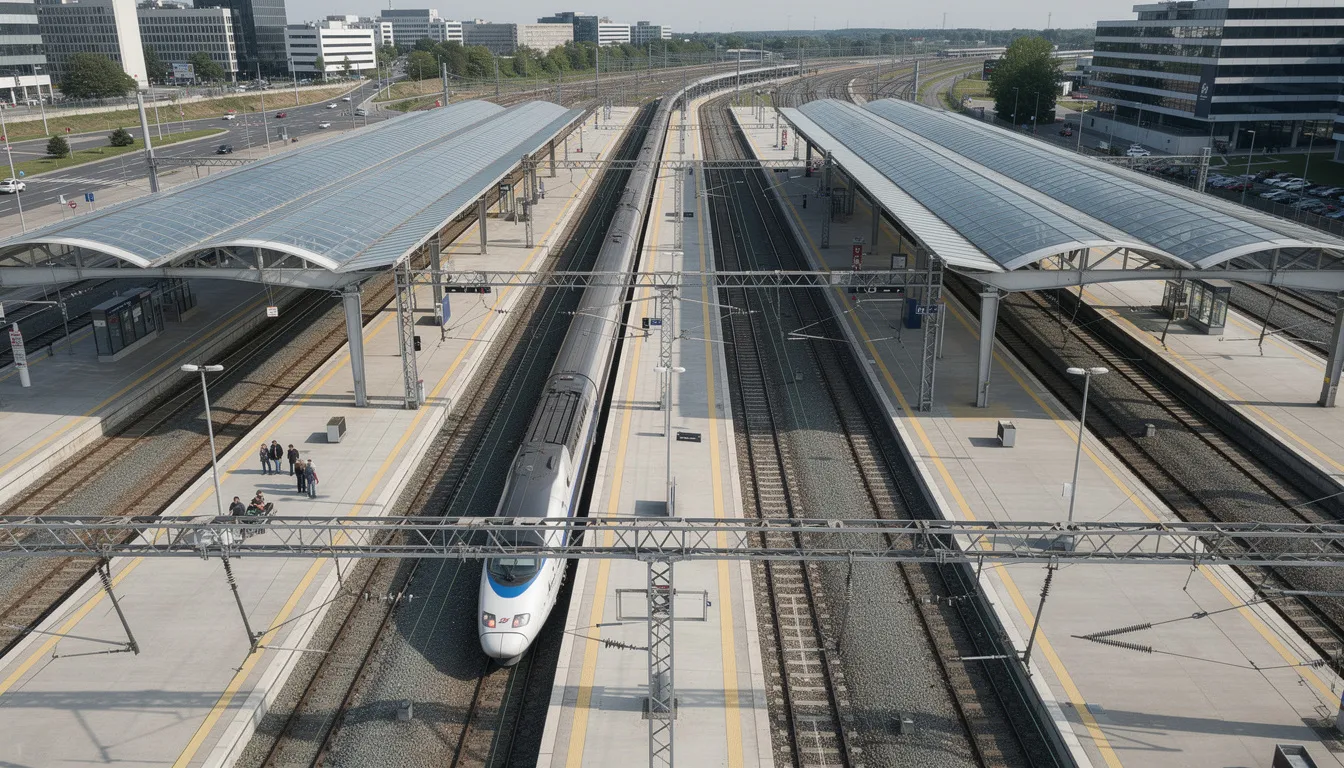
I norr dominerar sträckan Lille-Paris, med restider på ungefär en timme via LGV Nord. TGV Nord-Europe förbinder Paris med Lille och Kanalkusten vid Dunkerque, Calais och Boulogne. Från Lille Europe-stationen kan du koppla vidare mot Bryssel, och Eurostar fortsätter till London genom Kanaltunneln. Det finns också avgångar till städer i norra Tyskland, men till destinationer som Frankfurt krävs ofta en omväg via Bryssel eller Strasbourg.
Österut följer linjerna LGV Est mot Strasbourg, med en restid på ungefär 1 timme 50 minuter från Paris. Linjen fortsätter mot Tyskland, med direkta TGV-avgångar till Frankfurt och München. Från Strasbourg finns det också förbindelser till Schweiz via konventionella spår.
Sydöst representerar den ursprungliga och mest trafikerade TGV-axeln. TGV Méditerranée-linjen kopplar ihop Paris med södra och sydöstra Frankrike och stannar i städer som Lyon, Avignon, Aix-en-Provence och Marseille. Paris-Lyon tar ungefär 2 timmar, vilket gör sträckan till ett genuint flygleternativ. Tågen fortsätter till Marseille (cirka 3 timmar från Paris), och en del avgångar kör vidare längs Medelhavskysten mot Cannes och Nice, även om den sista sträckan går på konventionella spår i lägre hastighet. Från Lyon grenar sig linjer mot Genève, Lausanne och Zürich via TGV Lyria-tjänsterna till Schweiz.
I söder finns nu direktförbindelser till Spanien. Paris-Barcelona tar ungefär 6,5 timmar och korsar gränsen i hög fart via den nyligen färdigställda LGV Perpignan-Figueras. För dig som reser från sydöstra Frankrike är Marseille-Barcelona ett alternativ. Framtida förbättringar kan komma att korta restiderna ytterligare.
I sydväst avgår tågen från Paris-Montparnasse mot Bordeaux St Jean, och sedan linjen öppnade 2017 tar resan drygt 2 timmar. Trafiken fortsätter mot Toulouse och kopplar till slut upp sig mot det spanska nätet. Det finns också grenar längs Atlantkusten och till destinationer som Arcachon.
I väster förbinder TGV Paris med Bretagne och Loiredalen. TGV Atlantique-linjen trafikerar städer som Le Mans, Tours, Nantes, Rennes, Quimper och Brest. Rennes nås på ungefär 1 timme 30 minuter, med fortsatt trafik mot Brest. Till Nantes tar resan ungefär 2 timmar 15 minuter. Sträckorna kombinerar höghastighetsavsnitt på LGV Atlantique med konventionella spår närmast Atlantkusten.
De internationella förbindelserna ger TGV ett betydande räckvidd utanför Frankrike. TGV trafikerar sträckan Paris-Milano och erbjuder direktförbindelser även till Barcelona, Spanien.
| Destination | Sträcka | Ungefärlig restid |
|---|---|---|
| Bryssel (Belgien) | Via LGV Nord och Lille | ~1 h 20 min |
| Luxemburg | Direkttåg från Paris | ~2 h 10 min |
| Genève (Schweiz) | Via Lyon | ~3 h 10 min |
| Barcelona (Spanien) | Via Montpellier | ~6 h 30 min |
| Milano (Italien) | Via Lyon och Chambéry | ~7 h |
| Frankfurt (Tyskland) | Via Strasbourg | ~3 h 50 min |
En del avgångar - särskilt mot destinationer i norra och södra Frankrike som ännu inte har fullständiga LGV-sträckor - blandar höghastighets- och konventionell drift. Det natursköna avsnittet längs Côte d’Azur mellan Marseille och Nice ger till exempel hisnande vyer mot Medelhavet, men i hastigheter långt under TGV:s maximum.
TGV Inoui och dess tjänster
TGV Inoui är SNCF:s premiumtjänst för snabbtågsresande, utformad för att ge en alldeles särskild reseupplevelse på Frankrikes mest populära sträckor. Namnet ”Inoui” betyder ungefär ”oerhörd” eller ”extraordinär” på franska och speglar den höjda ribban för komfort och service som skiljer dessa tåg från mängden. Tjänsten lanserades 2017, inledningsvis på sträckan Paris-Bordeaux, och har sedan dess spridit sig till ett brett utbud av snabbtågslinjer, bland annat Paris-Lyon, Paris-Marseille, Paris-Strasbourg och vidare.
Med TGV Inoui får du tillgång till renoverade tåg med fri WiFi ombord, rymliga sittplatser med generös benutrymme och mer bagageutrymme. Interiörerna är genomtänkta och skapar komfort, med tysta vagnar, eluttag vid varje sittplats och förbättrad belysning. TGV Inoui erbjuder också bättre tillgänglighet och digitala tjänster som gör det lätt att hålla sig uppkopplad och produktiv under resan.
TGV Inoui trafikerar ett urval av snabbtågslinjer och riktar sig till både affärsresenärer och semesterfirare. Oavsett om du åker från Paris till Bordeaux för en helg eller pendlar mellan stora franska städer för jobbet, erbjuder Inoui en smidig, bekväm och effektiv tågupplevelse. Med SNCF:s fortsatta satsning på innovation och nöjda resenärer fortsätter TGV Inoui att höja standarden för snabbtågsresande i Frankrike.
Biljetter, platsreservationer och reseklasser
Varje TGV-resa kräver en platsreservation kopplad till ett specifikt tågnummer, avgångstid samt tilldelad vagn och plats. Till skillnad från många konventionella tågtjänster, där du kan hoppa på vilket tåg som helst med en giltig biljett, är TGV-platsreservationer obligatoriska och gäller enbart för det bokade tåget.
Bokningsfönstret öppnar vanligtvis 3-4 månader innan avresan, men exakt tillgänglighet varierar med sträcka och säsong. SNCF tillämpar dynamisk prissättning, precis som flygbolagen - boka tidigt för bästa pris, och räkna med premiumbiljetter om du bokar sista minuten. Skillnaden kan vara stor: en biljett Paris-Bordeaux i förväg kan börja på runt €20-25, medan samma resa bokad dagen innan kan kosta €100 eller mer.
De viktigaste bokningskanalerna är:
- SNCF Connect (SNCF:s officiella webbplats och app)
- Rail Europe och andra auktoriserade internationella återförsäljare
- Biljettautomater på franska stationer
- Bemannade luckor på större stationer som Gare de Lyon
Första klass har 2+1-sittning tvärs vagnen och erbjuder mer benutrymme, större bord och en i allmänhet lugnare miljö. Eluttag är standard vid alla sittplatser och WiFi-täckningen tenderar att vara mer stabil. Sätena har justerbara nackstöd och rejälare armstöd.
Andra klass har 2+2-sittning, som är bekväm enligt internationell standard men med tätare layout. Moderna TGV-fordon har eluttag genomgående, även om äldre rullande materiel kan ha färre uttag. WiFi finns på TGV Inoui-tjänster och de flesta nyare tåg.
Det finns ingen incheckning i flygplatsstil när du reser med TGV. Du kan gå ombord ända fram till avgång, men det är klokt att vara på stationen 10-15 minuter i förväg för att hitta din plats och ställa undan bagaget. Spåranvisningar dyker vanligtvis upp på avgångstavlorna 15-20 minuter innan tåget går.
Du som har Eurailpass eller Interrailpass kan åka med TGV-tåg men behöver betala en platsreservationsavgift (för tillfället ungefär €10-20 för inrikessträckor, mer för en del internationella tåg). Kvotbegränsningar styr hur många platser som är tillgängliga för passinnehavare på populära avgångar, så förhandsbokning är avgörande under högsäsong.
Priser och rabatter
TGV-biljettpriserna är dynamiska och kan variera rejält beroende på sträcka, reselass och hur långt i förväg du bokar. Som tumregel: ju tidigare du bokar, desto bättre pris - på populära sträckor som Paris-Nice eller Paris-Lyon kan enkelbiljetter börja så lågt som €25 om du bokar flera månader i förväg. Biljetter släpps vanligtvis upp till tre månader innan avresan, och ett tidigt köp är det bästa sättet att komma åt de lägsta priserna.
SNCF erbjuder ett brett urval av rabatter för att göra snabbtågsresandet mer tillgängligt. Unga resenärer, seniorer och grupper kan dra nytta av reducerade priser, och regelbundna kampanjerbjudanden finns via den officiella TGV-webbplatsen och appen. TGV Inoui-tjänsterna, med sina premiumegenskaper och förhöjda komfort, är prissatta i ett högre segment - vilket speglar den bättre upplevelsen ombord. Men även på Inoui-avgångar kan du hitta konkurrenskraftiga priser om du bokar i tid och är flexibel med resdagarna.
Jämför priser på olika avgångstider och reseklasser via TGV:s webbplats eller app för att hitta de bästa erbjudandena. Håll koll på tidsbegränsade reapriser och specialerbjudanden, framför allt under lågtrafik. Oavsett om du reser för jobbet eller nöjet lönar det sig alltid att planera i förväg för att få bästa valuta för pengarna.
Ombordupplevelsen: sittplatser, bagage och service
Kliver du ombord på ett TGV möts du direkt av den tysta, klimatreglerade miljön. Höghastighetsresor på välunderhållet spår ger ett anmärkningsvärt jämnt resande - betydligt mindre vibrationer än på konventionella tåg eller i ett flygplan. I 300 km/h förvandlas den franska landsbygden till ett flöde av landskap snarare än en suddig blixt förbi fönstret.
Sittplatsarrangemangen varierar något beroende på tågtyp, men principen är densamma. Första klass har 2+1-sittning med bekväma säten, generöst benutrymme och fällbara bord. Andra klass erbjuder 2+2 med smalare men ändå fullt godkända säten. Båda klasserna har en blandning av framåtvända flygsätesrader och så kallade carré-arrangemang, där fyra platser sitter mitt emot varandra runt ett gemensamt bord - perfekt för familjer eller grupper som reser ihop.
Under bokningen kan du ange preferenser för fönster- eller gångplats, tyst vagn eller specifika sittarrangemang. Reser du med småbarn? Familjeutrymmen på TGV Duplex-tågen erbjuder extra plats och är placerade nära praktiska bekvämligheter.
Bagagegränsen på TGV-tåg är generös jämfört med flyget. Du får ta med dig två större väskor plus handbagage, utan formella viktgränser. Bagaget ska gå att hantera utan hjälp och vara tydligt märkt med namn och kontaktuppgifter. Förvaringsutrymmen finns i hyllorna ovanför sätena, bakom ryggstöden och i de större bagageutrymmena i vagnändarna. I tvåvånings-Duplex-tågen ger nedervåningssittplatser ofta enklare åtkomst till bagageutrymmena i vagnändarna.
De flesta medel- och långdistans-TGV-tåg har en barvagn där du kan köpa drycker, snacks, smörgåsar och enkla varma rätter. Restaurangvagnar är inte standard - cafébaren är det vanliga cateringalternativet. Vissa Inoui-avgångar erbjuder måltidsleverans till sätesplatsen i första klass, och det bokas i förväg via SNCF-appen.
Cykeltransport kräver planering i förväg. Icke-vikbara cyklar accepteras bara på specifika TGV-avgångar där avsedda utrymmen kan reserveras. Vilka sträckor och avgångar som erbjuder cykelmöjligheter varierar - kolla under bokningen om din planerade avgång har cykelsplatser. Vikbara cyklar, rätt inpackade i väska, räknas som vanligt bagage och kräver ingen separat reservation.
Tillgängligheten är prioriterad med rullstolsplatser, tillgängliga toaletter och lågtröskelinstigning i utvalda vagnar. Om du behöver assistans kan du ordna det via SNCF:s tillgänglighetsservice, helst minst 48 timmar före avresa. Personal på större stationer som Paris Gare de Lyon eller Lille Europe kan ge vägledning och praktisk hjälp vid behov.
Reisetips och praktisk information
Inför din TGV-resa är det bra att känna till bagagereglerna: du får ta med dig upp till två stora resväskor plus ett handbagage, utan strikt viktgräns så länge du klarar av ditt bagage på egen hand. Se till att bagaget är tydligt märkt och placeras i de avsedda hyllorna ovanför sätena, bakom ryggstöden eller i de större bagageutrymmena i vagnändarna. På TGV Duplex-tåg ger sittplatser på nedervåningen ofta enklare åtkomst till dessa utrymmen.
Ska du resa med cykel? Tänk på att icke-vikbara cyklar som inte har packats ner och paketerats inte tillåts på TGV Duplex-tåg, men de accepteras på andra TGV-tjänster där avsedda cykelplatser kan reserveras i förväg. Vikbara cyklar som är ordentligt inpackade i väska räknas som vanligt bagage och kan tas med ombord utan särskilda arrangemang.
TGV-tågen har ingen restaurangvagn, men de flesta har en barvagn där du kan köpa snacks, smörgåsar, varma och kalla drycker samt enklare rätter. En del TGV-avgångar erbjuder catering till sätesplatsen, men måltider måste beställas i förväg - ange ditt tågnummer (inte avgångstiden) från biljetten när du lägger beställningen online. På så sätt levereras maten direkt till din plats under resan.
TGV-tågen trafikerar både höghastighetsspår och konventionella linjer och kopplar samman ett brett utbud av destinationer i Frankrike och grannländerna. Oavsett om du ska till en storstad eller ett regionalt nav gör TGV-nätets bredd och täta turtäthet det lätt att planera resan och njuta av ett smidigt tågresande.
TGV:s säkerhetshistorik, protester och särskilda användningsområden
TGV:s säkerhetshistorik är ett av de mest imponerande resultaten i modern transporthistoria. Sedan den kommersiella trafiken inleddes 1981 har ingen passagerare omkommit i reguljär höghastighetsdrfit på LGV-linjerna. Nätet transporterar nu klart över 100 miljoner passagerare om året med tusentals dagliga avgångar, och det vittnar om hur genomtänkt systemet är i grunden.
Säkerheten beror på medvetna infrastruktur- och ingenjörsmässiga val. LGV-linjerna är helt planskilda - det finns inga plankorsningar där vägfordon kan köra in på spåret. Kontinuerliga stängsel hindrar obehöriga från att ta sig in. Signalering i förarhytten eliminerar risken att förare missar bankantsignaler i hög hastighet. Den ledade tågkonstruktionen håller vagnarna i linje även under extrema påfrestningar och förhindrar det jackknife-förlopp som orsakar skador i konventionella tågurspårningar.
Trots denna operationella excellens är TGV-nätet sårbart för yttre händelser. Den 26 juli 2024 riktades en samordnad brandsabotageattack mot infrastruktur på flera LGV-linjer och kapade de fiberoptiska kablar som är nödvändiga för signalsystemet. Störningarna ställde in eller försenade hundratals TGV- och Eurostar-avgångar och drabbade uppskattningsvis 250 000 resenärer på en av sommarens allra trafikrikaste dagar. Händelsen visade att tågen i sig kan vara anmärkningsvärt säkra, men att nätet ändå är beroende av sårbar fast infrastruktur.
Miljö- och samhällsfrågor har väckt betydande motstånd mot TGV-utbyggnaden under årens lopp. Protesterna mot LGV Méditerranée på 1990-talet lyfte fram oro för landskapseffekter och störningar för lantbruket. På senare tid har det planerade höghastighetsavsnittet Turin-Lyon mötts av ihärdig opposition i både Frankrike och Italien, där aktivister pekar på risker med tunnelsprängning genom geologiskt känsliga formationer som innehåller asbest och uranfyndigheter.
Buller är ett känsligt ämne för samhällen längs höghastighetslinjer. Tåg som passerar i 300+ km/h ger ifrån sig väsentliga ljud, vilket har lett till bullerskärmar i känsliga områden och hastighetsbegränsningar nära bostadsbebyggelse. Trots dessa åtgärder fortsätter en del boende att driva opinion mot de bullernivåer de upplever som oacceptabla.
TGV-nätet visade oväntat stor flexibilitet under covid-19-pandemin. I mars-april 2020 byggde SNCF om ett antal TGV-fordon till mobila intensivvårdsenheter. Dessa sjukhuståg, utrustade med ungefär ett dussin IVA-platser och bemannade av runt 50 sjukvårdspersonal vardera, transporterade svårt sjuka patienter från överfyllda sjukhus i Grand Est-regionen till vårdinrättningar med ledig kapacitet i västra Frankrike. Det jämna, vibrationsfria körandet i hög hastighet visade sig idealiskt för patienter som inte tålde turbulensen vid helikopterevakuering.
Sedan 2017 har SNCF omorganiserat sin snabbtågsprofilering kring TGV inOui för premiumservice och Ouigo för prisvärt resande. Det speglar både konkurrensen från lågprisflygbolag och förändrade förväntningar bland resenärer när det gäller uppkoppling, komfort och transparent prissättning. TGV förblir centralt för det franska järnvägssystemet och fortsätter att anpassa sig för att möta det föränderliga resbehovet med nätets breda räckvidd in i Frankrike, Belgien, Tyskland, Schweiz, Spanien och vidare.
Oavsett om du planerar en snabb affärsresa Paris-Lyon eller en avkopplande tur genom södra Frankrike erbjuder TGV-nätet en övertygande kombination av fart, komfort och pålitlighet som få transportalternativ kan matcha. Boka i god tid, infinn dig några minuter före avgång och gör dig bekväm i ditt säte medan Frankrike rullar förbi utanför fönstret i 320 km/h.
TGV:s miljöpåverkan
TGV sticker ut som ett av de mest miljövänliga sätten att resa långa sträckor i Frankrike och Europa. Som ett snabbtågsnät drivet av el producerar TGV inga direkta utsläpp under driften, vilket avsevärt minskar koldioxidavtrycket jämfört med flyg eller bil. Utbyggnaden av TGV-nätet har fått miljontals resenärer att välja tåg framför flyg, inte minst på sträckor som Paris-Lyon och Paris-Bordeaux, vilket minskar de totala utsläppen ytterligare.
Innovationer som TGV Duplex har gjort nätet ännu mer energieffektivt och gör det möjligt för fler passagerare att resa med lägre energiåtgång per person. SNCF fortsätter att satsa på hållbara lösningar, från återvinning och avfallsminskning ombord till inköp av förnybar energi för tågdriften. TGV:s engagemang för miljövänligt resande sträcker sig också till att främja hållbar turism, så att du kan utforska Frankrike och grannländerna med minimalt miljöavtryck.
Väljer du TGV bidrar du till en renare och grönare framtid för transportsektorn. Den pågående moderniseringen av fordon och infrastruktur säkerställer att TGV håller sig i framkant av hållbart snabbtågsresande och sätter ett exempel för järnvägsnät över hela världen.
Det viktigaste att ta med sig
TGV är mer än ett snabbtåg - det är en symbol för fransk innovation och en måttstock för modernt tågresande. Med sitt breda nät, banbrytande teknik och ett varierat utbud som inkluderar premiuminriktade TGV Inoui och de kapacitetsstarka TGV Duplex-tågen, har TGV något att erbjuda varje resenär. Oavsett om du pendlar mellan ikoniska städer, utforskar den franska landsbygden eller ger dig ut i grannländerna, ger TGV dig ett snabbt, bekvämt och pålitligt sätt att resa.
Från det ögonblick du kliver ombord upplever du fördelarna med rymliga sittplatser, mjukt körande och effektiv service som gjort TGV till en favorit bland miljontals resenärer. Nätets engagemang för hållbarhet och nöjda resenärer gör att din resa inte bara är njutbar, utan också miljöansvarsfull.
Nästa gång du ska planera en resa - vare sig det handlar om en affärsresa, en familjeferie eller en stor Europaresa - ge TGV en chans för dess oslagbara kombination av fart, komfort och smidighet. Med täta avgångar, konkurrenskraftiga priser och förbindelser till stora städer och regioner förblir TGV det självklara sättet att upptäcka det bästa av Frankrike och vidare. Låt nästa äventyr börja ombord på ett TGV, och se med egna ögon varför det här snabbtågsnätet fortsätter att sätta standarden för tågresande.