
Why Europe’s Best Trips Belong on the Rails
Flying gets you there fast. Trains let you experience getting there.
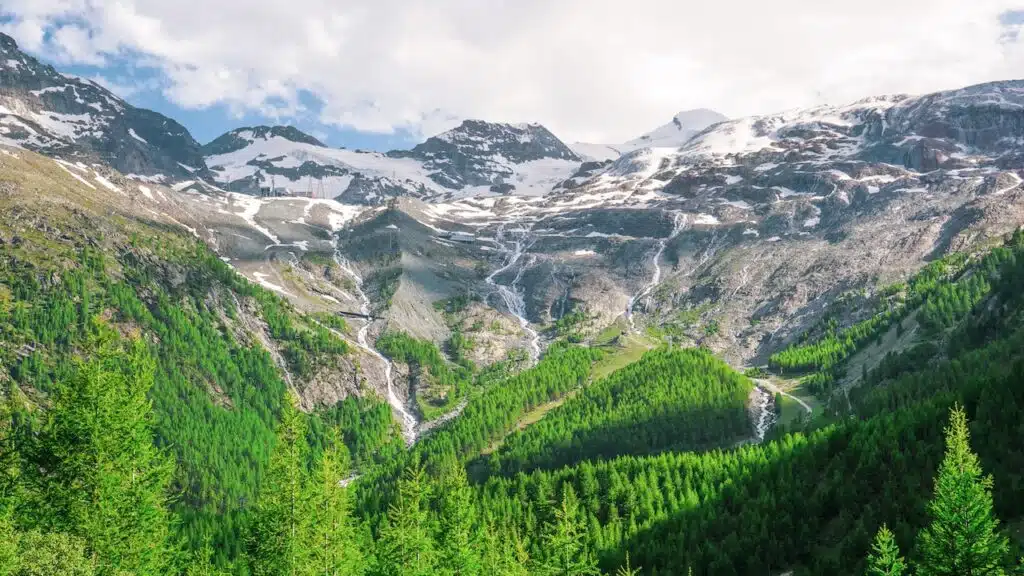
When you’re crossing Europe by rail, the journey itself becomes the destination. You’ll watch the Swiss Alps rise from pastoral valleys, see Norwegian fjords open up beneath sheer cliffs, and roll past terraced Portuguese vineyards that have produced wine for centuries. None of this happens at 35,000 feet. Scenic train trips are among the most enjoyable ways to travel, offering breathtaking views and unforgettable moments along the way.
Rail travel offers something planes and long-distance buses simply cannot: uninterrupted access to Europe’s most dramatic landscapes. The train traverses terrain that roads often can’t reach—high mountain passes, narrow river gorges, and remote moorlands where the only sounds are rushing water and the rhythm of the wheels. Taking a day train is the best way to fully appreciate the stunning scenery, as daylight hours reveal the full beauty of these routes.
This guide focuses on specific, bookable train routes with real cities, approximate journey times, and practical tips you can actually use. No vague “just take the train” advice here.
The absolute best train trips in Europe to book first:
- Bernina Express (Switzerland/Italy) — UNESCO-listed Alpine crossing
- Flåm Railway (Norway) — Europe’s steepest standard-gauge railway
- GoldenPass Line (Switzerland) — Lake Geneva to Jungfrau region
- West Highland Line (Scotland) — Hogwarts Express route through the Highlands
- Linha do Douro (Portugal) — Wine country along the Douro River
Each route section below covers why it’s special, how long it takes, the best season to go, and one concrete tip to make your trip better. Most of these train rides in Europe work with point-to-point tickets or rail passes like Eurail and Interrail, but this article focuses on the routes themselves rather than ticketing platforms.
How to Choose the Best Train Trip in Europe for You
“Best” depends entirely on what you want from your journey. A traveler seeking glacier views has different priorities than someone chasing vineyard scenery or coastal cliffs.
Before picking your route, consider these decision factors:
- Desired scenery type: Alps and glaciers, fjords and waterfalls, river valleys and vineyards, coastal calanques, moorland and lochs
- Length of ride: Quick 2–3 hour scenic routes versus 6–8 hour odysseys that become full-day experiences
- Travel style: Stand-alone day trips from a base city versus scenic legs woven into a multi-destination itinerary
- Budget versus bucket-list: Regular regional trains on stunning routes (often cheap) versus premium panoramic services with observation cars (pricier but memorable)
With so many routes available across Europe, it can be challenging to choose the best train trip in Europe for your interests and travel style.
Matching routes to interests:
- Snow-capped peaks and glaciers → Bernina Express or Oslo–Bergen line
- Wine country and river landscapes → Linha do Douro or West Rhine Railway
- Dramatic fjords → Flåm Railway
- Wild moorland and castles → West Highland Line or Settle–Carlisle
- Mediterranean coast → Train de la Côte Bleue
To help visualize all the european train routes and compare options, use online or printed railway maps that show the full network and highlight possible connections.
Seasonality matters. June through September is ideal for Alpine passes when high-altitude routes are fully open and daylight stretches past 9pm. May through October works best for wine valleys when vines are green or turning gold. For snowy Nordic vistas, October through March delivers the drama—but plan around shorter daylight hours.
Accessibility from major hubs:
| Route | Nearest Major Airports/Cities |
|---|---|
| Bernina Express | Zurich (2.5h to Chur), Milan (2.5h to Tirano) |
| Flåm Railway | Oslo, Bergen |
| GoldenPass | Geneva, Zurich |
| West Highland Line | Glasgow, Edinburgh |
| Linha do Douro | Porto |
The Bernina Express, Switzerland & Italy
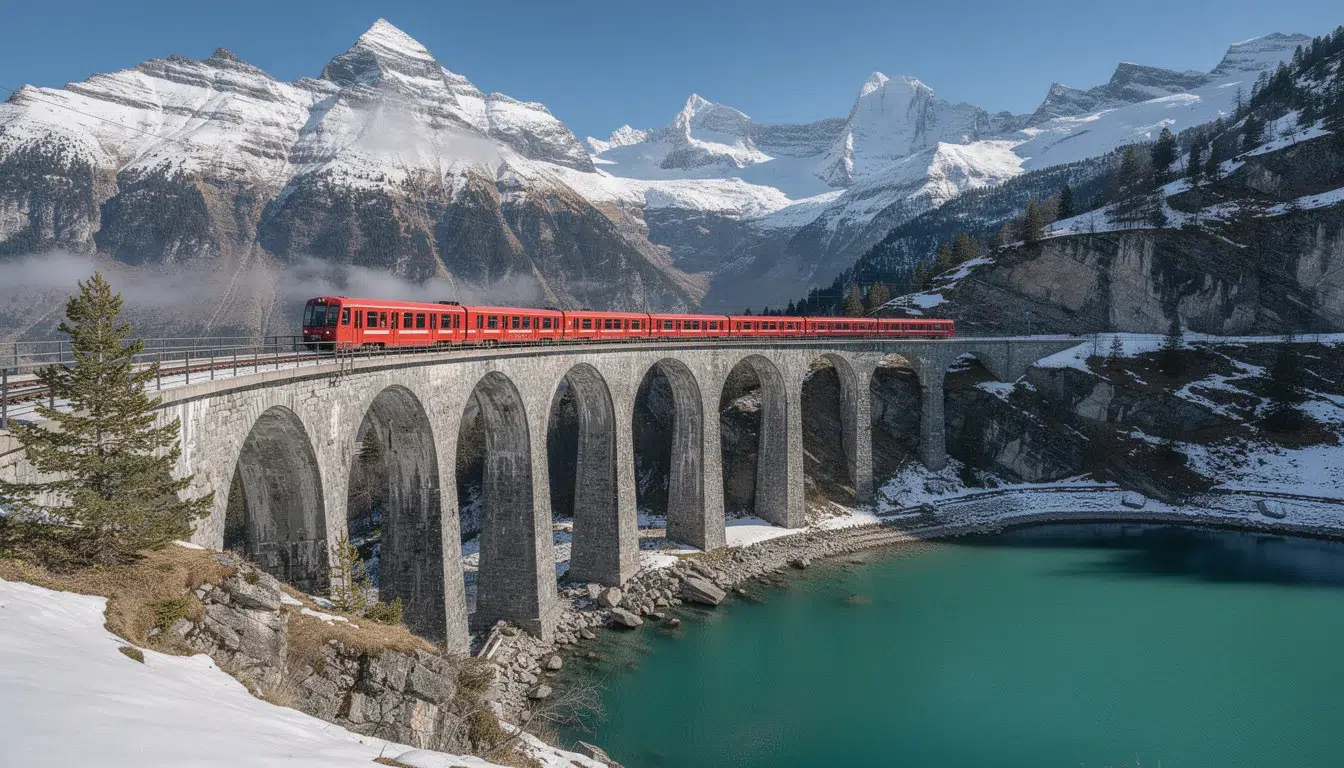
The Bernina Express running from Chur to Tirano is arguably the single best train trip in Europe. The route holds UNESCO World Heritage status, and for good reason: this is the highest railway crossing in the Alps, reaching 2,253 meters at Ospizio Bernina. The Bernina Pass is the highest point on the journey and offers stunning views of snow-capped mountains. The Bernina Express in Switzerland is often regarded as one of the most beautiful train journeys in the world.
Route specifics:
- Distance: 156 km from Chur to Tirano (via St. Moritz)
- Duration: Approximately 4 hours
- Engineering: 55 tunnels and 196 bridges, including the iconic curved Landwasser Viaduct—a 65-meter-high curved limestone bridge leading directly into a tunnel—and the Brusio spiral viaduct
- Highest point: Ospizio Bernina at 2,253m (7,392 ft)
The scenery shifts constantly. You’ll pass glacier-capped peaks, the striking turquoise Lago Bianco, endless spruce forests, and stone-built villages that look untouched by centuries. The narrow gauge train hugs mountainsides, crosses deep gorges, and spirals through terrain that seems impossible for railways.
Best months: Late June through September for hiking stops and full access to high passes. December through March offers snow-covered landscapes—dramatic but cold.
Panoramic coaches vs. regular regional trains:
The official Bernina Express uses panoramic coaches with floor-to-ceiling windows and requires a compulsory separate seat reservation, which incurs an extra cost on top of tickets or passes. However, budget travelers can ride the exact same route on regular regional trains operated by Rhaetian Railway between Chur, St. Moritz, and Tirano using standard tickets or rail passes—no reservation required. The views are identical; you just won’t have the panoramic glass ceiling.
Practical tip: If you’re traveling with a Eurail or Interrail pass, the regional trains are included with no supplement. The panoramic Bernina Express requires an extra reservation fee of approximately €14–22 depending on season. Travelers can purchase train tickets online or at the station, but it’s often recommended to buy them in advance for popular routes. Many European trains require seat reservations, especially for high-speed and international services.
One-day itinerary idea: Take an early train from Zurich to Chur (1.5 hours), board the Bernina line to Tirano, then continue to Milan the same evening. You’ll cross from German-speaking Switzerland through the Alps to northern Italy in a single day.
The Flåm Railway & Oslo–Bergen Line, Norway
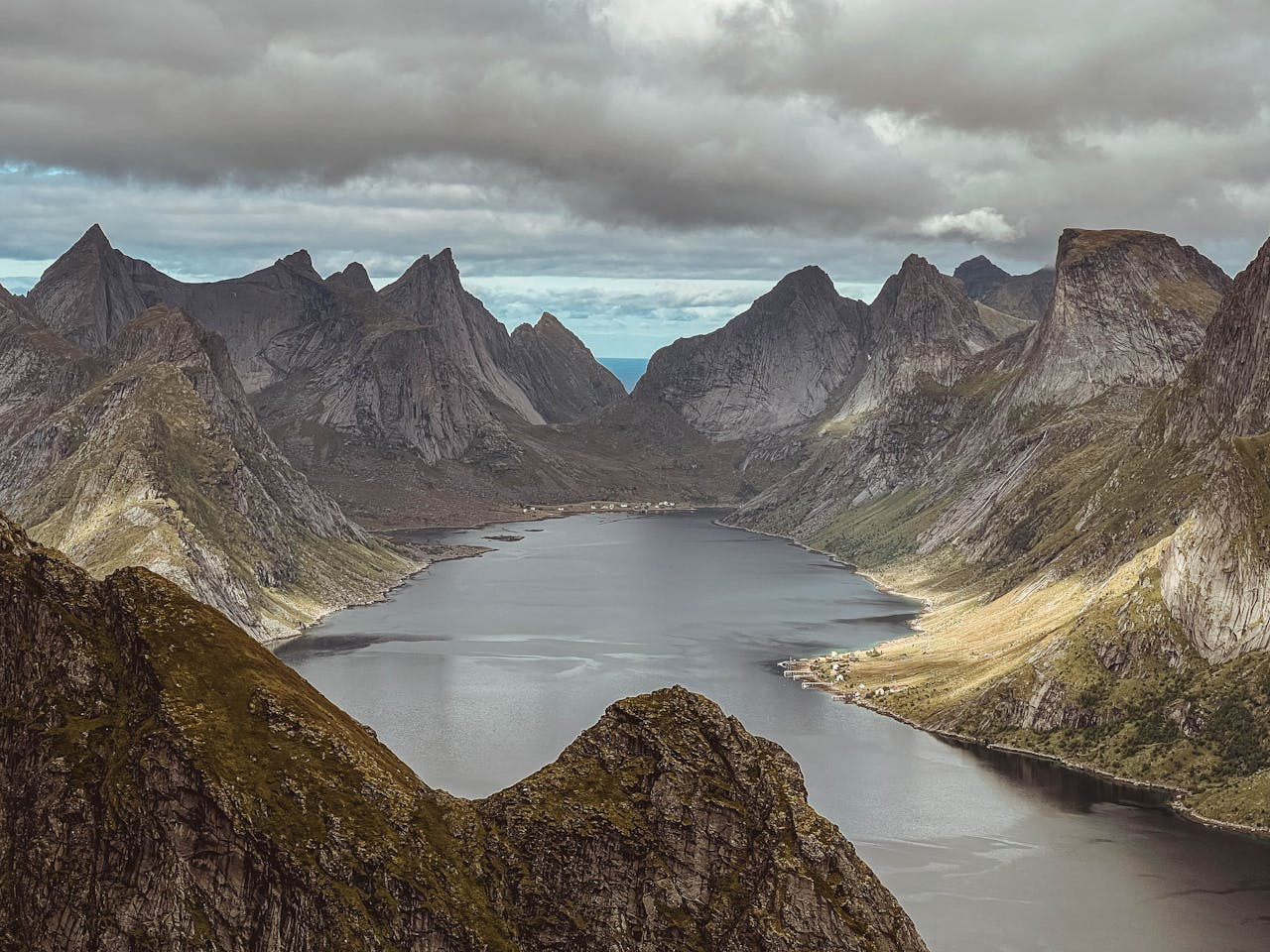
This Norway route combines Europe’s most dramatic fjord scenery with high-mountain tundra—often packaged as “Norway in a Nutshell” but entirely bookable as separate legs for more flexibility and lower cost.
Oslo–Bergen main line:
The Oslo to Bergen railway covers 496 km in roughly 6.5–7 hours. This isn’t just transport; it’s a front-row seat to Norway’s interior. This train line is celebrated for its breathtaking natural scenery, including national parks and fjords, making it one of Norway’s most scenic train lines. The route climbs from sea level through forests, crosses the Hardangervidda plateau (Europe’s largest high-altitude plateau), and passes frozen lakes, tundra, and snow-patched peaks—even in early summer. Along the way, the train passes through several national parks, offering exceptional views of protected landscapes.
Key stops include Geilo (ski resort town), Finse (highest station at 1,222m), and Voss. The scenery alternates between dark forests, open moorland, and dramatic glacial valleys.
Myrdal–Flåm branch (Flåmsbana):
The Flåm Railway is an iconic and must-visit scenic railway in Norway. This steep 20 km branch line between Myrdal (on the Oslo–Bergen main line) and the tiny fjord village of Flåm takes about 1 hour and drops nearly 900 meters, with an average gradient of 5.5%—making it one of the steepest standard-gauge railways in the world.
Highlights include a stop at Kjosfossen waterfall (the train pauses for photos), views of the Aurlandsfjord opening below, and the engineering marvel of the route’s 20 tunnels carved into sheer rock.
Booking options:
The packaged “Norway in a Nutshell” tour combines train, boat ride, and bus in one ticket. But you can book each leg individually for significant savings:
- Oslo–Myrdal (train, ~5 hours)
- Myrdal–Flåm (Flåmsbana, ~1 hour)
- Flåm–Gudvangen (fjord boat, ~2 hours)
- Gudvangen–Voss (bus, ~1 hour)
- Voss–Bergen (train, ~1.5 hours)
At a glance:
- Total journey: Full day (leave Oslo early morning, arrive Bergen by evening)
- Best months: June–September for long daylight and mild weather
- Ideal direction: Oslo to Bergen via Flåm captures the best light on fjord scenery
Seasonal tip: September offers fewer crowds and still-mild weather. Winter (November–March) has limited daylight—the sun sets by 3–4pm in December—so time departures carefully if views matter to you.
GoldenPass Line (GoldenPass Classic & Panoramic), Switzerland
The Golden Pass route between Montreux and Interlaken is the best “storybook Switzerland” train trip in Europe. This renowned scenic train journey isn’t about extreme altitude or engineering marvels—it’s about rolling through the Switzerland of postcards: vineyard-covered hillsides above Lake Geneva, chalet villages, flower-filled meadows, and views of the Jungfrau peaks.
The journey:
The core Golden Pass Classic segment runs from Lucerne to Montreux, with the most famous stretch between Montreux and Zweisimmen, taking about 2 hours. The Golden Pass Classic train route in Switzerland runs between Lucerne and Montreux. The trains use Belle Époque-style coaches with wood-paneled interiors, brass fittings, and large windows—reminiscent of the Orient Express era. From Zweisimmen, you change to continue via Spiez to Interlaken, turning this into a half-day scenic journey connecting Lake Geneva to the Jungfrau region.
Rick Steves calls this route his pick for scenic European rail journeys, and it’s easy to see why. The train cuts diagonally across the pristine center of Switzerland, with scenery shifting from Mediterranean-influenced lakeside to Alpine pastures.
VIP front-row seats: Some Golden Pass panoramic trains from Montreux offer first-class VIP seats at the very front, with unbeatable windshield views. Booking these VIP seats incurs an extra cost beyond the standard fare, but watching vineyards and mountains unfold directly ahead is worth it for photographers and romantics.
Practical details:
- Journey time: 3–3.5 hours Montreux to Interlaken (with one change at Zweisimmen)
- Reservations: Recommended for panoramic cars, not required for standard coaches
- Best direction: Montreux to Interlaken puts afternoon light on the mountains
- Ideal months: April–October for green scenery and reliable weather
Add-on tip: From Interlaken, continue by train to Lauterbrunnen (20 minutes), then cable car to the car-free villages of Wengen or Mürren. These make excellent bases for multi-day mountain hikes with stunning views of the Eiger, Mönch, and Jungfrau.
Linha do Douro, Portugal
The Porto to Pocinho train along the Douro line is the best train trip in southern Europe for wine lovers and river landscapes. It’s also a fraction of the cost of a river cruise covering the same scenery.
Route details:
- Departure: Porto São Bento or Campanhã
- Destination: Pocinho (end of the line)
- Duration: Approximately 3.5 hours
- Key stops: Régua, Pinhão (heart of port wine country)
The train follows the Douro River through a UNESCO-protected wine region. The scenery is unlike anything else in Europe: steep hillsides terraced with vineyards, white-walled quintas (wine estates) perched above the water, and the river curving endlessly through the narrow valley.
This is a local train, not a tourist service. Windows often open, passengers hop off at tiny halts, and the pace is genuinely slow. The beautiful scenery unfolds gradually rather than dramatically—perfect for travelers who want to absorb rather than tick off sights.
Heritage steam option: In July and August, a heritage steam train (the “Comboio Histórico do Douro”) runs on select days between Régua and Tua or Pinhão, depending on the season’s schedule. It’s a nostalgic open-window experience worth planning around if you’re a rail enthusiast.
Best times of year:
- Late April–June: Vines are green, weather is warm but not brutal
- September–early October: Harvest season with golden vineyards
- Avoid August if possible: Inland temperatures can exceed 40°C
Practical tips:
- Sit on the river side (left side leaving Porto) for unobstructed views
- Consider an overnight in Pinhão—tiny village, excellent wine lodges, quieter than Régua
- Buy regional tickets at the station the same day; no advance booking needed
- Trains run roughly every 2–3 hours
Day trip itinerary: Take the early train from Porto to Pinhão (about 2.5 hours), spend the afternoon visiting a quinta for a tasting and lunch, then catch a late afternoon or early evening train back to Porto. Long day, entirely doable.
West Rhine Railway, Germany (Cologne–Koblenz–Mainz)
This is Europe’s best “castle-and-river” train trip—a scenic route passing through the Rhine Valley, following the left bank of the Rhine through a landscape so thick with medieval fortresses, vineyard slopes, and castles that UNESCO designated the central section a World Heritage Site. The Rhine Valley is renowned for its picturesque landscapes, including endless vineyards and historic castles along the riverbanks.
Route specifics:
- Stations: Köln Hbf to Mainz Hbf (or reverse)
- Via: Bonn, Koblenz, Bingen
- Duration: 2–3 hours depending on service
- Frequency: Regional trains run roughly every 30–60 minutes
- Reservations: Not required (standard regional service)
The West Rhine Railway in Germany runs between Cologne and Mainz along the Rhine River, offering travelers some of the most famous and scenic views in Europe.
What you’ll see from the train:
- Drachenfels hill near Königswinter (legendary dragon’s lair)
- Marksburg Castle above Braubach (only Rhine castle never destroyed)
- The famous Loreley Rock near St. Goar
- Endless vineyards climbing steep hillsides
- Rhine river cruise boats passing below
Seat side strategy: When traveling southbound (Cologne to Mainz), sit on the right-hand side for continuous river views. Northbound, take the left side.
Best season: May–October for warm weather and active vineyards. The stunning landscapes turn golden in September–October during grape harvest.
Ticketing tip: Use regional day tickets like the “Rheinland-Pfalz-Ticket” for unlimited travel within the region—excellent value if you’re exploring multiple stops.
Combine train and boat: Consider taking the train in one direction and a Rhine river cruise boat in the other. The KD boat service runs between Koblenz and Mainz (about 4–5 hours), letting you experience the same scenery at water level.
Timing warning: Avoid winter weekday departures after 4pm—the sun sets early, and the charm is entirely in daylight river scenery.
West Highland Line, Scotland
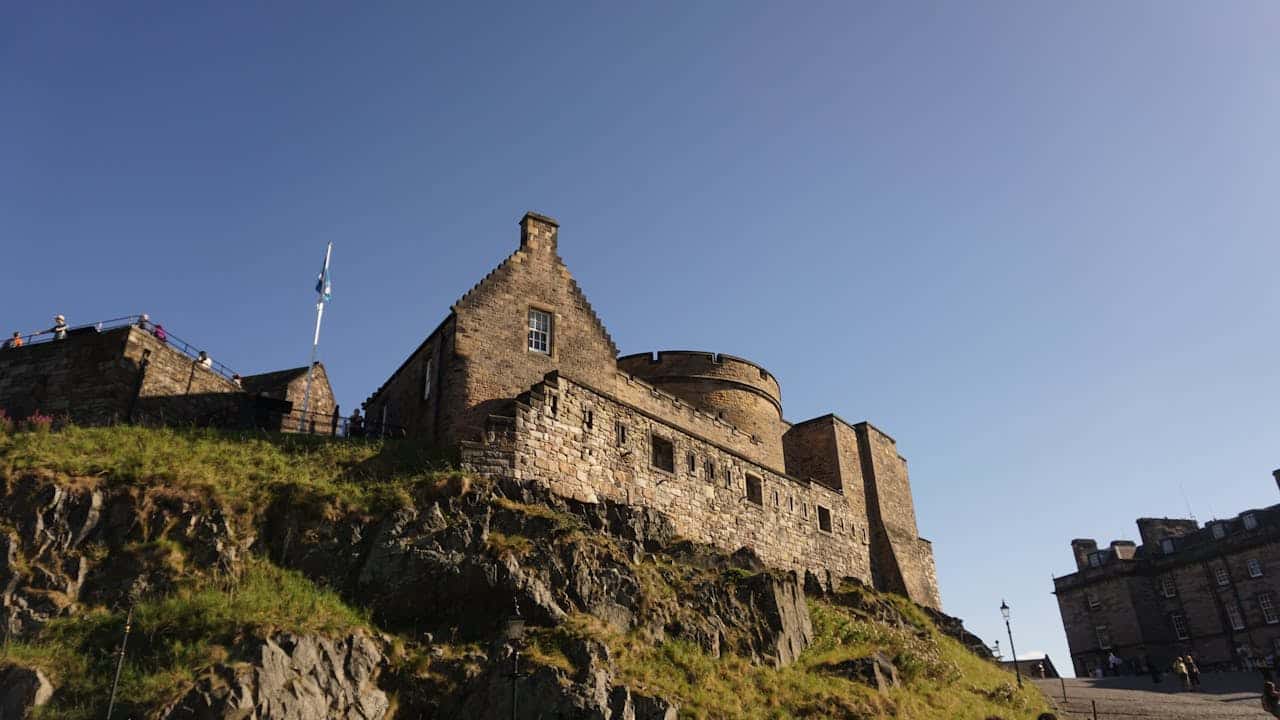
The Glasgow to Fort William to Mallaig route is one of Europe’s most atmospheric train journeys, famous for wild moorland, sea lochs, and the curving Glenfinnan Viaduct—instantly recognizable as the Hogwarts Express route from the Harry Potter films.
Route segments:
- Glasgow Queen Street to Fort William: About 4 hours
- Fort William to Mallaig: About 1.5 hours
- Both can be booked as separate journeys in a single day or over several days
Key landscapes:
The train passes through the Scottish Highlands at their most dramatic. Highlights include Rannoch Moor (a vast boggy wilderness with no road access), views of Ben Nevis (Britain’s highest peak) near Fort William, sea lochs opening to the Atlantic, and the iconic 21 arches of Glenfinnan Viaduct curving above Loch Shiel.
This is remote country. For stretches of the route, there’s no road, no villages—just moorland, water, and mountains.
Seasonal nuances:
- May–September: Long daylight (past 10pm in June), green hillsides, best weather odds
- Late October–March: Snow-dusted peaks, atmospheric mist, but limited services and short days (sunset around 4pm in December)
Practical advice:
- Book advance tickets on scotrail.co.uk for best prices
- Sit on the left side traveling Glasgow to Mallaig for the best views
- The Jacobite steam train runs between Fort William and Mallaig in summer—pricier than regular service but adds nostalgia (this is the actual train used for exterior Hogwarts Express filming)
Add-on idea: Stay overnight in Fort William, then continue by bus or ferry towards the Isle of Skye for a broader Highlands itinerary. The ScotRail route connects beautifully with ferry services to the Inner Hebrides.
Train de la Côte Bleue, France (Marseille–Miramas)
This short coastal route is one of Europe’s best scenic train rides for travelers already in Provence or the French Riviera. It hugs the Mediterranean, crosses viaducts above rocky calanques, and passes through tiny fishing ports—all in about an hour.
Route details:
- Service: Regional TER train
- From: Marseille Saint-Charles
- To: Miramas (via L’Estaque, Carry-le-Rouet, Sausset-les-Pins)
- Duration: Approximately 1 hour 15 minutes
- Reservations: Not required
- Fares: Low (standard regional pricing)
The train runs along the Côte Bleue—named for the deep blue Mediterranean visible through gaps in the rocky coastline. You’ll pass above small calanques, through tunnels carved into cliffsides, and alongside beaches where locals swim on summer weekends.
Best months: April–June and September–October for pleasant weather and fewer crowds. July–August is hot and beaches are packed.
Practical tips:
- Sit on the sea side (right side leaving Marseille) for the best views
- Hop off at Carry-le-Rouet or L’Estaque for lunch in a small fishing town
- Return via a faster inland TER if time is short
- Tickets can be bought at station machines on the day
Important note: French rail services can occasionally be disrupted by strikes. Check schedules on sncf-connect.com on your day of travel, especially if you have fixed plans.
Settle–Carlisle Line, England
The Settle to Carlisle railway is one of Europe’s best rural train trips for lovers of Victorian engineering, stone-built villages, and windswept moorland. It’s easily done as a day trip from Leeds or York.
Route specifics:
- Distance: 73 miles (117 km)
- Duration: About 1 hour 45 minutes
- Frequency: Several trains daily
- Operator: Northern Trains (some through services from Leeds)
Headline sight: The 24-arch Ribblehead Viaduct, stretching across the valley with the Yorkshire Dales as a backdrop. It’s best appreciated from the train itself, but you can also access it by footpath if you hop off at Ribblehead station.
The route crosses the Pennine hills through limestone country—dry stone walls, sheep-dotted fields, and villages built from the same pale stone. It’s quintessentially English countryside at its most unspoiled.
Special services: Standard Northern Trains run year-round. Occasional steam-hauled excursions operate on selected dates, advertised by heritage rail tour operators—worth checking if you want the full vintage experience.
Practical details:
- Best season: Late April–October for green scenery and longer days
- Tickets: Off-peak day returns from Leeds offer good value
- Best views: Sit on the left side traveling northbound for views over Ribblehead
Day trip suggestion: Start in Leeds mid-morning, ride to Carlisle for a late lunch (the cathedral city has good pubs and cafes), then return on an afternoon or early evening train. Full day, relaxed pace.
Munich to Venice via the Brenner Pass
This cross-border Alpine train trip links Germany, Austria, and Italy in a single day—three countries, ever-changing scenery, and a route that traces the first major trans-Alpine railway, opened in the 1860s.
Route outline:
- Start: Munich Hauptbahnhof
- Via: Innsbruck (Austria), Brenner Pass (1,371m), Verona
- End: Venice Santa Lucia
- Total duration: 7–8 hours depending on connections
- Trains: ÖBB Railjet or EuroCity services
What you’ll see:
The train follows the Inn Valley from Munich into Austria, climbing past Alpine villages and forested slopes to Innsbruck. From there, it ascends to the Brenner Pass—the historic gateway through the eastern Alps—before descending through South Tyrol (northern Italy), past vineyards, orchards, and Italian hill towns. The final stretch crosses the Veneto plain to Venice.
This is one of the most scenic routes in eastern Europe’s periphery (well, central Europe), connecting the beer halls of Bavaria to the Grand Canal.
Practical tips:
- Morning departure from Munich recommended to maximize daylight
- Seat reservations advisable in summer (June–September)
- Best months: May–October for clear views
Seat-side guidance: Views of the Inn River are better on the left side leaving Munich for Innsbruck. Through the Brenner section, views alternate between sides—if the train isn’t heavily reserved, feel free to roam for the best angles.
Mini-itinerary idea:
- Day 1: Munich to Innsbruck (1.5 hours), overnight in Innsbruck
- Day 2: Innsbruck to Venice via Brenner (4–5 hours), afternoon arrival in Venice
This breaks the journey nicely and lets you explore the Tyrolean capital.
Tip: If you have extra time in Munich or want to explore more of Bavaria, consider taking a train from Munich to Füssen. This scenic route brings you to the area near Neuschwanstein Castle, a fairy-tale landmark and one of the most popular tourist destinations in Germany.
Exploring Eastern Europe by Train: Hidden Gems and Scenic Surprises
When it comes to scenic train rides in Europe, Eastern Europe is often overlooked—but for adventurous travelers, this region is a goldmine of stunning landscapes, vibrant cities, and unforgettable train journeys. Whether you’re winding through the snow-capped peaks of Slovakia, tracing the turquoise coastlines of Croatia, or rolling past the cobbled streets of historic capitals, train travel in Eastern Europe offers a unique blend of beauty, culture, and discovery.
Unmissable Scenic Routes:One of the most breathtaking train journeys in Eastern Europe is the Belgrade-to-Bar Railway. This epic route connects Serbia’s lively capital with Montenegro’s Adriatic coast, traversing the dramatic Dinaric Alps, plunging through deep river gorges, and crossing more than 400 bridges. The ever-changing scenery—towering mountains, emerald valleys, and sparkling lakes—makes this one of the most scenic train rides in Europe, perfect for travelers seeking a true sense of adventure.
For a shorter but equally memorable trip, the train ride from Budapest to Bratislava glides through the picturesque Hungarian countryside, offering sweeping views of the Danube River and charming rural villages. It’s an easy way to link two iconic cities while soaking up the region’s natural beauty.
Regional Trains and Hidden Gems:Eastern Europe’s regional trains are a delight for those who love slow travel and authentic experiences. The narrow gauge train from Turčianske Teplice to Banská Bystrica in Slovakia is a hidden gem, winding through lush forests and over historic bridges—ideal for travelers who want to discover the heart of the Slovak countryside. While not strictly Eastern European, the Circumvesuviana railway in southern Italy is another classic regional line, famed for its scenic journey along the Amalfi Coast and panoramic views of the Mediterranean Sea.
These local train lines may lack the luxury of the Bernina Express or the GoldenPass, but they more than make up for it with their charm, affordability, and access to places untouched by mass tourism. For many, these are the best train rides for connecting with local culture and discovering Europe’s lesser-known corners.
Iconic Cities and Vibrant Culture:Train travel in Eastern Europe is also your ticket to some of the continent’s most iconic cities. Budapest dazzles with its grand Parliament building and lively thermal baths, while Prague enchants with its fairy-tale Old Town and vibrant café culture. Vienna, with its imperial palaces and world-class museums, is just a scenic train ride away. Each city offers a unique blend of history, architecture, and vibrant culture—perfect for travelers who want to combine beautiful train rides with urban exploration.
For those dreaming of classic European icons, it’s easy to extend your journey westward—perhaps arriving in Venice to glide down the Grand Canal, or connecting to the legendary Orient Express for a taste of old-world luxury.
Luxury and Legendary Routes:If you’re seeking a truly unforgettable rail trip, consider splurging on a journey aboard the Orient Express or the GoldenPass. These legendary trains offer stunning views of the Swiss Alps, elegant dining cars, and a sense of timeless glamour. The Bernina Express, with its panoramic windows and jaw-dropping Alpine scenery, is another must for any train enthusiast. While these routes often cross borders, they can be seamlessly combined with Eastern European adventures for the ultimate scenic train trip.
Start Your Eastern European Rail Adventure:From the wild beauty of the Dinaric Alps to the vibrant cities of Budapest and Prague, Eastern Europe is packed with scenic train rides, regional trains, and iconic destinations. Whether you’re after a luxurious sleeper train or a budget-friendly local line, there’s a route to suit every traveler. Book your tickets, pack your bags, and get ready to discover the hidden gems and stunning landscapes of Eastern Europe—one unforgettable train journey at a time.
Best One-Week Rail Trip Ideas Using These Routes
Many travelers want to combine the most scenic train rides into a cohesive 5–7 day itinerary rather than doing them as isolated day trips. Here are three concrete multi-day plans:
1. Alpine Highlights (7 days)
- Day 1: Arrive Zurich, explore city
- Day 2: Zurich–Chur (1.5h), then Bernina Express to Tirano (4h), continue to Milan
- Day 3: Milan (explore or day trip to Lake Como)
- Day 4: Milan–Montreux via Simplon route (3.5h)
- Day 5: GoldenPass Montreux–Interlaken (3h), afternoon in Interlaken
- Day 6: Interlaken–Lauterbrunnen–Mürren (cable car excursion)
- Day 7: Interlaken–Zurich (2h), depart
2. Nordic Fjords & Cities (6–7 days)
- Day 1: Arrive Oslo, explore city
- Day 2: Oslo–Bergen via Flåm (full day, scenic route through Myrdal and fjord boat)
- Day 3: Bergen (explore city, fish market, Bryggen)
- Day 4: Bergen–Flåm (return for a night in Flåm village)
- Day 5: Flåm area hiking or kayaking
- Day 6: Flåm–Oslo (reverse scenic route) or fly from Bergen
- Day 7: Oslo or departure
3. Wine & Rivers (7 days)
- Day 1: Arrive Porto, explore Ribeira district and port wine lodges
- Day 2: Porto–Pinhão day trip on Linha do Douro (full day, return evening)
- Day 3: Porto (morning), fly to Frankfurt or Cologne
- Day 4: Cologne, explore the cathedral and old town
- Day 5: West Rhine Railway Cologne–Mainz (3h scenic trip), overnight in Mainz
- Day 6: Mainz exploration or Rhine boat trip, train to Frankfurt
- Day 7: Frankfurt departure
These itineraries assume 3–5 hours of train travel per day maximum, with time for exploration and meals. Check national rail sites (SBB for Switzerland, Vy/Entur for Norway, DB for Germany, CP for Portugal) or Eurail/Interrail pass options once you’ve chosen your routes.
Practical Tips for Booking and Riding Europe’s Best Train Trips
This section condenses the essential logistics for scenic train trip travelers—not an exhaustive ticketing manual, just what you need to know. For popular routes, it’s important to book tickets in advance, as seats can sell out quickly.
Reservations:
- Required: Bernina Express (panoramic cars), most long-distance high-speed services in France, Spain, Italy. Many European trains require a separate seat reservation, especially for high-speed and international services. Make sure to check if your ticket includes a seat or if you need to reserve one separately.
- Recommended: GoldenPass panoramic cars, Munich–Venice EuroCity in summer
- Not required: West Rhine Railway, Côte Bleue, Settle–Carlisle, Linha do Douro, most regional trains
Booking lead times:
- 2–3 months ahead: Peak summer (June–September) on bucket-list routes, holiday weekends
- 2–4 weeks ahead: Shoulder season travel, securing good prices on premium services
- Same day: Most regional scenic lines (Douro, Rhine, Côte Bleue, Settle–Carlisle)
- Always check the specific train operator’s website for ticket prices and availability, as no single website sells tickets for all trains in Europe.
Where to sit for best views:
| Route | Best Side |
|---|---|
| Linha do Douro | Left (leaving Porto) |
| West Rhine Railway | Right (Cologne–Mainz) |
| West Highland Line | Left (Glasgow–Mallaig) |
| Côte Bleue | Right (leaving Marseille) |
| Bernina Express | Both sides good (views alternate) |
Luggage and comfort:
- Pack light for easy boarding and overhead storage
- Bring snacks and water—many scenic routes (Douro, Côte Bleue, regional trains) have no restaurant car
- Download or print tickets offline; mobile signal can be spotty in mountain areas
- Scenic train rides are a great opportunity to meet other travelers and share experiences along the journey.
Practical tips:
- Use apps like DB Navigator and Railplanner to check train times and plan your journeys across Europe.
- Travel insurance is recommended for train travel in Europe, covering trip cancellations and lost belongings.
- Allow extra time for connections between trains, especially if traveling on separate tickets. If you miss a connection while on separate tickets, be aware of your rights and the policies of each operator.
- Eurail and Interrail passes can be a cost-effective way to travel by train across multiple countries in Europe.
- You can find detailed itineraries and suggestions for train routes across Europe to help plan your trip.
Daylight considerations:
- Plan West Highland and Oslo–Bergen departures mid-morning in winter for maximum daylight
- Avoid late afternoon departures on scenic routes December–February (sunset by 4pm in northern Europe)
- Summer offers 18+ hours of daylight in Scotland and Norway—take advantage
For Swiss routes, Swiss Railways offers comprehensive coverage and official online mapping tools to help you plan, including scenic journeys like the Glacier Express and Bernina Express.
Book at least one of these routes as the centrepiece of your next European trip. These aren’t just ways to get from A to B—they’re experiences that will stay with you far longer than any flight.
Turning a Simple Journey into Your Best Memory of Europe
Europe’s best train trips—from the Bernina Express crossing the Swiss Alps to the Flåm Railway plunging through Norwegian fjords, from the Linha do Douro winding through Portuguese vineyards to the West Highland Line crossing Scottish moors—are destinations in themselves. The journey becomes the point, not just the means to an end.
Choose one route that matches what you love: alpine peaks, wine country, dramatic coastline, castle-studded rivers, or wild moorland. Build a short trip around it using the itineraries above. Let the train trip be the reason you go, not just how you get there.
Your next step: Pick your travel dates, check timetables on the relevant national rail site for at least one route today, and book your key scenic leg early if you’re traveling in high season. The window seats fill up first.
And when you’re finally settled into that seat—watching Swiss glaciers glide past, Norwegian waterfalls cascade into fjords, or Portuguese vineyards climb sunlit hillsides—you’ll understand why Europe’s best trips have always belonged on the rails.