

Train service

NTV
Italo (NTV) is Italy’s first private high-speed rail operator, offering a competitive alternative to Trenitalia since 2012.
Check times & pricesOfficial website Check times & prices
Trenitalia
Trenitalia is Italy’s state-owned rail operator, running high-speed, intercity, and regional trains across the country and beyond.
Check times & pricesOfficial websiteTrain tickets

Omio
Omio connects you with over 1,000 transport providers - trains, buses, flights, and more - to simplify your travel planning.

Trainline
Trainline sells rail and coach tickets worldwide on behalf of major UK and European transport companies.

Raileurope
Rail Europe is a leading travel tech company specializing in European train bookings for over 15,000 travel professionals worldwide.
There’s no direct train from Rome to Athens in 2026 – and there won’t be anytime soon. The Adriatic Sea sits firmly between Italy and Greece, with no tunnel or bridge on the horizon. But here’s the deal: you can still make the journey without flying, and it’s one of the most scenic routes in Europe. The best way combines a fast train from Rome to an Italian port, an overnight ferry across the Adriatic, and a final train or bus leg into downtown Athens. Total travel times run about 24–30 hours depending on your route and connections.
The most established combination takes you Rome to Bari by high-speed rail, Bari to Patras by overnight ferry, then Patras to Athens via Hellenic Train’s bus-and-rail service. You’re looking at two or three changes across two countries. Flying Rome to Athens takes around 1 hour 50 minutes and can run cheaper – sometimes €30–80 for a budget carrier. But the train and ferry route offers something no flight can: Puglia’s coastline sliding past your window, an Adriatic sunrise from the deck, and arrival in Greece at a human pace.
Main no-fly route: Rome – Bari – Patras – Athens
This is the workhorse route between the two cities in 2026, and it’s the one most travelers planning an overland trip will want to know. Here’s how the three legs break down:
- Leg 1: Rome Termini or Tiburtina to Bari Centrale by Trenitalia Frecciarossa or Italo (about 4–4.5 hours)
- Leg 2: Overnight ferry from Bari to Patras with Superfast Ferries or Anek Superfast (16–18 hours, including a stop at Igoumenitsa)
- Leg 3: Patras to Athens Larissa Station via Hellenic Train’s combined bus and train service (roughly 3–3.5 hours)
A realistic mid-week example in May 2026:
- 10:00 – Depart Rome Termini on Frecciarossa
- 14:23 – Arrive Bari Centrale
- 19:30 – Board Bari–Patras ferry
- 12:00–14:00 next day – Arrive Patras New Port
- 14:30 – Board bus-train combo to Athens
- 18:00 – Arrive Athens Larissa Station
Indicative prices:
- Rome–Bari: from about €29.90 in 2nd class (Super Economy, booked early)
- Bari–Patras deck seat: roughly €65–70 in shoulder season
- Patras–Athens: around €17 one way
One advantage over flying: no strict liquid rules, generous luggage space on trains and ferries, and the option to book a private cabin for the night crossing.
Leg 1: Rome to Bari by train
Most departures leave from Roma Termini, the main hub with metro lines A and B feeding directly to the platforms. Some Italo services depart from Roma Tiburtina instead – check your ticket. Either way, you’ll arrive at Bari Centrale, a compact station close to the old town.
Train options:
- Frecciarossa (Trenitalia): fastest at 300 km/h, free wifi, power sockets at every seat, café car onboard
- Italo: similar speeds and comfort, with Smart (economy) and Prima (premium) classes
- Intercity: slower, cheaper, fewer departures
Journey time is around 4–4.5 hours on high-speed services, with trains running every 1–2 hours throughout the day. First departures leave around 05:38–07:00, last trains at 23:51.
Ticket prices vary by how far in advance you book:
- Super Economy 2nd class: from €29.90 (book 3–4 months ahead)
- Flexible or last-minute: €60–€80
- Prima (1st class): €39.90–€90+
Reservations are mandatory on Italian high-speed trains, but the cost is included in your fare. Mobile tickets via the Trenitalia or Italo app work everywhere – no need to print.
A smart connection: catch the 10:00 Frecciarossa from Rome, arrive Bari at 14:23, giving you a 3–4 hour buffer before a 19:30 ferry. Don’t cut it too close – delays happen, and you don’t want to miss your ship.
Leg 2: Bari to Patras by overnight ferry
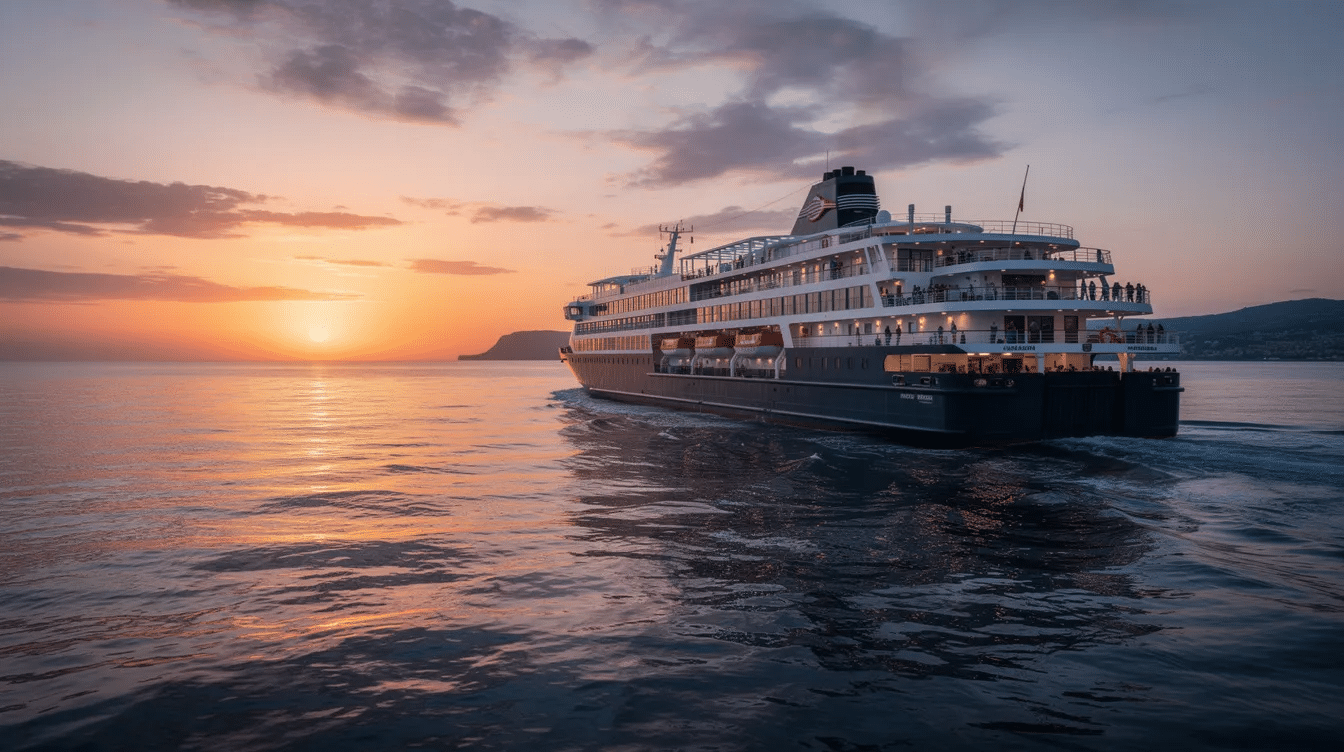
The Bari–Patras crossing is the heart of this journey, operated mainly by Superfast Ferries and Anek Superfast. These are proper cruise-style vessels – the Superfast XII and Asterion Palace carry 1,500+ passengers with restaurants, bars, lounges, and sun decks.
Getting from Bari Centrale to the port:
- Walk: 20–25 minutes through the Murat quarter
- Bus 50: every 30–40 minutes, €1.50, about 10 minutes
- Taxi: €10–15, 10 minutes
Plan to arrive 1.5–2.5 hours before departure for check-in, especially in high season. You’ll go through standard ID checks – both Italy and Greece are in the European Union and Schengen, so EU citizens can use national ID cards. Non-EU travelers need a valid passport.
Accommodation onboard:
- Deck / “air seats”: budget option, from €63–70 low season
- Reserved recliner: €80–100
- Inside cabin (shared): €110–150 per person
- Sea-view cabin: €130–180
- Deluxe suite with balcony: €200+
- Pet cabins available on some sailings
Facilities include à la carte restaurants, self-service buffets, a bar and piano lounge, sun decks, and power sockets in cabins and common areas. Wifi is available but often paid and spotty mid-crossing.
The ferry typically departs 19:00–19:30, stopping briefly at Igoumenitsa before arriving at Patras late morning or early afternoon – roughly 16–18 hours total. Sea conditions can add an hour or two.
Book cabins well in advance for summer travel (June–September). Prices can double and availability disappears weeks ahead. Use the operators’ official website or aggregators like Direct Ferries. Your booking reference and digital boarding pass are all you need.
Leg 3: Patras to Athens (bus + train via Kiato)
Greece’s rail network between Patras and Athens is still being modernised, with full electrification projected for 2027 or later. For now, Hellenic Train sells a combined service: bus from Patras to Kiato, then a modern electric train from Kiato to Athens Larissa Station.
The process:
- Arrive at Patras New Port
- Take a taxi or shuttle to the Hellenic Train bus point (€10–15, about 10 minutes)
- Board the air-conditioned bus to Kiato (1 hour)
- Connect at Kiato to the EMU electric train (1.5–2 hours at 160 km/h)
- Arrive at Athens Larissa Station
Total journey: roughly 3–3.5 hours from port area to central Athens.
Tickets:
- About €17–€20 one way in 2nd class
- Single ticket covers both bus and train
- Buy at Patras ticket office, machines, or via the Hellenic Train app
- No reservation needed outside peak holidays, but checking schedules in advance is helpful
Departures run roughly every 1–2 hours during daytime. Match your bus departure to your ferry arrival – ferries sometimes dock an hour or two later than scheduled.
Athens Larissa Station connects directly to Metro Line 2 (Red Line). You’re 5 minutes from Syntagma, 3 from Omonia. Taxis outside cost €40–50 to central hotels, but the metro is faster and cheaper for most destinations.
Alternative rail–sea routes from Rome to Athens
Bari–Patras isn’t your only option. Depending on where you’re starting in Italy and which schedules work, you might consider:
Rome – Brindisi – Igoumenitsa/Patras:
- Train Rome to Brindisi: about 5 hours 23 minutes (Frecciarossa/Intercity, €50–150)
- Ferry Brindisi to Igoumenitsa: 8–10 hours (seasonal, Grimaldi Lines, deck from €40+)
- KTEL bus Igoumenitsa to Athens: 5–7 hours (€45, via Ioannina)
Rome – Ancona – Patras/Igoumenitsa:
- Train Rome to Ancona: 3.5–4 hours high-speed
- Ferry: 17–22 hours (SNAV or Adriatic Ferries, less frequent in winter)
Rome – Venice – Patras:
- Train Rome to Venice: 3.5 hours Frecciarossa
- Ferry Venice to Patras: 20+ hours (seasonal, often via Igoumenitsa)
The Brindisi route has a shorter sea crossing but requires an extra long bus ride to Athens. Ancona and Venice crossings suit travelers coming from northern Italy, though crossings run longer. Be aware that arriving in Igoumenitsa instead of Patras adds 7–9 hours of bus travel to reach Athens.
Winter schedules drop to 2–4 sailings per week on most routes. Always check 2026 schedules directly with ferry operators before committing.
Travel times, frequency, and typical costs
Door-to-door timing:
- Rome city centre to central Athens: 24–30 hours
- Includes overnight ferry plus 3–6 hour buffer in Bari
- Most travelers treat the night at sea as built-in accommodation
Frequencies:
- Rome–Bari trains: 25+ daily departures
- Bari–Patras ferries: 4–7 times per week (daily in summer)
- Patras–Athens: roughly hourly daytime
Budget breakdown for Rome–Athens via Bari (one-way):
| Category | What you get | Approximate cost |
|---|---|---|
| Shoestring | 2nd class train, deck on ferry, no extras | €110–150 |
| Mid-range | Flexible train fares, recliner or shared cabin | €160–230 |
| Comfort | 1st class train, private cabin, generous buffers | €250+ |
Main cost drivers:
- Season: July–August ferry cabins cost 50–100% more
- Booking timing: train fares rise sharply within 2 weeks of departure
- Ferry accommodation: deck vs. cabin makes the biggest difference
There’s no through ticket for this route – you’ll buy tickets for each leg separately.
How to book tickets and passes for Rome–Athens
You’ll make 2–3 separate bookings. Here’s a straightforward approach:
Italian trains:
- Book via Trenitalia.it or Italo.it directly
- Sales open 4 months ahead for Trenitalia high-speed services
- I recommend buying 2–4 months in advance for the best deals
- Mobile QR tickets are standard – save them to your phone or app
Ferry:
- Book directly with Superfast Ferries or Anek Superfast, or use Direct Ferries
- Bookings open up to 12 months ahead
- Summer cabins sell out fast – don’t wait until the last month
- You’ll receive a booking reference for boarding; no physical ticket needed
Greek bus + train:
- Use Hellenic Train’s website or app, or buy at Patras station
- Tickets include both segments on one booking
- Same-day purchase usually works, but planning ahead locks in your connection
Rail pass considerations:
- Interrail (European Union residents) and Eurail (others) Global Passes cover Rome–Bari and Kiato–Athens train segments
- Passes earn ferry discounts of 20–30% on deck fares, but don’t cover full fare
- Bus segments Patras–Kiato aren’t covered, even when sold by the rail operator
- Reservations on Frecciarossa cost €10–13 extra with a pass
Check cancellation policies for each booking. Ferry amendments often cost €30+ in high season, while trains are generally more flexible.
Practical logistics: stations, ports, and connections
Rome:
- Roma Termini is your primary station – metro lines A and B connect directly
- Roma Tiburtina handles some Italo services; check your ticket
- Arrive 20–30 minutes before departure for high-speed trains
Bari:
- Bari Centrale is walkable to the ferry port through pleasant old-town streets
- Allow at least 3 hours between train arrival and ferry departure
- This buffer accounts for delays, check-in queues, and a chance to visit Bari’s waterfront
Patras:
- Long-distance ferries use the New Port, a short taxi ride from the bus-train connection point
- Taxis cost €10–15, take about 10 minutes
- The port has limited facilities, so grab breakfast onboard before docking
Athens:
- Larissa Station is the main national rail terminal
- Metro Line 2 (Red) is directly accessible – 5 minutes to Syntagma
- Taxis wait outside; expect €40–50 to central Athens depending on traffic
Border and ID:
- Italy and Greece are both Schengen – EU citizens need only a national ID card
- Non-EU travelers should carry a passport and confirm visa requirements
- Checks happen at ferry boarding, not on trains
Luggage:
- Italian trains have no strict weight limit, but you handle your own bags
- Ferries allow cabin storage or luggage rooms; deck passengers keep bags with them
- Pack a day bag with essentials for the crossing – snacks, entertainment, charger
Why choose the Rome–Athens train + ferry route?
Let’s be realistic: flying is faster and often cheaper. But this route exists for travelers who see the journey as part of the trip.
Scenic and relaxed: The train from Rome to Bari passes through Campania and Puglia – terraced hillsides, olive groves, glimpses of the Adriatic. The ferry crossing means waking to open water, watching the Greek coast appear on the horizon. You arrive having actually experienced the distance between these two cities.
No-fly alternative: If you’re avoiding flights for environmental or personal reasons, this is your route. Train and ferry together produce roughly 50kg CO2e per passenger, compared to around 200kg for a flight. It also connects naturally into longer overland journeys across Europe – a continent you can cross without ever leaving the ground.
Flexible stopovers: Break the trip in Bari’s atmospheric old town, add a night in Patras, or detour to Corfu if your ferry schedule allows. The journey planner becomes more creative when you’re not locked into airport gates.
Comfort and space: You can walk around. Stretch your legs on deck. Book a cabin with a bed. Bring a full suitcase without weighing it. The rest you get on an overnight ferry beats anything a red-eye flight offers.
This route suits slow travelers, Interrail adventurers, and anyone who’d rather watch the world go by than rush over it. If you’ve got 30 hours and a sense of curiosity, the train and ferry from Rome to Athens delivers something worth the extra time.
Frequently asked questions
Is there a direct train from Rome to Athens?
No. There is no direct train from Rome to Athens in 2026. The Adriatic Sea lies between Italy and Greece with no tunnel or bridge, making a direct rail connection impossible.
What is the best way to travel from Rome to Athens without flying?
The most established route combines a high-speed train from Rome to Bari, an overnight ferry from Bari to Patras, and then Hellenic Train's bus-and-rail service from Patras into Athens.
How long does the Rome to Athens journey take by train and ferry?
Total travel time runs about 24–30 hours depending on your route and connections, with 2–3 changes across two countries.
How does the train and ferry route compare to flying from Rome to Athens?
Flying takes around 1 hour 50 minutes and can run cheaper — sometimes €30–80 for a budget carrier. The train and ferry route is slower but offers scenic rewards: Puglia's coastline and an overnight crossing of the Adriatic.
Which Italian port city is used as the ferry departure point for the Rome to Athens route?
Bari is the Italian port used on the most established route. From Bari, an overnight ferry crosses the Adriatic to Patras in Greece.