



Exploring Croatia by train offers travelers a unique way to experience this stunning Balkan country, from the bustling capital Zagreb to the picturesque Adriatic coast. While many visitors opt for buses or rental cars, trains in Croatia provide a comfortable and scenic alternative that connects major cities and towns across the country. Croatia’s railway system, operated by Hrvatske željeznice (HZ), has been serving passengers for over 160 years and continues to play an important role in both domestic and international transportation.
Whether you’re planning to visit Croatia’s major cities, explore the Dalmatian coast, or connect to neighboring European countries, understanding the Croatian railway system will help you make informed travel decisions. This comprehensive guide covers everything from booking train tickets to navigating international routes, ensuring you have all the information needed for successful train travel throughout Croatia.
Croatian Railway System Overview
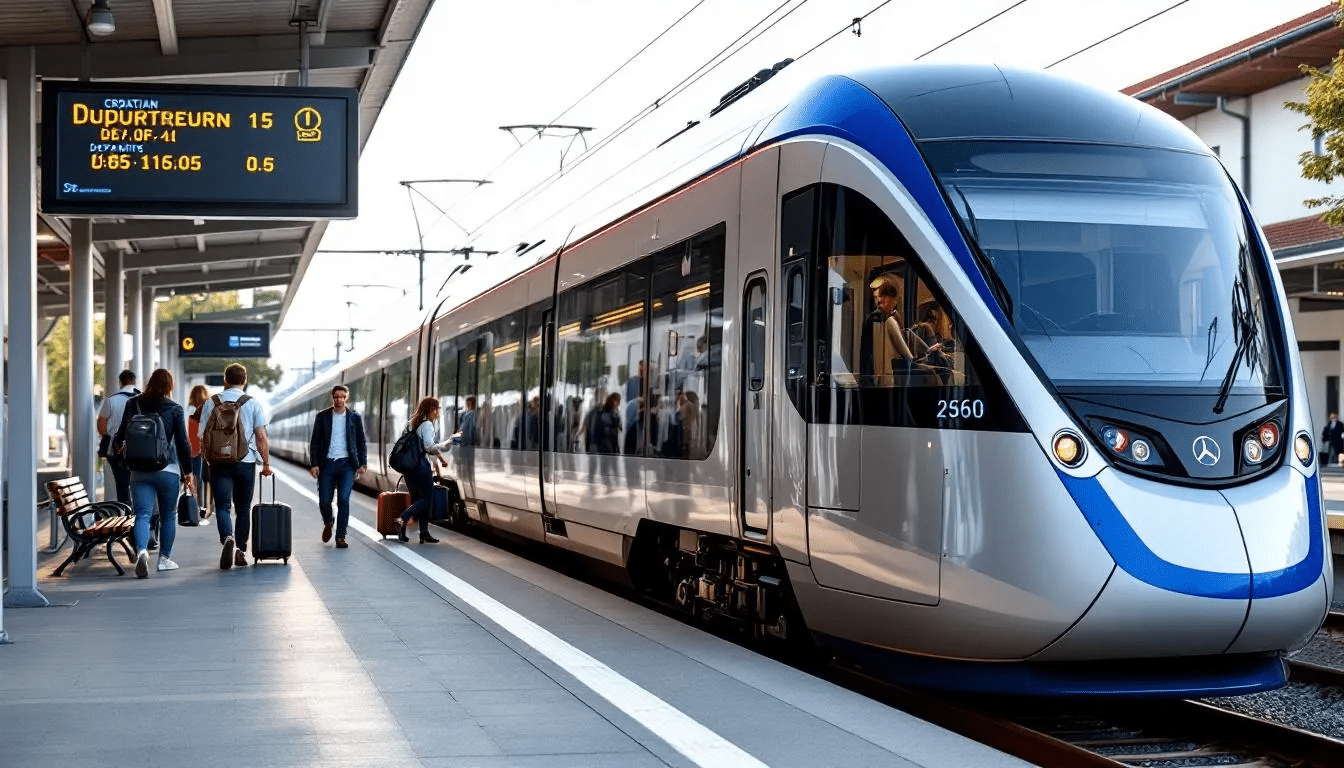
Hrvatske željeznice (HZ) operates Croatia’s national rail network with headquarters in Zagreb, serving as the country’s primary railway company since Croatia’s independence in 1991. The railway network carried over 24 million passengers in 2023-2024, demonstrating its continued importance in Croatia’s public transportation system.
The history of trains in Croatia dates back to 1860 when the first railway was built connecting Hungary, Croatia, and Slovenia. This initial line ran through the northern region of Međimurje, establishing the foundation for what would become an extensive regional network. Since 2012, operations have been split into independent companies per EU Directive 91/440, separating infrastructure management from train operations to improve efficiency and competition.
Zagreb serves as the central hub connecting routes across Croatia and Europe, with the central train station (Glavni kolodvor) functioning as the primary departure point for both domestic and international services. The Croatian railway infrastructure spans approximately 2,617 kilometers, with about 980 kilometers electrified using modern 25 kV/50 Hz systems that replaced the original 3 kV DC network.
Key features of the Croatian railway system include:
-
Standard gauge tracks (1,435 mm) throughout the network
-
Integration with European rail corridors V and X
-
Connections to six neighboring countries
-
Modern safety systems including ERTMS implementation
-
Environmental benefits compared to road transport
Types of Trains in Croatia
Domestic Train Services
Croatian trains offer several service levels to accommodate different travel needs and budgets. Understanding these train types helps travelers choose the most appropriate option for their journey.
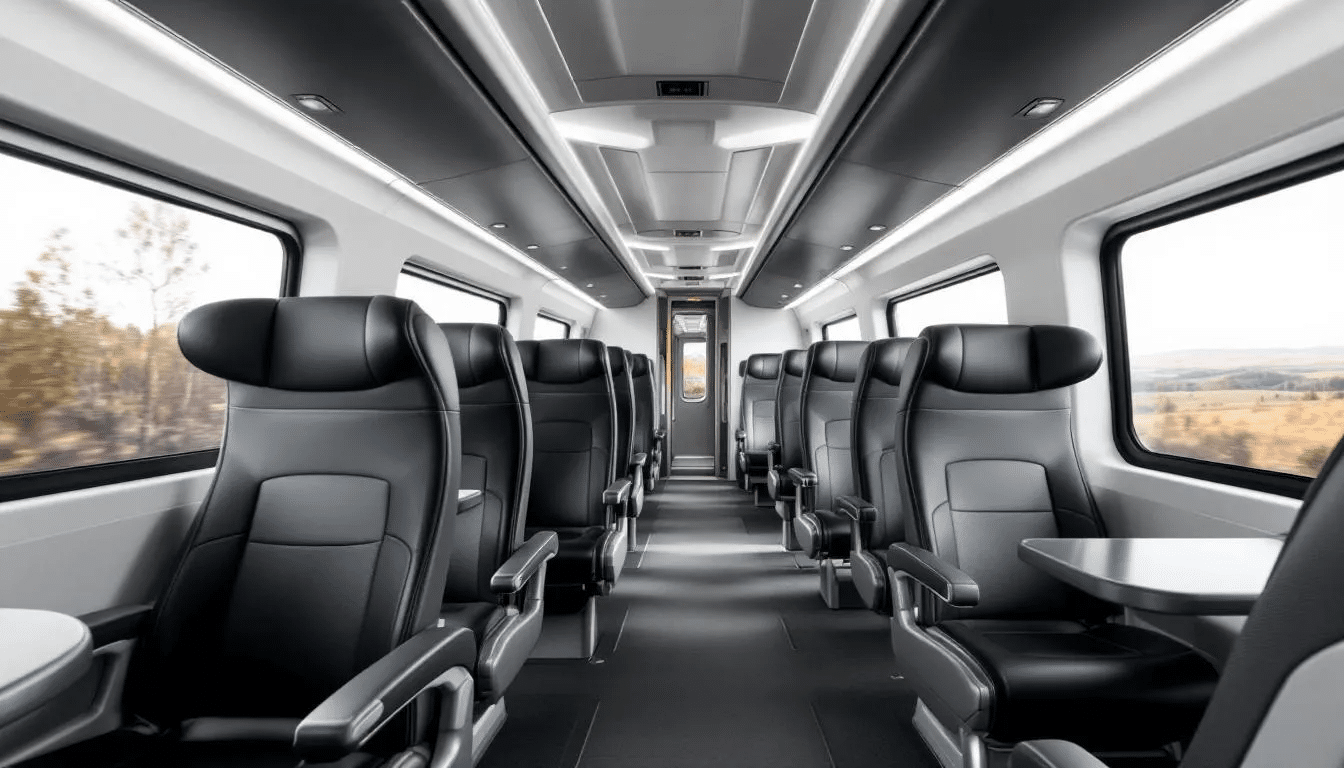
InterCity (IC) trains connect major cities on primary routes like Zagreb-Rijeka, Zagreb-Osijek, and Zagreb-Čakovec. These trains feature modern amenities including air conditioning, comfortable seating, and onboard refreshments. IC services typically operate with reserved seating and offer the fastest travel times between Croatia’s major cities.
InterCity Nagibni (ICN) tilting trains provide faster regional routes, most notably the Zagreb to Split service. These advanced trains use tilting technology to maintain higher speeds through curves, reducing journey times on mountainous routes. The ICN service represents the pinnacle of domestic Croatian train travel, offering premium comfort and efficiency.
Regional trains serve smaller towns and provide local connections throughout Croatia. While slower than IC services, regional trains offer an affordable way to reach destinations not served by higher-speed services. These trains connect surrounding regions to major hubs and provide essential transportation for local communities.
Urban and suburban trains operate around Zagreb within a 50km radius, serving commuters and connecting suburban areas to the capital Zagreb. These services integrate with the city’s public transportation system and provide frequent departures throughout the day.
International and Night Trains
Croatia’s strategic location makes it an important transit point for international rail travel. Several international train services connect Croatian cities with major European destinations.
EuroCity (EC) trains operate on international routes including Zagreb-Vienna and Rijeka-Ljubljana. These services maintain high standards of comfort and punctuality while facilitating cross-border travel. EC trains typically require reservations and offer both first and second-class accommodations.
The domestic night train connecting Zagreb and Split features sleeping cabins and vehicle transport options. This service allows passengers to travel overnight between Croatia’s two largest cities while avoiding daytime traffic and maximizing time at their destination. The night train includes facilities for transporting cars, making it popular with tourists visiting the Dalmatian coast.
EuroNight train Lisinski runs from Zagreb to Munich and Zurich, providing overnight international connections to Germany and Switzerland. This service includes sleeping compartments, couchettes, and standard seating options to accommodate various budgets and comfort preferences.
A seasonal night train between Prague and Rijeka was introduced in June 2020, operating during summer months to serve tourists traveling to the Croatian coast. This service demonstrates the growing importance of sustainable tourism and international night trains Zagreb connections.
Major Train Routes
International Connections
Zagreb serves as Croatia’s primary international railway hub, with direct international connections to multiple European capitals and major cities. The international trains Zagreb services include routes to Budapest, Vienna, Munich, Frankfurt, Zurich, Ljubljana, and Sarajevo.
The Budapest Keleti Zagreb route operates twice daily, providing essential connections between Hungary and Croatia. This service follows the historic railway corridor and offers travelers scenic views through the Croatian countryside. Journey time averages 6-7 hours depending on the specific service and border crossing procedures.
Vienna Zagreb connections operate via the zagreb to split corridor with continuation to Austria’s capital. These services typically require one connection in Ljubljana or other intermediate stations, with total journey times of 8-10 hours. The route provides access to Western Europe for Croatian travelers and serves as an entry point for international visitors.
Two daily trains operate between Rijeka Zagreb with connections to Munich and Vienna. This international routes service links Croatia’s primary seaport with Central European destinations, facilitating both tourism and freight transportation. The scenic route passes through Slovenia and offers spectacular mountain and valley views.
Border crossing routes include:
-
Đurmanec-Celje (Slovenia)
-
Čakovec-Ormož (Slovenia)
-
Beli Manastir-Magyarboja (Hungary)
Seasonal summer trains link Zagreb, Split, Prague, Bratislava, Pula, and Trieste, capitalizing on tourism demand during peak season. These services typically operate from June through September and often sell out quickly due to high demand.
Domestic Routes
The Zagreb to Split route represents Croatia’s most important domestic intercity train route, connecting the capital with the country’s second-largest city and gateway to the Dalmatian coast. InterCity services complete this journey in 6.5 hours, while the night train requires 8 hours (both require reservations). This route passes through mountainous terrain and offers stunning scenery, particularly through the Lika region.
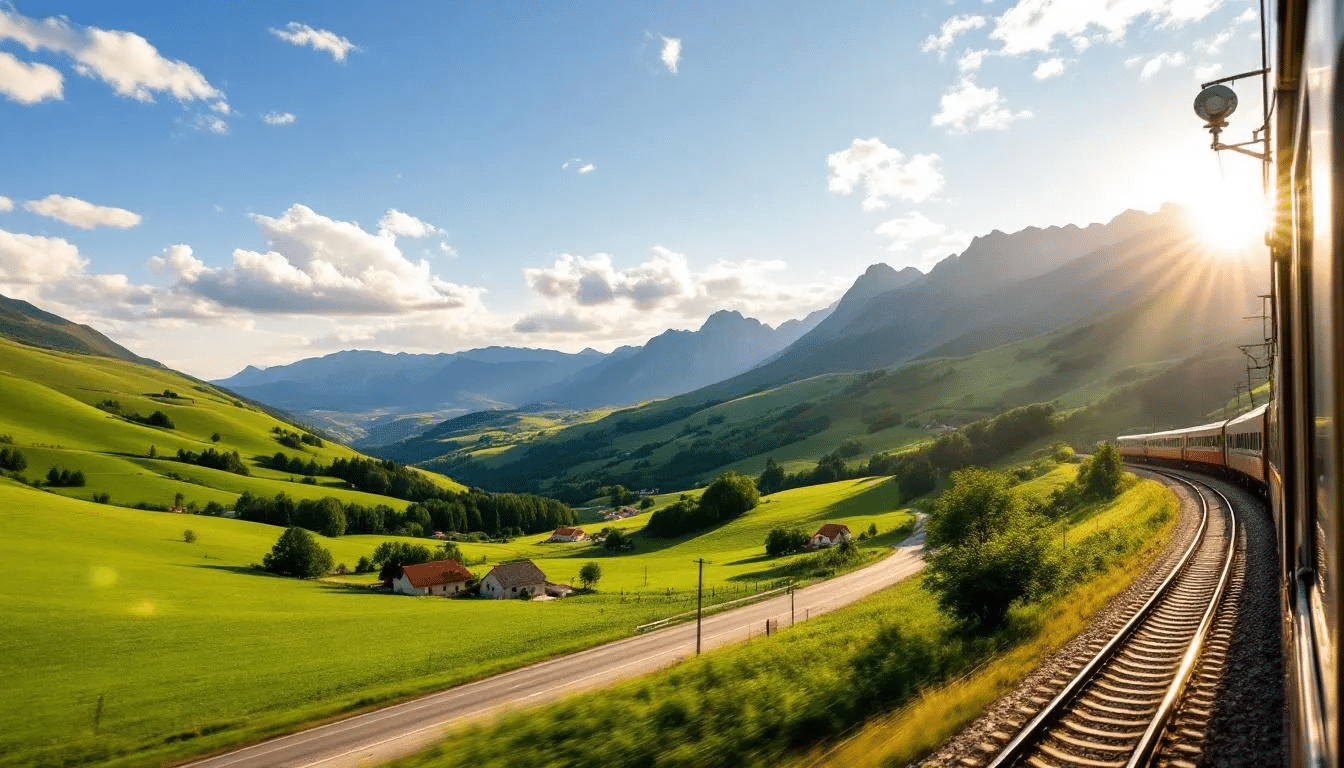
The Zagreb to Rijeka connection serves the northern Adriatic coast and Croatia’s principal seaport. This route takes approximately 4 hours by InterCity service and provides access to Istrian peninsula destinations. The line passes through challenging mountainous terrain and represents a significant engineering achievement.
Regional lines include:
-
Varaždin-Čakovec (northern Croatia)
-
Bjelovar-Koprivnica (Slavonia region)
-
Osijek domestic night trains serving eastern Croatia
-
Vinkovci Zagreb connections through Slavonia
Seasonal summer services operate to tourist destinations including Zadar, Šibenik, and Istrian towns. These services typically require advance booking due to high demand during Croatia’s tourist season.
Important note: To visit Dubrovnik, travelers must take the train to Split then continue by bus, as no direct rail service exists to Croatia’s southernmost major city. Split Zagreb connections provide the closest rail access to this UNESCO World Heritage destination.
Booking Tickets and Reservations
Purchasing train tickets for Croatian trains can be accomplished through multiple convenient channels. The HZ website offers online booking for most services, while train stations provide traditional ticket windows with multilingual staff assistance.
The HZ mobile app provides the most convenient ticket purchasing option for tech-savvy travelers. The app displays real-time schedules, allows seat selection, and stores digital tickets directly on smartphones. Users can purchase tickets for both domestic and certain international routes directly through the mobile platform.
Reservations are required for InterCity and night trains, and strongly recommended for long-distance routes during peak travel periods. Popular routes like Zagreb-Split often sell out during summer months, making advance booking essential for securing preferred travel times and seating.
Advance booking becomes crucial during Croatia’s tourist season (June-September), especially for the Zagreb-Split route and international services. Booking platform works efficiently for advance purchases, though last-minute availability may be limited during peak periods.
Average train tickets prices between major cities range from 7-15 euros for standard second-class seating. First-class accommodations typically cost 30-50% more than second-class options. Family discounts are available for groups of three or more passengers, providing savings for families traveling together.
Ticket purchasing options include:
-
Online via HZ website
-
Mobile app (recommended)
-
Train station ticket counters
-
Onboard purchase (limited availability)
-
Travel agencies in major cities
Practical Travel Tips
Travel by train in Croatia offers unique advantages but requires specific preparation to ensure comfortable journeys. While train travel is generally slower than buses on many routes, it provides superior comfort and space, making longer journeys more pleasant.
Bring snacks and drinks as restaurant cars have limited options and may not operate on all services. Larger train stations offer food vendors, but smaller stops may have minimal facilities. Planning meals in advance ensures comfort during longer journeys.
Modern trains with air conditioning operate on main routes like Zagreb-Split, providing climate comfort year-round. However, older trains may lack air conditioning or adequate heating on secondary routes, so dress appropriately for weather conditions and potential temperature variations.
Trains are often delayed by over an hour on some routes, so allow extra time for connections and arrival planning. Croatian railways have worked to improve punctuality, but infrastructure limitations and cross-border procedures can cause delays. Mo sa (Monday-Saturday) schedules often differ from Sunday timetables.
Check timetables carefully for smaller villages to avoid being stranded overnight. Some regional services operate limited schedules, particularly on weekends and holidays. Verify return journey times before traveling to remote destinations.
Additional practical considerations:
-
Luggage space is limited on some trains
-
Secure valuables properly during travel
-
Validate paper tickets before boarding
-
Keep passport ready for border crossings
-
Download offline maps for last mile connections
Special Transport Services
Bicycle and Pet Transport
Croatian railways accommodate various special transportation needs, making train travel accessible for cyclists and pet owners. Understanding these policies helps travelers plan comprehensive journeys.
Bicycle transport is available on all trains for a flat rate of 1.99 euros per one-way bike ticket. This affordable option allows cyclists to combine train travel with cycling adventures throughout Croatia. Dedicated bike storage sections exist on certain trains, though space may be limited during peak periods.
Pet transportation follows specific guidelines based on animal size. Small pets traveling in carriers travel free of charge, while larger dogs require tickets costing 50% of a second-class fare. All pets must remain under owner control and should not disturb other passengers.
Service and guide dogs with valid documentation and passport travel free of charge on all Croatian trains. These working animals are exempt from normal pet restrictions and can accompany disabled passengers in all seating areas.
Bicycle and pet transport requirements:
-
Advance notice recommended for bicycle space
-
Proper carriers required for small pets
-
Leashes and control required for larger animals
-
Valid documentation for service animals
-
Limited storage space on some services
Car Transport and Special Trains
The Zagreb-Split night train offers car transport services for vehicles under 155cm height, enabling travelers to bring their vehicles to the Dalmatian coast without driving through mountainous terrain. This service operates year-round but requires advance reservations, especially during summer months.
Car transport tickets are sold at major stations including Zagreb, Split, Varaždin, and Osijek. Vehicles must arrive 1.5 hours before departure for loading procedures, and drivers need valid traffic permits and insurance documentation.
Annual excursion trains operate from Zagreb to various Croatian events and destinations, including wine festivals, cultural celebrations, and seasonal attractions. These special services often feature themed decorations and onboard entertainment, creating unique travel experiences beyond regular transportation.
Special service considerations:
-
Vehicle height restrictions apply
-
Early arrival required for car loading
-
Limited daily capacity for vehicle transport
-
Higher fees during peak season
-
Insurance verification required
Rail Passes for Tourists
Interrail and Eurail Passes
International rail passes provide excellent value for travelers planning multiple train journeys across Croatia and Europe. These passes eliminate individual ticket purchases while offering flexibility for spontaneous travel changes.
The Interrail Croatia Pass offers 3-8 travel days within one month, with prices starting from €58 for youth travelers. This pass covers all domestic Croatian trains and provides unlimited travel on qualifying days. Adult passes cost more but still represent significant savings for multiple journeys.
Eurail passes serve non-European travelers, with Croatia Pass options starting from $64. These passes include similar benefits to Interrail passes but cater specifically to travelers from outside Europe. Both pass types include family discounts and senior pricing options.
The Interrail Global Pass covers up to 33 countries including Croatia, with prices starting from €212 for short-term travel. This comprehensive option suits travelers planning extensive European rail journeys that include Croatia as part of larger itineraries.
Additional pass benefits include:
-
20% discount on Split-Ancona ferry crossings
-
Reduced rates for car rental through Avis retail prices
-
Free travel on certain urban transport systems
-
Priority booking assistance at major stations
-
Youth, senior, and family discounts available
Rail pass considerations:
-
Reservations still required on some services
-
Pass validity periods vary by type
-
Activation required before first use
-
Physical passes must be validated
-
Digital options available through mobile apps
Getting to Train Stations
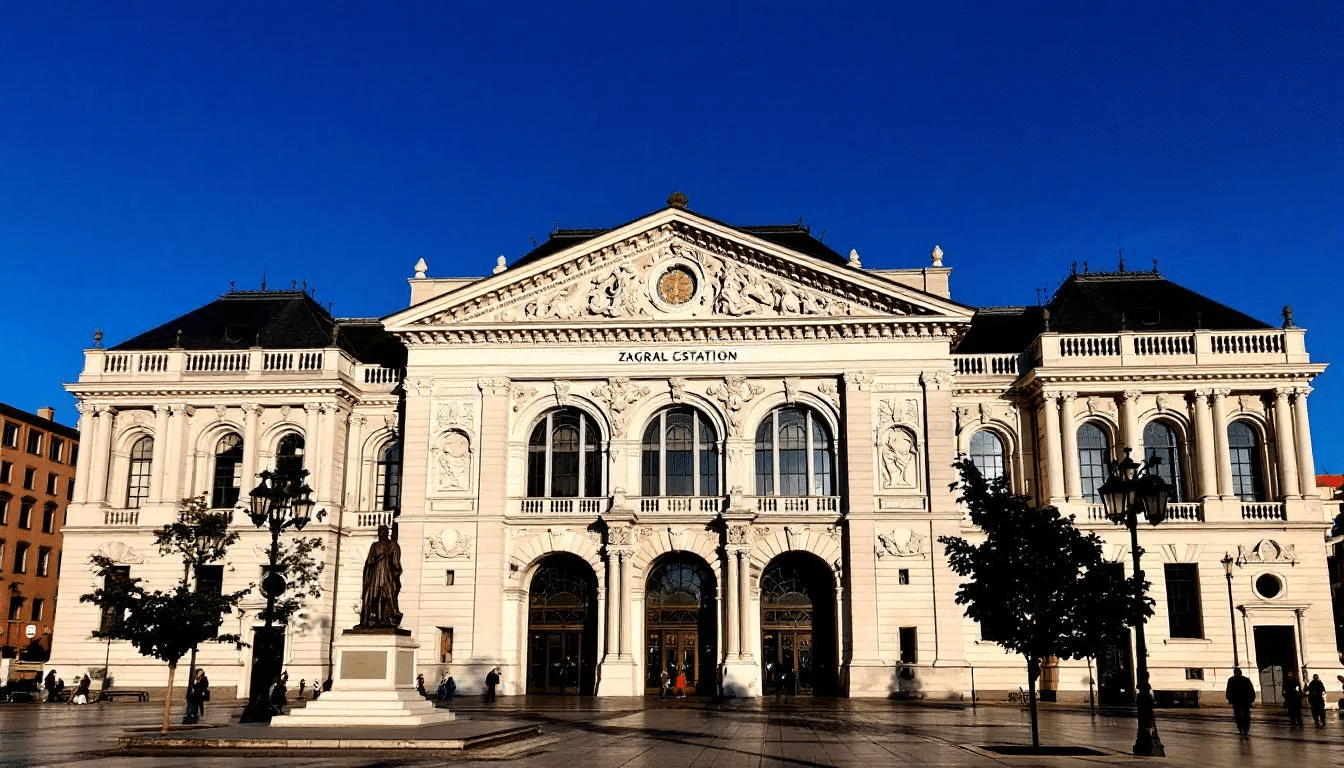
Zagreb Glavni kolodvor serves as Croatia’s main central train station and primary transportation hub. Located in the city center, the station provides easy access to Croatia’s capital and connections to most domestic and international routes.
From Zagreb airport, travelers can reach the central train station via airport bus to the city terminal, followed by tram connections to the railway station. The journey typically takes 45-60 minutes depending on connection times and traffic conditions. Alternative options include taxi services or rental cars for direct station access.
Eurail and Interrail passes are not valid on buses or trams within cities, requiring separate tickets for local public transportation. However, some cities offer discounted local transport for pass holders, so check with station information desks for current offers.
The Eurail aid office at Zagreb station operates 24 hours daily, providing assistance with reservations, route planning, and pass validation. This service helps international travelers navigate Croatian trains and connecting services throughout Europe.
Car rental discounts up to 15% are available for pass holders through Avis and other partner companies. This benefit allows travelers to combine train travel with car rental for last mile connections or exploration of areas not served by public transportation.
Station access considerations:
-
Zagreb station offers luggage storage
-
Multiple restaurants and shops available
-
Wi-Fi access throughout main areas
-
Accessibility features for disabled travelers
-
Tourist information services available
Technical Specifications and Speed
Croatian railway infrastructure uses 25 kV/50 Hz electrification throughout the modernized network, replacing the original 3 kV DC system inherited from Yugoslav times. This standardization improves efficiency and allows better integration with European railway networks.
The maximum permitted speed reaches 160 km/h on the Novska-Tovarnik corridor, representing Croatia’s fastest railway section. However, most routes operate at lower speeds due to mountainous terrain and aging infrastructure that requires ongoing modernization efforts.
Croatia’s rail speed record stands at 185 km/h, achieved between Novska and Nova Gradiška during testing of upgraded track sections. This demonstrates the potential for higher-speed rail service as infrastructure improvements continue across the network.
All trains operate on overhead catenary power systems, eliminating diesel requirements on electrified routes. This reduces environmental impact and operating costs while providing more consistent performance compared to diesel traction.
Timetables update annually on the first Monday in December, reflecting seasonal service changes, infrastructure improvements, and route modifications. Travelers should verify current schedules before travel, particularly for less frequent regional services.
Technical infrastructure features:
-
Standard gauge (1,435mm) tracks throughout
-
ERTMS safety systems on main corridors
-
Digital signaling replacing mechanical systems
-
GPS tracking for real-time schedule information
-
Environmental monitoring for weather conditions
The railway infrastructure continues modernizing with EU funding support, focusing on corridor improvements that connect Croatia to broader European networks. These investments aim to increase speeds, improve reliability, and enhance passenger comfort across the Croatian railway system.
Conclusion
Trains in Croatia offer travelers a unique and comfortable way to explore this beautiful country while connecting to the broader European railway network. From the scenic Zagreb to Split route through mountainous landscapes to international connections linking Croatian cities with major European destinations, the railway system provides an environmentally friendly alternative to road and air travel.
While Croatian trains may not match the speed of buses on some routes, they compensate with superior comfort, scenic views, and the ability to move around during the journey. The comprehensive network operated by Croatian railways connects Croatia’s major cities and provides essential links to neighboring countries, making train travel an excellent choice for both domestic and international journeys.
Whether you’re planning to visit Dubrovnik via the Split connection, explore Croatian cities using regional trains, or travel internationally through Zagreb’s central hub, understanding the railway system helps you make the most of your Croatian adventure. With proper planning, advance reservations, and realistic expectations about journey times, train travel in Croatia can enhance your visit to this stunning Balkan destination.