


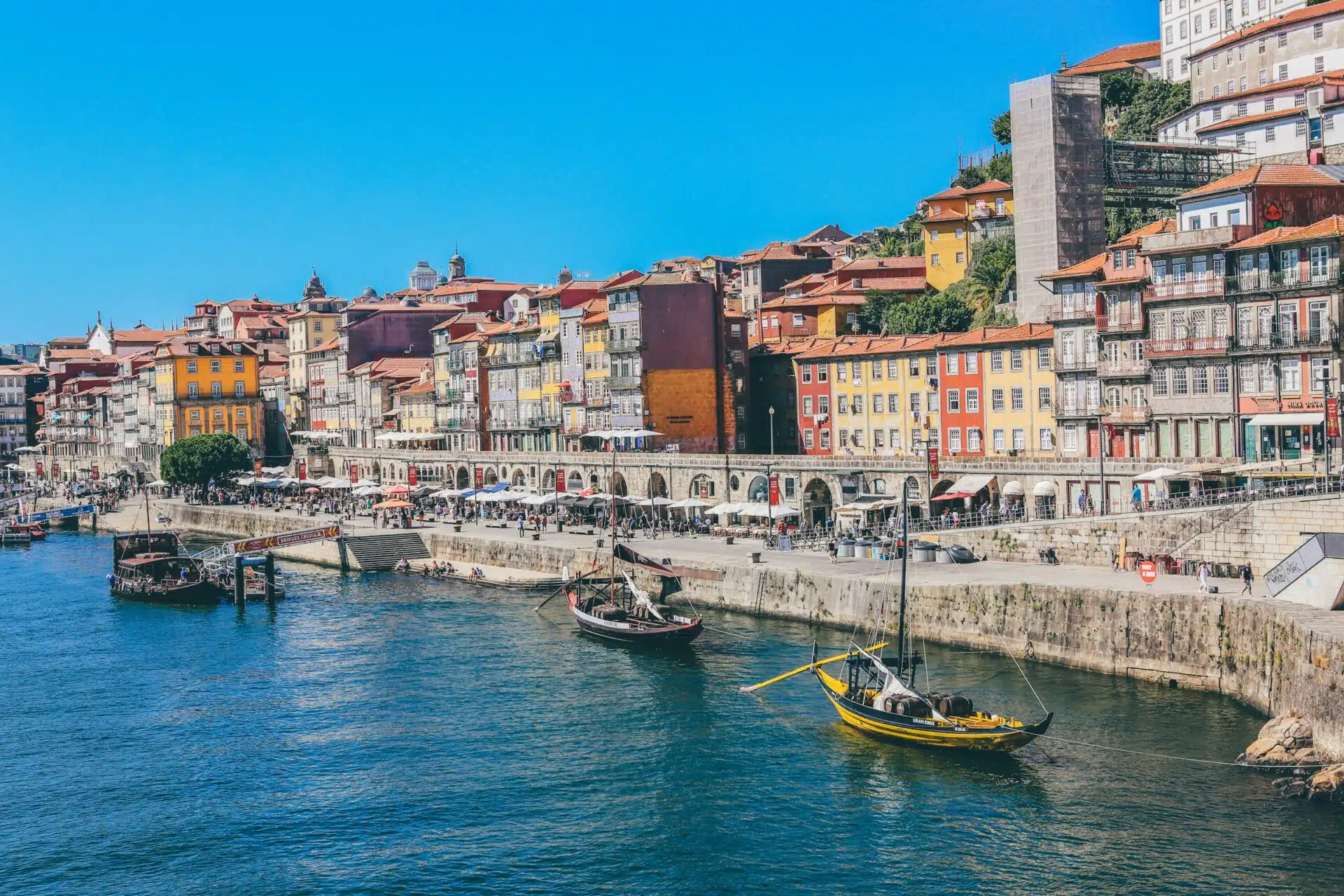
Portugal’s extensive railway network offers one of Europe’s most scenic and efficient ways to explore the country’s diverse landscapes and historic cities. From the bustling streets of Lisbon to the golden beaches of the Algarve, trains in Portugal provide travelers with comfortable, convenient access to the country’s most captivating destinations.
The portuguese railways system spans 2,786 kilometers of track, connecting major cities, smaller towns, and rural regions throughout the country. Whether you’re planning intercity travel between Porto and Lisbon or seeking to discover Portugal’s hidden gems via regional trains, understanding the railway system will enhance your travel experience and help you navigate this beautiful country with confidence.
This comprehensive guide covers everything you need to know about train travel in Portugal, from booking portugal train tickets to understanding onboard amenities and choosing the right service for your journey.

Portugal Railway System Overview
Portugal’s rail transport network represents nearly 170 years of railway development, managed today by Infraestruturas de Portugal, which oversees the country’s 2,786-kilometer rail infrastructure. The system efficiently connects the country’s major cities including Lisbon, Porto, Coimbra, Braga, and Faro, creating a comprehensive network that serves both urban centers and rural communities.
Five primary operating companies run train services across the country, with Comboios de Portugal (CP) serving as the main operator for most domestic routes. This organizational structure ensures coordinated services while maintaining specialized expertise for different types of rail transport.
The Portuguese railway network utilizes the Iberian gauge of 1,668 millimeters, which facilitates seamless connections with Spain’s rail system. This standardization enables direct international services and creates efficient cross-border travel opportunities for passengers traveling between the two countries.
Trains connect Portugal’s major cities through well-established corridors that showcase the country’s diverse geography. The network efficiently serves the densely populated coastal regions while also providing access to interior destinations and smaller towns throughout the north and south of the country.
Key benefits of train travel in Portugal include:
-
Scenic routes through Portugal’s diverse landscapes including coastal plains, river valleys, and mountainous regions
-
Comfortable seating and modern amenities on most services
-
Convenient city-center to city-center connections avoiding airport transfers
-
Environmentally friendly travel option with lower carbon emissions than road or air transport
-
Cost-effective pricing compared to rental cars when considering fuel, tolls, and parking fees
Types of Trains in Portugal
Alfa Pendular (AP) – High Speed Trains
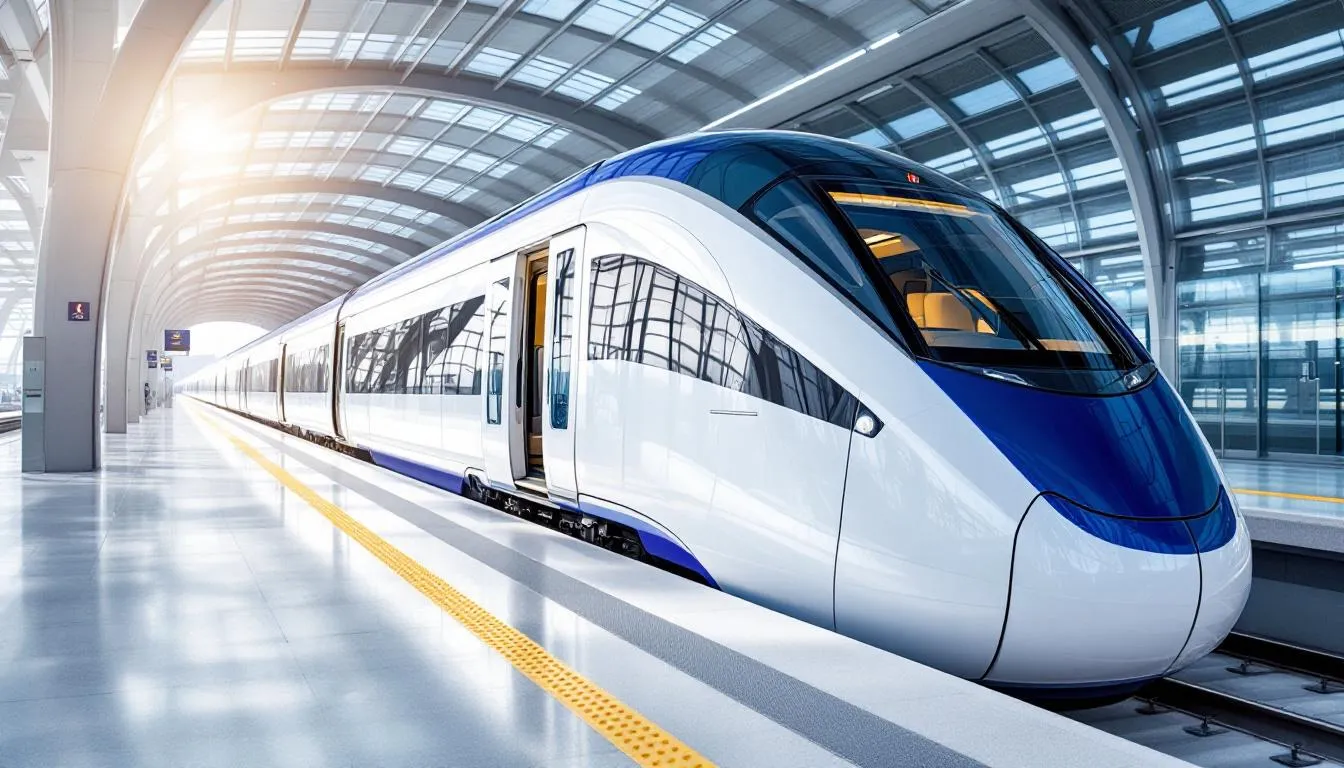
The Alfa Pendular represents Portugal’s premier high speed train service, utilizing advanced tilting technology to achieve speeds up to 220 kilometers per hour on the main corridors. These modern trains connect the major cities of Braga, Porto, Coimbra, Lisbon, and Faro, providing the fastest rail connections in the country.
The tilting technology allows Alfa Pendular trains to maintain higher speeds through curves while ensuring passenger comfort. This engineering advancement reduces journey times significantly compared to conventional trains, making rail travel competitive with road transport on major routes.
Alfa Pendular services operate with mandatory seat reservations and offer both first and second class accommodations. The trains feature air conditioning, comfortable seating with power outlets, complimentary WiFi, and restaurant services, making them ideal for business travelers and tourists seeking premium comfort.
Intercidades (IC) – Intercity Trains
Intercidades trains provide fast connections between major towns and regional centers, making fewer stops than regional services while maintaining good coverage of important destinations. These trains serve as the backbone of medium-distance travel throughout Portugal, connecting cities that don’t have Alfa Pendular service.
IC trains require advance reservations and offer both first and second class seating options. While not reaching the speeds of high speed trains, Intercidades services maintain efficient schedules and provide comfortable travel with air conditioning and onboard amenities.
Regional (R) and InterRegional (IR) Trains
Regional trains serve smaller towns and rural areas, providing essential connectivity to communities throughout the country. These services make frequent stops and don’t require reservations, offering flexible travel options for passengers exploring Portugal’s less visited destinations.
InterRegional trains bridge the gap between regional and intercity services, connecting major regional centers with fewer stops than purely local services. Both R and IR trains provide affordable travel options and serve routes that showcase Portugal’s scenic countryside and traditional villages.
International Night Trains
Portugal maintains important international rail connections through overnight services that provide convenient travel to neighboring countries. The Trenhotel Lusitania operates between Lisbon and Madrid, offering sleeping accommodations and the ability to travel overnight while saving on hotel costs.
The Sud Expresso provides connections from Lisbon to France, continuing a historic international service that has operated since 1887. These international night trains include sleeping cars, restaurant facilities, and border crossing assistance, making cross-border travel seamless for passengers.
Major Train Routes and Destinations
Porto to Lisbon Route
The Porto to Lisbon corridor represents Portugal’s most important railway line, connecting the country’s two largest cities with frequent daily services. Alfa Pendular trains complete this journey in approximately 2 hours and 30 minutes, while Intercidades services take around 3 hours and 15 minutes.
This route operates multiple departures throughout the day, with early morning services starting around 6:00 AM and evening departures continuing until approximately 9:00 PM. The frequency of services makes this corridor highly convenient for both business and leisure travelers.
The railway line passes through central Portugal, offering passengers views of the Mondego River valley, historic Coimbra, and the diverse landscapes that characterize the region between Portugal’s two major urban centers.
Lisbon to Faro Connection
The southern route from Lisbon to Faro serves the popular Algarve coastal region, providing direct access to Portugal’s premier beach destinations. This journey takes approximately 3 hours on Alfa Pendular services and connects the capital with the tourism-focused southern coast.
The route continues beyond Faro to Lagos, serving additional Algarve destinations and providing comprehensive coverage of the southern region. This line becomes particularly busy during summer months when both domestic and international tourists travel to the coastal resorts.
Passengers on this route experience diverse scenery as the train travels from the Tagus River valley near Lisbon through the Alentejo plains before reaching the distinctive landscape of the Algarve with its characteristic vegetation and coastal proximity.
Northern Routes
Northern routes connect Porto to Braga and other cities in Portugal’s most densely populated region. The Porto to Braga line provides frequent services throughout the day, serving commuters and regional travelers with efficient connections.
Additional northern routes serve destinations such as Aveiro, known for its canals and colorful boats, and extend the network to serve rural communities throughout the Minho and Douro regions. These lines showcase northern Portugal’s green landscapes and traditional architecture.
International Connections
Direct international rail connections link Portugal with Spain through several border crossings. The main international route connects Lisbon with Madrid via the Trenhotel Lusitania overnight service, providing sleeping accommodations and restaurant facilities.
Additional connections serve the northern border region, linking Porto and other Portuguese cities with Spanish destinations. These international services handle border procedures and currency changes, simplifying cross-border travel for passengers.
France remains accessible through the historic Sud Expresso service, which provides overnight connections from Lisbon to Paris with intermediate stops. This service maintains Portugal’s connection to the broader European rail network despite the gauge difference that requires specialized equipment.
Key Train Stations in Portugal
Lisbon Stations
Santa Apolónia Station serves as Lisbon’s historic railway hub, located near the city center with easy access to downtown attractions and neighborhoods. This station handles most long-distance services and provides a traditional railway atmosphere with its classic architecture and central location.
The station features essential passenger facilities including ticket offices, waiting areas, restaurants, and luggage storage options. Its central location makes it convenient for travelers staying in Lisbon’s historic districts or visiting major attractions.
Oriente Station represents Lisbon’s largest and most modern transport hub, designed by renowned architect Santiago Calatrava for Expo ‘98. This striking station combines railway services with bus connections and Metro access, creating an integrated transport center.
Oriente Station’s facilities include multiple platforms, extensive commercial areas, restaurants, shopping outlets, and comprehensive passenger services. The station’s modern design provides excellent accessibility features and serves as a gateway to eastern Lisbon and the airport via Metro connections.
Porto Stations
Campanhã Station functions as Porto’s main railway hub with 8 platforms serving long-distance and regional trains. This modern facility handles the majority of intercity services and provides connections to both domestic and international destinations.
The station offers comprehensive facilities including restaurants, shops, ATMs, and accessibility services for passengers with reduced mobility. Its location provides good access to Porto’s transport network and serves as the primary departure point for services to Lisbon and other major cities.
São Bento Station stands out for its remarkable azulejo tile decorations that depict scenes from Portuguese history and rural life. While primarily serving regional and suburban services, this historic station provides an unforgettable cultural experience for visitors.
The station’s artistic tiles, created by Jorge Colaço in the early 20th century, transform a functional transport facility into a cultural landmark. São Bento’s central location in Porto’s historic center makes it convenient for travelers exploring the city’s medieval streets and historic attractions.
Regional Stations
Coimbra Station serves Portugal’s historic university city and provides connections throughout central Portugal. The station’s location enables easy access to the University of Coimbra and the city’s historic center, a UNESCO World Heritage site.
Faro Station represents the gateway to the Algarve region and serves as the primary arrival point for tourists visiting southern Portugal’s beaches and resorts. The station provides bus connections to coastal destinations and car rental facilities.
Lagos Station extends rail service to the western Algarve, providing access to some of Portugal’s most dramatic coastal scenery and popular beach destinations. This terminus station serves areas known for their distinctive rock formations and pristine beaches.
Braga Station serves northern Portugal’s religious and cultural center, providing access to historic churches, traditional architecture, and the famous Bom Jesus do Monte sanctuary.

Booking Train Tickets and Reservations
Understanding Portugal’s reservation system is crucial for successful train travel, as different services have varying requirements. Alfa Pendular and Intercidades trains require mandatory reservations, ensuring guaranteed seating but requiring advance planning.
Regional and InterRegional trains operate without reservation requirements, providing flexibility for spontaneous travel but potentially requiring standing during busy periods. This system allows travelers to choose between guaranteed seating and flexible scheduling based on their preferences.
Booking Through CP (Comboios de Portugal)
CP operates the primary booking system for domestic train travel in Portugal. Passengers can make reservations by calling +351 707 210 220, where multilingual customer service representatives provide assistance with route planning, ticket purchases, and travel information.
The CP website offers comprehensive online booking capabilities, allowing travelers to research schedules, compare prices, and purchase tickets from anywhere in the world. The system accepts international credit cards and provides electronic tickets that can be displayed on mobile devices.
Mobile App and Digital Options
CP’s free app provides convenient mobile booking and ticket management capabilities. The application includes route planning tools, real-time departure information, and digital ticket storage, eliminating the need for printed tickets.
The app supports multiple languages and integrates with mobile payment systems, making it particularly convenient for international travelers. Push notifications provide updates on delays or platform changes, keeping passengers informed throughout their journey.
Ticket Types and Pricing
Promo Tickets offer the lowest fares but come with restrictions including advance purchase requirements and non-refundable policies. These tickets provide significant savings for travelers who can commit to specific departure times and dates.
Normal Tickets cost more than Promo fares but offer refundability with fees and greater flexibility for changes. This ticket type suits travelers who value flexibility over maximum cost savings.
Pricing varies significantly based on the chosen route, departure time, class of service, and advance booking period. Peak travel periods including summer months and holidays typically feature higher fares and limited Promo ticket availability.
International Booking Options
International travelers can purchase portugal train tickets through Eurail and other European booking platforms. These services often include the Portugal Pass, which provides unlimited travel within the country for specified periods.
The Portugal Pass starts at approximately $100 for domestic rail travel and offers excellent value for travelers planning multiple train journeys. These passes include customer support services in multiple languages and provide flexibility for spontaneous travel planning.
Train Classes and Onboard Services
Seating Classes and Comfort Levels
First Class provides enhanced comfort with wider seats, more legroom, and reduced passenger density. These carriages typically feature 2+1 seating configurations compared to 2+2 arrangements in second class, ensuring more personal space and quieter environments.
First class passengers receive priority boarding, complimentary newspapers, and enhanced meal service options. The price difference between first and second class varies by route but typically ranges from 30-50% above standard fares.
Second Class offers comfortable seating suitable for most travelers, with adequate legroom and modern amenities. These carriages maintain high cleanliness standards and provide good value for budget-conscious passengers.
Onboard Amenities and Services
Alfa Pendular trains feature complimentary WiFi throughout the journey, enabling passengers to stay connected for business or leisure purposes. Power outlets at each seat support laptop and mobile device charging during travel.
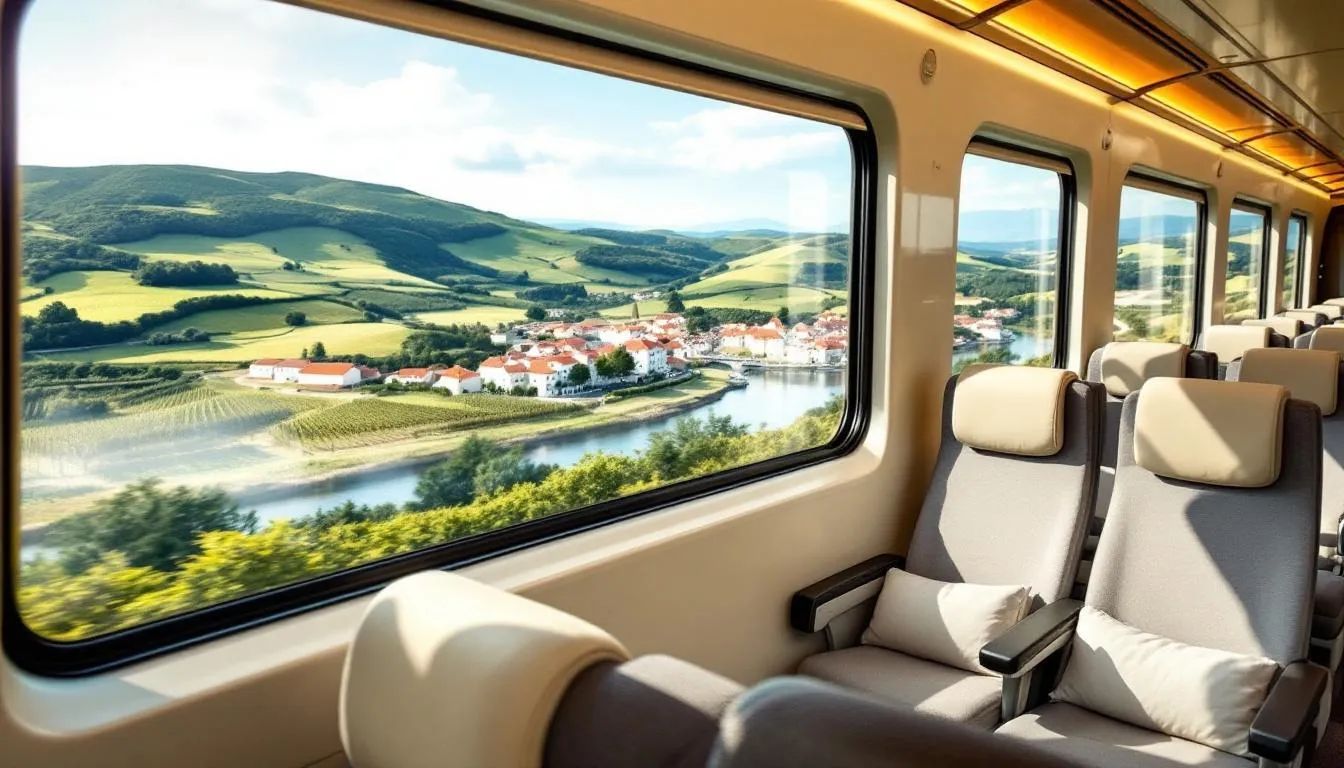
Air conditioning maintains comfortable temperatures year-round, while large windows provide excellent views of Portugal’s diverse landscapes. The trains’ tilting technology operates smoothly, minimizing motion effects while maintaining higher speeds through curves.
Food and Beverage Services
Restaurant cars on longer routes serve hot meals, snacks, and beverages, providing dining options during extended journeys. Menu selections typically include Portuguese specialties alongside international options, accommodating diverse passenger preferences.
Trolley service brings snacks and drinks directly to passenger seats on routes without full restaurant facilities. Passengers are permitted to bring personal food and drinks onboard, providing flexibility for dietary restrictions or budget considerations.
Luggage Policies and Storage
Portugal trains allow up to 20 kilograms of luggage per passenger without additional fees. Overhead racks and dedicated luggage areas provide storage space, though passengers should secure valuable items and maintain supervision of their belongings.
Large suitcases fit in designated luggage areas at carriage ends, while smaller bags and personal items use overhead storage. The generous luggage allowance accommodates most tourist needs without requiring additional baggage fees.
Practical Travel Information
Arrival and Check-in Procedures
Arriving at the station 20 minutes before departure provides adequate time for ticket validation, platform location, and boarding procedures. Major stations display departure information on electronic boards, typically showing platform numbers 10-15 minutes before departure.
Platform access generally requires ticket validation at automatic gates or manual inspection by station staff. The validation process confirms ticket validity and ensures proper access to platform areas.
Required Documents and Identification
Passengers must carry valid tickets throughout their journey, either in mobile format through the CP app or as printed documents. Ticket inspectors check documentation during travel and impose fines for invalid or missing tickets.
Passport or national identification cards are required for verification purposes, particularly on international services. EU citizens can travel with national ID cards, while non-EU passengers typically require passports for border crossings.
Personal Items and Refreshments
Passengers enjoy the freedom to bring personal food and drinks onboard, making train travel convenient for those with dietary restrictions or budget considerations. This policy contrasts favorably with airline restrictions and enhances travel flexibility.
Small coolers and picnic arrangements are perfectly acceptable, enabling families and groups to enjoy meals while traveling through Portugal’s scenic landscapes. Many passengers take advantage of this policy to experience local Portuguese foods purchased at station shops or local markets.
Pet Policies and Special Needs
Small pets travel in carriers without additional fees, while larger animals require specific arrangements and may incur charges. Service animals receive special accommodation regardless of size, supporting passengers with accessibility needs.
Passengers with reduced mobility receive comprehensive assistance including wheelchair access, priority boarding, and dedicated seating areas. Station staff provide support with luggage and platform navigation when requested in advance.
Train Passes and Tourist Options
Portugal Pass Benefits
The Portugal Pass provides unlimited domestic rail travel starting at $100, offering excellent value for travelers planning multiple train journeys throughout the country. Pass holders enjoy reservation flexibility and can book seats up to one year in advance, providing comprehensive travel planning options.
The pass covers all domestic train services including high speed trains, intercity trains, and regional services. This comprehensive coverage eliminates the need to purchase individual tickets and provides significant savings for active travelers.
Eurail Portugal Pass
International visitors can purchase Eurail Portugal Pass options that integrate with broader European rail networks covering 32 countries. These passes provide seamless travel planning for multi-country European tours including Portugal as a key destination.
Eurail passes include customer support services in multiple languages and provide access to reservation systems across participating countries. The integration simplifies complex international travel planning and offers consistent service standards.
Flexible Booking and Customer Support
Pass holders can make reservations up to one year in advance, providing excellent planning flexibility for detailed itineraries. The extended booking window accommodates travelers who prefer to arrange complete trip details well before departure.
Customer support services operate in multiple languages including English, Spanish, French, and German, ensuring international travelers receive assistance in familiar languages. Support staff help with route planning, reservation changes, and travel advice throughout the journey.
Pass Validation and Usage
Portugal Pass validation occurs before the first journey and activates the travel period. Electronic passes link to mobile devices, while physical passes require validation at station machines or ticket offices.
Pass usage includes seat reservations on mandatory reservation services, though passengers must still book specific trains and seating. The system balances pass flexibility with capacity management on popular routes.
Travel Tips for First-Time Users
Optimal Travel Times and Seasonal Considerations
Spring (March-May) offers ideal weather conditions with mild temperatures and fewer crowds, making it perfect for comfortable train travel and sightseeing. This season provides excellent visibility for scenic routes and comfortable temperatures in non-air-conditioned regional trains.
Summer (June-August) represents peak travel season with the busiest schedules and highest prices, particularly on routes serving the Algarve coastal region. Advanced booking becomes essential during this period, especially for weekend travel and holiday periods.
Autumn (September-November) provides excellent travel conditions with pleasant weather, reduced crowds, and lower prices. The harvest season adds scenic interest to rural routes, while coastal destinations remain warm enough for comfortable visits.
Winter (December-February) offers the lowest prices and least crowded trains, though some services operate reduced schedules. Northern routes may experience weather-related delays, while southern routes generally maintain reliable schedules.
Navigation and Station Signage
Portuguese stations use clear signage in Portuguese with limited English translations in major hubs. Key terms include “Partidas” (departures), “Chegadas” (arrivals), “Plataforma” (platform), and “Bilheteira” (ticket office).
Platform numbers appear prominently on departure boards, typically displayed 10-15 minutes before departure time. Electronic displays update automatically with any schedule changes or platform modifications.
Essential Portuguese phrases for train travel:
-
“Que horas parte o comboio?” (What time does the train leave?)
-
“Onde é a plataforma?” (Where is the platform?)
-
“Quanto custa um bilhete?” (How much does a ticket cost?)
-
“Este lugar está livre?” (Is this seat free?)
Currency and Payment Methods
Portugal uses the Euro (EUR) as its official currency, with all train tickets priced in Euros. Major credit cards including Visa, Mastercard, and American Express are widely accepted for ticket purchases and onboard food services.
ATMs are readily available at major stations and accept international banking cards, providing convenient access to local currency. Many smaller stations and rural areas prefer cash payments, particularly for food vendors and local services.
Station shops and restaurants typically accept both cash and cards, though smaller vendors may have minimum purchase requirements for card transactions. Travelers should carry some cash for small purchases and areas with limited card acceptance.
Communication and Language Support
English-speaking staff are available at major stations including Lisbon’s Santa Apolónia and Oriente stations, Porto’s Campanhã station, and other primary tourist destinations. However, regional stations may have limited English language support.
The CP customer service line (+351 707 210 220) provides assistance in multiple languages and can help with reservations, schedule information, and travel planning. Many automated announcements on trains include English translations for major stops and safety information.
Mobile translation apps prove valuable for communicating with local staff and understanding Portuguese signage. Popular apps like Google Translate include offline Portuguese language packs for areas with limited internet connectivity.
Technology and Connectivity
WiFi availability varies by service type, with Alfa Pendular trains offering complimentary internet access throughout the journey. Regional and intercity trains may have limited or no WiFi, so travelers should plan accordingly for longer journeys.
Power outlets are standard on newer trains and high-speed services, supporting laptop and mobile device charging. Older regional trains may have limited electrical outlets, particularly in second class carriages.
The CP mobile app works offline for ticket display but requires internet connectivity for booking and real-time updates. Travelers should download tickets and important information before departure to ensure access during travel.

Conclusion
Trains in Portugal offer an exceptional way to explore this captivating country, combining comfort, efficiency, and scenic beauty in a comprehensive transport network. From the high-speed Alfa Pendular connecting major cities to regional trains serving charming smaller towns, the portuguese railways provide access to diverse destinations throughout Portugal’s 2,786-kilometer network.
The variety of train services ensures options for every type of traveler, whether you’re seeking fast business travel between Porto and Lisbon, leisurely exploration of the Algarve coastline, or authentic experiences in rural communities. With modern amenities, comfortable seating, competitive pricing, and convenient city-center connections, rail transport represents an ideal choice for discovering Portugal’s rich cultural heritage and stunning landscapes.
Ready to begin your Portuguese train adventure? Start by exploring route options through the CP website or mobile app, consider purchasing a Portugal Pass for multiple journeys, and experience firsthand why trains remain one of Europe’s most enjoyable ways to travel. Your chosen route through Portugal awaits, offering unforgettable views and authentic cultural experiences that only train travel can provide.