


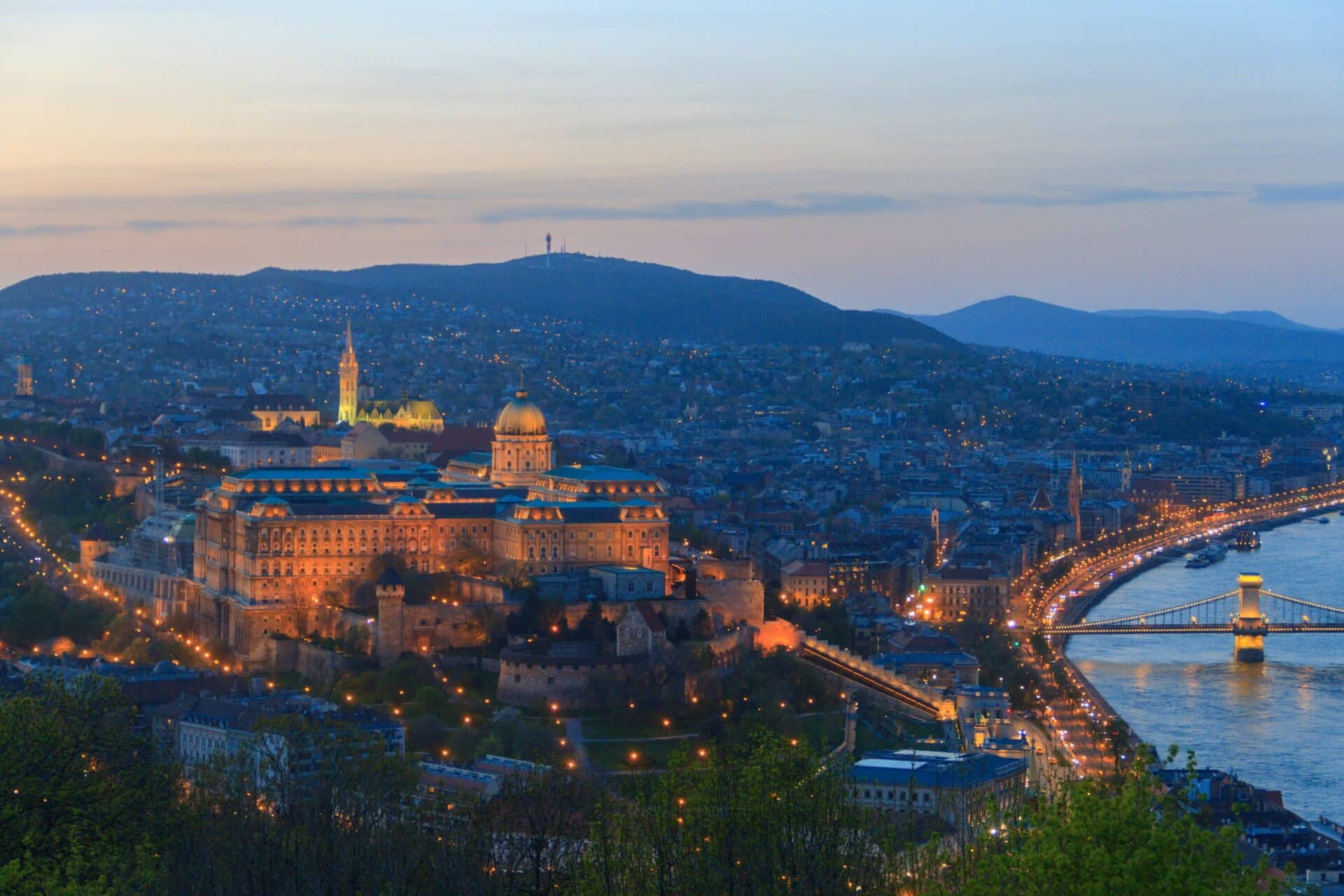
Hungary’s strategic position in Central Europe makes it one of the continent’s most important railway hubs, connecting Western and Eastern European destinations through an extensive network of tracks and modern train services. With over 7,600 kilometers of railway lines radiating from Budapest, trains in Hungary offer travelers efficient domestic connections and seamless international routes to major European cities.
The hungarian railway network combines historical infrastructure dating back to the Austro-Hungarian Empire with modern electrification and EU-funded upgrades, creating a comprehensive transportation system that serves both local commuters and international travelers. Whether you’re planning domestic travel within Hungary or using the country as a gateway to explore Europe, understanding the hungarian trains system will enhance your travel experience significantly.
Overview of Hungarian Railway System
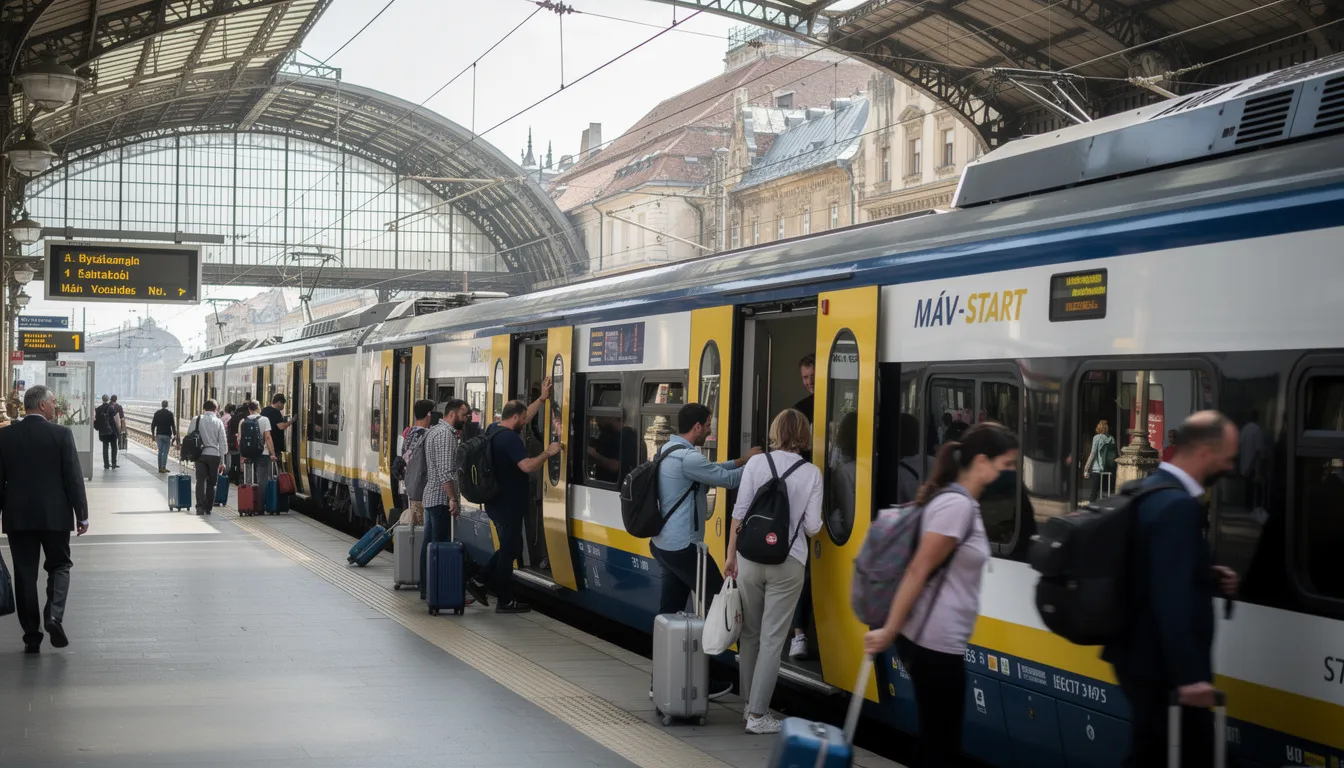
Hungary operates a comprehensive 7,606 km railway network that radiates from Budapest, connecting all major cities and towns across the country. This extensive rail network forms the backbone of the nation’s public transportation system, offering reliable connections to both domestic destinations and neighboring European countries.
MAV-START serves as hungary’s national railway company, operating the majority of domestic trains throughout the country. This state-owned operator manages most passenger services, from local regional trains to long-distance intercity connections. The company has undergone significant modernization in recent years, introducing new rolling stock and improved services to enhance the passenger experience.
GYSEV/Raaberbahn provides additional train services within Hungary, particularly in the western regions near the Austrian border. This operator complements MAV-START’s services and offers important cross-border connections, especially between Hungary and Austria.
Budapest functions as the main railway hub, with train routes radiating outward like spokes on a wheel. This centralized design means that most long-distance journeys within Hungary either begin or end in the capital, making Budapest an essential stop for travelers exploring the country by rail.
The network connects all larger towns across Hungary with regular services, ensuring that even smaller destinations remain accessible by train. Most main lines are electrified and double-tracked, allowing for frequent services and higher operating speeds on popular routes.
Major Train Stations in Budapest
Budapest’s railway infrastructure centers around three major train stations, each serving specific destinations and offering distinct facilities for travelers. These stations handle both domestic hungarian trains and international services connecting Hungary to the broader European rail network.
Budapest Keleti Railway Station
Budapest Keleti Railway Station stands as the main international railway station, built in 1891 with impressive architectural features that reflect Hungary’s railway heritage. The station operates with 7 platforms and 13 tracks, handling the majority of international train traffic flowing through Budapest.
This historic station serves as the primary departure point for connections to major European cities including Zurich, Vienna, Stuttgart, and numerous other destinations across the continent. International trains link hungary to Western Europe through this central hub, making it essential for travelers planning cross-border journeys.
The station features comprehensive facilities including luggage lockers, ATMs, restaurants, cafes, and a first-class lounge for premium ticket holders. These amenities ensure comfortable waiting conditions for passengers, particularly those with longer layovers or early morning departures.
budapest keleti railway station gained international recognition for appearing in the Hollywood film Mission: Impossible—Ghost Protocol, showcasing its architectural grandeur to global audiences. The station’s location near the famous New York Café adds cultural significance to its transportation function.

Budapest-Nyugati Railway Station
Budapest-Nyugati Railway Station represents a masterpiece of 19th-century industrial architecture, built by the renowned Eiffel Company in 1877. This historic railway station demonstrates the engineering excellence of its era while continuing to serve modern transportation needs.
The station provides direct connections to Budapest Ferihegy International Airport, making it a crucial link for air-rail integrated travel. This connection allows travelers to seamlessly transition between international flights and domestic or international trains.
Nyugati serves nearby cities, international routes, and night trains, offering diverse travel options from a single location. The station’s strategic importance extends beyond local services to encompass regional and long-distance connections throughout Central Europe.
Modern amenities include a comprehensive shopping center and familiar dining options like McDonald’s restaurant, blending historical architecture with contemporary traveler conveniences. These facilities make extended waiting times more comfortable for passengers.
Budapest Déli Railway Station
Budapest Déli Railway Station represents more modern railway architecture, constructed during the 1970s and located in Budapest’s prestigious 1st district. This station primarily serves the Transdanubia region, including important cities like Győr and destinations in Vas county.
The station’s infrastructure includes 5 island platforms and 2 side platforms, providing efficient passenger flow and train operations. An underground metro connection integrates the station with Budapest’s urban transportation network, facilitating easy transfers for local and regional travelers.
Future development plans include connecting Budapest Déli to budapest-nyugati railway station, which would create enhanced connectivity within the capital’s railway network. This planned connection would improve passenger convenience and operational efficiency across Budapest’s rail system.
The station’s location in central Budapest provides easy access to the city’s historic districts, making it convenient for tourists exploring the capital while using regional train services to visit destinations in western Hungary.
Types of Trains Operating in Hungary
The hungarian trains fleet encompasses various service categories designed to meet different travel needs, from high-speed international connections to local regional services. Understanding these train types helps travelers select appropriate services for their specific journey requirements.
High-Speed Trains
Railjet trains represent the pinnacle of speed and comfort on hungarian railway network, reaching speeds of 230 km/h. These modern trains are operated by Austrian ÖBB and provide premium service standards for international routes connecting Hungary to major European destinations.
Three service classes are available on Railjet services: Economy, First, and Business class, each offering different levels of comfort and amenities. Business class features the highest comfort level with spacious seating, complimentary refreshments, and enhanced service quality.
EuroCity trains connect Hungary to Vienna, Prague, Krakow, and other European cities, providing reliable international connections with modern rolling stock. These services maintain high standards of comfort while offering competitive journey times between major European destinations.
The modern and fast service design of these international trains ensures comfortable long-distance travel, with features like air conditioning, power outlets, and onboard catering services. These amenities make extended international journeys more pleasant and productive.
Domestic Train Services
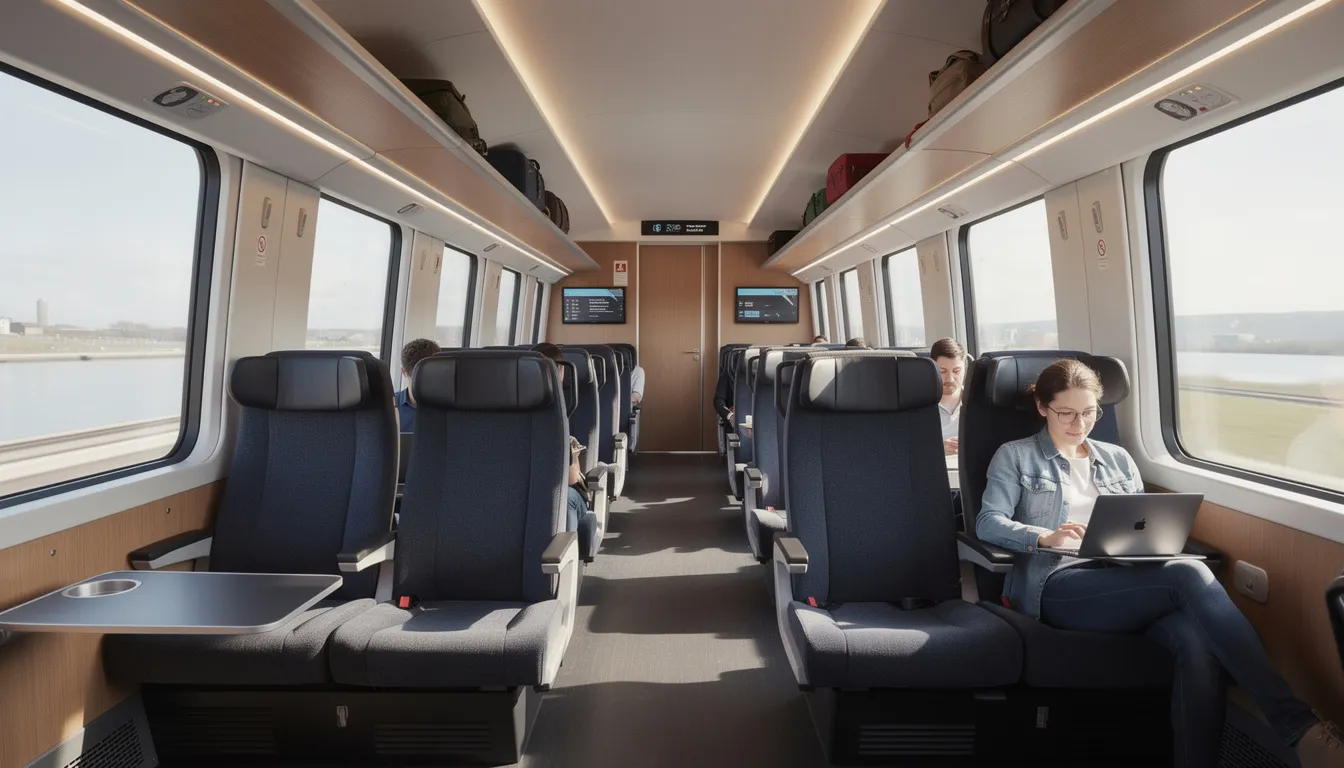
The IC+ Project by MAV represents a significant modernization of the hungarian train fleet, featuring domestically built trains that showcase Hungarian engineering capabilities. These trains demonstrate the country’s commitment to developing indigenous railway technology while meeting modern passenger expectations.
IC+ trains achieve speeds up to 200 km/h and feature sleeper cars and restaurant cars for enhanced passenger comfort during longer domestic journeys. The inclusion of sleeping facilities makes overnight domestic travel more attractive and comfortable.
Fast intercity trains connect major Hungarian cities with basic but reliable amenities, providing efficient transportation between regional centers. These services offer a practical balance between speed, comfort, and cost-effectiveness for domestic travelers.
Regional trains serve smaller towns throughout Hungary, though they may utilize older rolling stock and operate at lower speeds than intercity services. Despite limitations, these services maintain essential connectivity for rural communities and smaller urban centers.
Night Trains
Sleeper trains provide comfortable overnight travel options for journeys exceeding 7 hours duration, making long-distance travel more convenient by allowing passengers to sleep during travel. These services effectively extend the usable day by combining transportation with accommodation.
Accommodation options include reclining seats and bunk beds with varying comfort levels, allowing passengers to choose based on budget and comfort preferences. Higher-category accommodations provide private compartments with enhanced amenities.
Most night trains link hungary to destinations including Berlin, Warsaw, Munich, and Zurich, connecting Hungarian travelers to major European cities through convenient overnight services. These night trains euronight services provide essential long-distance connections across the continent.
The convenience of overnight travel with sleeping facilities allows passengers to maximize their time at destinations while minimizing accommodation costs. This makes night trains particularly attractive for leisure travelers and business passengers with flexible schedules.
Booking Train Tickets and Reservations
booking hungarian train tickets can be accomplished through multiple channels, providing flexibility for different traveler preferences and technological comfort levels. Understanding available options ensures smooth ticket acquisition regardless of travel timeline or location.
Train reservations can be made at local train stations through traditional ticket counters, where staff can provide personal assistance and answer specific questions about routes and services. This option works well for travelers who prefer face-to-face interaction or need complex itinerary assistance.
Online booking becomes available through Rail Ninja up to three months in advance, allowing early planners to secure seats and potentially benefit from advance purchase discounts. This platform provides comprehensive schedule information and seat selection options.
Omio provides digital tickets stored directly in user accounts, eliminating printing requirements and reducing the risk of lost tickets. This digital approach particularly benefits international travelers who may not have convenient printing access.
book train tickets at least a few weeks ahead for optimal prices and availability, especially during peak travel seasons or for popular routes. Early booking also provides better seat selection options and ensures travel on preferred departure times.
Most intercity and long-distance trains feature reserved seating, guaranteeing passengers specific seats and avoiding overcrowding issues. Reserved seating provides peace of mind, particularly for longer journeys or travel during busy periods.
Seat preferences can be requested during the booking process, including window or aisle seats, facing direction, and proximity to specific car amenities. These options enhance passenger comfort and satisfaction during travel.
|
Booking Method |
Advance Period |
Key Benefits |
|---|---|---|
|
Station Counter |
Same day to 3 months |
Personal assistance, cash payment |
|
Rail Ninja |
Up to 3 months |
Early booking discounts, seat selection |
|
Omio |
Up to 3 months |
Digital tickets, no printing needed |
International Connections from Hungary
Budapest offers extensive train connections to neighboring European countries, positioning Hungary as a crucial railway hub for continental travel. The city’s central location enables efficient routing for travelers exploring multiple European destinations through rail transportation.
Major operators include Austrian ÖBB and German Deutsche Bahn for international routes, bringing high service standards and reliable scheduling to cross-border services. These partnerships ensure seamless connections and coordinated ticketing across national boundaries.
International trains connect Hungarian cities to destinations throughout Europe, including:
-
prague budapest routes via comfortable EuroCity services
-
berlin budapest connections through overnight and day trains
-
warsaw budapest links serving Central European travel corridors
-
bucharest budapest services connecting Hungary to Romania
-
cluj napoca budapest routes serving Transylvanian destinations
-
stuttgart budapest connections to southwestern Germany
-
zagreb budapest links to Croatian destinations
-
graz budapest services to Austrian regional centers
-
ljubljana budapest connections to Slovenia
-
kosice budapest routes serving eastern Slovakia
Hungary’s EU and Schengen Area membership facilitates easy travel from EU countries, eliminating border controls and simplifying cross-border rail travel. This integration makes international train travel more convenient and efficient.
ETIAS online application requirements begin mid-2025 for non-Schengen travelers, adding a new step for visitors from outside the Schengen zone. This system will require advance authorization but should not significantly complicate travel planning.
Cross-border routes connect to Austria, Germany, Czech Republic, and other destinations through well-coordinated international services. These connections integrate Hungary into the broader European high-speed rail network and facilitate continent-wide travel.
Travel Passes and Discounts
Rail passes provide cost-effective options for extensive train travel throughout Hungary and broader European destinations. Understanding available pass options helps travelers optimize both cost and flexibility for multi-destination journeys.
Eurail Hungary Pass
The Eurail Hungary Pass enables exploration of Hungary and up to 32 other Eurail countries, providing exceptional flexibility for multi-country European travel. This pass system allows spontaneous travel planning while providing significant cost savings for extensive rail travel.
Pass prices start at $100 for flexible travel options, making European rail travel accessible to budget-conscious travelers. Various duration options accommodate different travel styles, from short visits to extended European explorations.
First-class pass holders enjoy free access to the vip lounge at budapest keleti railway station, providing comfortable waiting areas with premium amenities. This benefit enhances the travel experience, particularly for early morning or late evening departures.
The Eurail aid office operates at József Attila str. 16 in Budapest, offering personal assistance for pass holders needing route planning or reservation support. This service ensures travelers can maximize their pass benefits and resolve any travel complications.
Interrail Hungary Pass
The interrail pass offers extensive rail travel throughout Hungary with broader European coverage, designed specifically for European residents exploring their continent. This pass system provides similar benefits to Eurail but serves a different target demographic.
Discounts are available for youth, seniors, and families, making rail travel accessible across different age groups and family compositions. These discounts can provide substantial savings for eligible travelers planning extensive rail journeys.
Self-service booking systems are available with potential administration costs, though these fees are typically modest compared to individual ticket purchases. Online booking platforms integrate with pass systems to streamline reservation processes.
Valid till zahony and other border points, these rail passes accommodate cross-border travel while providing clear validity boundaries. Understanding pass limitations prevents complications during international travel segments.
|
Pass Type |
Starting Price |
Key Benefits |
Target Users |
|---|---|---|---|
|
Eurail Hungary |
$100 |
33 countries, VIP lounge access |
Non-European residents |
|
Interrail |
Varies |
Youth/senior discounts, family rates |
European residents |
Practical Travel Information
Hungary uses the Hungarian Forint (HUF) as its official currency, though many stores in tourist areas accept Euros for convenience. However, receiving change in Forints is standard practice, so carrying some local currency proves beneficial for small purchases and transportation.
Credit cards including Visa, MasterCard, and Maestro enjoy widespread acceptance throughout Hungary, particularly in urban areas and tourist destinations. Most train stations, restaurants, and hotels readily accept international credit cards for payments.
Hungarian serves as the official language throughout the country, with the international dialing code +36 for telephone communications. While Hungarian differs significantly from other European languages, English is commonly spoken in tourist areas and by younger populations.
budapest ferihegy international airport Terminal 1 connects to the city center through convenient train services, providing seamless air-rail integration for international travelers. This connection eliminates the need for expensive taxi services while offering reliable transportation to central Budapest.
The country maintains a population of approximately 10 million people, with Budapest serving as both the capital city and primary economic center. This concentration makes Budapest the natural focal point for both domestic and international train services throughout Hungary.
hungary mav operates as the primary railway infrastructure manager, coordinating track maintenance, signaling systems, and safety protocols across the national network. This centralized management ensures consistent service standards and safety across all train routes.
máv zrt and máv pályaműködtetési zrt represent different operational divisions within the Hungarian railway structure, handling passenger services and infrastructure management respectively. Understanding these organizational distinctions helps travelers direct inquiries appropriately.
Booking Considerations and Reservations
hungary require reservations for most long-distance and international trains, ensuring guaranteed seating and smooth boarding processes. Reservation requirements vary by train type, with local regional trains typically offering unreserved seating.
certain international routes mandate advance reservations due to limited capacity and high demand, particularly for premium services like EuroCity and night trains. These requirements protect both operators and passengers from overbooking situations.
reservations fast train services ensure optimal travel comfort and guaranteed seating, while some express trains operate with flexible seating arrangements. Understanding reservation policies prevents boarding complications and ensures smooth travel experiences.
reservations intercity services typically include small reservation fees that provide significant value through guaranteed seating and improved service quality. These modest fees are worthwhile investments for comfortable travel, especially during peak periods.
seat reservations can be made for specific preferences including window or aisle positions, travel direction, and proximity to amenities like dining cars or restrooms. Advanced reservation allows passengers to optimize their travel comfort based on personal preferences.
Train Categories and Service Levels
eurocity trains provide premium international services with enhanced comfort levels and reliable scheduling between major European cities. These services maintain high standards through coordinated operations between national railway companies.
eurocity domestic trains compulsory reservation policies ensure efficient operations and passenger satisfaction on high-demand routes. Mandatory reservations prevent overcrowding while guaranteeing seats for all passengers.
domestic and international trains operate under different service standards, with international services typically offering enhanced amenities and comfort levels. This distinction reflects the longer journey times and higher passenger expectations for cross-border travel.
optional budapest stopover opportunities allow travelers to explore the capital city while traveling to other destinations. Many international routes through Hungary provide convenient layover options for sightseeing in Budapest.
fast soko trains represent regional express services connecting Hungarian cities with neighboring countries, particularly in southeastern European routes. These services provide efficient connections while maintaining moderate pricing levels.
Different train types serve specific route categories:
-
express trains for long-distance domestic routes with limited stops
-
regional trains for local connections and smaller destinations
-
night trains for overnight international and domestic services
-
intercity railway station services connecting major urban centers
Conclusion
Trains in Hungary offer travelers an efficient, comfortable, and environmentally friendly way to explore both the country and broader Central European region. The hungarian railway network’s radial design centered on Budapest provides convenient access to all major destinations while connecting seamlessly to international routes throughout Europe.
Whether you’re planning domestic travel within Hungary or using the country as a gateway to explore multiple European destinations, understanding the railway system’s structure, booking procedures, and service options will enhance your travel experience significantly. The combination of modern rolling stock, historic infrastructure, and strategic international connections makes train travel an optimal choice for exploring Hungary and the surrounding region.
For the best experience, plan your journey in advance to secure optimal prices and seat reservations, particularly for international routes and premium services. The hungarian trains system rewards early planners with better availability, pricing, and seating options while providing the flexibility to explore one of Europe’s most centrally located and well-connected railway networks.