


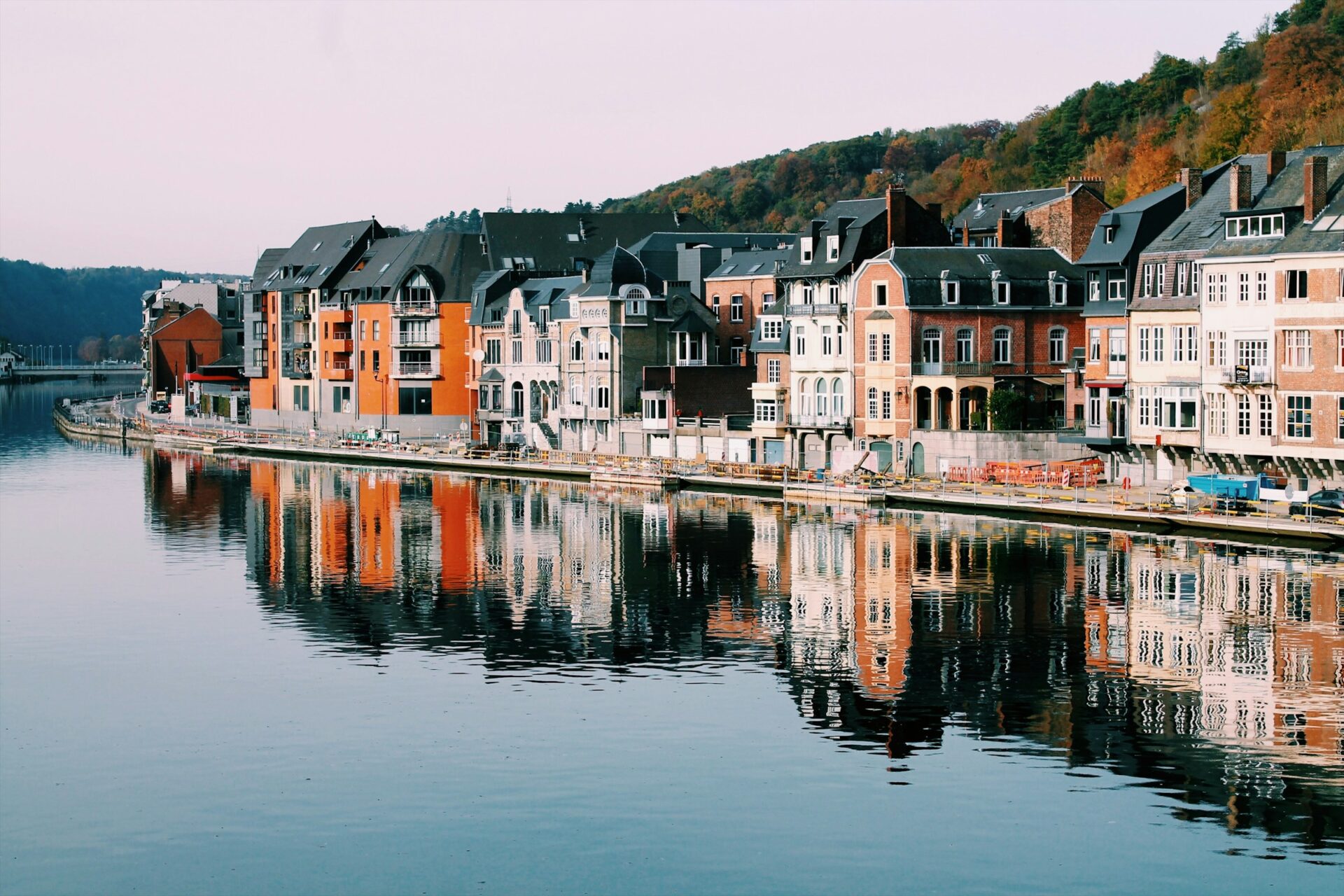
Belgium holds a special place in railway history as the birthplace of continental Europe’s first steam passenger railway, launched in 1835. Today, this compact nation has evolved into one of Europe’s most efficient rail hubs, connecting major cities within hours while serving as a crucial gateway for international high speed trains linking London, Paris, Amsterdam, and Germany. Whether You’re planning domestic journeys between Belgian cities or making multiple train journeys across Europe, understanding Belgium’s sophisticated train network will transform Your travel experience.
This comprehensive guide covers everything You need to know about trains in Belgium, from booking tickets and understanding different train services to navigating major stations and exploring popular routes across this fascinating country.
Overview of Belgium’s Train Network
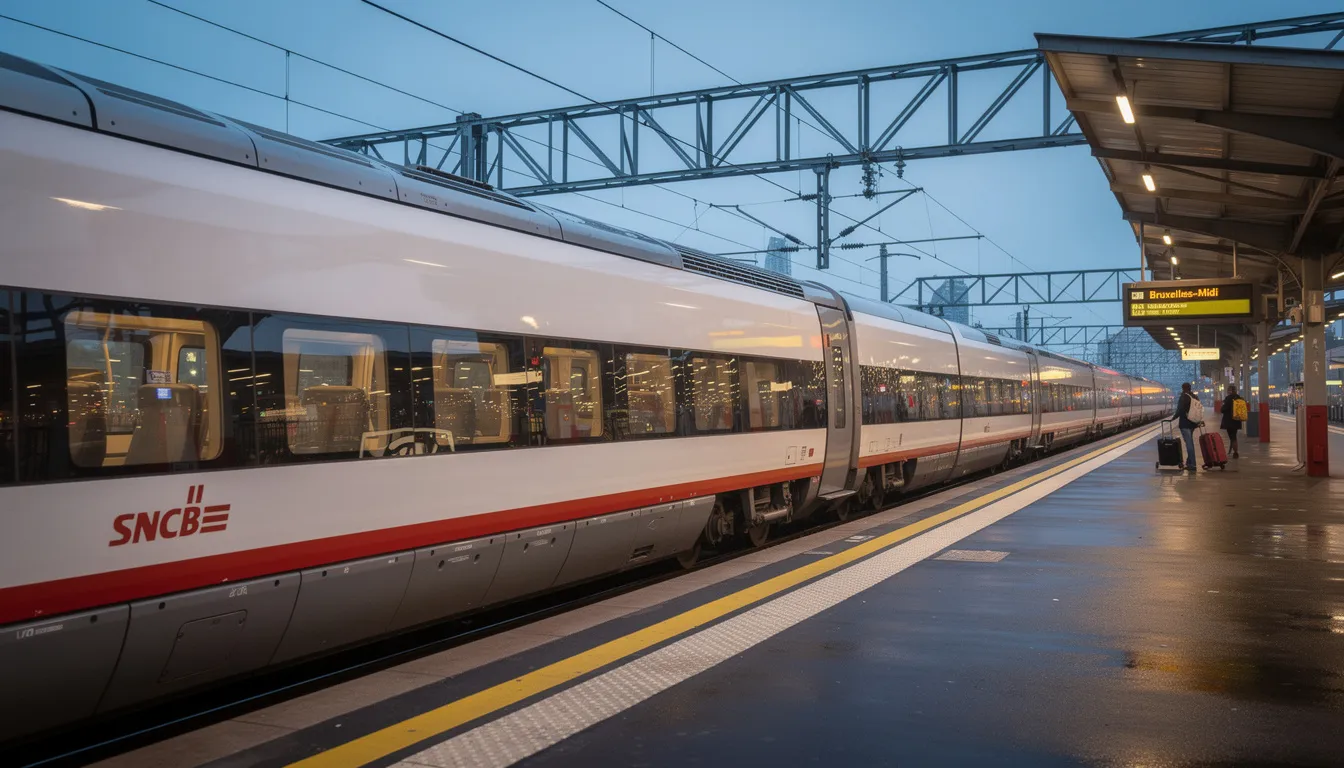
Belgium operates one of Europe’s densest rail networks, with over 3,600 kilometers of track connecting virtually every corner of this compact nation. The system is primarily operated by Belgium SNCB (SNCB/NMBS), the national railway company that ensures efficient connections between all major cities within 1-3 hours of travel time.
The Belgian trains network seamlessly integrates with Europe’s high-speed rail infrastructure through four dedicated high-speed lines (HSL 1-4). These corridors link Belgium directly to France via Paris Brussels connections, to Germany through Cologne and Frankfurt routes, to the Netherlands via Amsterdam connections, and to the United Kingdom through the Channel Tunnel. This integration makes Belgium an ideal base for exploring multiple European destinations.
What makes Belgium’s train network particularly user-friendly is its multilingual operation. Station announcements and signage appear in Dutch, French, and German, reflecting the country’s three official languages. Major international stations also provide information in English, ensuring smooth navigation for international travelers.
The network’s design centers around Brussels, with most routes radiating outward to major cities like Antwerp, Ghent, Bruges, and Liege. This hub-and-spoke configuration, combined with frequent intercity services, means travelers can easily reach any major destination in Belgium from the capital within short timeframes.
Main Train Operators in Belgium
SNCB/NMBS – National Railway Company
The National Railway Company of Belgium serves as the primary operator for all domestic train services across the country. Founded in 1926 as a fully nationalized system, SNCB/NMBS operates several categories of trains designed to serve different travel needs and distances.
Intercity trains (IC) represent the backbone of Belgian rail travel, connecting major cities with limited stops for faster journey times. These services run frequently throughout the day, typically every hour on main routes, ensuring reliable connections between business centers and tourist destinations.
Local trains (L) provide comprehensive coverage to smaller towns and villages, making regular stops to connect provincial areas with major hubs. While slower than IC services, L trains offer essential connectivity for residents in remote locations and provide access to scenic routes through Belgium’s countryside.
During rush hour periods, the system operates special Train D’heure de Pointe (P) services to handle increased passenger demand. These peak-hour trains run during morning (around 9am) and evening (around 5pm) periods, providing additional capacity on popular commuter routes into Brussels and other major cities.
The Reseau Express Regional (S) network serves the Brussels metropolitan area with frequent suburban services. These trains feature enhanced bicycle facilities and connect the capital with surrounding communities, operating at high frequencies during peak periods to support daily commuting patterns.
International High-Speed Operators
Belgium’s position as a European rail crossroads means several international operators provide high-speed connections to neighboring countries and beyond.
Eurostar trains connect Brussels directly to London through the Channel Tunnel, completing the journey in approximately 1 hour 57 minutes. These services also provide connections to Paris and other French destinations, making Belgium an essential stop on the London-Paris corridor.
Deutsche Bahn operates Intercity Express (ICE) services linking Brussels to major German cities including Cologne and Frankfurt. These trains use Belgium’s high-speed infrastructure before connecting to Germany’s extensive ICE network, providing seamless city center to city center connections.
TGV trains, operated by France’s national railway, connect Brussels to numerous French destinations including Marseille, Lille, and other major cities. The high speed Thalys train service, now integrated under the Eurostar brand, provides multiple daily departures to Paris, Amsterdam, and Cologne, representing some of the most popular routes for international travelers.
These international services require seat reservations, unlike most domestic Belgian services, and operate at premium pricing levels reflecting their enhanced speed and comfort standards.
Types of Train Services
Domestic Services
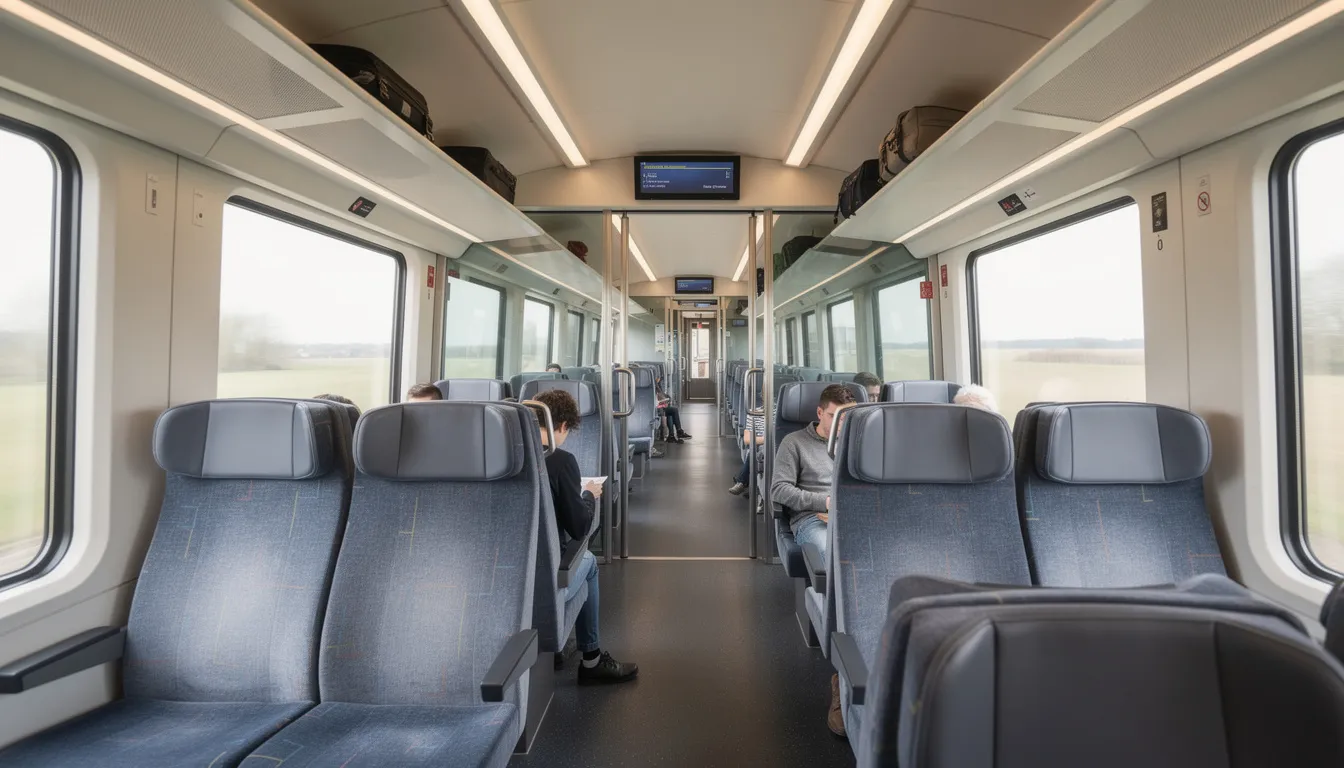
Belgium’s domestic train services are designed to provide comprehensive coverage across the country’s diverse regions and settlement patterns. Understanding these service categories helps travelers choose appropriate options for their specific journey requirements.
Intercity services (IC) form the primary network for travel between Belgian cities. These trains make selective stops at major stations, balancing speed with accessibility. Most IC routes operate on clock-face schedules, meaning departures occur at consistent times each hour, simplifying travel planning. Popular IC routes connect Brussels with Antwerp, Ghent St Pieters, Liege, and other major urban centers.
Local services (L) provide essential connectivity to smaller communities throughout Belgium. These trains stop at virtually every station along their routes, making them ideal for reaching destinations not served by faster services. While journey times are longer, L trains offer access to charming towns, rural areas, and tourist destinations that might otherwise require bus connections.
Peak-period services address Belgium’s significant commuter traffic. The Train D’heure de Pointe (P) designation indicates services specifically designed for rush hour travel, typically featuring additional capacity and strategic timing to serve business districts and residential areas during morning and evening peaks.
Brussels operates an extensive suburban network branded as S-train services. These frequent trains connect the capital region with surrounding municipalities, featuring stops designed for bicycle access and integration with local public transportation. The S-network is particularly valuable for travelers staying in Brussels who want to explore nearby attractions or communities.
International Services
International trains operating in Belgium fall into several distinct categories based on their speed, destination countries, and service standards.
High-speed international services (INT designation) connect Belgium to major European capitals using dedicated high-speed infrastructure. These trains achieve speeds up to 300 km/h on appropriate track sections, dramatically reducing travel times compared to conventional rail services. Examples include Eurostar to London, TGV to Paris, and ICE services to German cities.
Eurocity Direct services provide comfortable international connections across multiple countries, often serving destinations not accessible via high-speed routes. These trains may cross several borders during their journeys, making them valuable for travelers visiting multiple destinations on a single trip.
Cross-border regional services connect Belgian border regions with neighboring countries using conventional infrastructure. These services are particularly useful for travelers visiting border communities or making easy connections between Belgium and France, the Netherlands, Germany, or Luxembourg City.
International routes typically require advance booking and seat reservations, unlike most domestic services. Pricing structures vary by operator and route, with some services offering flexible ticket options while others use fixed reservation systems similar to airline models.
Major Train Stations
Belgium’s rail infrastructure centers around several key stations that serve as crucial hubs for both domestic and international travel. Understanding these stations’ layouts, services, and connections significantly improves the travel experience.
Brussels-South (Bruxelles-Midi/Brussel-Zuid) serves as Belgium’s premier international gateway. This massive station handles all Eurostar services to London, TGV connections to France, and most other international high speed trains. The station features extensive shopping and dining options, currency exchange, and direct connections to Brussels Airport via Airport Express services. Its underground levels connect to the Brussels metro system, providing easy access to the city center and other districts.
Brussels-Central occupies a prime location in the heart of Belgium’s capital, within walking distance of the Grand Place, Royal Palace, and major business districts. This station serves primarily domestic routes and provides excellent integration with subway, bus, and tram networks. Its central position makes it ideal for travelers whose primary destinations lie within Brussels city center.
Brussels-North serves the capital’s business district and European Union institutions. This major hub handles significant commuter traffic and provides connections to Antwerp, Ghent, and northeastern destinations. The station features comprehensive public transport links and serves as a key interchange for travelers continuing to Amsterdam Zuid or other Dutch destinations.
Antwerp-Central stands as one of Europe’s most architecturally impressive railway stations, featuring a magnificent early 20th-century facade and modern underground platforms. This station serves Belgium’s major port city and provides connections throughout Flanders region. Its dramatic architecture makes it a destination worthy of visit in its own right.
Gent St Pieters serves as the primary station for Ghent, one of Belgium’s most beautiful medieval cities. The station provides good connections to Bruges, Brussels, and the coast, making it a strategic stop for tourists exploring Flanders. Recent renovations have modernized facilities while preserving historic architectural elements.
Liege-Guillemins features striking contemporary architecture designed by Santiago Calatrava and serves as a major hub for eastern Belgium. This station handles international services to Germany and provides connections throughout the Ardennes region, making it essential for both business travelers and tourists exploring Belgium’s eastern provinces.
Popular Destinations by Train
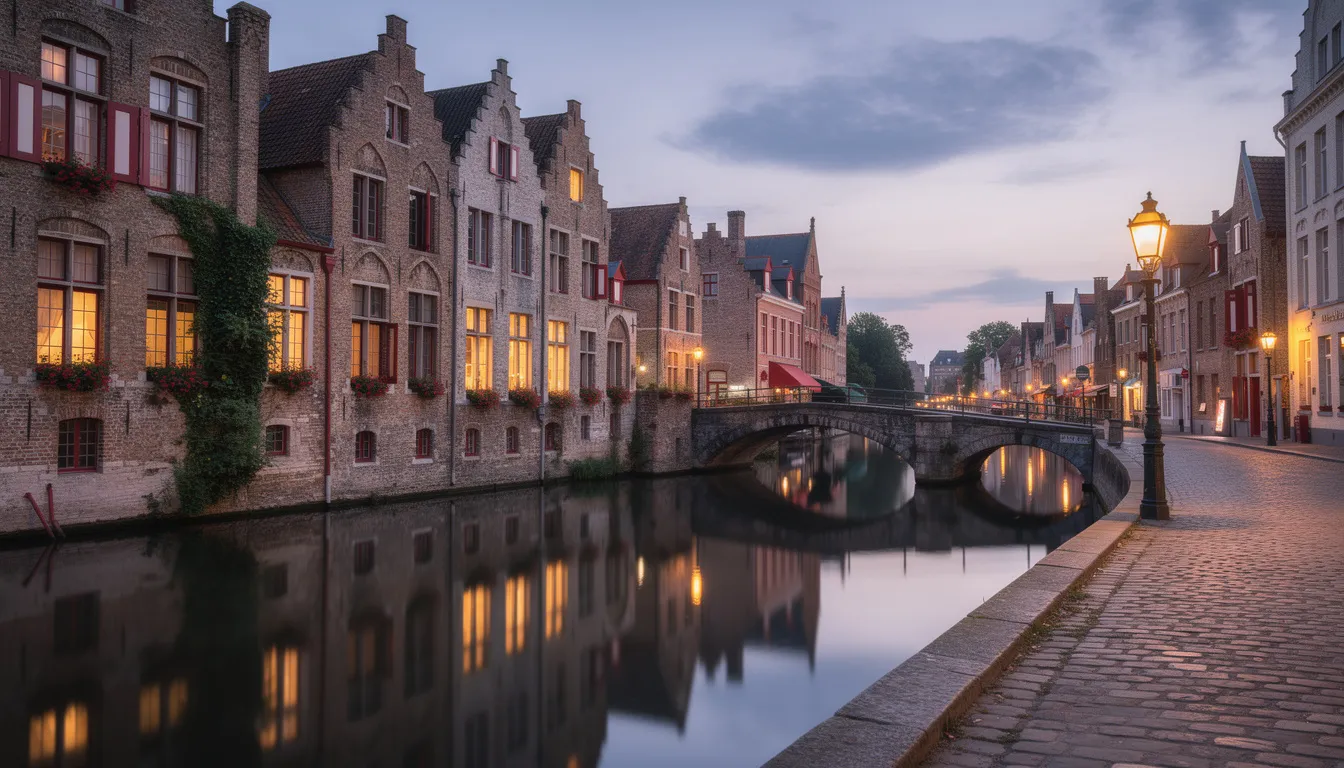
Belgium offers an remarkable diversity of destinations accessible by train, from medieval cities and modern business centers to coastal resorts and historic industrial regions. The efficient rail network makes it practical to visit multiple locations during a single trip.
Brussels combines its role as Belgium’s capital with its function as the de facto capital of the European Union. The city offers world-class museums, Art Nouveau architecture, excellent cuisine, and the famous Grand Place. Train connections from Brussels reach every corner of Belgium within two hours, making it an ideal base for exploration.
Bruges represents one of Europe’s best-preserved medieval cities, featuring canals, cobblestone streets, and remarkable architecture. Direct train services from Brussels reach Bruges in approximately one hour, while connections from other major cities provide convenient access. The city’s compact size makes it perfect for day trips, though many visitors prefer to stay overnight to experience its evening atmosphere.
Antwerp combines historic charm with modern dynamism as Belgium’s major port city. Visitors can explore the Rubens House, Diamond District, and outstanding architecture while enjoying excellent restaurants and cultural venues. Regular train services connect Antwerp with Brussels in under an hour, while international trains provide direct access from Amsterdam and other European cities.
Ghent offers a perfect blend of medieval architecture, vibrant student culture, and excellent dining. The city’s canals, St. Bavo’s Cathedral, and numerous museums make it a favorite destination for travelers seeking authentic Flemish culture. Train connections from Brussels take approximately 35 minutes, while services from Bruges and Antwerp provide easy regional access.
Leuven serves as one of Europe’s great university towns, featuring Gothic architecture, brewery tours, and lively student atmosphere. The historic university buildings and town center create an intimate environment perfect for walking exploration. Fast train connections from Brussels make Leuven an excellent choice for day trips or short visits.
Coastal destinations like Ostend and Knokke provide seaside recreation and fresh seafood, accessible via regular train services from Brussels and other inland cities. These destinations are particularly popular during summer months when beaches and coastal activities attract both domestic and international visitors.
Ticket Types and Pricing

Belgium’s ticketing system employs a distance-based pricing structure that remains consistent regardless of travel time, season, or booking timing. This straightforward approach simplifies planning and ensures predictable costs for both domestic journeys and connections to international routes.
Standard Tickets
The fundamental pricing principle for Belgian train tickets is based solely on distance traveled, not on demand, time of day, or advance booking periods. This means a Brussels to Antwerp ticket costs the same whether purchased weeks in advance or minutes before departure, and whether traveling during rush hour or off-peak periods.
One-way tickets provide flexibility for travelers who prefer not to commit to specific return times. These tickets remain valid for any train on the date of issue, allowing passengers to choose departure times based on their schedule rather than specific reservations. Round-trip tickets typically cost approximately double the one-way fare, providing no discount but offering convenience for traditional return journeys.
Weekend return tickets represent one of Belgium’s best value options, offering 50% discounts when traveling from Friday 7pm through Sunday midnight. This pricing structure encourages leisure travel and makes weekend exploration of Belgian cities particularly affordable.
First class tickets cost approximately 50% more than standard class but provide enhanced comfort, larger seats, increased legroom, and typically quieter environments. First class cars often feature better wifi connectivity and may include complimentary beverages on longer routes.
Discounted Options
Belgium offers several discount programs designed to make train travel more accessible to different population segments and travel patterns.
Senior citizens aged 65 and older receive significant discounts for weekend travel and weekday off-peak journeys. These reductions can substantially lower travel costs for older travelers who have flexible schedules and can avoid peak commuting periods.
Eurail passes and Interrail passes provide excellent value for travelers planning multiple train journeys across the Benelux region or broader European travel. These passes often include Belgium as part of larger regional packages, making them particularly valuable for tourists visiting several countries.
Youth discounts apply to travelers under 26 years of age on specific routes and time periods. Group discounts become available for parties of 10 or more passengers traveling together, making rail travel competitive for organized tours or family reunions.
Belgium rail passes offer unlimited travel within the country for specific time periods, typically ranging from three to eight consecutive days. These passes work well for intensive sightseeing trips that involve visiting multiple cities or making frequent train journeys within short timeframes.
International Routes and Journey Times
Belgium’s central location and excellent high-speed infrastructure create outstanding connections to major European cities, often providing faster city center to city center travel than flying when considering airport transfer times and check-in procedures.
Brussels to Paris represents one of Europe’s premier high-speed routes, completed in approximately 1 hour 22 minutes via Thalys services. These trains depart multiple times daily from Bruxelles Midi, utilizing dedicated high-speed track for most of the journey. The service competes directly with air travel and often proves faster when considering total travel time from city centers.
Brussels to London takes approximately 1 hour 57 minutes via Eurostar through the Channel Tunnel. This remarkable service connects continental Europe directly to Britain, making London easily accessible for day trips or longer visits. Eurostar services operate from Bruxelles Midi with multiple daily departures and excellent onboard facilities.
Brussels to Amsterdam requires approximately 2 hours 53 minutes via high-speed international services. These trains utilize Belgium’s HSL-4 corridor before connecting to Dutch high-speed infrastructure, providing comfortable connections between the two capital regions. Multiple operators serve this route with varying service levels and pricing.
Brussels to Cologne takes approximately 1 hour 50 minutes via ICE services operated by Deutsche Bahn. These trains continue to Frankfurt and other German cities, making Belgium an excellent gateway to Germany’s extensive rail network. The route utilizes high-speed track through eastern Belgium and into Germany.
Brussels to Luxembourg City requires approximately 3 hours via conventional intercity services through Namur and Arlon. While not high-speed, these trains provide comfortable connections to Luxembourg’s capital and continue to other European destinations. This route serves significant business travel related to European Union activities.
Neighboring countries’ regional services provide additional cross-border options for travelers visiting border communities or seeking more economical alternatives to high-speed services. These connections often integrate with local public transportation systems, extending Belgium’s effective rail network beyond its borders.
Practical Travel Tips
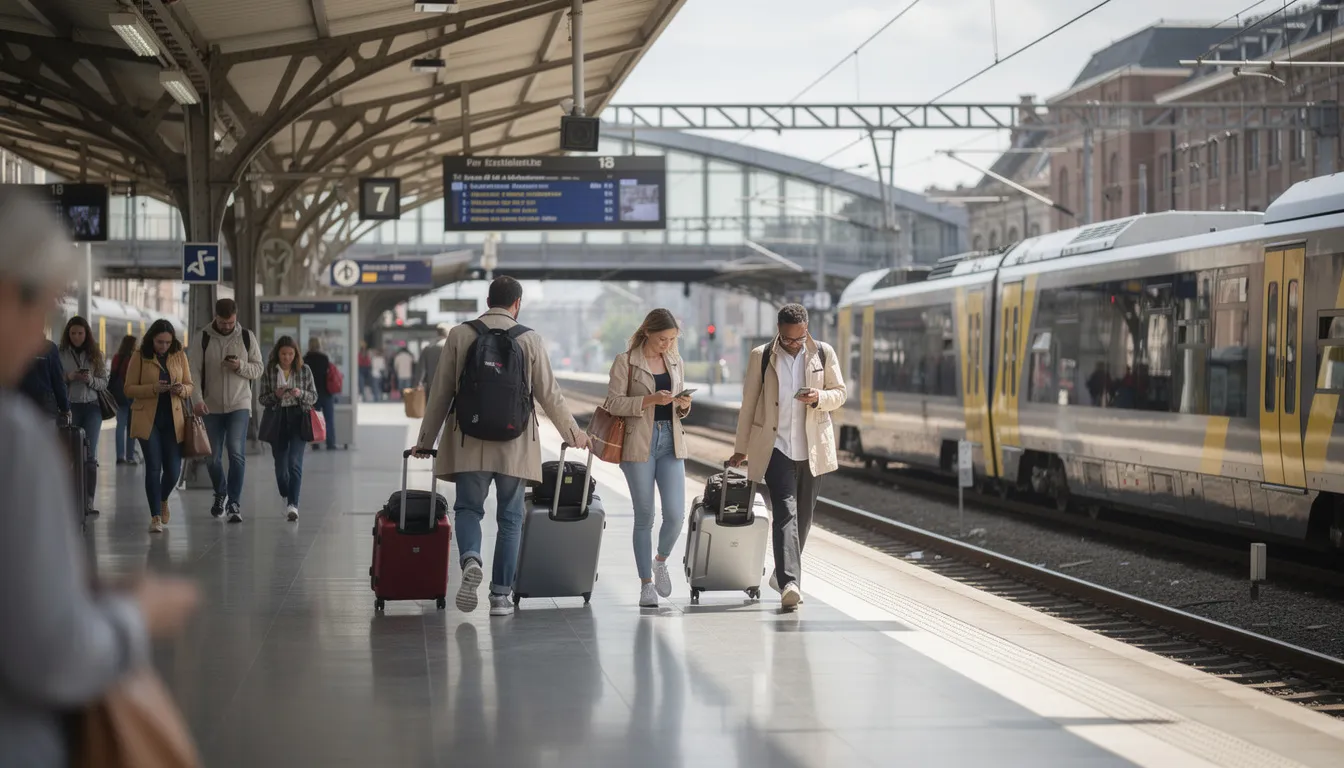
Understanding Belgium’s specific operational practices and cultural norms significantly improves the train travel experience and helps avoid common mistakes made by international visitors.
Belgian stations operate without ticket gates, meaning passengers board trains directly from platforms. However, conductors systematically check Belgian train tickets during journeys, and substantial fines apply to passengers without valid tickets. Always ensure You have appropriate tickets before boarding any train, whether domestic or international.
Station display systems show train destinations and major intermediate stops rather than complete stop lists. Familiarize Yourself with major stations along Your route to identify correct trains, especially when traveling to smaller destinations that may not appear on platform displays. Mobile apps and printed timetables provide complete stop information when needed.
Multilingual announcements occur on most trains, typically in Dutch, French, and German, with English added on international services. Station names may sound different in each language, so learning both Dutch and French versions of Your destination prevents confusion during journey announcements.
Free wifi availability remains limited on most domestic trains, though international services typically provide better connectivity. Given that most domestic journeys take under 90 minutes, many travelers find cellular data sufficient for their needs. Bring entertainment downloads for longer international routes.
Folding bicycles travel free on all trains when properly folded and stored. Regular bicycles require a €5 supplement and must be stored in designated bicycle areas. Some trains have limited bicycle capacity, particularly during peak periods, so consider timing when traveling with bikes.
Peak hours (roughly 7-9am and 5-7pm) see significantly higher passenger loads on popular routes, especially services connecting to Brussels. Travelers with flexible schedules often find more comfortable seating and easier bicycle storage by avoiding these busy periods.
Most Belgian trains offer both standard class and first class seating. First class provides notably more space and comfort for longer journeys, while standard class remains perfectly adequate for shorter domestic routes. Some travelers find first class worthwhile for international services where journey times exceed two hours.
Seat reservations are not required on domestic trains, allowing flexibility in departure times. However, international high speed trains typically require advance booking and specific seat assignments. Plan accordingly when combining domestic and international segments during complex European itineraries.
Luggage storage space varies significantly between train types. Older domestic trains may have limited overhead storage, while international services generally provide adequate space for typical tourist luggage. Consider luggage size and quantity when planning multiple train journeys with extensive belongings.
Purchase tickets from station machines, online platforms, or ticket offices rather than onboard to avoid supplements. Machines accept credit cards and provide instructions in multiple languages. Online booking becomes particularly valuable for international services requiring seat reservations and advance purchase discounts.
Belgium’s efficient train network, combined with understanding these practical considerations, creates exceptional opportunities for exploring this historically significant and culturally rich country. Whether making short domestic journeys between Belgian cities or using Belgium as a base for broader European travel, the comprehensive rail system provides reliable, comfortable, and environmentally friendly transportation options that connect travelers to countless destinations across this fascinating region.