Getting to Budapest by train is simple, affordable, and efficient. Budapest is the main railway hub of the Hungarian railway network, with three large stations serving a vast amount of local, national, and international train routes. The city is a key rail hub in Europe, connected to major destinations like Vienna, Prague, and Munich.
Budapest’s three main stations – Keleti, Nyugati, and Déli – serve different routes and offer modern facilities. The majority of train services to Budapest will arrive at Keleti Station. As the main international hub, Keleti Station is approximately 3 km from the city center and is the busiest in Budapest, handling most international trains, including routes to Vienna and Prague.
Key Highlights:
-
International Routes:
-
EuroCity trains are popular for international routes between Budapest and other major cities in Europe.
-
Direct overnight train services are available from Budapest to several cities, including Zurich, Berlin, Stuttgart, Warsaw, and Bucharest.
-
There are approximately seven direct trains daily from Budapest to Prague, typically taking around 7 hours.
-
Trains to Budapest from Vienna are available every hour throughout the day.
-
Travelers can book train tickets from Budapest to various European cities through the Hungarian Railways website.
-
Direct trains from Vienna (2h 30m, starting at €19), Prague (~7h, €30), and Munich (7–8h).
-
-
Regional Perks: Free travel for seniors (65+) and children under 14. Discounts for youth (14–24) and early online bookings.
-
Keleti: Main international hub with stunning architecture.
-
Nyugati: Regional connections and close to shopping areas.
-
Déli: Domestic routes, including scenic trips to Lake Balaton.
Quick Comparison of Popular Routes:
|
Route |
Daily Departures |
Best Advance Fare |
Journey Time |
|---|---|---|---|
|
Vienna |
Frequent |
€19 |
2h 40m |
|
Prague |
Daily |
€30 |
6h 25m |
|
Munich |
Several |
– |
7–8h |
|
For extended trips, consider rail passes like Interrail or Eurail for flexibility. Budapest’s public transport system makes onward travel easy, with metro, bus, and tram connections from all major stations. |
Note: Traveling during off-peak hours can lead to lower fares for train tickets to Budapest. Booking train tickets in advance, especially for international routes like EuroCity trains, is recommended to secure the best prices.
Train travel to Budapest offers convenience, scenic views, and budget-friendly options for exploring Hungary and beyond.
Introduction to Budapest
Budapest, the vibrant capital of Hungary, is a city where history, culture, and natural beauty come together along the banks of the Danube River. As one of Europe’s most captivating destinations, Budapest welcomes visitors from across the continent, many of whom arrive at the impressive Budapest Keleti Railway Station. This grand train station serves as a gateway to the city, making rail travel to Budapest both convenient and accessible.
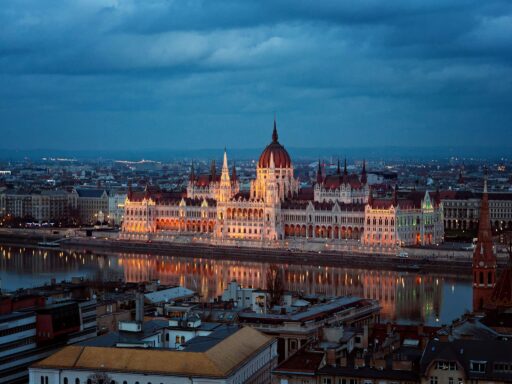
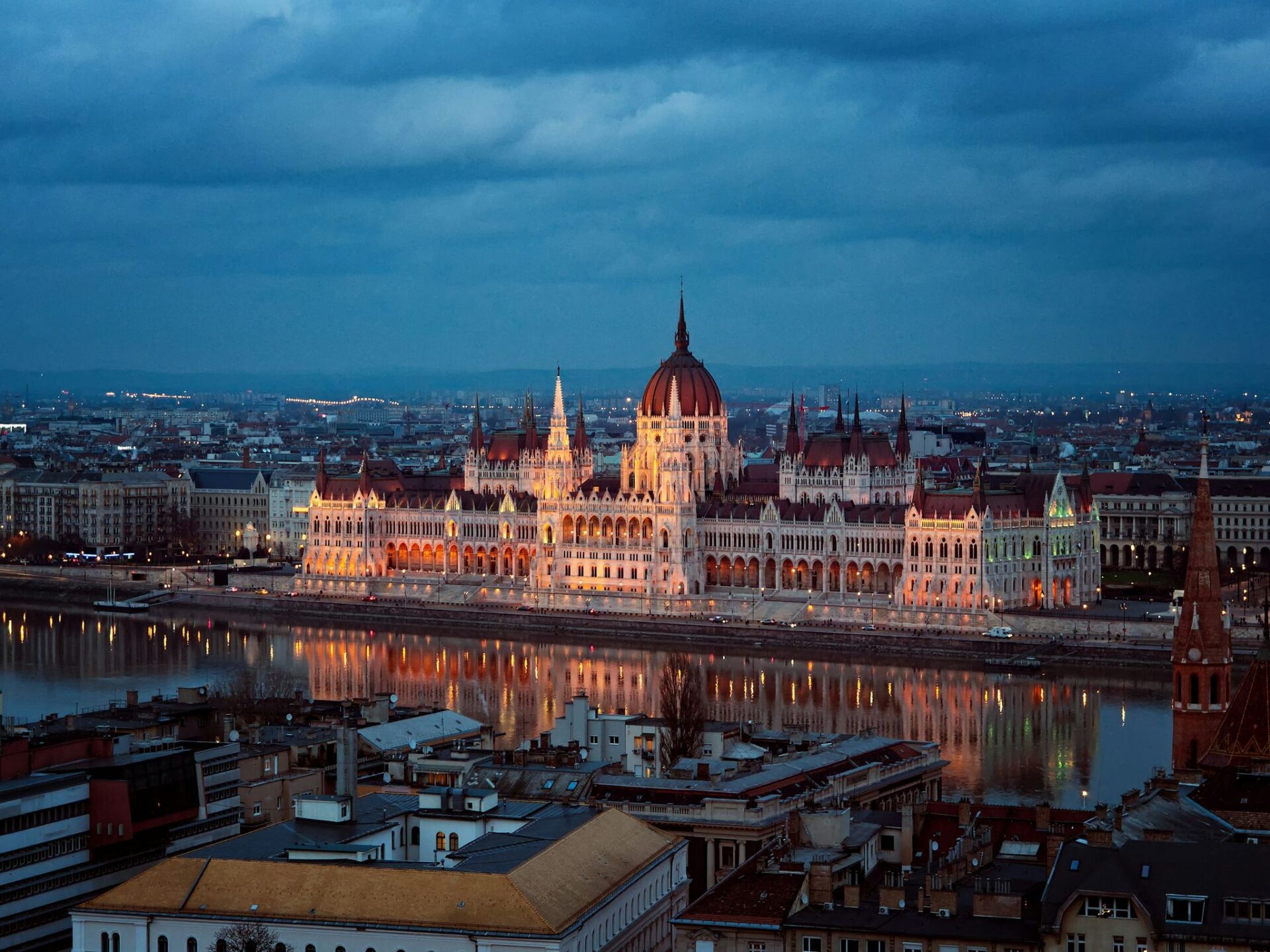
The city itself is a UNESCO World Heritage Site, renowned for its architectural wonders and scenic river views. Divided by the Danube, Budapest is made up of Buda on the west and Pest on the east, each offering unique experiences. Iconic landmarks such as the Hungarian Parliament Building, Buda Castle, and the Chain Bridge are just a few of the highlights that await. Getting around is easy thanks to Budapest’s efficient public transportation system, which includes buses, trams, and the red metro line, connecting visitors to every corner of the city. Whether you’re arriving for a short city break or a longer holiday, Budapest is a destination that invites you to explore, discover, and enjoy everything Hungary’s capital has to offer.
Getting to Budapest by Train
Popular Routes and Times
Budapest’s central position makes it a convenient destination by train from various European cities. Railjet trains, during busy periods, offer frequent trips with first class, business class, and second-class options, onboard Wi‑Fi, air conditioning, restaurant car, power sockets at all seats, and other perks. First class Eurail pass holders get free access to the VIP lounge at Budapest Keleti Railway Station. EuroCity trains connect Prague to Budapest in about 6 hours and 25 minutes, providing comfortable seating, air conditioning, restaurant cars, and power outlets. Munich is about 7–8 hours away, with several daily train options.
Here’s a quick look at some international routes:
|
Route |
Daily Departures |
Best Advance Fare |
Journey Time |
|---|---|---|---|
|
Vienna |
Frequent departures |
€19 |
2h 40m |
|
Prague |
Daily departures |
€30 |
6h 25m |
|
Munich |
Several departures |
– |
7–8h |
|
Zagreb |
Daily departures |
– |
6h 30m |
|
Belgrade |
Daily departures |
– |
8h |
Trains from Budapest to Zagreb take about 6 hours and 30 minutes, and to Belgrade around 8 hours.
Once you’ve chosen your route, you can book your ticket through a reliable online platform. Seat reservations are recommended or required for international trains, especially during busy periods.
Ticket Booking Guide
To book your ticket, head to the MÁV website and follow these steps:
-
Go to MÁV’s official site.
-
Enter your departure city and choose Budapest – options include Keleti, Nyugati, or Déli stations.
-
Select your travel date and compare prices for different days.
-
Pick the service that best suits your needs, considering travel time and amenities.
-
Pay securely using a major credit card or digital payment method.
Before booking, find details about train formations, seat maps, and onboard amenities on the Hungarian Railways website to help plan your journey.
Tickets can also be purchased at vending machines at major train stations.
Rail Pass Options
If you’re planning an extended European trip, consider using an Interrail (for EU residents) or Eurail (for non-EU residents) pass. These passes can save money and offer flexibility, but note that seat reservations are required for international trains to Budapest, especially during the summer. Some passes also include travel on regional trains within Hungary and neighboring countries such as Austria, Germany, and Switzerland.
Popular pass choices include:
-
Global Pass – Covers travel in 33 countries, including Hungary.
-
One Country Pass – Focused exclusively on rail travel within Hungary.
-
Regional Pass – Allows travel in Hungary and neighboring countries.
Youth travelers (ages 12–27) often qualify for discounts, while seniors (60+) may be eligible for a 10% reduction on adult fares.
Central Europe by Train: Heidelberg, Munich, Salzburg, Vienna, Budapest, Prague
Budapest Train Stations
Budapest is the main railway hub of the Hungarian railway network, featuring three large stations that serve a vast amount of local, national, and international train routes for passengers. Budapest’s railway system includes three main stations, each serving distinct purposes and routes. Here’s a closer look at what makes them stand out.
Keleti Station Guide
Keleti Station (Budapest Keleti pályaudvar), opened in 1884, is Budapest’s main international railway hub. Budapest Keleti Station is approximately 3 km from the city center and is the busiest in Budapest, handling most international trains, including routes to Vienna and Prague. Located at Kerepesi út 2-4, this historic station features 7 platforms and 13 tracks, connecting travelers to major cities across Europe. Budapest-Keleti Station is known for its grand architecture and excellent transport connections.
Keleti station offers a range of amenities, including luggage storage in coin-operated lockers, multiple fast-food options, and a supermarket. For first-class Eurail pass holders, Budapest-Keleti Station also provides access to a premium lounge.
Key highlights of Keleti Station:
|
Service |
Details |
|---|---|
|
International Routes |
Zürich, Munich, Vienna, Cluj Napoca |
|
Metro Access |
Lines M2 and M4 |
|
Distance to City Center |
5-minute metro ride |
“Keleti pályaudvar is the main international and intercity railway terminal of Budapest and is therefore the busiest of the city’s main railway stations.” – Just Budapest
Nyugati Station Guide
Nyugati Station, designed by the Eiffel Company and completed in 1877, serves as a vital regional hub. Located at Teréz krt. 55, this station combines history with modern amenities, thanks to a major renovation completed in 2020.
What makes Nyugati Station stand out:
-
Direct train connections to Vienna and Paris
-
Close to the WestEnd City Center shopping mall
-
The terminal building includes a McDonald’s restaurant
-
Convenient metro access via line M3
Déli Station Guide
Déli Station, located at Krisztina krt. 37, focuses on domestic routes but also offers international services to Ljubljana and Zagreb. Reconstructed in 1975, this station has a modern design with 12 platforms.
Key features of Déli Station:
-
Metro access via line M2, plus bus and tram connections
-
Trains to the scenic Lake Balaton region
For travelers, Keleti Station is perfect for international routes, Nyugati Station is ideal for regional travel, and Déli Station is the go-to for domestic trips, especially to Lake Balaton.
Trains Within Hungary
After learning about international rail connections, let’s dive into Hungary’s regional rail network and how to get around the country with ease.
Hungary’s rail system, operated by MÁV, is part of the extensive Hungarian railway network, which covers 7,606 km and radiates from Budapest. This network includes frequent regional trains that connect Budapest with cities and towns across the country, making it a convenient option for exploring. Effective from 2026, children under 14 and adults over 65 can travel free on the Hungarian railway network and local Budapest transit.
Budapest to Lake Balaton Trains
Lake Balaton, the largest freshwater lake in Central Europe, is a top destination and easily reachable by train from Budapest. Trains leave from both Déli and Keleti stations, with travel times depending on your destination around the lake.
Here’s a quick overview of key routes:
|
Departure Station |
Popular Destinations |
Journey Time |
Daily Services |
|---|---|---|---|
|
Budapest-Déli |
Siófok, Balatonfüred |
1.5 hours |
12–15 trains |
|
Budapest-Keleti |
Keszthely, Fonyód |
2–3 hours |
8–10 trains |
|
Tip: Double-check your destination, as some trains split at Balatonszentgyörgy. |
“Trains run to Lake Balaton from Budapest Deli Railway Station and Budapest Keleti Railway Station.” – Balaton Tourism
Trains to Debrecen and Szeged
Planning to visit Debrecen or Szeged? These cities are rich in culture and history, and both are well-connected to Budapest by frequent train services.
Debrecen route details:
-
Distance: About 195 km (121 miles)
-
Travel time: Around 2 hours 15 minutes on InterCity trains
-
Frequency: Roughly 92 connections daily
-
Starting ticket price: Around $7.79
Szeged route details:
-
Travel time: About 2 hours 10 minutes on InterCity trains
-
Daily departures: About 17 trains
-
Train types: A mix of InterCity and regional services
Best Train Routes for Sightseeing
Some train journeys in Hungary are more than just transportation – they’re scenic adventures. For example, the Budapest–Eger route takes you through rolling hills and vineyards. During the summer, fields of flowers and lush greenery add to the charm.
Nature lovers will particularly enjoy the Lake Balaton route, which offers picturesque views of the lake. In August 2023, travelers noted that the journey from Budapest to Lake Balaton provided breathtaking panoramas, making it a favorite for both locals and tourists.
Pro tip: Sit by the window on the lake-facing side for the best views. Early morning and late afternoon trains often have the best lighting for photos and sightseeing.
Points of Interest in Budapest
Budapest is a city rich in history and culture, offering a wealth of attractions for visitors to explore. The Hungarian Parliament Building stands as a masterpiece of Neo-Gothic architecture and is one of the most photographed landmarks in the city. Just across the Danube River, Buda Castle rises majestically above the city, providing panoramic views and a glimpse into Hungary’s royal past. Both sites are recognized as part of Budapest’s UNESCO World Heritage Site status.
The Chain Bridge, another iconic symbol of Budapest, elegantly connects Buda and Pest, offering stunning vistas of the river and cityscape. Beyond these landmarks, visitors can immerse themselves in Budapest’s vibrant cultural scene by visiting museums, art galleries, and historic sites such as St. Stephen’s Basilica and the Hungarian State Opera House. Whether you’re interested in architecture, history, or simply soaking in the atmosphere, Budapest offers countless opportunities to discover something new at every turn.
Accommodation Options in Budapest
No matter your travel style or budget, Budapest has accommodation options to suit every visitor. Many travelers choose to stay near Budapest Keleti Railway Station for easy access to trains and public transportation, making arrival and departure a breeze. For those seeking luxury, the Corinthia Hotel offers five-star comfort and elegant surroundings. If you’re looking for something more affordable, the Baross City Hotel and Elit Hotel provide excellent value just steps from the station.
Budget-conscious travelers will also find a wide selection of hostels and guesthouses throughout the city, perfect for meeting fellow visitors and enjoying a social atmosphere. With such a diverse range of hotels, hostels, and guesthouses, Budapest ensures that every traveler can find the perfect place to stay, whether you’re visiting for a quick city break or a longer holiday.
Custom-Made Tours by Train
For travelers seeking a personalized experience, custom-made tours by train offer a unique way to discover Budapest and the surrounding region. Companies like Railbookers specialize in tailor-made rail journeys across Europe, allowing you to design your ideal trip to Budapest. Choose between 1st class and 2nd class train options, and enhance your journey with additional services such as hotel bookings and car rentals.
These custom tours are perfect for a longer holiday or a memorable city break, giving you the flexibility to explore Budapest at your own pace. Discover the city’s hidden gems, venture along the scenic Danube River, or take day trips into the picturesque Hungarian countryside. With the comfort and convenience of rail travel, visitors can enjoy a seamless journey and make the most of their time in Hungary’s captivating capital.
Travel Tips and Information
Train Services and Baggage
Hungarian trains offer different levels of comfort and amenities based on the service type. For a modern and convenient ride, Railjet trains between Budapest and Vienna include perks like air conditioning for passenger comfort, power outlets, free Wi‑Fi, and dining options, including a restaurant car. Many international and high-speed trains also offer restaurant cars and power sockets at your seat.
If you’re traveling overnight, the EuroNight Kalman Imre night train provides various comfortable sleeping arrangements and amenities, such as sleeping cars, couchettes, and private compartments. These night trains often feature onboard meals, showers, and enhanced privacy for a restful journey.
|
Accommodation Type |
Price Range |
Included Amenities |
|---|---|---|
|
6-berth Couchette |
$54.90 |
Basic bedding |
|
3-bed Sleeper |
$89.90 |
Breakfast, bedding |
|
Single-bed Sleeper |
$142.90 |
Private cabin, breakfast |
|
Baggage Tips: |
-
Separate valuables from your main luggage.
-
Lock compartment doors from the inside during overnight trips.
-
Avoid storing valuables in overhead compartments.
Note: In 2026, new high-speed and night train routes will enhance Budapest’s accessibility.
Once you arrive, getting around Budapest is straightforward and efficient.
Getting Around Budapest
After your train journey, exploring Budapest is hassle-free thanks to its well-connected public transportation system. The BudapestGO app makes navigation easier with real-time updates and mobile ticketing options.
From Train Stations:
-
Keleti Station: Convenient metro access to city attractions.
-
Nyugati Station: Connected to metro line M3 (blue line).
-
Déli Station: Links to metro line M2 for quick city access.
Public transport fares are affordable:
-
Single ticket: 450 HUF ($1.25)
-
24-hour pass: 2,500 HUF ($6.95)
-
72-hour pass: 5,500 HUF ($15.30)
“Budapest’s public transport system is one of the most efficient in Europe, providing easy access to all major attractions.” – Budapest Public Transport Authority
Travel Safety and Language
Budapest is generally safe, but staying alert in crowded areas and on public transit is wise. Knowing a few basic Hungarian phrases can also be helpful:
|
English |
Hungarian |
Pronunciation |
|---|---|---|
|
Hello |
Jó napot |
Yo nah-pot |
|
Thank you |
Köszi |
Keu-see |
|
Do you speak English? |
Beszél angolul? |
Beh-sail ahn-go-lool |
|
Safety Tips: |
-
Dial 112 for emergencies.
-
Keep valuables secure, especially in tourist-heavy spots.
-
Double-check menu prices before ordering to avoid misunderstandings.
-
Use official taxis or ride-sharing apps for transportation.
While many station staff and young locals speak English, using simple Hungarian phrases often leads to warmer interactions and shows respect for the local culture.
Summary
Traveling to Budapest by train is both convenient and eco-friendly. The city is well-connected to major European hubs and Hungarian destinations like Lake Balaton and Debrecen, making it an efficient choice for travelers. Trains to Budapest are renowned for offering a comfortable and scenic journey, making it an excellent way to visit Budapest and experience the city’s attractions.
For example, the Vienna–Budapest route takes just around 2 hours, with ticket prices starting at approximately $13.
Key tips for train travel to Budapest:
-
Consider Interrail or Eurail passes for flexible travel across multiple countries.
-
Know the main stations: Budapest has three – Keleti, Nyugati, and Déli – each serving different routes.
Plan your trip with Everyrail, and explore rail pass options for added flexibility. Budapest’s train network also makes it easy to visit local attractions like Lake Balaton and Debrecen.