

Traveling to Berlin by train is fast, affordable, and eco-friendly. With over 1,000 trains passing through Berlin Hauptbahnhof daily, the city is one of Europe’s top rail hubs. Here’s why train travel stands out:
-
Cost Savings: Domestic train tickets average $33, compared to $110 for flights. International routes are often cheaper too.
-
Speed: High-speed ICE trains reach 186 mph, connecting cities like Munich (3h 50min) and Hamburg (1h 45min).
-
Convenience: Skip airport security and long transfers. Trains take you directly to city centers.
-
Eco-Friendly: ICE trains run on 100% renewable energy.
Key stations include Berlin Hauptbahnhof (the main hub for Berlin train travel, serving as the central point for both national and international services), Ostbahnhof (eastbound travel), Gesundbrunnen (regional links), and Südkreuz (southwest connections). International routes and international services to Paris, Amsterdam, Warsaw, and Prague make Berlin highly accessible. Amsterdam Centraal is the main station in Amsterdam, offering direct train connections to Berlin Hbf, with trains leaving approximately every two hours.
For budget travelers, options like the Deutschland-Ticket ($53/month for unlimited regional travel) and Super Saver Fares (starting at $10.75) provide great value. Booking early and using passes like Interrail or Eurail can save even more.
Berlin Hauptbahnhof offers 24/7 services, free WiFi, luggage lockers, and ample dining/shopping options. It is located about 1.5 km from the Brandenburg Gate, making it a convenient arrival point for visitors. Nearby attractions include the Reichstag Building and Brandenburg Gate, all within walking distance.
|
Comparison |
Train |
Flight |
Car |
|---|---|---|---|
|
Cost |
$33 (domestic avg.) |
$110 (domestic avg.) |
Fuel + tolls |
|
Travel Time |
City-center to city-center |
Longer with airport delays |
Dependent on traffic |
|
Eco Impact |
Runs on renewable energy |
Higher emissions |
Significant carbon impact |
|
Berlin’s rail system, with Deutsche Bahn (DB) as the main provider for Berlin train connections operating a mixture of national and international services, combines efficiency, affordability, and sustainability, making it the ideal choice for travelers. |
Introduction to Berlin
Berlin, the vibrant German capital, is a city where history and modern life intersect at every turn. As one of Europe’s most dynamic destinations, Berlin is renowned for its iconic landmarks, such as the Brandenburg Gate and the remnants of the Berlin Wall, which tell the story of a city that has continually reinvented itself. For travelers arriving by train, Berlin Hauptbahnhof stands as a striking symbol of this modern metropolis—a major train station and the largest in Europe, serving as the main gateway for both national and international journeys. Whether you’re interested in exploring world-class museums, experiencing the city’s legendary nightlife, or simply soaking up the atmosphere of a place where old meets new, Berlin offers something for everyone. With its central location and excellent train connections, getting to and around Berlin is both convenient and enjoyable, making it a top choice for train travel in Europe.
Planning Your Trip
When organizing your trip to Berlin, taking the train is one of the most efficient and comfortable ways to reach the city center. Deutsche Bahn, Germany’s main provider of rail services, operates a variety of train types to suit every traveler’s needs. High-speed Intercity Express (ICE) trains whisk you between major cities in record time, while regional trains connect Berlin with nearby towns and scenic countryside. For those traveling overnight, night trains offer a restful journey with sleeper and couchette options.
Booking your train ticket in advance is highly recommended, as it often secures the best fares and ensures availability, especially during peak travel periods. Berlin Hauptbahnhof, the city’s main station, is centrally located and seamlessly linked to the U-Bahn and S-Bahn networks, making it easy to reach your hotel or explore the city’s neighborhoods. From here, you can quickly access cultural highlights like Museum Island—a UNESCO World Heritage site filled with renowned museums—or enjoy a stroll along the picturesque River Spree. With excellent public transport connections and a range of train types, planning your Berlin adventure is straightforward and stress-free.
How to Travel Germany by Train
Berlin’s Main Train Stations
Berlin’s rail system revolves around four key stations: Hauptbahnhof, Ostbahnhof, Gesundbrunnen, and Südkreuz. Together, they provide a well-connected network for both long-distance and regional travel. These Berlin train stations offer excellent access to central Berlin and its main attractions, with Berlin Hauptbahnhof serving as the main hub, located close to the Brandenburg Gate.
Berlin Hauptbahnhof: Main Station Guide
Berlin Hauptbahnhof is a modern transit hub, handling 300,000 passengers daily. Conveniently located near the government district, it accommodates around 1,000 trains each day across its 14 platforms. Regional trains depart from the second basement, while S-Bahn services run on the second floor.
|
Service Category |
Available Facilities |
|---|---|
|
Travel Services |
24/7 customer service, DB Lounge for first-class passengers, Mobility Service Centre |
|
Storage Options |
Luggage lockers – $4.33 per 24 hours |
|
Connectivity |
Free WiFi (first 30 minutes), charging stations, power sockets available throughout the station |
|
Shopping & Dining |
Over 80 shops and restaurants (8 AM – 10 PM) |
|
Transport Links |
S-Bahn (S3, S5, S7, S75, S9), U-Bahn (U5), buses, trams |
“Berlin Hauptbahnhof is not just a train station; it’s a gateway to the city and beyond, connecting millions of travelers every year.”
Its central location and numerous connections make it the go-to station for most international and domestic journeys.
Secondary Stations: Ostbahnhof and More
While Hauptbahnhof handles the majority of long-distance travel, other stations play important roles for regional and specific international routes. Berlin Ostbahnhof, established in 1842 and located in the Friedrichshain area, is a hub for eastbound travel, including the Berlin-Warszawa-Express to Poland. This station serves both long-distance and local trains. Regional express trains also stop at Berlin Ostbahnhof, providing convenient connections to nearby cities and towns.
Berlin Gesundbrunnen, in the northern part of the city, focuses on local and regional trains. Meanwhile, Berlin Südkreuz serves as a key junction in the southwest, catering to both regional and long-distance trains. Each station offers unique benefits depending on where you’re headed in Berlin.
Getting to Berlin by Train
Cross-Border Train Routes
Berlin is well-connected to major European cities through reliable cross-border train services. Starting December 2024, Deutsche Bahn will offer a high-speed train linking Berlin and Paris in just 8 hours, with tickets starting at $65. Travelers can choose a specific train type for their journey, such as high-speed ICE trains for daytime travel, night trains, or sleeper trains for overnight routes, depending on their preferences and schedule. Sleeper trains are available on several international routes, providing comfortable overnight travel that combines transportation and accommodation.
“This new connection is further proof of the Franco-German friendship and contributes to a shared goal of our two countries: more CO2-free mobility.”
Here are some key international routes:
|
Route |
Travel Time |
Starting Price |
Daily Departures |
|---|---|---|---|
|
Berlin–Paris |
8 hours |
$65 |
New service (Dec 2024) |
|
Berlin–Amsterdam |
6h 26min |
$99 |
Multiple daily |
|
Berlin–Warsaw |
– |
– |
7 trains |
|
Berlin–Prague |
– |
– |
9 trains |
|
Both the Berlin–Warsaw and Berlin–Prague routes offer frequent daily departures, reinforcing Berlin’s role as a central hub for European rail travel. |
German Train Routes to Berlin
In addition to international routes, Deutsche Bahn’s domestic ICE network ensures seamless travel across Germany. Popular routes include Munich–Berlin in 3h 50min, Hamburg–Berlin in 1h 45min (starting at $8.50), and Frankfurt–Berlin in 4 hours (starting at $12.51).
The Munich–Berlin route offers the most trains each day, providing frequent travel options for passengers. The Berlin-Hamburg line is currently undergoing a major overhaul, with timetable changes expected in late 2026 as the project is scheduled for completion by May 2026. Additionally, a new ICE Sprinter service from Stuttgart to Berlin will reduce travel time to 4 hours 45 minutes, stopping only in Nuremberg.
|
Domestic Route |
Travel Time |
Starting Price |
Service Type |
|---|---|---|---|
|
Munich–Berlin |
3h 50min |
$39 |
ICE |
|
Hamburg–Berlin |
1h 45min |
$8.50 |
ICE/IC |
|
Frankfurt–Berlin |
4 hours |
$12.51 |
ICE |
|
All ICE trains are equipped with power outlets, WiFi, and dining cars. The Munich–Berlin route alone offers 30 daily departures, giving travelers plenty of options to suit their schedules. |
Train Companies and Service Types
ICE Services
Deutsche Bahn is a major player in rail travel to Berlin, thanks to its extensive network of high-speed ICE trains and regional connections. The InterCity Express (ICE) trains, known for their speed and comfort, can reach up to 186 mph, making them a popular choice for travelers. Operating more than 1,500 ICE trains daily across Germany, Deutsche Bahn provides a reliable and fast travel option. For those seeking alternatives, FlixTrain offers competitive services on select routes, complete with amenities like WiFi and power outlets.
Travelers can choose between first-class and second-class seating on ICE trains, accommodating different preferences for comfort. As Deutsche Bahn describes it:
“The ICE is not just a train; it’s a symbol of modern travel in Germany, connecting cities at unprecedented speeds.”
In addition to high-speed services, Deutsche Bahn also offers regional and overnight train options, giving passengers more flexibility.
Local and Overnight Trains
Regional trains, such as the RE and RB lines, connect Berlin to nearby areas like Brandenburg, neighboring towns, and airports, making them ideal for shorter trips.
For those looking to combine travel and lodging, overnight trains are a convenient and budget-friendly option. The European Sleeper, for example, links Berlin with Brussels and Amsterdam, offering shared couchette compartments starting at around $65.
Deutsche Bahn is known for its reliability, with 85% of its trains running on time as of March 2023, and over 90% arriving within 15 minutes of their scheduled time. This performance is backed by ongoing investments in infrastructure and technology upgrades, ensuring consistent service quality.
Classes of Service
Deutsche Bahn caters to a wide range of travelers by offering different classes of service on its trains. Standard class, or 2nd class, provides comfortable seating and plenty of legroom, making it a great choice for those seeking value without sacrificing comfort. For a more premium experience, 1st class offers extra space, reclining seats, and added perks such as complimentary snacks and drinks, perfect for relaxing on longer journeys.
If you’re traveling overnight, many trains feature couchette cars, allowing passengers to rest in shared compartments at an affordable price. Reserving your seat in advance is a smart way to guarantee a smooth and enjoyable journey, especially during busy travel times. Whether you’re heading to see the Berlin Wall, taking in the grandeur of the Brandenburg Gate, or simply enjoying the ride, Deutsche Bahn’s range of classes ensures every passenger can find the right balance of comfort and convenience for their trip to Berlin.
Ticket Booking and Money-Saving Tips
Ticket Booking Options
You can book tickets for Berlin through the Deutsche Bahn website or the DB Navigator app. Both provide real-time schedule updates and allow for mobile ticket purchases. For international journeys, Trainline is a reliable option. While ticket counters and self-service machines are available at major stations, booking online often offers better prices and more flexibility. When booking online, be sure to carefully check the search results on these platforms to compare journey times, prices, and transfer options, so you can select the most convenient and cost-effective train to Berlin. This makes planning your Berlin rail travel much easier.
Using Rail Passes
Rail passes are a great way to save on travel costs across Germany and Europe. The Deutschlandticket, introduced in 2023, allows unlimited travel on regional transport throughout Germany for $63 (€58) per month, making it perfect for exploring multiple cities.
For travelers from outside Europe and European residents, there are two main rail pass options:
-
Eurail Pass: Designed for non-European residents.
-
Interrail Pass: Available for European residents.
Both passes offer flexible travel options starting at $244 (€225) for adults, covering 3-8 days of travel within a month. These passes work well alongside other affordable ticket options from Deutsche Bahn.
Finding Cheaper Tickets
Deutsche Bahn provides several cost-saving ticket options:
|
Ticket Type |
Benefits |
Starting Price |
|---|---|---|
|
Super Saver Fare |
Discounts of up to 50% on select routes |
$10.75 (€9.90) |
|
BahnCard 25 |
25% off all tickets for one year |
$67.30 (€62) |
|
BahnCard 50 |
50% off Flexpreis and Sparpreis tickets |
Contact DB for pricing |
|
Quer-durchs-Land-Ticket |
Unlimited regional travel for one day |
$53.20 (€49) |
|
You can save even more by: |
-
Booking tickets up to 12 weeks in advance to access Sparpreis fares starting at $14.10 (€12.99).
-
Traveling during off-peak hours.
-
Adding extra passengers to the Quer-durchs-Land-Ticket for just $10.85 (€10) each.
“Rail passes are usually a great value in Germany, often saving money while allowing you to hop trains at your convenience.”
Children under 6 travel free on Deutsche Bahn trains, and kids aged 6-14 can also travel for free when accompanied by a fare-paying adult. In March 2023, Deutsche Bahn introduced a spring promotion offering a 15% discount on all Interrail Global Passes, showing their efforts to make train travel more affordable.
From Station to City
Public Transport Links
Berlin’s public transport system makes it easy to get around the city. The S-Bahn (suburban rail), U-Bahn (subway), trams, and buses all operate under a unified network with straightforward ticketing.
From Berlin Hauptbahnhof, travelers have plenty of options. The M10 light rail, for instance, takes you directly to Prenzlauer Berg in about 23 minutes. Other popular destinations are also easily reachable thanks to the station’s excellent connectivity:
|
Zone |
Single Ticket Price |
24-Hour Ticket Price |
|---|---|---|
|
AB (City Center) |
$4.15 (€3.80) |
$11.55 (€10.60) |
|
ABC (Including Outskirts) |
$5.10 (€4.70) |
$13.40 (€12.30) |
|
Group Day Ticket (up to 5 people) |
– |
$36.25 (€33.30) |
|
Tickets are available at vending machines, through the BVG app, or at service counters. Don’t forget to validate your ticket before boarding to avoid fines. Children under 6 ride for free, and discounted fares are available for kids aged 6–14. |
Thanks to these efficient transit options, getting to nearby hotels or exploring the city is a breeze.
Where to Stay Near Stations
Staying near Berlin Hauptbahnhof gives you quick access to trains and city highlights. Here are some popular hotels and their typical starting rates:
|
Hotel Name |
Starting Price/Night |
|---|---|
|
Ibis Berlin Hauptbahnhof |
$76.20 (€70) |
|
Hotel AMANO Grand Central |
$71.85 (€66) |
|
Mercure Hotel MOA Berlin |
$84.90 (€78) |
|
a&o Berlin Hauptbahnhof |
$44.60 (€41) |
|
St Christopher’s Inn |
$42.45 (€39) |
|
For business travelers, Steigenberger Hotel Am Kanzleramt and IntercityHotel Berlin Hauptbahnhof offer convenient, upscale options with direct station access. On a tighter budget? MEININGER Hotel Berlin Hauptbahnhof and Motel One Berlin-Hauptbahnhof are both great choices, combining affordability with prime locations. |
If you’re planning to visit during busy travel periods, booking your stay early is a smart move to lock in better rates. Most hotels near the station also provide easy access to public transit, making it simple to explore Berlin’s attractions.
Sights Near Berlin’s Stations
Main Tourist Sites
Berlin Hauptbahnhof is a great starting point for exploring some of the city’s most iconic attractions. The Reichstag Building, Germany’s parliamentary home, is just an 11-minute walk away. Its famous glass dome provides stunning views of Berlin.
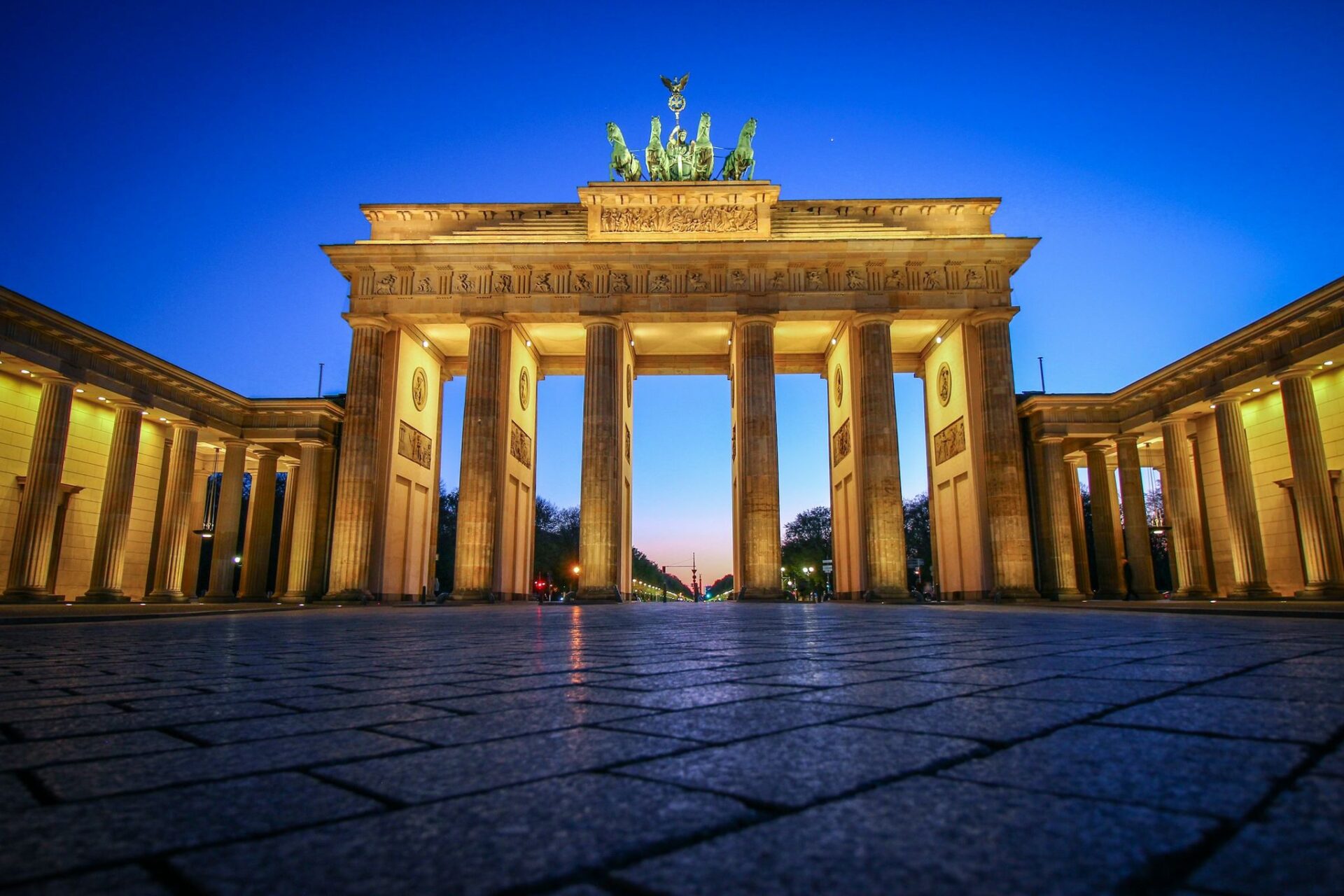
Another must-see is the Brandenburg Gate, one of the city’s most iconic landmarks. It’s about an 18-minute walk from the station. For a more scenic route, stroll along the River Spree, which is dotted with interesting sights.
Modern Berlin is a vibrant blend of historical sites and contemporary architecture, with colorful street art and urban renewal projects visible throughout the city. Near the city center, the Holocaust Memorial stands as a powerful tribute to the Jewish lives lost during World War II and is an important historical site to visit. Berlin’s Tiergarten, a large park in the city center, offers a relaxing green space for visitors to unwind. For those interested in history, the DDR Museum provides an interactive experience of life in former East Germany.
|
Attraction |
Walking Time from Hauptbahnhof |
Highlights |
|---|---|---|
|
Reichstag Building |
11 minutes |
Glass dome; parliament tours |
|
Brandenburg Gate |
18 minutes |
Iconic landmark; perfect for photos |
|
Museum Island |
Short walk |
UNESCO site with renowned museums |
|
If you’re near Berlin Ostbahnhof, don’t miss the East Side Gallery. This 1.3-kilometer stretch of the Berlin Wall is an open-air gallery featuring over 100 murals by artists from around the world. In 2023, it drew over a million visitors. |
“The East Side Gallery is a testament to the resilience of the human spirit and the power of art to inspire change.”
After soaking in the history and culture, you’ll find plenty of places to eat and shop nearby.
Eating and Shopping
Around Berlin Hauptbahnhof, there’s no shortage of dining options to suit every taste and budget. HANS IM GLÜCK is a popular spot for burgers, staying open until midnight on weekends. For lighter fare, dean&david serves fresh bowls and salads throughout the day. Many restaurants and cafes near Berlin Hauptbahnhof also offer light meals and snacks, making it easy for travelers on the go to grab something quick before catching their trains to Berlin.
Craving something quick and filling? Fatih Servet Döner operates 24/7 and is a local favorite with a 4.4/5 rating.
|
Restaurant |
Rating |
Hours |
|---|---|---|
|
HANS IM GLÜCK |
4.6/5 |
Until 12 AM (weekends) |
|
dean&david |
4.0/5 |
6:30 AM – 9:00 PM |
|
Rice On! |
4.3/5 |
Until 9:00 PM |
|
Fatih Servet Döner |
4.4/5 |
24 hours |
“I enjoyed my visit here. The staff were super friendly, which made the whole experience even better.”
For a unique souvenir, visit the AMPELMANN shop inside Hauptbahnhof. It’s the perfect spot to pick up Berlin-themed gifts and keepsakes.
Conclusion: Why Train Travel to Berlin Stands Out
Traveling to Berlin by train combines ease, efficiency, and a lower environmental impact. Deutsche Bahn’s rail network handles nearly 2 billion passengers every year, showcasing its dependability. High-speed ICE trains link Berlin to other major cities quickly and comfortably.
Here’s a quick look at how trains compare to other travel options:
|
Travel Mode |
Advantages |
Environmental Impact |
|---|---|---|
|
Train |
Central stations; fewer security delays |
Runs on 100% renewable energy for ICE/IC/EC |
|
Air |
Quicker for long distances |
Higher carbon emissions |
|
Car |
Flexible schedules |
Significant carbon footprint |
|
This table shows why trains strike a great balance between speed and eco-consciousness. For example, the Munich–Berlin ICE route takes about 4 hours, includes Wi-Fi and power outlets, and offers tickets starting at just €17.90 (around $19.50) |
“Train travel in Germany is not just about getting from point A to point B; it’s about enjoying the journey with comfort and convenience.”
Beyond convenience, the environmental benefits of train travel are hard to ignore. Deutsche Bahn powers its ICE, IC, and EC services entirely with renewable energy, making it one of the most climate-friendly transportation options. Tools like the CO2Compass let travelers measure their impact and choose sustainable travel methods.
Add to that the accessibility of Berlin’s rail system – 90% of S-Bahn stations are designed to accommodate passengers with ease. With centrally located stations, frequent service, and eco-friendly operations, train travel to Berlin is both practical and environmentally conscious.