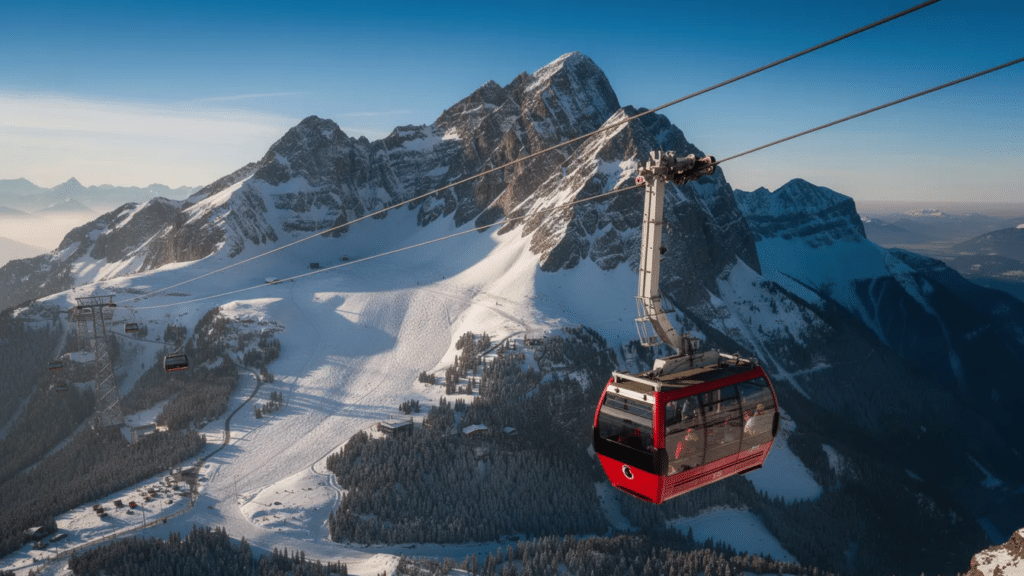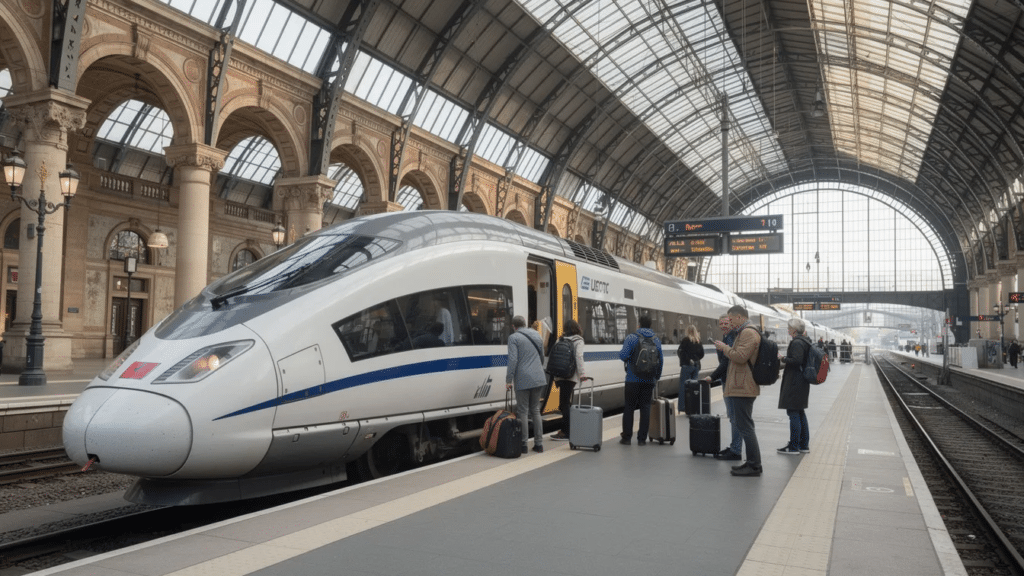



Regional trains in Europe are a low-cost, scenic, and flexible way to explore smaller towns and hidden gems. They’re cheaper than high-speed trains and flights, with tickets like Germany’s Lander pass costing just €22 for unlimited travel in a state. Eurail and Interrail passes work seamlessly for regional trains, offering flexibility across 33 countries. Tools like EveryRail and Omio make route planning simple, while early bookings and off-peak travel help save even more. Taking the bus is often the cheapest way to travel around Europe, and combining regional trains and buses offers some of the best value for budget travelers. Key tips include:
-
Cheaper Tickets: Book early or use regional day passes.
-
Scenic Routes: Enjoy countryside views on slower-paced journeys.
-
Flexible Travel: Combine single tickets or passes for multi-country trips.
-
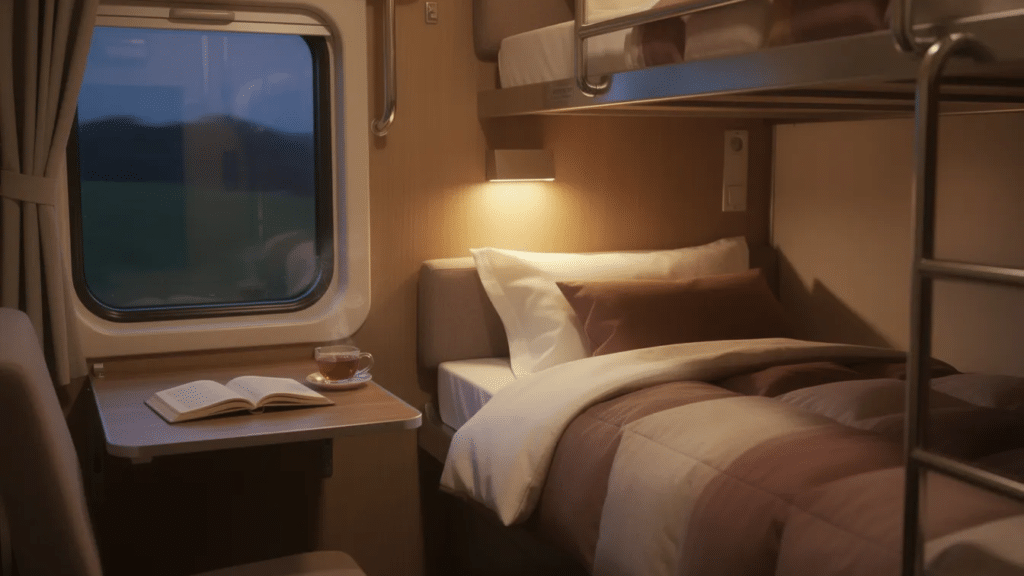
Overnight Trains & Train Stations: Overnight trains can double as both transportation and accommodation, helping you save on hotel costs, and in a pinch, you can even sleep at a train station if needed.
-
Packing Essentials: Bring snacks, chargers, and travel light for convenience.
Start planning your affordable European adventure by prioritizing regional trains for both savings and an immersive travel experience—considering overnight trains and strategic use of train stations can stretch your budget even further.
Introduction to Budget Travel
Traveling Europe on a budget is more achievable than ever, thanks to a wealth of affordable options for transport, accommodation, and activities. Whether you’re dreaming of wandering through the cobbled streets of western Europe or discovering the vibrant cultures of eastern Europe, there are countless ways to save money and make your trip unforgettable. Budget airlines, regional trains, and flexible travel passes allow you to explore Europe cheaply, hopping between major cities and hidden gems without breaking the bank. With a little planning and the right strategies, you can experience the best of Europe on a budget—enjoying its rich history, diverse landscapes, and world-class cuisine while keeping your costs low. No matter your travel style, learning how to travel Europe on a budget will help you make the most of your money and see more of this incredible continent.
How to Plan a Trip Using Regional Trains
What Are Regional Trains and Why Choose Them
Regional trains are a great way to explore Europe’s smaller towns and rural areas. They run at a slower pace and are often much easier on the wallet compared to high-speed options. Public transport, including regional trains and buses, is generally affordable across Europe, making it a top choice for budget travelers. Plus, with frequent stops in local communities, they offer a closer look at everyday life and the surrounding landscapes. For instance, you can travel from Vienna to Budapest for just €9 on Regiojet‘s regional service, compared to the €39-89 you’d spend on high-speed trains.
Best Tools for Planning Train Routes
Planning your regional train journey is easier with the right tools. These platforms help you find routes, book tickets, and even discover budget-friendly tips.
|
Planning Tool |
Key Features/Use Case |
|---|---|
|
National Railway Sites |
Direct booking and local deals for single-country travel |
|
Traindrop |
Multi-country planning and inspiration for scenic routes |
|
Omio |
Real-time updates and mobile ticketing options |
|
Once you’ve picked your tools, it’s time to explore where these regional trains can take you for memorable experiences. |
Picking Destinations for Regional Train Travel
When choosing destinations, look for spots that highlight Europe’s natural beauty and rich heritage. For example, Annecy in is known for its picturesque lakeside views, while Cinque Terre in Italy connects five charming, colorful villages by train.
To save money and avoid crowds, consider traveling during off-peak times. Routes like Switzerland’s Bernina Express and Scotland’s West Highland Line offer breathtaking scenery and cost less than premium high-speed services.
“Regional trains offer stunning scenery and are often less expensive than high-speed trains, especially when booked in advance.”
How to Choose the Right Tickets or Passes
Single Tickets vs. Travel Passes
Picking the right ticket type can make your European train trip both cost-effective and hassle-free. If you’ve planned a fixed itinerary, single tickets are the way to go. On the other hand, travel passes work better for those visiting multiple destinations over several days. When deciding, always consider the total cost of your journey, including all tickets and passes, to ensure you stay within your budget.
|
Ticket Type |
Best For |
Key Benefits |
|---|---|---|
|
Single Tickets |
Fixed itineraries, short trips |
Lower costs, advance booking discounts |
|
Travel Passes |
Multiple countries, flexible plans |
Unlimited travel, route flexibility |
|
Regional Passes |
Single country/region |
Unlimited local travel, like €22 Lander tickets in Germany |
|
For travelers hopping across multiple destinations, Eurail and Interrail passes might be a better choice. |
Details About Eurail and Interrail Passes
Eurail is designed for non-Europeans, while Interrail is for European residents. These passes cover 33 countries, offering flexible travel days and discounts for youth and seniors. For instance, a 10-days-in-2-months youth Eurail global pass starts at €34 per day.
“A Eurail pass gives you unlimited travel, so you can use any train you like, as if you’d bought the fully-flexible ticket.”
Key features include:
-
Access to both regional and high-speed trains (seat reservations optional)
-
Flexi passes for extended travel periods
-
Discounts available for youth and seniors
However, not all trains or routes are covered by every pass, so travelers should check coverage before purchasing.
Why Booking Tickets Early Can Save Money
Booking your tickets early is a great way to save, especially during peak travel seasons. For example, Eurostar‘s New Year Sale offers tickets starting at €25 for trips between January 14 and April 3, 2025, if booked by January 9. Early reservations can slash costs by as much as 60% on popular routes.
When planning your bookings, keep these in mind:
-
Peak vs. off-peak travel times: School holidays, especially in summer, coincide with higher prices and larger crowds.
-
Seasonal price fluctuations
-
Special promotions and sales
-
Advance booking windows (typically 3-6 months ahead)
To save money and avoid crowds, try to avoid the peak summer months, particularly late June to late August, when school holidays drive up demand and prices.
Tips for Traveling on Regional Trains
What to Pack for Regional Train Trips
Packing smartly for regional train journeys can make a big difference in your travel experience. Opt for a wheeled suitcase or a backpack to easily navigate platforms and stations.
Here are some essentials to bring along:
|
Category |
Must-Have Items |
Why You Need Them |
|---|---|---|
|
Power & Tech |
Portable charger, adapters |
Keep your devices powered up |
|
Comfort |
Water bottle, snacks, neck pillow |
Bringing your own snacks and water is a classic cheap travel tip—save money and stay comfortable |
|
Entertainment |
Books, downloaded shows |
Keep busy during Wi-Fi-free trips |
|
Safety |
First-aid kit, document copies |
Be prepared for unexpected situations |
How to Navigate Train Stations and Transfers
Once you’re packed, navigating train stations efficiently is your next challenge. Offline maps for major stations and tools like Traindrop’s station guides can help simplify complex transfers.
“Travelers should stay informed about train schedules and any potential disruptions. They should also have a backup plan, such as knowing alternative routes or having a list of nearby accommodations.”
Here are a few tips to make station navigation smoother and avoid unnecessary stress or costs:
-
Arrive early to check platform and schedule details.
-
Keep your ticket easily accessible for inspections.
-
Pay attention to digital displays for real-time updates.
-
Familiarize yourself with connecting platform locations ahead of time.
Enjoying Scenic Train Routes
Regional trains offer more than just transportation – they provide a chance to soak in stunning landscapes and experience local charm. Although slower than express services, these routes often reveal a side of Europe that many travelers miss.
Make the most of your scenic journey by:
-
Choosing a window seat for the best views.
-
Planning stops at picturesque spots along the way, and joining a walking tour to explore the local area more intimately and affordably.
-
Traveling during daylight hours to fully enjoy the scenery.
-
Researching notable landmarks or attractions along your route.
These slower-paced journeys are not only easier on your wallet but also give you a deeper connection to the places you’re visiting – something high-speed trains often can’t deliver.
Accommodation on a Budget
Accommodation costs can vary greatly across Europe, but there are plenty of ways to keep your expenses in check. Hostels are a classic choice for budget travelers, offering cheap accommodation and a chance to meet fellow explorers. Many hostels now provide private rooms in addition to dorms, giving you extra comfort without the high price tag of a hotel room. Guest houses and budget hotels are also excellent options, especially in smaller cities where prices tend to be lower. If you’re planning to visit various locations or want more flexibility, consider a car rental or even a campervan—these can double as both transport and lodging, helping you save money on accommodation costs. Booking early is key to securing the best deals, particularly during peak season or in expensive countries. Always compare prices online and look for discounts or special offers to get the best prices for your upcoming trip. With a bit of research and flexibility, you can find comfortable, budget-friendly places to stay all across Europe.
Food and Drink on a Budget
Enjoying delicious food doesn’t have to mean blowing your daily budget. One of the best ways to save money while traveling in Europe is to shop at local markets or supermarkets, where you can pick up fresh ingredients for a picnic or a quick meal on the go. Street food vendors are another great option, offering authentic flavors at a fraction of restaurant prices. When you do dine out, seek out small, family-run cafes or restaurants—these often serve up hearty, local dishes for less than you’d pay in tourist hotspots. Many big cities also offer free walking tours, which not only help you get your bearings but often include tips on where to find the best cheap eats. Don’t forget to sample local specialties, and keep an eye out for happy hour deals or lunch specials to stretch your money even further. With a little creativity, you can savor Europe’s culinary delights without overspending.
Ways to Save Money on Regional Train Travel
Comparing Costs: Tickets vs. Passes
Choosing between single tickets and rail passes can make a big difference in your travel expenses. The right choice depends on how often you travel and where you’re going. Keep in mind that prices for tickets can sometimes double the price during peak times or if you book last minute, so planning ahead is crucial.
|
Travel Scenario |
Single Tickets |
Pass Option |
Best For |
|---|---|---|---|
|
Single Country |
Pay per journey |
Regional pass |
Multiple trips within one region |
|
Multi-Country |
Individual bookings |
Eurail/Interrail |
Long trips across borders |
|
Weekend Trips |
Advanced booking |
Day passes |
Exploring local areas |
|
But the choice of ticket isn’t the only way to save – timing your trips can stretch your budget even further. |
Smart Strategies for Maximum Savings
Planning your travel times carefully can lead to big discounts. Early morning and late evening trains are often cheaper than peak-hour options. For example, Eurostar tickets can sometimes drop to just €25 during sales when booked for off-peak times.
Here are some key tips to save money:
-
Opt for early morning or evening trains.
-
Travel on weekdays instead of weekends.
-
Plan trips during spring or fall for lower rates.
-
Use regional day passes for local travel.
-
Consider overnight trains to save on hotel costs while covering long distances.
“Experts recommend booking tickets early to secure the best prices, using travel passes for frequent or long-distance travel, and taking advantage of off-peak hours and discounts.”
Digital tools like Traindrop make it easier to find affordable train options. This platform is especially helpful for comparing routes and maximizing the value of Interrail and Eurail passes. It also highlights scenic routes that are often cheaper and more enjoyable than premium services.
To save even more:
-
Compare various routes and ticket types.
-
Use platform guides to understand pass benefits.
-
Opt for scenic regional routes instead of high-cost services.
-
Plan multi-stop trips efficiently to get the most out of your passes.
Budget-Friendly Activities
Europe is packed with budget-friendly activities that let you experience its culture and beauty without high entrance fees. Many cities offer museum passes, which provide access to multiple attractions at a discounted rate—perfect for art lovers and history buffs. Keep an eye out for free admission days at museums and historical sites, which are common in both big cities and small towns. Outdoor activities like hiking, cycling, or simply strolling through scenic parks and gardens are not only free but also a fantastic way to explore the local landscape. Whether you’re wandering through the ancient streets of a small town or relaxing in a city park, there are endless ways to enjoy Europe on a budget. With a bit of planning, you can fill your days with memorable experiences that don’t cost a fortune.
Plan Your Budget-Friendly Train Journey
Exploring Europe by regional train is a great way to travel affordably while enjoying local charm and breathtaking scenery. With smart planning and careful timing, you can stretch your travel budget and experience unique routes. For instance, Germany’s Lander tickets allow unlimited travel within a state for just €22, showcasing how economical train travel can be.
Success in regional train travel comes down to preparation and flexibility. If you’re visiting multiple countries, passes like Eurail and Interrail offer flexible travel options across Europe. By pairing these passes with thoughtful route planning, you can create unforgettable trips that balance cost and adventure.
When it comes to accommodation, booking a private room in a hostel or Airbnb can be a budget-friendly alternative to hotels, offering comfort and privacy without the high price tag.
Timing is crucial to keeping costs low. Early morning and evening trains often have better rates, and booking tickets in advance can help you snag the cheapest fares. Tools like Traindrop make planning easier, helping you find affordable and scenic routes.
Here are some tips to make the most of your journey:
-
Book tickets early to lock in the best prices.
-
Travel during off-peak hours for lower fares.
-
Use regional day passes to explore local areas.
-
Consider rail passes for multi-country trips.
-
Look for scenic routes that don’t require premium fares.
With these tips, you can plan an affordable and enjoyable train trip across Europe. Dive into Europe’s railways and experience the joy of exploring on a budget.
Does Interrail work on regional trains?
Yes, Interrail passes are valid on most regional trains across Europe. These trains allow you to travel without needing reservations, making them a great option for spontaneous and budget-conscious trips. This lets travelers explore Europe’s rail network while keeping expenses manageable.
What is a regional train in Europe?
Regional trains cover shorter routes within specific areas, connecting towns and rural locations at affordable prices. In timetables, they’re often labeled with the abbreviation ‘R’, and in Germany, they’re marked as ‘RB’ (Regionalbahn). These trains serve as a crucial link for local travel, offering a closer look at everyday life.
They’re an excellent choice for scenic journeys and reaching destinations not served by express trains. Tools like Traindrop can assist in planning routes and finding economical travel options.
Understanding how regional trains and Interrail passes work can help you plan a cost-effective and enriching European trip. However, in rural areas where regional trains may not reach, renting a car from a reputable rental car provider can be a cost-effective alternative for exploring off-the-beaten-path destinations.
European Travel Tips
To make the most of your European adventure, it’s important to plan ahead and stay flexible. Booking train tickets, budget airline flights, or accommodation early can help you secure the best value and save money, especially during busy travel periods. Use Google Maps to navigate all the cities and find the most efficient routes, whether you’re traveling through southern Europe’s sun-soaked coastlines or the vibrant capitals of northern Europe. Research the customs and regulations of different countries to avoid unexpected costs, and always consider purchasing travel insurance for peace of mind during your backpacking trip. Comparing prices, looking for deals, and being open to alternative routes or destinations can help you explore Europe on a budget and get the most out of your money. With these top tips, you’ll be ready to discover the best of Europe—without overspending.