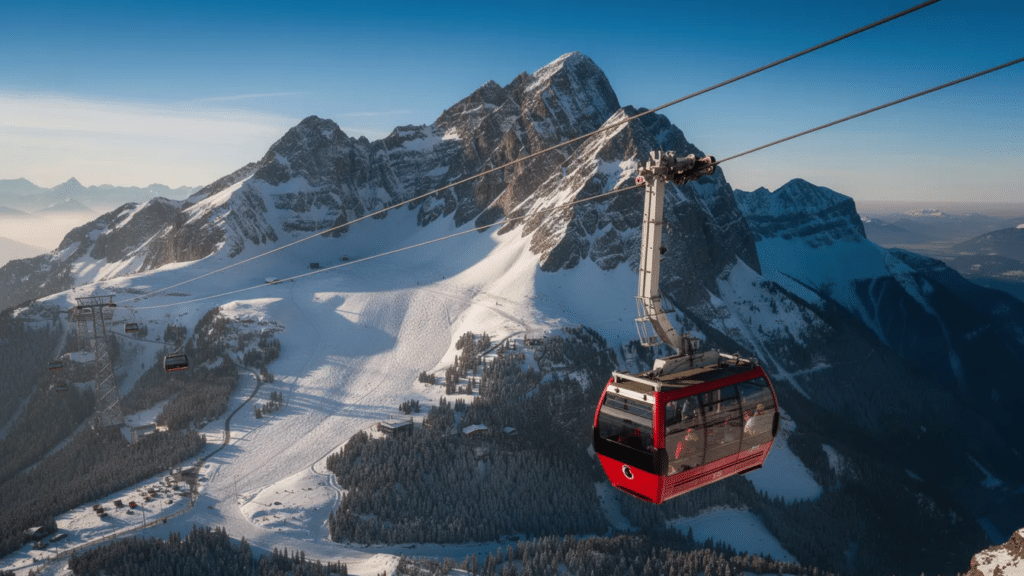

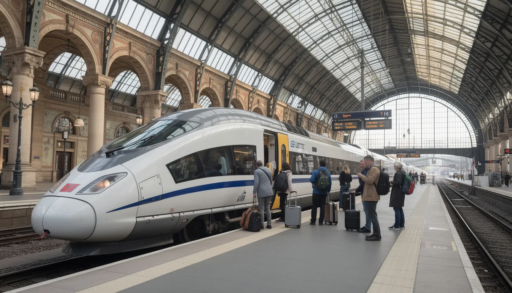
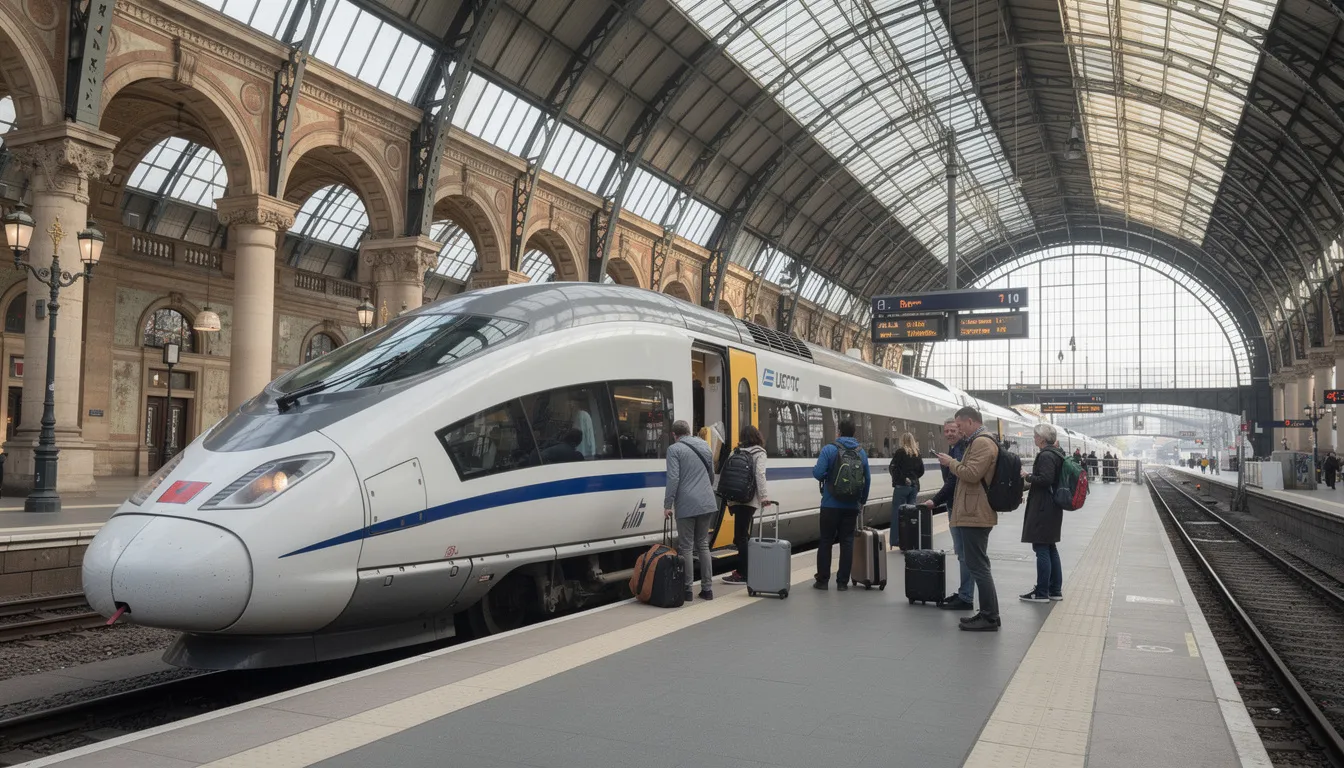
From the Victorian grandeur of St Pancras International, you can step aboard a sleek Eurostar train and reach Paris in just over two hours. Add a few more hours, and you’re in Amsterdam, Barcelona, or even the Swiss Alps—all without setting foot in an airport.
Travelling to Europe by train from London has never been more practical. Most journeys begin with Eurostar through the Channel Tunnel, connecting you to major cities like Paris, Brussels, Amsterdam, and Rotterdam. From these hubs, high speed train services fan out across the continent, linking you to destinations in France, Germany, Spain, Italy, Switzerland, and beyond.
Why choose the train over flying? The advantages stack up quickly:
- City centre to city centre travel—no transfers from distant airports
- Simpler check-in—arrive 45-60 minutes before departure rather than hours
- Greener travel—trains emit roughly 10 grams of CO2 per passenger kilometre versus 150-200 grams for short-haul flights
- Generous luggage allowances—no weight limits or checked bag fees
- Productive travel time—free wifi, charging points, and space to work or relax
Here’s a quick snapshot of what’s possible:
- London–Paris: 2h16 direct on Eurostar
- London–Brussels: Around 2 hours direct
- London–Amsterdam: Approximately 4 hours direct
- London–Barcelona: 10-11 hours with one change in Paris
- London–Berlin: 9-10 hours via Brussels and Cologne
- London–Milan: 10-11 hours via Paris
Whether you’re planning a weekend break to Bruges or a grand rail trip through western Europe, understanding these routes opens up a continent of possibilities.
Where Can You Go in Europe by Train from London?
Direct Eurostar trains from London serve a handful of European destinations, but the real magic happens when you connect to the continent’s extensive high-speed and overnight rail networks. One change opens up most of Europe.
Countries reachable in a day from London:
- France: Paris, Lille, Lyon, Marseille, Nice, Bordeaux, Strasbourg
- Belgium: Brussels, Bruges, Ghent, Antwerp, Liège
- Netherlands: Amsterdam, Rotterdam, The Hague, Utrecht, Delft
- Germany: Cologne, Frankfurt, Düsseldorf
- Switzerland: Geneva, Basel, Zurich, Lausanne
- Northern Spain: Barcelona, San Sebastián
With one overnight stop, you can comfortably reach:
- Italy: Milan, Venice, Florence, Rome
- Austria: Vienna, Salzburg, Innsbruck
- Czechia: Prague
- Denmark: Copenhagen
- Spain: Madrid, Seville, Valencia
Both Interrail/Eurail passes and point-to-point train tickets work for these journeys. This guide focuses on practical routes and making connections as easy as possible, whether you’re buying tickets for a specific trains or travelling flexibly with a pass.
To give you a sense of journey times: London–Paris takes from 2h16, London–Amsterdam around 4 hours, and London–Barcelona can be done in a single day with one change. Many cities across mainland Europe sit within a day’s rail travel of central London.
Direct Eurostar Routes from London St Pancras
Your onward journey into Europe almost always starts with Eurostar, the high speed train service running through the Channel Tunnel. Understanding these direct routes forms the foundation of any London–Europe rail trip.
As of current timetables, Eurostar runs year-round services from London St Pancras to:
- Paris Gare du Nord
- Brussels-Midi (Bruxelles-Midi/Brussel-Zuid)
- Lille Europe
- Rotterdam Centraal
- Amsterdam Centraal
Typical fastest journey times:
| Destination | Fastest Journey Time |
|---|---|
| Paris | ~2h16 |
| Brussels | ~2h00 |
| Lille | ~1h22 |
| Rotterdam | ~3h15 |
| Amsterdam | ~4h00 |
Direct Eurostar services travel at speeds up to 300 km/h on dedicated high-speed lines, whisking you from city centre to city centre. You’ll need to arrive 45-60 minutes before departure at London St Pancras to clear security and passport control—gates close 30 minutes before the train departs.
For popular destinations like Disneyland Paris, Bruges, Ghent, and Antwerp, you won’t find trains direct from London. Instead, you’ll take Eurostar to Lille or Brussels, then a train onward using the connecting train services that run frequently throughout the day.
London to Paris by Train
The London–Paris route is the gateway to continental Europe. In 2h16, direct Eurostar trains carry you from St Pancras International straight to Paris Gare du Nord, with multiple departures most days.
This speed and frequency make Paris the natural hub for journeys deeper into France, towards Spain, Italy, and Switzerland. If you’re continuing the same day, aim for an early-morning Eurostar departure—this gives you maximum flexibility for afternoon TGV services to your final destination.
What to know before boarding:
- Seat reservations are compulsory on all Eurostar trains
- Passport and security checks take place before boarding at St Pancras
- Ticket gates close 30 minutes before departure—don’t cut it close
- The Eurostar arrives at Paris Gare du Nord in the city’s 10th arrondissement
Onward connections from Paris include:
- TGV services to Lyon, Marseille, Nice, Bordeaux, and Strasbourg
- High-speed links to Barcelona (via crossing Paris to Gare de Lyon)
- Trains to Milan, Geneva, and Zurich from Gare de Lyon
- Regional Intercités services throughout northern France and southern France
The French capital serves as the continental crossroads for train travel—master this route, and you’ve unlocked access to much of western Europe.
London to Brussels by Train
Brussels sits just two hours from London via Eurostar, making it one of the easiest European destinations to reach by rail. Trains arrive at Brussels-Midi (also signed as Bruxelles-Midi in French or Brussel-Zuid in Dutch), Belgium’s primary international station.
From this Belgian station, the network branches in multiple directions. Brussels functions as the best hub for reaching other cities across Belgium and connections into Germany. Within the same station, you can transfer to:
- Belgian InterCity trains to Bruges, Ghent, Antwerp, Leuven, and Liège
- ICE high-speed trains to Cologne, Frankfurt, and beyond
- Thalys trains (now branded as Eurostar) towards Amsterdam and Paris
For platform changes at Brussels-Midi, allow at least 20-30 minutes when transferring from Eurostar to another train. Add more time if you’re travelling with children or heavy luggage, as the station can get busy.
One useful tip: many London–Belgium tickets are valid through to any Belgian station, not just Brussels. When booking tickets, check whether your ticket covers the onward journey to your actual destination—this can simplify your trip and protect you if connections run late.
London to Amsterdam and Rotterdam by Train
Eurostar runs direct trains from London St Pancras to both Rotterdam Centraal and Amsterdam Centraal, offering a seamless route into the Netherlands without changing trains.
Journey times:
- London–Rotterdam: fastest around 3h15
- London–Amsterdam: fastest around 4h00
The onboard experience mirrors other Eurostar services—reserved seats, power sockets for charging points, free wifi, and a café-bar selling drinks and snacks. Standard class offers comfortable seating for the journey, while first class provides quieter carriages and more space.
Rotterdam Centraal proves particularly convenient as a hub for reaching other Dutch cities. From here, frequent NS International and domestic services connect to Delft (15 minutes), The Hague (25 minutes), and Utrecht (40 minutes). Amsterdam Centraal works better if you’re heading towards eastern Netherlands or continuing into Germany.
For travel during school holidays, long weekends, or around early December, book your train tickets several weeks in advance. Seat capacity on London–Netherlands services is limited, and popular departures can sell out entirely.
Key Connection Hubs for Continuing Across Europe
After your Eurostar, you’ll typically change trains at Paris, Lille, Brussels, or Rotterdam to continue your rail trip deeper into European countries. Each hub serves different destinations best.
The role of each hub:
- Paris: Gateway for France (beyond Paris), Spain, Italy, and Switzerland
- Lille: Bypass for avoiding Paris cross-town transfers on France-bound journeys
- Brussels: Primary hub for Belgium, Germany, and parts of the Netherlands
- Rotterdam/Amsterdam: Connections for the Netherlands and northern Germany/Scandinavia
Connection times range from tight 15-20 minute platform changes to more relaxed 60-90 minute buffers. For longer journeys—especially when holding non-flexible tickets—building in extra time protects against missed connection scenarios and keeps your trip stress free.
Changing Trains in Paris (Gare du Nord and Other Stations)
When your Eurostar arrives at Paris Gare du Nord, your onward journey might depart from an entirely different station. Paris has six major terminus stations, each serving different regions:
| Station | Destinations Served |
|---|---|
| Gare du Nord | Northern France, Lille, Belgium, Netherlands, UK |
| Gare de Lyon | Lyon, Marseille, Nice, Italy, Switzerland |
| Gare Montparnasse | Brittany, Bordeaux, Hendaye, Atlantic coast |
| Gare de l’Est | Eastern France, Germany, Luxembourg |
| Gare d’Austerlitz | Central France, some overnight services |
| Gare de Bercy | Some regional and overnight trains |
Getting between stations:
Crossing Paris typically takes 30-45 minutes using the Paris Metro or RER suburban trains. The RER B connects Gare du Nord directly to other stations, while metro lines offer alternatives. A taxi provides a faster option when traffic cooperates.
Recommended minimum connection times:
- Confident travellers: 40-60 minutes
- Stress free connections: 90-120 minutes
- Non-flexible tickets: Allow the full 90-120 minutes
Important: Paris RER and metro fares are not included in your long-distance train tickets. You’ll need to buy a separate ticket (around €2-4) for the cross-city transfer. Keep small change or use contactless payment at station machines.
Changing Trains in Lille (Lille Europe and Lille Flandres)
Lille offers a clever shortcut for many journeys into France, letting you avoid crossing Paris entirely. Eurostar stops at Lille Europe, a compact high-speed station serving both Eurostar and TGV services.
From Lille Europe, you can catch direct or one-change TGVs to:
- Lyon and the French Alps
- Marseille and the Mediterranean
- Montpellier, Bordeaux, and Rennes
- Strasbourg and eastern France
This routing saves the hassle of navigating the Paris Metro between stations and often works out faster for destinations in southern France or the Atlantic coast.
Some regional and low-cost services depart from Lille Flandres, a separate station about 10 minutes’ walk (or a short tram/metro ride) from Lille Europe. If your journey planner shows a connection between these two stations, build in extra time for the transfer.
Practical tips for Lille:
- Platforms for TGVs are typically announced about 20 minutes before departure—stay near the departure screens
- Allow 40-60 minutes buffer when connecting on separate tickets
- The area between both stations has cafés and shops if you need to fill time
Changing Trains in Brussels (Bruxelles-Midi)
All London–Brussels Eurostar services arrive at Bruxelles-Midi, making it a natural gateway for connections across Belgium and into Germany. The station name appears differently on signs and departure screens depending on the language—you’ll see Bruxelles-Midi (French), Brussel-Zuid (Dutch), and sometimes Brussels South (English).
What makes Brussels-Midi convenient:
Most onward trains depart from platforms within the same station complex. Whether you’re heading to Bruges, Ghent, Antwerp, Cologne, or Frankfurt, you won’t need to change stations. Simply check the departure screens for your platform number and walk across.
City names on departure boards may appear in multiple forms:
- Cologne appears as Köln or Köln Hbf
- Antwerp shows as Antwerpen
- Ghent displays as Gent
Connection timing:
- Allow at least 20-30 minutes to change from Eurostar to another high-speed train
- During busy periods, add more buffer time
- If travelling with heavy luggage, 30-40 minutes feels more comfortable
For travellers using Interrail or Eurail passes, note that you’ll need separate reservations for Eurostar and some German ICE trains. However, Belgian domestic IC trains don’t require reservations—you can simply board any service to Belgian destinations like Bruges or Ghent.
Changing Trains in Rotterdam and Amsterdam
Both Rotterdam Centraal and Amsterdam Centraal serve as major hubs for the Dutch rail network, though they suit different onward journeys.
Rotterdam advantages:
- Less crowded than Amsterdam
- Faster, easier connections to The Hague, Delft, and southern Netherlands
- Frequent InterCity and Sprinter services throughout the day
Amsterdam advantages:
- Better for Arnhem, Nijmegen, and eastern Netherlands
- More direct services to German destinations
- Useful if Amsterdam is part of your itinerary anyway
Dutch domestic trains run at least twice per hour on main routes, with many lines offering four trains hourly. This frequency means a missed connection is rarely catastrophic—another train typically follows within 15-30 minutes.
For international–domestic transfers at either station, allow 20-30 minutes for a stress free experience. Both stations are large and well-signposted, but finding your platform and boarding takes time, especially during peak hours.
Popular London–Europe Routes and How to Do Them by Train
This section provides practical “recipes” for some of the most popular London–Europe rail journeys. Each route shows typical connections and whether the trip works as a day journey.
All timings are indicative based on recent timetables—always check live schedules for your specific travel dates. Train times vary by day of week and season.
London to France by Train (Beyond Paris)
After your Eurostar to Paris or Lille, most of France becomes accessible via TGV services the same day. You’ll typically need just one change to reach major French destinations.
Sample routes and journey times:
| Destination | Route | Total Time |
|---|---|---|
| Lyon | Via Paris or Lille | 6-7 hours |
| Marseille | Via Paris Gare de Lyon | 7-8 hours |
| Nice | Via Paris or Marseille | 9-10 hours |
| Bordeaux | Via Paris Montparnasse | 7-8 hours |
| Rennes | Via Paris Montparnasse | 6-7 hours |
| Strasbourg | Via Paris Gare de l’Est | 6-7 hours |
Disneyland Paris deserves special mention: you can reach Marne-la-Vallée with a change in Lille or Paris, typically taking 3-4 hours total depending on connections.
For destinations in southern France, compare routes via Lille versus crossing Paris. The Lille route avoids metro transfers but may have less frequent connections. Paris offers more departure options but requires that cross-city journey. Your choice often comes down to ticket prices and how much buffer time you want.
London to Belgium by Train (Bruges, Ghent, Antwerp and More)
Belgium’s beautiful towns sit remarkably close to London. Travel on Eurostar to Brussels, then switch to fast Belgian InterCity trains for your onward journey.
Typical total journey times from London:
- Bruges: 3h30-4h00 (change at Brussels)
- Ghent: 3h30-4h00 (change at Brussels)
- Antwerp: Just over 3h00 (change at Brussels)
- Leuven: Around 3h00 (change at Brussels)
- Liège: 3h30-4h00 (change at Brussels)
Belgian domestic trains run frequently—at least twice hourly to major destinations—and don’t require reservations. This flexibility means you don’t need to book specific trains for the Belgian leg; simply take whichever service suits your Eurostar arrival.
Is a day trip from London to Bruges or Ghent possible? Technically yes, but you’ll feel rushed exploring medieval streets and leafy parks with only a few hours on the ground. An overnight stay transforms the experience, giving you time to wander the canals and sample Belgian cuisine without watching the clock.
London to the Netherlands by Train (Beyond Amsterdam and Rotterdam)
Direct Eurostar services deliver you to Amsterdam or Rotterdam. From there, Dutch InterCity and Sprinter trains connect to the rest of the Netherlands.
Sample routes:
| Destination | Route | Total Time |
|---|---|---|
| The Hague | Via Rotterdam | Around 4h30 |
| Delft | Via Rotterdam | Around 4h00 |
| Utrecht | Via Rotterdam or Amsterdam | 4h30-5h00 |
| Eindhoven | Via Rotterdam | Around 5h00 |
| Groningen | Via Amsterdam | 6-7 hours |
Dutch domestic trains are frequent and largely unreserved, offering excellent flexibility if your Eurostar runs late. Simply catch the next available service to your destination.
Hub recommendations:
- Rotterdam works best for The Hague, Delft, and southern Netherlands
- Amsterdam serves Arnhem, Nijmegen, eastern Netherlands, and connections towards Germany
For destinations near Schiphol Airport, Amsterdam provides the most direct routing, though the airport itself is easily reached from both hubs.
London to Germany by Train
Two main corridors connect London to many cities across Germany: via Brussels (Eurostar + ICE) and via Paris (Eurostar + TGV/ICE). Your choice depends on your final destination.
Via Brussels (usually better for western Germany):
- London–Cologne (Köln): Around 4h30
- London–Frankfurt (Main): About 5h30
- London–Düsseldorf: Around 4h30
Longer German journeys:
- London–Berlin: 9-10 hours via Brussels, Cologne, and onward ICE
- London–Munich: Similar timing via Paris or Brussels/Frankfurt
For Berlin and Munich, consider breaking the journey with an overnight stop or using a night train for part of the route. Nightjet services from Brussels, Zurich, or other hubs connect to various German cities, turning the journey into a comfortable sleeper experience.
The Rhine Valley route between Cologne and Frankfurt offers some of Europe’s most scenic rail travel, with sweeping views of castles, vineyards, and the river below. If time permits, choosing a slower regional train on this stretch rewards you with natural beauty.
Practical tips:
- Allow generous transfer times at Brussels and Cologne when using separate tickets
- German ICE trains often have optional seat reservations—worth booking for weekend travel
- Long distance trains in Germany offer reliable wifi and restaurant cars on many routes
London to Spain by Train (Paris and Southern France Route)
Reaching northern Spain and beyond by rail requires routing through Paris, but the journey is entirely achievable in a single day for Barcelona.
London–Barcelona in a day:
- Morning Eurostar from London to Paris Gare du Nord
- Transfer across Paris to Gare de Lyon (30-45 minutes by metro)
- Afternoon TGV to Barcelona Sants
- Total journey: 10-11 hours depending on connection times
The key is booking a morning Eurostar that leaves sufficient time for the Paris transfer. This route follows France’s Mediterranean coast through beautiful towns like Montpellier and Perpignan before crossing into Spain.
Other Spanish destinations:
- San Sebastián/Bilbao: Route via Paris and Hendaye/Irun, with regional trains across the border. Usually requires a long travel day or overnight stop in Paris or Hendaye.
- Madrid: Most practical with an overnight in Barcelona, then high-speed AVE trains onward
- Seville/Valencia: Two-day journey, typically stopping in Barcelona or Madrid
Direct overnight train from Paris to Madrid no longer operates, so most London–Madrid trips now involve day trains with intermediate stays.
Booking advice: Cross-border France–Spain high-speed legs can sell out during popular seasons (summer, Easter, Christmas). Book these early—sometimes 2-3 months ahead—to secure seats and better fares.
London to Italy by Train
Italy beckons across the Alps, reachable via two main routes from London. Both offer spectacular mountain scenery.
Via Paris and the Alps:
- Eurostar to Paris Gare du Nord
- Transfer to Gare de Lyon
- TGV or Frecciarossa to Milan/Turin via Lyon and the Fréjus tunnel
- Total London–Milan: 10-11 hours with good connections
Via Switzerland:
- Eurostar to Paris
- TGV Lyria to Basel, Zurich, or Geneva
- Swiss and Italian trains through the Alps to Milan
- Similar overall timing, but different scenery
From Milan, Italy’s high-speed network connects to Venice (2h30), Florence (2h), Rome (3h), and Naples (4h30) on Frecciarossa or Italo services. These trains run frequently and can be booked on the day, though advance booking secures better prices.
Realistic itineraries:
- London–Milan in a day: Achievable with early departure and good connections
- London–Venice or Florence: Usually requires overnight in Milan or Paris
- London–Rome: Two-day journey, stopping in Milan, Florence, or Paris
The Alpine crossings between Switzerland and northern Italy rank among Europe’s most beautiful rail journeys. The views alone justify taking this route, whether you’re tracing Lake Geneva, climbing through the Bernese Oberland, or descending past Italian lakes.
Consider an overnight in Paris, Milan, or Zurich to break longer itineraries. This reduces missed connection risk and lets you experience more cities along the way.
London to Switzerland, Austria and Central Europe by Train
Switzerland sits closer than many expect, with Geneva reachable in 6-7 hours via Paris.
London–Switzerland routes:
| Destination | Route | Total Time |
|---|---|---|
| Geneva | Eurostar to Paris, TGV Lyria from Gare de Lyon | 6-7 hours |
| Lausanne | Same route | 6-7 hours |
| Basel | Via Paris | 6-7 hours |
| Zurich | Via Paris | 7-8 hours |
Austria and beyond:
Vienna, Salzburg, and Innsbruck require either a long day of connections or—more practically—incorporating night trains into your journey.
Sample routing to Vienna:
- Day one: Eurostar London–Brussels, ICE to Cologne
- Evening: Nightjet sleeper from Cologne to Vienna
- Arrive Vienna next morning
Alternatively:
- Eurostar to Paris, TGV to Zurich
- Nightjet from Zurich to Vienna overnight
Prague, Budapest, and other central European destinations follow similar patterns—combine daytime high-speed trains with overnight sleepers to reach them in 1½-2 days from London.
Night train tips:
- Book sleeper cabins well in advance, especially for summer travel
- Nightjet routes are expanding, with new connections launching through 2026 and beyond
- Couchettes offer a cheaper alternative to private cabins
- A direct overnight train from London to Netherlands is planned for 2028
Planning and Booking Your London–Europe Rail Journey
No single website sells every European train ticket, but planning your journey is straightforward once you know the right tools. A bit of advance research transforms a complex-looking itinerary into a series of simple bookings.
General planning approach:
- Use a comprehensive timetable planner (Deutsche Bahn’s international journey planner works well) to sketch your route and identify connection options across countries
- Book your Eurostar first—seats sell out and prices rise as departure approaches
- Add onward trains, ideally with comfortable transfer margins
- Consider whether a single “through” ticket or separate tickets for each leg works better for your journey
Rules of thumb:
- Book 2-3 months ahead for popular dates (school holidays, bank holidays, summer Fridays)
- Allow larger connection buffers when holding separate tickets—if your first train is late, separate tickets offer no protection for missed connections
- Compare prices between official train company websites and aggregators
Timetables, Apps and Rail Maps
For planning, use pan-European timetable sites and apps that accept English station names. You can search “London St Pancras” to “Vienna Hbf” or “Barcelona Sants” and see complete routing options with all connections.
Useful planning resources:
- Deutsche Bahn (bahn.de) journey planner covers most European connections
- Trainline app aggregates multiple train companies and sells tickets for many routes
- Individual national rail operator sites often offer the best prices for domestic legs
While travelling:
- Download offline timetable apps before departure—no roaming worries
- Free online rail maps help visualise how routes connect, especially for multi-country trips
- Print or save key connections and platform information, especially for tight changes
For complex itineraries, a printed European rail atlas or saved screenshots of your route help when wifi fails or your phone battery runs low.
Tickets, Passes and Seat Reservations
Two main approaches exist for buying tickets: point-to-point tickets for a fixed itinerary, or Interrail/Eurail passes for flexible, multi-country travel.
Point-to-point tickets work best when:
- You have a simple, fixed itinerary (e.g., London–Paris–Barcelona–London)
- You’re booking well ahead and can secure promotional fares
- You’re travelling to just one country or two neighbouring countries
Passes work best when:
- You’re taking a multi-week trip across several European countries
- You want flexibility to change plans day-by-day
- You’re travelling extensively and the pass price beats individual tickets
Seat reservations—what to know:
| Train Type | Reservation Required? |
|---|---|
| Eurostar | Yes, always mandatory |
| TGV (France) | Yes, mandatory |
| AVE/Renfe (Spain) | Yes, mandatory |
| Frecciarossa/Italo (Italy) | Yes, mandatory |
| ICE (Germany) | Optional but recommended |
| Swiss trains | Optional |
| Dutch trains | Not required |
| Austrian ÖBB | Optional for daytime |
When booking, always confirm whether your ticket includes a seat reservation or if you must add it separately. Showing up for a fully-reserved TGV without a reservation means you won’t board—regardless of having a valid pass.
How Early to Arrive and How Long to Allow for Connections
Concrete timing guidance removes the guesswork from station logistics.
Arrival times at stations:
- Eurostar from London or to London: Arrive 45-60 minutes before departure for security, ticket gates, and passport control
- Most continental trains: 15-20 minutes at the station is typically sufficient
Connection buffer recommendations:
| Scenario | Suggested Buffer |
|---|---|
| Local/regional trains, same station | 20-30 minutes |
| High-speed trains, same station | 20-30 minutes |
| High-speed on separate tickets | 40-60 minutes |
| Crossing Paris between stations | 90-120 minutes |
| Catching a sleeper after a day train | 60-90 minutes |
Building in extra time costs nothing and protects you when earlier trains run late. This matters especially with non-flexible tickets, where missing a connection means buying a new ticket out of pocket.
Treat major hubs like Paris, Brussels, Zurich, or Cologne as natural “firebreaks” in your journey. A longer stop—time for a meal, a walk, or a coffee—absorbs delays without stress and adds to the experience.
Onboard Experience and Choosing Your Class of Travel
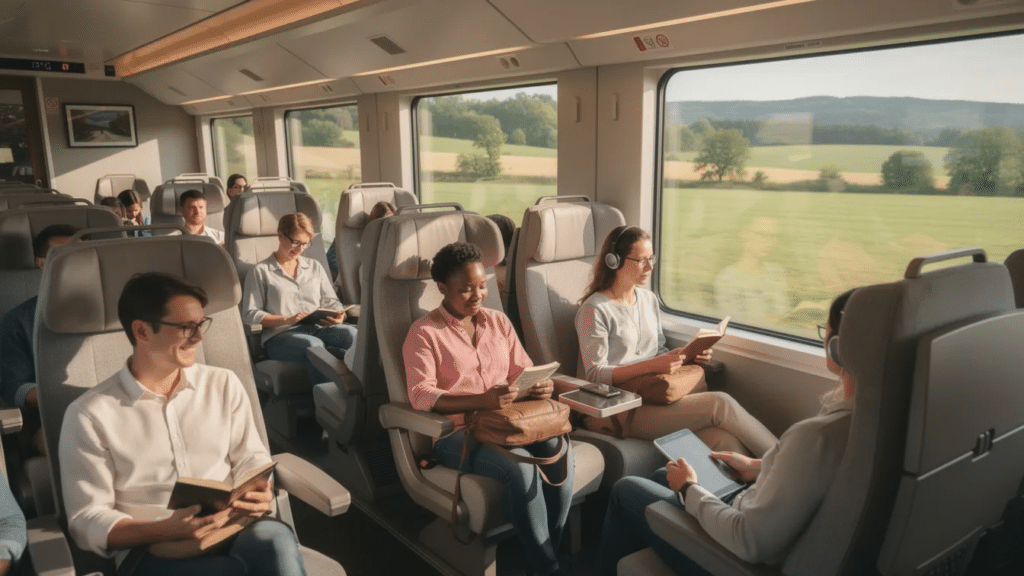
European trains generally offer comfortable seating in both second and first class, with wifi and power sockets increasingly standard across modern fleets.
For most travellers, standard class provides more than enough comfort for journeys up to 4-5 hours. Seats are reasonably spacious, carriages are clean, and you’ll share space with a mix of leisure and business travellers.
First class brings wider seats, quieter carriages, and sometimes at-seat meal service. Whether it’s worth the premium depends entirely on the price difference that day. A small upgrade cost might justify the extra comfort; doubling your fare rarely does.
What to Expect on Eurostar and Major European Trains
Modern European long distance trains share common features:
- Reserved seats: Your ticket specifies coach and seat number
- Overhead luggage racks: Suitable for bags and small cases
- Luggage stacks: Near carriage doors for larger suitcases
- Café-bar or trolley service: Hot drinks, snacks, and light meals
- Air-conditioning: Standard on all high-speed services
- Large windows: Enjoy the passing scenery
Note that trains sometimes reverse direction during a journey, so forward-facing seats aren’t always guaranteed unless the booking system explicitly offers this option.
Before boarding:
- Check platform departure screens for your coach number
- Locate your carriage on platform markings (many stations indicate where each coach stops)
- Verify the seat numbers displayed on carriage exteriors
Pack light and keep valuables close. Luggage areas are shared spaces, and staff don’t monitor individual bags. A daypack under your seat for electronics, passport, and essentials works well alongside a suitcase in the rack.
First vs Second Class and Overnight Options
For most journeys, second class (standard class on Eurostar) represents the best value. The seats are comfortable, the service is adequate, and you’ll travel alongside the majority of passengers.
When first class makes sense:
- The price difference is small (under 25-30%)
- You’re working and need reliable quiet
- Lounge access or included meals sweeten the deal
- You’re celebrating a special occasion
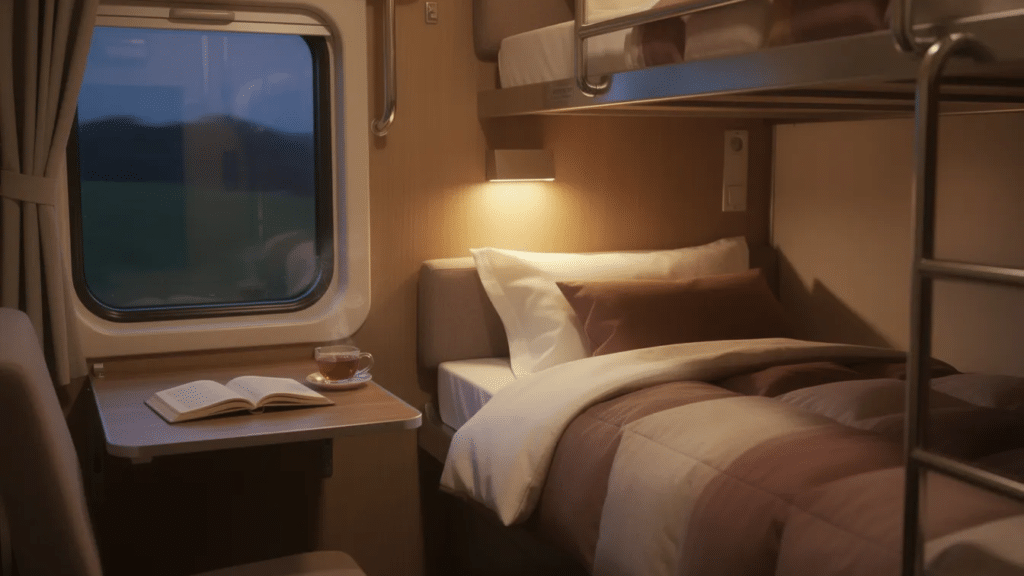
Night train considerations:
On overnight services, the meaningful choice isn’t first versus second class—it’s seats versus couchettes versus private sleeper cabins.
| Option | Description | Best For |
|---|---|---|
| Seats | Recline-only seating | Budget travellers, short nights |
| Couchettes | Shared 4-6 berth compartments with basic beds | Good balance of comfort and cost |
| Sleeper cabins | Private 1-3 berth compartments, sometimes with en-suite | Privacy, better sleep, couples/families |
Even a “second class” sleeper cabin beats first class seats for comfort on overnight runs. If your journey includes a night train segment—London–Vienna or London–Venice routes, for example—spending slightly more on a couchette or cabin transforms the experience.
Check whether meals, drinks, or lounge access come included with first class on your specific trains. This varies significantly between train companies and routes.
Practical Tips for a Smooth London–Europe Rail Trip
A bit of preparation goes a long way. With the right documents, sensible luggage, and realistic expectations, multi-country rail travel becomes genuinely enjoyable rather than stressful.
Documents to check before departure:
- Valid passport (check expiry dates—some countries require 6 months validity)
- Any required visas or ETAs for your destinations
- Travel insurance covering medical care and trip cancellations
- Digital and printed copies of tickets and seat reservations
- Rail pass, if using one, with necessary validations complete
Luggage recommendations:
- One medium suitcase (wheels helpful for station platforms)
- One small daypack with essentials: passport, phone, charger, snacks, entertainment
- Keep the daypack with you in the seating area; larger bags go in luggage racks
Before you leave home:
- Download offline maps for cities you’re visiting
- Save rail apps for countries on your route
- Learn a few key phrases in relevant languages (especially station name pronunciation)
- Store backup copies of documents in cloud storage or email
Managing delays and changes:
Delays happen occasionally. Trains break down, weather causes problems, strikes affect services. Building flexible itineraries with buffer time absorbs most disruptions without major drama.
If you’re running separate tickets and fear a missed connection, speak to train staff as early as possible. They may be able to advise on alternatives or provide documentation for refund claims.
Treat unexpected delays as part of the adventure rather than a crisis. The slower pace of rail travel—even when things go slightly wrong—remains more relaxed than airport chaos.
Key takeaways
Your first London–Europe rail trip might seem complex on paper, but once you’re gliding through northern France at 300 km/h, watching the countryside blur past your window, the planning fades into pure enjoyment. The Eiffel Tower appears on the horizon, medieval streets await in Bruges, and the Alps promise sweeping views through Switzerland—all reachable from St Pancras without setting foot in an airport.
Start with a straightforward route: London to Paris or Brussels for a weekend break. Build confidence navigating connections and reading departure screens. From there, each journey gets easier, and soon you’ll be sketching multi-country itineraries across popular destinations without hesitation.
The continent awaits. Book that first train and discover why so many travellers now choose rail for their European adventures.