
Planning a European rail adventure with a Eurail Pass means making one key decision before you even board your first train: should you choose 1st class or 2nd class? The topic of Eurail 1st class vs 2nd class generates a lot of feedback and opinions among travelers.
It’s a question that sparks plenty of debate in the travel community, and for good reason. The price difference can add up to hundreds of euros over a multi-week trip, but so can the comfort on those long distance trains crossing from Vienna to Paris or Munich to Rome. I have read a lot of traveler feedback and opinions on this topic, and this guide draws on those experiences.
This guide breaks down exactly what you get in each class, where the upgrade matters most, and how to decide based on your travel style rather than marketing promises. There is a lot of discussion and feedback in the travel community about the value and comfort of each class. Whether you’re a budget backpacker or a comfort-seeking couple, you’ll find the practical info you need to choose wisely.
Introduction to Eurail Travel
Eurail travel is one of the most popular and flexible ways to discover the diverse countries of Europe, offering a unique blend of convenience, comfort, and adventure. With a single pass, you can hop on and off trains across borders, making it easy to plan a trip that covers everything from bustling cities to scenic countryside. One of the first decisions you’ll face when booking your Eurail adventure is which class to choose: first class or second class.
European trains generally offer two main classes of service. First class (or 1st class) is all about extra comfort—think wider, more comfortable seats, more legroom, quieter carriages, and added amenities like air conditioning, power outlets, and often Wi-Fi. On some long distance trains, especially in the UK, first class passengers are treated to complimentary meals and drinks, making the journey feel a bit more special. In contrast, second class (or 2nd class) is the budget-friendly option, still offering comfortable seats and a pleasant travel experience, but with fewer frills and less space.
The main difference between the two comes down to comfort and amenities. While first class provides a more relaxed and spacious environment, second class is perfectly adequate for most travelers, especially on shorter trips. Food is generally not included in the ticket price for either class, except on select routes or in certain countries. Whether you’re looking to stretch your budget or treat yourself to a little extra comfort, understanding the differences between first and second class on European trains will help you make the best choice for your Eurail journey.
Class Pass Options
When planning your Eurail trip, you’ll need to decide between a first class pass and a second class pass—each offering a different level of comfort, flexibility, and price. A first class pass (also called a 1st class pass) gives you access to both first class and second class carriages on most European trains. This means you can choose to enjoy the extra space and quieter atmosphere of first class when it’s available, or opt for second class if you prefer a livelier environment or if first class is full.
A second class pass, on the other hand, restricts you to second class carriages only. The price difference between a first class pass and a second class pass is generally around 30-40%, which can add up over a longer trip. However, many travelers find that the added comfort, roomier seats, and extra amenities in first class are worth the investment—especially on long distance trains or during busy travel periods.
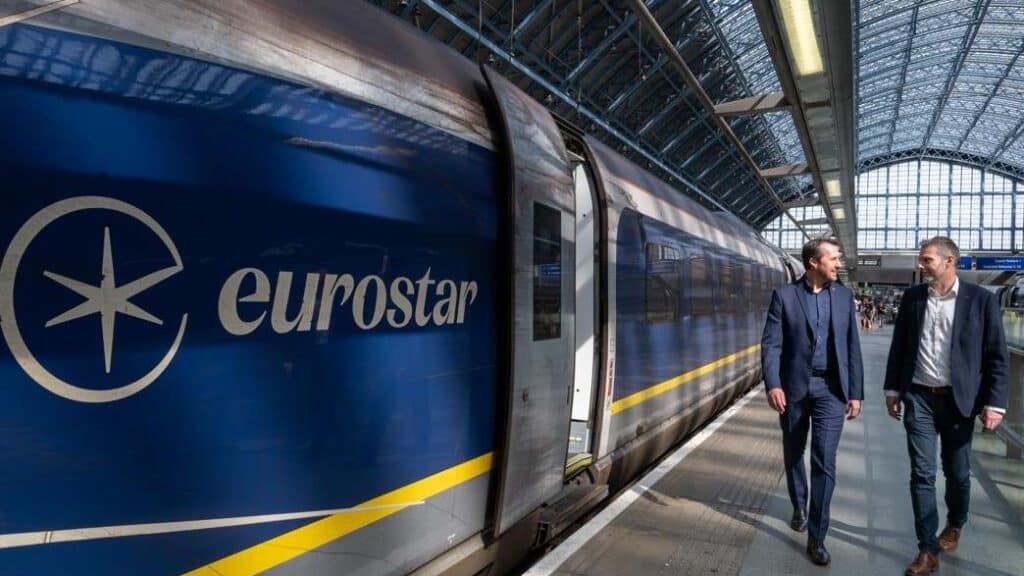
The perks of a first class pass can vary by country and train. For example, on Eurostar trains between London, Paris, and Brussels, first class passengers enjoy complimentary food and drinks served at their seats. In Italy, first class travelers may have access to exclusive lounges at major stations, while in Germany and France, first class means more spacious seats and a quieter, more relaxed carriage. Some countries, like Norway and Denmark, even offer free coffee and tea in first class, adding a little extra comfort to your journey.
Ultimately, the choice between a first class pass and a second class pass comes down to your budget, travel style, and what you value most in your train experience. If you’re looking for the best value and don’t mind a busier carriage, second class is a solid choice. If you want to maximize comfort and enjoy a few extra perks along the way, a first class pass might be worth the splurge. By considering the price difference, the types of trains you’ll be taking, and the amenities that matter most to you, you can choose the class pass that best fits your European adventure.
Quick Answer: 1st Class vs 2nd Class at a Glance
Is Eurail 1st class worth it? For most travelers, 2nd class on European trains is already comfortable enough for journeys under 3-4 hours. The upgrade to first class makes the biggest difference on longer trips, during peak summer travel, or if you value a quieter atmosphere over saving money.
Here’s what separates the two classes in practice:
- Price difference: A first class pass typically costs 25-40% more than a 2nd class pass, depending on duration
- Space: 1st class usually has a 2+1 seating layout (wider seats, more legroom, and increased luggage storage), while 2nd class is arranged in a 2+2 layout, which is tighter but still comfortable
- Atmosphere: 1st class is generally quieter with more business travelers and fewer families or tour groups, while 2nd class tends to be livelier and more social
- Comfort: 1st class offers wider, plusher seats, whereas 2nd class can have more basic, hard seating, though 2nd class on modern trains is still good
1st class offers a quieter atmosphere, ideal for napping or working, while 2nd class is livelier and more social. 2nd class carriages can be crowded on popular routes and at peak times, sometimes making it hard to find a seat and even resulting in standing room only.
One important detail: with a 1st class Eurail Pass, you can sit in both 1st and 2nd class on any covered train. With a 2nd class Pass, you’re limited to 2nd class unless you pay for a separate upgrade ticket at the station or onboard.
On most trains across Europe, 2nd class is perfectly adequate, and many travelers find it sufficiently comfortable and enjoy the community atmosphere. The main gains in 1st class are extra room and a calmer environment—not luxury meals or guaranteed wi fi, and whether perks like free meals or Wi-Fi actually happened can vary a lot by country and train operator.
On popular routes like Paris–Amsterdam or Munich–Zurich, 1st class usually means fewer people per carriage, more legroom, and easier luggage storage, but journey time is identical to 2nd class.
Rule of thumb: 1st class is usually worth it for trips over 4 hours, peak-season travel in July-August, or if you prioritize comfort over budget.
How Eurail Train Classes Work
The terms “1st class” and “2nd class” refer to seating comfort and onboard environment, not speed. Both classes run on the same trains, use the same tracks, and arrive at the same time. You’re paying for a different experience inside the carriages, not a faster route.
When you buy a Eurail Global Pass or One Country Pass, you choose either 1st or 2nd class. The class on your pass defines which carriages you can legally sit in—ticket inspectors will check, and sitting in the wrong class can result in a fine or being asked to move.
A few things worth knowing about how this works across countries:
- Regional trains often lack 1st class entirely. Many local services in Spain, regional lines in Eastern Europe, and rural routes in France only have 2nd class seating. Your first class pass won’t bring extra benefits on these trains.
- Class naming varies by operator. High-speed trains like Trenitalia Frecciarossa use terms like “Standard,” “Premium,” and “Business.” Renfe AVE in Spain has “Turista” and “Preferente.” ÖBB Railjet offers “Standard,” “First,” and “Business.” Eurail maps these to 1st or 2nd for pass purposes, but the onboard experience differs.
- Each railway company sets its own standards. Deutsche Bahn, SNCF, Trenitalia, and SBB all design their carriages differently. What 1st class looks like on a German ICE is not identical to a French TGV or an Italian Frecciarossa.
For example, on ICE trains in Germany, 1st class features leather-style seats in a 2+1 layout with noticeably more space between rows. On TGVs in France, 1st class has wider seats and often dedicated quiet zones, but the visual difference from 2nd class is subtler on some routes.
The idea that 1st class means identical luxury across all European trains is a common misconception. In reality, you’ll notice significant variation from country to country.
Seat Layout and Comfort: 2+1 vs 2+2
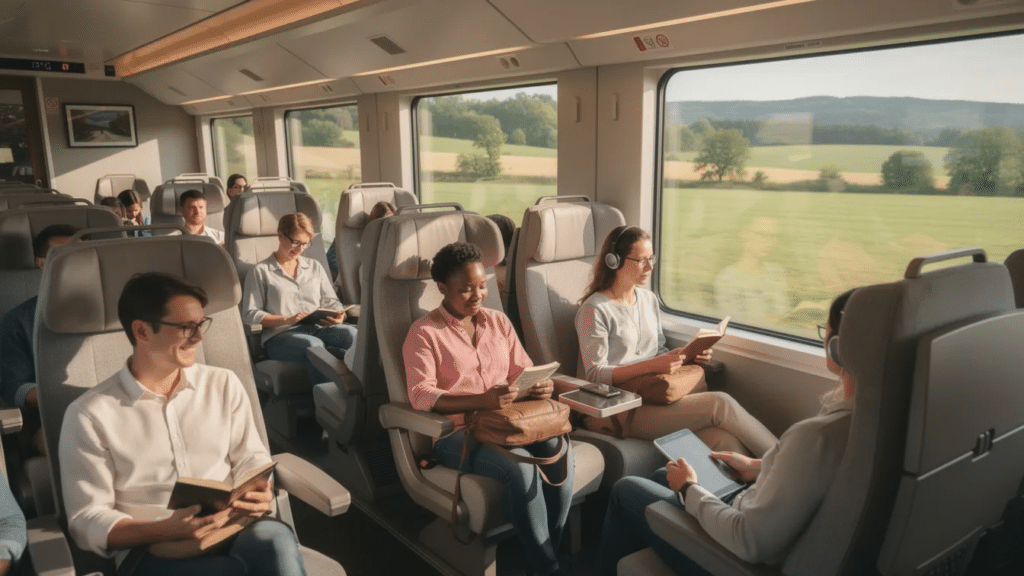
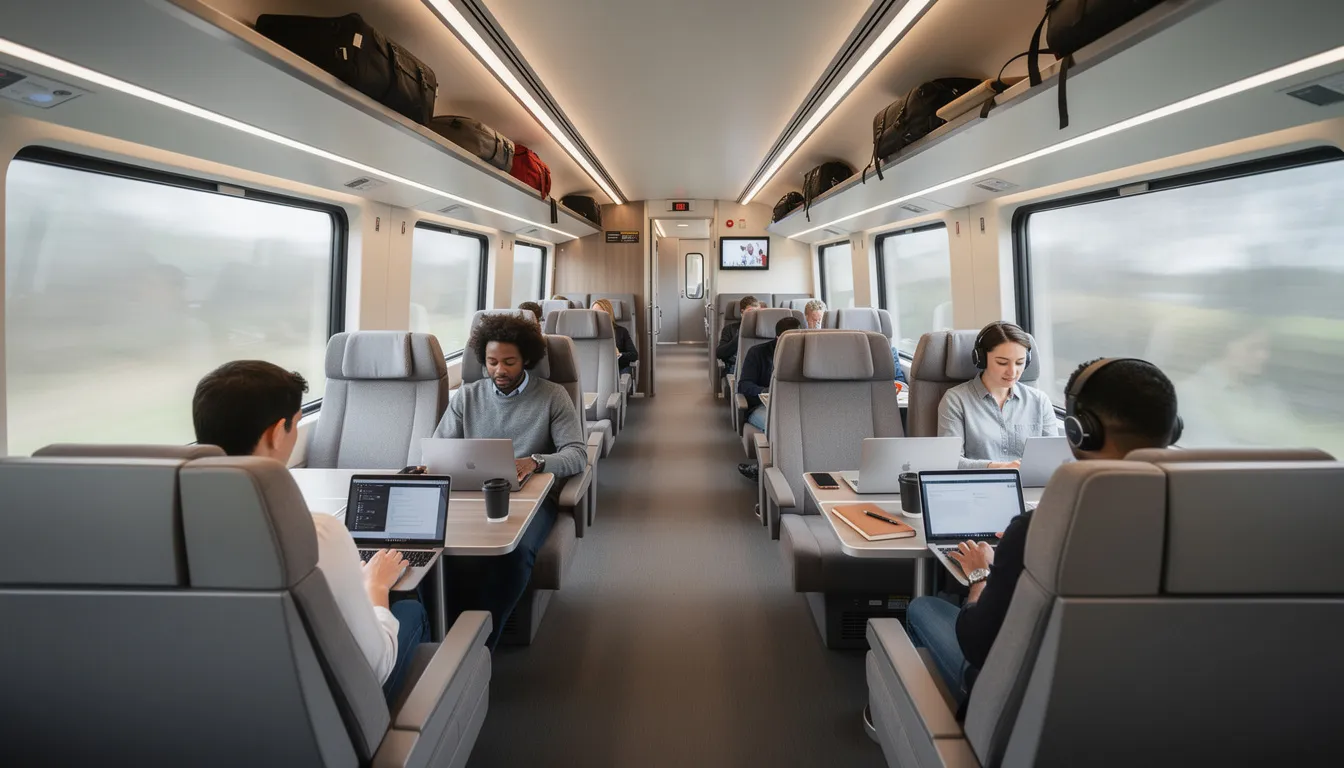
The most visible difference between classes is how the seats are arranged. On many InterCity and high-speed trains, 1st class uses a 2+1 layout (two seats on one side of the aisle, one on the other), while 2nd class uses 2+2 (two seats on each side). This means 1st class generally offers wider, plusher seats in a 2+1 layout, while 2nd class has a 2+2 layout, making a lot of difference in space and comfort between the two classes.
This means 1st class carriages have roughly 40-60 seats compared to 70-100 in 2nd class. Fewer passengers per car translates to a less crowded feel, especially during peak travel times.
What 1st class comfort actually looks like:
- Seats are typically 50-60cm wide versus 45-50cm in 2nd class
- Pitch spacing (distance between rows) is usually 80-100cm versus 70-90cm
- Recline angles reach 130-140 degrees on some high-speed trains
- Larger fold-down tables that work better for laptops
- More overhead and floor space for bags
- 1st class seating typically features more luxurious options, such as plush or leather seats with greater recline and legroom
Second class is still comfortable on most European trains, particularly modern rolling stock. The seats have adequate padding, reasonable legroom for average heights, and fold-down tables. The main difference is density—2nd class can feel cramped during rush hours and busy seasons like July-August, Christmas, and Easter. 2nd class is more budget-friendly, provides comfortable seating, and has a lively atmosphere, but the seats can feel more basic and hard compared to the plush comfort of 1st class.
In 1st class, it’s typically easier to find a window seat, work with a laptop without elbowing your neighbor, or keep a small bag at your feet without sacrificing legroom.
Train-specific examples:
- ICE (Germany): Noticeable 2+1 versus 2+2 difference with generous spacing in 1st class
- Eurostar: Standard Premier offers 2+1 seating with at-seat meal service; Standard is comfortable 2+2
- Swiss IC/ICN: 1st class has larger seats with better recline; 2nd class is still good quality but busier
On some regional trains and modern EMUs, the class difference is minimal—perhaps slightly larger pitch or different headrests in 1st class, but not a huge difference in day-to-day comfort.
Amenities: What You Actually Get in 1st Class
If you’re expecting an airline business class experience with champagne and hot meals, you’ll be disappointed. The main 1st class perks on trains are space and quiet—not a premium service package.
Power sockets: Now common in both 1st and 2nd class on modern trains like DB ICE, SNCF TGV, and ÖBB Railjet. This is no longer a strong differentiator.
Wi-Fi: Availability and quality depend on the operator and route, not the class. German ICE trains have free Wi-Fi in both classes. Some operators have spotty coverage regardless of where you sit. Don’t assume 1st class means faster or more reliable internet.
Air conditioning: Standard in both classes on virtually all long-distance and high-speed European trains. Not a reason to upgrade.
Free meals: Rare, and worth noting the exceptions:
- Eurostar Standard Premier and Business Premier include at-seat meal service
- Some UK long-distance services offer complimentary food in first class
- Trenitalia Frecciarossa Business class includes welcome drinks and snacks on certain departures
- Renfe AVE Preferente in Spain sometimes includes food depending on the service
What some countries offer in 1st class:
- Austria (ÖBB Railjet Business/1st): Complimentary newspapers and sometimes drinks
- Scandinavia: Free coffee, tea, and light snacks on some InterCity services in Denmark, Sweden, and Norway
- Quiet zones: Many operators designate specific 1st class carriages as “quiet” or “business” areas with stricter noise policies
- Luggage room: More space for larger bags near seats and in overhead racks
- Lounge access: Many major stations offer exclusive lounges for 1st class travelers, providing complimentary coffee, water, snacks, a quiet environment, and sometimes Wi-Fi—ideal for relaxing before your train.
For overnight trains with sleeper or couchette compartments, the focus shifts to bed type rather than 1st versus 2nd class. A 1st class pass often reduces required supplements rather than automatically upgrading your sleeping accommodation. You’ll generally choose between shared couchettes (4-6 people) or private sleepers (1-2 people) regardless of pass class.
Price Difference: How Much More Does 1st Class Cost?
First class Eurail Passes typically cost around 25-40% more than their 2nd class equivalents, depending on pass duration and any current promotions.
Concrete example: For a 15-day continuous Eurail Global Pass, the 1st class version can be around €100-€150 more than 2nd class for an adult, based on recent price ranges. Youth passes (under 28) and senior passes have their own pricing tiers but maintain similar percentage gaps.
The cost difference for seat reservations—where required—varies by country:
| Country/Service | Reservation Cost Difference |
|---|---|
| Germany, Austria, Switzerland | Often identical or minimal (€0-5) |
| France (TGV) | Higher in 1st class (€5-15 more) |
| Italy (Frecciarossa) | Varies by service tier |
| Eurostar | Significant gap between classes |
Can you upgrade from 2nd class? Sometimes. Travelers with a 2nd class pass can occasionally pay an onboard or at-station supplement to sit in 1st class for a single journey. Availability depends on space and operator rules—it’s not guaranteed, and you can’t book this online in advance.
Think in cost-per-day terms: Rather than looking at the headline pass price, calculate what the upgrade costs per travel day. If you’re using a 15-day pass and the 1st class version costs €120 more, that’s €8 per day of travel. Is an extra €8 per day worth more space and quiet to you?
Regional patterns:
- Central Europe (Germany, Austria, Czech Republic): Smaller price gap for similar comfort improvements
- Western Europe (France, Italy, Spain): More noticeable price difference, especially on premium high-speed services
- Scandinavia: Moderate gap with tangible perks like free coffee and snacks
- UK: First class on domestic services can feel like a bigger leap in amenities for the price
Country and Route Differences
The value of 1st class with a Eurail Pass changes significantly depending on where you’re traveling. Some countries make the upgrade feel worthwhile; others offer minimal differences.
Germany and Austria: 1st versus 2nd class on ICE and Railjet trains is comfortable in both. First class offers more space, occasional complimentary newspapers, and a quieter carriage. The difference is noticeable but not dramatic. Many locals happily travel in 2nd class on the same routes.
France: TGV 1st class has roomier seating and a quieter atmosphere with a clearer gap from 2nd class. However, reservation fees and supplements tend to be higher than in neighboring countries. If you’re doing multiple TGV legs, these costs add up. The comfort upgrade is real, but so is the price.
Scandinavia (Sweden, Denmark, Norway): 1st class often includes perks like free coffee, tea, and small snacks, plus business-oriented seating layouts. The trains are generally less crowded than Central European routes, so the upgrade is more about amenities than escaping crowds. According to traveler feedback, many find the value of first class in Sweden, Denmark, and Norway to be worthwhile, especially for the added comfort and perks. However, some travelers noted that while perks like free coffee or snacks are advertised, they did not always happen on every route or departure.
Italy and Spain: High-speed trains have multiple service tiers that can be confusing. Trenitalia Frecciarossa offers Standard, Premium, Business, and Executive. Renfe AVE has Turista, Turista Plus, Preferente, and Club. Some of these map to Eurail 1st class and include welcome drinks or light snacks on certain departures.
Regional and local trains: On many regional services—local lines in Poland, regional Spain, rural France, or commuter routes almost anywhere—there may be little or no difference between classes. Some regional trains only have 2nd class. Your 1st class pass won’t help you here; check before you plan around the upgrade.
Who Should Choose 1st Class vs 2nd Class?
The decision isn’t about status or luxury—it’s about matching your travel style, budget, and journey types. In our opinion, the best class depends on your priorities: if you value comfort, extra space, quieter surroundings, better Wi-Fi quality, and enhanced onboard amenities, 1st class may be worth the upgrade; if you prefer savings, a lively atmosphere, and don’t mind less space or occasional noise, 2nd class is a solid choice.
1st class works well for:
- Travelers on longer legs (4+ hours at a stretch)
- People traveling during peak summer season (July-August) when 2nd class gets crowded
- Older travelers who value easier boarding and more space
- Those carrying valuable work equipment like laptops who need a stable workspace
- Families wanting more room and a calmer environment for kids
- Anyone prioritizing low-stress travel over savings
2nd class suits:
- Backpackers and students watching their budget
- Solo travelers who enjoy the social atmosphere of busier carriages
- Anyone doing primarily short hops (under 2-3 hours)
- Travelers who are flexible and don’t mind standing occasionally on packed trains
- People who’d rather spend the savings on an extra day of travel or better food
Scenario to consider: You’re planning a 3-week summer trip through France, Switzerland, and Italy with several full-day train legs in a row. On a busy Friday Frecciarossa from Rome to Florence, 2nd class might have you standing. A Paris to Geneva TGV in August could be packed with tourists. Multiple consecutive long journeys in cramped conditions get tiring. In this scenario, the 1st class upgrade starts to pay off in comfort and reduced stress.
Simple decision aid:
- Budget tight, value flexibility and meeting other travelers → 2nd class
- Prioritize comfort, doing many long legs, or traveling in peak season → 1st class
Practical Tips for Using Your Eurail Class Wisely
A few practical choices can maximize the value of whichever class you choose.
Check if 1st class actually exists on your train. Before planning around the upgrade, verify that your specific train has 1st class. Many regional and cross-border services in Eastern and Southern Europe only offer 2nd class. The Eurail app and railway operator websites will show you.
Make reservations early on busy routes. High-speed trains like Paris–Lyon, Milan–Rome, and Barcelona–Madrid often require reservations. Book these in advance—1st class can make last-minute reservations slightly easier during peak season, but planning ahead is still essential.
Consider off-peak travel in 2nd class. If you’re on a budget, traveling on Tuesday mornings instead of Friday evenings makes 2nd class feel much more spacious. You get a “1st class feel” without the extra cost simply by avoiding crowds.
Know how to identify your carriage. Station departure boards show carriage numbers. Train exteriors are marked with “1” or “2” (or equivalent symbols). When boarding, check you’re entering the right class—inspectors enforce this, and sitting in the wrong section with a 2nd class pass can mean paying the full fare difference on the spot.
Mix your strategy. You don’t have to commit to one approach for every journey. If you have a 2nd class pass, it works fine for short hops under 2 hours. If you have a 1st class pass, you can still sit in 2nd class anytime (helpful if 1st class is full). Consider investing in 1st class only if your itinerary includes several long cross-country journeys where the extra comfort matters.
Use the Eurail app for reservations. The app shows which trains require reservations, which have seat availability, and lets you book directly for many routes. This is especially helpful for managing the reservation fees that come with both classes on mandatory-reservation trains like Eurostar and Thalys.
Key Takeaways
- The difference between 1st and 2nd class is primarily about space and atmosphere, not speed or luxury amenities
- A 1st class pass costs roughly 25-40% more but lets you sit in both classes
- 2nd class on most modern European trains is comfortable for journeys under 3-4 hours
- Country variations matter—Scandinavian 1st class includes perks; German trains have smaller gaps between classes
- Budget travelers generally find 2nd class plenty comfortable; comfort-focused travelers benefit from 1st class on longer routes
- Always check if your specific train has 1st class before counting on the upgrade
The right choice depends entirely on your priorities. If extra legroom, a quiet carriage, and easier boarding during peak season sound worth the premium, go with 1st class. If you’d rather put those savings toward another city or a nice meal, 2nd class will serve you well.
Start by mapping out your planned routes, noting which journeys are over 4 hours, and checking which trains require reservations. That exercise alone will tell you whether the 1st class upgrade makes sense for your specific trip.