

Traveling through eastern europe by train is one of the most rewarding ways to experience this culturally rich region. This guide provides concrete routes, sample itineraries, and booking tips designed for independent travelers who want to explore at their own pace without the hassle of airports and rental cars.
Major hubs like Budapest, Prague, Vienna, Warsaw, and Zagreb are linked by frequent, comfortable rail services with journey times typically ranging from 2 to 8 hours. The trains usually arrive at central stations—Budapest Keleti or Nyugati, Praha hlavní nádraží, Wien Hauptbahnhof—saving you airport transfers, security queues, and the dead time that comes with flying between cities just a few hours apart.
In this article, you’ll find everything you need to plan your rail adventure across eastern european countries: a classic 7–10 day route connecting Budapest, Bratislava, Vienna, Ljubljana, and Zagreb; an extended 10–14 day loop adding Prague, Krakow, and Warsaw; guidance on choosing between individual tickets and rail passes; and practical details covering reservations, night trains, and the best seasons to travel.
What makes train travel here so appealing:
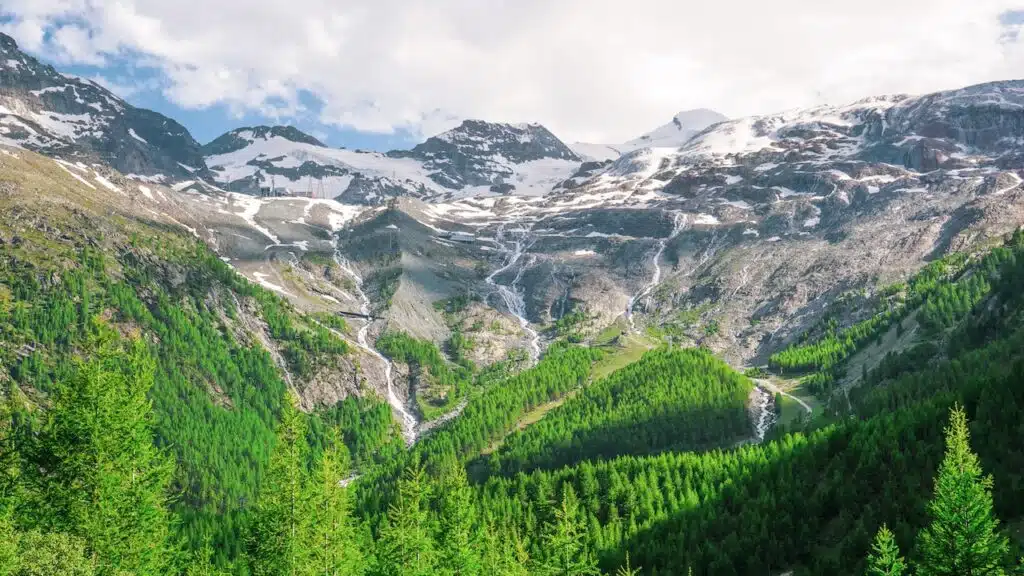
- Stunning views of the Danube, alpine passes, and medieval towns right from your window
- City-center arrivals that drop you within walking distance of the old town
- Flexibility to hop on and off without rigid schedules
- Comfortable onboard amenities including Wi-Fi, dining cars, and power outlets on most long-distance services
Why Train Travel Works So Well in Eastern & Central Europe
The dense rail networks crisscrossing central europe date back to the 19th-century Habsburg Empire and later communist-era investments in infrastructure. This legacy means that today’s travelers benefit from well-maintained lines connecting major cities with remarkable frequency.
Routes like Prague–Vienna, Vienna–Budapest, Budapest–Bratislava, Warsaw–Krakow, and Ljubljana–Zagreb have direct, frequent trains—often departing every 1–2 hours during daytime. You rarely need to plan more than a day ahead for most connections, and the journey itself becomes part of the experience.
- Onboard comfort: Reserved seating on EuroCity and Railjet services, Wi-Fi and power sockets on most Czech, Austrian, and Hungarian long-distance trains, and restaurant or bistro cars on many international routes
- Affordable fares: Budapest–Bratislava from about €10–15 when pre-booked, Prague–Vienna from around €19–29 on advance offers in second class
- Modern station hubs: Wien Hauptbahnhof, Praha hlavní nádraží, and Warszawa Centralna feature luggage storage, supermarkets, and cafés, making transfers simple
- Language accessibility: Ticket machines and most booking sites offer English, and train staff on international services usually speak at least basic English or German
- European trains efficiency: Unlike budget airlines, there are no hidden fees for luggage, no 90-minute check-in windows, and no distant airports requiring shuttle transfers
Train Options and Classes: What to Expect Onboard
Traveling through eastern europe by train is as much about the journey as the destination, thanks to the variety of train options and classes available across the region. Whether you’re gliding along the danube river between Budapest and Vienna or winding through the cobblestone streets of Prague’s old town, european trains offer comfort and flexibility for every type of traveler.
Most major cities in eastern european countries are linked by frequent, modern trains with both second class and first class options. In second class, you’ll find spacious, comfortable seats—often in open-plan carriages or classic compartments—perfect for relaxing as you watch castle-dotted hills and historic towns roll by. First class takes the experience up a notch, with wider seats, extra legroom, and a quieter atmosphere. Some routes even offer private compartments or deluxe sleeper cabins, reminiscent of the golden age of rail travel on the Orient Express, ideal for those seeking a truly wonderful trip.
Onboard amenities are designed to make your journey enjoyable and productive. Many high speed trains, like Austria’s Railjet, feature complimentary Wi-Fi, power outlets at every seat, air conditioning, and well-stocked bistro or dining cars. Whether you’re catching up on emails, planning your next stop, or simply gazing out at stunning views of the castle district or the river danube, train travel in this part of europe is both practical and inspiring.
Exploring multiple countries is easy with the region’s extensive rail networks. From the prague castle in the czech republic’s capital to the historic heart of Budapest and the elegant boulevards of Vienna, european trains deliver you right to the city centre—often just steps from the old town or main town square. It’s the perfect way to immerse yourself in the rich history and vibrant culture of each destination, without the hassle of airports or long road transfers.
Booking your journey is straightforward. You can book tickets online in advance, often choosing between mobile tickets for convenience or traditional paper tickets as a backup. For those planning to visit several countries, a eurail pass or other rail passes can offer a better deal and the freedom to hop on and off as you please.
No matter which class you choose, traveling europe by train is a seamless way to explore beautiful places, from the cobbled streets of Krakow to the panoramic views atop Buda Castle. With frequent departures, modern amenities, and easy connections between major cities, your rail adventure through eastern europe promises to be a highlight of your trip—filled with history, comfort, and unforgettable scenery.
Classic 7–10 Day Eastern Europe by Train Itinerary
This is a realistic route linking Budapest, Bratislava, Vienna, Ljubljana, and Zagreb—inspired by popular one-week itineraries across the region. The trip works well for travelers with 7 days, allowing 1–2 nights in each city, or can be extended to 10 days by adding extra nights or day trips.
For this shorter journey, point-to-point tickets bought 3–8 weeks ahead on national rail sites (MÁV for Hungary, ÖBB for Austria, Slovenske železnice for Slovenia) typically offer the best value compared to a rail pass.
Approximate travel times between each city:
- Budapest → Bratislava: ~2h25 by EuroCity
- Bratislava → Vienna: ~1h by Regional Express
- Vienna → Ljubljana: ~6h via the Semmering Railway
- Ljubljana → Zagreb: ~2h10 by EuroCity
Days 1–2: Budapest – Thermal Baths & Danube Views
Budapest makes an excellent starting point thanks to good flight connections and its central location within the region. Whether you arrive at Budapest Ferenc Liszt Airport or by rail from Western Europe, you’ll find the city ready to reward your visit with a mix of grand architecture, thermal waters, and spirited nightlife.
Consider staying 2 nights near the river danube in Pest—around Deák Ferenc tér or Kálvin tér—for easy access to metro lines and evening walks along the illuminated riverbanks.
Must-see attractions in Budapest:
- Buda Castle and Fisherman’s Bastion: Cross the Chain Bridge or take the funicular up Castle Hill for panoramic views over the city and the danube river. Fisherman’s Bastion is a scenic terrace and a must-visit attraction, especially at sunset, offering some of the best panoramic photo opportunities overlooking the Danube and Buda. The site is also historically significant as part of the Budapest cityscape. The matthias church sits nearby with its colorful tiled roof.
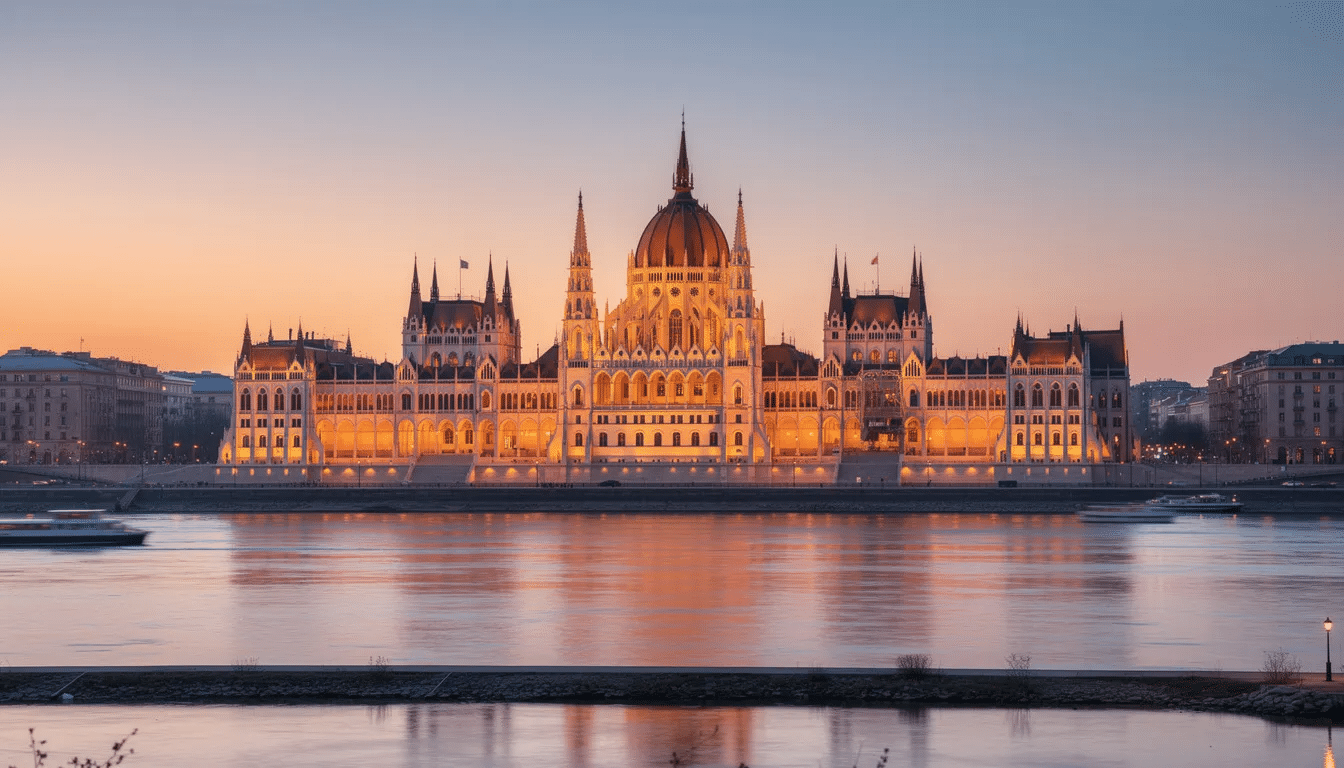
- Hungarian Parliament Building: Book timed tickets in advance for a tour of this neo-Gothic masterpiece
- Thermal baths: Soak in the art nouveau splendor of Gellért or the sprawling outdoor pools of Széchenyi—both offer a quintessentially Budapest experience
- Ruin bars and the Jewish Quarter: Spend an evening exploring Szimpla Kert and the surrounding cobblestone streets filled with quirky bars and street art
- Sunset Danube cruise: Watch the city light up from the water as you drift past Parliament and the Royal Palace
Getting around is straightforward using Budapest’s integrated public transport. Trams 2 and 4/6 run along the Danube and ring road respectively, while metro lines M1–M4 connect the train station hubs. Both Keleti and Nyugati railway stations are accessible via metro.
Day 3: Budapest to Bratislava by EuroCity Train
The journey from Budapest to Bratislava typically runs on EuroCity trains departing from Budapest Nyugati or Keleti, arriving at Bratislava hlavná stanica in around 2h20–2h30. Several direct departures run daily, with mid-morning and early afternoon options working well for travelers who want to maximize their time.
- Example departures: Trains around 7:30, 11:30, and 15:30 offer convenient options
- Ticket prices: Advance fares from around €10–15; last-minute purchases closer to €20–25
- Scenery: Flat Danube plain with small Hungarian and Slovak towns rolling past
- Reservations: Optional on many EuroCity trains, but recommended in peak summer
Bratislava’s compact old town makes it ideal for a 1–2 night stay. The train station is about a 20–25 minute walk from the center, or a short bus ride if you’re carrying luggage.
Key sights in Bratislava:
- Bratislava Castle: Perched above the city with stunning views over the river and Austria beyond
- St Martin’s Cathedral: Gothic coronation church with centuries of royal history
- Blue Church of St Elizabeth: An art nouveau gem worth a short detour
- UFO Bridge observation deck: Panoramic view from the SNP Bridge’s flying-saucer-shaped tower
- Town square and narrow streets: The main square features cafés, the Old Town Hall, and easy access to the pedestrianized center
Days 4–5: Bratislava to Vienna – Imperial City in an Hour
The hop from Bratislava to Vienna is almost absurdly easy. Regional Express (REX) trains connect Bratislava hlavná stanica with Wien Hauptbahnhof roughly every hour, with a journey time of about 60 minutes. No reservation required—just buy a ticket and go.
- Typical fare: Under €15 one-way from ÖBB or ZSSK
- Booking: Same-day purchase from station machines works fine
- Two cities, one hour: This makes Vienna an effortless addition to any eastern europe itinerary
Two nights in Vienna allow you to explore without rushing: one full day for central sights and another for the Schönbrunn area or museum-hopping.
Central Vienna highlights:
- Ringstrasse: Walk or take the tram past the Parliament, Vienna State Opera, and grand museums
- St Stephen’s Cathedral: Climb the tower for views over the city’s rooftops
- Hofburg Palace: The imperial complex includes the Spanish Riding School, Sisi Museum, and Imperial Apartments
- Traditional coffee houses: Indulge in Sachertorte or Apfelstrudel in wood-paneled surroundings
Schönbrunn Palace and gardens deserve a half-day trip via the U4 metro. Wander the formal gardens, climb to the Gloriette for a panoramic view, and tour the lavish state rooms where the Habsburgs once held court.
Wien Hauptbahnhof is Vienna’s main hub for onward trains to Ljubljana, Venice, Budapest, Prague, and more. Hotels near the station or along the U1 metro line offer easy access for early departures.
Day 6: Vienna to Ljubljana via the Semmering Railway
The direct EuroCity “Emona” or similar long-distance trains typically run Vienna–Ljubljana in about 5.5–6 hours. What makes this journey special is the crossing of the unesco world heritage site Semmering Railway—one of Europe’s first mountain railways, built in the 1850s with 16 viaducts and 15 tunnels.
- Scenery: Alpine curves, forested slopes, and stone viaducts—especially beautiful in autumn when the leaves turn or in winter under fresh snow
- Booking: Advance tickets from ÖBB offer excellent value on specific departures; at least one direct daily service runs, with options including a change in Villach
- Make it a travel day: Bring a picnic, a book, or downloaded entertainment; request a window seat on the mountain side if possible
Plan for 1–2 nights in Ljubljana, staying near the pedestrianized old town or along the Ljubljanica River for easy walking access to everything.
Ljubljana highlights:
- Ljubljana Castle: Take the funicular up for views over the terracotta rooftops and Julian Alps beyond
- Triple Bridge and Prešeren Square: The heart of the city, perfect for people-watching
- Riverside cafés: The Ljubljanica’s banks are lined with outdoor seating and beautiful places to linger
- Metelkova: A former military barracks turned autonomous cultural zone with street art and nightlife
Day 7: Lake Bled Day Trip from Ljubljana
Lake Bled is an easy day trip by train from Ljubljana to Lesce–Bled station, taking approximately 40–50 minutes on regional or IC trains. From the station, a short local bus or taxi brings you to the lakeshore.
How to spend your day at Bled:
- Lakeside walk: The 6 km path around the lake takes about 90 minutes at a leisurely pace
- Bled Island: Rent a rowing boat or take a traditional pletna boat to reach the island’s Church of the Assumption, where you can ring the wishing bell
- Bled Castle: Perched on a cliff above the lake, offering stunning views down to the emerald waters and the Julian Alps beyond
- Kremšnita: The famous Bled cream cake—vanilla custard and whipped cream between layers of puff pastry—is essential before catching your return train
Seasonal options: Swimming and hiking in summer, ice-skating and snowy views in winter (December–February) if conditions allow.
Trains run at least every couple of hours, and tickets can be bought locally without advance booking. Plan to return to Ljubljana by late afternoon or evening.
Day 8: Ljubljana to Zagreb – Gateway to the Balkans
EuroCity or regional trains connect Ljubljana and Zagreb Glavni kolodvor in roughly 2h10–2h30, usually with one or two direct departures daily. This is an international border crossing (Schengen to non-Schengen), so passport checks may occur on the train or at border stops. Keep your ID handy and allow for slight delays.
- Typical fares: Book via Slovenske železnice or HŽPP (Croatian Railways); same-day purchase usually works outside high summer
- Zagreb’s layout: The city splits between Upper Town (Gornji Grad) and Lower Town (Donji Grad)
Upper Town sights:
- St Mark’s Church: Famous for its colorful tiled roof displaying Croatian coats of arms
- Lotrščak Tower: Climb for views and catch the daily cannon firing at noon
- Museum of Broken Relationships: A quirky, moving collection of personal mementos from failed loves
- Strossmayer Promenade: Shaded walkway with panoramic views over the city
Lower Town attractions:
- Tkalčićeva Street: Lined with cafés and bars in a former stream bed
- Dolac market: The “Belly of Zagreb” sells fresh produce, cheese, and local specialties
- Esplanade Zagreb Hotel: A historic railway landmark originally built to welcome orient express passengers arriving from Paris and Venice
With extra time, day trips by bus (not train) to Plitvice Lakes can extend your Croatian experience beyond rail.
Extended 10–14 Day Loop: Adding Prague, Krakow & Warsaw
Travelers with 10–14 days can build on the core itinerary by starting further north in Prague or Krakow and looping south to Budapest and beyond. This extension adds more WWII and Cold War history—places like Auschwitz-Birkenau near Krakow and the Warsaw Uprising Museum—while keeping everything reachable by daytime european trains.
Two suggested variants:
- Prague → Vienna → Budapest → Bratislava → Krakow → Warsaw
- Krakow → Warsaw → Budapest → Vienna → Prague (depending on flight deals)
Key travel times for added legs:
- Prague–Vienna: ~4 hours by Railjet
- Budapest–Krakow: ~7–8 hours with a change, or overnight options
- Krakow–Warsaw: ~2h30 by high speed Pendolino
Prague: Medieval Charm & Easy Rail Connections
Prague is a natural start or end point thanks to good air links and direct trains to Vienna, Budapest, Berlin, and Warsaw. Arrival at Praha hlavní nádraží puts you within walking distance of Wenceslas Square and a short tram or metro ride from the old town.
Headline attractions:
- Old Town Square: The Astronomical Clock draws crowds on the hour; arrive early to beat them
- Charles Bridge: Cross at sunrise or sunset for the best light and fewest tourists on its cobbled streets
- Prague Castle and St Vitus Cathedral: The largest ancient castle complex in the world, Prague Castle stands as a significant symbol of the Czech Republic’s capital. Its historical importance is unmatched, and from its ramparts, you’ll enjoy sweeping panoramic views over Prague’s red rooftops and the Vltava River—this is Czech Republic’s capital at its most majestic.
- Jewish Quarter (Josefov): Synagogues, the Old Jewish Cemetery, and the haunting legacy of Prague’s Jewish community
Allow 2–3 nights to explore without rushing, including time to wander lesser-known neighborhoods like Vinohrady or Letná with their beer gardens and local feel.
Direct Railjet services link Prague–Vienna in about 4 hours and Prague–Budapest in about 7 hours, with onboard Wi-Fi and a bistro car.
Krakow: Old Town, Jewish Quarter & Salt Mines
Krakow is one of Eastern Europe’s best-preserved medieval cities, reachable by train from Budapest (via Bratislava or Vienna) or from Prague (via Bohumín/Ostrava). The city rewards visitors with centuries of Polish history, vibrant nightlife, and easy access to sobering historical sites.
Must-see areas:
- Main Market Square (Rynek Główny): One of Europe’s largest medieval town squares, surrounded by cafés and the cloth hall
- St Mary’s Basilica: Listen for the hourly trumpet call (hejnał) from the tower
- Wawel Royal Castle and Cathedral: The seat of Polish kings, with royal tombs and stunning Renaissance architecture
- Kazimierz (Jewish Quarter): Synagogues, street art, and some of the city’s best bars and restaurants
Day trips from Krakow:
- Auschwitz-Birkenau: Sobering and essential; book a guided tour in advance
- Wieliczka Salt Mine: A unesco world heritage site with underground chapels, lakes, and sculptures carved from salt—the wieliczka salt chambers are extraordinary
Trains between Krakow Główny and Warsaw Centralna take around 2h20–2h40 on modern EIP Pendolino or IC trains. Plan for 2–3 nights in Krakow to balance city sightseeing and day trips.
Warsaw: Rebuilt Capital with Fast Rail Links
Warsaw presents a fascinating contrast between its meticulously rebuilt old town and the modern high-rises around Rondo ONZ and the Vistula riverfront. The city was largely destroyed in WWII and painstakingly reconstructed, earning its Old Town UNESCO status as a testament to cultural resilience.
Main sights:
- Old Town Market Square: Colorful townhouses surrounding a vibrant central plaza
- Royal Route: Walk from the Royal Castle to Łazienki Park past palaces and churches
- POLIN Museum of the History of Polish Jews: One of Europe’s best museums, housed in a striking contemporary building
- Warsaw Uprising Museum: Immersive exhibits on the 1944 uprising against Nazi occupation
- Łazienki Park: The Palace on the Isle and free summer Chopin concerts by the monument
Warsaw Centralna is the primary hub for high speed trains to Krakow, Gdansk (around 2h40–3h), and Berlin (around 5h30 with connections). Two nights give you enough time to appreciate the city’s museums and neighborhoods, especially for visitors interested in 20th-century history.
Warsaw can serve as a northern anchor for your trip, with a final flight home or further train connections toward the Baltics.
Tickets, Rail Passes & How to Book
Two main strategies exist for booking your journey: buy individual advance tickets (cheapest but less flexible) or use a rail pass like Eurail or Interrail (more flexible, flat cost). The right choice depends on your itinerary length and how spontaneous you want to be. Note that ‘other tickets’ purchased on the day of travel at the station are usually more expensive and less convenient than advance booking.
For a 1-week trip (Budapest–Ljubljana–Zagreb or Budapest–Vienna–Prague), advance point-to-point fares bought 1–3 months ahead are usually cheapest. You’ll lock in specific trains, but the savings can be significant.
For 10–14 day multi-country itineraries with many longer hops, a eurail pass or Interrail Global Pass (e.g., 4, 5, or 7 days of travel within 1 month) can be cost-effective, particularly for youth and seniors.
Ballpark comparisons:
| Option | Approximate Cost | Best For |
|---|---|---|
| Adult 2nd class Global Pass (4 travel days in 1 month) | €220–250 | Flexibility, multiple long journeys |
| Sum of advance tickets for classic 7-day route | €80–150 | Fixed plans, budget optimization |
| First class upgrade | +40–60% over second class | Extra comfort, quieter carriages |
Where to book: Use national rail sites for best fares and fewer booking fees:
- Austria: oebb.at
- Czechia: cd.cz
- Hungary: mavcsoport.hu
- Slovakia: zssk.sk
- Poland: pkp.pl / intercity.pl
- Slovenia: sz.si
- Croatia: hzpp.hr
You can check local rail websites like ÖBB (Austria), MÁV (Hungary), and České dráhy (Czech Republic) for booking.
You can book tickets for European trains with Omio or The Trainline, but Hungarian Railways must be booked directly for travel in Hungary.
Aggregator platforms like Omio or Trainline provide convenience and mobile tickets but typically add a small commission. Use them as backup rather than your primary booking method.
Individual Tickets vs. Rail Passes
Individual tickets offer the lowest possible price when booked early—sometimes 50–70% off walk-up fares. The tradeoff is limited flexibility: you’re locked into a fixed train and date, change fees apply, and promotional fares are typically non-refundable. This works well when you have firm plans and can commit to specific departures.
Rail passes cover most regular trains across multiple countries but may still require seat reservations on specific services (some Railjet, EuroCity, and night trains), usually at €3–10 per segment. The pass itself provides freedom to choose departure days spontaneously—valuable if you might extend a stay or change plans mid-trip.
Example calculation for the classic route:
- Budapest–Bratislava advance: ~€12
- Bratislava–Vienna: ~€12
- Vienna–Ljubljana advance: ~€29
- Ljubljana–Zagreb: ~€15
- Total: ~€68–80
A 4-day Global Pass at €220+ only makes sense if you’re adding significantly more travel. For this specific route, individual tickets offer a better deal. Add Prague, Krakow, and Warsaw to your journey, and the pass calculation shifts in its favor.
Recommendation: Passes work best for travelers who value spontaneity or plan several longer international journeys within one month.
Where & When to Book Your Trains
Most Eastern and Central European railways release the cheapest advance fares about 60–90 days before departure, though timing varies by operator. Czech Railways often opens bookings 60 days out, while ÖBB may offer tickets up to 180 days ahead for certain routes.
Booking priorities:
- Book early: Longer cross-border routes (Vienna–Ljubljana, Budapest–Prague, Prague–Krakow, Krakow–Budapest)
- Leave flexible: Short hops like Budapest–Bratislava or Bratislava–Vienna where many trains run daily
Practical tips:
- Mobile tickets (PDF or app-based) are widely accepted across the region; printouts are optional but reassuring if your phone dies
- At smaller stations in rural areas of Slovenia or Croatia, ticket offices may have limited hours—buy return or onward tickets at larger hubs when possible
- Book tickets for specific trains when required; some routes allow open tickets valid for any departure on a given day
Practical Train Tips for Eastern Europe
First-time rail travelers in the region will find the experience straightforward, but a few practical considerations help ensure a smooth journey.
Reservations:
- On many regional and some EuroCity trains, seat reservations are optional
- On certain Railjet, high-demand EuroCity, and night trains, reservations are compulsory—even with a rail pass
- Reservation fees typically run €3–10 per segment
Luggage:
- Most trains have overhead racks and luggage shelves at carriage ends
- No formal weight limits exist, but you carry your own bags on and off
- Keep valuables with you rather than in end-of-car storage areas
Safety:
- Trains are generally very safe throughout the region
- Exercise common-sense precautions in busy stations (Budapest, Prague, Warsaw)—watch your bags and be aware of your surroundings
- On night trains, lock compartment doors where possible
Onboard comfort kit for longer journeys:
- Snacks and water (dining cars exist on some but not all international services)
- Light sweater or layer (air conditioning can be aggressive)
- Offline entertainment and a power bank
- Neck pillow for the 6+ hour legs
Ticket validation: Unlike some Western European countries where you must stamp tickets before boarding, e-tickets in Austria, Hungary, and Czechia are typically tied to a specific train and don’t need stamping. Paper tickets bought at stations may need validation—when in doubt, ask at the ticket window.
Night trains: Some routes, like Budapest–Krakow or Budapest–Warsaw, offer overnight options with sleepers and couchettes. Timetables change seasonally, so check current schedules on the national rail sites. Night travel can save a hotel night and maximize your time in each city.
Best Seasons & Crowds
Spring (April–May) and Autumn (September–October): Ideal for fewer crowds and milder temperatures. Many trains run near-full capacity, but you won’t fight for seats the way you might in summer.
Summer (June–August): Busiest period on scenic routes like the Semmering and coastal links toward Croatia. Reservations become more important, and booking key legs 4–6 weeks ahead is wise.
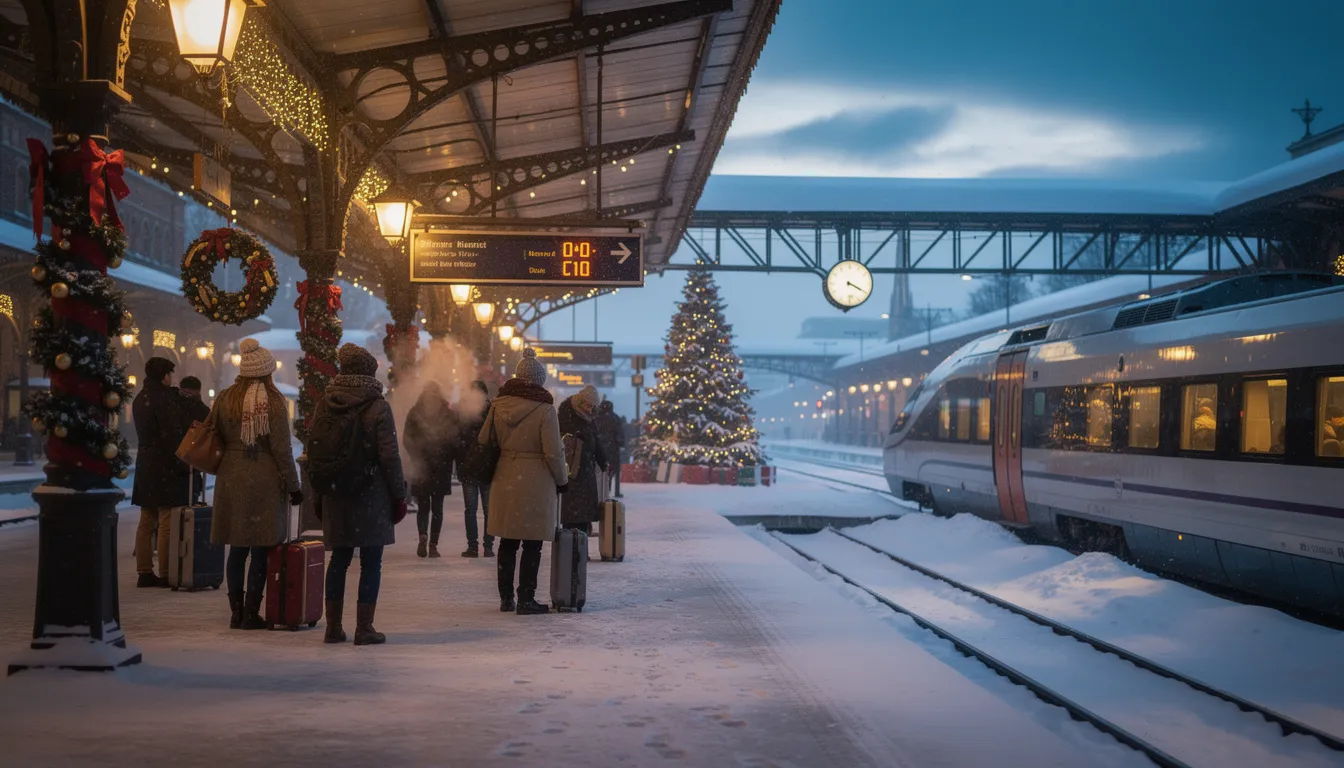
Winter (December–February): Rewarding for Christmas markets in Vienna, Prague, Budapest, and Krakow. Snowy landscapes on mountain sections add magic to the journey. Some connections may run slightly less frequently.
Holiday timetables: Around Christmas, New Year, and Easter, service patterns can change with reduced schedules on certain days. Check official sites in advance if your trip spans these periods.
Putting It All Together: Planning Your Eastern Europe Rail Adventure
The wonderful trip through eastern europe by train that awaits you is easier to plan than you might think. Start by choosing a hub—Budapest, Prague, or Warsaw all make excellent launching points—then string together 4–6 cities based on your interests and available time.
Sketch out journey times first using the estimates in this guide, then decide whether to rely on advance tickets or a pass. For a 7-day route, individual tickets almost always win on price. Stretch to 10–14 days with multiple countries, and a pass starts earning its keep. Either way, book key cross-border legs a few weeks ahead, especially in summer.
Eastern europe by train is practical even for first-time visitors. The services are reliable, booking is straightforward once you know the national sites, and options range from 7-day tasters to 2-week deep dives through history and stunning views. Vacation packages are also available for those seeking all-inclusive travel experiences, including accommodations, transportation, and guided tours across Eastern Europe. Consider adding famous landmarks like Bran Castle, a historic fortress in Transylvania now a museum and renowned for its association with Dracula, to your itinerary—it’s accessible by train and a highlight for many travelers.
There’s a moment on nearly every rail journey through this region—maybe it’s watching sunset over the Danube as your train glides toward Vienna, or arriving at a lit-up old town square after an easy connection from a neighboring country—when you realize why europe by train remains the best way to travel here. The cities come to you. The landscapes unfold outside your window. And somewhere between the thermal baths of Budapest and the cobbled streets of Prague, the journey becomes as memorable as the destinations themselves.
Your final morning might find you watching the spires of a medieval city recede through the rear window of a Railjet, already planning your return. That’s the magic of rail travel in this part of the world—it makes you want to come back for more. Keep in mind, though, that traveling by train in Eastern Europe is often less predictable than in Western Europe, with varying standards of speed and infrastructure. In some countries, like Romania, trains can be slow, so careful schedule planning is essential.