
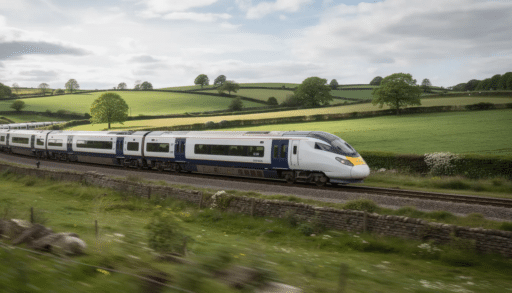
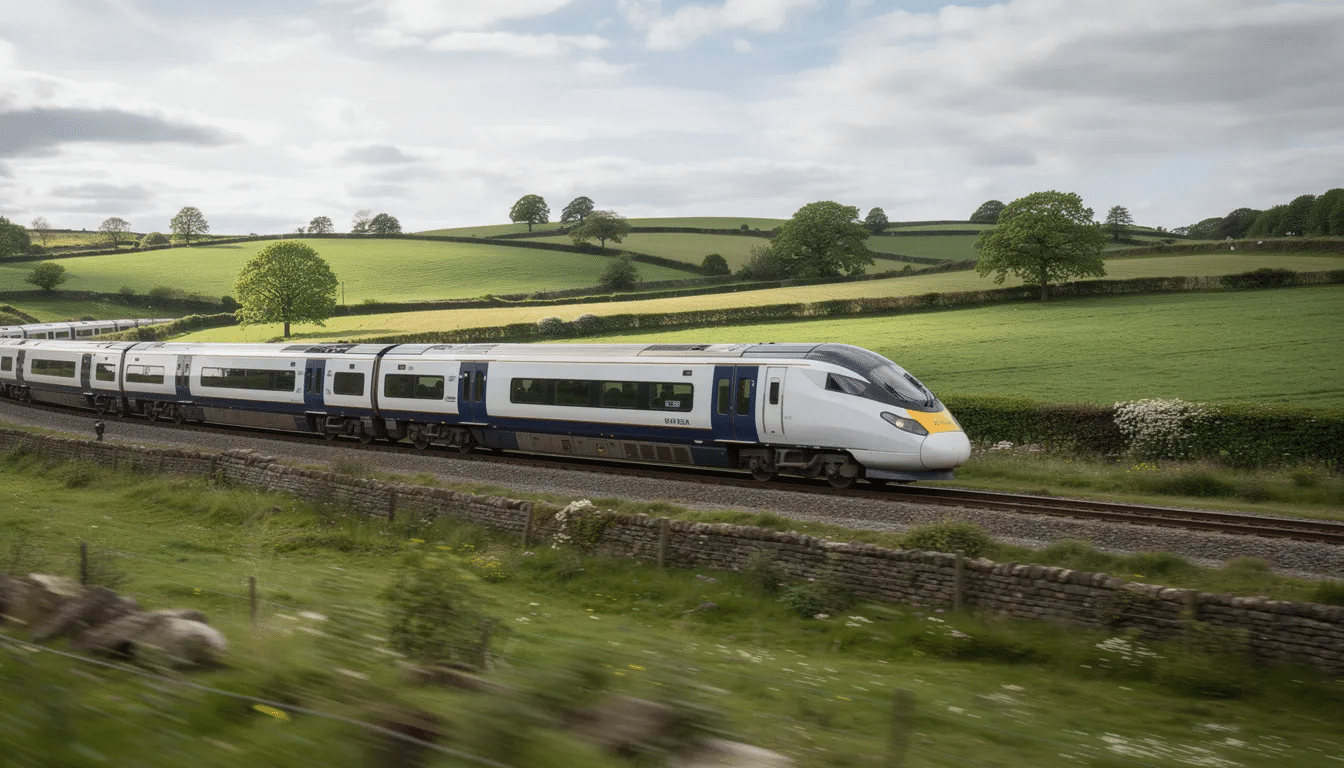
Planning a trip to Britain and wondering how to get around without breaking the bank or spending hours figuring out train tickets? The BritRail Pass might be exactly what you need. This comprehensive guide covers everything international visitors need to know about this rail pass, from where it works to how to squeeze maximum value from every travel day.
This guide is for international visitors planning to explore Britain by train. BritRail passes are exclusively for non-UK residents, making them the perfect solution for tourists who want to travel freely and flexibly across England, Scotland, and Wales. The BritRail Pass is relevant for international travelers because it offers unlimited train travel on most National Rail services, allowing you to explore the country without the hassle of buying individual tickets for each journey.
Whether you’re dreaming of day trips from London to ancient Bath, chasing castles in Wales, or riding scenic routes through the Scottish Highlands, understanding how BritRail works will help you plan smarter and travel with confidence.
Introduction to Train Travel in Great Britain
Train travel in Great Britain is a fantastic way to experience the country’s diverse landscapes, historic cities, and charming towns. The extensive National Rail network connects England, Scotland, and Wales, making it easy for international visitors to explore at their own pace. For non-UK residents, the BritRail pass offers great value and unbeatable flexibility, providing unlimited train travel on most trains, including popular services like Avanti West Coast, without restrictions during peak hours.
With a BritRail pass, you can choose between standard class and first class for your journeys, and enjoy the convenience of either a traditional paper pass or a mobile pass on your smartphone. Seat reservations are available on many trains, allowing you to secure your spot in advance, especially on busy routes or during peak travel times. Whether you’re planning to visit iconic destinations or embark on spontaneous day trips, the BritRail pass is your all-access ticket to the best of Britain’s rail travel. It’s designed exclusively for non-UK residents, making it the perfect choice for international visitors who want to make the most of their time in Great Britain.
Quick Answer: What is a BritRail Pass?
A BritRail Pass is a special rail pass designed exclusively for international visitors to Great Britain. It allows non UK residents to enjoy unlimited train travel on all National Rail services in Great Britain on the National Rail network.
Here’s the basics at a glance:
- It provides unlimited travel on all National Rail services throughout Great Britain on valid days
- It works like a flexible ticket—simply present your pass instead of buying individual train tickets for each journey
- Available in both continuous and flexi pass formats to match different trip styles. BritRail passes are offered as a mobile M-Pass (digital pass) or a paper pass, with the M-Pass providing added convenience for travelers as it can be activated via an email link and used directly on your mobile device.
- The BritRail Pass must be purchased before arriving in the UK (you cannot buy one inside Britain)
- Designed specifically for tourists—UK residents are not eligible
Think of it as your all-access ticket to Britain’s railways. Instead of queuing at the ticket office for each trip or trying to snag advance tickets weeks ahead, you simply board the train and show your pass to the ticket inspector when asked.
Where You Can Use a BritRail Pass
The BritRail Pass covers the vast majority of train services operated under the National Rail banner across England, Wales, and Scotland. That said, it helps to understand exactly which services are included before planning your journey.
Valid on National Rail services including:
- Avanti West Coast (London to Manchester, Liverpool, Glasgow)
- LNER (London to York, Newcastle, Edinburgh)
- GWR (London to Bristol, Bath, Cardiff, Exeter, Penzance)
- CrossCountry (Birmingham to Edinburgh, Manchester to Bristol)
- TransPennine Express (Manchester to Newcastle, Leeds to Edinburgh)
- ScotRail (services throughout Scotland)
- Transport for Wales (Cardiff to Swansea, Shrewsbury, Holyhead)
- Northern (regional services across northern England)
- South West trains (London Waterloo to Southampton, Bournemouth, Exeter)
Popular routes covered include:
- London to Edinburgh (4.5 hours on LNER)
- London to Bath (1.5 hours on GWR)
- Manchester to Liverpool (45 minutes)
- Cardiff to Swansea (1 hour)
- Glasgow to Inverness (3.5 hours via ScotRail)
- London to York (2 hours)
The pass also covers airport express services:
- Heathrow Express
- Gatwick Express
- Stansted Express
Within cities, BritRail is valid on many urban National Rail services such as:
- London Overground
- Thameslink
- Suburban commuter trains
These can be useful for reaching destinations like Greenwich or Richmond without additional payment.
Where a BritRail Pass Is Not Valid
Knowing what’s excluded saves you from unexpected costs and awkward conversations with train staff. Keep this checklist handy when planning.
Not valid on:
- London Underground (the Tube), DLR, London buses, and trams—use an Oyster Card or contactless payment instead
- City metros and trams elsewhere: Manchester Metrolink, Glasgow Subway, Tyne and Wear Metro, Edinburgh Trams, Sheffield Supertram
- Services in Northern Ireland (NI Railways operates separately)
- Republic of Ireland railways (Irish Rail/Iarnród Éireann)
- Eurostar trains to Paris, Brussels, Amsterdam, and other European destinations—these require separate booking
- Private heritage railways and tourist steam trains (unless specifically stated)
- Channel ferries and airport buses
Concrete example: If you’re planning to visit Paris from London, you’ll need to book Eurostar separately. The BritRail Pass gets you to St Pancras International station in central London, but the moment you board that train through the Channel Tunnel, you need a different ticket entirely.
Similarly, once you arrive at any London terminus, switching to the Tube means tapping in with an Oyster Card or contactless card—your BritRail Pass won’t get you through the ticket barrier.
Who Can Buy and Use a BritRail Pass?
BritRail exists specifically as a product for international visitors exploring Britain. The eligibility rules are straightforward but strictly enforced.
You CAN buy a BritRail Pass if you:
- Are a resident of any country outside the United Kingdom
- Hold a passport or ID from a non-UK country
- Are visiting Britain as a tourist, for business, or on a short-term visa
You CANNOT buy a BritRail Pass if you:
- Are a resident of England, Scotland, Wales, or Northern Ireland
- Hold a UK passport (regardless of where you currently live)
When using your pass, be prepared to show proof of non-UK residency. A ticket inspector may ask to see your passport alongside your pass, particularly on longer intercity routes. Your passport stamp or visa showing entry to the UK can serve as verification.
As of 2025, passes must be purchased before entering the UK or, if bought online, before your first travel day in Britain. You cannot purchase one at a train station after arrival.
Age-related discounts:
- Youth passes (typically for travelers aged 16-25) offer reduced prices
- Senior discount passes are available for travelers aged 60 and over
- Children under 5 travel free and don’t need a pass
- One child aged 5-15 can often travel free with each adult passholder on many pass types—additional kids may need their own passes or pay regular prices
Check the specific pass product for current age ranges and family options when purchasing.
Types of BritRail Passes
Different trip styles call for different pass formats. Understanding your options helps you choose the best value for your itinerary.
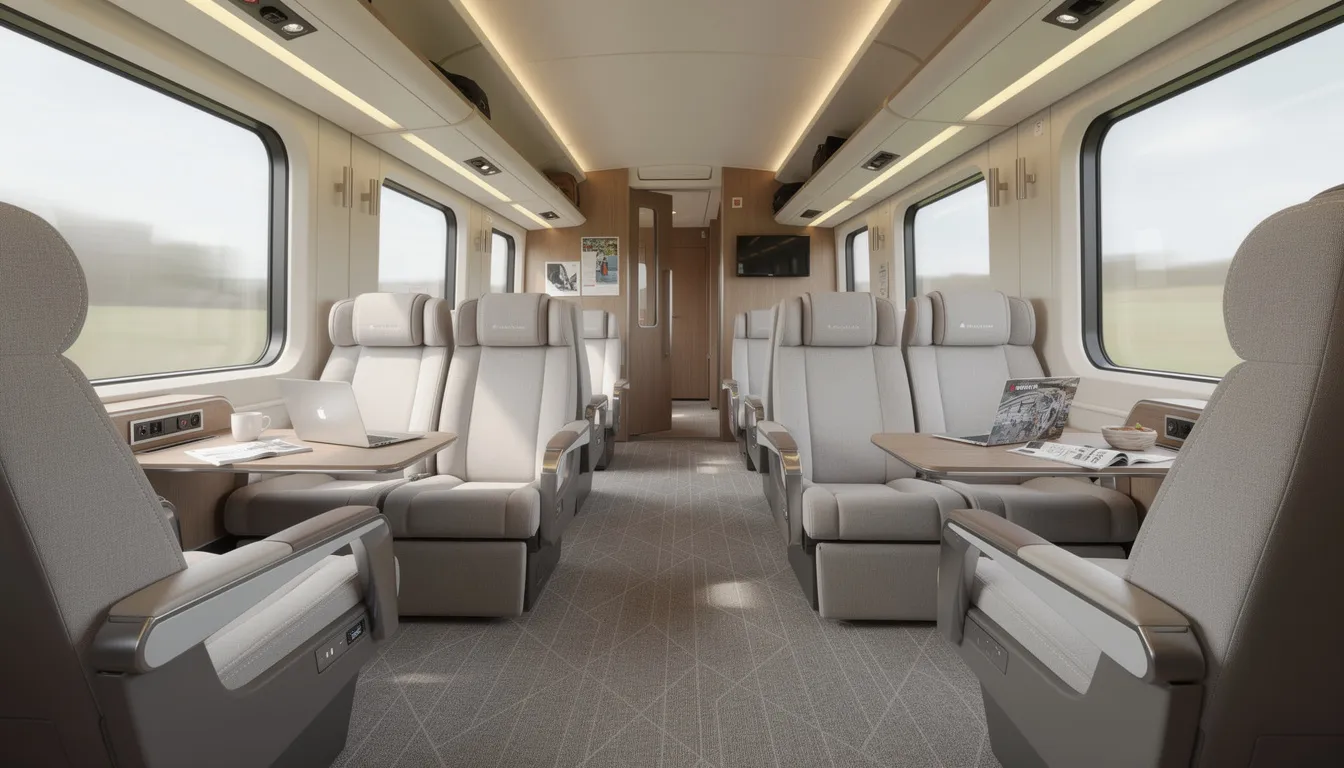
Pass options include the BritRail Great Britain Pass, England Pass, London Plus Pass, and Spirit of Scotland Pass.
Continuous Passes
These provide consecutive days of unlimited travel from your first date of use. Options typically include 3, 4, 8, 15, 22 days, or 1 month of validity. A continuous pass suits intensive travel itineraries where you’re moving between cities almost daily—think a classic London-York-Edinburgh-Glasgow-Lake District-Manchester loop in 8 days.
Flexi Passes
A flexi pass gives you a set number of travel days (such as 2, 3, 4, or 8 days) that can be used within a longer window (usually 1 month). Each travel day you choose to use the pass, you can take unlimited train journeys. This format works brilliantly if you’re planning to stay several nights in each destination and only need rail travel on specific days.
Travel Classes
The Standard Class BritRail Pass covers standard class carriages across most trains—comfortable seating suitable for journeys of any length. First class passes cost more but provide additional space, quieter carriages, and often include perks like complimentary tea, coffee, or newspapers on some train operators. First class is especially worthwhile on long intercity routes like London to Edinburgh where you’ll appreciate the extra legroom.
Regional Pass Variants
Several specialized passes target specific areas:
- BritRail England covers only England, excluding Scotland and Wales—ideal if your trip focuses on destinations like London, Bath, York, and the Lake District
- BritRail London Plus Pass focuses on London and the South East, suitable for day trips to Brighton, Cambridge, Oxford, and Canterbury
- BritRail Spirit of Scotland Pass or Scotland Pass covers Scottish railways for trips centered on Edinburgh, Glasgow, the Highlands, and scenic routes like the West Highland Line
- BritRail Spirit passes combine different regions or focus on particular experiences
BritRail passes are available as a mobile M-Pass (digital pass) or a paper pass. The M-Pass is especially convenient, as it can be activated via an email link and used directly on your smartphone, eliminating the need for physical tickets or visiting a ticket office. Paper passes require activation at a staffed ticket office.
Most BritRail passes can be purchased up to 180 days in advance of your intended first travel day.
How to Activate and Use a BritRail Pass
Activation requirements differ slightly between paper and digital passes, but the core process is simple once you know the steps.
Activating a Paper Pass
Before boarding your first train, take your pass to a staffed ticket office at any major train station. Present your passport and pass together. Staff will validate the pass by stamping or writing your start date and end date on the pass itself. For example: “Validate before boarding your first train from London Paddington on 10 May 2026.”
Once validated, you cannot change the start date, so make sure you’re activating it on the correct day.
Activating a Mobile/Print-at-Home Pass
Digital passes typically require online activation through an app or website before your first journey. You’ll select your first travel day during this process. Complete activation before heading to the platform—you can’t activate while already on the train.
Using Your Pass on Travel Days
On each valid travel day, your pass functions like a ticket:
- Check your train times using the National Rail website or app
- Head to the correct platform at your departure train station
- Board any valid train within your pass coverage and class
- When a ticket inspector passes through, simply present your pass along with your passport
- Store the pass safely—you’ll need it for every journey
For flexi passes, note that each calendar day you travel counts as one of your allotted days, regardless of whether you take one train or ten.
Reservations, Peak Times, and Seat Availability
Owning a pass guarantees you can travel. It doesn’t guarantee you’ll have a seat.
The good news: on most trains in Britain, reservations are not mandatory. Passholders can board any service within their valid area and class without pre-booking. Just find an unreserved seat and settle in.
However, certain routes and situations make reservations wise or even necessary:
When to book seat reservations:
- LNER services on the East Coast Main Line (London to Edinburgh)—especially Friday afternoons and Sunday evenings
- Avanti West Coast between London Euston and Manchester or Glasgow during peak hours
- GWR services to popular destinations like Bath, Bristol, and Cardiff on weekends
- Caledonian Sleeper overnight trains (reservation typically required)
- Bank holiday weekends and major event days (sports finals, festivals)
For BritRail passholders, seat reservations are usually free or very low cost. You can book reservations at station ticket offices, through train operator websites, or via their apps. Some distributors allow you to book seat reservations when purchasing your pass.
Understanding peak times:
BritRail passes are generally valid during peak hours, but that doesn’t mean travel during rush hour is pleasant. Weekday commuter trains between 07:30–09:30 and 16:30–18:30 in and out of London, Manchester, Birmingham, Glasgow, and Edinburgh can be standing-room only.
If flexibility allows, avoid these peak times for a more comfortable journey and better chances of finding seats.
Costs, Value, and When a BritRail Pass Makes Sense
A BritRail Pass can offer great value for the right itinerary—but it’s not automatically the cheapest option for every trip. For travelers with specific routes in mind, point-to-point train tickets are an alternative, allowing you to purchase tickets for individual journeys and plan your travel across Britain with flexibility.
Example comparison (illustrative, based on 2025 fares):
Consider a 7-day itinerary: London → Bath → Cardiff → Manchester → Edinburgh → London
Individual advance tickets bought weeks ahead might total approximately £180-£250 if you secure the cheapest fares. However, these require committing to specific train times and are usually non-refundable.
A 7-day continuous Standard Class BritRail Pass might cost around £300-£350, depending on promotions.
The pass costs more in this scenario—but offers complete flexibility. Miss your train? Catch the next one. Decide to add a spontaneous trip to York? No extra charge. Pass holders also often gain access to 2-for-1 entry offers at over 260 attractions across the UK, adding further value.
When BritRail offers good value:
- You’re taking multiple long-distance journeys (3+ intercity trips)
- Your plans might change and you want flexibility
- You prefer spontaneous travel without pre-booking
- You’re visiting during peak season when advance tickets sell out
- You want simple budgeting with no surprise transport costs
- Small groups can save up to 20% off regular prices with the BritRail Saver Discount
When individual tickets might be cheaper:
- You have fixed plans and can book advance tickets 8-12 weeks ahead
- Your trip involves few train journeys
- You’re mostly staying in one area with short local hops
- You’re comfortable with non-refundable reservations
Quick pros and cons:
Pros:
- Unlimited travel on valid days
- Flexibility to change routes last-minute
- Simplified budgeting
- No need to queue for tickets at every station
- Pass covers airport express services
Cons:
- Higher cost than advance tickets if your plans are fixed
- Ineligibility for UK residents
- Exclusion from some transport types like the London Underground
- Requirement to purchase before entering Britain
Traveling in England with BritRail England
The BritRail England pass is the ideal choice for travelers eager to discover England’s vibrant cities, historic sites, and scenic countryside by train. With this pass, you’ll enjoy unlimited train travel on National Rail services throughout England, including routes operated by South West and other regional train companies. Whether you’re planning to explore London’s world-class attractions, take a journey to Manchester’s lively city center, or relax in the picturesque Lake District, the BritRail England pass gives you the freedom to travel as much as you like.
You can book seat reservations in advance for added comfort, especially on popular routes or during busy periods. The pass is valid on most trains, making it easy to plan day trips to destinations like Stonehenge, Oxford, or even a visit to the iconic Edinburgh Castle via connecting services. With the flexibility to hop on and off trains as you please, the BritRail England pass is a great value option for anyone looking to experience the best of England’s rail travel, from bustling cities to tranquil countryside escapes.
Exploring Wales and Scotland
Wales and Scotland offer some of the most breathtaking scenery and rich cultural experiences in the UK, and the BritRail pass is your key to exploring them with ease. With unlimited train travel on National Rail services, including those operated by ScotRail and Transport for Wales, you can journey to vibrant cities like Cardiff and Glasgow, discover the natural beauty of the Brecon Beacons and the Scottish Highlands, or visit historic sites in Edinburgh and Swansea.
The BritRail pass is valid on many trains connecting England, Wales, and Scotland, making it simple to plan a trip that spans multiple countries. You can take advantage of seat reservations on many services, ensuring a comfortable journey even on scenic routes like the West Highland Line or the North Wales Coast. With the flexibility to plan your itinerary and the convenience of unlimited travel, the BritRail pass is the perfect companion for discovering the unique charm and stunning landscapes of Wales and Scotland.
Planning Your Route with a BritRail Pass
The real joy of a rail pass is freedom. With unlimited travel, you can explore far beyond London’s boundaries with spontaneous ease.

Sample 7-day itinerary: Classic Britain
- Day 1-2: London (explore the city using Oyster Card for Tube travel)
- Day 3: Train to Bath (1.5 hours), explore Roman Baths, overnight
- Day 4: Train to Cardiff (1 hour), visit Cardiff Castle, continue to Manchester (3 hours)
- Day 5: Manchester, day trip to Liverpool (45 minutes each way)
- Day 6: Train to Edinburgh (3.5 hours), explore Edinburgh Castle and Old Town
- Day 7: Return to London (4.5 hours) or continue north
Sample 10-day itinerary: Scotland Focus
- Days 1-2: London
- Day 3: Train to York (2 hours), visit Minster, overnight
- Day 4: Train to Edinburgh (2.5 hours)
- Day 5-6: Edinburgh, including day trip to Glasgow (1 hour)
- Day 7: West Highland Line to Fort William (5 scenic hours)
- Day 8: Fort William, optional extension to Mallaig
- Day 9: Return to Glasgow
- Day 10: Train to London (4.5 hours)
Helpful planning tools:
Use the National Rail website or app to check train times, connections, and platform information. Most main routes between major cities run frequently—trains between London and Manchester depart almost every 20-30 minutes on weekdays, making spontaneous travel straightforward.
Scenic routes worth your time:
- West Highland Line (Glasgow to Fort William and Mallaig)—often ranked among the world’s most beautiful rail journeys
- Cambrian Coast Line (Shrewsbury to Pwllheli through Welsh coastal villages)
- Settle-Carlisle Line (dramatic Yorkshire Dales viaducts)
- North Wales Coast Line (Chester to Holyhead)
All these scenic services are included with your BritRail Pass, turning transport into a highlight rather than just logistics.
Refunds and Exchanges
The BritRail pass offers flexibility not just in travel, but also in its refund and exchange policy. If your plans change or you need a different type of pass—such as switching from a Standard Class BritRail pass to a First Class option—you can request an exchange or a refund, provided your pass has not yet been activated. Refunds and exchanges are subject to certain conditions and may incur fees, so it’s important to review the terms and conditions before purchasing your pass.
To request a refund or exchange, simply contact the ticket office where you purchased your pass or reach out to the train operator’s customer service team. You can also use the pass’s barcode reader to check the status of your pass and confirm its validity. Note that once a pass has been activated or used, refunds are generally not available, so be sure to finalize your travel plans before starting your journey.
Accessibility and Mobility
The BritRail pass is designed to make train travel accessible and convenient for everyone, including travelers with mobility needs. Many trains across the UK offer accessible seating and facilities, and some services feature dedicated wheelchair-accessible carriages. If you require assistance, you can book seat reservations in advance to ensure a suitable seat, and train staff are available to help with boarding and disembarking as needed.
The BritRail pass is valid on trains with accessible routes, such as the popular London to Edinburgh service, which regularly features accessible seating and onboard facilities. You can also use your pass to enjoy scenic journeys like the Settle to Carlisle line, renowned for its stunning views and accessible carriages. With the flexibility to plan your trip and the support of the UK’s comprehensive rail network, the BritRail pass ensures a comfortable and hassle-free journey for all travelers.
Practical Tips and Common Mistakes
Small details make the difference between a smooth trip and frustrating delays. Keep these points in mind.
Carry Your Passport
Always carry your passport. Staff may request proof of non-UK residency alongside your pass. No passport means potential issues—or even being asked to buy a full-price ticket.
Verify Your Train
Verify your train before boarding. Check destination and stopping pattern on platform departure boards. Accidentally boarding a train to a different destination (common with multiple services from one platform) wastes precious time.
First Class vs Standard
Don’t sit in First Class with a Standard pass. If you hold a Standard Class BritRail Pass and sit in first class carriages, you’ll be asked to move or pay a supplement. Carriage classes are clearly marked.
Start Early on Continuous Passes
Start early on continuous passes. Each calendar day counts as a full day of validity. A train at 18:00 uses an entire day just as much as one at 06:00. Maximize value by starting your travel day early.
Check for Engineering Works
Check for engineering works. Weekend engineering works are common on British railways, particularly on major routes. Check National Rail Enquiries a few days before travel. Alternative bus services (called rail replacement buses) are usually provided but take longer.
Arrive Early at London Termini
Arrive with time to spare at London termini. Platforms at stations like King’s Cross, Euston, and Paddington are often announced only 15-20 minutes before departure. Allow time to check the boards and walk to your platform.
Food and Drink Onboard
Food and drink onboard. Most trains allow you to bring snacks and non-messy food. Longer intercity services typically have buffet cars or trolley service, though prices are higher than buying beforehand.
Keep Your Pass Safe
Keep your pass safe. Unlike digital tickets, a lost paper pass is difficult or impossible to replace. Consider travel insurance that covers document loss.
Frequently Asked Questions
This section addresses the questions travelers ask most often.
Can I use a BritRail Pass to travel to Paris or Brussels?
No. Eurostar services to continental Europe are not included. You’ll need to book Eurostar separately. Your BritRail Pass will get you to St Pancras station in London, but you need a Eurostar ticket for the journey through the Channel Tunnel.
Is the BritRail Pass valid on the London Underground?
No. The Tube, DLR, buses, and trams in London require an Oyster Card, contactless payment, or paper Travelcard. You can add pay-as-you-go credit to an Oyster Card at any station and tap through the ticket barrier.
Do children need their own pass?
Children under 5 travel free without a pass. One child aged 5-15 can typically travel free with each adult BritRail passholder, though this varies by pass type. Additional children may need their own passes or tickets at discounted rates. Check your specific pass terms when purchasing.
What happens if I lose my pass?
Replacement is generally not guaranteed for lost or stolen paper passes. Some distributors may offer replacement under specific conditions, but this isn’t standard. Travel insurance that covers document loss is strongly recommended. Keep a photo of your validated pass as backup documentation.
Can I upgrade from Standard to First Class on a specific journey?
Usually yes, space permitting. Speak to onboard staff or visit the ticket office before departure. You’ll pay a supplement for the upgrade on that specific journey. First class upgrades are particularly worthwhile on long routes like London to Edinburgh or London to Penzance.
Can I use BritRail on sleeper trains?
The Caledonian Sleeper (London to Scottish Highlands) accepts BritRail passes, but you must book and pay for a berth or seat reservation separately. The pass covers the transport element; accommodation is extra.
How far in advance should I buy my pass?
You can purchase up to about 11 months ahead. Buying early ensures availability and gives time for delivery if choosing a paper pass. However, prices don’t typically fluctuate like airline tickets, so there’s no major advantage to booking many months early unless you want peace of mind.
A BritRail Pass opens up Great Britain’s railways in a way that makes exploration genuinely spontaneous. You can wake up in London, decide over breakfast to visit the Lake District, and be there by lunchtime—no advance booking stress, no penalty fares for changing plans.
Whether your dream trip involves medieval castles in Wales, whisky distilleries in Scotland, or the literary landscapes of the Cotswolds, rail travel connects it all. Do your research on pass types, map out a rough itinerary, and buy your pass before you fly.
Britain’s railways have been moving people across this island since 1825. With a BritRail Pass in hand, you’re ready to join that journey.
Frequently asked questions
Who can buy a BritRail Pass?
BritRail passes are exclusively for non-UK residents — specifically, residents of any country outside the United Kingdom.
What does a BritRail Pass cover?
It offers unlimited train travel on most National Rail services across England, Scotland, and Wales.
Does a BritRail Pass cover Eurostar?
No. Eurostar trains to Paris, Brussels, Amsterdam, and other European destinations are not covered and require separate booking. The BritRail Pass gets you to St Pancras International station, but the moment you board the Eurostar through the Channel Tunnel, you need a different ticket.
Does a BritRail Pass work on the London Underground?
No. Switching to the London Underground requires tapping in with an Oyster Card or contactless card — the BritRail Pass won't get you through the ticket barrier.
Are private heritage railways and tourist steam trains included in the BritRail Pass?
No. Private heritage railways and tourist steam trains are not included unless specifically stated.