

Train service

České dráhy
České dráhy (ČD) is the Czech national rail operator, offering regional and international train services across Central Europe.
Train tickets

Omio
Omio connects you with over 1,000 transport providers - trains, buses, flights, and more - to simplify your travel planning.

Trainline
Trainline sells rail and coach tickets worldwide on behalf of major UK and European transport companies.

Raileurope
Rail Europe is a leading travel tech company specializing in European train bookings for over 15,000 travel professionals worldwide.
Rail pass validity
When traveling by train from Prague to Budapest, the Interrail Global Pass is valid for residents of the EU, allowing travel through both the Czech Republic and Hungary. The Interrail One Country Pass would not cover a journey from Prague to Budapest, as it only applies to travel within a single country. The Eurail Pass is valid for non-EU residents, allowing them to travel between these two cities.
Getting around
Arriving in Budapest by train, you'll find the city’s local transportation system efficient and easy to navigate. Budapest boasts an extensive metro system with four lines (M1, M2, M3, and M4) that connect major parts of the city. The M1, also known as the Millennium Underground, is the second oldest metro line in the world and runs along Andrássy Avenue. M2 and M3 offer connections across the Pest side, and M4 provides connectivity between the Keleti railway station and the southwest neighborhoods.
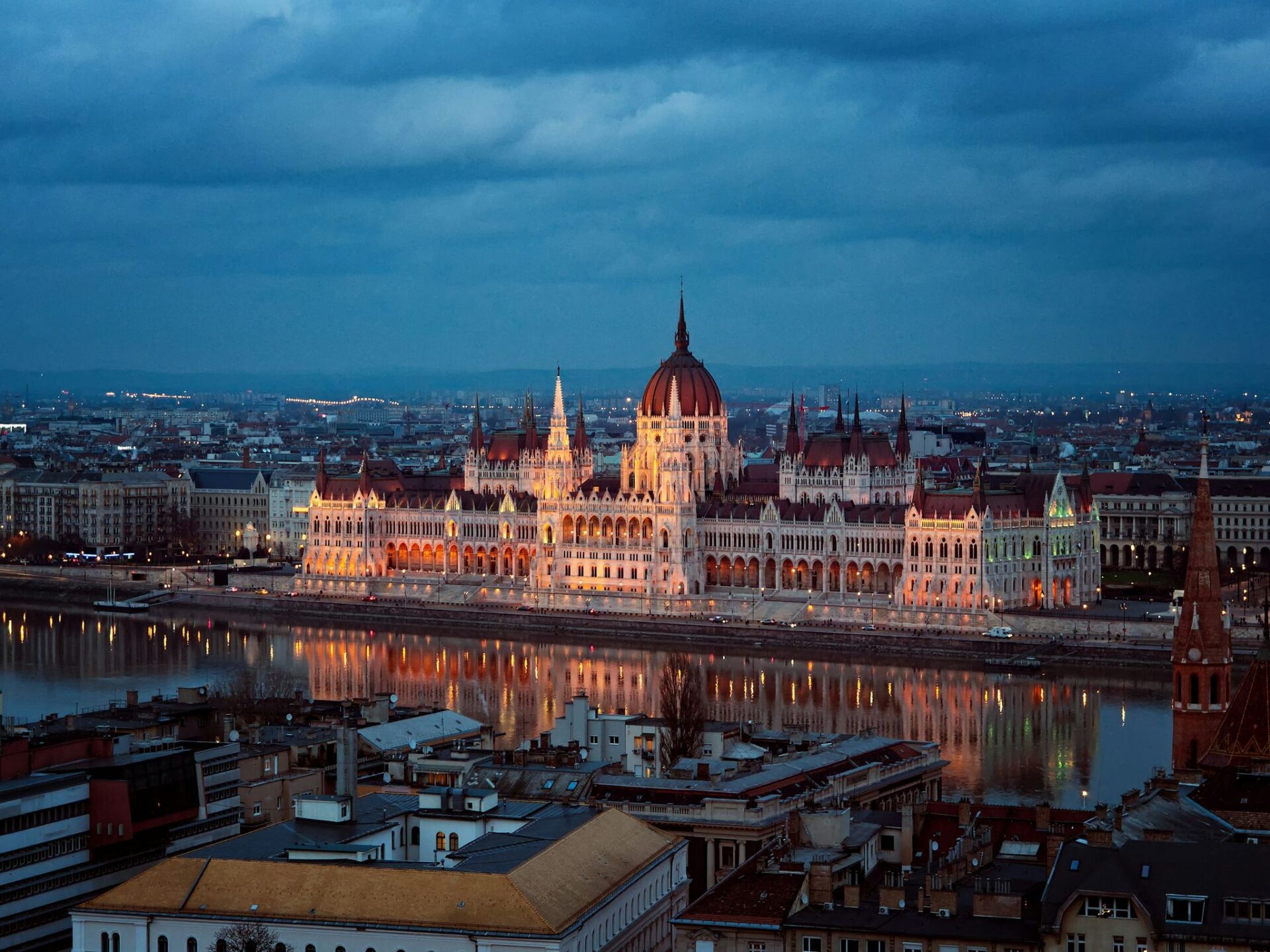
Trams are another popular option. The most scenic routes are Tram 2, which runs along the Danube River on the Pest side, offering views of Buda Castle and the Parliament. Trams 4 and 6 are useful for their frequent service along the Grand Boulevard. The tram network is extensive and connects well with other modes of transport.
Budapest also has a substantial bus network, especially useful for reaching areas not covered by the metro or trams. Night buses are available for late-night travel. Additionally, trolleybuses operate in certain parts of the city, powered by overhead wires.
Taxis are widely available, but it's advisable to book them through reliable companies like City Taxi or Fotaxi to avoid overcharging. Fares are regulated, and taxis can be hailed on the street, found at designated taxi ranks, or booked via phone or app.
Ridesharing services such as Bolt and Uber are not operational in Budapest, but their local alternative, Bolt taxis, offers a similar app-based experience. Ensure you check the fare estimation before confirming your ride.
To access any of these services, purchasing a single ticket or a travel pass, which offers unlimited travel for a set period (24 hours, 72 hours, or a week), is recommended. These passes are efficiently used across all public transport forms and can be easily purchased at metro stations, kiosks, and online.
Onward connections
Budapest serves as a key hub for rail travel, offering efficient domestic and international connections. Domestically, one of the most popular routes is from Budapest to Debrecen, Hungary's second-largest city. The InterCity (IC) trains provide frequent service on this route, offering a comfortable and quick journey. Another important domestic connection is to Lake Balaton, specifically the towns of Siófok and Balatonfüred, accessible via regular regional trains during the summer season.
Internationally, Budapest's main train station, Keleti, offers direct connections to several major European cities. The Railjet service operates between Budapest and Vienna, a journey that takes about 2.5 hours, making it a convenient option for travelers. Budapest is also linked to Prague via direct EuroCity (EC) trains, which provide a scenic and comfortable journey in approximately seven hours. The EuroNight train service connects Budapest with Belgrade, offering an overnight option for travelers. For those heading towards Bucharest, the Dacia Express train offers a direct and overnight service catering to comfort and convenience. Additionally, the EuroCity Avala connects Budapest with Belgrade, providing a day train service.
Overall, Budapest's rail network offers extensive connectivity both within Hungary and to other European destinations, ensuring travelers have a range of options for exploring the region by train.
Best time to visit
The best time to visit Budapest is generally in the spring months of April to June and the fall months of September to October. During these periods, the weather is typically mild and pleasant, with temperatures ranging from 15°C to 25°C (59°F to 77°F), making it perfect for exploring the city comfortably. These months often offer clearer skies and less rainfall than the summer months. Prices for accommodations and attractions are also more reasonable compared to the peak summer season, providing better value for travelers. Moreover, visiting in spring or fall allows you to experience Budapest's vibrant cultural scene without the overwhelming crowds. Key events such as the Budapest Spring Festival in April and the Budapest Wine Festival in September provide enriched cultural activities. If you're arriving by train, these off-peak seasons also mean less crowded trains, contributing to a more relaxed travel experience.
Frequently asked questions
What affects the cost of a train ticket from Prague to Budapest?
According to EveryRail, train ticket prices from Prague to Budapest are dynamic. Ticket demand impacts prices. Travel season plays a role. Prices increase during holidays. Time of booking affects costs. Booking early often reduces prices. Class of service influences price. Direct versus connecting trains vary in cost. Day of the week can alter prices. Peak travel times raise prices. Discounts and promotions affect costs.
What trains run from Prague to Budapest?
Trains from Prague to Budapest are operated by České dráhy. Deutsche Bahn provides train services from Prague to Budapest. Leo Express operates trains from Prague to Budapest. Flixbus operates buses from Prague to Budapest.
How long does the train from Prague to Budapest take?
According to EveryRail, the train from Prague to Budapest takes 6–7 hours.
When is the best time to travel from Prague to Budapest?
Avoid peak tourist seasons to minimize crowds. Travel during weekdays for quieter trains. Off-peak times often offer better pricing. Morning trains can be less crowded. Check for local holidays impacting demand. Consider weather conditions for comfort.
What’s the best route or train to take from Prague to Budapest?
Deutsche Bahn runs direct train services from Prague to Budapest. Leo Express runs direct train services from Prague to Budapest. Flixbus runs direct bus services from Prague to Budapest.
What rail passes can I use to travel from Prague to Budapest?
According to EveryRail, the Eurail Global Pass is valid for the route from Prague to Budapest for travelers who are not EU residents. The Interrail Global Pass applies for travelers who are residents of the EU or other eligible European countries. Neither the One Country Pass nor any other pass applies since they require both origin and destination to be in the same country.