


Train service

Deutsche Bahn
Deutsche Bahn (DB) is Germany’s national railway company, operating long-distance, regional, and international train services across Europe.

SNCB
SNCB is Belgium’s national railway operator, offering domestic and international train services with flexible ticket options, including youth and senior discounts.
DSB
DSB is Denmark’s national rail operator, running regional, intercity, and commuter trains, including Copenhagen’s S-train network.

SNCF
SNCF is France’s state-owned rail operator, running high-speed, regional, and international TGV services across Europe.
Train tickets

Omio
Omio connects you with over 1,000 transport providers - trains, buses, flights, and more - to simplify your travel planning.

Trainline
Trainline sells rail and coach tickets worldwide on behalf of major UK and European transport companies.

Raileurope
Rail Europe is a leading travel tech company specializing in European train bookings for over 15,000 travel professionals worldwide.
Rail pass validity
The Interrail Global Pass is valid for travel from London to Copenhagen for EU residents, but it cannot be used within the country of residence for the entire journey. A UK resident would need to purchase a separate ticket for travel within the UK before using the Interrail Global Pass in the eligible countries, starting from the port of departure. The Interrail One Country Pass is not applicable for this route as it is valid only within a single country. The Eurail Pass is valid for non-EU residents traveling from London to Copenhagen, covering the journey starting from the port of departure outside the UK.
Getting around
Upon arriving by train at Copenhagen Central Station, you have several efficient options to get around the city using local transportation. The Copenhagen Metro is a convenient and fast way to navigate the city, featuring driverless trains that run frequently and cover several key areas including the city center, the airport, and various neighborhoods. The metro lines are M1, M2, M3 (City Circle Line), and M4. Buses are another reliable option, with extensive routes throughout the city and suburbs. The S-train (S-tog) is a suburban rail network that connects the city center to surrounding areas, perfect for day trips or reaching distant neighborhoods. Taxis are readily available and can be hailed on the street or booked via apps like Taxa 4x35 and Dantaxi. Ridesharing is also available through services like Uber, although its availability can vary and regulations may change. Biking is highly recommended as Copenhagen is renowned for its cycling infrastructure, with many bike rental shops and the Bycyklen bike-share program providing easy access to bicycles.
Onward connections
Copenhagen serves as a major hub in the Scandinavian and European rail network, offering various domestic and international rail connections. Domestically, one of the most popular routes is from Copenhagen to Aarhus. This journey typically takes around three to four hours, providing scenic views of the Danish countryside and is well-serviced by InterCity trains. Another common domestic route is from Copenhagen to Odense, which takes about an hour and a half, making it a convenient trip for those looking to explore the city known for its association with Hans Christian Andersen.
Internationally, Copenhagen is well connected to other Nordic cities and beyond. Travelers can take a direct train from Copenhagen to Malmö, Sweden, across the Öresund Bridge, which takes about 40 minutes and offers a quick, scenic gateway to Swedish destinations. For longer journeys, the EuroCity train provides a direct connection from Copenhagen to Hamburg, Germany, which takes roughly four and a half hours. This route is popular for those looking to explore Germany or further travel into Europe.
For those wishing to extend their travel further into the Nordic region, the night train from Copenhagen to Stockholm, Sweden, is a practical option, taking approximately five and a half hours on fast trains during the day or around eight hours on the night service. This provides a comfortable overnight experience with sleeper options. These rail connections are well-integrated, often allowing for smooth transitions and the possibility of further connections to various destinations throughout Europe, making Copenhagen an ideal starting point for rail travel in both Scandinavia and the wider continent.
Best time to visit
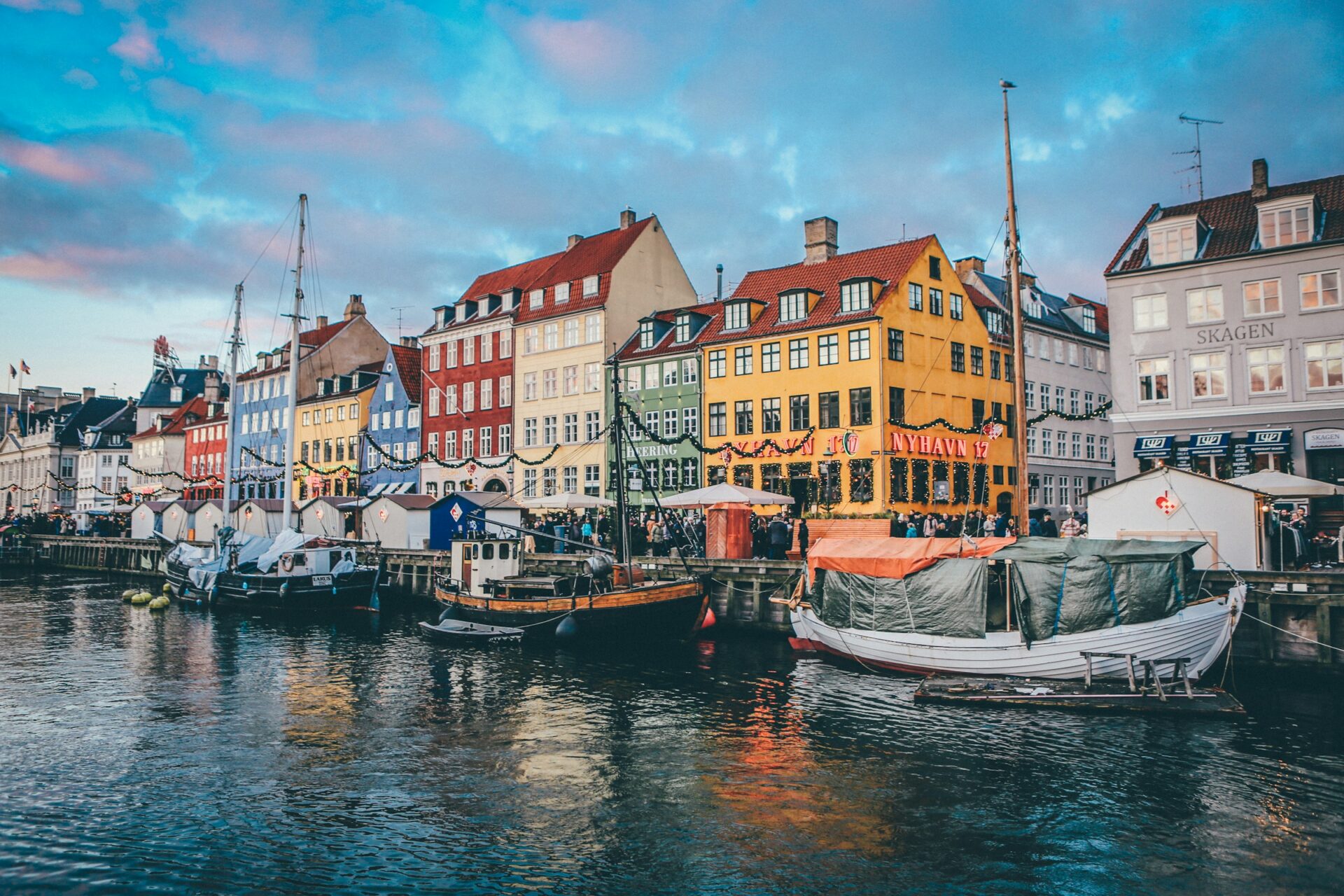
The best time to visit Copenhagen, particularly if you are arriving by train, is during the late spring and early summer months between May and June. During this period, the weather is typically mild and pleasant with longer daylight hours, making it ideal for exploring the city. Prices for accommodation and travel tend to be more reasonable compared to the peak summer months of July and August. Additionally, there are various festivals and events such as the Copenhagen Jazz Festival and Distortion street party occurring in June, which offer vibrant cultural experiences. Autumn, particularly September, is also a good option as it provides a comfortable climate and fewer crowds, along with events like the Golden Days Festival. However, tourist activities remain abundant throughout the year with attractions such as Tivoli Gardens and the Nyhavn district open to visitors regardless of the season. Keep in mind that winter in Copenhagen can be cold and dark, with December bringing the charm of holiday markets but at potentially higher costs due to the festive season.
Frequently asked questions
What affects the cost of a train ticket from London to Copenhagen?
According to EveryRail, train ticket prices on the London to Copenhagen route are dynamic. Pricing varies with demand. Peak travel times lead to higher prices. Off-peak travel times often offer lower prices. Booking well in advance can reduce costs. Last-minute bookings can be more expensive. Special promotions may affect pricing. Seat availability influences ticket cost. Different travel classes impact prices. Competition with other transport affects rates. Public holiday periods can increase prices. Events in either city affect demand and pricing. Different rail operators may set different prices.
What trains run from London to Copenhagen?
There is no direct train from London to Copenhagen. Deutsche Bahn operates trains from London to Hamburg. DSB operates trains from Hamburg to Copenhagen. Flixbus operates buses from Hamburg to Copenhagen. No direct service exists by SNCF or Benerail for this route.
How long does the train from London to Copenhagen take?
According to EveryRail, the train from London to Copenhagen takes 14 to 16 hours.
When is the best time to travel from London to Copenhagen?
Early mornings are usually less crowded. Mid-week sees fewer travelers. Avoid public holidays for lower prices. Book well in advance for better deals. Check for promotions and discounts. Consider the weather and related disruptions. Weekends might have special offers. Demand is influenced by local events.
What’s the best route or train to take from London to Copenhagen?
Flixbus runs direct bus services from London to Copenhagen. No direct train services operate on this route.
What rail passes can I use to travel from London to Copenhagen?
According to EveryRail, the appropriate rail pass depends on residency. The Interrail Global Pass applies to EU or eligible European residents. The Eurail Global Pass is for non-EU residents. A One Country Pass does not apply. The journey spans multiple countries.