


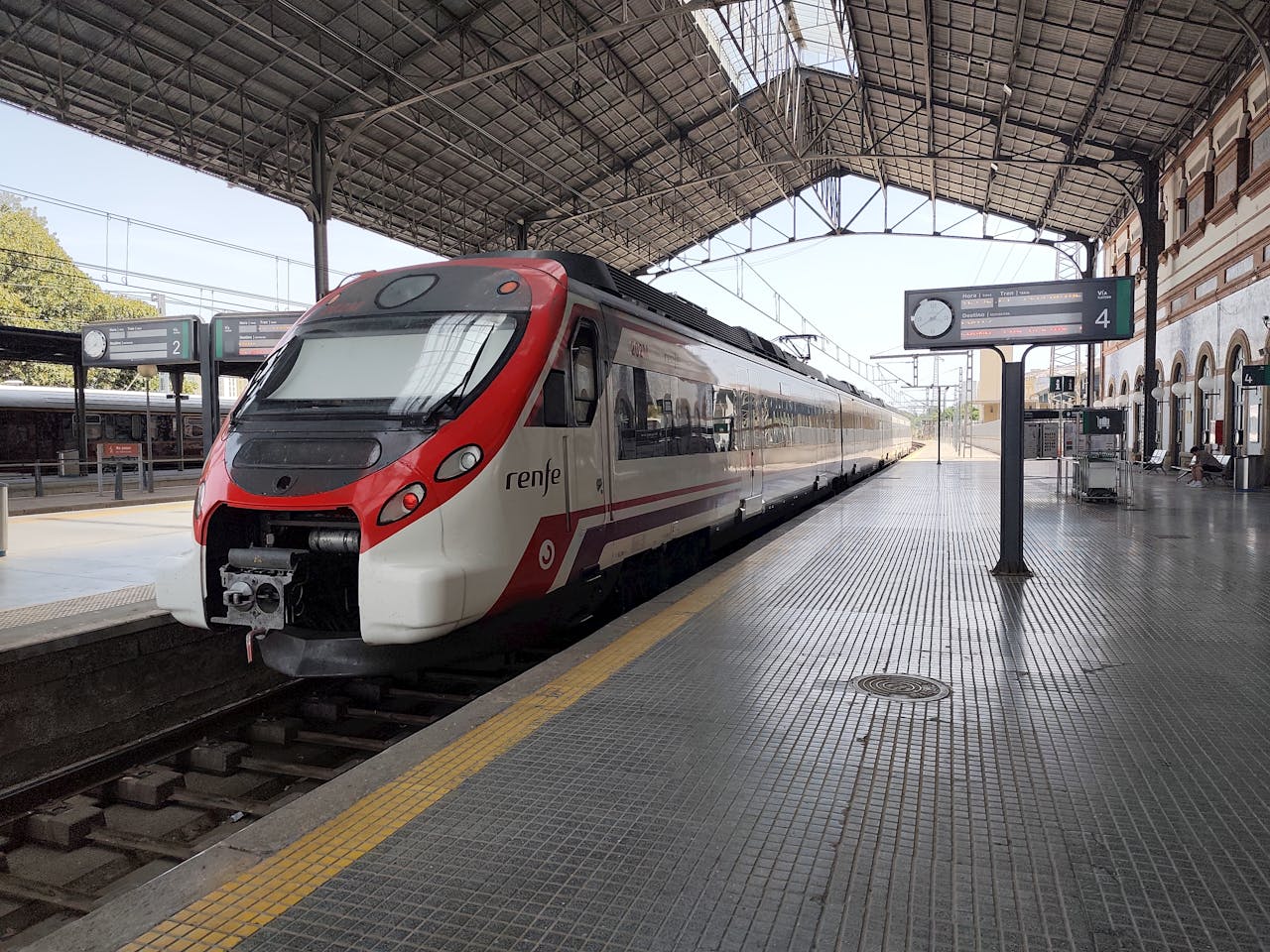
Navigating Spain by Rail: Your Ultimate Guide to Renfe
Imagine gliding through sun-drenched Spanish landscapes, past olive groves and ancient towns, all while sipping a coffee in a comfortable seat. This isn’t just a dream; it’s the reality of traveling with Renfe, Spain’s national railway company. If you’re planning a trip to Spain and looking to experience its diverse beauty and vibrant culture, understanding how to book and navigate Renfe is your golden ticket. This guide will walk you through everything you need to know, from finding the best deals on tickets to understanding schedules and discovering popular destinations. Think of me as your seasoned travel companion, ready to share the insider tips that will make your Spanish rail adventure truly unforgettable.
Why Choose Renfe for Your Spanish Adventure?
When exploring Spain, you have options: rental cars, buses, even internal flights. But for many, Renfe stands out as the premier choice. Why? Let’s delve into the compelling reasons.
Comfort and Convenience
Picture this: no battling airport security, no cramped car rides, and no navigating unfamiliar city traffic. With Renfe, you arrive at centrally located stations, often stepping right into the heart of the city you’re visiting. The trains themselves are designed for comfort, offering spacious seating, ample legroom, and often, panoramic windows that transform your journey into a scenic tour. You can relax, read a book, catch up on work, or simply watch the Spanish countryside unfold before your eyes. It’s a travel experience that truly allows you to enjoy the journey as much as the destination.
Speed and Efficiency
Spain boasts one of the most extensive and advanced high-speed rail networks in Europe, the AVE (Alta Velocidad Española). These trains are not just fast; they’re incredibly efficient. Imagine zipping from Madrid to Barcelona in under three hours, a journey that would take significantly longer by car or even flight when you factor in airport transfers and wait times. Renfe’s punctuality is legendary, making it a reliable choice for those with tight schedules or connecting plans. It transforms vast distances into manageable hops, maximizing your precious vacation time.
Sustainability
In an age where conscious travel is more important than ever, choosing rail is a powerful statement. Trains, especially electric high-speed trains like Renfe’s AVE, have a significantly lower carbon footprint per passenger mile compared to air travel or even driving. By opting for Renfe, you’re not just enjoying a comfortable and efficient journey; you’re also making an environmentally responsible choice, contributing to the preservation of Spain’s stunning natural landscapes for future generations. It’s guilt-free travel that feels good on every level.
Booking Your Renfe Tickets: Where and How
Now that you’re convinced Renfe is the way to go, let’s get down to the nitty-gritty: how to actually book those tickets. Knowing your options will empower you to find the best deals and the most convenient booking method.
The Official Renfe Website: Your Primary Hub
Without a doubt, your first port of call should be the official Renfe website. Think of it as the ultimate source of truth for all things Renfe. Here, you’ll find the most up-to-date schedules, all available fare classes, and often, exclusive promotions. While it has improved over the years, the website can sometimes be a bit clunky, especially for non-Spanish speakers. My advice? Be patient. Use a translation tool if needed, and make sure you’re on the official site (renfe.com) to avoid any imposters. Booking directly means you’re dealing with Renfe for any changes, cancellations, or issues, which simplifies customer service. You’ll enter your origin and destination, desired date, and number of passengers, and the system will present you with available trains and fares.
Third-Party Platforms: Are They Worth It?
There are numerous third-party platforms that also sell Renfe tickets, such as Trainline, Omio, and others. These can be incredibly user-friendly, offering simpler interfaces, often better English translation, and sometimes even the ability to compare prices with other modes of transport (like buses). They also frequently accept a wider range of international payment methods than the Renfe site.
So, are they worth it? Often, yes, especially for first-time bookers or those who prefer a smoother user experience. However, there are a few caveats. Prices might be slightly higher due to service fees, and if you need to make changes or cancellations, you’ll be dealing with the third-party platform’s customer service, not Renfe directly. This can sometimes add an extra layer of complexity. My recommendation: check both. Use the third-party site to easily find train times and approximate prices, then cross-reference with the official Renfe site to see if you can get a better deal or if you prefer the direct booking experience.
At the Station: Old-School, But Still an Option
In this digital age, booking at the station might seem old-fashioned, but it’s still a viable option, especially for spontaneous travel or if you encounter issues with online booking. You can purchase tickets at ticket counters or self-service machines. The benefit? Direct interaction with a human (at the counter) who can answer questions, or a straightforward process at a machine. The downsides? Potentially long queues, especially during peak travel times, and the risk that your desired train or fare class might be sold out. For popular high-speed routes, especially if you’re traveling during holidays or weekends, I highly advise booking in advance online rather than relying on station purchases. Save the station booking for short, regional hops or last-minute unplanned excursions.
Decoding Renfe Schedules: Planning Your Journey
Understanding Renfe schedules is key to efficient travel planning. It’s not just about knowing when a train leaves, but what kind of train it is and how it fits into your broader itinerary.
Finding the Right Train: Types of Services
Renfe operates a variety of train types, each offering different speeds, comfort levels, and price points. The most prominent are:
- AVE (Alta Velocidad Española): This is Renfe’s flagship high-speed service, connecting major cities like Madrid, Barcelona, Seville, and Valencia. AVE trains are incredibly fast, modern, and comfortable, offering a premium travel experience. If you’re traveling long distances between major hubs, AVE is often your best bet.
- AVLO (Alta Velocidad Low Cost): Renfe’s budget-friendly high-speed option. Think of it as the no-frills version of AVE. While still fast, it typically offers fewer amenities (e.g., no included food service) and a single class of seating. Great for cost-conscious travelers who still want the speed.
- Alvia / Euromed / Intercity: These are medium to long-distance trains that run on both high-speed and conventional lines. They connect a wider range of cities, often serving destinations not directly on the AVE network. They are generally slower than AVE but faster than regional trains, offering a good balance of speed and coverage.
- Media Distancia (MD) / Regional: These are local and regional trains that stop at many stations, connecting smaller towns and cities within a specific region. They are slower and cheaper, perfect for short hops or exploring local areas.
- Cercanías: These are commuter rail services operating in and around major metropolitan areas (e.g., Madrid, Barcelona). They’re designed for daily commutes and short inter-urban travel, similar to a suburban light rail or metro.
When you search for a route, the Renfe website or third-party platforms will usually display the train type next to the departure time, helping you understand the speed and service level.
Understanding Routes and Connections
Spain’s rail network is largely hub-and-spoke, with Madrid serving as the primary central hub. This means that if you’re traveling between two cities not directly connected by a high-speed line (e.g., from Malaga to San Sebastian), you might find yourself connecting in Madrid. When searching, the system will automatically show you direct trains first, followed by options with one or more changes. Pay attention to the connection times. While Renfe aims for seamless transfers, leave yourself ample time, especially if you’re unfamiliar with a station. A 20-minute connection might be fine if your platforms are close, but if it involves changing stations or navigating a large terminal, you might prefer a longer layover.
Real-Time Updates and Delays
While Renfe is known for its punctuality, delays can happen, just like with any transport system. For real-time updates, the official Renfe website and their mobile app (Renfe Ticket) are your best friends. They usually provide up-to-the-minute information on train status, platform changes, and any significant delays. Many larger stations also have digital display boards showing this information. If you’re on a long journey with a connection, it’s always a good idea to check for updates a few hours before departure and upon arrival at your connection point.
Unpacking Renfe Fares: Getting the Best Deal
Renfe’s fare structure can seem a bit intricate at first, but understanding it is key to securing the best price for your journey. It’s not just about when you travel, but how you choose to travel.
Fare Classes and What They Offer
Renfe typically offers several fare classes, particularly on its AVE and long-distance trains. These classes come with different levels of flexibility, services, and of course, price tags:
- Básico (Basic): This is usually the cheapest option. It’s often non-refundable and non-changeable, or changes/cancellations come with significant fees. Think of it as a bare-bones ticket: you get a seat and the journey. Great if your plans are absolutely firm.
- Elige (Choose): This fare offers more flexibility than Básico. You might have options to choose your seat, and changes/cancellations might be possible for a fee, or even free under certain conditions (e.g., within 24 hours of booking). It strikes a balance between price and flexibility.
- Premium: The highest fare class, offering maximum flexibility (often free changes and cancellations), premium seating (e.g., wider seats, more legroom), and sometimes additional services like at-seat catering or lounge access. This is ideal for business travelers or those who value comfort and peace of mind above all else.
Always read the fare conditions carefully before booking, as they can vary slightly depending on the route and the specific promotion.
When to Buy: The Early Bird Catches the Worm
This is perhaps the single most important piece of advice for getting a good deal on Renfe tickets: book in advance! Renfe, like airlines, uses dynamic pricing. This means that prices tend to be lower when tickets are first released and gradually increase as the train fills up or as the departure date approaches.
Tickets typically go on sale about 60 days in advance, though this can vary. For popular routes (like Madrid-Barcelona) or during peak seasons (summer, holidays like Easter or Christmas), booking as soon as tickets are released can save you a significant amount of money. Waiting until the last minute can mean paying double or even triple the price, or finding that the train is fully booked. Set a reminder in your calendar for two months before your travel date!
Discounts and Promotions: Every Euro Counts
Renfe frequently offers discounts and promotions. Keep an eye out for these, especially on the official website.
- Promotional Fares: These are often limited-time offers or special launch prices for new routes. They’re usually Básico tickets with strict conditions but offer incredible value.
- Youth & Senior Discounts: If you’re under 26 or over 60, look into Renfe’s Tarjeta Joven (Youth Card) or Tarjeta Dorada (Golden Card). These annual cards offer significant discounts on tickets, paying for themselves quickly if you plan multiple train journeys.
- Family Discounts: Traveling with children? Kids under a certain age (often 4) can travel free if they don’t occupy a seat, and discounts are often available for older children.
- Round-Trip Discounts: Sometimes, booking a round-trip ticket can be slightly cheaper than two one-way tickets, though this is less common with dynamic pricing.
It’s always worth checking the “Promotions” section on the Renfe website before you book. A few minutes of searching could save you a substantial amount of money.
Popular Renfe Destinations: Where Can the Rails Take You?
The beauty of Renfe is its reach. From bustling metropolises to serene coastal towns and ancient historical sites, Spain’s rail network opens up a world of possibilities.
Major City Connections: Madrid, Barcelona, Seville, Valencia
These are the titans of Spanish tourism, and Renfe connects them with impressive speed and frequency.
- Madrid: As the capital and central hub, Madrid is easily accessible from almost anywhere. From here, high-speed AVE trains radiate out, making it a perfect base for exploring the country.
- Barcelona: The vibrant Catalonian capital is a major destination, connected to Madrid by the busiest high-speed route in Spain. Expect frequent, fast services.
- Seville: The heart of Andalusia, Seville is rich in history and flamenco culture. AVE trains offer rapid connections from Madrid, making it an easy weekend trip.
- Valencia: On the Mediterranean coast, Valencia offers stunning architecture and delicious paella. It’s well-connected by high-speed rail to both Madrid and Barcelona.
Coastal Escapes: Malaga, Alicante, San Sebastian
Spain’s coastline is legendary, and Renfe can take you there.
- Malaga: Gateway to the Costa del Sol, Malaga is directly connected by AVE to Madrid, offering a quick escape from the capital to the Mediterranean sun.
- Alicante: Further up the southeastern coast, Alicante is another popular beach destination with direct high-speed connections to Madrid.
- San Sebastian: Nestled in the Basque Country on the northern coast, known for its world-class gastronomy. While not always a direct high-speed connection, Renfe offers comfortable services (often Alvia) to this enchanting city from Madrid and other major hubs.
Historic Gems: Toledo, Cordoba, Granada
Delve into Spain’s rich past with Renfe.
- Toledo: A UNESCO World Heritage city just 30 minutes by AVE from Madrid. It’s a perfect day trip to explore its medieval streets and “City of Three Cultures” heritage.
- Cordoba: Famous for its Mezquita, Cordoba is an easy high-speed journey from Seville or Madrid, showcasing incredible Moorish architecture.
- Granada: Home to the magnificent Alhambra, Granada is now connected by high-speed rail to Madrid and other Andalusian cities, making it more accessible than ever.
Beyond Spain: International Connections
Renfe also facilitates international travel. You can catch high-speed trains from Barcelona directly to major French cities like Paris, Lyon, and Marseille. While these services are often co-operated with SNCF (the French national railway), you can typically search and book them through the Renfe platform, extending your rail adventure beyond Spain’s borders.
Essential Tips for a Smooth Renfe Journey
To ensure your Renfe experience is as enjoyable and stress-free as possible, keep these practical tips in mind.
Seat Selection: Window or Aisle?
When booking, you often have the option to select your seat, especially with Elige or Premium fares. Think about your preference: a window seat for enjoying the scenery, or an aisle seat for easy access to the restrooms or café car. If you’re traveling as a pair or a family, selecting seats together can ensure you’re not split up. Some trains even offer “Mesa” (table) seats, which are four seats facing each other around a table – perfect for groups or families.
Baggage Rules: What You Can Bring Aboard
Renfe is generally quite generous with baggage compared to airlines. For high-speed (AVE/AVLO) and long-distance trains, you can typically bring up to three pieces of luggage, provided their total weight does not exceed 25 kg (approx. 55 lbs) and their total dimensions (height + width + depth) for each piece do not exceed 290 cm (approx. 114 inches). There are also specific rules for sports equipment (like skis or bikes) and musical instruments, which usually require them to be disassembled and properly bagged. Always check the latest baggage policy on the Renfe website, especially if you have oversized items, to avoid any surprises.
Onboard Services: Food, Wi-Fi, and More
- Food & Drink: On AVE trains, Premium fare passengers often receive a complimentary meal at their seat. For other fare classes, most long-distance and high-speed trains have a café car (cafetería) selling snacks, sandwiches, hot and cold drinks, and sometimes simple meals. You’re also generally allowed to bring your own food and drinks onboard.
- Wi-Fi: Wi-Fi is increasingly available on AVE trains, often branded as ‘PlayRenfe’. It might be a paid service for Básico/Elige fares, or included with Premium. The quality can vary, but it’s generally good enough for browsing and checking emails.
- Power Outlets: Many high-speed trains are equipped with power outlets at each seat, allowing you to charge your devices during the journey. Look for the international two-pin European socket.
- Restrooms: All trains have clean and well-maintained restrooms.
Accessibility Considerations
Renfe is committed to accessibility. Services like “Atendo” provide assistance for passengers with reduced mobility or disabilities. If you require assistance, it’s crucial to request it in advance when booking your ticket or at least 48 hours before your departure. This ensures staff are available to help you board, find your seat, and alight at your destination. Specific accessible seating and restrooms are also available on most modern trains.
Renfe Frequently Asked Questions
Let’s address some common queries to clear up any lingering doubts.
Can I change or cancel my ticket?
It depends entirely on the fare class you purchased. Básico tickets often have very strict (or non-existent) change/cancellation policies with high fees. Elige tickets offer more flexibility, usually allowing changes or cancellations for a fee. Premium tickets typically offer the most freedom, often with free changes or cancellations. Always check the specific conditions of your fare before confirming your purchase.
What’s the difference between AVE and AVLO?
Both are high-speed Renfe services. AVE is Renfe’s premium high-speed offering with multiple classes, more amenities (like included food for Premium), and usually more flexible fare options. AVLO is Renfe’s low-cost high-speed service, offering a single class of travel, fewer amenities (usually no included food), and generally stricter fare conditions, but at a significantly lower price point. Think of AVE as business class and AVLO as economy, both flying at the same speed.
Do I need to print my ticket?
In most cases, no. Renfe tickets can typically be displayed on your smartphone using the Renfe app, or as a PDF on your phone. The ticket will have a QR code or barcode that can be scanned by the conductor. However, it’s always a good idea to have a digital copy saved offline, or even a screenshot, in case of poor signal. Printing a physical copy is usually an option if you prefer, but not mandatory.
Is Wi-Fi available on all trains?
No, Wi-Fi (often called PlayRenfe) is primarily available on AVE trains and some Alvia services. It is generally not available on Media Distancia, Regional, or Cercanías trains. Even on AVE, it might be a paid service depending on your fare class.
What if my train is delayed?
Renfe has a punctuality commitment. For high-speed (AVE/Alvia) trains, if your train is delayed by a certain amount of time (e.g., 15-30 minutes for AVE), you are often entitled to a partial or full refund, depending on the length of the delay and the route. You’ll typically need to apply for the compensation online after your journey. Always keep your ticket as proof of travel.
Ready to Explore Spain by Train?
You’re now equipped with the knowledge to confidently navigate Spain’s fantastic rail network. Renfe offers an unparalleled way to experience the country – comfortable, efficient, sustainable, and utterly captivating. From the moment you search for your first ticket to the satisfying feeling of arriving in a new city, traveling by train in Spain is a joy. So go ahead, plot your route, book your tickets, and prepare for an unforgettable Spanish adventure on the rails. ¡Buen viaje!