


Italo Treno: Tickets, Routes, and Booking Tips for Italy’s High-Speed Rail
Picture this: you’re zipping across the Italian landscape, vineyards and ancient ruins blurring past your window at incredible speeds, a perfect espresso in hand. This isn’t a dream; it’s the reality of traveling with Italo Treno, Italy’s vibrant high-speed rail service. If you’re planning a trip to Italy and looking for an efficient, comfortable, and often stylish way to get around, understanding Italo is your golden ticket. Forget the stress of driving or the hassle of airport security lines; Italo offers a seamless journey right into the heart of Italy’s most captivating cities.
Italo Treno: Your Ticket to High-Speed Italian Adventures
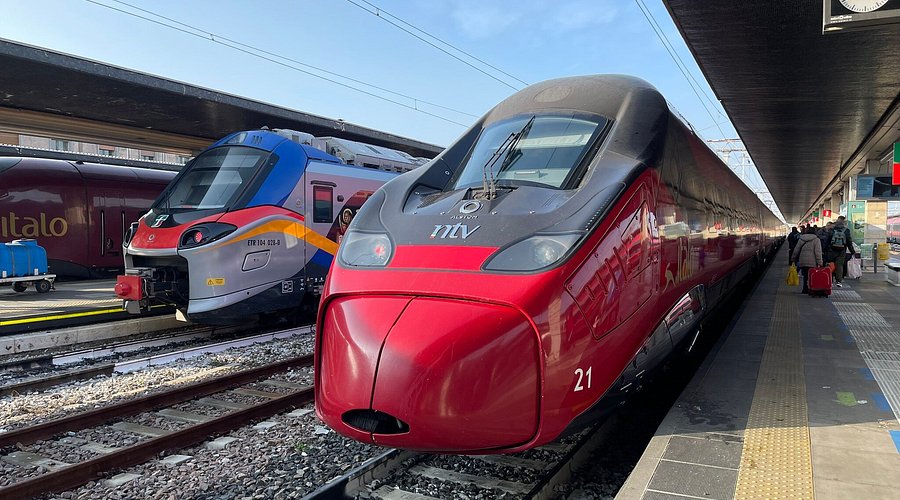
Italo Treno isn’t just a train service; it’s an experience designed for the modern traveler. As Italy’s first private high-speed rail operator, Italo burst onto the scene in 2012, offering a fresh alternative to the state-owned Trenitalia. Their iconic, sleek red trains, often dubbed “Ferrari on rails,” symbolize their commitment to speed, comfort, and a touch of Italian flair. From the moment you step aboard, you’ll notice a distinct focus on passenger experience, making your journey as much a part of your Italian adventure as the destination itself.
Understanding Italo: A Modern Rail Journey
At its heart, Italo is about connecting Italy’s major hubs with unparalleled speed and efficiency. These aren’t your slow regional trains; these are state-of-the-art, high-performance machines built for swift intercity travel. Think of it as a finely tuned instrument, humming along at speeds up to 300 km/h (186 mph), shrinking the vastness of Italy into easily manageable day trips or seamless city-to-city transfers. Their modern fleet boasts excellent amenities, ensuring that your journey is not just fast, but also incredibly pleasant.
Italo vs. Trenitalia: A Quick Comparison
When planning train travel in Italy, you’ll invariably encounter two main players: Italo and Trenitalia. While both offer high-speed services, they operate as distinct entities, much like competing airlines.
Trenitalia, the national state-owned railway, has a comprehensive network covering virtually every corner of Italy, from tiny villages to major metropolises. Their high-speed Frecce (Frecciarossa, Frecciargento, Frecciabianca) trains are their answer to Italo, but they also operate an extensive network of regional and intercity services.
Italo, on the other hand, focuses almost exclusively on high-speed routes connecting Italy’s major cities. Think of them as a premium, express service. They pride themselves on a more modern fleet, often newer and with a more consistent onboard experience. While Trenitalia might offer more departures on some routes, Italo often competes fiercely on price and service quality, especially for popular city pairs. Choosing between them often comes down to specific route availability, departure times, price, and personal preference for onboard aesthetics. For the most popular high-speed corridors, both are excellent options.
Navigating Italo’s Network: Key Routes and Destinations
Italo’s network is designed to link Italy’s most popular and economically significant cities, making it an ideal choice for tourists and business travelers alike.
The Core Routes: Major Cities Connected
Italo excels in connecting the “big hitters” of Italy. Their primary routes form a spine through the country, connecting north to south and east to west:
- Milan to Rome: This is arguably Italo’s busiest and most competitive route. You can travel from the fashion capital to the Eternal City in under three hours, making day trips or quick business meetings entirely feasible. Stops often include Bologna and Florence.
- Turin to Naples: Extending the northern reach, Italo connects the industrial heartland of Turin down through Milan, Florence, Rome, and all the way to the vibrant Bay of Naples.
- Venice to Naples: From the romantic canals of Venice, Italo speeds you through Padua, Bologna, Florence, and Rome, connecting two of Italy’s most iconic tourist destinations.
- Milan to Venice: A popular route for those exploring northern Italy, connecting these two major hubs quickly.
- Rome to Florence: A classic tourist route, completed in a swift 1 hour 36 minutes, making Florence easily accessible from the capital.
These core routes are characterized by frequent departures and direct connections, offering the quickest way to travel between these major destinations.
Expanding Your Horizons: Regional Connections
While primarily focused on the major arteries, Italo has also expanded its reach to some significant regional centers and coastal towns, particularly during peak seasons. For instance, routes might extend to cities like:
- Salerno: South of Naples, providing access to the Amalfi Coast region.
- Reggio Emilia: An important city in the Emilia-Romagna region.
- Brescia & Verona: Important cities in Lombardy and Veneto, respectively.
They also have services connecting to specific airports, such as Rome Fiumicino (Roma Termini – Fiumicino Airport), further enhancing their utility for international travelers. While not as extensive as Trenitalia’s regional network, Italo’s offerings are continually expanding, so it’s always worth checking their website for the latest destinations.
Booking Your Italo Ticket: A Step-by-Step Guide
Booking an Italo ticket is a straightforward process, but understanding the options can save you money and enhance your travel experience.
Where to Book: Official Channels and Third-Party Sites
The most reliable and often cheapest way to book your Italo ticket is directly through their official channels:
- Italo Treno Website (www.italotreno.it/en): This is your primary resource. The website is user-friendly, available in multiple languages, and offers the full range of fares and seat selections.
- Italo Treno App: Convenient for booking on the go, managing your tickets, and checking train status.
- Italo Treno Ticket Offices: Located in major train stations across Italy. Ideal if you prefer in-person assistance, but often pricier for last-minute bookings.
- Self-Service Kiosks: Available in larger stations, offering a quick way to purchase tickets if you know what you want.
You can also book through reputable third-party online travel agencies (OTAs) like Trainline, Omio, or Rail Europe. These sites can be useful for comparing prices across both Italo and Trenitalia, but always double-check the final price, as some may add service fees. For the best deals and direct customer support, the official Italo channels are usually superior.
Choosing Your Class: Smart, Prima, Club Executive
Italo offers a tiered service system, allowing you to choose the level of comfort and amenities that suits your budget and needs.
- Smart (Standard Class): This is Italo’s most economical class, offering comfortable, reclining leather seats, individual power outlets, and free Wi-Fi. It’s an excellent choice for budget-conscious travelers who still want a high-quality experience. Think of it as premium economy on a plane, but with more legroom.
- Prima (First Class): A step up from Smart, Prima offers larger, even more spacious seats, a welcome service with a snack and drink (coffee, juice, or water), and priority boarding. It’s perfect for those seeking a bit more comfort and a quieter journey without breaking the bank.
- Club Executive: The pinnacle of Italo’s service. Here you get even wider, more luxurious leather armchairs, a dedicated at-seat catering service (including hot beverages, alcoholic drinks, and a wider selection of snacks), access to Italo Lounges at major stations, and dedicated fast-track access. There are only a few seats in this class per train, offering an exclusive, quiet, and highly personalized experience – ideal for business travelers or those who truly want to splurge on comfort.
Understanding Fares: Flex, Economy, Low Cost
Italo employs a dynamic pricing model, meaning prices fluctuate based on demand, how far in advance you book, and the flexibility you require.
- Flex: This is the most flexible (and most expensive) fare. It allows for unlimited free changes to date and time and offers a full refund if canceled before departure. Ideal if your plans are uncertain.
- Economy: A good balance of value and flexibility. Changes are possible for a fee, and refunds (partial) are available with a deduction. This is often the sweet spot for many travelers.
- Low Cost: The cheapest fare, but also the most restrictive. Changes are typically possible only for a significant fee and sometimes only to another Low Cost fare if available. Refunds are generally not permitted. This is perfect if your travel dates are set in stone and you’re confident in your plans.
Always choose the fare that best matches your potential need for changes. Sometimes paying a little more for Economy can save you a lot of hassle and money if plans shift.
Insider Tips for Smart Italo Booking
Becoming a savvy Italo traveler means understanding a few tricks of the trade.
Book Early, Save More: The Golden Rule
This cannot be stressed enough: the earlier you book, the cheaper your ticket will be. Italo tickets typically go on sale 3-4 months in advance. The “Low Cost” fares are snapped up quickly, especially for popular routes and peak travel times. If you have fixed travel dates, aim to book as soon as your dates are available. Waiting until the last minute almost guarantees you’ll be paying the higher Flex or even full-price Economy fares.
Flexibility Pays: Off-Peak Travel
Much like flights, Italo prices are significantly higher during peak hours (e.g., early mornings, late afternoons for business commuters) and on popular travel days (Fridays, Sundays, holidays). If your schedule allows, consider:
- Mid-day travel: Journeys between 10 AM and 2 PM often have cheaper tickets.
- Mid-week travel: Tuesdays, Wednesdays, and Thursdays are typically less expensive than Mondays or Fridays.
- Avoiding holidays: Italian national holidays see a surge in prices and crowded trains.
Group Travel and Family Discounts
Italo offers specific discounts for groups and families. Look for:
- Italo Famiglia: Discounts for families traveling together, often including free travel for children under a certain age (e.g., 15 years old when traveling with an adult in Smart or Prima).
- Gruppi (Groups): If you’re traveling with 10 or more people, you can often get special group rates.
- Italo Senior: Discounts for travelers over 60.
- Italo Young: Discounts for travelers under 30.
Always check the “Offers” section on their website or app when booking, as these promotions change seasonally.
Leveraging Loyalty Programs (Italo Più)
If you plan to travel with Italo more than once, or even on a single round trip, consider signing up for their free loyalty program, Italo Più. You’ll earn points for every euro spent, which can then be redeemed for future tickets. It also offers exclusive promotions and faster booking processes. For frequent travelers, they also have higher tiers (e.g., Italo Più Premium, Privilege, Platinum) with additional benefits like lounge access or dedicated assistance.
Onboard the Italo Train: What to Expect
Stepping onto an Italo train is a refreshing experience. The interiors are modern, clean, and well-designed, with a distinctly Italian aesthetic.
Comfort and Amenities Across Classes
Regardless of your class, you’ll find:
- Spacious Seating: All classes feature comfortable, ergonomic leather seats, many of which recline.
- Power Outlets: Individual power sockets (European standard, Type F) at every seat. Don’t forget your adapter!
- Free Wi-Fi: Reliable internet access is a standard amenity across all classes.
- Air Conditioning: The trains are climate-controlled for a pleasant journey.
- Luggage Racks: Overhead racks for smaller items and larger dedicated luggage areas at the end of each carriage.
As you ascend through Prima and Club Executive, you’ll enjoy more legroom, wider seats, and enhanced personal space.
Food and Drink Options
- Smart Class: No at-seat service. Passengers can visit the “Italo Caffè” car, a designated area where you can purchase snacks, sandwiches, coffee, soft drinks, and alcoholic beverages. There are also vending machines onboard.
- Prima Class: A welcome service is included, typically consisting of a complimentary snack (e.g., biscotti, crackers) and a choice of coffee, juice, or water brought to your seat.
- Club Executive: An extensive at-seat catering service is included, offering a wider selection of hot and cold beverages, premium snacks, and a daily selection of sweet or savory items.
Connectivity: Wi-Fi and Charging
Italo offers free Wi-Fi on all its trains. Connection speeds are generally good, allowing for browsing, email, and social media. Streaming can sometimes be patchy, especially through tunnels. Each seat is equipped with a power outlet, ensuring your devices stay charged throughout your journey.
Luggage Policies
Italo is generally generous with luggage. There are no strict weight limits, but you should be able to manage your own bags.
- Overhead Racks: Suitable for small bags, backpacks, and small carry-on suitcases.
- End-of-Carriage Racks: Larger racks are available at the end of each carriage for bigger suitcases.
- Smart Cinema (on some trains): Features screens for entertainment and has dedicated luggage spaces.
Important Tip: While there are no strict size limits, Italo requests that larger luggage (over 75 cm / 30 inches in length) be placed in the designated luggage areas and not blocking aisles or other passengers. Club Executive also has a dedicated luggage area within the carriage itself.
Beyond the Ticket: Practical Italo Travel Advice
A few more insights can make your Italo journey even smoother.
Arriving at the Station: Timings and Etiquette
Unlike air travel, train travel in Italy is generally less time-consuming at the station.
- Arrival Time: Aim to arrive at least 20-30 minutes before your departure time. This gives you ample time to find your platform (binario), locate your carriage (carrozza), and settle into your seat without rushing. For major stations like Rome Termini or Milan Centrale, 30 minutes is safer.
- Platform Information: Platform numbers are usually displayed on large electronic boards in the main hall of the station around 15-20 minutes before departure.
- Boarding Etiquette: People will often queue near the carriage number indicated on their ticket. Let passengers disembark first before attempting to board.
Validating Your Ticket (or Not!)
This is crucial: Italo tickets, when purchased online or via the app, DO NOT need to be validated. Your ticket, either printed or on your phone, contains a QR code or barcode that the conductor will scan. This is a common point of confusion for those used to regional Trenitalia trains, which often require validation. With Italo, just hop on!
Navigating Delays and Cancellations
While Italo prides itself on punctuality, delays and cancellations can occur.
- Information: Station departure boards and the Italo Treno app are your best sources of real-time information.
- Compensation: Italo has clear compensation policies for significant delays. For delays of 60-89 minutes, you typically receive 25% of the ticket price as a voucher. For 90 minutes or more, it’s 50%. Club Executive passengers often have enhanced compensation terms. Details are available on their website.
- Flexibility: If you have a tight connection or an important appointment, factor in a buffer for potential delays.
Is Italo Treno Right for Your Italian Journey?
For most travelers looking to explore Italy’s major cities quickly and comfortably, Italo Treno is an outstanding choice. Its modern fleet, excellent service, competitive pricing (especially when booked in advance), and focus on the passenger experience make it a compelling option. If your itinerary involves zipping between Rome, Florence, Milan, Venice, or Naples, Italo offers a blend of efficiency and Italian style that is hard to beat. Step aboard, relax, and let Italo whisk you away to your next Italian adventure.