


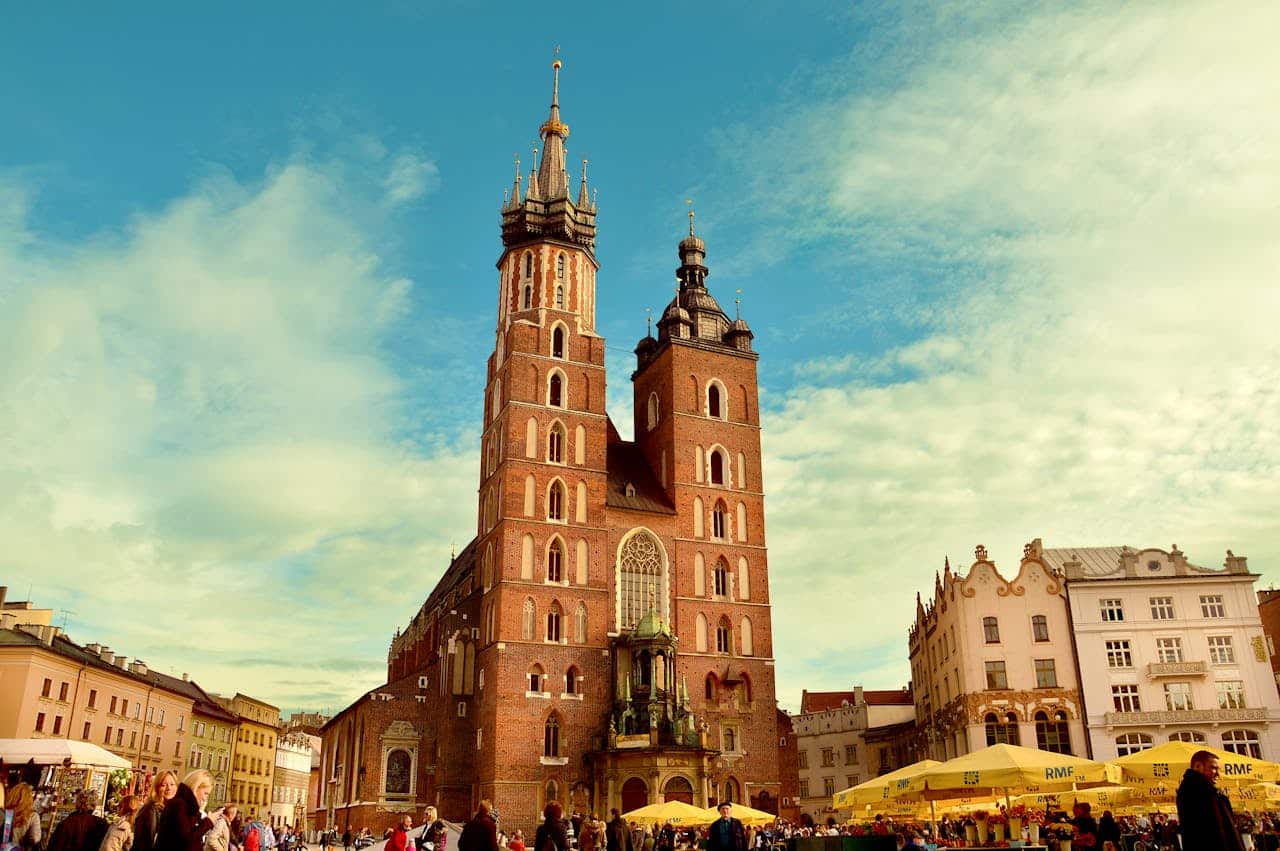
Poland has a dense, modernising railway network that makes it one of the best countries in Europe for train travel. The system connects major cities like Warsaw (the seat of government and a key political center), Kraków, Gdańsk, Wrocław (located in southwestern Poland and renowned for its rich history), and Poznań, while also offering direct international trains to hubs such as Berlin, Vienna, and Prague. Whether you’re planning a quick weekend getaway or an extended journey across the country, Polish trains provide a convenient and scenic way to explore Poland.
This guide is designed for international travelers, tourists, and anyone planning to use trains in Poland. Knowing how the Polish train system works helps you save money, travel efficiently, and make the most of your time in Poland.
Most long-distance and high-speed services are operated by PKP Intercity, the national carrier responsible for express and intercity connections. Regional services fall under several provincial operators, including POLREGIO, Koleje Mazowieckie, and Koleje Śląskie, each serving their respective voivodeships with commuter and local routes. The historical development of Poland’s rail system has played a crucial role in connecting towns with deep history and cultural significance, making it easy for travelers to reach both major cities and smaller destinations.
What makes train travel in Poland particularly attractive is the pricing. Compared to Western Europe, train ticket prices are remarkably affordable. A journey between Warsaw and Kraków typically costs between €15–40 when booked in advance, with travel times of just 2–3 hours on the fastest services. Similar value applies to routes like Warsaw–Gdańsk or Warsaw–Wrocław. Polish train routes allow travelers to explore towns and cities with deep history and world significance, including sites of global interest and heritage.
This article will quickly answer your practical questions about what polish trains are like, how to book, and which routes matter most. Then we’ll dive deeper into the details for serious planners and tourists looking to discover Poland by rail.
-
Poland’s rail network is among the largest in the EU by route-kilometres
-
High-speed EIP trains reach 200 km/h on upgraded lines like the Central Trunk Line (CMK)
-
Advance booking often yields “Super Promo” fares at 50–70% off standard prices
-
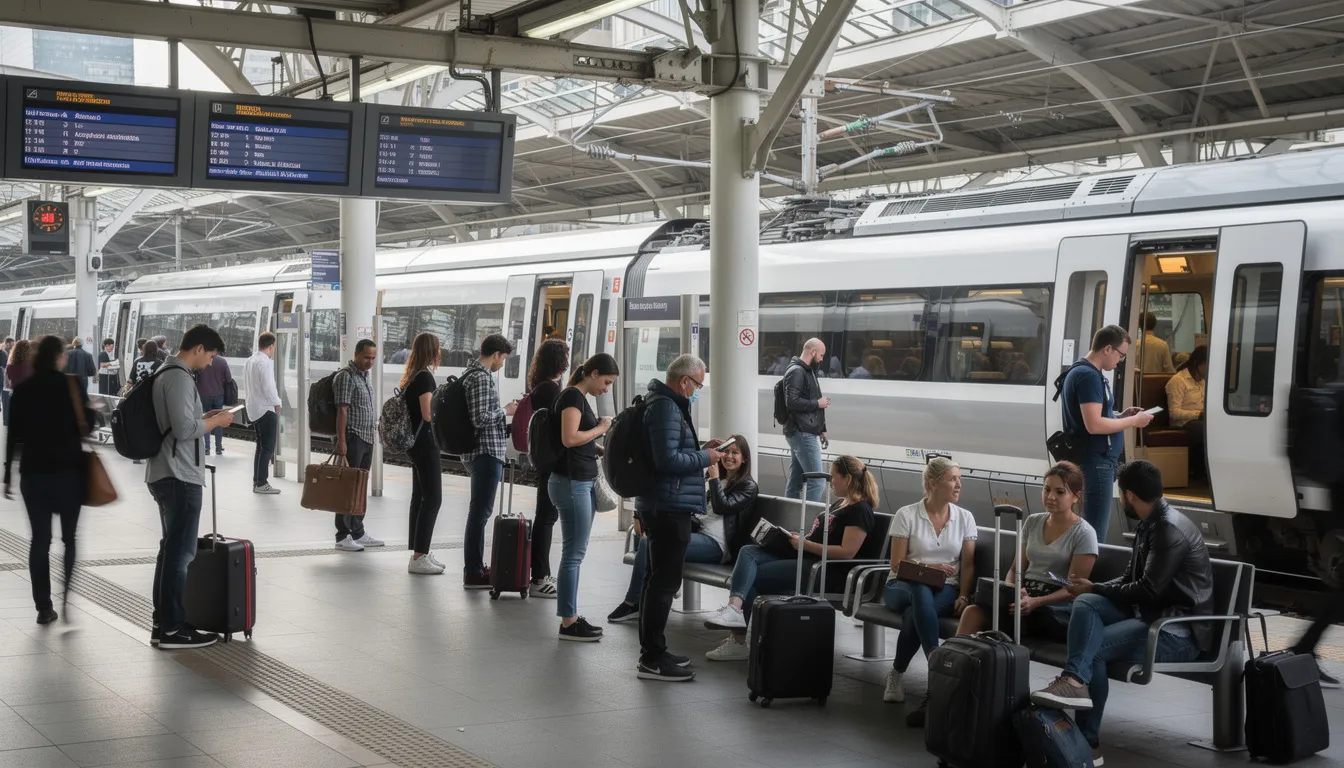
Most major train station facilities include ticket machines, waiting areas, and food options
-
English-language booking is available on major operator websites and apps
Main types of trains in Poland
Poland’s railway system features several distinct types of trains, each serving different travel needs and routes:
-
Express InterCity Premium (EIP) trains are high-speed trains operating between major Polish cities at up to 200 km/h.
-
Express InterCity (EIC) trains are the fastest long-distance trains and also run up to 200 km/h, connecting major cities and international destinations.
-
InterCity (IC) trains are long-distance trains with more frequent stops than EIC and feature both first and second class seating.
-
TLK trains are slower long-distance trains with lower fares and more stops compared to InterCity trains.
-
Regional services are mostly provided by Polregio and local companies, serving shorter, slower routes without seat reservations.
Understanding these categories makes booking easier and helps you choose the right service for your journey. Each category serves a different purpose, from high speed trains covering long distances quickly to regional trains connecting smaller towns.
-
Express Intercity Premium (EIP): The fastest option, using Pendolino tilting trains at up to 200 km/h
-
Express Intercity (EIC) / EuroCity (EC): Fast long-distance and international services with limited stops
-
InterCity (IC): The backbone of domestic trains, connecting voivodeship capitals with good frequency
-
TLK (Twoje Linie Kolejowe): Budget long-distance trains with more stops and lower fares
-
Regional and suburban: Local services connecting smaller cities and feeding into major hubs
All these categories can be checked and compared on the national journey planner at portalpasazera.pl and through PKP Intercity’s booking system. The following subsections provide detailed descriptions of each long-distance type.
Express Intercity Premium (EIP) – Pendolino high-speed trains
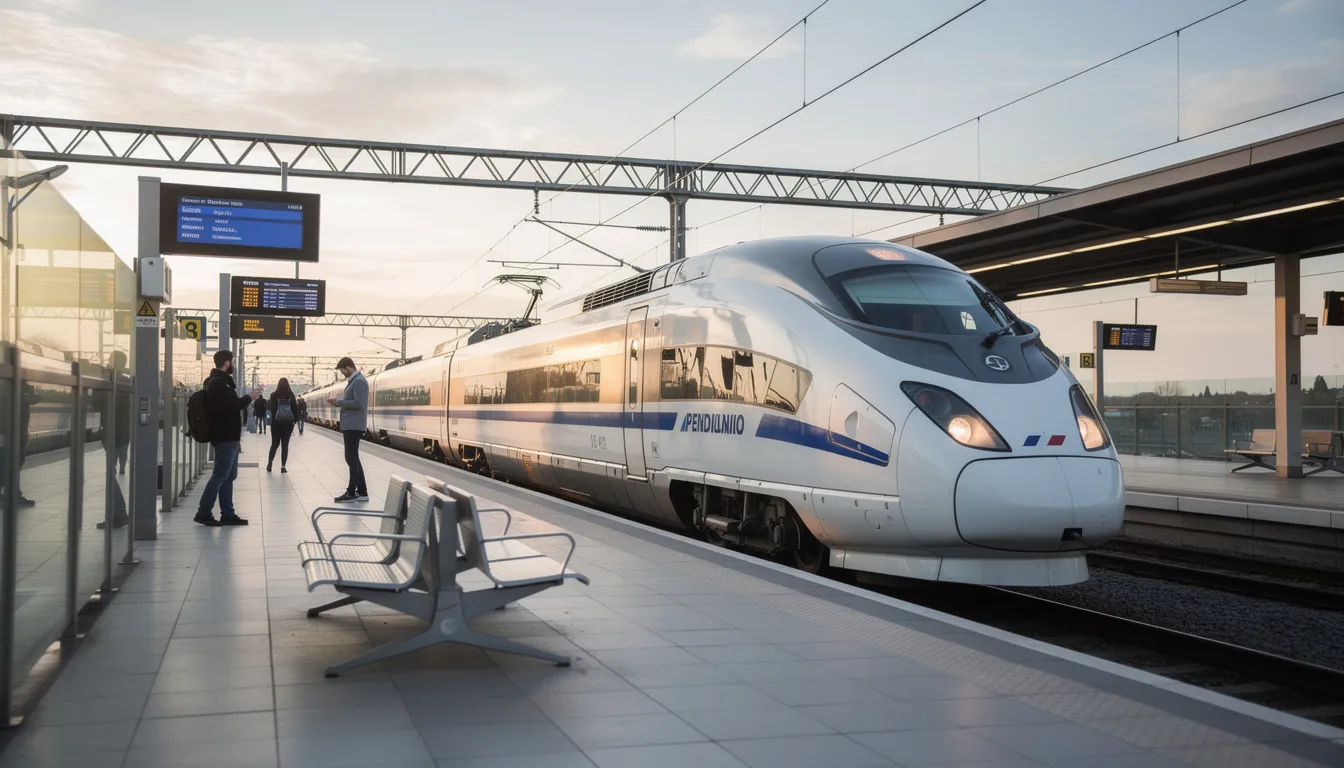
Express Intercity Premium trains are Poland’s flagship high speed trains, using modern Alstom Pendolino (ED250) units introduced in 2014. These tilting trains run at up to 200 km/h on upgraded lines, making them the fastest way to travel between Poland’s largest cities.
Core routes with approximate fastest journey times:
|
Route |
Approximate Time |
|---|---|
|
Warsaw–Kraków |
~2h 10m |
|
Warsaw–Gdańsk |
~2h 45m |
|
Warsaw–Wrocław |
~3h 40m |
|
Gdynia–Kraków |
~5h 30m |
|
On-board comfort matches Western European standards. EIP trains feature mandatory seat reservations, both 1st and 2nd class carriages, air conditioning throughout, and free Wi-Fi on most services. You’ll find quiet zones for working or resting, power sockets at every seat, and a bistro car or mobile catering service. |
Fares on EIP are dynamic, meaning prices fluctuate based on demand and how far in advance you book. Special offer promo tickets can make high-speed travel surprisingly cheap—sometimes under €10 for major routes—while last-minute tickets cost significantly more. EIP generally costs more than IC or TLK, but the time savings often justify the premium.
EIP tickets can be purchased on pkpintercity.pl, through the official mobile app, or at major stations. Note that you cannot purchase tickets onboard once the train departs, so always buy in advance.
Express InterCity (EIC / EC) – fast long-distance trains
EIC trains represent Poland’s traditional express intercity category—fast, comfortable services with limited stops between big cities. These trains typically use modernised coaches pulled by electric locomotives, offering a slightly different experience from the Pendolino EMUs but still maintaining high standards.
The EC (EuroCity) designation applies to international trains using the same service concept. You’ll encounter EC branding on cross-border routes to Germany, Czech Republic, and beyond.
Popular EIC/EC routes:
-
Warsaw–Poznań–Berlin (EC): approximately 5h 30m–6h to Berlin
-
Warsaw–Katowice–Vienna (EC): approximately 7h 30m–8h
-
Gdynia–Bydgoszcz–Poznań–Berlin (EC): connecting the Baltic coast to Germany
-
Warsaw–Prague: available as direct or connecting services
-
Warsaw–Budapest (EC): direct trains connect Poland with Budapest, the capital of Hungary, renowned for its cultural and historical significance, including landmarks like Buda Castle and stunning panoramas along the Danube River
Reservations are usually compulsory on EIC and EC trains, with the reservation cost included in your ticket price. If you’re using a Eurail pass or similar rail pass, you must book separately and pay a reservation fee.
On-board facilities include 1st and 2nd class seating, air-conditioning, power sockets, and quiet coaches on some trains. Many EIC services feature dining or buffet cars where you can purchase meals and drinks during your journey.
InterCity (IC) – standard long-distance services
IC trains form the backbone of long-distance rail in Poland, linking most voivodeship capitals with frequent daily services. If you’re looking to reach cities like Łódź, Lublin, Białystok, Szczecin, or Rzeszów from Warsaw, IC trains are your primary option.
These domestic trains are usually slightly slower than EIP or EIC due to additional stops, but they’re cheaper and still offer reasonable travel times. For example, Warsaw–Lublin takes about 2 hours, while Wrocław–Poznań clocks in at roughly 2h 10m.
Typical rolling stock and features:
-
Mix of modern electric locomotives with refurbished coaches
-
Some routes use new push-pull sets
-
Both 1st and 2nd class available
-
Air-conditioning on most trains
-
Seating layouts vary between compartment (6-seat) and open-plan cars
Seat reservations are required on PKP Intercity IC trains. When you purchase a regular ticket, the reservation is bundled into the price. Rail-pass travellers need to add a reservation separately at ticket windows or online.
Some IC trains include a dining car or trolley service, but this varies by route. Check the icons in the timetable when planning your trip to know what to expect.
TLK – budget long-distance trains
TLK (Twoje Linie Kolejowe, meaning “Your Railway Lines”) represents the budget tier of long-distance travel in Poland. These trains have more intermediate stops and lower fares than IC, EIC, or EIP services, making them ideal for cost-conscious passengers.
TLK services often operate on less-busy routes or during off-peak hours. Some run overnight, occasionally offering couchettes or sleepers for longer night journeys—a practical option if you want to save money on accommodation while covering distance.
The trade-off is comfort. Rolling stock can be older with simpler interiors. Wi-Fi and power sockets aren’t guaranteed, though trains are still generally safe and adequate for the journey. Think of TLK as Poland’s equivalent to a slow, cheap long-distance service rather than a premium experience.
TLK trains are popular among students, budget travellers, and locals for routes such as:
-
Coastal services to the Tricity (Gdańsk–Gdynia–Sopot)
-
Cross-country links through central Poland
-
Connections to smaller regional cities not served by EIP
Reservations are usually compulsory on TLK trains operated by PKP Intercity, even though the fares are low. Plan to book ahead during peak travel periods.
Regional and suburban trains
Regional trains connect smaller cities and towns within each voivodeship, feeding passengers into the long-distance network at major hubs. These services are essential for reaching destinations beyond the main intercity corridors.
Many regions now operate modern low-floor electric multiple units—brands like Impuls, Elf, and Flirt—featuring step-free boarding, air-conditioning, and sometimes Wi-Fi. The quality of regional trains has improved dramatically over the past decade.
The key difference from long-distance services: seating is generally unreserved. You board with a valid ticket and sit anywhere there’s a free seat, making regional trains flexible for short trips and spontaneous travel.
Examples of common regional routes:
-
Gdańsk–Słupsk (coastal connection)
-
Kraków–Tarnów–Rzeszów (southeastern Poland)
-
Poznań–Zielona Góra (western route)
-
Wrocław–Wałbrzych–Jelenia Góra (Lower Silesian Railways territory)
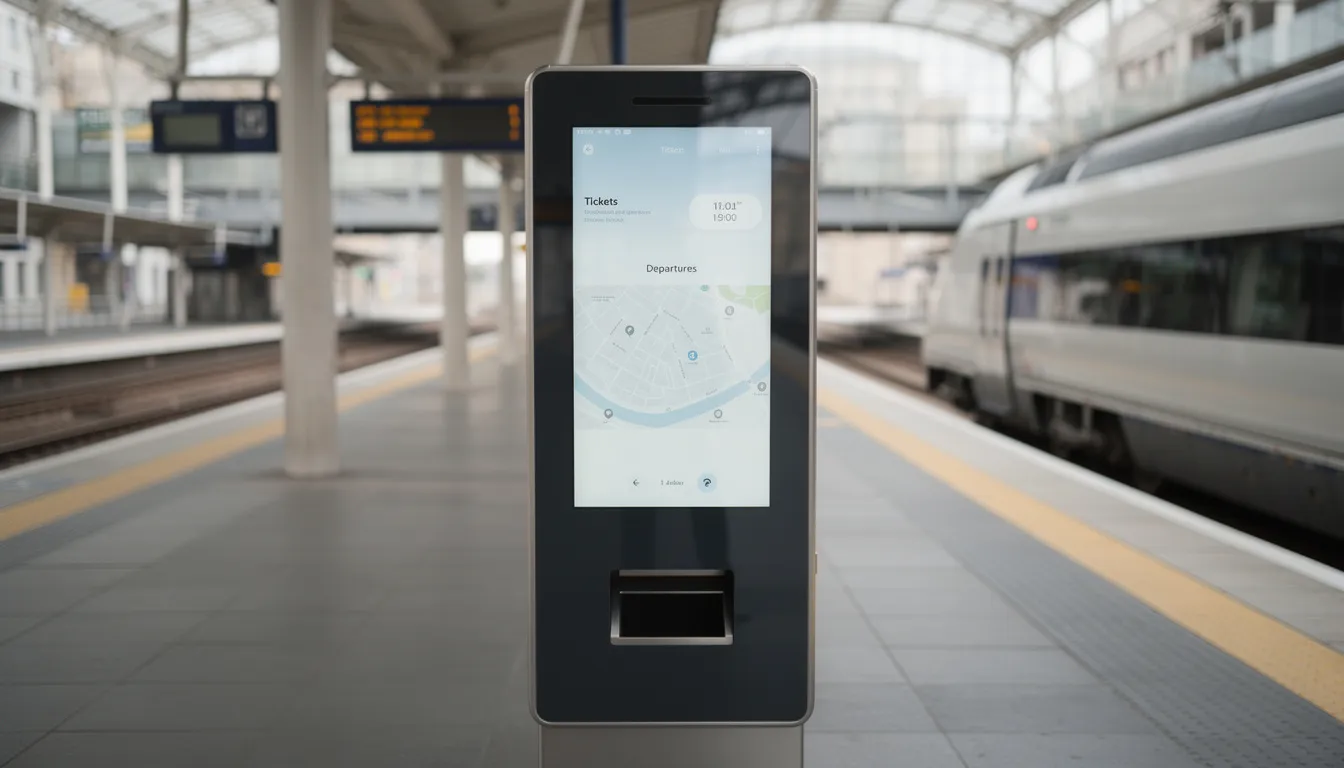
Tickets for regional trains are typically cheaper than long-distance fares and can be purchased shortly before departure. You’ll find ticket machines on platforms, mobile apps from various operators, or you can sometimes buy from conductors onboard depending on the operator.
Major train operators in Poland
Poland’s railways are liberalised, meaning multiple companies operate different parts of the network. PKP Intercity handles most long-distance services, while several regional companies manage local and suburban routes. Understanding who runs which trains helps when reading timetables or buying tickets online.
Each operator has its own booking system, fare structure, and ticket types. The following subsections cover the main players, their areas of operation, and practical tips for purchasing tickets from each.
PKP Intercity
PKP Intercity is the national long-distance operator headquartered in Warsaw. This is the company behind EIP, EIC, IC, and TLK trains, as well as most sleeper and couchette services. When people abroad think of polish trains, they’re usually imagining PKP Intercity services.
Coverage and connections:
-
All major Polish cities (Warsaw, Kraków, Gdańsk, Wrocław, Poznań, Katowice, Łódź, etc.)
-
International trains to Berlin, Vienna, Prague, Budapest, Bratislava, and Kyiv
-
Seasonal services to tourist destinations
Ticket purchase channels:
|
Channel |
Notes |
|---|---|
|
Website (pkpintercity.pl) |
Full English interface, print-at-home tickets |
|
Official mobile app |
QR code tickets, journey planning |
|
Station ticket offices |
Available at major stations, some English spoken |
|
Ticket machines |
Touch-screen, card payments accepted |
|
Onboard |
Possible on IC/TLK but not EIP |
|
PKP Intercity offers various discount schemes that can significantly reduce prices. Students, seniors, and families have dedicated reductions. Weekend offers and “Super Promo” fares reward early booking with savings of 50% or more. |
The operator accepts many international rail passes, but reservations and supplements are usually required. Budget extra money for these fees when planning with a pass.
POLREGIO
POLREGIO (formerly Przewozy Regionalne) is the largest regional operator in Poland, running Regio, RegioFast, and InterRegio services across multiple voivodeships. If you’re travelling between regional capitals and smaller towns, you’ll likely use POLREGIO.
Typical coverage:
-
Poznań–Gniezno
-
Lublin–Chełm
-
Szczecin–Kołobrzeg
-
Medium-distance routes throughout central and eastern Poland
Ticket options include single rides, day passes, and regional offers like the “Bilet Turystyczny” weekend ticket. You can purchase through the POLREGIO website, mobile app, station counters, or directly from the conductor onboard.
Most POLREGIO trains have unreserved seating. You can board any train valid for your ticket and find a free seat, which makes these services flexible for day trips and spontaneous travel.
Urban and regional operators (SKM, Koleje Mazowieckie, and others)
Several voivodeships operate their own rail companies, particularly around Poland’s largest cities. These operators focus on commuter and short-haul regional traffic, often with very frequent services.
Key operators include:
-
SKM Tricity (Szybka Kolej Miejska): Fast commuter rail between Gdańsk, Sopot, and Gdynia
-
SKM Warszawa and WKD: Suburban services around the capital
-
Koleje Mazowieckie: Mazovia region surrounding Warsaw
-
Koleje Śląskie: Silesia region (Katowice area)
-
Koleje Dolnośląskie: Lower Silesian Railways serving Wrocław’s region
-
Koleje Wielkopolskie: Greater Poland (Poznań region)
-
Koleje Małopolskie: Lesser Poland (Kraków region)
These operators typically offer frequent services with modern rolling stock. Many integrate with city tariffs and offer season tickets for regular commuters.
Tickets are often available from machines on platforms, at city ticket offices, and via regional mobile apps. Fare systems can differ from PKP Intercity, so check the specific operator’s website for up-to-date prices and local discount schemes like city cards or weekends passes.
Domestic and international routes
Poland has a strong network of domestic intercity routes complemented by direct trains to neighbouring countries including Germany, Czech Republic, Slovakia, Austria, Lithuania, and Ukraine. The rail network makes it easy to plan a multi-city trip through Central Europe or focus entirely on Poland’s diverse regions.
Combining long-distance IC or EIP trains with regional connections opens up access to smaller historic towns, natural areas like the Masurian Lakes, and mountain destinations such as the Tatra Mountains near Zakopane. You can cover impressive distances in a single day of travel.
Key domestic routes between major cities
Poland’s flagship domestic routes connect the country’s largest urban centres with frequent, fast service. Here are the most popular connections:
|
Route |
Service Types |
Approximate Time |
|---|---|---|
|
Warsaw–Kraków |
EIP, EIC, IC |
2–3 hours |
|
Warsaw–Gdańsk–Gdynia |
EIP, IC |
2h 45m–3h 15m |
|
Warsaw–Wrocław |
EIP, IC |
3h 40m–4h 30m |
|
Kraków–Wrocław |
IC |
3h 20m–3h 45m |
|
Poznań–Gdańsk |
IC |
~3 hours |
|
The Warsaw–Kraków and Warsaw–Gdańsk corridors have the highest frequency, with up to 20+ trains per day on the busiest routes. You’ll rarely have trouble finding a convenient departure time. |
Buying train tickets in advance often yields “Super Promo” or “Promo” fares that make high-speed travel surprisingly affordable. A Warsaw–Kraków EIP ticket can cost less than €15 if you book early—far cheaper than flying when you factor in airport time and transfers.
Seasonal traffic patterns affect certain routes. Coastal trains to Gdańsk, Gdynia, and Kołobrzeg see heavy summer demand, while services to Zakopane and the Tatra region peak during winter ski season. Book early for these periods.
International connections from Poland
Poland serves as a gateway between Western and Eastern Europe, with direct daytime and nighttime international trains making it convenient to combine Polish travel with broader European itineraries.
Key daytime cross-border routes:
-
Warsaw/Gdańsk–Berlin (via Poznań): EC service, ~5h 30m–6h to Berlin
-
Warsaw–Vienna (via Katowice): EC service, ~7h 30m–8h
-
Warsaw–Prague (via Bohumín): direct or connecting options
-
Kraków–Prague: available on selected days
-
Kraków–Budapest: overnight EN/IC combinations
Overnight services include Euronight and sleeper trains connecting:
-
Warsaw/Kraków–Prague
-
Warsaw/Kraków–Vienna
-
Warsaw–Budapest
-
Connections onwards to Munich or Salzburg on certain days
Some routes use EuroCity (EC) branding and require compulsory reservations. Rail-pass holders should note that supplements apply on certain trains, adding to your travel costs.
The benefit of centre-to-centre train travel becomes clear on these international routes. A Warsaw–Berlin journey of about 6 hours delivers you directly to Berlin Hauptbahnhof, avoiding airport security, checked baggage, and suburban transfers. For city breaks and multi-country trip planning, trains often prove more convenient than flying.
Tickets, reservations, and rail passes
Poland uses a mix of flexible and advance-purchase tickets, with mandatory reservations on most long-distance services and optional rail passes for extensive travel. Understanding the system helps you save money and avoid surprises at the platform. Train tickets can be purchased online without registration, and after purchasing them online, you can receive your tickets by email.
There’s no single ticket valid on all operators. PKP Intercity, POLREGIO, and regional companies each issue their own tickets, though journeys can often be combined with separate purchases. Tickets can be purchased at major train stations in Poland using a credit card. Planning ahead and knowing where to buy makes all the difference. Once you have decided on your specific train, ticket, or route, booking becomes straightforward. Train tickets can be booked in advance for trips inside Poland up to 30 days in advance. If you are considering whether to take a fast train or a scenic route, there is no doubt that while faster options save time, scenic journeys offer a unique travel experience.
Buying tickets in Poland
You have multiple options for purchasing train tickets in Poland:
Main sales channels:
|
Channel |
Best For |
Notes |
|---|---|---|
|
Station ticket offices |
Complex journeys, assistance |
Available at major stations; some English spoken |
|
Operator websites |
Advance booking, promos |
PKP Intercity has full English interface |
|
Official mobile apps |
Last-minute bookings |
QR code tickets accepted on all trains |
|
Ticket machines |
Quick purchases |
Found on platforms; card payments accepted |
|
Onboard from conductors |
Regional trains only |
Usually a small surcharge applies |
|
PKP Intercity sells print-at-home and mobile tickets with QR codes that are widely accepted. You don’t need to exchange these at a counter—just show your phone or printout to the conductor. |
Typical purchase windows:
-
Domestic tickets often go on sale 30–60 days before departure
-
International routes may open bookings around 60 days in advance
-
Release dates can vary, so check operator announcements
Buying early usually secures lower promo fares on EIP, EIC, and IC trains. Regional tickets are often fixed-price and can be purchased shortly before departure without penalty.
Most major operator sites offer English interfaces, and credit/debit cards are widely accepted. Cash remains an option at station windows and some machines.
Seat reservations and supplements
On PKP Intercity trains (EIP, EIC, IC, TLK), a seat reservation is normally compulsory. For regular passengers buying standard tickets, the reservation is bundled into the price—you don’t need to do anything extra.
Pass holders face a different situation. If you’re using a Eurail pass, Interrail, or similar, you must obtain a separate reservation before boarding. This can be done at:
-
PKP Intercity ticket offices
-
Large international stations for cross-border trains
-
Sometimes online (check the PKP Intercity website for current options)
EIP trains also require a high-speed supplement. For regular ticket buyers, this is already built into the price. Pass holders pay it separately along with their reservation fee.
Regional operators like POLREGIO and most urban railways don’t use reservations at all. You simply board any train valid for your ticket and find a free seat. This makes regional travel more flexible and spontaneous.
Peak travel advice: Reserve early for public holidays, summer weekends, and the Christmas/New Year period. Popular trains on routes like Warsaw–Gdańsk or Warsaw–Kraków can sell out completely during these times.
Rail passes: national and international options
Travellers can choose between point-to-point tickets and multi-day passes depending on how intensively they plan to use the rail network.
International passes valid in Poland:
-
Eurail Global Pass: Covers Poland plus 30+ other European countries; ideal for multi-country trips
-
Interrail Global Pass: Same coverage, for European residents
-
Country-specific options: Interrail Poland Pass where applicable
Some Polish operators and tour companies sell national or regional passes. Examples include weekend tickets and regional day passes allowing unlimited travel on certain trains during a set period.
Important pass considerations:
-
Even with a pass, reservations and supplements may be required on EIP, EIC, IC, and many international trains
-
These extras incur additional costs per journey (typically €3–10 depending on service)
-
Pass holders cannot simply board EIP trains without a valid reservation
Cost comparison tip: For a short stay with only a few long trips, individual promo tickets often work out cheaper than a pass. The math changes for frequent travellers or those visiting multiple countries on a single trip. Run the numbers before you purchase.
On-board experience and practical tips
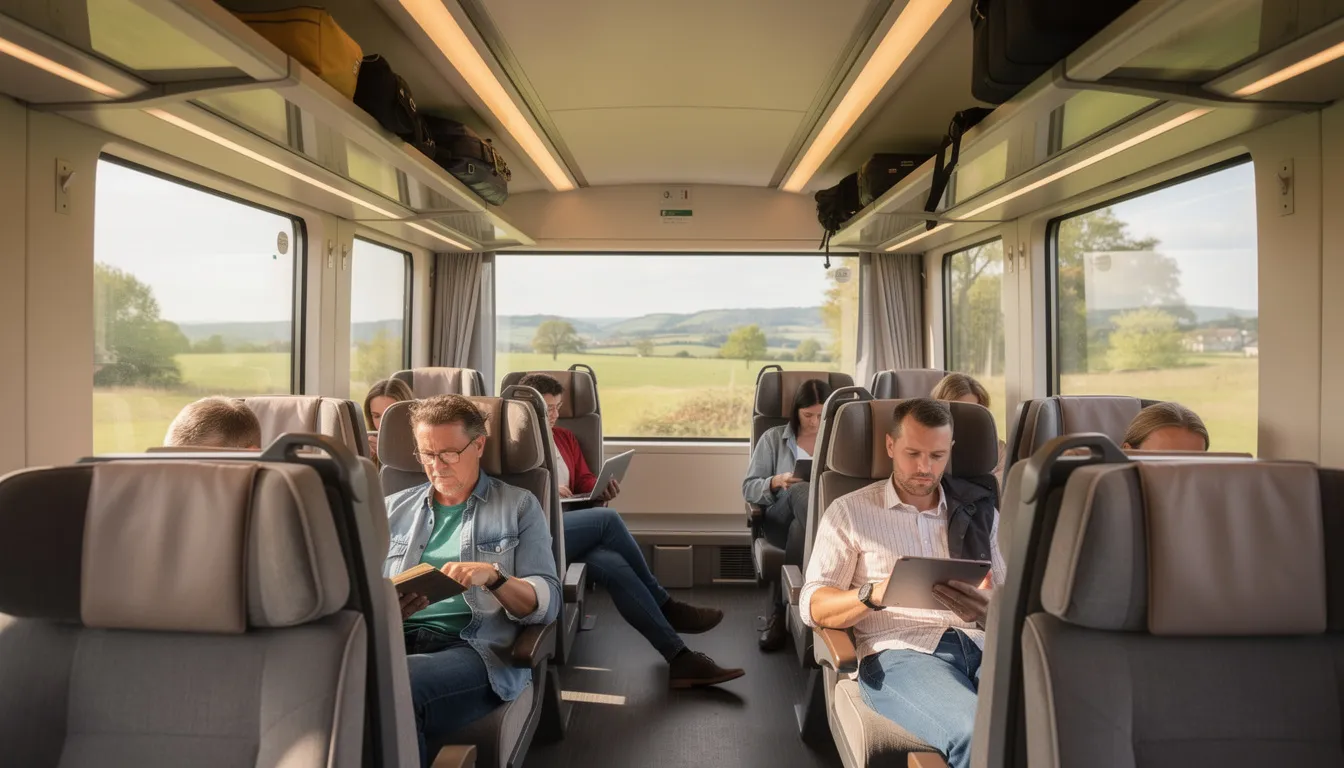
Polish trains are generally clean and safe, with growing availability of Wi-Fi, power sockets, and catering. Exact standards depend on the train type and operator—EIP and modern IC services offer the best amenities, while older TLK trains and some regional services are more basic.
This section covers practical information for day-to-day travel, from comfort levels to luggage policies and safety considerations.
Comfort, Wi-Fi, and catering
Seating layouts on PKP Intercity trains vary between 1st and 2nd class:
|
Class |
Features |
|---|---|
|
1st Class |
Wider seats, more legroom, quieter carriages, sometimes complimentary refreshments on EIP |
|
2nd Class |
Standard seating, compartments (6-seat) or open saloon, adequate for most journeys |
|
Both classes offer overhead luggage racks and space for larger bags at carriage ends. |
Wi-Fi is widely available on EIP and many IC/EIC trains. Regional services increasingly offer connectivity too, though coverage can be patchy in rural areas where mobile signals weaken. Don’t rely on Wi-Fi for critical work during your journey.
Power sockets are common in newer and refurbished coaches, especially in 1st class and on EIP/EIC/IC trains. Older TLK services and some regional units may lack them—bring a portable charger if you’re concerned.
Catering options:
-
Full restaurant cars on many long-distance IC/EIC services
-
Bistro bars on EIP trains
-
Trolley service on selected trains
-
Nothing guaranteed on regional services—bring snacks for shorter trips
Announcements are typically in Polish, with English added on major international or high-speed services. Digital displays in carriages show upcoming stops and coach information.
Luggage, bikes, and accessibility
There are generally no strict luggage limits on Polish trains. You can bring typical suitcases, backpacks, and carry-on bags that fit in overhead racks or at carriage ends. Use common sense—if you can carry it yourself, it’s probably fine.
Bicycles are allowed on many trains for a small extra fee. You’ll need a bike ticket, and spaces are limited. Long-distance services may require a bike reservation, so check when booking. Regional trains usually have designated bike areas near doors.
Accessibility has improved significantly:
-
Modern low-floor trains feature ramps or lifts
-
Designated wheelchair spaces on EIP, IC, and new regional units
-
Accessible toilets on most modern rolling stock
Passengers with reduced mobility should check station facilities before travelling. Major hubs like Warszawa Centralna, Kraków Główny, and Gdańsk Główny have lifts and assistance services. Smaller stations may have limited accessibility.
Families and pets:
-
Families are welcomed; some trains have family compartments
-
Children under 4 travel free; reduced fares for older children
-
Pets usually require a small surcharge
-
Dogs must be leashed; smaller animals need a carrier
Safety and travel etiquette
Trains in Poland are generally safe. Regular ticket inspections and visible staff provide security, though basic travel precautions still apply—watch your luggage, don’t leave valuables unattended, and stay aware of your surroundings, especially on overnight services.
Travel etiquette norms:
-
Keep voices low, particularly in open-plan carriages
-
Use phone calls discreetly; step to vestibule areas for long conversations
-
Respect quiet zones on EIP and some IC trains (marked with signage)
-
Yield priority seats to seniors, pregnant passengers, and people with disabilities
Smoking is strictly prohibited on trains and in most station areas. Fines for non-compliance are enforced.
Practical boarding tips:
-
Arrive at the platform a few minutes early
-
Check platform displays and overhead boards for train composition and coach numbers
-
Find your carriage before the train arrives—EIP and IC trains have specific car numbering
-
Seat numbers are marked; for reserved tickets, locate your assigned seat
Non-Polish speakers can manage comfortably in most situations. Station staff at larger cities often speak basic English or German, particularly at international ticket windows. Translation apps help with signage, and the journey experience is straightforward once you’re aboard.
Key Takeaways
-
Poland’s rail network connects major cities efficiently, with EIP Pendolino services reaching 200 km/h on flagship routes
-
PKP Intercity operates most long-distance services, while POLREGIO and regional operators handle local connections
-
Train ticket prices are affordable compared to Western Europe, especially with advance promo fares
-
Seat reservations are mandatory on most PKP Intercity services—book ahead for peak travel dates
-
International trains connect Poland directly to Berlin, Vienna, Prague, Budapest, and beyond
-
Modern rolling stock has improved comfort across the network, though older TLK trains remain basic
-
Both Eurail pass holders and point-to-point ticket buyers can explore Poland effectively by rail
Train travel in Poland offers an affordable, comfortable, and scenic way to discover Poland and connect with the rest of Europe. Whether you’re racing between Warsaw and Kraków on a Pendolino, exploring the Baltic coast via regional trains, or crossing into Germany on an EuroCity service, the rail network delivers genuine value.
The system rewards planners who book in advance, but it remains flexible enough for spontaneous regional travel. Understanding the difference between EIP, EIC, IC, and TLK helps you balance speed, comfort, and budget. And with multiple operators serving different regions, there’s almost always a train to wherever you want to go.
Start by checking routes on portalpasazera.pl or pkpintercity.pl. Download the PKP Intercity app for mobile tickets and real-time updates. Book your first journey a few weeks out to snag promo fares—and enjoy one of Europe’s most underrated rail networks.