



Train travel in Greece offers an affordable and scenic way to explore the country’s diverse landscapes, from the bustling streets of Athens to the historic city of Thessaloniki. The greek railway system, operated by Hellenic Train, connects the country’s main cities through some of Europe’s most beautiful terrain, passing iconic landmarks like Mount Olympus and winding through gorgeous mountain valleys.
Whether you’re planning a journey from Athens to Thessaloniki or seeking domestic scenic trains that showcase Greece’s natural beauty, this comprehensive guide covers everything you need to know about greece trains. From booking train tickets to understanding the various train types available, we’ll help you navigate the greek railway network with confidence.
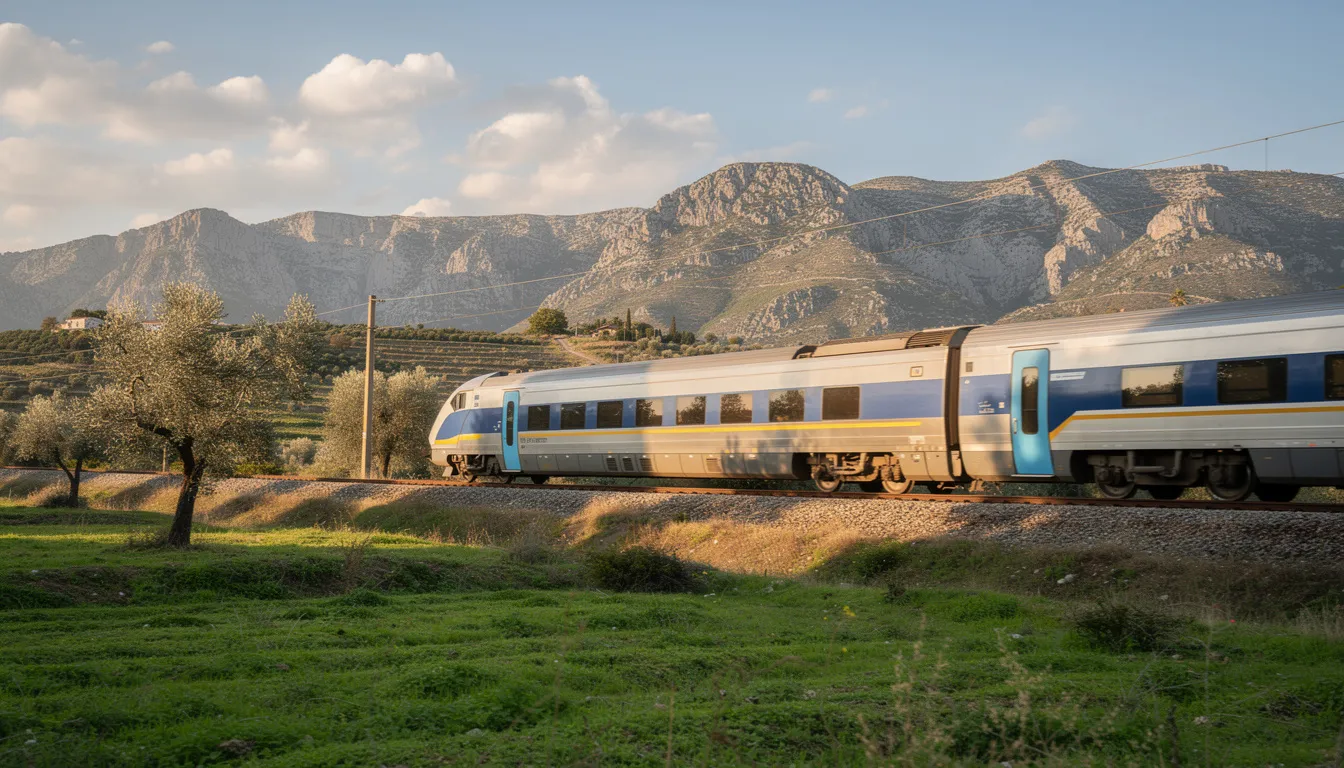
Greek Railway System Overview
Hellenic Train operates all passenger rail services across the greek railway system, making it the primary greek railway company responsible for domestic trains throughout the country. The railway service connects major urban centres with reliable train schedules, offering travelers an alternative to bus transportation that’s often more affordable and comfortable.
The main intercity train route runs from Athens to Thessaloniki, completing the journey in approximately 4 hours with modern rolling stock featuring air conditioning and panoramic windows. For shorter distances, the suburban railway extends from Athens toward Patras, reaching Kiato station where passengers can continue their trip by other means of public transportation.
Currently, no international train traffic operates directly from Greece, as international trains were suspended in 2011 and have not been restored. This means travelers cannot take direct rail connections to other countries, requiring alternative arrangements for international travel through ferry routes or bus connections.
Despite the lack of international rail connections, train travel within Greece remains more affordable than bus transport on most routes. The railway system serves the country’s main cities efficiently, with certain trains offering spectacular views of the Greek countryside that make the journey as memorable as the destination.
Main Train Routes in Greece
The backbone of the greek railway network is the Athens-Thessaloniki route, served by both intercity trains that complete the journey in 4 hours and regular trains that take approximately 6 hours. This primary line connects Greece’s political capital with its second-largest city, passing through historically significant regions and offering passengers views of Mount Olympus during the final approach to Thessaloniki.
The Athens-Patras route operates as a suburban railway service extending to Kiato station, where the line currently ends. Passengers continuing to Patras must transfer to bus transportation, as the complete rail connection to this important port city remains under development with ongoing conversion from metre-gauge to standard-gauge track.
Additional routes from both Athens and Thessaloniki serve Alexandroupoli in eastern Macedonia, connecting travelers to this important border city near Turkey. The Florina connection provides access to northwestern Greece, while the route to Kalambaka offers convenient access to the famous Meteora monasteries, though kalambaka reservations required during peak tourist seasons.
All following routes pass through scenic landscapes that showcase Greece’s diverse geography, from coastal plains to mountainous terrain. Train times vary depending on the service level chosen, with intercity services offering the fastest connections between the country’s main cities.
Types of Trains in Greece
Modern Train Services
Intercity trains represent the premium service level in the greek railway system, featuring air conditioning essential for summer travel, comfortable seating with generous legroom, and large panoramic windows perfect for sightseeing. These trains connect major destinations like intercity athens to Thessaloniki in the shortest possible train times.
Regular trains offer a more economical option, taking approximately 6 hours for the athens thessaloniki route compared to the faster intercity services. While slower, these domestic trains provide reliable transportation with comfortable accommodations suitable for budget-conscious travelers.
Suburban trains serve shorter routes around major urban centres, particularly the Athens metropolitan area where they connect the city to surrounding towns and transport hubs. These trains integrate with the broader public transportation network, making it easy to reach destinations like Athens International Airport.
Scenic and Tourist Trains
The rack railway diakopto to Kalavryta represents one of Greece’s most spectacular tourist rail experiences, taking passengers on a 1-hour journey through the gorgeous vouraikos gorge. This rack railroad operates year-round, providing access to the mountain town of Kalavryta and showcasing some of the country’s most dramatic scenery.
The Katakolo-Ancient Olympia route serves cruise tourists with a 45-minute connection to the archaeological site where the ancient Olympic Games originated. Olympia reservations are recommended during busy cruise ship seasons, as this short but popular route can fill quickly.
Steam train travels on the pelion train offer a nostalgic experience during summer weekends, with a 90-minute journey from Ano Lehonia to Milies through the spectacular mount pelion region. The milies reservations system ensures passengers can secure seats for this popular heritage railway experience that celebrates Greece’s steam train history.
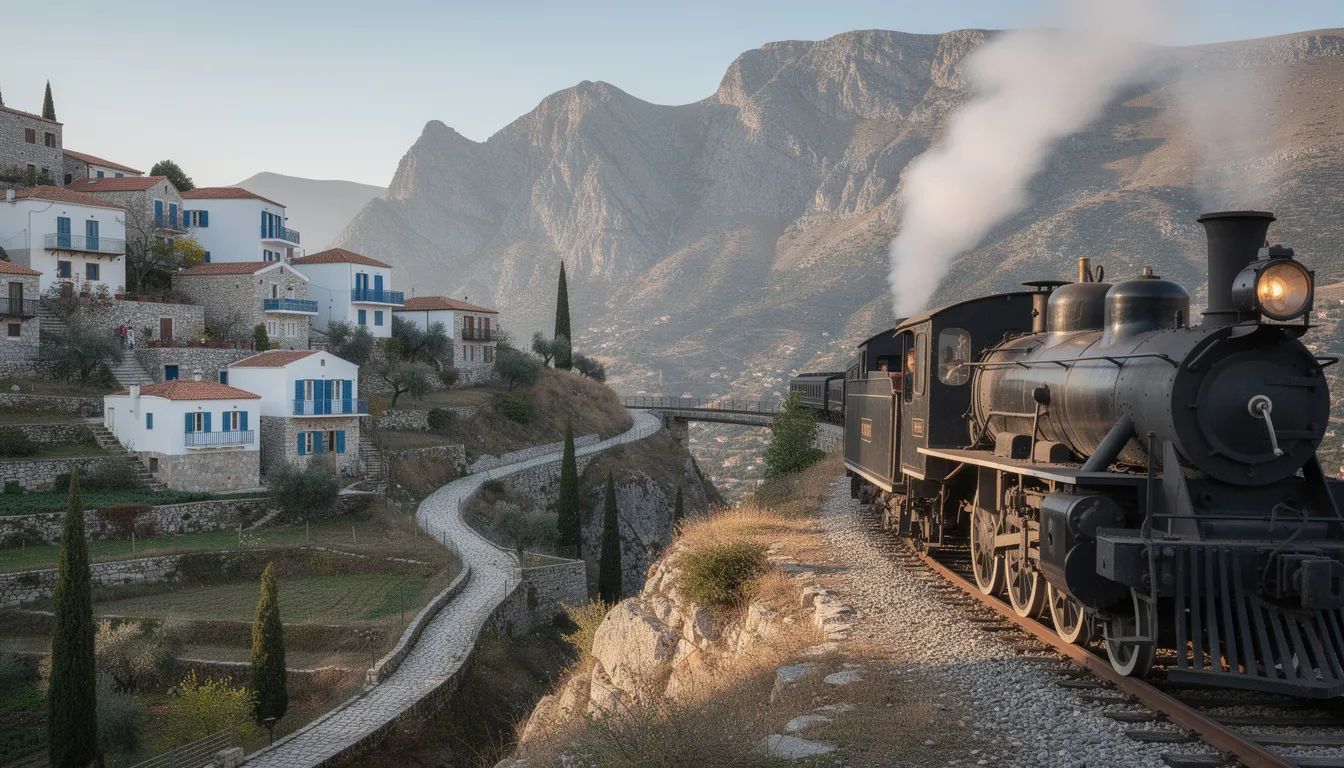
These following scenic trains have been preserved by OSE for their cultural and tourist value, providing unique travel experiences that showcase Greece’s railway heritage while connecting visitors to important historical and natural attractions.
Major Train Stations
Athens Larissis Station serves as the main central railway station for the greek railway network, operating from 06:00 to 00:00 daily and providing comprehensive passenger services. This central train station offers free WiFi for 30 minutes, luggage lockers, and passenger information services to help travelers navigate train schedules and book train tickets.
Thessaloniki Central Station, located on Monastiriou Avenue, operates 24 hours daily and serves as the northern hub of the railway system. The station provides similar amenities to Athens, with convenient access to the city center just 15 minutes away from Aristotle Square.
Patras Station operates from 05:30 to 21:30 and serves as a crucial connection point for ferry travel to international destinations. This train station coordinates with international ferry routes to Italy, making it an important gateway for travelers combining rail and ferry travel in their european trip.
All major stations throughout the greek railway network provide essential passenger services including ticket sales, luggage storage, and real-time information about train times and potential operational issues. These facilities ensure that taking the train remains convenient and comfortable for both domestic and international visitors.
Train Tickets and Booking
Booking train tickets for greece trains has become increasingly convenient with online options available through the hellenic train website at hellenictrain.gr. The official platform offers seat selection, print-at-home tickets, and the ability to purchase tickets up to one year in advance for better planning flexibility.
Alternative booking platforms like 12go.com provide reliable ticket purchasing with 24-hour confirmation, making it easier for international travelers to secure their train tickets before arriving in Greece. These platforms often display avis retail prices alongside train fares, helping travelers compare transportation costs across different modes.
Train fares throughout the greek railway system are generally less expensive than bus tickets for equivalent routes, making rail travel an economical choice. The pricing structure varies by train types, with intercity services commanding premium prices while regular trains offer budget-friendly alternatives.
When booking, travelers should note that certain trains require reservations, particularly tourist services and peak-season departures. Additional fees may apply for seat reservations on some services, and fees apply differently depending on the route and service level chosen.
Train Passes for Greece
The Interrail Greece Pass provides excellent value starting from €91, covering all domestic routes within the greek railway network. This pass valid option allows unlimited travel on hellenic train services, making it ideal for travelers planning multiple trips within the country.
For more extensive european travel, the Interrail Global Pass begins at €212 and covers Greece plus 32 other countries, providing access to rail networks across central europe and beyond. This comprehensive option works well for travelers combining greece rail with broader european itineraries.
The Greek Islands Pass, starting from €77, uniquely combines rail travel with ferry connections, including discounted ferry travel to the greek islands and routes to Italy. This specialized pass recognizes the importance of ferry travel in Greece, where island hopping represents a major component of the tourism experience.
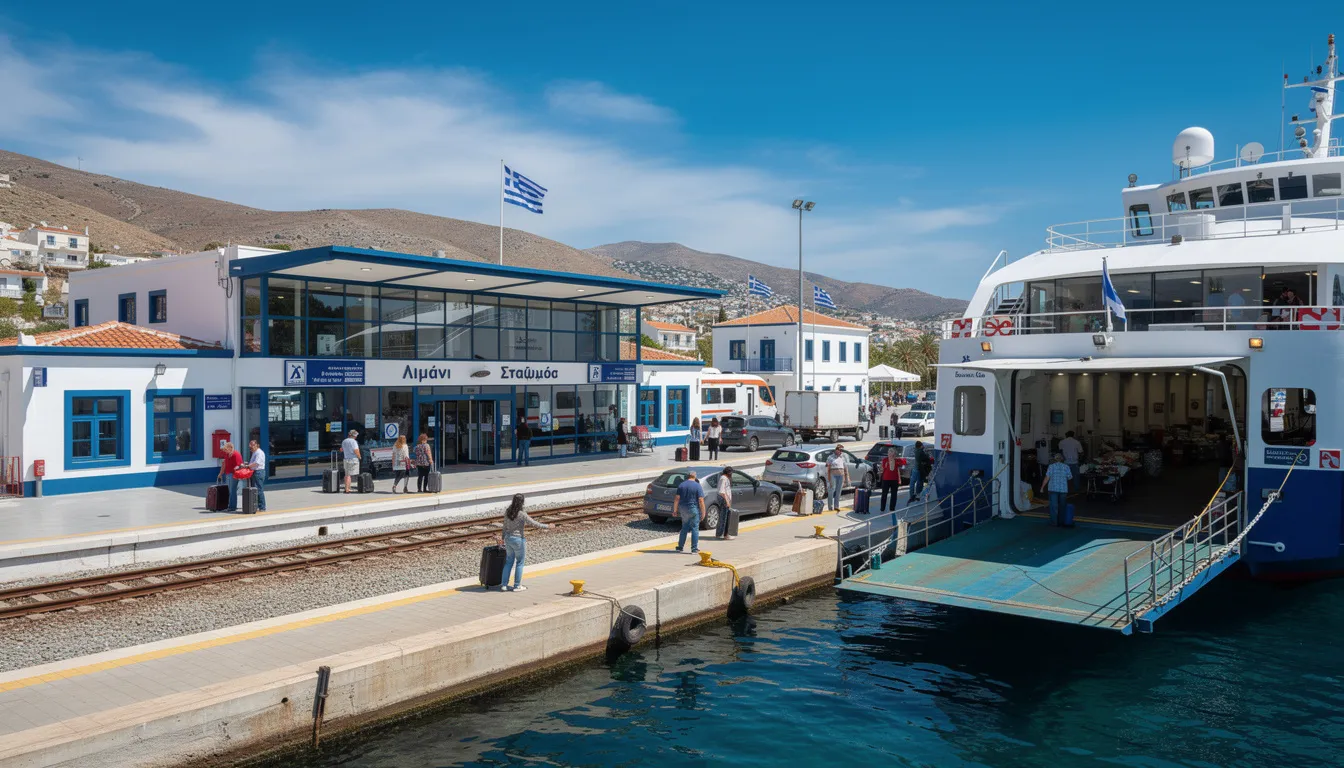
Youth, senior, and family discounts are available on all eurail passes, making train travel more accessible across different demographics. These passes also include benefits for ferry travel with Blue Star Ferries and Superfast Ferries, extending the value beyond just rail transportation.
Pass holders can take advantage of train supplements and other benefits that enhance the travel experience, from priority booking to discounted accommodations in partner hotels throughout Greece and central europe.
International Connections
Currently, no direct international trains operate from the greek railway network, as these services were cancelled in 2011 and have not been restored despite ongoing discussions about european rail integration. This absence of international train traffic means travelers must arrange alternative transportation to reach other countries from Greece.
The most practical alternative involves taking the Athens-Thessaloniki train followed by bus connections to Sofia, Bulgaria, from where travelers can access the broader european rail network. While this requires multiple transfers, it remains the most efficient overland route to central europe via public transportation.
North macedonia can be reached by bus from Thessaloniki, providing connections to the macedonian and serbian rail networks. However, these connections require careful planning as train schedules and bus timetables don’t always align efficiently.
Ferry Connections to Europe
International ferry routes from Patras provide the primary connection between the greek railway system and the broader european transport network. Overnight ferries to Bari offer cabins, restaurants, and entertainment facilities, making the journey comfortable for travelers continuing their trip to Italy.
Ferry routes to Ancona and Venice provide additional options for reaching Italy, from where direct train connections serve Rome, Milan, Paris, and other major european destinations. These combined rail-ferry routes effectively extend the reach of greece rail beyond the country’s borders.
Eurail passes provide discounted ferry travel between Greece and Italy, recognizing the importance of maritime connections in european rail travel. This integration acknowledges that island nations and peninsular countries often require ferry travel to maintain connectivity with continental rail networks.
From Italian ports, travelers can access high-speed rail services and extensive european networks, making the ferry connection an essential component of international journeys that begin or end in Greece. This route gives travelers more possibilities for exploring europe while maintaining the environmental benefits of rail and ferry travel.
Airport and City Connections
Athens International Airport (E.Venizelos) connects to the city center through hourly train services that integrate seamlessly with the suburban railway network. These trains run to Athens Central railway station and continue to Kiato, with passengers changing at Ano Liossia for some destinations.
The airport rail service provides a reliable alternative to taxis and buses, particularly valuable for travelers with check in luggage who prefer the convenience of rail transport. Train schedules accommodate most flight arrivals and departures, though late-night services may be limited.
Metro trains connect Athens city center to Piraeus port, facilitating easy transfers for travelers combining train travel with ferry services to the greek islands. This integration makes island hopping more convenient by providing seamless connections between different transportation modes.
Thessaloniki’s central station sits just 15 minutes from Aristotle Square in the city center, making it easily accessible for travelers arriving by train. The station’s central location eliminates the need for additional public transportation to reach most hotels and attractions.

Greek City Names and Spellings
Understanding local spelling variations is essential when reading greek railway schedules and station signs. Athens appears as “Athina” on train timetables and official greek railway documentation, which can initially confuse international travelers expecting the anglicized version.
Corfu is listed as “Kérkyra” on local schedules, while Patras appears as “Pátra” and Piraeus shows as “Pireás” in Greek transliterations. Heraklion, the major city on Crete, appears as “Iráklio” in greek railway materials, though this destination requires ferry connections as no rail service reaches the greek islands.
Corinth appears as “Kórinthos” on station signs and timetables, reflecting the greek language transliteration system used throughout the railway system. These local spelling variations are consistent across official hellenic train materials and station signage.
When planning your journey, familiarizing yourself with these local spelling variations will help you navigate train schedules more effectively and ensure you board the correct train. The railway service maintains consistent use of greek transliterations in official materials, making recognition easier once you understand the naming conventions.
Planning Your Greek Rail Journey
The greek railway system offers an excellent way to explore Greece’s diverse landscapes while connecting the country’s most important destinations. From the efficiency of intercity services to the charm of scenic trains like the rack railway through vouraikos gorge, train travel provides unique perspectives on Greek geography and culture.
When taking your journey into your own hands, consider combining different train types to maximize your travel experience. Start with intercity trains for long-distance travel between major cities, then explore domestic scenic trains for memorable experiences in mountainous regions or historic areas.
For travelers seeking comprehensive coverage, train passes offer excellent value and flexibility, particularly when combined with ferry travel to extend your route beyond the mainland. The integration of rail and maritime transport reflects Greece’s unique position as a bridge between central europe and the mediterranean world.
Whether you’re traveling from volos athens or exploring the historic sites accessible via kalambaka and kalavrita reservations, the greek railway network provides reliable access to the country’s most significant destinations. With proper planning and understanding of the railway system, train travel in Greece offers an affordable, comfortable, and scenic way to explore this historically rich country.
As public transportation ends its daily service in most areas, trains often provide extended hours and more reliable schedules than local buses, making rail travel a practical choice for visitors and residents alike. The combination of modern infrastructure on main routes and preserved heritage lines ensures that greece trains serve both practical transportation needs and tourism interests effectively.