


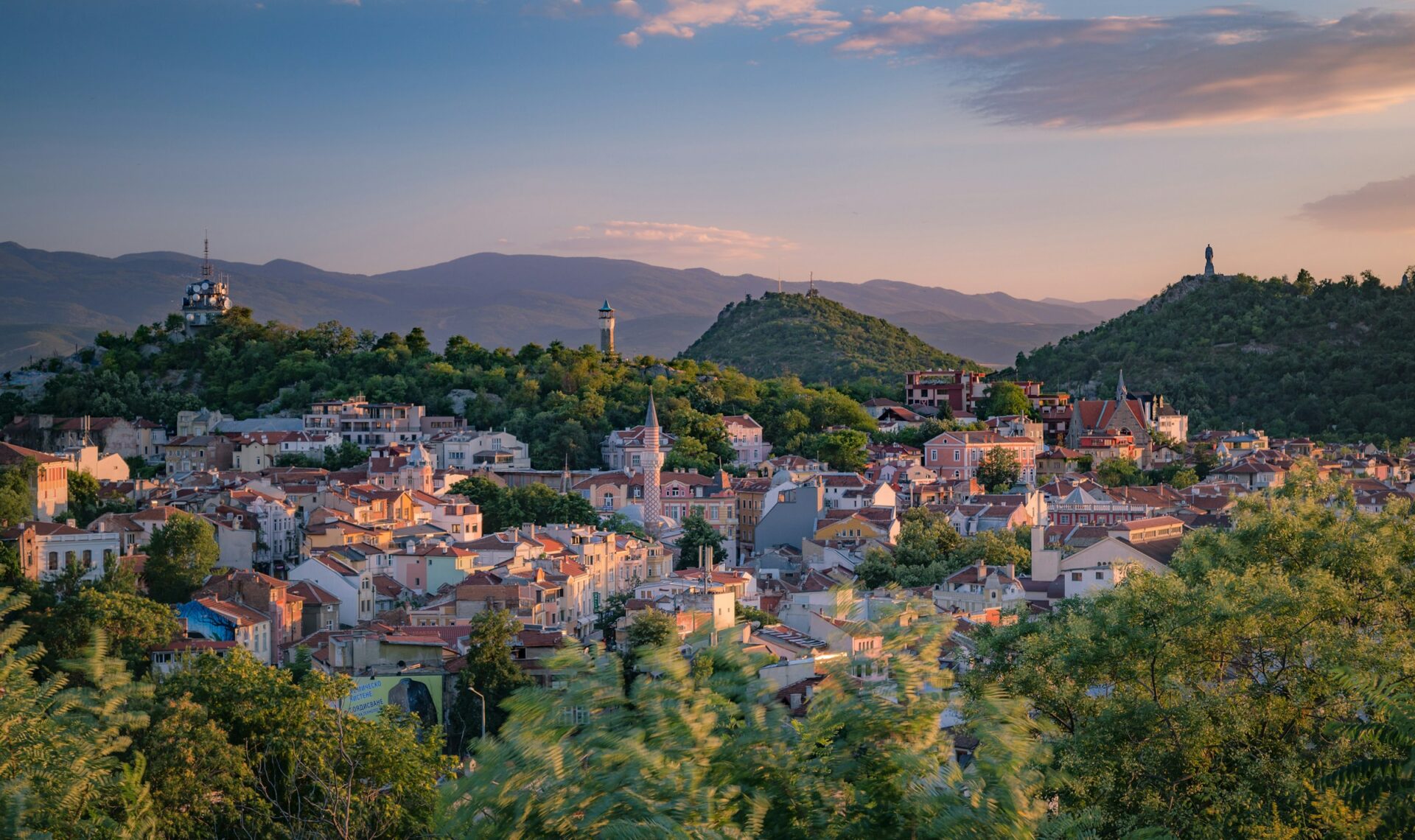
Bulgaria’s railway network offers one of Europe’s most authentic and scenic train travel experiences, connecting travelers to a country where trains have shaped national identity for over 150 years. Whether you’re planning to explore bulgarian cities, cross international borders, or simply enjoy mountain scenery from your train window, understanding the bulgarian railways system will enhance your journey through this fascinating Balkan nation.
From the bustling train station platforms in Sofia to remote mountain halts serving traditional villages, trains in bulgaria provide an affordable and atmospheric way to discover the country. While the railway network faces modern challenges, recent eu funds have supported significant improvements to key routes, making train travel an increasingly attractive option for both domestic and international journeys.
Overview of Bulgarian Railway System
Bulgaria operates over 4,000 kilometers of railway track managed by Bulgarian State Railways (BDZ), the country’s largest railway carrier since its establishment in 1888. Sofia serves as the primary railway hub, connecting travelers to major destinations across Europe and providing the foundation for the national railway network that spans this mountainous country of 7.3 million people.
The bulgarian railways website shows a system that has evolved dramatically since the first line opened between Ruse and Varna in 1866. Today’s network reflects both historical ambitions and modern realities, with the railway infrastructure serving as a crucial link between Europe and Turkey while supporting domestic passenger and freight transport.
Recent modernization efforts funded by eu funds have focused on upgrading key corridors to meet European standards. The railway system operates using the bulgarian currency (Bulgarian Lev – BGN) for domestic tickets, while international trains often accept multiple payment methods. Train stations display arrival and departure information, though many signs remain in Cyrillic script, requiring some navigation skills for international travelers.
BDZ continues as the country’s primary operator, managing both passenger services and the railway lines that connect bulgarian cities to destinations throughout Western Europe and beyond. The railway network represents one of Bulgaria’s most significant infrastructure achievements, linking the Romanian border in the north to Greece and Turkey in the south.
Bulgarian Railway Network Layout
The railway network layout reflects Bulgaria’s challenging geography, with most railway lines running east-west parallel to the Balkan and Rhodope Mountains. This configuration creates a system where trains must navigate around rather than through major mountain ranges, influencing both route planning and journey times across the country.
Key routes radiate from Sofia to Black Sea ports Varna and Burgas via major cities like Plovdiv and the railway junction at Gorna Oryahovitsa. The Sofia to Varna route represents one of Bulgaria’s most important rail connections, requiring trains to traverse both plains and foothills while serving numerous intermediate stations along the 500-kilometer journey.
|
Major Junction |
Primary Connections |
Strategic Importance |
|---|---|---|
|
Plovdiv |
Sofia, Burgas, Turkish border |
Southern Bulgaria hub |
|
Gorna Oryahovitsa |
Sofia, Varna, Ruse |
Central network junction |
|
Dimitrovgrad |
Sofia, Turkish border |
International gateway |
|
Ruse |
Romanian border, Sofia |
Danube River crossing |
Important north-south connections link Ruse on the romanian border to Dimitrovgrad near the Turkish border, creating a vital corridor for international freight and passenger traffic. This route crosses the central mountain regions, requiring careful engineering and creating opportunities for scenic travel through Bulgaria’s interior landscapes.
The mountains significantly impact rail connection possibilities, with the network featuring numerous bridges, tunnels, and winding sections that add character to journeys while limiting operational speeds. Major railway junctions at Plovdiv, Gorna Oryahovitsa, Dimitrovgrad, and Ruse serve as critical nodes where passengers often change trains for continuing journeys to different regions or international destinations.
Types of Trains and Services
Bulgarian trains operate under several service categories, each designed for specific travel needs and offering different levels of comfort and speed. Understanding these distinctions helps travelers choose appropriate services and plan journey logistics effectively.
BVZR trains represent the fastest domestic services, requiring mandatory seat reservation and offering the most comfortable travel experience on major routes. These trains typically serve longer distances between significant cities and provide the most reliable schedules for time-sensitive travel.
MBV international trains connect Bulgaria with neighboring countries, including the important daily service between Ruse and Bucharest operated by CFR (Romanian Railways). These international trains often feature modern turkish sleeping cars on longer routes, meeting current European standards for overnight travel comfort.
|
Train Type |
Service Level |
Reservation |
Typical Routes |
|---|---|---|---|
|
BVZR |
Fast domestic |
Mandatory |
Sofia-Plovdiv, Sofia-Burgas |
|
MBV |
International fast |
Required |
Ruse-Bucharest, Sofia-Istanbul |
|
BV |
Fast domestic |
Optional |
Regional connections |
|
PV |
Standard passenger |
None required |
Local routes |
|
KPV |
Local passenger |
None required |
Short distances |
BV fast trains serve domestic routes with optional reservations, providing a balance between speed and accessibility for travelers on regional journeys. These services connect smaller cities and towns while maintaining reasonable journey times for medium-distance travel.
PV passenger trains and KPV local passenger trains handle regional connections, serving smaller stations and rural communities. While these services may operate at slower speeds, they provide essential connectivity for areas not served by faster train categories and offer authentic experiences of local railway culture.
International night trains feature sleeping compartments with improved standards, though the network of international night trains has contracted significantly in recent years. Only trains to specific destinations like Istanbul continue to offer traditional sleeper services with first class compartments and full overnight amenities.
Domestic Railway Routes
The domestic railway network connects all major bulgarian cities through a series of established routes, with Sofia serving as the central hub for most long-distance journeys. Journey times vary significantly based on route conditions, train type, and infrastructure constraints along different corridors.
The Sofia to Varna route covers approximately 500 kilometers and typically takes 8 hours, making it one of the longest domestic journeys. This route passes through Gorna Oryahovitsa and serves numerous intermediate stations, offering travelers views of central Bulgaria’s agricultural regions and small towns.
Sofia to Burgas represents another major trunk route, with journeys typically requiring 6 hours when trains run on schedule. This line serves southern Bulgaria and provides crucial access to Black Sea resort areas, making it particularly busy during summer months when tourists travel to coastal destinations.
The Sofia to Plovdiv connection functions as the country’s primary trunk line, serving as the foundation for onward connections to southern Bulgaria and international destinations. This electrified double-track route offers some of the best railway infrastructure in the country and supports both passenger and freight services.
|
Route |
Distance |
Journey Time |
Key Stops |
|---|---|---|---|
|
Sofia-Varna |
~500 km |
8 hours |
Gorna Oryahovitsa |
|
Sofia-Burgas |
~400 km |
6 hours |
Plovdiv, Karnobat |
|
Sofia-Plovdiv |
~160 km |
2.5 hours |
Direct service |
|
Plovdiv-Varna |
~350 km |
5 hours |
Karnobat, Shumen |
Veliko Tarnovo remains accessible via Gorna Oryahovitsa, requiring a short branch line connection that offers scenic mountain views as trains wind through the historic region. This route provides access to one of Bulgaria’s most significant historical cities while demonstrating the railway’s role in connecting important cultural centers.
Burgas station serves as the gateway to Black Sea resort areas, including popular destinations like Sunny Beach. During peak season, additional trains operate to handle tourist traffic, though advance planning remains advisable for summer travel to coastal areas.
International Train Connections
Current International Services
International rail connections from Bulgaria have contracted significantly over recent decades, with only trains to certain neighboring countries continuing regular passenger service. The daily train between Ruse, Bulgaria and Bucharest, Romania represents the most reliable international connection, operated by CFR via the Friendship Bridge across the Danube River.
This romanian train service provides a crucial rail link between the two countries, allowing travelers to continue to other destinations in Central and Western Europe. The route operates with modern rolling stock and reasonable journey times, making it a practical alternative to bus or air travel for travelers heading north.
The Sofia to Istanbul sleeper train remains the only direct rail connection between Bulgaria and Turkey, operating overnight with sleeping compartments and traditional railway amenities. This international night train represents one of Europe’s last authentic long-distance rail connections to the Middle East, though service can be irregular and requires advance booking.
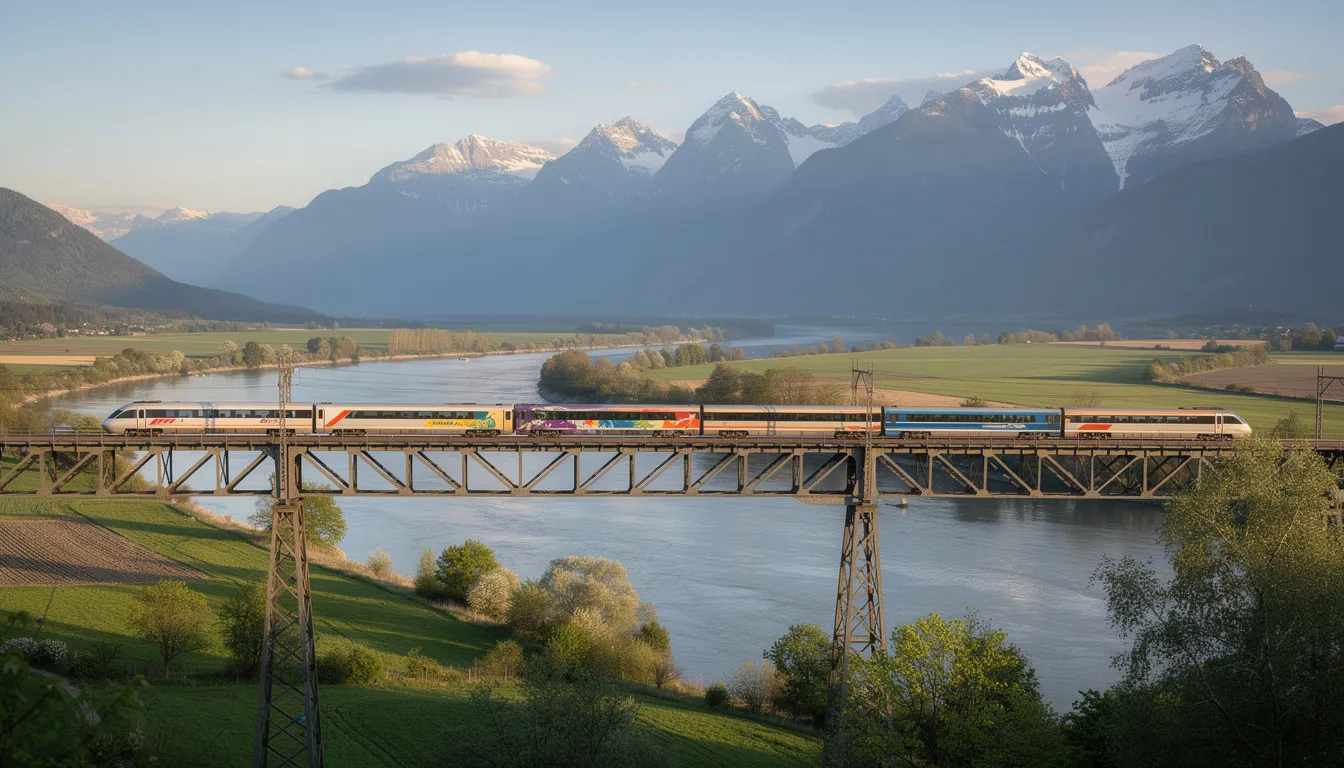
No current rail service operates between Bulgaria and Serbia, with sofia-Dimitrovgrad trains suspended for several years due to infrastructure issues and border complications. Travelers seeking connections to Belgrade or other Serbian destinations must rely on bus connections or alternative routing through other countries.
Suspended International Routes
Several important international routes have been discontinued in recent years, significantly reducing Bulgaria’s connectivity to neighboring countries. The Sofia to Thessaloniki and Athens services ended operations, eliminating direct rail connections between Bulgaria and Greece despite the countries sharing a border.
No passenger trains currently operate between Bulgaria and North Macedonia, despite historical connections through this route. The railway infrastructure exists but lacks regular passenger service, forcing travelers to use bus connections or complex routing through other countries.
Trains from Bulgaria reach only Kulata near the Greek border without continuing across the frontier, creating a gap in international rail connectivity that affects tourism and business travel. This suspension represents part of a broader decline in Balkan railway connections that has reduced the region’s rail integration.
International day train services have declined significantly over the past decade, with only trains on specific routes maintaining regular schedules. The reduction in cross-border railway services reflects infrastructure challenges, economic pressures, and changing travel patterns throughout southeastern Europe.
Ticketing and Reservations
The bulgarian railways website at bileti.bdz.bg provides online booking services, though registration is required before travelers can purchase tickets through the system. This official platform opens advance booking 5-30 days before departure date, depending on the specific train and route.
Reservation requirements vary by train type, with seat reservation mandatory on BVZR and international MBV trains while remaining optional on other services. Understanding these requirements prevents complications at departure and ensures access to preferred travel times.
Station tickets are typically printed in Cyrillic script, which may present challenges for non-Bulgarian speakers navigating the railway system. The ticket office staff at major stations often speak some English, particularly in Sofia and other tourist-oriented locations.
|
Booking Method |
Advance Period |
Languages |
Payment Options |
|---|---|---|---|
|
BDZ Website |
5-30 days |
Bulgarian |
Bank cards, local payment |
|
Rail Ninja |
Up to 2 years |
English |
International bank cards |
|
Station Office |
Same day |
Bulgarian/Limited English |
Cash, some bank cards |
Rail Ninja provides an alternative English-language booking service up to 2 years in advance, offering convenience for international travelers planning extended journeys. This platform charges service fees but simplifies the booking process for non-Bulgarian speakers.
Eurail and Interrail passes remain valid on Bulgarian trains with low reservation fees (€0.50 for domestic routes, €3 for international services). Pass holders can book reservations at station ticket offices or through conductor services on many trains.
Payment options include bank cards at major stations and online platforms, though cash remains widely accepted and sometimes preferred for smaller purchases. International travelers should prepare bulgarian currency for incidental purchases and smaller station transactions.
Scenic Railway Routes
The Septemvri to Dobrinishte narrow gauge railway through the Rhodope Mountains offers Bulgaria’s most spectacular train ride, winding through pristine mountain landscapes and traditional villages. This narrow gauge line operates with authentic mountain railway charm, featuring tight curves, steep gradients, and stunning alpine scenery.
The route includes convenient connections to the Bansko ski resort, making it accessible for winter sports enthusiasts and summer hikers alike. The narrow gauge railway connects to the main Sofia-Plovdiv line at Septemvri, allowing travelers to reach the mountains using regular train services before transferring to the scenic mountain line.
Sofia to Mezdra line passes through the spectacular Iskar Gorge, where the railway follows the river through dramatic limestone cliffs and forested mountainsides. This route demonstrates Bulgarian railway engineering at its finest, with numerous bridges and tunnels carved through challenging terrain.
The Gorna Oryahovitsa to Veliko Tarnovo branch offers mountain scenery as trains wind through the historic heart of Bulgaria, passing medieval fortifications and traditional architecture. The short journey provides excellent photographic opportunities and cultural insights into Bulgaria’s historical development.
|
Scenic Route |
Highlights |
Duration |
Best Season |
|---|---|---|---|
|
Septemvri-Dobrinishte |
Rhodope Mountains, villages |
5 hours |
Spring/Summer |
|
Sofia-Mezdra |
Iskar Gorge, river views |
2 hours |
Year-round |
|
Gorna Oryahovitsa-Veliko Tarnovo |
Historical sites, hills |
45 minutes |
Spring/Fall |
The narrow gauge railway through the mountains features authentic mountain railway operations, with locomotives working hard on steep grades and offering passengers unique perspectives on Bulgarian mountain culture. Photography enthusiasts find excellent opportunities along these routes, particularly during spring and autumn when natural colors enhance the landscape views.
Railway Stations and Facilities
Sofia Central Station exemplifies brutalist architecture while providing comprehensive facilities for travelers, including ticket offices, luggage lockers, shops, and food outlets. The station serves as Bulgaria’s primary railway hub and offers the most extensive passenger amenities in the country.
Varna and Plovdiv stations showcase elegant historical architecture from Bulgaria’s railway golden age, featuring preserved facades and period details that reflect the system’s 19th-century origins. These stations combine historical charm with modern functionality, serving both regional and long-distance train services.
Ruse station represents communist-era railway design, displaying the architectural preferences of the socialist period while functioning as an important international gateway. The station facilitates border procedures for passengers traveling to and from Romania via the nearby Danube crossing.
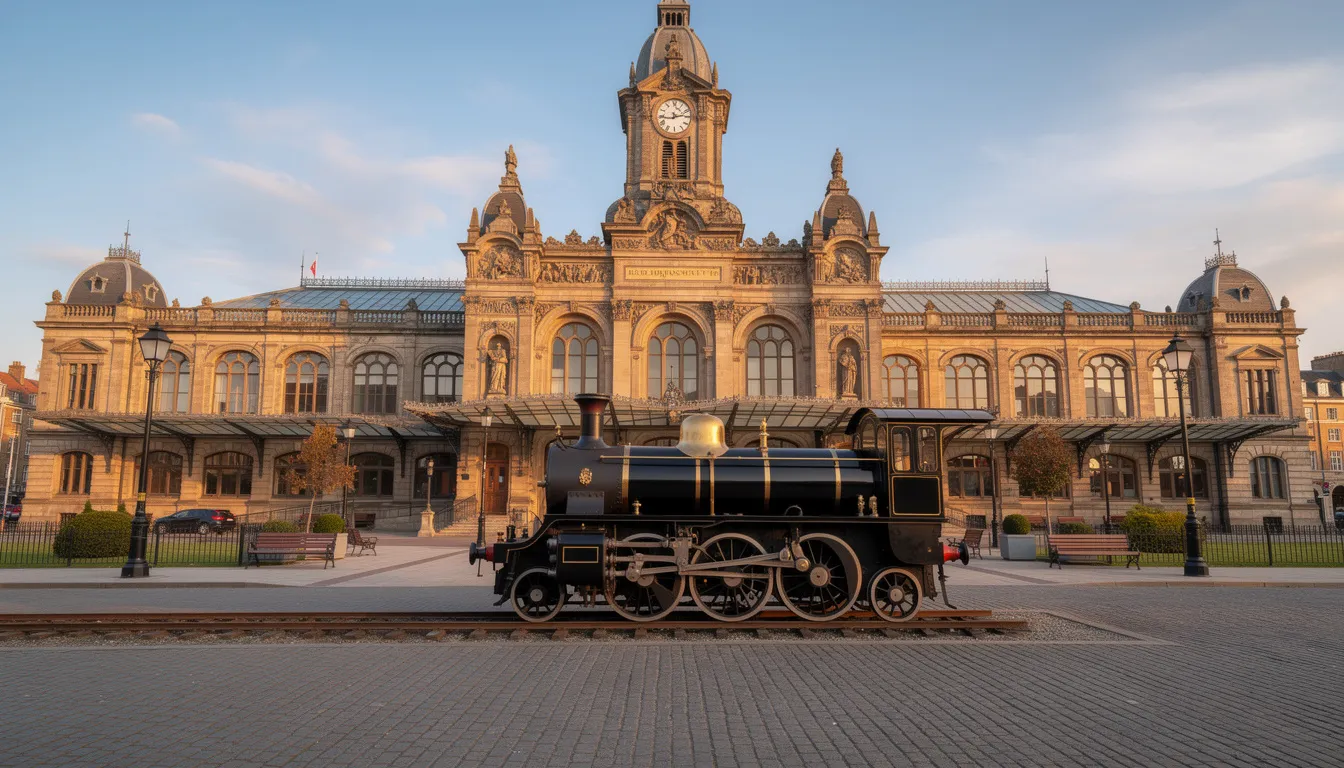
Major stations throughout the network provide essential services including ticket offices staffed during business hours, luggage storage facilities, and basic commercial outlets. Station facilities vary significantly between major hubs and smaller rural stops, with comprehensive amenities concentrated at primary railway centers.
Sofia Airport connects to Central Station through bus lines 84 and 284, though Eurail passes are not valid for these municipal transport services. The connection requires approximately 45 minutes and provides economical airport access for railway travelers.
|
Station |
Architectural Style |
Key Facilities |
International Services |
|---|---|---|---|
|
Sofia Central |
Brutalist |
Full amenities |
Multiple destinations |
|
Varna |
Historical |
Tourist services |
Seasonal only |
|
Plovdiv |
19th century |
Regional hub |
Limited |
|
Ruse |
Communist-era |
Border facilities |
Romania connection |
Smaller stations often feature basic facilities with limited staffing hours, particularly in rural areas where automated ticket machines may supplement traditional ticket office services. These stations maintain the authentic character of Bulgaria’s railway heritage while serving local transportation needs.
Onboard Services and Amenities
Dining cars remain rare on Bulgarian trains but are available on select Sofia-Plovdiv-Burgas trains and the Rhodopes narrow gauge line, offering traditional Bulgarian cuisine and beverages during longer journeys. These restaurant services provide authentic local flavors and convenient meal options for travelers on extended routes.
Most trains lack comprehensive restaurant services, requiring passengers to bring their own food and drinks for journey sustenance. This practice reflects both economic realities and traditional travel patterns, with many Bulgarian travelers preparing their own meals for train journeys.
Night trains feature modern sleeping cars with improved cleanliness standards compared to older rolling stock, offering comfortable overnight accommodation on longer routes. The sleeping compartments include basic amenities and bedding, though travelers should prepare personal comfort items for extended journeys.
Older 6-berth couchette cars are being gradually phased out on most routes, replaced by more modern accommodation that meets contemporary expectations for comfort and privacy. The modernization process varies by route, with priority given to international services and major domestic corridors.
|
Service Type |
Availability |
Quality Level |
Advance Booking |
|---|---|---|---|
|
Dining Car |
Select routes only |
Traditional Bulgarian |
None required |
|
Sleeping Compartments |
Night trains |
Modern standards |
Recommended |
|
Standard Seating |
All services |
Variable condition |
Route dependent |
Passengers should prepare for limited onboard shopping opportunities, with most consumables best purchased at major stations before departure. Vending machines exist at some stations but cannot be relied upon for comprehensive travel provisions.
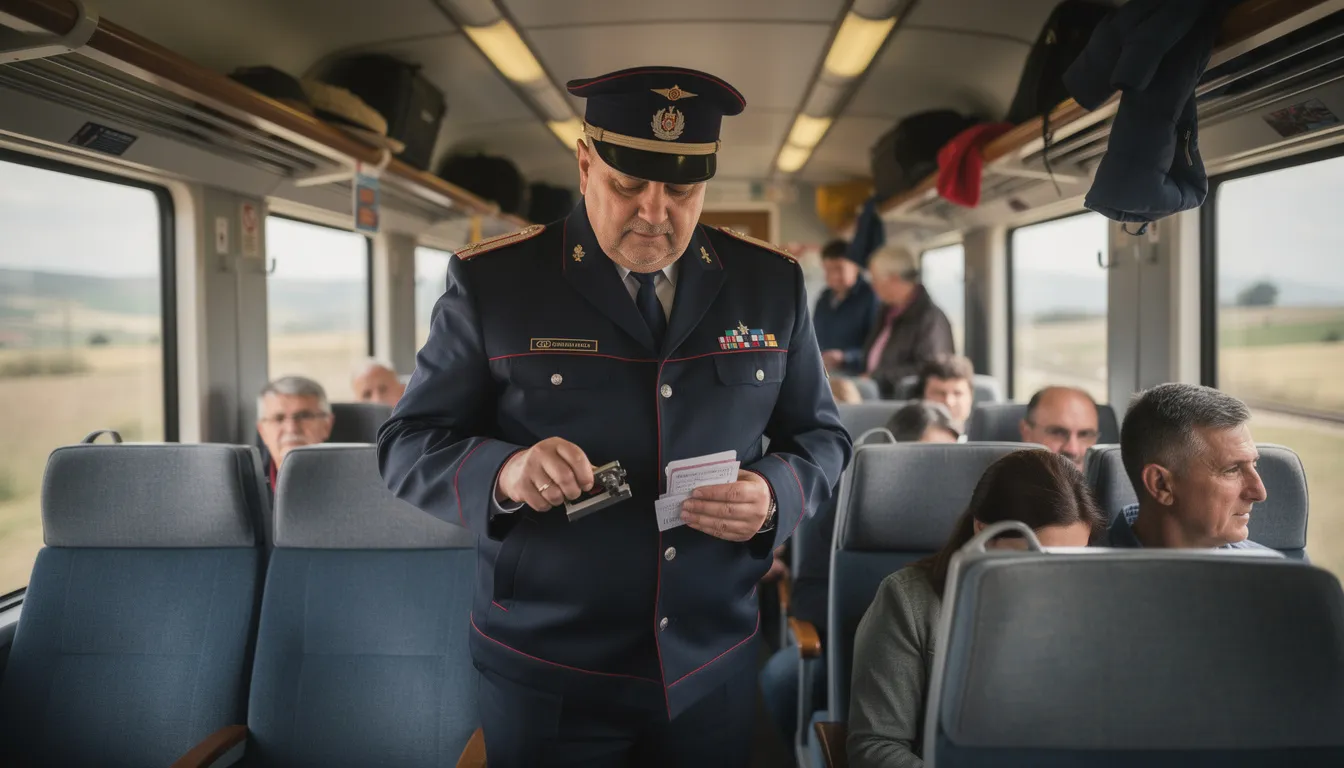
The atmosphere aboard Bulgarian trains reflects the country’s relaxed approach to rail travel, with conductors generally helpful despite language barriers and fellow passengers often willing to assist international travelers with navigation and local insights.
Practical Travel Tips
Train delays occur regularly due to aging infrastructure, making it advisable to avoid tight connections when planning complex journeys across the railway network. Despite infrastructure challenges, trains typically arrive on schedule over 90% of the time, particularly on major routes with priority maintenance.
The affordable pricing structure makes train travel a budget-friendly option throughout Bulgaria, with domestic tickets costing significantly less than equivalent bus or air travel. International train tickets remain competitive with bus services while offering superior comfort and baggage allowances.
Google Translate proves helpful for navigation at stations where Cyrillic signage predominates, allowing travelers to decode timetables, platform announcements, and basic station information. Many station staff at major locations speak limited English, but language assistance apps bridge most communication gaps.
City names appear in local spelling on timetables and station signs, with Sofia displayed as Sofiya/София in Cyrillic script. Familiarizing yourself with major destination names in both Latin and Cyrillic alphabets prevents confusion during travel planning and execution.
Purchase food and beverages at stations before boarding due to limited onboard options on most routes. Major stations offer basic provisions, though selection may be limited compared to urban commercial areas.
|
Travel Aspect |
Practical Advice |
Cost Consideration |
|---|---|---|
|
Connection Planning |
Allow extra time |
Minimal cost impact |
|
Language Navigation |
Use translation apps |
Free solution |
|
Food Preparation |
Station purchases |
Budget-friendly |
|
Timing Expectations |
Build in flexibility |
No additional cost |
The moment you step onto bulgarian trains, you enter a transportation system that prioritizes accessibility over luxury, making rail travel available to all economic segments while maintaining basic safety and comfort standards. This approach creates authentic travel experiences that reflect Bulgaria’s practical approach to public transportation.
Payment flexibility includes both cash and bank cards at major stations, though smaller locations may prefer cash transactions. ATMs are available at principal railway centers for travelers needing local currency.
Train travel in bulgaria offers excellent value for money, scenic routes through diverse landscapes, and authentic cultural experiences that reflect the country’s railway heritage. Whether you’re crossing international borders, exploring bulgarian cities, or simply enjoying the journey through mountain scenery, the railway network provides affordable access to this fascinating corner of Europe.
Modern improvements supported by eu funds continue upgrading key corridors, while traditional narrow gauge services preserve the authentic character that makes bulgarian railways special. Plan your journey with realistic timing expectations, bring adequate provisions, and prepare for an authentic European railway adventure that connects you to Bulgaria’s rich transportation heritage.