


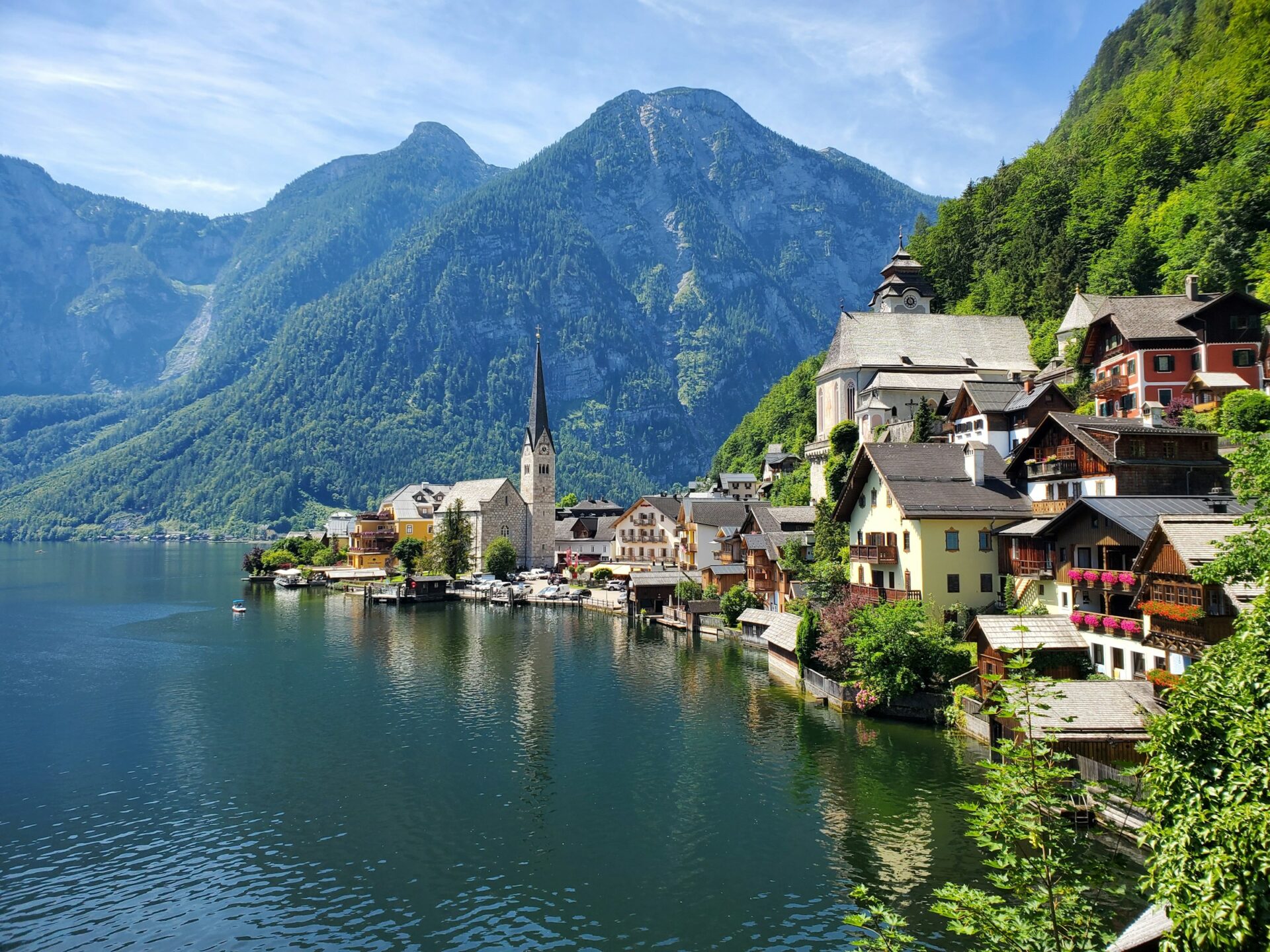
Austria boasts one of Europe’s most reliable and scenic railway networks, with trains reaching a remarkable 96% punctuality rate while running entirely on renewable energy. Whether you’re planning to explore historic towns, traverse lush valleys, or connect to neighboring countries, Austrian trains offer an efficient and environmentally friendly way to travel across this Alpine nation.
The Austrian federal railways system serves 474 million passengers annually, connecting picturesque villages with major cities through a comprehensive network that extends seamlessly into other European countries. From high speed trains racing between Vienna and Munich to scenic mountain railways climbing through dramatic Alpine landscapes, Austria’s rail network provides both practical transportation and unforgettable experiences.
This complete guide covers everything you need to know about train travel in Austria, from understanding different train types and booking the best tickets to discovering the most scenic routes and navigating the austrian network like a local.
Overview of Austria’s Railway System
ÖBB (Österreichische Bundesbahnen) operates Austria’s comprehensive railway network serving 474 million passengers annually across one of Europe’s most integrated transport systems. As Austria’s national railway company, ÖBB maintains daily operations with over 41,000 railway employees who ensure the trains run with exceptional reliability.
Austrian trains achieve an impressive 96% punctuality rate, ranking among Europe’s most dependable rail services. The entire network operates on 100% renewable energy, making rail travel an environmentally responsible choice for exploring Austria and beyond. This commitment to sustainability, combined with modern rolling stock and well-maintained infrastructure, creates a travel experience that consistently exceeds passenger expectations.
The network connects all major Austrian cities including Vienna, Salzburg, Innsbruck, and Graz, while extending seamlessly to neighboring countries including Germany, Switzerland, Italy, Hungary, and Czech Republic. Cross-border connections make it simple to continue your journey to destinations throughout Europe without changing operators or encountering compatibility issues.
Austria’s strategic location in Central Europe means the railway lines serve as crucial corridors for both passenger and freight traffic. The austriann network integrates with European high-speed rail systems, allowing travelers to reach destinations like Munich in 4 hours, Zurich in 8 hours, or Prague in just over 4 hours from Vienna.
Main Train Types in Austria
Railjet High-Speed Trains
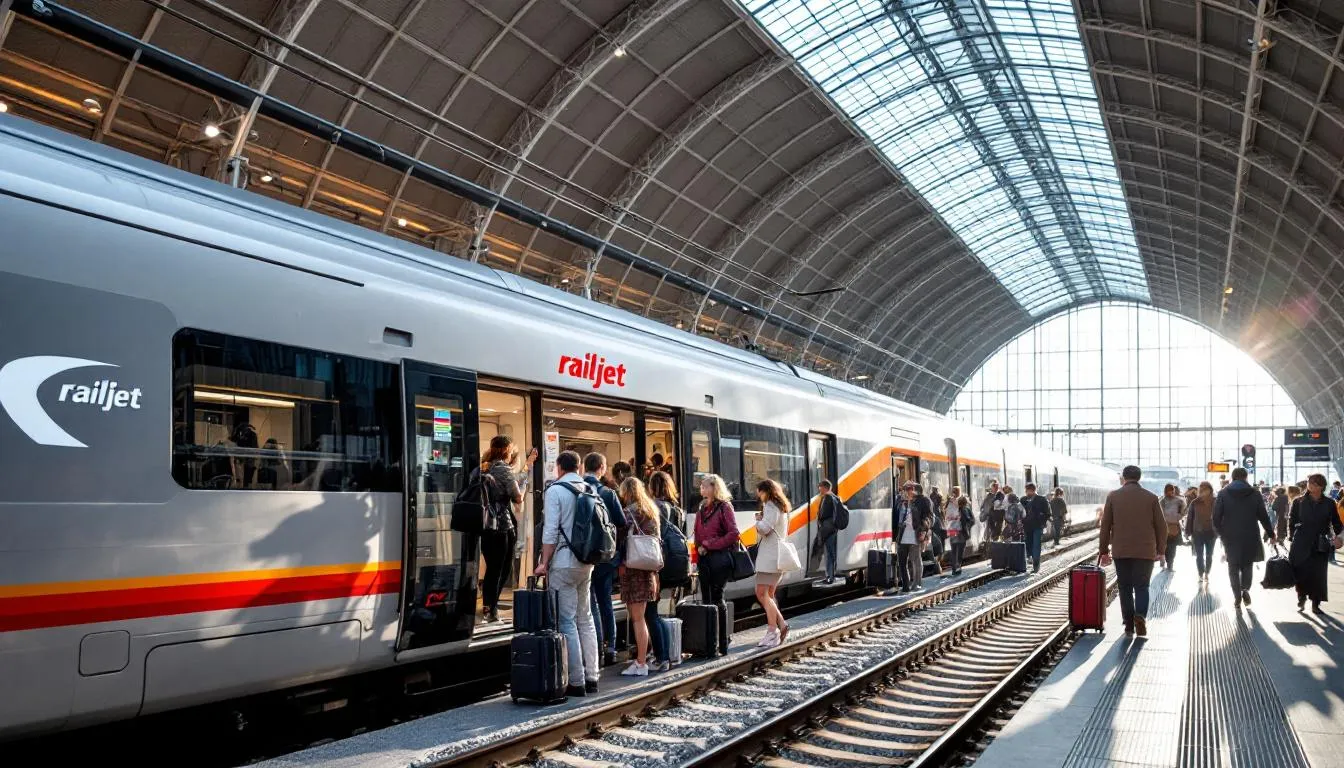
Railjet trains represent Austria’s flagship service, reaching maximum speed of 230 km/h while connecting major cities across Central Europe. These modern high speed trains feature three distinct service classes: Economy, First Class, and Business Class, each offering progressively enhanced amenities and comfort levels.
The panoramic windows provide stunning views of Austria’s diverse landscapes, from the Danube Valley’s rolling hills to the dramatic Alpine peaks of western Austria. Free wifi and electrical outlets at every seat ensure you can stay connected throughout your journey, while the onboard restaurant serves quality Austrian cuisine and regional specialties.
Key Railjet routes include some of Europe’s most popular connections:
|
Route |
Travel Time |
Frequency |
|---|---|---|
|
Vienna to Munich |
4 hours |
Every 2 hours |
|
Vienna to Zurich |
8 hours |
3 times daily |
|
Vienna to Prague |
4 hours 15 minutes |
Every 2 hours |
|
Vienna to Budapest |
2 hours 30 minutes |
Every 2 hours |
Business class passengers enjoy additional perks including complimentary meals, priority boarding, and access to ÖBB lounges at major train stations. The comfortable seating configuration ensures a relaxing journey even on long distance routes, making Railjet an excellent choice for both business travelers and tourists exploring multiple destinations.
Nightjet Sleeper Trains
Night trains operated by ÖBB provide overnight services connecting Austria to Italy, Germany, Switzerland, and Eastern European destinations. These services maximize your vacation time by combining transportation with accommodation, allowing you to wake up refreshed in a new city.
Nightjet offers three accommodation types to suit different budgets and preferences:
-
Seated carriages: Reclining seats for 4-6 passengers in shared compartments, the most economical option
-
Couchettes: Horizontal sleeping berths with basic bedding, accommodating 4-6 travelers per compartment
-
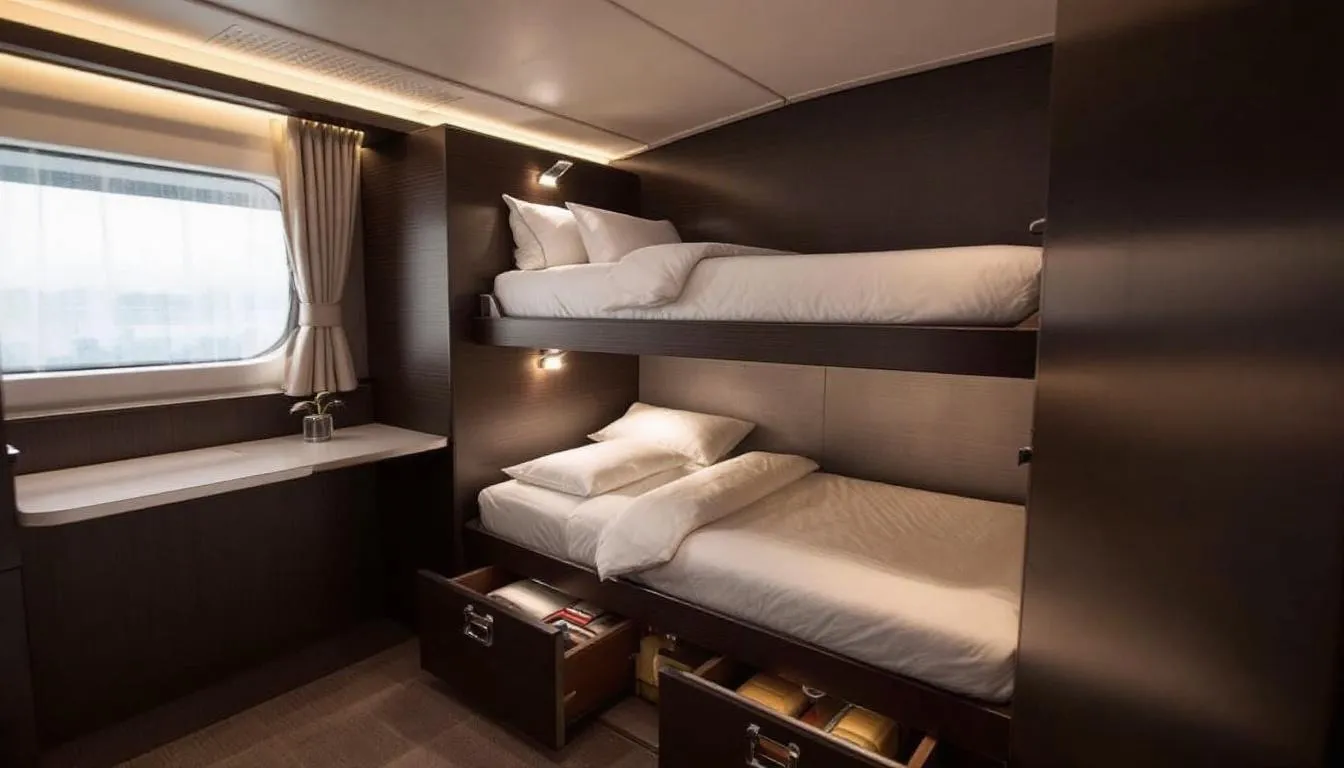
Private sleeper cabins: Individual or double occupancy rooms with full beds, private washing facilities, and enhanced privacy
Popular Nightjet routes include Vienna to Rome (14 hours), Vienna to Paris (14.5 hours), and Munich to Venice (11 hours). These connections eliminate the need for expensive hotel stays while covering substantial distances efficiently. Families traveling together often find couchette compartments particularly convenient, as children can sleep comfortably while parents relax nearby.
The trains feature modern amenities including air conditioning, power outlets, and a restaurant car serving dinner and breakfast. Seat reservations are mandatory for all Nightjet services, and booking in advance often provides significant savings compared to last-minute purchases.
Regional and Intercity Services
Regional trains form the backbone of Austria’s domestic transportation network, operating frequent services that connect smaller Austrian towns with major hubs like Vienna, Salzburg, and Innsbruck. These trains include modern Cityjet, Talent, and Desiro models that operate at speeds between 120-160 km/h with regular stops at local stations.
Intercity-express trains provide crucial international connections at 230 km/h, linking Austrian cities to Frankfurt, Nuremberg, and other German destinations. These services feature comfortable seating, climate control, and bicycle storage areas for travelers combining rail travel with cycling adventures.
Eurocity services operating on select routes offer enhanced amenities including air-conditioned cars, restaurant facilities, and special family compartments designed for travelers with children. These trains typically serve longer regional routes while maintaining frequent stops to serve local communities.
Most austrian trains operating regional services do not require seat reservations, offering flexibility for spontaneous travel plans. However, during peak tourist seasons or holiday periods, busy trains may fill quickly, making early boarding advisable. Regional services integrate seamlessly with urban transport systems in major cities, providing convenient connections to local buses and trams.
Scenic Railway Routes
Semmering Railway
The Semmering Railway stands as the world’s first mountain railway, spanning 25 miles through the dramatic Austrian Alps. This UNESCO World Heritage site, recognized since 1998, represents a masterpiece of 19th-century engineering that continues to inspire travelers today.
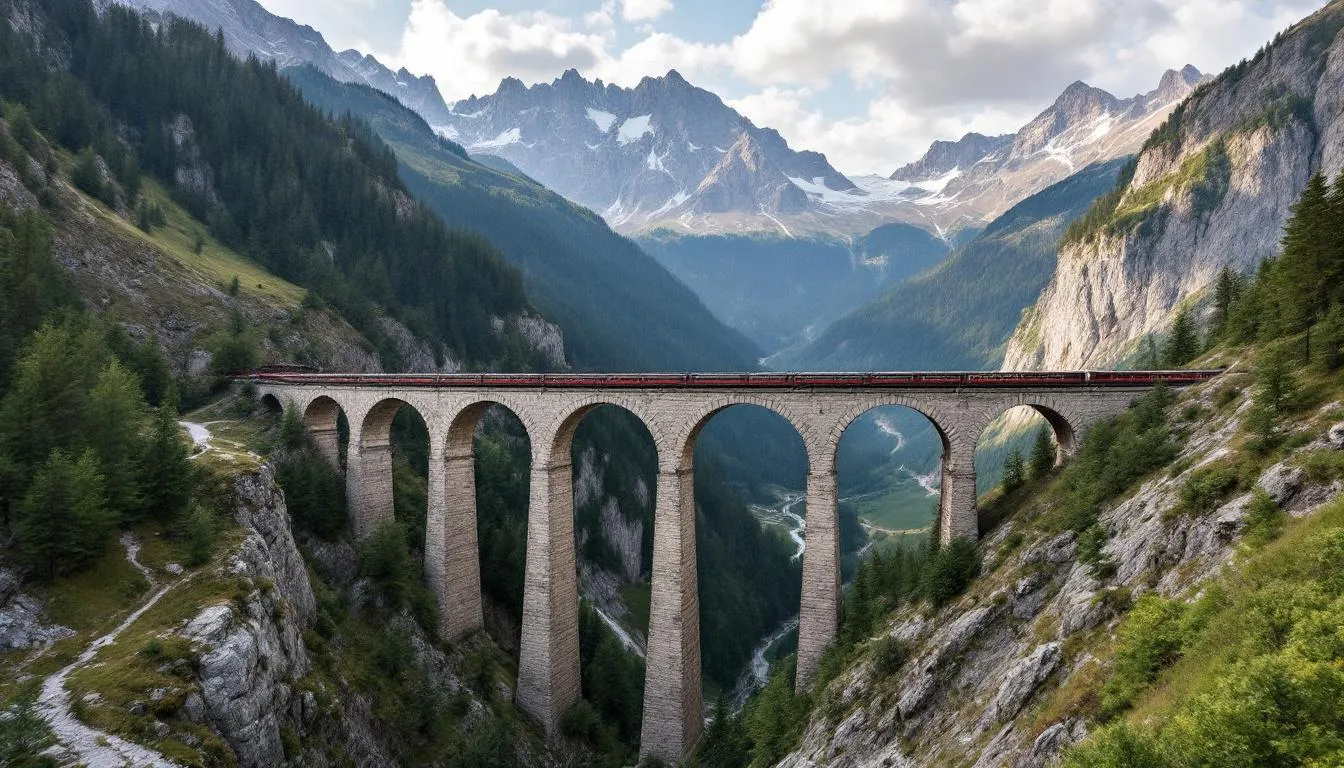
The route climbs an impressive 1,312 feet to reach 2,936 feet at Semmering Pass, navigating this challenging terrain through 16 spectacular viaducts and 14 tunnels. Construction completed in 1854 created what many consider the most beautiful railway line in Austria, featuring traditional Alpine architecture and pristine mountain villages along the way.
The historic engineering marvel showcases innovative solutions developed specifically for mountain railway construction. Steam locomotive monuments at Reichenau station commemorate the Class BBÖ 82 locomotives that once powered trains over this demanding route before modern electric traction took over.
Today’s trains provide panoramic views of the surrounding peaks, dense forests, and charming Austrian communities that have remained largely unchanged since the railway’s construction. The line serves both as a vital transport link and a tourist attraction, with many travelers specifically choosing this route for its scenic value rather than as the fastest connection.
Arlberg Railway
The Arlberg Railway stretches 136 kilometers connecting Innsbruck to Bludenz, operating as Austria’s second-highest railway at 1,311 meters elevation. This route provides essential connectivity between eastern and western Austria while offering some of the country’s most dramatic mountain scenery.
The line passes through the 84-kilometer Arlberg Tunnel, one of Europe’s longest railway tunnels, which eliminates the need for challenging mountain passes while maintaining year-round reliability. This engineering achievement enables consistent service regardless of Alpine weather conditions that might affect road transport.
The Arlberg Railway serves as a crucial link on Vienna-Zurich routes, carrying international passengers through breathtaking Alpine landscapes that showcase Austria’s natural beauty. Traditional Austrian alpine villages dot the route, providing glimpses of authentic mountain culture and architecture.
Travelers often position themselves at panoramic viewing areas to capture the constantly changing mountain vistas. The route’s elevation changes create diverse ecosystems, from valley forests to alpine meadows, visible from the train’s large windows throughout the journey.
Brenner Railway
The Brenner Railway creates an vital international connection from Innsbruck to Verona, Italy, crossing the historic Brenner Pass at 4,498 feet elevation. This route has served as a crucial Alpine crossing for centuries, now providing modern rail connectivity between Austria and Italy.
The Austrian section follows the scenic River Inn through traditional Tyrolean valleys before beginning its ascent toward the Italian border. The dramatic elevation changes provide constantly shifting views of mountain peaks, traditional villages, and Alpine meadows that characterize this region.
Trains feature rear-window viewing areas positioned behind bicycle storage compartments, offering optimal mountain scenery viewing for passengers interested in photography or simply enjoying the spectacular landscapes. These designated viewing spaces prove especially popular during the route’s most scenic sections.
The Brenner Railway serves as a key corridor for travelers continuing to Italian destinations like Venice and Rome. Many passengers specifically choose this overland route instead of flying to experience the gradual transition from Austrian Alpine culture to Italian Mediterranean influences visible through changing architecture, landscape, and local customs along the way.
Ticketing and Practical Information
Ticket Types and Pricing
Austria rail passes and individual tickets offer various options designed to accommodate different travel patterns and budgets. Understanding the available ticket types helps ensure you select the most appropriate option for your specific journey requirements.
Standard-Tickets provide maximum flexibility with full refunds available until the day before departure. These tickets allow changes to travel dates and times without penalty, making them ideal for travelers with uncertain schedules or those who prefer booking flexibility over cost savings.
Sparschiene tickets represent Austria’s advance booking discount system, available up to 6 months before departure with savings often reaching 30-70% compared to standard fares. However, these discounted fares come with restrictions including limited refundability and specific train reservations that cannot be changed without fees.
The pricing structure for Austrian tickets follows a clear pattern:
|
Age Group |
Discount |
Additional Notes |
|---|---|---|
|
0-5 years |
Free |
Must not occupy separate seat |
|
6-14 years |
50% |
Valid ID required |
|
15+ years |
Full fare |
Student discounts available |
Seat reservations cost an extra 3-5 euros and are strongly recommended for busy routes like Vienna-Salzburg, especially during peak travel periods. While not mandatory for most regional trains, reservations ensure guaranteed seating on long distance routes and provide peace of mind during busy holiday periods.
Digital Services and Apps
The ÖBB mobile app revolutionizes buying tickets and managing train travel throughout Austria. This comprehensive platform provides real-time schedules, mobile ticketing, and seat reservations all accessible from your smartphone, eliminating the need for paper tickets or station visits.
Digital tickets stored on smartphones streamline the boarding process while reducing environmental impact. The app’s ticket validation system uses QR codes that conductors scan directly from your device, making the entire process faster and more efficient than traditional paper tickets.
The integrated journey planner tool helps travelers find optimal routes and connections across the entire austrian network. This feature considers real-time delays, platform changes, and transfer times to suggest the best possible connections for your specific journey requirements.
Rail Ninja and similar third-party platforms offer easy ticket comparison and booking for international routes, particularly useful when planning complex itineraries involving multiple countries. These services often provide English-language interfaces and customer support for travelers less familiar with local booking systems.

Major Routes and Travel Times
Austria’s railway network connects major cities through frequent, reliable services that make domestic travel convenient and efficient. Understanding key routes and their schedules helps optimize your itinerary while ensuring smooth connections throughout your journey.
Vienna to Salzburg: This route operates every hour with Railjet trains completing the 2 hour 30 minute journey through scenic countryside. The service connects Austria’s capital with Mozart’s birthplace, serving business travelers and tourists alike with consistent, reliable departures throughout the day.
Salzburg to Innsbruck: Railjet trains cover this 2-hour route through spectacular Alpine valleys, providing connections between two of Austria’s most popular tourist destinations. The frequent service enables easy day trips or serves as a stepping stone for travelers continuing to Switzerland or Italy.
Vienna to Graz: The 2 hour 38 minute connection links Austria’s capital with its second-largest city, offering regular departures that support both business and leisure travel. This route serves as a gateway to southern Austria and provides connections toward Slovenia and the Adriatic region.
Innsbruck to Bregenz: This 2 hour 30 minute journey crosses western Austria to reach Lake Constance, connecting the Alpine regions with Austria’s westernmost province. The route provides spectacular mountain views and serves as a connection point for travelers continuing to Switzerland or Germany.
These primary routes form the backbone of austria by rail travel, with additional regional connections providing comprehensive coverage throughout the country. Most services operate on clockface schedules, meaning departures occur at the same minute past each hour, making memorization and planning significantly easier.
Travel Tips for Austrian Railways
Advance booking provides the most significant opportunity for savings, with Sparschiene tickets offering 30-70% discounts on popular Railjet and international routes. The key to securing these discounted fares involves booking as early as possible, ideally when tickets first become available 6 months before departure.
Austrian train stations feature comprehensive facilities including luggage lockers, restaurants, tourist information centers, and full disabled access. Major stations like Vienna Central and Salzburg provide extensive shopping and dining options, allowing you to arrive early and enjoy the amenities while waiting for your departure.
Eurail pass holders receive significant additional benefits beyond free train travel, including complimentary access on select bus routes and substantial discounts on Austrian lake boat trips. These perks extend the pass value beyond railway transportation, providing comprehensive travel solutions throughout Austria.
A specific train designation appears on your ticket and indicates which service you’ve reserved, particularly important for long distance routes where multiple trains may serve the same destination with different amenities and travel times. Understanding your specific train helps ensure you board the correct service and find your reserved seats easily.
Regional trains typically operate without mandatory reservations, providing flexibility for spontaneous travel plans and shorter journeys. However, long distance services, especially international routes and Nightjet sleeper trains, benefit significantly from advance seat booking to guarantee availability and preferred accommodations.
The course of your journey becomes much smoother when you understand that Austrian railway operations prioritize punctuality and passenger comfort. Trains typically arrive at stations several minutes before departure, allowing adequate time for boarding while maintaining strict adherence to published schedules.
Consider combining rail travel with other transport modes for comprehensive exploration. Many destinations feature excellent bus connections for reaching remote areas not directly served by trains, while bicycle storage on most austrian trains enables combining rail travel with cycling adventures through Austria’s spectacular countryside.
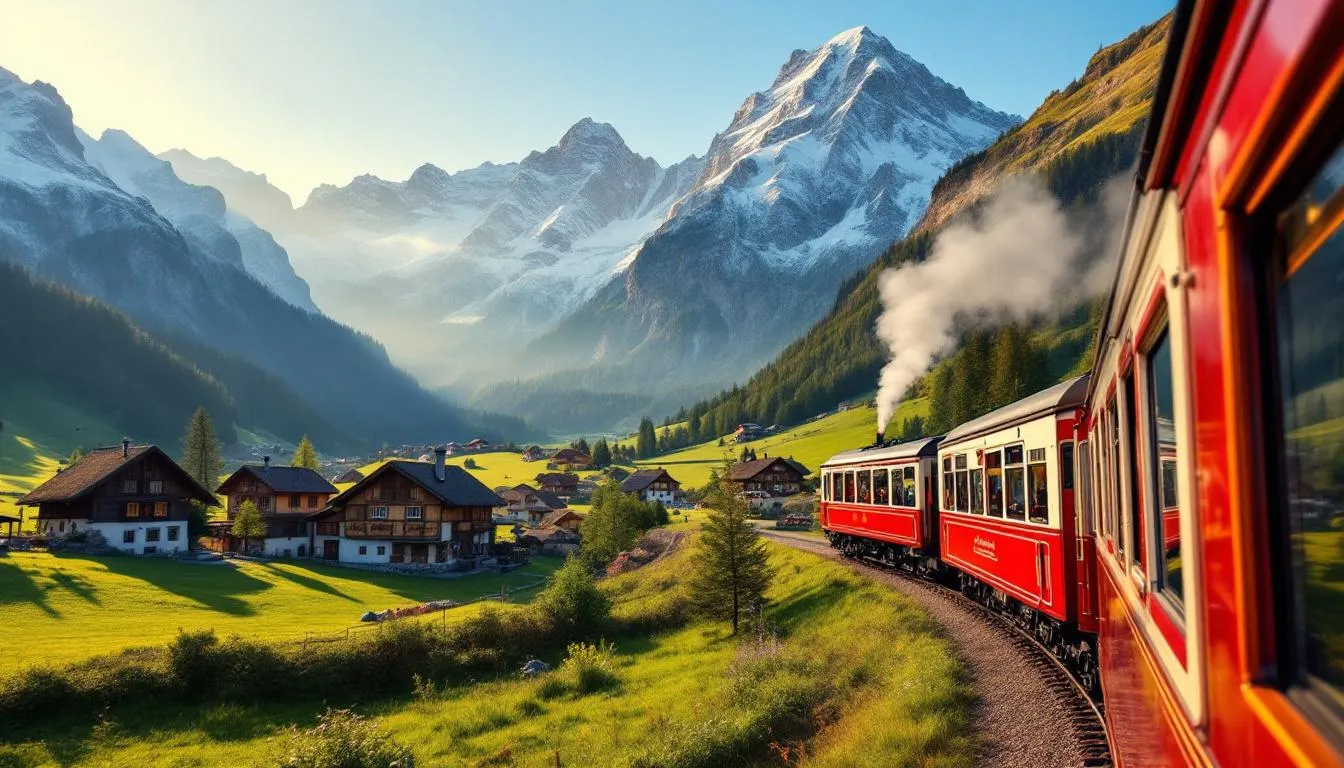
Austrian railways represent one of Europe’s most reliable and scenic transportation networks, offering travelers an environmentally sustainable way to explore this beautiful Alpine nation. From the efficiency of Railjet high-speed services to the romance of Nightjet sleeper trains, Austria’s diverse fleet serves every travel need while maintaining exceptional standards of comfort and punctuality.
The combination of modern technology, comprehensive route coverage, and competitive pricing makes train travel the optimal choice for both domestic journeys and international connections throughout Europe. Whether you’re planning a quick business trip between major cities or an extended exploration of Austria’s historic towns and lush valleys, the railway network provides reliable, comfortable transportation that enhances rather than simply facilitates your travel experience.
Start planning your Austrian rail adventure today by downloading the ÖBB app and exploring the extensive route options available. With advance booking discounts, comprehensive digital services, and seamless connections to neighboring countries, traveling by train in Austria offers both practical benefits and unforgettable scenic experiences that will make your journey as memorable as your destination.