

Dublin is Ireland’s rail hub, connecting the city to key destinations across the country and beyond. The two main train stations in Dublin are centrally located on either side of the River Liffey: Dublin Connolly station is in the city center just north of the River Liffey and serves InterCity trains, commuter rail trains, DART trains, and Luas light rail trains, while Dublin Heuston station is in the city center south of the River Liffey and serves InterCity and commuter trains. Trains to Dublin are known for their reliability and comfort. Here’s what you need to know:
-
Connolly Station: Links Dublin to Belfast, Sligo, and Rosslare. The Enterprise service to Belfast now arrives at Belfast Grand Central Station, and the journey typically takes around 2 hours, depending on the service. Connolly station has comfortable waiting areas and a variety of cafes, pubs, and restaurants.
-
Heuston Station: Connects to Cork (2h 35m), Galway (2h 25m), Limerick (2h 5m), and Waterford (2h 10m). Heuston serves as a hub for InterCity and commuter services.
-
DART trains: A rapid transit system running very frequently along Dublin Bay, serving Central Dublin and suburbs along the coast such as Howth, Malahide, and Bray. DART trains operate from around 6am until 12am on weekdays, with the last trains leaving Central Dublin around 11:30pm.
-
Commuter trains: Connect Dublin with surrounding counties including Kildare, Meath, Wicklow, and Louth. Commuter services serve suburbs in the north, west, and south of Dublin. Commuter trains are generally frequent between 6am and 9am on most lines, with trains around every 20-30 minutes, and the first trains run at around 5:40am for some lines.
-
Irish Rail operates the long-distance InterCity railway network that connects most major cities in Ireland. Most long-distance services start or end in Dublin.
-
Tickets: Tickets can be purchased online (usually the cheapest), at the station ticket office, or at a ticket machine. You may need to collect your ticket at the station before boarding. Real-time schedules, train times, and ticket bookings can be accessed via the Irish Rail website or the TFI Live App—checking timetables is recommended. Traveling during the week rather than on weekends or holidays can result in cheaper fares to Dublin, and fares are cheaper within the Short Hop Zone. Using a Leap Card provides up to 31% discount on travel in Dublin.
-
Seat reservations: Standard class is available on most trains, and seat reservations are recommended during peak times for comfort and to guarantee a seat.
-
Transfers: Use the Luas tram to move between Connolly and Heuston stations.
|
Key Routes |
Travel Time |
Departure Station |
|---|---|---|
|
Dublin–Cork |
about 2.5 hours |
Heuston |
|
Dublin–Galway |
2h 25m |
Heuston |
|
Dublin–Belfast |
typically around 2 hours |
Connolly |
|
Dublin–Waterford |
2h 10m |
Heuston |
|
Dublin–Limerick |
2h 5m |
Heuston |
|
Dublin’s rail network is efficient, affordable, and easy to navigate, making it a great choice for exploring Ireland. |
Train Stations in Dublin
Heuston Station
Heuston Station, located on St. Johns Road West in Dublin 8, is a key connection point in the city center south of the River Liffey, linking Dublin to Ireland’s south, southwest, and west. It features nine platforms serving intercity and commuter routes to destinations like Cork, Limerick, Waterford, Galway, Mayo, and Kerry.
Heuston serves both InterCity trains and Dublin’s commuter rail service.
Here’s what you’ll find at Heuston Station:
|
Category |
Facilities Available |
|---|---|
|
Food & Beverages |
Butlers Chocolate Cafe, Insomnia, Brambles, Supermacs, Galway Hooker, FRESH the Good Food Market, Off Beat Donuts |
|
Retail |
Easons, Mullins, Pulse Deli, Jump Juice |
|
Parking |
APCOA car park, bike parking, and lockers |
|
Accessibility |
Wheelchair-accessible toilets, disabled parking, platform access, and assistance available for wheelchair users and those with mobility impairments |
Connolly Station
Connolly Station, found on Amiens Street in north Dublin, is the busiest railway station in Ireland and is located in the city center just north of the River Liffey. It serves as the terminus for trains heading to Belfast, Rosslare, Wexford, and Sligo, while also accommodating DART and commuter services.
Connolly Station serves InterCity trains, commuter rail trains, DART trains, and Luas light rail trains. The station features comfortable waiting areas and a variety of cafes, pubs, and restaurants.
Amenities at Connolly Station include:
|
Category |
Facilities Available |
|---|---|
|
Food & Beverages |
Tom Stanley, Madigans Bar, O’Briens, Bean & Gone, Insomnia, Pret a Manger, Starbucks |
|
Services |
Pharmacy Express, level access/lifts to all platforms, assistance available for wheelchair users and those with mobility impairments |
|
Parking |
APCOA car park, secure bike storage |
|
Transport Links |
Direct access to Luas tram services |
Local Dublin Stations
Dublin’s local stations enhance the city’s rail network with suburban services:
-
Pearse Station: Located on Westland Row, this station handles intercity, DART, and commuter services. It holds the distinction of being the world’s first commuter terminus station.
-
Docklands Station: Focused on commuter routes, this station primarily serves the M3 Parkway line.
-
Tara Street Station: A vital hub for commuter connections, linking to destinations such as Arklow, Dundalk, Greystones, Howth, Longford, Maynooth, and Newbridge.
These local stations play an essential role in supporting Dublin’s broader rail infrastructure.
Dublin DART Train Ride: Connolly Station to Dun Laoghaire
Train Companies and Routes
Dublin’s rail network is managed by several operators, each covering specific regions and routes.
Irish Rail
Irish Rail (Iarnród Éireann) operates the primary rail network in the Republic of Ireland, with Dublin as the central hub. The company provides regular intercity services connecting Dublin to major cities nationwide. Trains to Dublin are known for their reliability and comfort.
|
Route |
Frequency |
|---|---|
|
Dublin – Cork |
Hourly |
|
Dublin – Galway |
9 daily (Mon–Thu) |
|
Dublin – Limerick |
3–4 daily |
|
Dublin – Sligo |
Every 2 hours until 7 PM |
|
Dublin – Westport |
3–5 daily (Mon–Thu) |
|
Dublin – Rosslare |
4 daily (Mon–Fri) |
|
InterCity trains are equipped with three-pin power sockets, restrooms, and Wi-Fi. These services primarily depart from Dublin’s main stations, such as Connolly and Heuston. The Dublin–Cork route features Mark 4 trains, which include a quiet carriage where phone use is not allowed. Standard class is available on most InterCity trains, and seat reservations are recommended for comfort, especially during busy periods. |
Dublin-Belfast Enterprise
The Enterprise service, jointly operated by Irish Rail and Northern Ireland Railways, connects Dublin Connolly Station to Belfast Grand Central Station. The train journey from Belfast to Dublin typically takes around 2 hours, depending on the specific train service and any stops along the route. Starting October 2024, the service runs hourly Monday through Saturday, with a reduced schedule on Sundays.
“Whether you are travelling for business or leisure, just sit back, relax, enjoy the journey, and arrive in Dublin refreshed and ready to go.” – Translink
Enterprise trains operate up to 15 times Monday–Saturday and 8 times on Sundays. Tickets start at €13.99 each way, available in euros and pounds sterling. Standard class is available on the Enterprise service, and seat reservations are recommended for comfort. The trains feature first-class amenities, offering a comfortable experience for travelers.
Dublin’s commuter network is further supported by the DART system.
DART Train Network
The Dublin Area Rapid Transit (DART) system, run by Irish Rail, provides frequent electric rail service along Dublin’s coastline. DART trains run very frequently along Dublin Bay, serving Central Dublin and suburbs along the coast. They operate from around 6am until 12am on weekdays, with the last trains leaving Central Dublin around 11:30pm. The DART operates from Malahide or Howth in the north to Greystones in the south, with trains running every 10 minutes during the day.
DART services connect with Dublin’s commuter network, linking suburbs and nearby towns in the Greater Dublin area. They also provide key transfer points at Connolly and Pearse stations for intercity and Enterprise services.
Rail passes include options like the Trekker Four Day pass (€88) for unlimited travel over four days, the Explorer pass (€128 for adults/€64 for children) valid for five days within 15 days, and the Sunday Fun Day Tracker ticket for unlimited Sunday travel in Northern Ireland at £10 (£5 for children).
Students and young adults can also benefit from various Leap Cards and yLink cards. For the lowest fares, book online up to 90 days in advance. Plus, children under five and passengers aged 66 and over can travel free on Irish Rail services.
How to Buy Train Tickets
Ticket Booking Methods
You can buy Dublin train tickets through official platforms. For domestic routes, head to the Irish Rail website. If you’re traveling on the Dublin–Belfast Enterprise route, visit Translink’s website.
|
Method |
Features |
Availability |
|---|---|---|
|
Online Booking |
Digital tickets, advance discounts |
24/7 |
|
Station Ticket Office |
Full fares, cash/card payments, travel advice |
During station hours |
|
Self-Service Machines |
Purchase and collect tickets, including online bookings; ticket machines available at major stations for same-day purchases and ticket collection |
24/7 at major stations |
|
Once you’ve chosen your booking method, take a look at the ticket types and classes available. |
If you purchase your ticket online, you may need to collect your ticket at a ticket machine before boarding.
Ticket Options and Classes
There are several ticket types to suit different travel needs, including Adult Single, Day Return, Open Return, Weekly, and Monthly passes. Standard class is available on most trains, providing a comfortable and economical option for travelers. Seat reservations are recommended for comfort, especially during peak times when trains can be busier. On certain Enterprise services, you can enjoy first-class perks like complimentary newspapers and breakfast.
Tickets can be purchased for any date, and flexible date options are available for travelers who need to plan ahead or prefer flexibility. Fares are typically higher during peak times, so traveling during the week rather than on weekends or holidays can result in cheaper fares.
|
Validity |
Ideal For |
|
|---|---|---|
|
Adult Single |
One-way journey |
Single trips |
|
Adult Day Return |
Same-day round trip |
Day excursions |
|
Adult Open Return |
Return within 30 days |
Flexible schedules |
|
Weekly Ticket |
7 consecutive days |
Regular commuters |
|
Monthly Ticket |
Calendar month |
Daily commuters |
|
Example fares: |
-
Dublin Heuston – Cork:
-
Adult Single: $5.15 – $50.70 (around €4.80 – €47.35)
-
Adult Day Return: $9.50 – $71.10 (around €8.85 – €66.40)
-
First-class options are available on select services
-
Dublin – Belfast Enterprise:
-
Fares start at $16.05 (around €14.99) each way with advance booking
-
First-class service includes additional amenities
Looking for discounts? Check out rail passes and other savings options.
Savings and Rail Passes
Discount cards like the TFI Young Adult Student Leap Cards offer reduced fares and access to the TFI 90-Minute Fare for multi-modal travel in Dublin.
|
Pass Type |
Cost |
Coverage |
|---|---|---|
|
Trekker Four Day |
$94.25 (around €88) |
4 consecutive days |
|
Explorer |
$137.05 (around €128) adult $68.50 (around €64) child |
5 days within a 15-day period |
|
Sunday Fun Day Tracker |
$12.65 (around £10) adult $6.30 (around £5) child |
Unlimited Sunday travel in Northern Ireland |
|
Students and young adults can also benefit from TFI Student Leap Cards, TFI Young Adult Leap Cards (for ages 19–25), or Translink yLink cards. For the lowest fares, book online up to 90 days in advance. Plus, children under five and passengers aged 66 and over can travel free on Irish Rail services. |
Transport in Dublin
Public Transit Network
Dublin’s public transit system connects major train stations through buses, trams, and the DART (Dublin Area Rapid Transit). To make navigating easier, the Transport for Ireland (TFI) Journey Planner app provides real-time updates and route options for all these services.
|
Service |
Operating Hours |
Key Features |
|---|---|---|
|
Dublin Bus |
6:00 AM – 11:30 PM (10:00 AM start on Sundays) |
Covers over 100 city routes |
|
Luas |
5:30 AM – 12:30 AM (Monday–Friday) |
Green Line & Red Line, both offering direct connections to Dublin’s main train stations |
|
DART |
6:00 AM – 12:00 AM (9:30 AM start on Sundays) |
Serves 31 coastal stations |
|
The Luas tram system operates two main lines: the Green Line (Broombridge to Brides Glen) and the Red Line (Saggart to The Point), both offering direct connections to Dublin’s main train stations, Connolly and Heuston. For a budget-friendly option, consider using a Leap Card, which can save you up to 31% compared to single-ticket prices. This integrated transit system makes it easy to travel to both urban and coastal attractions in and around Dublin. |
Popular Train Destinations
Dublin’s train network provides quick access to several scenic coastal towns and attractions. Many of these destinations can be reached from Dublin’s main train stations, such as Connolly and Pearse, via DART trains. Here’s a snapshot of popular destinations you can reach from the city’s main stations:
|
Destination |
Travel Time |
Departure Station |
Highlights |
|---|---|---|---|
|
Howth |
25 minutes |
Connolly |
Harbor, cliff walks |
|
Malahide |
30 minutes |
Connolly |
Castle, marina |
|
Dún Laoghaire |
20 minutes |
Connolly |
Victorian pier, harbor |
|
Killiney |
35 minutes |
Connolly |
Beach, hill walks |
|
Bray |
40 minutes |
Connolly |
Seafront, promenade |
|
The DART service is a great way to explore Dublin’s coastline, running from Malahide and Howth in the north to Greystones in the south. |
Station to Hotel Transport
Getting from train stations to your hotel is straightforward with several convenient options:
-
Public Bus – Extensive citywide routes with Leap Card discounts
-
Luas – Direct tram service to the city center
-
Taxi – Door-to-door service available 24/7
-
Dublin Bikes – Affordable for short trips (1-day ticket: €3.50)
Most train stations offer bike parking, and bicycles can be brought on trains. Folded bikes are usually allowed for free, while a fee may apply for fully assembled bicycles or on certain services.
For airport transfers, dedicated bus routes (782 and 784) connect Connolly and Heuston stations, while the Airlink Express (routes 747 and 757) provides a direct link between Dublin Airport and key city stops, such as O’Connell Street and Heuston Station.
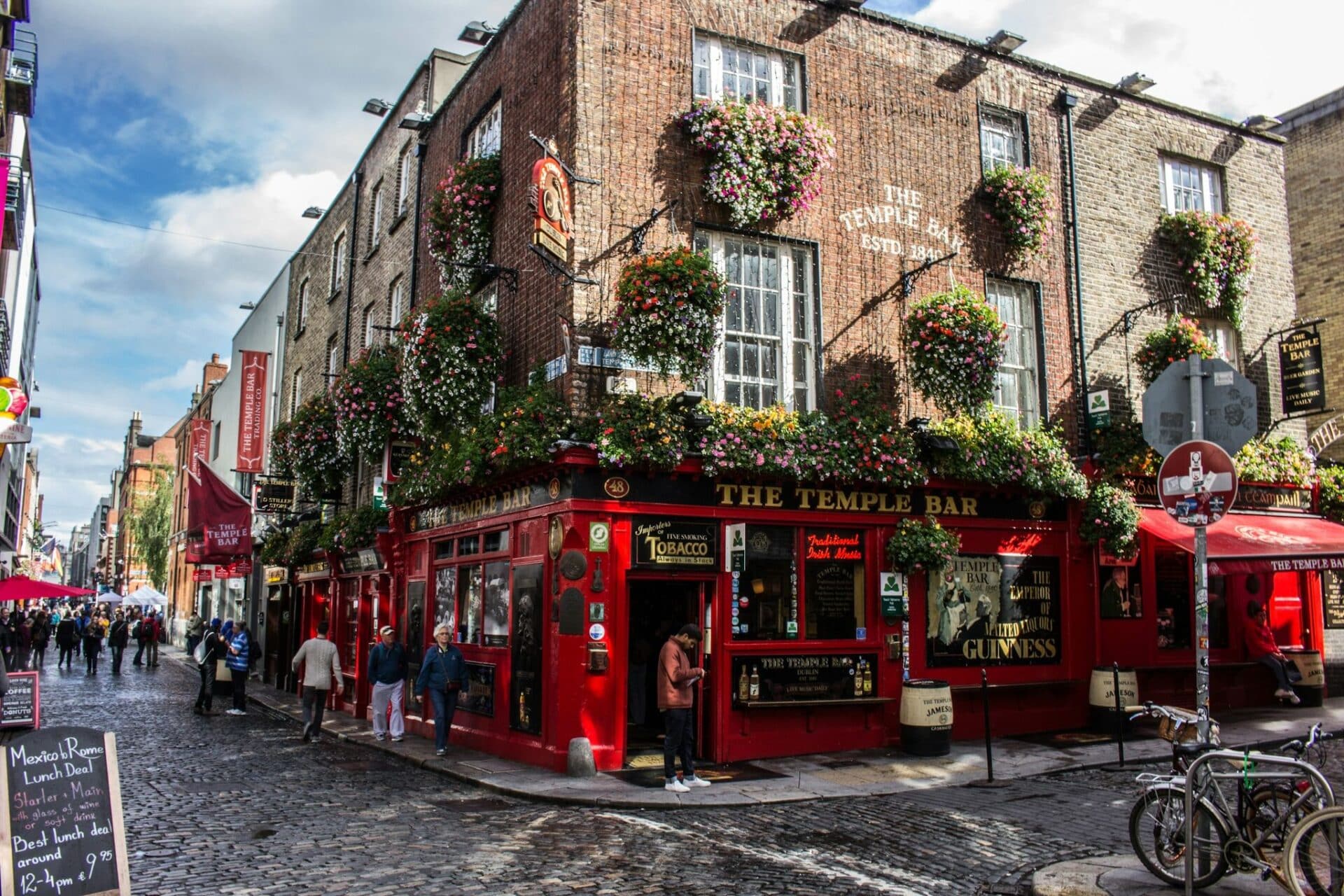
Trains to Dublin provide access to a vibrant city with lots to see and do. One of the most popular attractions in Dublin is the Guinness Storehouse, where you can take a tour of the seven-floor museum and brewery to see how the famous beer is made. If Irish whiskey is more your style, you can tour the Old Jameson Distillery to learn about the history and production of their signature beverage. While in Dublin, be sure to soak up some of the city’s history and culture. Dublin Castle and Ireland’s largest church, St. Patrick’s Cathedral, are just a few blocks apart in the city center, just south of the River Liffey. There are three National Museums of Ireland in the city – one dedicated to archeology, one to natural history, and one to decorative arts and history. If you want a break from the city’s hustle and bustle, you can visit Phoenix Park, where you’ll find vast open spaces, gardens, walking paths, the Dublin Zoo, and the medieval Ashtown Castle. After a long day of sightseeing, pop into a pub or two and enjoy a pint of Guinness and listen to some traditional Irish music among friends. One of Dublin’s most famous pubs is the Temple Bar in the city center on the south bank of the River Liffey. Whatever you decide to do in Dublin, you’ll be sure to leave the city with memories to last a lifetime.
Travel Seasons and Schedule Changes
Holiday Train Schedules
Dublin train departures often run on adjusted schedules during holidays and major events. For instance, on St. Patrick’s Day, Intercity trains and DART services typically follow a Sunday timetable, with extra services added to handle the surge in passengers. Train times and timetables may change during holidays, so travelers should always check for updated departures and real-time timetable information online or at stations before planning their journey.
|
Holiday Period |
Service Changes |
Additional Notes |
|---|---|---|
|
St. Patrick’s Day |
Sunday timetable + extra DART services |
Temporary station closures possible |
|
Bank Holidays |
Reduced frequency |
– |
|
Major Events |
Late-night trains added |
– |
|
For St. Patrick’s Day 2025, extended late-night services will depart from Pearse Station as follows: |
-
Maynooth line: 12:20 AM
-
Howth line: 12:30 AM
-
Greystones line: 12:35 AM
-
Dundalk line: 12:40 AM
-
Kildare line: 12:50 AM
Weekday rush hours, particularly Friday evenings, see heavy passenger demand. Morning trains from cities like Cork, Galway, and Limerick heading into Dublin are also particularly busy during business days.
Weather conditions can further impact train schedules, adding another layer of unpredictability.
Weather and Train Service
Severe weather can lead to changes or even cancellations in train services. Always check timetables and train times for the latest updates, especially during severe weather, as schedules may change at short notice. Here’s what to expect:
|
Weather Warning Level |
Service Impact |
Recommended Action |
|---|---|---|
|
Red Warning |
Services suspended |
Stay home; no trains operating |
|
Post-Storm |
Limited service |
Delays likely due to debris removal |
|
Normal Conditions |
Regular service with monitoring |
Check real-time updates |
|
Transport for Ireland (TFI) offers real-time updates via their journey planner, website, and social media channels. Train operations may face delays both before and after severe weather alerts due to track inspections and cleanup efforts. |
Summary
Dublin’s rail system connects both local and international routes, making travel convenient for passengers. The network revolves around the two main train stations: Connolly Station and Heuston Station. These main train stations are the primary railway hubs in Dublin, serving as central points for intercity and commuter travel. Connolly Station serves intercity routes to Belfast, Sligo, and Rosslare, while Heuston Station links travelers to Cork, Limerick, Galway, and Kerry. Checking timetables online or at the stations is important to plan your journey efficiently.
|
Rail Service Overview |
Routes |
Operators |
|---|---|---|
|
Intercity |
Dublin–Belfast, Dublin–Cork |
Irish Rail, Translink |
|
Commuter |
Dublin–Maynooth, Dublin–Dundalk |
Irish Rail |
|
DART |
Greystones–Howth/Malahide |
Irish Rail |
|
This breakdown reflects the more detailed network described earlier. Tickets can be purchased online up to 90 days in advance through Irish Rail. For those seeking extra comfort, First Class options are available with added perks. |
Dublin’s train stations are well-connected to other transport options, including the Luas tram, Dublin Bus, taxis, and bike-sharing services. Using a Leap Card can save up to 31% on public transport fares across these services. For airport transfers, the Airlink Express (routes 747 and 757) provides a direct link between Dublin Airport and key city stops, such as O’Connell Street and Heuston Station.
Trains reach speeds of up to 99 mph (160 km/h). Keep in mind that schedules may change during holidays or severe weather – check updates through the TFI Journey Planner.