

Brussels is the capital of Belgium and a major hub in Western Europe, connecting cities across the country and beyond. Here’s what you need to know:
-
Main Stations:
-
Brussels-Midi: Handles international trains like Eurostar and Thalys.
-
Brussels-Central: Located near Grand Place, ideal for local attractions.
-
Brussels-North: Focuses on domestic routes.
-
International Routes:
-
London (2h, from $62): Starts in England, passes through the Channel Tunnel, and is one of the most popular routes operated by Eurostar, which runs year-round high-speed services.
-
Paris (1h 22m, from $31.50)
-
Amsterdam (1h 49m, from $27.20)
-
Domestic Travel:SNCB operates Belgium’s trains with fixed pricing, no reservations needed. Example: Brussels to Bruges, $18.50 (2nd class). Direct trains from Brussels-Midi to Zaventem Airport require a mandatory Diabolo fee (approx. €5.70).
-
Getting Around:Brussels’ metro, tram, and bus systems connect stations to hotels and attractions. Public transport in Brussels is cheap and efficient.
-
Seasonal Tips:
-
Winter: Fewer crowds, some delays.
-
Summer: Book earlier due to high demand to secure cheaper fares.
-
Shoulder seasons: Best for fewer tourists and affordable fares.
Whether you’re traveling internationally or exploring Belgium, Brussels’ rail system is efficient and easy to navigate. Brussels is widely regarded as one of the most multicultural cities in the world, and the Brussels capital region is officially bilingual, with French and Dutch used for road signs and official documents.
Introduction to Train Travel
Train travel is one of the most convenient and enjoyable ways to explore European cities, and Brussels stands out as a central hub in Western Europe’s extensive rail network. The city is served by several major train companies, including Eurostar, Deutsche Bahn, and Thalys, all offering high-speed train services that connect Brussels to destinations across Belgium and beyond.
Brussels is home to three main train stations: Brussels Midi, Brussels Centrale, and Brussels Nord. Brussels Midi is the busiest station in Belgium and the primary gateway for international services, while Centrale and Nord provide excellent connections for regional and intercity routes. Whether you’re planning a quick city break or a longer European adventure, you’ll find flexible tickets and a range of classes to suit your needs.
Booking train tickets in advance is highly recommended, as prices can vary depending on class, availability, and how early you book. For example, Eurostar trains offer Standard Class tickets starting from $52 one way, while Deutsche Bahn’s ICE trains provide flexible tickets from $70. With high-speed trains whisking you between cities in just a few hours, Brussels is the perfect starting point to explore Belgium and the rest of Europe by rail.
How to travel Belgium by train
Main Train Stations in Brussels
Brussels is served by three major train stations along a north-south axis, each offering a range of services and excellent connectivity.
Brussels Midi Station
Brussels Midi (known as Gare du Midi in French and Zuidstation in Dutch) is the city’s main international rail hub, located at 47B Avenue Fonsny. With 22 platforms [1], it handles high-speed international services like and Thalys.
Here’s what you’ll find at Brussels Midi:
-
Separate ticket offices for domestic and international travel
-
Luggage storage with lockers in various sizes, available for online booking
-
Dining options, including Carrefour Express and Brasserie Europa
-
A premium waiting area at the Pullman Hotel bar
-
Convenient access with elevators, escalators, and stairs connecting platforms to the main concourse
“I have to admit that Brussels Midi isn’t my favourite station.” – The Man in Seat 61 [1]
Brussels Central Station
Brussels Central (Gare Centrale/Brussel Centraal) is located in the city center, just a 5-minute walk from the Grand Place. It connects travelers to major attractions and serves all domestic Belgian trains, as well as key intercity routes like those to Luxembourg and the Brussels–Rotterdam–Amsterdam corridor.
Brussels North Station
Brussels North (Gare du Nord/Noordstation) focuses primarily on domestic routes and offers direct tram connections to downtown Brussels via lines 3 and 4.
For international travel, plan ahead: allow at least 20 minutes for standard transfers and 50 minutes for Eurostar connections, which include a check-in process.
Next, we’ll dive into the rail operators that link Brussels to the rest of Europe.
Train Stations Map
Navigating Brussels’ train network is made easier with a train stations map, which highlights the locations of the city’s three main train stations and their connections to other European destinations. Brussels Midi, the main hub for international services, is located in the south of the city and is within walking distance of the iconic Grand Place. This station is the departure and arrival point for Eurostar trains running between London St Pancras International and Brussels, making it a key link between the UK and mainland Europe.
Brussels Nord and Brussels Centrale are also main stations, strategically located to provide access to regional and intercity trains. From these stations, travelers can catch direct services to Amsterdam, Paris, and Germany. For instance, the Thalys high-speed train connects Brussels to Paris in just over an hour, while Deutsche Bahn’s ICE trains offer a comfortable journey to Frankfurt in about four hours. With clear signage and frequent services, the main train stations in Brussels make it easy to access both local attractions and international routes.
Rail Companies and Services
Brussels is a key rail hub in Europe, offering extensive international and domestic train connections. After merging with Thalys in October 2023, Eurostar now operates an expanded network across Western Europe, connecting major cities with high-speed rail services. The region’s high-speed rail infrastructure enables efficient travel between key destinations.
A new European Sleeper service will launch an overnight route from Brussels to Milan on June 18, 2026, further enhancing connectivity across Western Europe.
Among the train types, Eurocity Direct trains reach speeds up to 200 km/h, offering shorter travel times and more comfort for passengers.
International Train Services
Eurostar provides high-speed train connections from Brussels to major European cities. Direct routes include:
-
London St Pancras
-
Paris Nord
-
Amsterdam Central
-
Rotterdam Central
-
Lille Europe
Eurostar runs nine services per day from London to Brussels, offering frequent and convenient departures. Each Eurostar train allows two pieces of luggage and one small hand luggage included in the standard ticket. Passengers also benefit from complimentary Wi-Fi and power sockets at every seat.
Fares start at $62 one-way to London and $32 one-way to Paris for standard class tickets [[2]](LINK 1). Reservations are required, and ticket prices vary based on demand. Eurostar also offers premium service classes with access to lounges and at-seat dining.
While international routes require reservations and use dynamic pricing, domestic travel is simpler with SNCB/NMBS.
Belgian National Rail Services
The Belgian National Railway Company (SNCB/NMBS) manages all domestic train services in Belgium. These trains operate on a straightforward “turn up, buy a ticket, and board” system with fixed pricing based on distance. No advance reservations are needed, and passengers can choose between 1st and 2nd class.
Here’s a look at typical fares:
|
Ticket Type |
2nd Class |
1st Class |
|---|---|---|
|
Single Journey (Brussels–Bruges) |
$18.50 (€17.00) |
$28.30 (€26.00) |
|
Senior Ticket |
$8.50 (€7.80) |
$18.00 (€16.60) |
|
Multi-Journey Card (10 trips) |
$104.50 (€96.00) |
$158.80 (€146.00) |
SNCB/NMBS also provides helpful services, including mobility assistance, bike spaces on most trains, pet travel policies, and special commuter arrangements. The network integrates with local public transport, offering combined tickets for seamless travel across different modes.
Train Types
Brussels offers a variety of train types to suit every traveler’s needs, from high-speed international services to regional connections. Eurostar trains are a popular choice for those traveling to London, Paris, or Amsterdam, with journey times of around 2 hours to London and just over 1 hour to Paris. These high-speed trains provide a fast and comfortable way to reach major European cities.
For trips to Germany, Deutsche Bahn’s ICE trains connect Brussels to cities like Frankfurt and Cologne, offering both speed and flexibility. Thalys trains also operate high-speed routes to Paris and Amsterdam, making cross-border travel quick and efficient. Within Belgium and to nearby destinations in the Netherlands, InterCity and Regional Express trains provide frequent and reliable service. For example, the InterCity train can take you from Brussels to Antwerp in about 30 minutes, while the Regional Express connects Brussels to Ghent in approximately 45 minutes. Whether you’re heading to a nearby city or exploring further afield, Brussels’ diverse train options make travel easy.
Train Routes and Connections
Here’s a closer look at Brussels’ key train routes and connections, building on the overview of rail companies and services. Brussels is a major European rail hub with high-speed, regional, and new sleeper services available for 2026.
From Brussels-Midi station, both high-speed and domestic trains make it easy to reach destinations across Europe and Belgium. Eurostar operates high-speed services from Paris, London, Amsterdam, and Cologne to Brussels. Below are some of the most popular routes to Brussels:
-
Paris to Brussels: Trains from Paris to Brussels typically take around 1 hour and 22 minutes, arriving at Bruxelles Midi.
-
London to Brussels: Direct high-speed trains connect London and Brussels.
-
Amsterdam to Brussels: Frequent high-speed trains link Amsterdam and Brussels.
-
Cologne to Brussels: High-speed trains run regularly between Cologne and Brussels.
Cross-Border Train Routes
High-speed trains from Brussels-Midi connect directly to major European cities, reaching impressive speeds of up to 320 km/h on some routes. Below are some key routes, their travel times, and starting fares:
|
Destination |
Travel Time |
Starting Fare |
|---|---|---|
|
London (via the Channel Tunnel) |
2h 00m |
$62.00 |
|
Paris |
1h 22m |
$31.50 |
|
Amsterdam |
1h 49m – 2h 08m (Eurostar high-speed trains) |
$27.20 |
|
Rotterdam |
1h 10m |
$14.25 |
|
Luxembourg |
3h 16m |
$27.75 |
The London route passes through the Channel Tunnel, connecting England and Belgium, and is a highlight of the international rail experience. Eurostar high-speed trains from Amsterdam to Brussels take about 1h 50m to 2h 08m, offering a fast and comfortable journey.
For budget travelers, a new option launched on December 19, 2024, offers three daily trains between Brussels and Paris via the classic line. These journeys take around 3 hours, with fares ranging from $10.90 to $64.20 [[3]](LINK 1).
Tips for Travelers:
-
For London-bound trains, arrive at the time specified on your ticket.
-
For other international departures, aim to be at the station at least 20 minutes early.
-
If your trip involves security checks or platform changes, allow at least one hour for connections.
Belgian Train Routes
Belgium’s domestic rail system uses a fixed, distance-based pricing model, making it easy to plan trips. Major routes from Brussels include:
-
Brussels-Bruges: Two trains per hour provide regular service.
-
Brussels-Ghent: Frequent connections are available throughout the day.
-
Brussels-Antwerp: Multiple departures daily.
-
Brussels-Liège: Modern trains run regularly on this route.
Trains depart from all three main Brussels stations – Midi, Central, and North. However, international services primarily operate from Brussels-Midi. For up-to-date schedules and platform details, visit belgianrail.be. Note that international departures from Brussels-Midi, especially those from platforms 1-6 (used by Eurostar and ICE services), include security checks [3].
Up next: Learn about the various ways to purchase train tickets.
Train Schedules
Train schedules in Brussels are designed to offer flexibility and convenience, with frequent departures throughout the day. Eurostar trains, for example, run up to 10 times daily between London and Brussels, making it easy to plan a trip that fits your schedule. Deutsche Bahn’s ICE trains operate regular services to German cities, while Thalys trains provide multiple daily departures to Paris and Amsterdam.
Regional trains offer even more frequent connections, with several services per hour to nearby cities and towns. It’s important to check train schedules in advance, as times and availability can vary depending on the route and train company. Booking your tickets early not only helps secure your preferred departure time but can also lead to significant savings, as many train companies offer discounts for advance purchases. Whether you’re planning a day trip or a longer journey, staying informed about train schedules ensures a smooth and stress-free travel experience.
Buying Train Tickets
How to Purchase Tickets
You have several ways to buy Brussels train tickets, thanks to the Belgian National Railway Company (SNCB), which offers options for different preferences.
-
Online and Mobile
Use the SNCB website or mobile app for secure payments, storing tickets digitally, rebooking your favorite routes, and checking your full ticket purchase history. -
At the Station
Visit staffed ticket offices or use vending machines at Brussels train stations. These accept both cash and card payments, making it convenient for all travelers.
Ticket Classes and Pricing
SNCB offers two ticket classes: standard (2nd class) and first class, with first class providing extra comfort and perks. Ticket prices vary depending on the distance traveled, ticket type, and route, starting at $2.50 for short trips and going up to $26.00 for longer journeys within Belgium. Prices may also differ based on booking timing and travel class, ensuring options for all budgets.
If you travel directly from Brussels-Midi to Zaventem Airport, you must pay a mandatory “Diabolo fee” (approx. €5.70) in addition to your ticket price.
Here’s a quick overview of ticket types:
|
Ticket Category |
Purchase Channels |
On-board Purchase* |
|---|---|---|
|
Standard Ticket |
All channels |
Available |
|
Weekend Ticket |
All channels |
Available |
|
Youth Ticket |
All channels |
Not available |
|
Senior Ticket |
All channels |
Available |
|
Brussels Airport Supplement |
All channels |
Available |
|
Charleroi Airport Ticket |
All channels |
Not available |
|
Discount Tickets** |
All channels |
Available |
*On-board purchases may include an extra service fee you need to pay. **Discount options cover journalists, military personnel, kids, large families, and others eligible for preferential rates.
Special Ticket Options
SNCB also offers tickets tailored to specific needs:
-
Weekend Tickets: Reduced rates for travel on Saturdays and Sundays.
-
Youth Tickets: Affordable fares for travelers under 26.
-
Senior Tickets: Discounts for passengers aged 65 and over.
-
Family Discounts: Savings for groups traveling together.
For airport connections, note that Brussels Airport routes require an additional supplement, while Charleroi Airport tickets must be purchased ahead of time.
Need to bring your bike or pet? SNCB has you covered. You can buy supplementary tickets for both through any booking channel.
Station to Hotel Transport
Public Transit Links
Brussels boasts a well-connected public transit system managed by STIB/MIVB. From Brussels-Midi, you can hop on cheap and efficient metro, tram, or bus services that take you straight into central Brussels. Brussels-Central, right in the middle of the tourist hub, offers easy access to many hotels with frequent and affordable transit options. At Brussels-North, you’ll find connections to metro, tram, and bus lines, although amenities like luggage storage are currently limited due to ongoing renovations. If public transit isn’t your preference, there are other ways to get around.
Other Transport Methods
If you’d rather skip public transit, taxis and luggage storage services are worth considering.
Taxi Services: Taking a taxi without a reservation typically starts at $2.85, with an additional $2.52 per kilometer and $0.66 per minute of waiting time. Between 10 PM and 6 AM, there’s a night surcharge of about $2.19, and the minimum fare is around $8.77. Pre-booking a taxi can save you some money, with starting fees reduced to about $1.64 [5].
Luggage Storage: At Brussels-Midi Station, lockers are available 24/7. Brussels-Central also offers storage, though availability is limited. However, Brussels-North currently doesn’t have locker facilities due to ongoing reconstruction. Alternatively, services like Nannybag provide storage options across Brussels for a flat fee of approximately $6.57 per day, regardless of luggage size [6].
Getting Around Brussels
City Transit System
Brussels has a well-connected transit network managed by STIB-MIVB, which includes metro, tram, and bus services. The metro consists of four lines linking key areas of the city, while the tram system spans 87 miles (140.6 km) of track. Some tram lines even run underground, forming part of the Premetro system.
For travel within the city, you can use the Brupass system and the MoBIB card. These allow for single rides, day passes, or subscriptions across metro, tram, bus, and regional services. The Floya app makes it easy to plan routes and buy tickets [7]. If you’re out late on weekends, the Noctis night buses provide service when regular transit options stop running.
If you’re planning to explore beyond Brussels, the city’s integrated transit network makes day trips simple and hassle-free.
Popular Day Trips
Brussels’ transit system also serves as a gateway to nearby attractions. When you travel to Brussels by train, don’t miss key sights such as the famous Manneken Pis statue, the futuristic Atomium built for Expo 58, the Church of Our Blessed Lady of the Sablon located in the historic center, and the Royal Palace, which is situated near the church. The Belgian rail network offers convenient access to regional destinations, and from May 1 to October 31, the Waterbus connects Vilvoorde to central Brussels via a scenic water route.
The Infrabel railway network operates eight lines and serves 29 stations across Brussels [[4]](LINK 2). Recent upgrades include better cycling paths and improved connections at train stations. With integrated ticketing, you can use a single MoBIB card or the SNCB app to switch between different transit modes with ease [[8]](LINK 3).
Brussels Tourist Information
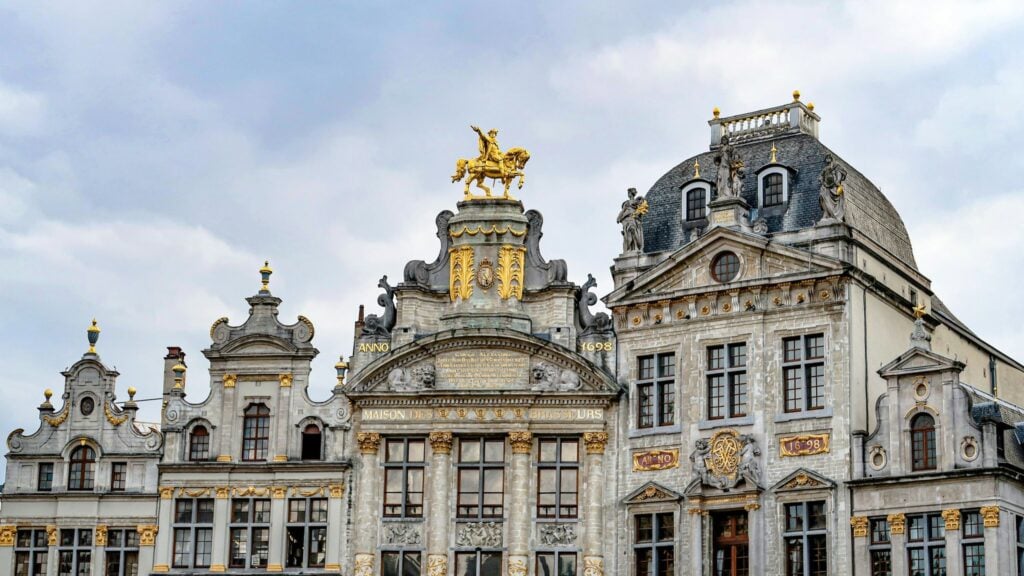
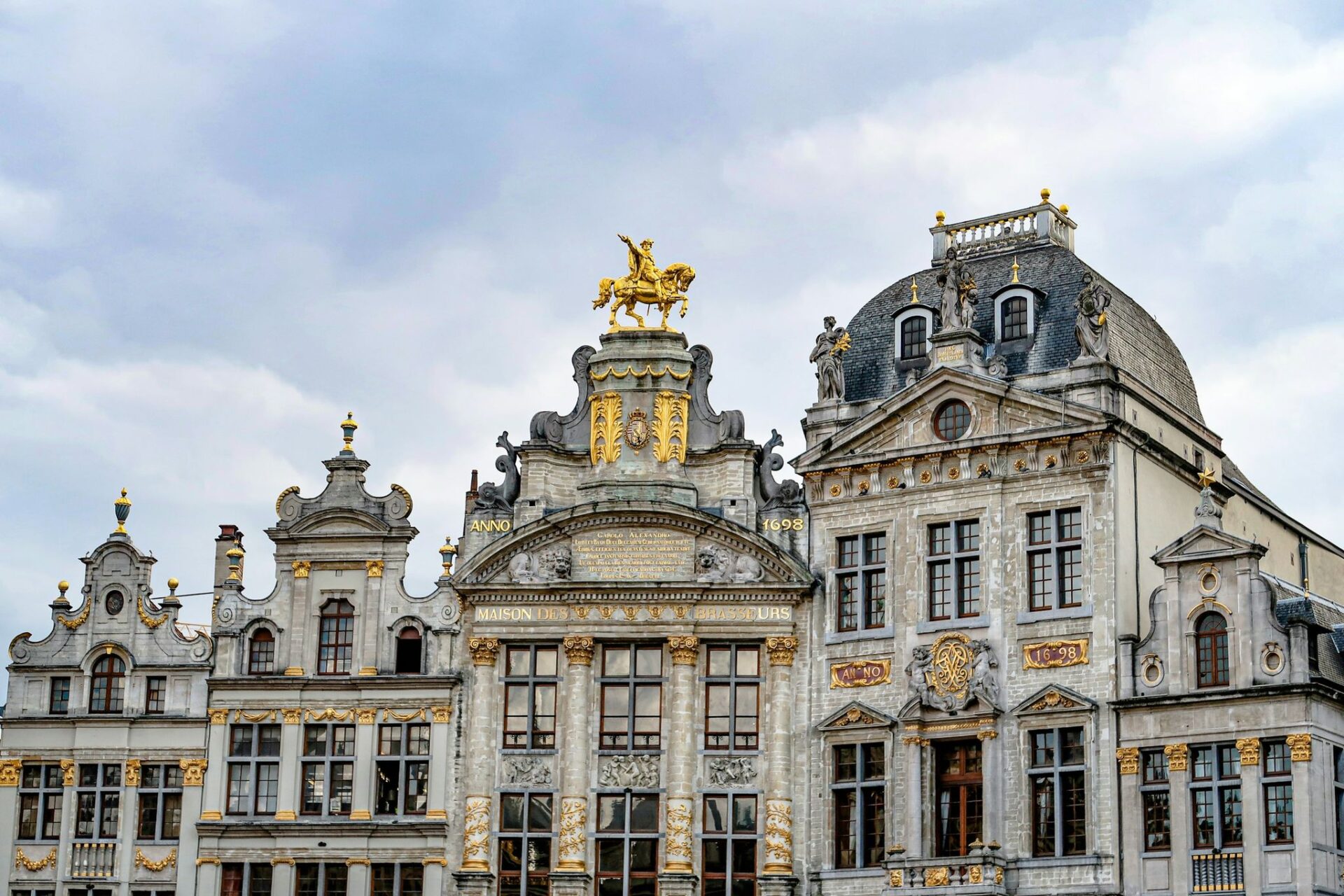
Brussels is a vibrant city brimming with culture, history, and culinary delights. The Grand Place, a UNESCO World Heritage Site, is the heart of the city and a must-visit for its breathtaking architecture and lively atmosphere. Other top attractions include the whimsical Manneken Pis statue, the thought-provoking Magritte Museum, and the Belgian Comic Strip Centre, which celebrates the country’s rich cartoon heritage.
Food lovers will enjoy exploring Brussels’ many restaurants, cafes, and bars, where you can sample Belgian specialties like waffles, chocolate, and world-famous beers. For the best value and convenience, consider purchasing a Brussels Card, which grants free entry to over 30 attractions—including the Grand Place and Magritte Museum—and unlimited public transport for 24, 48, or 72 hours. Travel tips for visitors include exploring the city’s diverse neighborhoods, such as the trendy Saint-Gilles and Ixelles districts, and taking advantage of free walking tours to discover hidden gems. With so much to see and do, Brussels is a city that invites you to explore, taste, and experience its unique charm at every turn.
Travel by Season
Winter Train Travel
Winter in Brussels is cold and often rainy, with daytime temperatures ranging from 39-45°F and overnight lows in the mid-30s°F [10]. While trains generally run on schedule, occasional weather-related delays can happen. December’s Christmas markets near Brussels Central Station are a major attraction, drawing large crowds [9]. Shorter daylight hours might influence your travel plans, but off-peak travel during this season means fewer crowds and better ticket availability [9]. As temperatures begin to rise later in the season, travel conditions and crowd sizes start to shift.
Summer Train Travel
Summers in Brussels bring temperatures in the low 70s°F, along with peak tourist activity [[9]](LINK 1). Domestic and international train routes, especially Eurostar services to London and Paris, often operate at full capacity. During this busy period, booking your tickets earlier is crucial for securing the best price and availability, as fares can vary widely depending on when you book and how many seats remain [[2]](LINK 2).
Holiday Period Travel
Holidays in Brussels mean larger crowds and possible schedule adjustments. Cultural events during these times can further increase foot traffic, so be prepared for potential changes in service. The shoulder seasons – March through May and September through October – offer milder temperatures and fewer tourists, making them an excellent choice for those seeking more affordable fares and less crowded trains. Train schedules generally remain stable during these months, without the challenges of summer crowds or winter weather.
Here’s a quick breakdown of seasonal patterns:
|
Season |
Temperature Range |
Crowd Levels |
|---|---|---|
|
Winter |
30-45°F |
Moderate to high (holidays) |
|
Summer |
70-90°F |
Very high |
|
Spring/Fall |
50-70°F |
Moderate |
With Brussels’ oceanic climate, rain is possible year-round [10]. Be prepared for wet conditions when traveling between stations. Knowing these seasonal trends can help you plan smarter and enjoy a smoother travel experience throughout the year.
Summary
Brussels, the capital of Belgium, is centrally located in Western Europe and is renowned as one of the most multicultural cities in the world. As a key rail hub in Europe, it is anchored by its three main stations: Midi, Central, and North. Brussels Midi serves as the primary station for international travel, Brussels Central connects visitors to the historic center, and Brussels North completes this critical network. Together, these stations form the core of the city’s transport system.
Managed by STIB/MIVB, Brussels’ public transit network includes metro, tram, and bus services, ensuring extensive connectivity across the city. For those looking for alternative options, the Villo! bike-sharing program offers an eco-friendly way to get around.
With SNCB’s domestic rail services seamlessly linked to international routes and the city’s public transit, Brussels provides a smooth and efficient travel experience. This well-connected system operates reliably year-round, catering to both business and leisure travelers.