
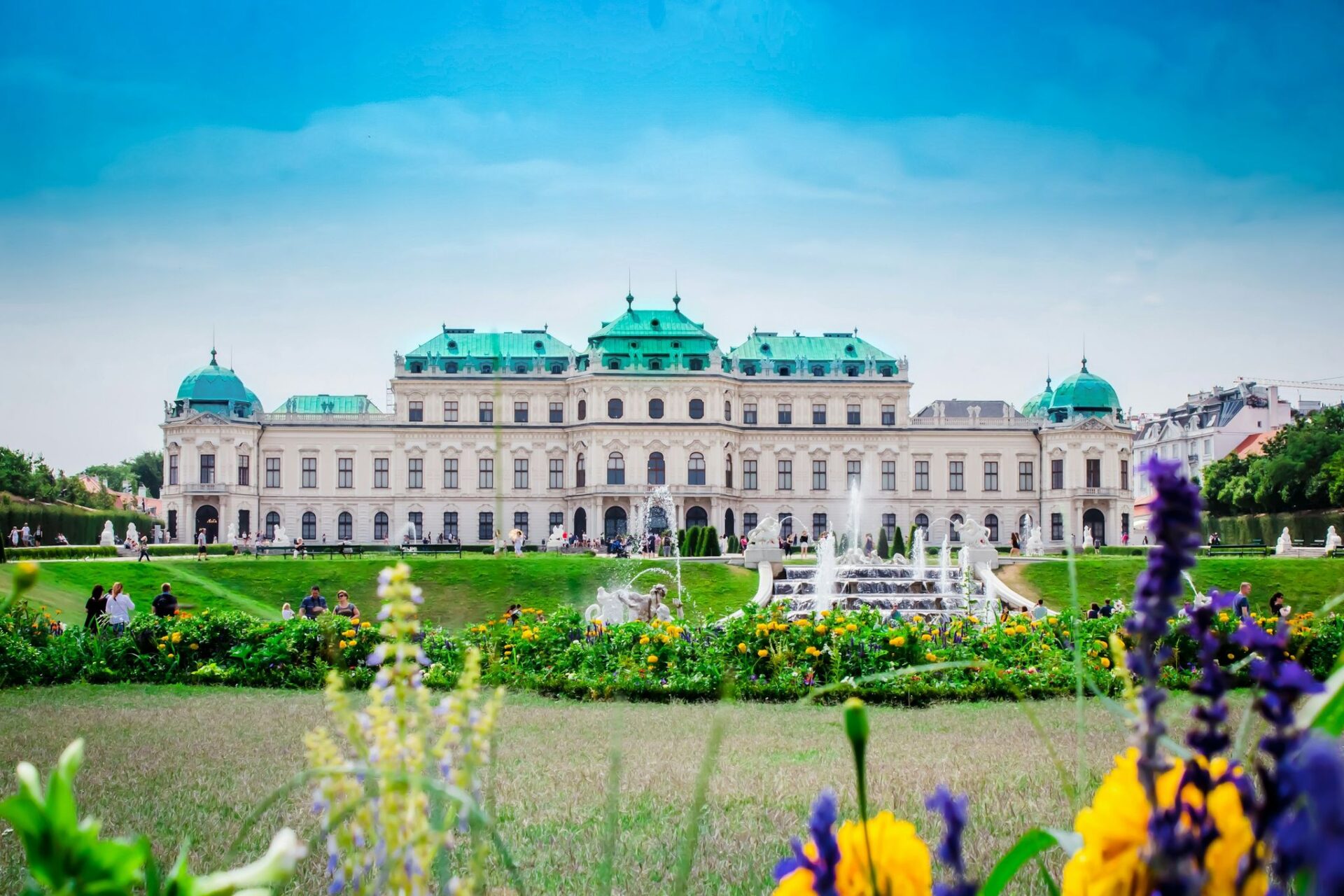
Traveling from Prague to Vienna by train is fast, affordable, and eco-friendly. Covering 254 km in as little as 3 hours and 57 minutes, trains are a better alternative to flying or driving, reducing carbon emissions by up to 83%. ÖBB operates high-speed Railjet trains that connect Prague and Vienna, making travel from Prague to Vienna both convenient and comfortable. Prices start at €14.90 if booked early, with services provided by Railjet, RegioJet, and EuroCity. Here’s what you need to know:
-
Fastest Travel Time: 3 hours 57 minutes (Railjet)
-
Daily Trains: Approximately 25 trains operating daily between Prague and Vienna
-
Ticket Prices: Prices start at €14.90 (advance booking). Vienna cost may vary depending on class, availability, and booking time.
-
Comfort Options: WiFi, power outlets, meal services, and multiple seating classes
-
Stations: Prague Hlavni Nadrazi and Vienna Hauptbahnhof, both centrally located. Both the Prague and Vienna train stations are located in the heart of their respective cities.
-
The Prague to Vienna train route is very scenic and passes through picturesque regions in the Czech Republic and Austria.
|
Service Provider |
Travel Time |
Starting Price |
Features |
|---|---|---|---|
|
Railjet (CD/ÖBB) |
3h 57m |
Prices start at €14.90 |
WiFi, onboard meals, seat reservations |
|
RegioJet |
4h 10m |
Prices start at €14.90 |
At-seat service, seat reservations included |
|
EuroCity |
4h 25m |
Prices start at €14.90 |
Comfortable seating, optional reservations |
|
With frequent departures and modern amenities, train travel between Prague and Vienna is a convenient choice for all types of travelers. Booking in advance often results in better prices for train tickets from Prague to Vienna. |
Introduction to the Route
The Vienna train route from Prague to Vienna is one of Central Europe’s most popular and efficient travel corridors. This high-speed train connection links the Czech Republic and Austria, making it easy to journey between these two vibrant capitals. With a journey time of just about 4 hours and 12 minutes, the train is often faster than flying or taking a long-distance bus, especially when you factor in the extra time needed for airport transfers and security checks at Prague Vaclav Havel Airport or Vienna International Airport. Unlike airports, both Prague and Vienna’s main train stations are centrally located, so you can step off the train and be in the heart of the city within minutes. To plan your trip, simply consult the Vienna train timetable, which provides up-to-date schedules and helps you choose the best departure for your travel plans. Whether you’re traveling for business or leisure, the Vienna train route offers a smooth, direct, and scenic way to get from Prague to Vienna.
Prague to Vienna onboard the Czech Railjet
Train Types and Services
Traveling between Prague and Vienna? There are three main train services to choose from, each catering to different needs and budgets, and offering a variety of travel class options. RegioJet trains provide six types of travel classes, each offering different levels of comfort during the journey.
-
RegioJet: Known for modern trains, free Wi-Fi, and onboard entertainment. RegioJet offers a free bottle of water for all customers on board.
-
ÖBB Railjet: Austria’s national operator, offering high-speed trains with comfortable seating and dining options.
-
České dráhy (Czech Railways): Reliable service with standard amenities and multiple departures daily.
Ticket prices are influenced by several factors, including travel class, booking time, and operator.
EuroCity Trains
EuroCity trains are a solid choice for comfort and reliability. They offer a direct route between the cities in 4 hours and 25 minutes. Seats are comfortable, and reservations are optional during busier times.
RailJet Trains
Looking for speed and extra perks? Railjet trains, operated by ÖBB, connect Prague and Vienna directly with high-speed service. The prague vienna route on Railjet can take as little as 4 hrs 12 min, with trains reaching speeds up to 230 km/h.
Here’s what you can expect:
-
Economy and First Class options, with adjustable seating
-
Free WiFi and charging ports
-
Onboard meals and air conditioning
-
Spacious legroom for added comfort
Tickets start at €14.90 for 2nd class.
Budget Train Options
For budget-conscious travelers, there are options like RegioJet and REX trains.
-
RegioJet offers multiple seating classes (Low cost, Standard, Relax, Business, Premium, and Astra) at fares starting from €14.90. These trains reach speeds of up to 200 km/h. Low Cost Class includes complimentary tea as a standard perk. Premium or Business Class passengers can enjoy mint tea made with real mint leaves. All passengers can order from a restaurant menu while seated, and a free bottle of water is provided in every class.
-
REX trains take a bit longer, with a travel time of about 5 hours and 10 minutes, but tickets are available from €14.30 when booked in advance.
Now that you know the train options, the next section will cover ticket purchasing, fare details, and pass choices.
Tickets and Prices
Where to Buy Tickets
You can buy tickets directly from official railway websites:
-
Czech Railways (ČD): www.cd.cz
-
Austrian Railways (ÖBB): www.oebb.at
-
RegioJet: www.regiojet.com
Prefer buying in person? Head to ticket counters at Prague Hlavni Nadrazi or Vienna Hbf stations. Don’t forget to check current fares and available discounts.
Ticket Costs
Ticket prices for the Prague to Vienna train route are competitive—prices start as low as €14.90 when booked in advance. The Vienna cost for train tickets depends on several factors, including travel class, departure date, and how far in advance you book. Booking in advance often results in better prices for train tickets from Prague to Vienna. Here’s a quick comparison:
|
Train Service |
Class |
Advance Booking |
Full-Price Flexible |
|---|---|---|---|
|
CD/ÖBB Railjet |
2nd Class |
€14.90 |
€59–87.40 |
|
CD/ÖBB Railjet |
1st Class |
€29.90 |
– |
|
CD/ÖBB Railjet |
Business |
€44.90 |
– |
|
RegioJet |
Low Cost |
€14.90 |
– |
|
RegioJet |
Standard |
€19.90 |
– |
|
RegioJet |
Relax |
€22.90 |
– |
|
RegioJet |
Business |
€23.90 |
– |
|
Tips to Save Money: |
-
Book at least 30 days ahead for the best rates.
-
Kids under 6 travel free.
-
Children under 15 can travel for free with Sparschiene fares.
If you’re using a travel pass, check out the guidelines below.
Interrail Pass Guide
Traveling with an Interrail pass? You can use it on both EuroCity and RegioJet trains. While seat reservations for EuroCity trains are optional, they’re a smart choice during busy periods or if you’re traveling as a group.
If you are a non-European citizen or resident, consider the Eurail Pass as a flexible option to explore multiple countries by train, including the Prague to Vienna route. The Eurail Pass covers an extensive network across 33 European countries.
For reservation costs, visit the Interrail reservation page. The self-service system charges a €2 administration fee per person per train, along with €9 for paper tickets. It’s worth comparing prices between the Austrian and Czech reservation systems to find the best deal.
Trip Planning Guide
Once you’ve got your ticket, it’s time to plan your trip with helpful station details and train schedules to ensure your journey smoothly from Prague to Vienna. Consider consulting the Vienna railway map to visualize your route, connections, and train options for efficient travel planning. Traveling by train from Prague to Vienna is often faster than by bus, thanks to the central locations of both cities’ train stations.
Station Information
Praha Hlavni Nadrazi is Prague’s busiest railway station, handling over 610 trains and around 71,000 passengers every day. It’s conveniently linked to Prague Metro Line C (red line) and is just a short 10-minute walk from Wenceslas Square.
Major bus stations in Prague, such as Florenc Bus Station, are located nearby and offer extensive facilities including ticket offices, waiting areas, and food services. These bus stations are well connected to Praha Hlavni Nadrazi by metro and tram lines, making transfers between train and bus services straightforward for travelers.
If you’re coming from Prague Airport, take bus 199 to Nadrazi Veleslavin, then switch to subway lines A and C to reach the main station.
In Vienna, you’ll arrive at Wien Hauptbahnhof, a modern hub that opened in December 2015. It serves around 268,000 daily commuters. The station connects easily to Vienna’s city center via U-Bahn line U1 to Stephansplatz, tram line D to Franz-Josefs-Bahnhof, various bus routes, and taxis.
Daily Train Times
On weekdays, the first train departs at about 04:12, with the last one leaving around 18:45. Weekend services start at the same time, but the final train runs later, at approximately 00:36. During peak hours, trains can depart as often as every 7 minutes.
Next, explore the seating options to find the level of comfort that fits your travel style.
Seating Classes
Second class offers standard seating, basic facilities, and a lively atmosphere. First class, on the other hand, includes wider seats, more legroom, dedicated luggage areas, a quieter environment, and perks like at-seat meals and lounge access. If you’re on a budget, second-class tickets are about one-third cheaper than first-class ones, making them a solid choice for those who don’t need the extra frills.
Train Journey
Traveling from Prague to Vienna by train is not only efficient but also a memorable experience. The Vienna train route takes you through picturesque regions of the Czech Republic and Austria, offering beautiful countryside views along the way. Modern Railjet trains, operated by Austrian Federal Railways, run every couple of hours, ensuring flexibility for your schedule. Booking train tickets from Prague to Vienna is simple—tickets can be purchased online or directly at the station, with prices starting from as low as €12.90 if you book in advance. The journey time is approximately 4 hours and 12 minutes, and with direct trains available, you can board at Prague’s main station and travel straight to Vienna without any transfers. This seamless connection makes the train an ideal choice for anyone looking to travel comfortably and efficiently between these two European capitals.
Destinations
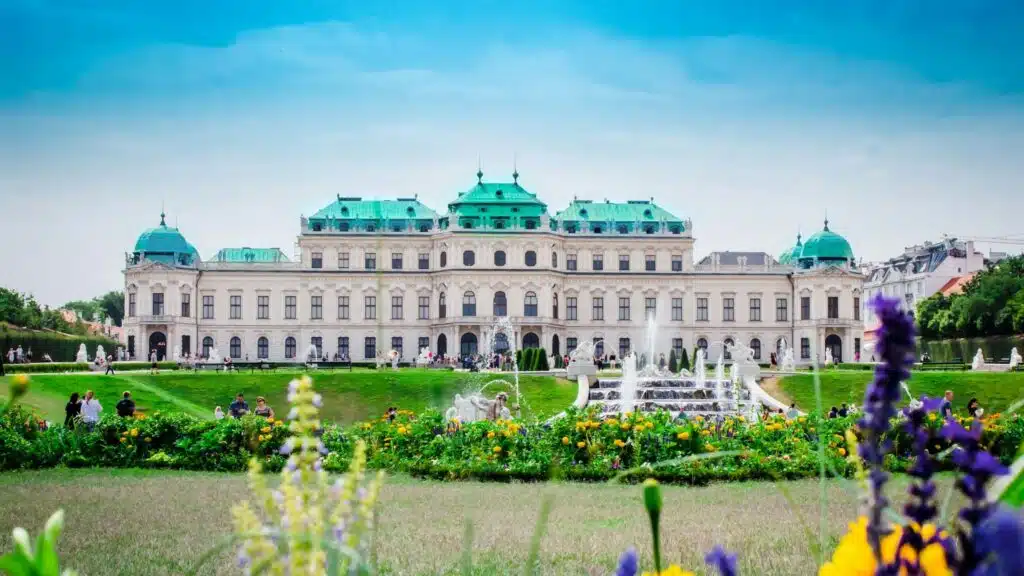
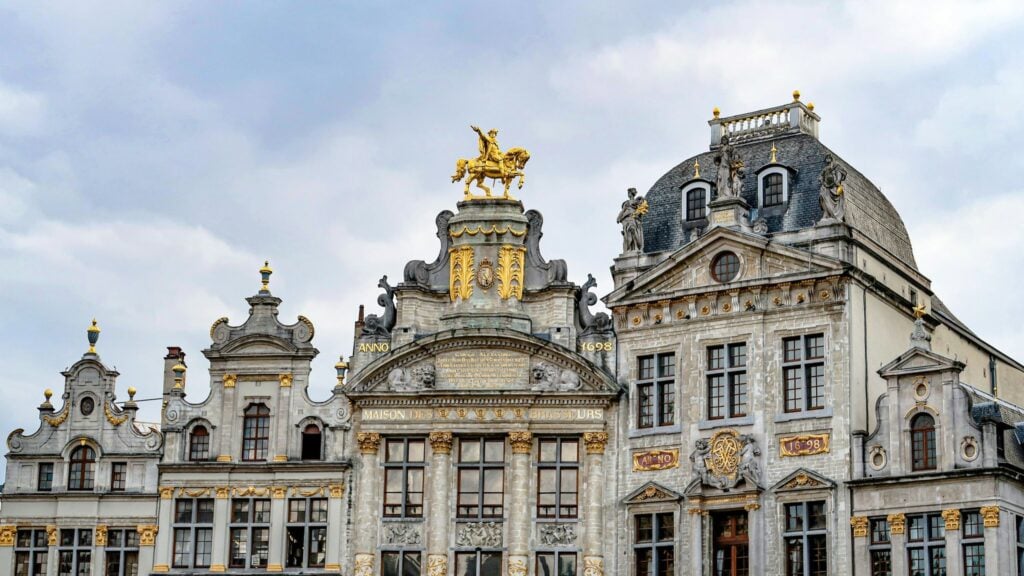
The Vienna train route connects two of Europe’s most captivating cities: Prague in the Czech Republic and Vienna in Austria. Vienna Hauptbahnhof, located at Alfred-Adler-Straße 107, is the main arrival point in Vienna and a central hub for exploring the city. Vienna is renowned for its imperial history, grand architecture, and cultural landmarks like Stephen’s Cathedral. Meanwhile, Prague offers a magical blend of medieval charm, cobblestone streets, and a lively arts scene. Taking the train from Prague to Vienna allows you to experience the best of both cities, with convenient access to their historic centers and major attractions. Whether you’re interested in art, music, history, or cuisine, this train route is your gateway to discovering the unique character of both Vienna and Prague.
Onboard Experience
The onboard experience on the Vienna train route is designed for maximum comfort and convenience. Railjet trains feature free WiFi, power outlets at every seat, and a restaurant car menu with a variety of food and drink options you can order during your journey. Passengers can choose from several travel classes, including low cost class for budget travelers, relax class for extra comfort, and first class with leather seats and additional space. There’s plenty of luggage space for your bags, and the spacious seats make it easy to relax or get some work done. If you’re traveling with RegioJet, you can use the Regiojet app to book tickets, check the train timetable, and reserve your preferred seat. Whether you’re looking for a low cost option or a premium experience, the Vienna train route has something for everyone, ensuring your journey is as enjoyable as your destination.
Travel Tips
Booking Seats
Booking your seat early can make your trip much more comfortable. While seat reservations on CD/ÖBB Railjet trains aren’t mandatory, they’re a smart choice during busy times like weekends, holidays, or when traveling in a group. RegioJet tickets automatically include a reserved seat. If you want to pick a specific seat, use cd.cz for departures from Prague or oebb.at for departures from Vienna. ÖBB seat reservations cost about €3, and you’ll need to claim your seat promptly.
Once your seat is sorted, make sure to pack what you need for a smooth journey.
What to Bring
For this 4-hour trip, consider packing the following:
-
Comfort and Entertainment: Noise-canceling headphones, a refillable water bottle, a portable charger, and some reading material or pre-downloaded entertainment.
-
Practical Items: Hand sanitizer, wet wipes, a secure bag, a European power adapter, and some local currency for onboard purchases.
-
Security: A neck wallet to keep valuables safe and a VPN for secure internet use on public Wi-Fi.
With these essentials, you’ll be ready to enjoy your train ride.
Arriving in Vienna
When you arrive at Wien Hauptbahnhof, you’ll have two main exit options. Use Südtiroler Platz for quick access to the U-Bahn, which can take you to the city center. Alternatively, exit via Karl Popper Straße to catch tram line D. Public transport tickets can be purchased in several ways: at the Wiener Linien info office in the U-Bahn entrance hall, from ticket machines at metro stations and tram stops, directly on trams, or through the Wiener Linien online ticket shop.
Since Wien Hauptbahnhof is located at the southern edge of central Vienna, choose your transportation based on where you need to go next.
Getting to Your Destination
Arriving at your destination is easy thanks to the well-connected train stations in both Prague and Vienna. Use a journey planner to search for cheap train tickets from Prague to Vienna, compare prices, and find the best specific train for your travel date. Both stations offer a range of train services and amenities, making your transfer smooth and hassle-free. Once you arrive, you can use public transport—such as metro, trams, or buses—or taxis to reach your final destination in the city. Booking your train tickets in advance not only secures the best prices but also ensures a seamless travel experience. With high-speed trains and efficient station services, the Vienna train route is the smart choice for anyone looking to travel quickly and comfortably between Prague and Vienna.
Summary
Taking the train on the Prague Vienna route is a straightforward and comfortable way to travel the 254-kilometer distance. The journey usually lasts about 4 hours and 15 minutes, with two main operators offering services on this route. There are around 25 trains available daily between Prague and Vienna, providing travelers with frequent and flexible options.
|
Service Provider |
Daily Frequency |
Starting Price |
Features |
|---|---|---|---|
|
Railjet (CD/ÖBB) |
7 trains |
prices start at €14.90 |
Restaurant car, optional seat reservations |
|
RegioJet |
4 trains |
prices start at €14.90 |
At-seat service, seat reservations included |
|
Both Railjet and RegioJet provide dependable options with modern trains equipped with conveniences like WiFi, power outlets, and air conditioning. |
With several departures each day and prices start at €14.90, the vienna cost for train tickets is affordable, though it can vary depending on class, booking time, and availability. Both operators ensure a high-quality experience, making this prague vienna route an excellent choice for trips between these two Central European cities.