

Start Here: Is a Eurotrip by Train or Eurail Pass Right for Your 2025 Vacation?
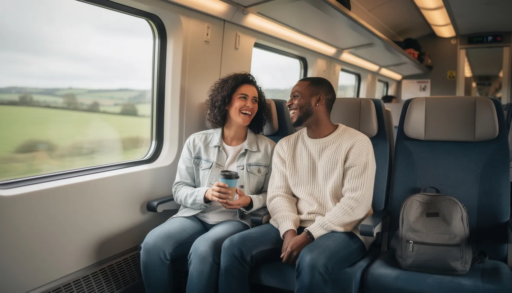
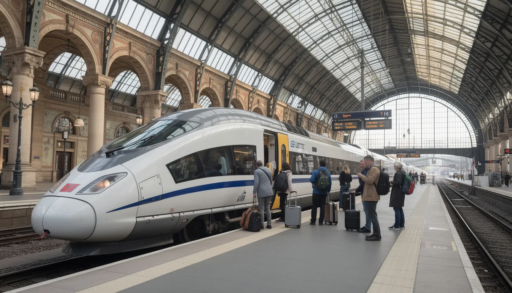
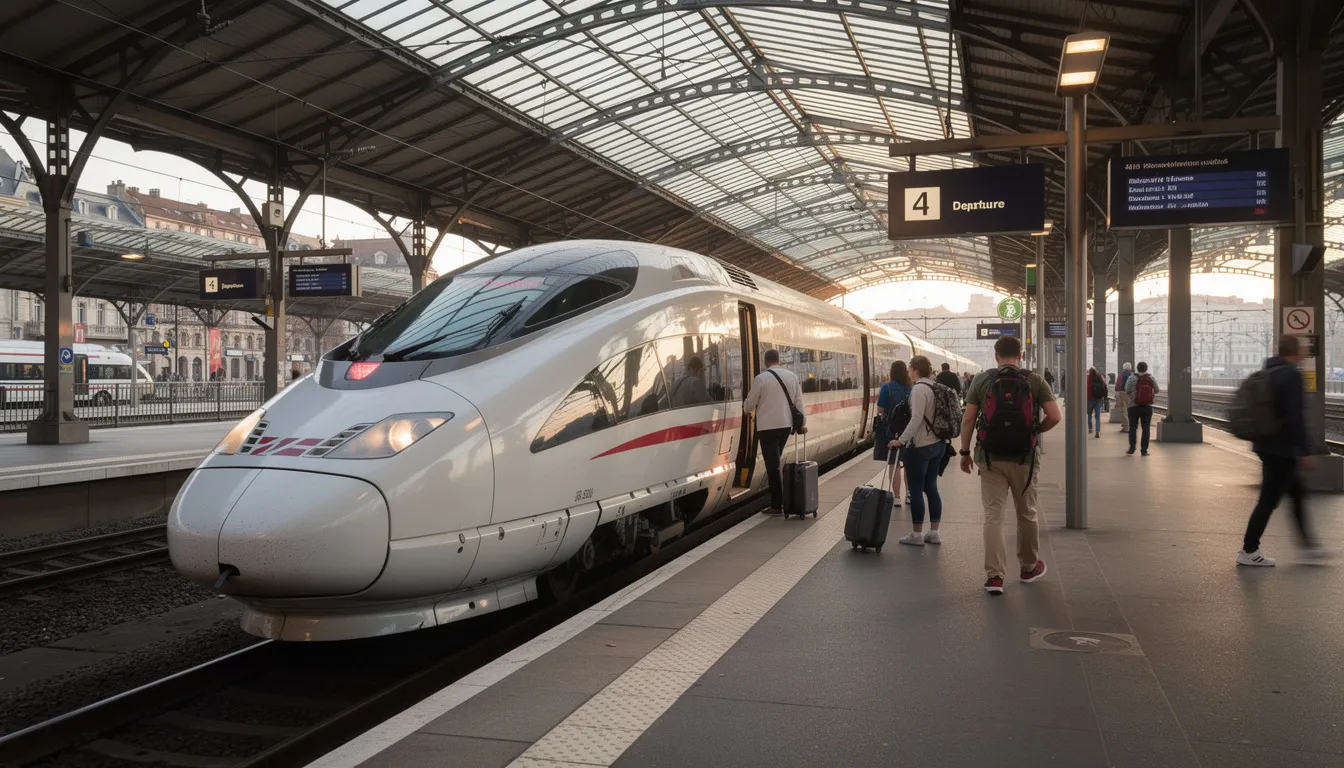
Picture this: you board a sleek train at London St Pancras, settle into your seat with a coffee, and two hours later you’re stepping out at Paris Gare du Nord. No airport security queues, no checked baggage fees, no racing to catch a shuttle from a distant terminal. This is what a Eurotrip by train actually looks like in practice.
A typical first European train trip might run something like London–Paris–Amsterdam–Berlin–Prague–Vienna–Florence–Rome over 18 days. You’d take seven major trains, each depositing you directly in the city center, ready to walk to your hotel or grab a quick metro. In many cities, you’ll find yourself arriving in the old town, wandering along cobblestone streets—like those in Óbidos—or stepping out to iconic sights such as the Eiffel Tower in Paris. Along the way, you’d watch the Dutch countryside give way to German forests, see the Alps rise outside your window, and arrive in each new city feeling refreshed rather than jet-lagged from another budget airline sprint.
The question is whether train travel makes sense for your specific trip. Let’s break that down.
Train vs. flying vs. buses for a 2–3 week Europe trip:
When you factor in door-to-door times, trains often beat flights for journeys under 4–5 hours. London–Paris takes about 2h15 on Eurostar, while flying means arriving 2 hours early, a 1-hour flight, then 45+ minutes into central Paris—roughly the same total time, but far more stressful. Paris–Amsterdam runs about 3h20 by train. Barcelona–Madrid takes 2h30 on the AVE high speed train. These are the sweet spots where rail wins decisively.
Buses are cheaper but slower. A Paris–Amsterdam bus takes 6+ hours versus 3h20 by rail. For a 2–3 week trip where you want to maximize sightseeing time, the hours saved on trains add up quickly.
Pros of train travel:
-
City-center to city-center departures—no €40 taxi from a distant airport
-
No liquid restrictions, so you can bring full-size toiletries and water bottles
-
Generous luggage allowances with no weight limits or extra fees
-
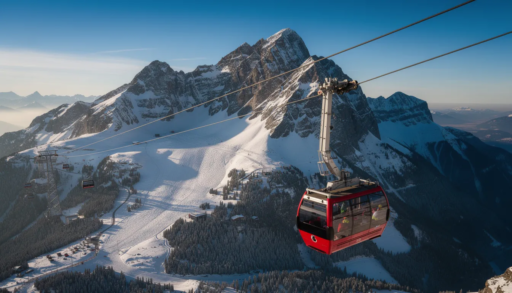
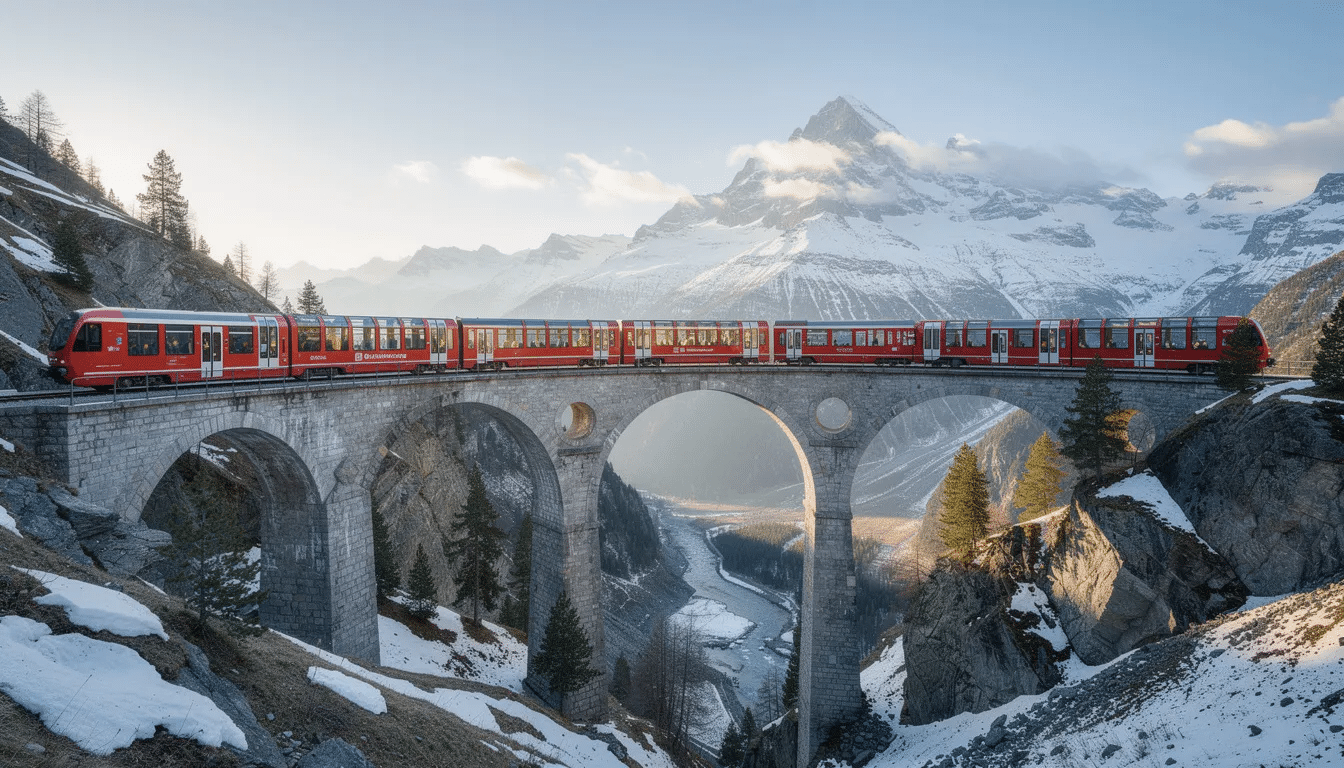
Scenic train routes like the Rhine Valley between Koblenz and Mainz, or the Alpine crossing from Milan to Zurich. Scenic train rides along the water offer picturesque views of seaside villages—choose your seat for the best sightseeing. The Bernina Express and Glacier Express offer breathtaking views through the Swiss Alps.
-
Space to walk around, work on a laptop, or visit the café car
-
Power sockets at most seats on long distance trains
-
Most long-distance trains in Europe are equipped with restaurant cars or snack carts.
-
Environmentally friendlier than short-haul flights
-
Enhanced comfort, especially in first class. A first class ticket often grants access to exclusive lounges with amenities like Wi-Fi, refreshments, and comfortable seating, as well as larger seats and priority boarding.
Cons to consider:
-
Sometimes higher prices than budget airlines, especially for last-minute bookings
-
Mandatory seat reservations on French TGV, Italian Frecciarossa, and Spanish AVE trains add €10–€35 per ride, even with a rail pass
-
Periodic strikes in France and Italy can disrupt travel plans
-
Crowded summer routes, particularly on popular scenic train routes through Switzerland and along the Mediterranean. Long scenic rides are especially popular, so book early to secure your spot.
-
Longer journey times than flying for distances over 800km
Train stations are usually located in city centers, making train travel more convenient than flying, which often requires lengthy transfers from airports.
Who should travel Europe by train:
Train travel is ideal for first-timers doing 3–6 cities across Western or Central Europe, couples wanting a romantic journey through the Alps, families with kids who need space to move around, and eco-conscious travelers looking to reduce their carbon footprint. The flexibility to enjoy the journey itself—not just the destinations—appeals to anyone who finds airports exhausting. For long distances, an overnight train offers the unique experience of sleeping while you travel, saving both time and hotel costs.
Flying makes more sense when you’re covering huge distances in a single day (like Lisbon to Warsaw) or when budget airline deals are significantly cheaper than train fares for your specific route. In Munich, don’t miss the chance to visit traditional beer gardens, a highlight of Bavarian culture.
The bottom line: If you have 10–21 days, want to visit 3–7 cities within Western Europe, Central Europe, or Eastern Europe, and prefer slower, scenic travel, a Eurotrip by train is likely the best fit for your 2025 vacation.
Step 1: Choose Your Train Stations, Route, and Dates
Locking in a realistic route before you do anything else makes every later step—buying train tickets, booking hotels, planning activities—dramatically easier. Most first-timers overcomplicate this by trying to see too many cities. Plan smart by starting with a simple spine that moves logically in one direction, and focus on choosing the best routes for efficiency, cost-effectiveness, and overall experience.
Booking point-to-point tickets online in advance can save money compared to using a Eurail Pass, especially in cheaper countries. For international, high-speed, and night trains, it is recommended to book tickets and mandatory seat reservations as soon as they become available, typically 2–6 months in advance. Booking train tickets in Europe is often cheaper when done in advance. Many European train operators have different ticketing systems, so it’s necessary to book tickets through the specific operator’s website for each journey. Booking tickets directly through the national rail operator’s website can often save you from additional service fees charged by third-party sites. Train tickets in Europe can vary in price depending on the time of day, with peak times generally being more expensive than off-peak. Travelers should be aware of the specific booking windows for each country’s train tickets, as they can vary significantly. Always check the specific train operator’s website for the best prices and booking options, and look for discounts for children, seniors, and youth.
Suggested trip lengths with example routes:
-
10 days: Paris → Brussels → Amsterdam → Berlin (compact, manageable, iconic cities; check for direct routes to minimize transfers)
-
14 days: London → Paris → Brussels → Amsterdam → Cologne → Berlin (classic capitals with breathing room; consider whether each segment is a direct route or requires a transfer)
-
21 days: Madrid → Barcelona → Avignon → Nice → Milan → Venice → Vienna → Prague (south to east sweep through multiple countries; pay attention to direct routes versus those with connections)
The key principle is avoiding backtracking. A logical west-to-east route like Lisbon → Madrid → Barcelona → Montpellier → Nice → Milan → Venice → Ljubljana → Vienna covers enormous ground without doubling back. Each train moves you forward toward your final destination. When planning, note that popular routes can sell out quickly, especially in high season, so book early.
Best starting points for 2025:
-
London: Gateway to Paris, Brussels, Amsterdam via Eurostar
-
Paris: Hub connecting to basically everywhere in Western Europe
-
Amsterdam: Easy access to Germany, Belgium, and Scandinavia
-
Frankfurt: Central location for Germany and connections to Switzerland, Austria, Eastern Europe
-
Barcelona: Starting point for Spain, southern France, Italy
-
Milan: Gateway to Venice, Switzerland, Austria, and the Alps
When traveling between larger cities, advance planning and booking are essential due to higher passenger volumes and train occupancy. Trains between major urban centers often fill up quickly, so pre-arranged reservations are highly recommended.
Seasonal considerations:
-
July–August: Maximum crowds, peak heat in Spain and Italy, highest prices, most trains sold out—especially on popular routes, so book as early as possible
-
April–May and September–early October: Best for a first Eurotrip—pleasant weather, manageable crowds, better availability
-
December: Perfect for Christmas market routes like Copenhagen → Hamburg → Nuremberg → Vienna → Salzburg, but cold and early darkness
-
Off peak travel in shoulder seasons gives you better prices and more flexibility
Tools for sketching your route:
Start with Google Maps—select “Directions” then choose the train icon to see rough journey times between cities. For more accurate schedules across borders, use DB Navigator (the German railways app) which shows pan-European connections even if you’re not traveling through Germany. These are planning tools; you’ll book the actual tickets elsewhere. After arriving in a new destination, use a detailed map to navigate the city and plan your day effectively.
One final rule: Keep most legs between 2 and 5 hours. Allow yourself only 1–2 longer 7–10 hour “big jumps” (like Paris–Barcelona or Berlin–Budapest) across your whole trip. Too many trains over 6 hours will exhaust you and eat into sightseeing time.
When choosing destinations, consider highlights accessible by train such as national parks—Cinque Terre, for example, is a stunning national park in Italy that requires a park pass to access the villages by train and offers beautiful landscapes and hiking opportunities. Take advantage of day trips from major hubs to explore nearby attractions or towns; these short excursions are easy to plan and can add variety to your itinerary.
Central and Eastern Europe offer convenient travel opportunities due to the proximity of countries and smaller geographical sizes, making it easy to visit multiple destinations efficiently.
Choosing the Right Pass for Your Journey
Picking the right train pass for your European adventure? Let’s cut through the options and get you moving. If you’re coming from outside Europe, you’ll want to grab the Eurail Pass – it’s your ticket in. European residents, you’ve got the Interrail Pass waiting for you. Both passes unlock the same freedom to hop trains across the continent, but the best choice comes down to how you plan to explore.
Here’s where it gets good: the Eurail Global Pass gives you unlimited access across 30+ countries. Think of it as your all-access backstage pass – perfect when you want to chase that sunset from Prague to Barcelona without checking your itinerary twice. But if you’re zeroing in on one country – maybe you want to master every hidden corner of Italy or trace those legendary Swiss mountain routes – the One Country Pass delivers serious value and keeps your options wide open.
Booking Your Tickets: How and Where
Once you’ve nailed down that itinerary, let’s lock in your train tickets. Here’s the thing – you’ll want to book ahead, especially for those high-speed lines and the routes everyone’s trying to catch. Seats vanish fast when peak season hits, and trust me, you don’t want to be that person scrambling at the station.
Overnight Travel: Making the Most of Night Trains
Here’s your move with overnight trains across Europe – tuck yourself into a sleeper car and let the rails do the heavy lifting while you catch some rest. You’ll wake up in a new city, pocket the hotel savings, and step off ready to explore instead of nursing travel fatigue. Whether you’re crossing borders or just want to squeeze every hour out of your trip, these night trains give you that sweet spot where comfort meets smart logistics – and your savvy travel buddy knows there’s nothing quite like rolling through the European countryside while you sleep.
Day Trips and Excursions from Major Hubs
You’ve got one of the smartest travel moves right at your fingertips with European trains – you can hop on frequent regional connections and high-speed lines to pull off spontaneous day trips from any major city. Let’s say you’re based in Prague or Berlin – scan the departure boards, grab a seat, and you’re set to explore charming towns, trek through national parks, or ride some seriously scenic rail routes, all wrapped up before dinner.
Train Travel Tips for a Smooth Eurotrip
A little prep work goes a long way toward making your European train adventure smooth and memorable. Here’s what actually works for stress-free rail travel:
-
Plan smart: Let’s get your routes mapped before you go. Grab a rail planner app or hit up the national operator’s website – you’ll spot connection gaps and timing issues way before they bite you at the station.
-
Book early: Lock in your tickets and seat reservations as soon as you can. High-speed and international trains fill up fast, and you don’t want to end up squeezed into a middle seat between strangers for four hours.
-
Pack light: Train aisles are narrow and overhead space is tight. If you can’t carry your bag up three flights of station stairs without breaking a sweat, you’ve packed too much.
-
Stay powered up: Tuck a universal adapter and portable charger into your day pack. Outlets are hit-or-miss on older trains, and nothing kills your mood like a dead phone when you’re trying to navigate connections in Brussels.
-
Learn the basics: Master “Where’s platform 3?” and “When’s the next train?” in the local language. You’ll breeze past confusion when announcements crackle over loudspeakers, and locals appreciate the effort.
-
Enjoy the journey: Snag that window seat on scenic routes and keep your camera ready. Those Alpine valleys and Mediterranean coastlines don’t last forever, but the photos will.
-
Keep belongings secure: Run a cable lock through your luggage and keep valuables close to your body. Crowded trains and overnight journeys are prime time for opportunists – check your pockets when people bump into you.
-
Ask for help: Train staff and fellow travelers know the system better than any app. If you’re standing there squinting at departure boards, just ask. Most people will point you in the right direction.
When you embrace the rhythm of European rail travel, you’ll discover the journey delivers as much as the destinations themselves. Whether you’re gliding between major cities or uncovering hidden gems on a direct line to some small town, every train ride becomes an adventure waiting to unfold.
Packing and Practicalities for European Train Travel
Train travel rewards light packers. Every unnecessary kilogram makes station transfers, stair climbing, and carriage boarding harder. Train stations in large cities can be overwhelming, with multiple platforms and levels, so packing light helps you move quickly and confidently.
The ideal setup:
-
One carry-on-sized suitcase or travel backpack (40–50L)
-
One small daypack for daily sightseeing
This combination fits easily in overhead racks and carriage-end storage, works on public transport in cities, and doesn’t destroy your back. Many train stations offer left luggage services, which are useful if you arrive early and want to explore the city before check-in.
Train-specific items and practical tips:
-
Lightweight cable lock for securing bags to luggage racks on long journeys
-
Eye mask and earplugs for night trains (even couchettes have some noise and light)
-
Power strip or multi-USB charger (outlet configurations vary by train and country)
-
Universal adapter for European sockets
-
Printed copies of key bookings as backup
-
Refillable water bottle (no liquid restrictions on trains)
-
Snacks for long journeys
-
Keep your passport and tickets handy, as conductors frequently check them onboard. It’s also advisable to keep your ticket accessible throughout the journey for ticket inspections.
-
In some countries, like Italy, you must validate your ticket before boarding—look for validation machines on the platform.
-
Check the platform number for your train, as it may not be displayed until shortly before departure.
-
If you have a reserved seat, board through the correct door to avoid squeezing past other passengers.
-
Many European trains, especially on longer routes, offer amenities like outlets, fold-out tables, and sometimes Wi-Fi.
-
If you miss a connection, you may be entitled to travel on the next available train, especially if you have a through ticket. If you are traveling on separate tickets or multiple tickets for different segments, allow a few minutes extra for connections, as protection for missed connections may not apply.
-
Traveling with a bike or pet often requires additional tickets or reservations—always check the specific train policies in advance.
-
Not all trains require seat reservations; many regional trains do not, but for high-speed or international trains, you may need to pay a small fee to secure reserved seats, especially during busy periods.
-
You can buy individual tickets for specific routes, which can be more cost-effective than passes for some itineraries. Tickets can be purchased directly from the national operator of each country, or from private operators like Italo, Regiojet, and Leo Express, as well as third-party platforms that sell tickets for multiple European railways.
-
For low cost travel, book in advance and compare fares across different operators and platforms.
-
Consider unlimited travel passes for city transport, which offer unrestricted access to buses and subways for a set period.
-
Know the local names of your destinations, as train displays and announcements often use the local language.
-
Trains usually offer different classes; first class provides more comfort, but second class is generally sufficient for most travelers.
-
Major cities often have multiple train stations—double-check your departure and arrival stations to avoid confusion.
-
When planning international journeys, consider routes through neighbouring countries and check connections offered by both national and private operators. For example, Swedish Railways is a national operator involved in international train connections.
-
The European railways network is broad and well-integrated, but booking options, ticket types, and reservation requirements can vary between countries and operators.
Money and connectivity:
Contactless payment cards work almost everywhere in Western Europe. Carry some small cash for rural areas, street vendors, and the few exceptions where cards fail. Download offline maps for each city you’re visiting (Google Maps or Maps.me both work well) so you’re not dependent on mobile data in stations or unfamiliar neighborhoods.
For staying connected on trains, consider an eSIM or international roaming plan. Train Wi-Fi is notoriously unreliable—sometimes great, often unusable. Having your own data connection means you can check platforms, rebook if needed, and navigate to your accommodation.
The final principle: Packing lighter directly improves every part of a Eurotrip by train. Faster boarding, easier station transfers, less stress in crowded carriages, and no checked baggage fees on any mode of transport.