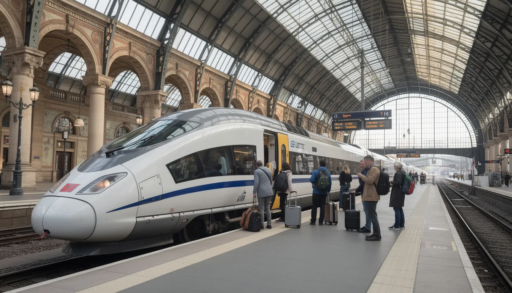



Reserving seats on European trains is essential for a smooth journey, especially on high-speed and international routes like the Eurostar, TGV, and AVE. Without a reservation, you risk standing for hours or missing your train entirely. Here’s the key information you need:
- Which trains need reservations?
- High-speed (TGV, Eurostar, AVE): Yes, book 3–6 months ahead.
- Night trains: Yes, book early for limited sleeping options.
- Regional trains: Usually no reservations required.
- How to reserve seats:
- Online: Use official train operator websites (e.g., SNCF, Deutsche Bahn, Renfe) or platforms like Eurail for pass holders.
- At stations: Visit ticket offices with your travel details and ID.
- Reservation fees:
- Standard trains: €3–€10
- High-speed trains: €10–€15
- Night trains: €15–€35
- Tips:
- Book early (3–6 months ahead) for busy routes like Eurostar.
- Use pre-reservations to hold seats temporarily before payment.
- Stick to official websites to avoid extra fees.
For country-specific rules:
- Spain: Reserve AVE trains at stations or by phone (up to 3 months ahead).
- Germany: Book ICE trains online, via app, or at stations.
- France: TGV reservations required; TER trains don’t need them.
Planning ahead and knowing the rules can save time, money, and stress. Use tools like Traindrop or official train websites for a hassle-free booking experience.
European train seat reservations explained
How to Reserve Seats on European Trains: A Step-by-Step Guide
If you’re traveling on busy routes, knowing how to reserve your seat can help make your trip hassle-free.
Which Trains Require Seat Reservations?
High-speed and international trains like Eurostar, TGV, and AVE require reservations. However, most regional trains don’t have this requirement.
Booking Seats Online: A Simple Guide
The easiest way to reserve seats is through official train operator websites.
For Regular Ticket Buyers:
- Head to the official website of the train operator (e.g., SNCF for France, Renfe for Spain).
- Enter your route, travel dates, and seat preferences.
- Complete the purchase for both your ticket and seat reservation in one step.
For Rail Pass Holders: If you’re using a rail pass, you can make reservations on the Eurail or Interrail website. Log in, choose your trains, and pay the reservation fees (€2 per train, plus any delivery fees if applicable).
While online booking is convenient, some travelers prefer reserving seats in person at train stations.
How to Reserve Seats at Train Stations
In Spain, for instance, you can reserve seats at major train stations [1]. To keep the process smooth:
- Visit the station during quieter hours with your rail pass or ID.
- Have your travel dates and train numbers written down to avoid confusion.
- Be ready to pay with either cash or card.
Some stations even allow temporary pre-reservations, holding your seat until payment is finalized. This can be especially helpful during peak travel times when seats fill up quickly.
Reservation Rules for Different Countries
Here’s a quick guide to navigating train reservations in some key countries:
Spain: Reserving Seats on High-Speed and Scenic Trains
In Spain, you can reserve AVE seats up to 3 months in advance at major stations or by phone. Spain also offers a unique option called pre-reservations, which lets you hold seats temporarily before paying. If booking by phone, you’ll get a code to collect and pay for your tickets at the station within 72 hours [1].
Germany: Booking Seats on Deutsche Bahn Trains
Germany’s Deutsche Bahn makes seat reservations simple. For ICE trains, reservations are mandatory, and you can book through:
- Deutsche Bahn’s website
- Any Deutsche Bahn ticket office
- The DB Navigator app
It’s a good idea to reserve seats while purchasing ICE tickets, especially during busy travel times [3].
France: Booking Seats on TGV and Regional Trains
France’s train network has different rules depending on the type of train:
- TGV trains: Reservations are required.
- Regional TER trains: Reservations are rarely needed.
- Booking tip: Use Trainline for smoother transactions, especially if you’re using a foreign credit card [5].
| Train Type | Reservation Needed | Booking Options |
|---|---|---|
| Spanish AVE | Yes | Reserve up to 3 months ahead at stations or by phone |
| German ICE | Yes | Book anytime via Deutsche Bahn’s website, app, or offices |
| French TGV | Yes | Reserve up to 4 months in advance via SNCF or Trainline |
| French TER | No | Buy tickets directly at the station |
Keep these country-specific details in mind to make your travel planning smoother and stress-free.
Tips to Make Seat Reservations Easier
Here’s how to navigate the process smoothly and steer clear of common issues.
Book Early to Avoid Missing Out
Routes like the Eurostar often sell out quickly, especially during busy times like summer, holidays, and weekends [2]. Booking typically opens 3-4 months in advance for most high-speed trains in Europe, but for some, like the Eurostar, you might need to plan up to six months ahead. Setting reminders for these booking windows can help you snag seats at the best prices.
If you’re not ready to commit to a schedule, there’s a way to hold seats without locking in your plans.
Take Advantage of Pre-Reservations
Pre-reservations let you secure a seat for up to 72 hours before you need to finalize payment at a station ticket office [1]. This is a great option for travelers who want some breathing room to finalize their itineraries.
Understand Reservation Fees and Budget Accordingly
Reservation fees depend on the train operator and route. For Eurail Pass holders, typical fees look like this:
| Train Type | Reservation Fee Range |
|---|---|
| Standard Trains | €3-€10 (basic seat reservation) |
| High-Speed Trains | €10-€15 (e.g., TGV, AVE) |
| Night Trains | €15-€35 (sleeping options) |
Want to avoid unnecessary charges? Book directly with train operators [4]. Third-party platforms often tack on extra fees, so going straight to the source can save you money.
Knowing these costs ahead of time can help you plan your trip without surprises.
Helpful Tools and Resources for Train Travel
Once you know how to make reservations, the right tools can make your train journey much easier. These resources can simplify the process, whether you’re booking online or at a station.
EveryRail is a handy platform for navigating European train travel. It offers guides on seat reservations, Interrail/Eurail passes, and scenic routes. It helps you plan your journey and figure out which trains to take and if they require reservations, making the booking experience smoother.
Official Train Operator Websites for Reservations
While platforms like Traindrop are great for planning, official train operator websites are the go-to for booking. Sites like SNCF (France), Deutsche Bahn (Germany), and Renfe (Spain) provide accurate schedules, direct booking options, and seat selection features.
| Train Operator | Country | Key Features |
|---|---|---|
| SNCF Connect | France | Direct TGV bookings, e-tickets |
| Deutsche Bahn | Germany | IC/ICE reservations, seat selection |
| Renfe | Spain | AVE high-speed train bookings |
For the best prices and up-to-date schedules, booking directly through these official sites is recommended [4]. Many of these platforms also let you choose your seat, such as window or aisle preferences. Additionally, Eurail.com’s system covers reservations for 95% of European trains [6].
“Using official train operator websites ensures accuracy in scheduling and availability, allows for direct bookings, and often provides detailed information on reservation policies and fees” [4].
Key Points for Reserving Train Seats in Europe
Booking train seats in Europe requires planning ahead and understanding how different reservation systems work. High-speed trains and busy routes often need reservations well in advance, and each country has its own rules. For instance, Spain’s AVE trains require reservations through local stations or by phone, while Germany’s Deutsche Bahn offers the convenience of online reservations [1] [3]. Knowing these differences can make the process much easier.
As mentioned earlier, booking early and being familiar with each country’s system are essential for hassle-free travel. Policies vary widely – Spain limits AVE reservations to local or phone options, while Germany provides more flexibility with online bookings [1] [3].
Don’t forget to account for reservation fees in your budget, especially if you’re traveling across multiple countries, as fees depend on the train type and operator. Tools like EveryRail can help by offering tips and guides for European train travel. To get the most accurate schedules and avoid extra fees, stick to official train operator websites for your bookings.
FAQs
Do you need to reserve seats on TGV?
Yes, TGV high-speed trains require seat reservations, even for Interrail Pass holders. These trains have a limited number of seats set aside for pass holders. Once those are taken, you’ll need to pay the full fare. It’s best to book early, especially during busy travel periods.
How far ahead can I book train reservations?
Most European trains open reservations about 3 months in advance. However, some, like Eurostar, allow bookings up to 6 months ahead. Check with specific train operators for their exact booking windows [1][2].
What’s the cost of seat reservations?
Reservation fees vary depending on the train type and route. Typically, fees range between €3–€10 for regional trains, €10–€15 for high-speed trains, and €15–€35 for night trains. To avoid extra charges, book directly with train operators [4].
Can I make pre-reservations?
Yes, pre-reservations let you hold a seat for 72 hours, giving you time to complete payment at a station ticket office. These can be made up to 24 hours before departure [1][3].
What about night trains?
Night trains also require reservations. To get your preferred sleeping option, book early – especially during peak seasons like May to September and around holidays [1][3].