

Start Planning Your Europe Train Tour for 2026
The year 2026 are shaping up to be exceptional for europe train tours. With expanded Eurail and Interrail coverage, revived night train routes connecting major capitals, and more frequent services on the Glacier Express and Eurostar, there’s never been a better time to explore this beautifully diverse continent by rail. New EU investments totaling €5.5 billion are breathing life into connections like the Paris-Berlin Nightjet, while high-speed networks continue to expand across the continent. Additionally, new overnight train services connects major capitals in Central Europe starting in December 2025, further enhancing cross-border travel options.
So what exactly is a “Europe train tour”? It’s a multi-city itinerary by rail, often bundled with hotel accommodations and curated activities, designed to take you through Europe’s most iconic cities and stunning landscapes without the stress of airports or rental cars. These train tours are a type of Europe tours, offering a unique way to experience the continent compared to other Europe tours such as river cruises or guided bus tours, with a special focus on scenic rail journeys and cultural immersion. These tours suit nearly everyone—first-timers seeking structure, couples on romantic getaways, families wanting adventure, and solo travelers craving flexibility.
Consider these concrete examples to spark your imagination:
- A week-long London–Paris–Amsterdam trip combining Eurostar and Thalys high-speed services
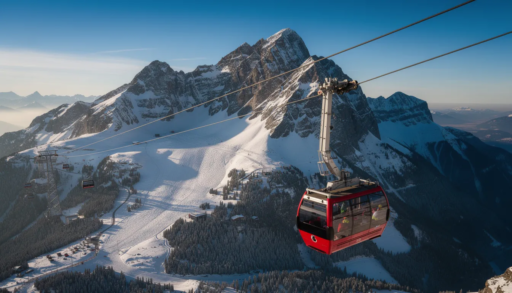
- A 10-day Swiss scenic rail holiday featuring panoramic trains through alpine peaks
- A 2-week Grand Alpine loop connecting Munich, Innsbruck, Zurich, and Milan
The core benefits are straightforward: no airport security lines, arrivals directly in city centers, and access to iconic trains like the Bernina Express, Glacier Express, and Flåm Railway—legendary routes that define the magic of European rail travel. You’ll witness stunning scenery en route from large panoramic windows while someone else handles the navigation.
Start checking and booking your preferred dates 3–8 months in advance for peak routes such as Paris–Barcelona, Berlin–Budapest, and Swiss panoramic trains.
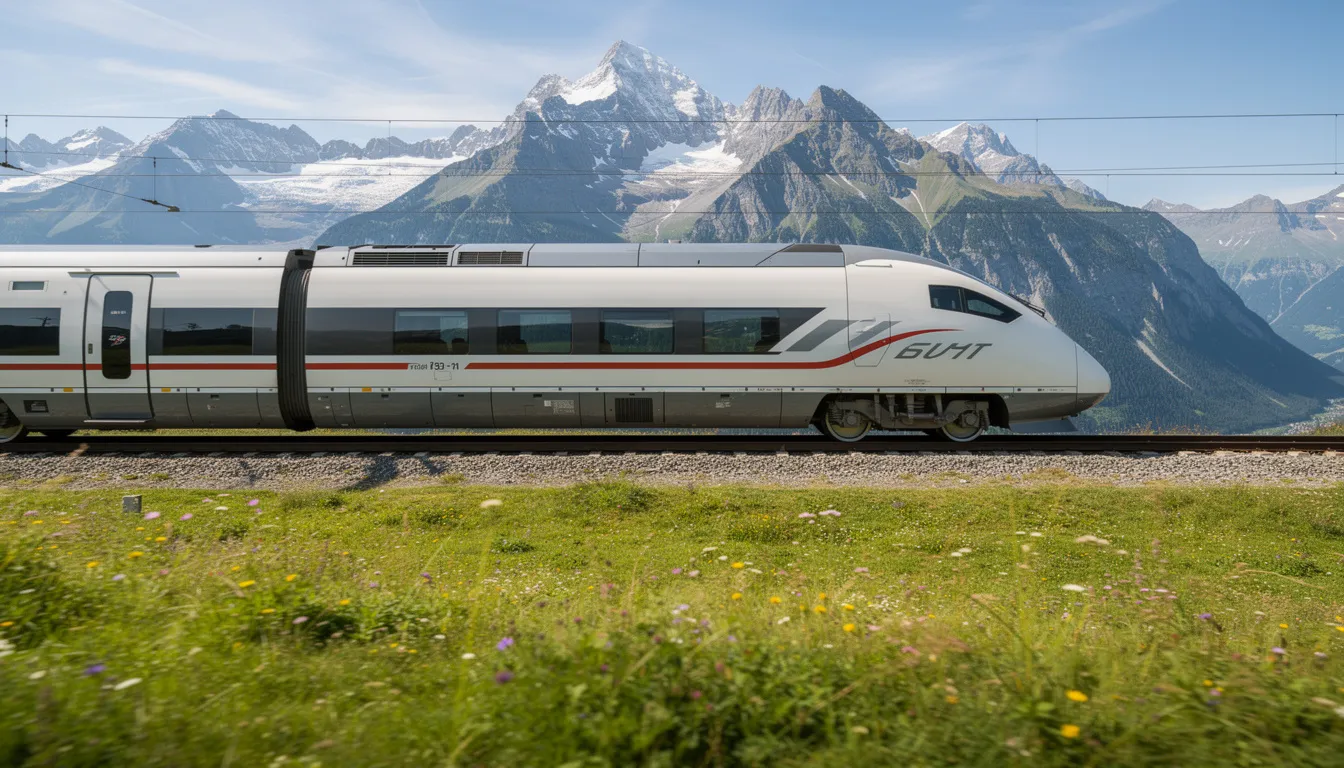
Why Choose Europe Train Tours?
Train travel across Europe offers advantages that other transportation simply can’t match. Unlike cramped short-haul flights or exhausting coach journeys, european trains provide space to move, stunning views through large windows, and the simple pleasure of watching landscapes transform as you cross different countries. Europe’s rail network spans over 250,000 kilometers and carries 8 billion passengers yearly—proof that this mode of travel works exceptionally well.
Comfort and scenery define the experience. Imagine watching the Swiss Alps unfold outside your window, cruising past medieval castles in the Rhine Valley, or glimpsing the Italian Lakes as you descend toward Milan. Unlike flying at 30,000 feet, train rides keep you connected to the landscape. Many services offer quiet carriages, dining cars, and the freedom to walk around whenever you need to stretch your legs.
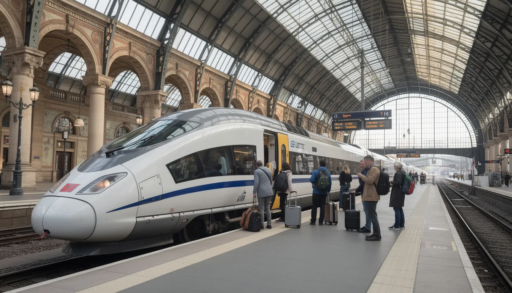
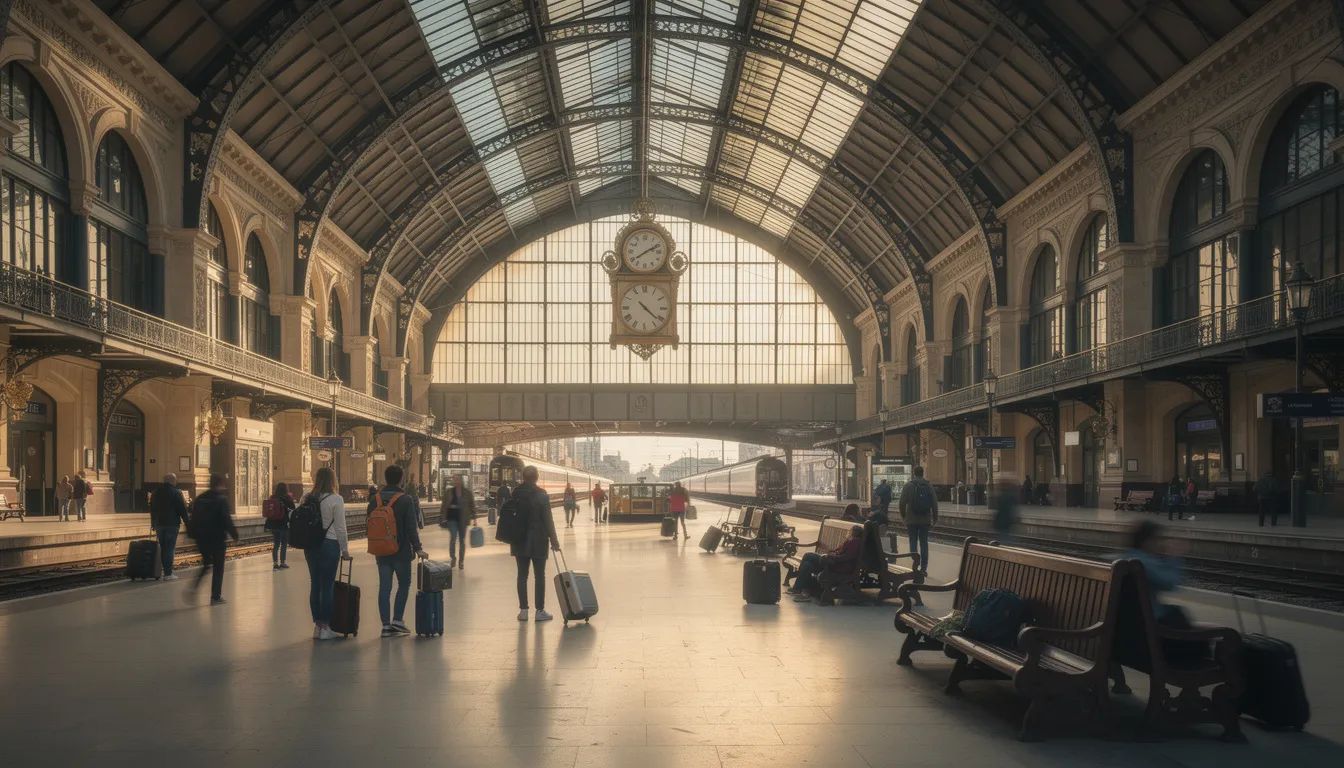
City-centre connections save time and money. Your train trip deposits you at historic stations like Paris Gare du Nord, Berlin Hauptbahnhof, Roma Termini, or Barcelona Sants—often walking distance from major attractions and hotels. There’s no need for expensive taxi rides from distant airports or navigating unfamiliar suburban transit systems.
Sustainability matters more than ever. Rail travel generates up to 90% fewer emissions than flying on medium-distance routes like London–Paris, Vienna–Prague, and Milan–Zurich. For travelers who care about their environmental footprint, european trains represent a responsible choice without sacrificing comfort.
Many escorted rail tours provide tour managers, local guides, and luggage assistance throughout your journey. This makes train tours suitable even for nervous travelers or seniors who want the logistics handled by professionals.
Whether you prefer the flexibility of an Interrail Global Pass or the convenience of pre-booked point-to-point tickets, rail travel adapts to your style. Both independent itineraries and fully guided packages can leverage Europe’s impressive rail infrastructure.
Top Europe Train Tour Itineraries for 2026
These sample itineraries are designed to inspire your planning, ranging from 7 to 21 days and mixing classic capitals with scenic routes through impressive wilderness. Each represents a proven formula that customers love, based on popular routes offered by leading operators. TourRadar alone lists 169 Europe rail tours with over 1,097 reviews, demonstrating the breadth of options available.
City Classics by Rail (10–12 Days)
Route: London → Paris → Brussels → Amsterdam → Berlin
This journey through Western and Central Europe connects vibrant cities via some of the continent’s fastest trains. Begin with the Eurostar from London St Pancras to Paris Gare du Nord (just 2 hours 16 minutes), then continue on Thalys and ICE high-speed services through the Low Countries to Germany’s capital.
| City | Recommended Stay | Highlights |
|---|---|---|
| London | 2 nights | West End shows, British Museum |
| Paris | 2 nights | Louvre, Eiffel Tower, Montmartre |
| Brussels | 1 night | Grand Place, Belgian chocolate |
| Amsterdam | 2 nights | Canal cruises, Van Gogh Museum |
| Berlin | 2–3 nights | Brandenburg Gate, Museum Island |
This itinerary suits first-timers wanting to check off must visit destinations while experiencing the convenience of high speed trains.
Grand Central Europe (14–16 Days)
Route: Amsterdam → Berlin → Prague → Vienna → Budapest → Munich
Travel through the heart of Central Europe on EuroCity and Railjet services, experiencing charming cities with distinct local culture and vibrant culture. High-speed connections like Paris to Amsterdam and Vienna to Budapest enable efficient travel in a short timeframe, making it easy to maximize your itinerary. En route, you’ll witness changing landscapes and cityscapes, from rolling vineyards and historic castles to bustling urban centers. The journey includes 2–3 nights each in Prague, Vienna, and Budapest—enough time for coffee houses, Danube views, and historic castles.
This route works particularly well in jun jul aug sep when outdoor cafés flourish and river cruise options along the Danube complement your rail adventure.
Alpine Highlights (9–11 Days)
Route: Zurich → Lucerne → Chur → St. Moritz → Zermatt → Geneva
This is the ultimate journey for travelers seeking the most scenic train routes in Europe, featuring several iconic trains. The itinerary includes dedicated segments on both the Glacier Express (Zermatt to St. Moritz, 8 hours)—known as the slowest express train in the world, offering panoramic views of the Swiss Alps—and the Bernina Express (Chur to Tirano), a UNESCO World Heritage railway connecting Chur, Switzerland, and Tirano, Italy, renowned for its dramatic alpine landscapes.
Build in at least one free day in Zermatt for the Gornergrat railway excursion, which offers unobstructed Matterhorn views and access to alpine peaks above 3,000 meters. The GoldenPass Line, another iconic train, connects Lucerne, Interlaken, and Montreux with stunning scenery, and the GoldenPass Express between Lucerne and Montreux adds another spectacular panoramic segment.
The Alpine Scenic Loop features famous panoramic trains like the Bernina Express, traveling through UNESCO-listed mountain passes. Don’t miss the Gotthard Panorama Express, which winds from Lucerne through the Alps, offering clear views of snow-capped peaks.
Mediterranean Rail Escape (10–12 Days)
Route: Barcelona → Valencia → Nice → Cinque Terre (La Spezia) → Florence → Rome
Chase sun drenched shores along the Mediterranean coast, traveling on a mix of Spanish AVE high-speed services and Italian regional trains. En route between Nice and La Spezia along the Côte d’Azur and Italian Riviera, you’ll enjoy scenic views of azure waters, colorful villages, and towering cliff faces. The Cinque Terre Express connects five colorful cliffside villages along the Italian Riviera, allowing for hiking and sampling local seafood.
Best months: mar apr through jun jul aug, or September to avoid peak summer crowds while still enjoying warm weather.
Scandinavia & Fjords by Rail (9–12 Days)
Route: Copenhagen → Gothenburg → Oslo → Flåm Railway → Bergen
Experience the natural wonders of Norway through one of the world’s most famous train journeys. The Bergen Line climbs from Oslo through Europe’s highest plateau, passing fjords and glaciers en route to Bergen. This route connects with the Flåm Railway, which is one of the steepest standard-gauge railways in the world, showcasing dramatic natural beauty en route as it descends 866 meters through 20 tunnels with views of towering cliff faces, waterfalls, and deep valleys.
The “Norway in a Nutshell” combination of train and fjord ferry creates an unforgettable multi-modal experience. Travel in jun sep for long daylight hours, or during jun jul for the midnight sun phenomenon in northern regions.
Best months overall: April–June and September offer milder weather and fewer crowds compared to July–August. Consider late November–December for Christmas market itineraries in Germany and Austria.
Iconic Scenic & Luxury Train Journeys in Europe
Some routes transcend mere transportation—they become destinations in themselves, worth building an entire trip around. These iconic trains, including both scenic and luxury journeys, attract travelers specifically for the journey, not just the arrival. For those seeking nostalgia and history, steam train tours offer a unique way to experience Europe’s landscapes aboard historic locomotives. Many luxury trains in Europe feature panoramic windows for breathtaking views of the passing scenery. Luxury train tours often include guided excursions to explore local attractions and culture, enhancing the overall travel experience. These tours can range from short getaways to multi-week excursions across the continent. For a leisurely tourist, these experiences offer cultural immersion through landscapes and service alike.
Scenic Classics
Glacier Express (Zermatt–St. Moritz) This 8-hour panoramic journey crosses 291 bridges and passes through 91 tunnels while climbing to 2,033 meters at the Oberalp Pass. Large windows in panoramic carriages reveal alpine meadows, snow capped peaks, and remote villages inaccessible by car.
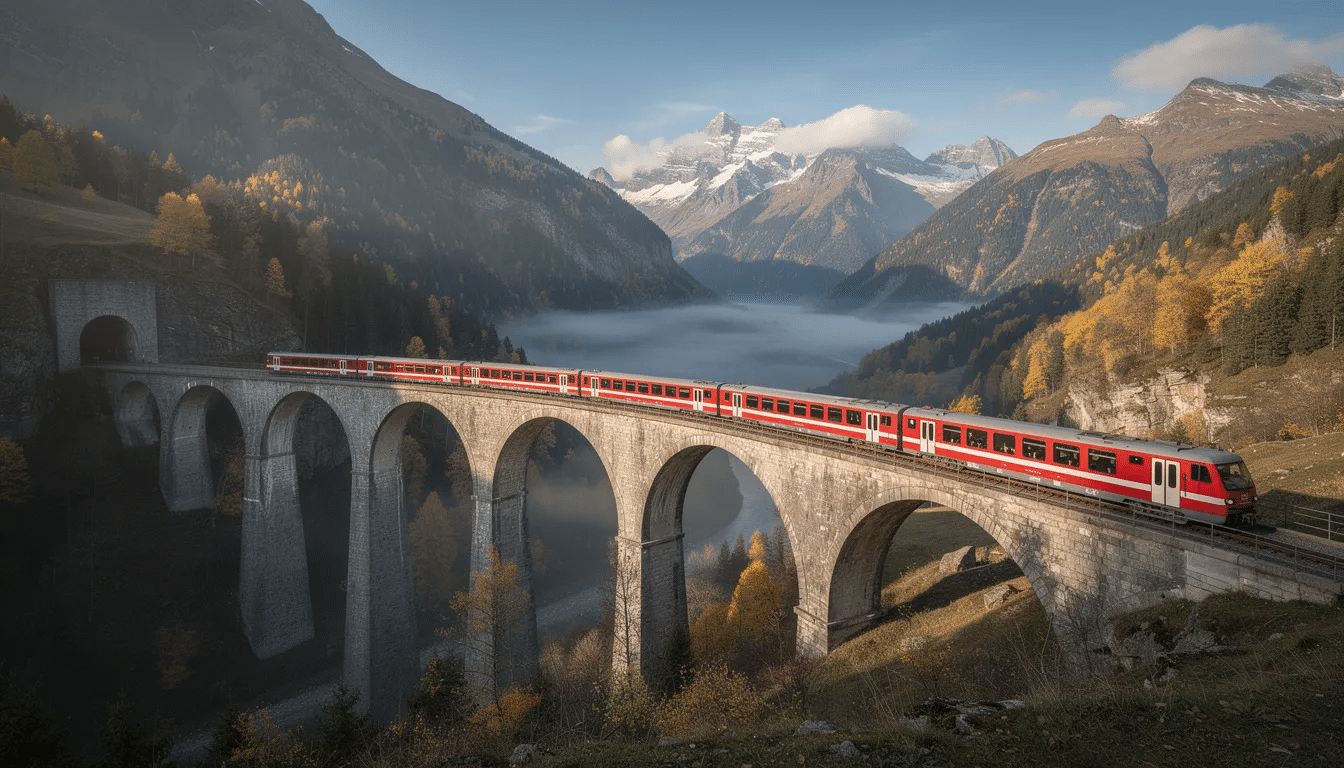
Bernina Express (Chur–Tirano) A UNESCO World Heritage railway that climbs to 2,253 meters before descending into Italian-speaking Switzerland and over the border to Tirano, Italy. Highlights include the iconic Landwasser Viaduct and the spiraling Albula line tunnels—engineering marvels from over a century ago.
Flåm Railway (Myrdal–Flåm) One of the steepest adhesion railways in the world, descending 866 meters in just 20 kilometers. The journey reveals waterfalls, towering cliff faces, and views into the Aurlandsfjord—a concentrated dose of Norwegian natural wonders.
Rhine Valley Routes (Koblenz–Rüdesheim) Travel along the Middle Rhine, a UNESCO World Heritage stretch where medieval castles perch above vineyards on steep valley walls. This slower regional trains journey offers a deeper understanding of Germany’s romantic landscape traditions.
West Highland Line (Glasgow–Mallaig) This legendary Scottish route runs through the rugged Highlands, passing lochs and mountains en route, and features the famous Glenfinnan Viaduct. Traveling on the world-famous Jacobite Steam train journey allows you to admire the iconic Glenfinnan Viaduct up close.
Semmering Pass (Austria) The Semmering Pass route is renowned for its engineering, featuring 16 viaducts and 15 tunnels en route through the Austrian Alps.
Belgrade-Bar Railway (Serbia–Montenegro) This dramatic route traverses the Balkans, offering travelers deep canyons and mountain vistas en route through some of the region’s most striking landscapes.
Luxury Trains
Venice Simplon-Orient-Express The most famous of all luxury trains, offering 2–5 day journeys between London, Paris, Venice, Vienna, and occasional trips to Istanbul. Restored 1920s carriages feature marquetry, fine dining, and private cabins that evoke the golden age of travel. This is among the most famous train journeys for travelers who value special occasions.
Belmond Royal Scotsman Explore the Scottish Highlands in mahogany-paneled splendor on roundtrip itineraries from Edinburgh. The experience combines national parks, whisky distilleries, and highland castles with gourmet cuisine and attentive service.
Golden Eagle Danube Express A luxury option connecting Central and Eastern European destinations like Budapest, Vienna, Prague, and Istanbul. The 2026 schedule includes themed journeys through the Balkans and beyond into Central Asia for the truly adventurous.
El Transcantabrico Gran Lujo Northern Spain’s luxury train travels through the Cantabrian coast, stopping at medieval towns and offering excursions to natural parks and hidden gems away from typical tourist routes.
Luxury trains typically include fine dining, private cabins, and curated excursions. They’re aimed at travelers who value comfort, special occasions, and willing to invest in extraordinary experiences.
Escorted vs Independent Europe Train Tours
Understanding the difference between escorted and independent rail tours helps you choose the style that matches your travel personality and comfort level. Each approach has distinct advantages depending on your experience, budget, and desire for structure. Independent rail travel is especially appealing to the active adventurer, offering flexibility for those who seek more physically engaging and energetic experiences while exploring Europe’s scenic landscapes, cities, and cultural sites.
Escorted Tours
An escorted tour means traveling with a group under the guidance of a professional tour manager who handles all logistics. Companies like Great Rail Journeys, Indus Travels, and specialized rail tour operators bundle everything together:
- Professional tour manager throughout the journey
- Group excursions with local guides
- Reserved seat reservations on all trains
- Luggage support at stations and hotels
- Pre-arranged 3–4 star hotels near train stations
- Some or all meals included
Escorted packages suit first-time visitors to Europe, older travelers, and anyone who values having logistics and sightseeing professionally planned. Most operate with set departure dates in spring, summer, and early autumn—typically jun jul aug sep being peak season.
Great Rail Journeys maintains a 4.2/5 rating from 55 reviews, while similar operators score comparably on platforms like TourRadar and Travelstride. Small group tours typically include 20–35 travelers, though some operators offer intimate departures with fewer participants.
Independent Tours
Independent rail travel puts you in control. Combine Eurail or Interrail passes with pre-booked city hotels, creating your own schedule and pace. This style suits active adventurers, repeat visitors to Europe, and those who want the freedom to change plans spontaneously.
| Aspect | Escorted | Independent |
|---|---|---|
| Planning required | Minimal | Significant |
| Flexibility | Low | High |
| Cost per day | Higher | Lower |
| Social aspect | Group dynamics | Solo or partner |
| Logistics stress | Handled | Self-managed |
| Free time | Structured | Unlimited |
Interrailing Packages offers self-guided options like the 15-day “City Slickers” covering eight countries from US$2,018—significantly less per day than most escorted alternatives but requiring more advance preparation.
Semi-Escorted Options
Some providers bridge the gap with “semi-escorted” or “self-guided” packages. These include pre-booked hotels, train reservations, and destination information, but no full-time guide. You travel independently while someone else handles the booking complexity—ideal for the comfortable explorer who wants help with logistics but freedom during the day.

Planning & Booking Your Europe Train Tour
This section covers the practical essentials: when to book, choosing between tickets and passes, handling seat reservations, managing luggage, and selecting accommodations. Getting these details right ensures your next adventure runs smoothly.
When to Book
Popular routes fill up fast, especially during peak season. Here’s the general timeline:
| Route Type | Booking Window |
|---|---|
| Glacier Express, Bernina Express panoramic cars | 4–6 months ahead |
| Eurostar (London–Paris, London–Amsterdam) | 3–6 months ahead |
| Paris–Barcelona AVE | 3–4 months ahead |
| Italian high-speed (Frecciarossa) | 2–3 months ahead |
| Regional trains | 1–4 weeks ahead or walk-up |
| Christmas market season (late November–December) | 6+ months ahead |
Peak months are jun jul aug; shoulder seasons (April–May, September–October) offer better availability and often lower prices.
Tickets vs Passes
Point-to-point tickets work best for short trips with fixed dates. Book early for the cheapest fares—often 50–60% below walk-up prices.
Eurail/Interrail passes (Global or One Country) suit multi-country, flexible itineraries of 7–15 travel days over 1–2 months. The math generally favors passes when you’re taking 4+ train trips across different countries.
Europe offers both options through platforms like Rail Europe, which aggregates 200+ providers for one-stop booking.
Seat Reservations
Many high-speed and scenic trains require paid seat reservations even with a pass. This catches some travelers off guard.
- Eurostar: 100% reservation required
- French TGV: 80–90% reservation required
- Italian Frecciarossa: Reservation required
- Spanish AVE: Reservation required
- Glacier Express, Bernina Express: Reservation required (panoramic cars)
- German ICE: Optional but recommended
- Local trains and regional trains: Rarely required
Reserve via official railway websites, Rail Europe, or at train station ticket offices. Budget €5–35 per reservation depending on the service.
Luggage & Accessibility
European trains don’t enforce strict luggage limits, but practical considerations apply:
- Bring 1–2 main bags (under 20 kg each) plus a small day pack
- You’ll self-handle luggage through large stations—escalators and elevators exist but crowds can slow access
- Most stations offer luggage storage lockers (€4–8 for 4–24 hours)
- Many escorted tour operators include luggage handling between hotels and stations
Accommodations
Rail tours typically use central 3–4 star hotels with breakfast and WiFi included. Location matters—hotels near hubs like Paris Gare de l’Est, Munich Hauptbahnhof, or Roma Termini enable easy walking or short metro rides to main sights and your departing train station.
Safety & Practical Tips
- Purchase travel insurance covering trip interruption (SNCF strikes average 5–10 days annually in France)
- Download rail apps: DB Navigator (Germany), SNCF Connect (France), Trainline (multi-country)
- In Italy, validate tickets at platform machines before boarding regional trains
- Keep valuables secure, especially in crowded stations
- Arrive 15–30 minutes early for high-speed departures
Frequently Asked Questions About Europe Train Tours
What does a typical day on a Europe train tour look like?
A standard day includes breakfast at your hotel, a morning or midday train ride of 2–4 hours, arrival in a new city followed by an afternoon walking tour or free time for exploration, and either a group dinner (on escorted tours) or independent evening dining. The pace varies by itinerary—some days are transit-focused while others offer full days in one destination.
How far in advance should I book?
For peak routes and jun jul aug travel, book 3–6 months ahead. Luxury trains like the Venice Simplon-Orient-Express and complex escorted packages may require 9–12 months advance booking. Off-season travel (November–March, excluding Christmas) offers more last-minute flexibility.
Is first class worth it?
First class offers more spacious seating, quieter carriages, and sometimes complimentary snacks or meals. It’s worth the upgrade on longer journeys like Paris–Munich (5.5 hours) or Zurich–Vienna (8 hours). For short hops under 2 hours, second class provides perfectly comfortable travel.
Are night trains still available in Europe?
Yes—night trains are experiencing a revival. ÖBB Nightjet services connect Vienna–Paris, Berlin–Vienna, Zurich–Hamburg, and other major city pairs. Night trains save hotel costs and maximize daylight hours in destinations. Booking saw a 20% uptick in 2024 amid sustainable travel trends.
Are Europe train tours suitable for families and seniors?
Absolutely. Family compartments exist on many services, and the lack of airport stress particularly benefits seniors and those with mobility considerations. Escorted tours minimize walking and handling logistics. The ability to move around during journeys makes rail travel more comfortable than flying for many travelers.
How easy is it to navigate stations and language barriers?
Major European stations feature multilingual signage in English, German, French, and often Italian or Spanish. Platform departure boards display train numbers, times, and destinations clearly. Staff at information desks in major hubs speak at least basic English. Smaller local trains in rural areas may have fewer English announcements, but visual signage remains consistent.
What about traveling to Northern Ireland or the Balkan region?
Rail networks in Northern Ireland connect to the Republic through services to Dublin. The Balkan Explorer routes through countries like Serbia, Croatia, and Slovenia are gaining popularity for travelers seeking hidden gems beyond typical Western European itineraries. Summer tours in these regions offer excellent value.
Can I combine a river cruise or ocean cruise with rail travel?
Many operators offer hybrid packages. A common combination pairs rail travel through cities like Vienna and Budapest with a Danube river cruise, creating diverse experiences within one trip. Some ocean cruise itineraries include rail segments as shore excursions or pre/post extensions.
Whether you prefer an escorted tour through iconic cities with a dedicated tour manager, a self-guided journey on scenic routes through the Swiss Alps, or an independent adventure with maximum flexibility, Europe offers train tours for every style and budget. The network connects vibrant cities to impressive wilderness, sun drenched shores to alpine peaks, and modern capitals to medieval villages.
The key is starting now. Identify your preferred itinerary style, check availability for your target dates, and secure those high-demand reservations early. With proper planning, your 2026 rail journey through this beautifully diverse continent will deliver memories that last far longer than any flight.