


Europe’s railway network spans over 250,000 kilometers across 33 countries, creating the world’s most comprehensive train travel system for exploring diverse cultures, historic cities, and breathtaking landscapes. Planning the perfect europe by rail itinerary opens doors to sustainable travel that connects city centers without the hassles of airport security, while offering scenic routes through the Swiss Alps, medieval towns, and vibrant metropolitan areas.
This comprehensive guide presents detailed train itineraries covering Western Europe’s classic destinations, Mediterranean coastal routes, Alpine adventures, Eastern European discoveries, and Scandinavian explorations. Whether you’re planning your first trip to Europe or seeking new rail adventures, these carefully crafted routes provide day-by-day planning with specific train connections, travel times, and must-see attractions at each destination.
Best Europe by Rail Itinerary Routes
European train travel offers unlimited possibilities for crafting memorable journeys across the continent. These five premier routes showcase the diversity of experiences available through train travel, from bustling major cities to charming villages nestled in stunning scenery.
Classic Western Europe Circuit: London → Paris → Brussels → Amsterdam → Berlin (10 days)
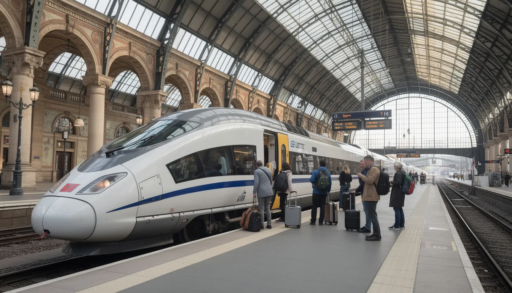
This iconic route connects Europe’s most influential capitals through efficient high speed train connections. The journey begins with the eurostar train crossing beneath the English Channel, continues through Belgium’s cultural heart, explores the Netherlands’ artistic heritage, and concludes in Germany’s historic capital. Each city offers world class museums, rich history, and distinctive local culture.
Mediterranean Coastal Route: Barcelona → Nice → Florence → Rome → Naples (14 days)
Following Europe’s sun-drenched Mediterranean coastline, this train itinerary combines Spanish architecture, French Riviera glamour, and Italian Renaissance masterpieces. The route showcases coastal cities with beautiful beaches, unesco world heritage sites, and culinary traditions that define Mediterranean culture.
Alpine Adventure: Zurich → Interlaken → Zermatt → St. Moritz → Vienna (8 days)
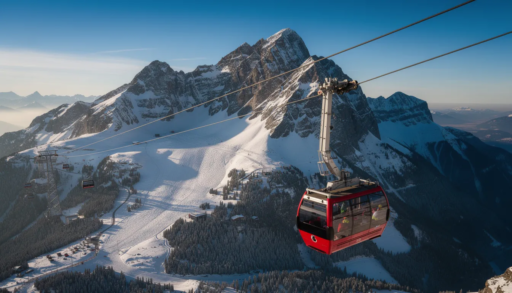
Switzerland’s mountain railways provide some of the most scenic train rides in the world, including the glacier express route and bernina express. This itinerary combines breathtaking beauty of the swiss alps with Austrian imperial grandeur, featuring charming villages, dramatic mountain vistas, and luxury alpine resorts.
Eastern European Discovery: Prague → Vienna → Budapest → Krakow → Berlin (12 days)
Central and eastern europe offers exceptional value while showcasing centuries of imperial history, medieval streets, and vibrant cultural scenes. This route explores historic cities with cobblestone streets, unesco world heritage old town centers, and authentic local beer traditions.
Scandinavian Explorer: Copenhagen → Stockholm → Oslo → Bergen (10 days)
Northern europe’s rail networks connect modern Scandinavian capitals with dramatic fjord landscapes. The journey includes historic sites, world class art collections, and concludes with one of Europe’s most scenic train rides through Norwegian mountain terrain to reach the port city of Bergen.
Why Choose Train Travel for Your European Adventure
Train travel across Europe offers compelling advantages over flying or driving, making it the preferred choice for travelers seeking comfort, sustainability, and cultural immersion. The extensive rail network connects virtually every destination tourists want to visit, from major cities to remote mountain villages.
Comprehensive Network Coverage
Europe’s railway system serves over 40,000 stations across 33 countries, providing direct train connections between major cities and regional destinations. Unlike air travel, trains deliver passengers to city centers, eliminating expensive and time-consuming transfers from distant airports. The network includes high speed train services reaching 320 km/h, overnight trains for efficient long-distance travel, and scenic regional routes through countryside and mountains.
Environmental Sustainability
Rail journey emissions produce up to 80% less CO2 than equivalent flights, making train travel the most environmentally responsible choice for exploring europe. A typical train trip generates approximately 14 grams of CO2 per passenger kilometer, compared to 285 grams for flights. This dramatic difference allows environmentally conscious travelers to explore multiple countries while minimizing their carbon footprint.
Comfort and Convenience
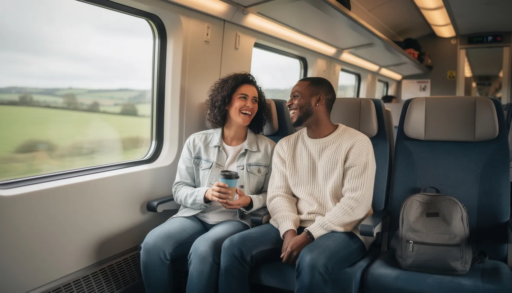
European train travel eliminates airport security delays, luggage restrictions, and arrival procedures that complicate air travel. Passengers can board trains just minutes before departure, move freely during the journey, and enjoy panoramic windows showcasing countryside, mountain ranges, and historic town centers. Many trains feature dining cars, WiFi, and comfortable seating that makes long journeys pleasant rather than enduring.
Classic Western Europe Rail Circuit (10 Days)
This foundational europe by rail itinerary connects four iconic capitals through efficient train connections, providing first-time visitors with quintessential European experiences. The route balances historical significance, cultural diversity, and practical logistics for smooth travel.
Days 1-3: London – British Heritage and Modern Culture
Begin your european train travel adventure in London, exploring the Tower Bridge, British Museum’s world-renowned collections, and Borough Market’s culinary offerings. The city’s efficient public transport system includes underground connections to major train stations. Spend an afternoon exploring Westminster’s historic sites, including Big Ben and Westminster Abbey, before enjoying traditional afternoon tea.
Visit the British Museum’s ancient artifacts and contemporary exhibitions, then stroll through Hyde Park toward Buckingham Palace. Borough Market offers artisanal foods and international cuisine perfect for sampling before departing for continental Europe.
Day 3: Eurostar to Paris (2 hours 15 minutes)
The eurostar train provides a seamless connection from London St. Pancras to Paris Gare du Nord, passing beneath the English Channel through the Channel Tunnel. This morning train departure allows for afternoon arrival in Paris with time to explore your accommodation and plan the next day’s activities.
Days 3-5: Paris – Art, Architecture, and Romance
Paris offers unlimited cultural experiences, from the eiffel tower’s iconic silhouette to the Louvre’s masterpiece collections. Spend your first afternoon exploring Montmartre’s artistic heritage and enjoying views across the city from Sacré-Cœur Basilica.
Dedicate a full day to the Louvre and nearby Tuileries Garden, then take an evening river cruise along the Seine to see Paris’s illuminated landmarks. The city’s café culture provides perfect opportunities for people-watching and sampling French pastries between major attractions.
Day 5: Thalys Train to Brussels (1 hour 22 minutes)
The high speed train connection between Paris and Brussels operates frequently throughout the day, making this one of Europe’s most convenient international rail connections. The short journey allows for late morning departure and early afternoon arrival.
Days 5-6: Brussels – Chocolate, Beer, and Architecture
Brussels combines European Union political significance with outstanding culinary traditions and medieval architecture. The grand canal-area around Grand Place showcases Gothic and Baroque buildings that create one of Europe’s most beautiful town squares.
Visit the Atomium’s unique architectural design, then explore local chocolate shops and traditional breweries. Brussels serves as an excellent introduction to Belgian culture before continuing to the Netherlands.
Days 6-8: Amsterdam via Direct Train (1 hour 53 minutes)
The direct train from Brussels to Amsterdam Central provides comfortable transportation through flat countryside characteristic of both countries. Amsterdam’s canal system and cycling culture offer distinctive experiences compared to previous destinations.
Explore the historic old town via canal cruises that showcase 17th-century merchant houses and narrow cobbled streets. The Rijksmuseum and Van Gogh Museum contain world-class collections, while the Anne Frank House provides moving historical perspective. Rent bicycles to experience Amsterdam’s bike-friendly infrastructure and visit local markets for fresh flowers and traditional Dutch cheese.
Days 8-10: Berlin via ICE Train (6 hours 20 minutes)
Germany’s ICE high speed train provides efficient service between Amsterdam and Berlin, passing through German countryside and cities. The journey includes a brief stop in Hannover, allowing passengers to stretch and purchase refreshments.
Berlin’s complex history offers powerful museum experiences on Museum Island, combined with vibrant modern culture in neighborhoods like Kreuzberg and Prenzlauer Berg. Visit the Brandenburg Gate, explore remnants of the Berlin Wall at the East Side Gallery, and spend an afternoon exploring the Tiergarten’s green spaces. The city’s diverse restaurant scene and active nightlife provide fitting conclusion to this classic Western European rail journey.
Mediterranean Coastal Adventure (14 Days)
This extended train journey follows Europe’s Mediterranean coastline, combining Spanish artistic heritage, French Riviera elegance, and Italian Renaissance masterpieces. The route showcases coastal cities with beautiful beaches, historic sites, and exceptional cuisine that defines Mediterranean culture.
Days 1-3: Barcelona – Gaudí, Beaches, and Catalan Culture
Barcelona’s unique architectural heritage, centered around Antoni Gaudí’s masterpieces, provides an inspiring start to this Mediterranean train itinerary. Visit the ongoing construction of Sagrada Família, then explore Park Güell’s whimsical mosaic designs and city views.
Las Ramblas offers vibrant street life leading to the historic old town, where narrow medieval streets contain hidden plazas and traditional tapas bars. Spend time at Barceloneta Beach for Mediterranean relaxation before continuing your rail journey.
Days 3-5: Nice via High-Speed TGV (8 hours 30 minutes)
The TGV train connection from Barcelona to Nice requires a transfer in Montpellier but provides stunning coastal views as the route follows the Mediterranean shoreline through southern France. This day trip through changing landscapes showcases the diversity accessible via european train travel.
Nice’s position on the French Riviera offers luxury resort atmosphere combined with artistic heritage. Take a day trip to Monaco via regional train for casino visits and Formula 1 circuit viewing. The old town’s colorful buildings and flower markets provide authentic Provençal atmosphere away from resort areas.
Days 5-7: Florence via Regional Trains through Genoa (7 hours)
The train journey from Nice to Florence follows Italy’s dramatic Ligurian coast, passing through Genoa’s historic port before turning inland toward Tuscany. Regional trains provide more frequent stops and opportunities to see Italian coastal villages and countryside.
Florence contains the world’s greatest concentration of Renaissance art and architecture. Spend a full day exploring the Uffizi Gallery’s masterpiece collection, then visit the Duomo’s impressive cathedral complex. Take a day trip to Tuscan wine regions via local train for vineyard visits and traditional cuisine in charming villages surrounded by rolling hills.
Days 7-10: Rome via High-Speed Frecciarossa (1 hour 32 minutes)
Italy’s high speed train network provides excellent connections between major cities, making Rome easily accessible from Florence. The Frecciarossa trains offer comfortable, efficient service through Italian countryside.
Rome requires multiple days to explore its layered history, from ancient Colosseum and Roman Forum ruins to Vatican City’s artistic treasures. Spend an afternoon exploring Trastevere’s narrow cobblestone streets and authentic Roman restaurants. The city’s comprehensive public transport system connects major attractions while allowing for spontaneous exploration of lesser-known neighborhoods.
Days 10-12: Naples via Frecciarossa (1 hour 10 minutes)
The short high speed train connection makes Naples an excellent base for exploring southern Italy’s archaeological sites and coastal beauty. Visit Pompeii’s preserved ancient city via regional train, then take boat trips to the Amalfi Coast’s dramatic cliffside villages.
Naples itself offers authentic Italian culture with outstanding pizza traditions, vibrant street markets, and baroque architecture. The city serves as a gateway to southern Italian experiences often missed by travelers focusing only on northern destinations.
Days 12-14: Return Journey or Sicily Extension
Complete your Mediterranean adventure by retracing the route northward, or extend the journey to Sicily via overnight train for additional island exploration. Sicily offers Greek temples, volcanic landscapes, and distinctive cuisine that provide fitting conclusion to this comprehensive Mediterranean rail journey.

Alpine Scenic Route (8 Days)
Switzerland’s mountain railways offer the world’s most spectacular scenic train rides, combining engineering marvels with breathtaking alpine scenery. This itinerary focuses on the most scenic train rides while providing access to outdoor activities and luxury mountain resorts.
Days 1-2: Zurich – Swiss Culture and Lake Views
Begin your Alpine adventure in Zurich, Switzerland’s largest city and major transportation hub. Visit the Swiss National Museum for cultural context before your mountain experiences, then take a boat trip on Lake Zurich for initial alpine views.
Zurich’s old town features medieval churches and traditional Swiss architecture, while the modern financial district showcases contemporary Swiss design. Sample traditional Swiss cuisine and local beer before departing for the mountains.
Days 2-3: Interlaken via Train (2 hours)
The direct train from Zurich to Interlaken passes through Swiss countryside and provides first views of major Alpine peaks. Interlaken sits between two large lakes and serves as the gateway to the Jungfrau region’s dramatic mountain scenery.
Take the early train to Jungfraujoch, known as the “Top of Europe,” for spectacular mountain views and glacier experiences. The journey includes multiple train connections through mountain villages and alpine meadows. Adventure sports opportunities include paragliding, hiking, and scenic cable car rides.
Days 3-4: Zermatt via Train (2 hours 10 minutes)
The train connection to Zermatt requires transfers but provides constantly changing mountain scenery. Zermatt is car-free, accessible only by train, and offers direct views of the Matterhorn’s iconic pyramid peak.
Ride the Gornergrat Railway for close-up Matterhorn views and access to hiking trails. The village itself features luxury hotels, traditional Swiss chalets, and mountain restaurants serving regional specialties. Take an afternoon exploring the village’s narrow streets and mountain gear shops.
Days 4-6: St. Moritz via Glacier Express (7 hours 30 minutes)
The glacier express route represents one of the world’s most scenic train rides, crossing 291 bridges and passing through 91 tunnels while traversing the Swiss Alps. The panoramic windows provide unobstructed views of mountain peaks, alpine lakes, and traditional Swiss villages.
St. Moritz offers luxury alpine resort experiences with world-class skiing, hiking, and spa facilities. The bernina express provides additional scenic train rides into Italy, showcasing more alpine scenery and engineering accomplishments. Spend time exploring the resort town’s elegant shops and mountain restaurants.
Days 6-8: Vienna via Overnight Train or Daytime Route
The journey from St. Moritz to Vienna can be completed via overnight train for efficient travel, or through daytime connections via Innsbruck for additional mountain scenery. Both options provide transition from Alpine landscapes to Austrian imperial grandeur.
Vienna offers imperial palaces, world class art collections, and traditional coffeehouse culture. Visit Schönbrunn Palace’s baroque architecture and gardens, then explore the historic city center’s concentration of museums and cultural sites. The spanish riding school provides traditional equestrian performances, while local wine taverns offer authentic Austrian cuisine and regional wines.
Eastern European Discovery (12 Days)
Central and eastern europe provides exceptional cultural experiences and value while showcasing imperial history, medieval architecture, and authentic local traditions. This route explores historic cities with unesco world heritage sites and vibrant contemporary culture.
Days 1-3: Prague – Bohemian Culture and Architecture
Prague’s preserved medieval center ranks among Europe’s most beautiful historic cities, featuring the famous charles bridge, Prague Castle complex, and old town Square’s astronomical clock. The city’s affordable prices and rich history make it an ideal starting point for eastern European exploration.
Explore the old town’s cobblestone streets and hidden courtyards, then visit Prague Castle for panoramic city views. Traditional Czech beer culture provides excellent opportunities to experience local cuisine and meet fellow travelers. Take an afternoon exploring the Jewish Quarter’s historic synagogues and cultural sites.
Days 3-5: Vienna via EuroCity Train (4 hours 5 minutes)
The comfortable EuroCity train provides direct service between Prague and Vienna, passing through Czech and Austrian countryside. Vienna’s imperial heritage offers dramatic contrast to Prague’s medieval character.
Vienna contains extraordinary art collections, including the Belvedere Palace’s Austrian baroque paintings and the state opera house’s world-renowned performances. Traditional coffeehouse culture provides perfect afternoon breaks between museum visits. The city’s comprehensive public transport system connects major attractions while allowing exploration of local neighborhoods.
Days 5-7: Budapest via Train (2 hours 40 minutes)
The short rail journey from Vienna to Budapest crosses into Hungary and provides introduction to the country’s distinctive language and culture. Budapest’s dramatic setting along the Danube River creates one of Europe’s most photogenic capitals.
Experience traditional thermal baths for authentic Hungarian relaxation, then take evening boat trips along the Danube for illuminated views of Buda Castle and Parliament building. The city’s ruin bar scene offers unique nightlife experiences in converted buildings and courtyards. Explore both Buda’s historic castle district and Pest’s vibrant commercial areas.
Days 7-9: Krakow via Overnight Train (10 hours)
The overnight train from Budapest to Krakow provides efficient transportation while saving accommodation costs. Poland’s former royal capital offers exceptionally well-preserved medieval architecture and significant historical sites.
Visit Wawel Castle’s royal chambers and cathedral, then explore the old town’s large town square and cloth hall market. Take a day trip via local train to Auschwitz-Birkenau for important historical education. Krakow’s Jewish Quarter, Kazimierz, offers restaurants, galleries, and cultural sites that showcase the area’s complex history.
Days 9-12: Berlin via Train (6 hours 30 minutes)
The daytime train from Krakow to Berlin crosses through Polish and German countryside, providing transition between Eastern and Western European experiences. Berlin’s role in 20th-century history offers powerful museum experiences and cultural sites.
Explore Museum Island’s concentration of world class museums, then visit remaining sections of the Berlin Wall and Checkpoint Charlie for Cold War history. The city’s diverse neighborhoods each offer distinct character, from the government district’s modern architecture to Kreuzberg’s alternative culture. Berlin’s restaurant scene represents cuisines from across the world, reflecting the city’s international character.
Scandinavian Explorer (10 Days)
Northern europe’s rail networks connect modern Scandinavian capitals with dramatic natural landscapes, offering experiences ranging from urban sophistication to fjord wilderness. This route showcases the region’s design heritage, outdoor culture, and spectacular scenery.
Days 1-3: Copenhagen – Danish Design and Hygge Culture
Copenhagen’s compact size and bicycle-friendly infrastructure make it ideal for exploring Danish culture and design heritage. Visit Nyhavn’s colorful harbor buildings, then explore Tivoli Gardens’ historic amusement park and cultural venues.
Danish design museums showcase the country’s contributions to modern furniture and architecture, while traditional restaurants offer Nordic cuisine featuring local ingredients. Take a day trip to nearby Malmö, Sweden via the Öresund Bridge train for international perspective on Scandinavian culture.
Days 3-5: Stockholm via Öresund Bridge Train (5 hours 15 minutes)
The train journey from Copenhagen to Stockholm crosses the dramatic Öresund Bridge before continuing through Swedish countryside to the capital. Stockholm’s setting across 14 islands creates unique urban geography accessible via public transport and boat connections.
Explore Gamla Stan’s medieval old town with narrow cobbled streets and traditional Swedish architecture. The Vasa Museum houses a remarkably preserved 17th-century warship, while modern Stockholm offers contemporary Scandinavian design and cuisine. Take boat trips through the Stockholm archipelago for access to islands and traditional Swedish summer culture.
Days 5-7: Oslo via Train (5 hours 50 minutes)
The scenic train from Stockholm to Oslo passes through Swedish and Norwegian forests and lake regions, providing introduction to Scandinavian wilderness landscapes. Oslo combines modern architecture with outdoor recreation opportunities just minutes from the city center.
Visit the Vigeland Sculpture Park’s unique collection of human figures, then explore the modern Oslo Opera House where visitors can walk on the roof for harbor views. The city serves as gateway to Norwegian fjord regions accessible via day trips or extended excursions.
Days 7-10: Bergen via Scenic Train (6 hours 59 minutes)
The train journey from Oslo to Bergen ranks among Europe’s most scenic train rides, crossing mountain plateaus, passing alpine lakes, and descending through dramatic valleys. The route includes optional stops for hiking and photography in Norway’s mountain wilderness.
Bergen’s historic Bryggen wharf represents a unesco world heritage site showcasing medieval Hanseatic League trading heritage. The port city provides access to Sognefjord cruise excursions and the famous Flåm Railway, which descends through waterfalls and mountain scenery. Bergen’s fish market offers traditional Norwegian seafood, while local restaurants feature contemporary Nordic cuisine using regional ingredients.
Planning Your Europe Rail Pass
The eurail pass provides flexible, cost-effective access to European train networks for non-European residents, while the Interrail Pass serves European citizens. Understanding pass options, reservation requirements, and alternatives helps optimize both costs and travel flexibility for your europe by rail itinerary.
Eurail Global Pass Options and Pricing
The eurail global pass covers 33 countries with various duration and flexibility options suited to different travel styles and budgets. Pass prices reflect the convenience of unlimited travel without individual train tickets.
Flexible Pass Options
- 5 days within 1 month: $253 (perfect for focused regional exploration)
- 7 days within 1 month: $308 (ideal for classic circuit routes)
- 10 days within 2 months: $398 (allows for relaxed pace with rest days)
Consecutive Pass Options
- 15 days consecutive: $393 (suitable for intensive travel)
- 22 days consecutive: $509 (comprehensive European exploration)
- 1 month consecutive: $550 (maximum flexibility and value)
Age-Based Discounts
Rail passes offer significant savings for young and senior travelers, making european train travel accessible across age groups.
Youth Discounts (Under 28): 35% off all pass prices, reducing costs for budget-conscious young travelers. The youth discount makes even premium pass options affordable for extended European adventures.
Senior Discounts (60+): 10% off all pass prices, providing modest savings for mature travelers who often prefer comfortable, stress-free transportation.
Reservation Requirements and Costs
High speed trains and international services require advance seat reservations, adding €4-35 per journey to pass costs. Reservation fees vary by train type and route popularity:
- Regional trains: Usually no reservation required
- High speed trains (TGV, AVE, Frecciarossa): €4-10 per journey
- International premium services (Eurostar, Thalys): €25-35 per journey
- overnight trains: €15-35 depending on accommodation type
When to Choose Point-to-Point Tickets Instead
Rail passes don’t always provide the best value, particularly for travelers with specific routes or limited international travel planned.
Fixed Itinerary Within 1-2 Countries
Regional passes or point-to-point tickets often cost less than global passes for travelers focusing on single countries. Germany, France, and Italy offer national passes with better value for domestic travel.
Short Trips Under 5 Days
Pass overhead costs make point-to-point tickets more economical for brief European visits. Advance booking discounts on specific routes can provide substantial savings compared to pass prices.
Budget-Focused Regional Train Travel
Regional trains rarely require reservations and offer flexible point-to-point pricing. Travelers avoiding high speed train premium costs can achieve significant savings with individual tickets.
Essential Travel Tips for Europe by Rail
Successful european train travel requires practical preparation, from booking strategies to luggage considerations. These essential tips ensure smooth connections, comfortable journeys, and maximum enjoyment of your train travel experience.
Digital Planning and Booking Tools
Download the Rail Planner app for offline access to comprehensive European timetables, route planning, and seat reservations. The app works without internet connectivity, essential for international travel with varying data availability.
Book accommodation near major train stations in big cities for easy connections and luggage transport. Many European cities feature hotels within walking distance of train stations, reducing stress and transportation costs between destinations.
Luggage and Packing Strategy
Pack light with wheeled luggage suitable for train station stairs, narrow aisles, and overhead storage limitations. European trains provide limited luggage space compared to flights, making compact packing essential for comfortable travel.
Consider leaving room in luggage for purchases and souvenirs acquired during travel. European cities offer unique products and local specialties worth bringing home, requiring flexible packing strategies.
Station Navigation and Departure Procedures
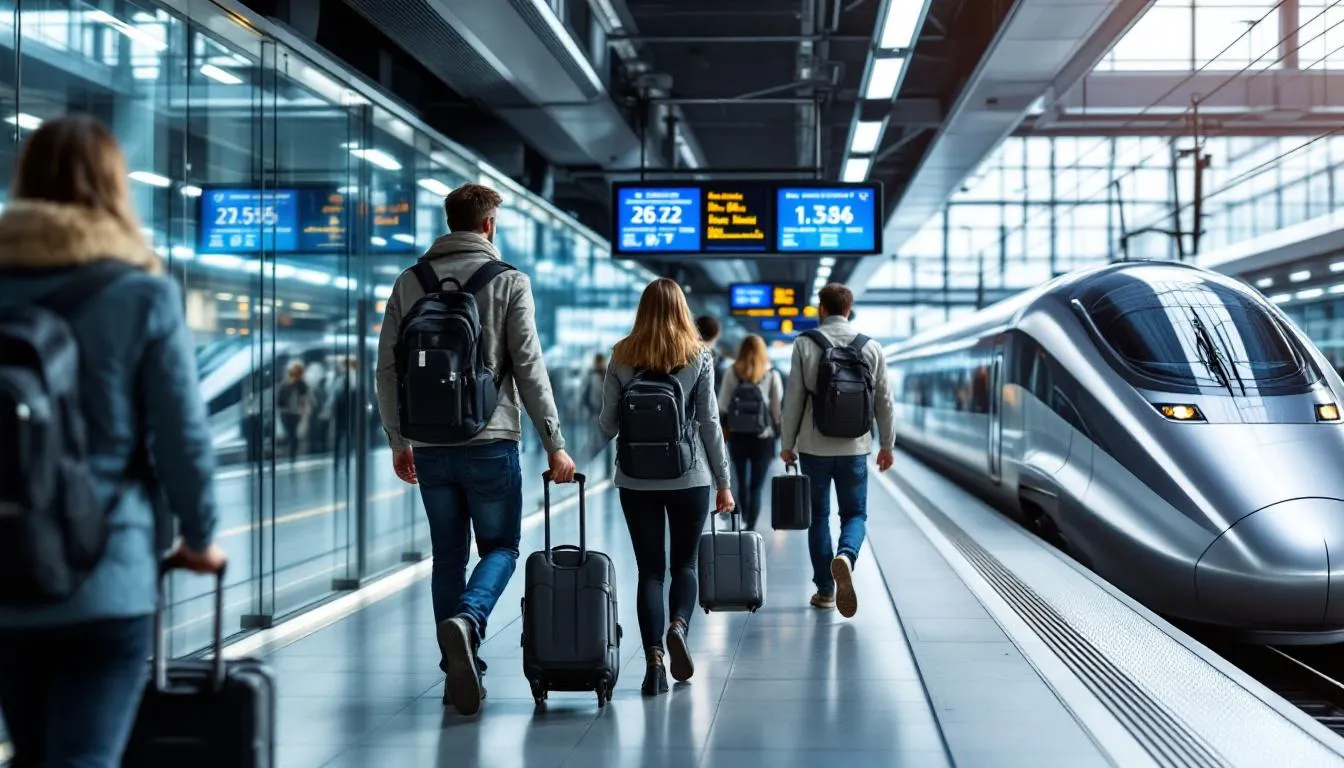
Arrive 15-30 minutes before departure for platform information, ticket validation, and boarding procedures. European train stations often announce platforms shortly before departure, requiring flexibility and attention to station displays.
Validate paper tickets before boarding in countries like Italy and Germany where validation machines are required. Digital tickets through official apps typically don’t require validation but should be readily accessible on mobile devices.
Accommodation Strategy for Long Journeys
Consider night trains for long journeys to save on accommodation costs while covering substantial distances efficiently. overnight trains connect major European cities and often cost less than combining day train tickets with hotel rooms.
Book sleeper accommodations well in advance, especially during peak travel seasons when night train options fill quickly. Shared couchettes provide budget options, while private cabins offer comfort and privacy.
Best Times to Travel Europe by Rail
Seasonal timing significantly impacts costs, crowd levels, weather conditions, and available activities across European destinations. Understanding seasonal patterns helps optimize your europe by rail itinerary for preferred experiences and budget considerations.
Spring Travel (April-May): Ideal Conditions with Fewer Crowds
Spring offers mild weather perfect for walking tours and outdoor exploration, combined with significantly fewer tourists than summer months. Alpine regions feature wildflower blooms and moderate temperatures ideal for scenic train rides without winter weather delays.
Hotel prices remain reasonable compared to peak summer rates, while many attractions operate extended hours as tourist seasons begin. Train schedules often increase frequency as rail operators prepare for summer demand.
Summer Travel (June-August): Peak Season Considerations
Summer provides the longest daylight hours and warmest weather but requires advance booking due to high demand. Popular scenic train rides like the glacier express route often sell out weeks in advance during peak summer months.
Accommodation costs reach annual peaks, particularly in major cities and tourist destinations. However, summer offers the best weather for outdoor activities and alpine excursions accessible from scenic train routes.
Fall Travel (September-October): Optimal Balance
Fall combines ideal temperatures with autumn colors that enhance scenic train rides through countryside and mountain regions. Harvest seasons provide excellent opportunities to experience local food and wine festivals accessible via regional train connections.
Tourist crowds diminish significantly after August, while weather remains comfortable for outdoor exploration. Many attractions maintain summer hours through September, providing excellent touring conditions with reduced congestion.
Winter Travel (December-February): Unique Seasonal Experiences
Winter offers Christmas markets accessible via train travel, creating atmospheric cultural experiences in historic cities across central europe. Alpine regions provide winter sports opportunities, while scenic train rides showcase snow-covered mountain landscapes.
Reduced tourist crowds and lower accommodation costs make winter an excellent choice for budget-conscious travelers. However, shorter daylight hours and weather delays require flexible scheduling and warm clothing preparation.
Booking Timeline Recommendations
Book 2-3 months ahead for summer travel to secure reservations on popular routes and preferred accommodation. Peak season demand, particularly for scenic train rides and overnight trains, requires early planning.
Book 4-6 weeks ahead for spring, fall, and winter travel when demand levels remain manageable. Last-minute availability often exists during off-peak seasons, allowing for spontaneous itinerary adjustments.
Budget Planning for Europe Rail Travel
Creating realistic budget expectations helps ensure your european train travel experience matches financial capabilities while maximizing value from rail pass investments and destination choices.
Daily Budget Categories
Mid-Range Budget: €80-120 per day includes comfortable accommodation, restaurant meals, attraction admissions, and local transportation. This budget level allows for flexibility in dining choices and attraction selections while maintaining comfort standards.
Budget Travel: €50-80 per day requires hostel accommodations, street food or market meals, free attractions, and walking instead of public transport. Budget travelers can still enjoy rich cultural experiences through careful planning and priority setting.
Luxury Travel: €200+ per day provides premium hotels, fine dining, private tours, and first-class train accommodations. Luxury travelers can access exclusive experiences and services while maintaining high comfort standards throughout their journey.
Rail Pass Cost Analysis
| Pass Duration | Cost | Best For | Value Considerations |
|---|---|---|---|
| 5 days/1 month | €253 | Short circuits | 3+ countries for value |
| 7 days/1 month | €308 | Classic routes | Most popular option |
| 10 days/2 months | €398 | Flexible travel | Relaxed pace |
| 22 days consecutive | €509 | Comprehensive tours | Maximum country coverage |
Additional Cost Considerations
Reservation Fees: Budget €100-200 total for high speed train reservations depending on itinerary complexity and route popularity. International premium services require higher reservation fees than domestic regional trains.
Local Transportation: Consider regional day passes for local transportation in major cities, typically costing €5-15 per day. Many cities offer tourist cards combining public transport with attraction discounts.
Meal Strategies: Balance restaurant dining with market purchases and picnic meals. European markets offer excellent fresh foods perfect for train travel meals, reducing dining costs while providing authentic local experiences.
Money-Saving Strategies
- Travel during shoulder seasons for reduced accommodation costs and fewer crowds while maintaining good weather conditions. Spring and fall offer excellent value with comfortable touring conditions.
- Choose accommodations in residential neighborhoods rather than tourist centers for lower costs and authentic local experiences. Many European cities feature excellent public transport connecting residential areas to major attractions.
- Take advantage of free museum days and walking tours available in most European cities. Many world class museums offer free admission on specific days or hours, providing significant savings for culture-focused travelers.
- Planning your europe by rail itinerary opens doors to sustainable, comfortable, and culturally immersive travel experiences across the continent’s most fascinating destinations. From the eiffel tower’s iconic silhouette to the breathtaking beauty of Swiss mountain railways, train travel connects historic cities, charming villages, and unesco world heritage sites without the environmental impact and logistical complications of flying.
The diverse routes presented in this guide accommodate various travel styles, from budget-conscious adventures through eastern europe to luxury journeys on scenic train rides through the swiss alps. Whether you choose the classic Western European circuit for your first trip or explore scandinavia’s dramatic fjord landscapes, european train travel provides unparalleled access to the continent’s cultural treasures and natural wonders.
Your rail journey begins with selecting the right route and pass options for your travel goals and budget. Start planning your european adventure today by researching specific train connections, booking accommodations near train stations, and preparing for the journey of a lifetime through Europe’s magnificent railway network.