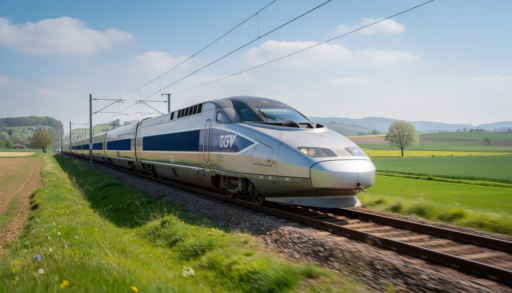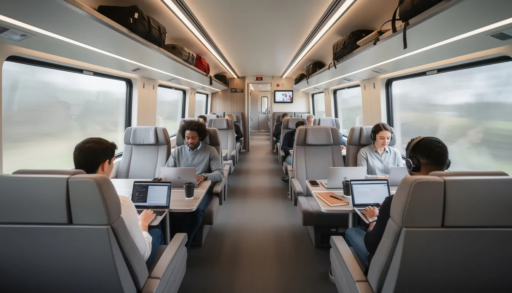



Traveling by train? Here’s the quick breakdown of first-class vs. second-class travel:
- First Class: Offers wider seats, extra legroom, quieter cabins, complimentary drinks/snacks, at-seat meal service, faster Wi-Fi, and station lounge access. Costs about 50% more than second class.
- Second Class: Budget-friendly with a livelier, more social atmosphere. Seats are narrower with less legroom, basic amenities, shared power outlets, and self-service dining options.
Quick Comparison:
| Feature | First Class | Second Class |
|---|---|---|
| Seating Layout | 2-1 (wider seats) | 2-2 (narrower seats) |
| Seat Pitch | 38–50 inches | 30–34 inches |
| Meal Service | At-seat, complimentary | Self-service, paid |
| Wi-Fi | Faster, more reliable | Basic, may vary |
| Power Outlets | Individual | Shared |
| Atmosphere | Quiet, professional | Lively, social |
| Cost | ~50% more expensive | Budget-friendly |
Choose first class for comfort, quiet, and long journeys. Opt for second class if you’re on a budget, enjoy social settings, or traveling short distances.
Seating Comfort and Space
Long trips call for seating that prioritizes comfort. The differences in seating options between classes set the stage for distinct onboard experiences and overall travel satisfaction.
First Class: Spacious and Relaxing
First-class seating provides a more luxurious experience, offering wider seats and extra legroom. Most first-class train cars use a 2-1 layout – two seats on one side of the aisle and a single seat on the other.
“First-class seats are typically wider and offer more leg room.” – Italiarail.com [7]
The seat pitch in first class ranges from 38 to 50 inches, allowing for advanced reclining mechanisms. Some seats even recline nearly flat, making them ideal for overnight travel [6]. Features like retractable footrests, premium fabrics or leather upholstery, adjustable headrests, and lumbar support add to the comfort [6][7].
“The difference in seating comfort between first and second class train travel is a significant consideration when planning a journey. First class offers a distinct advantage in terms of spaciousness and serenity. The 2-1 seating configuration provides ample legroom, a luxury that’s often missing in second class’s tighter 2-2 layout.” – mightytravels.com [6]
Second Class: Practical and Communal
Second-class seating is designed for practicality and efficiency. With a standard 2-2 layout – two seats on each side of the aisle – this configuration maximizes capacity but offers less personal space [6].
Seat pitch in second class typically falls between 30 and 34 inches [6]. While this is sufficient for many travelers, it might feel cramped on longer journeys, especially for taller passengers. The seats are also narrower, and while some newer high-speed trains include reclining options, availability often depends on the route [7].
Second-class seats are upholstered with durable, easy-to-clean materials, built to handle frequent use and high passenger turnover [6]. The closer seating arrangement fosters a more social atmosphere, making it easier to interact with fellow travelers [7].
| Feature | First Class | Second Class |
|---|---|---|
| Seating Layout | 2-1 configuration | 2-2 configuration |
| Seat Pitch | 38-50 inches | 30-34 inches |
| Seat Width | Wider seats | Narrower seats |
| Reclining | Advanced, near-flat options | Basic reclining (if available) |
| Materials | Premium fabrics/leather | Durable, functional materials |
| Footrests | Often included | Rarely available |
First-class seating clearly prioritizes space and comfort, offering more room per passenger. This extra space is particularly useful for travelers with luggage or those needing to work during their journey.
With seating comfort covered, the next focus will be on the onboard services and amenities.
Onboard Services and Amenities
The services and amenities offered during your trip can greatly influence your overall travel experience. Whether you’re traveling in first or second class, the level of service and comfort varies, from meal options to connectivity. These differences go beyond just seating arrangements and further define the two classes.
First Class: Elevated Comfort and Service
In addition to the spacious seating mentioned earlier, first-class travelers enjoy a range of premium amenities designed for convenience and relaxation. Complimentary refreshments, including soft drinks, coffee, and, on longer routes, alcoholic beverages, are part of the experience [2]. Meals are served directly at your seat, so there’s no need to visit the dining car [4].
Connectivity is a priority in first class, with Wi-Fi that’s generally faster and more reliable than in second class. Each seat is also equipped with its own power outlet, ensuring you can keep your devices charged throughout the journey [3].
When it comes to climate control, first-class carriages are equipped with advanced HVAC systems, which improve air circulation and temperature regulation. This translates to a 15–20% increase in overall comfort compared to second class [6].
Additional perks include access to station lounges [8], hot towel service, and priority boarding, all of which are designed to make your journey as seamless as possible [9].
Second Class: Practical and Budget-Friendly
Second-class amenities focus on providing the essentials while keeping costs low. Instead of at-seat meal service, passengers can purchase food and beverages from dining cars or onboard cafes [4].
Power outlets are available, but they are typically shared among passengers, which may require some planning if you need to charge your devices [3].
Climate control in second-class carriages is generally less advanced than in first class. This can lead to discomfort during busy travel periods when trains may become crowded [6]. However, many modern high-speed trains now feature air conditioning in both classes, ensuring a more pleasant experience overall [7].
Second-class service is designed with efficiency in mind, often with fewer staff available per passenger.
Comparison Table: First vs. Second Class Amenities
| Amenity | First Class | Second Class |
|---|---|---|
| Meal Service | At-seat service, complimentary snacks/drinks | Self-service dining car access |
| Wi-Fi | High-speed, reliable connection | Limited connectivity, varies by route |
| Power Outlets | Individual outlets at each seat | Shared charging stations |
| Climate Control | Advanced HVAC; 15–20% better overall comfort | Standard systems; may vary |
| Beverages | Complimentary soft drinks, coffee, alcoholic beverages | Purchase required |
| Station Lounges | Access included | No access |
| Service Style | Personalized, higher staff ratio | Standard, efficiency-focused |
| Newspapers | Complimentary | Not provided |
For longer trips, features like reliable climate control and convenient meal service can make all the difference in your comfort.
First class is ideal for travelers who want a premium experience with minimal effort, while second class appeals to those who prefer a more economical, hands-on approach. Up next, we’ll explore how these services shape the overall passenger experience.
Atmosphere and Passenger Experience
When comparing comfort and service, the cabin atmosphere adds another layer to the travel experience. It’s not just about the physical perks – it’s the overall vibe that shapes your journey. And this vibe can vary significantly depending on the class you choose.
First Class: Quiet and Professional
First class offers a calm, almost serene environment, making it a great choice for those who need to work, rest, or simply enjoy a peaceful ride. Thanks to sound-absorbing panels and better seals, external noise is reduced by 10 decibels compared to second class [6]. This creates a quieter, more tranquil space.
Another contributing factor is the lower passenger density. With fewer people onboard, there’s less chatter and reduced foot traffic in the aisles [10]. Many first-class passengers are business travelers, drawn to the subdued atmosphere that allows them to focus or relax.
As one traveler put it:
“The 1st class seating area does provide a bit more room, but I find the most meaningful differences are the number of people traveling (less in 1st class) and the noise level (1st class is typically quieter).” – Approach_Guides [11]
However, not everyone finds this quiet ambiance appealing. One traveler shared:
“The first class is usually for business people, so no talking, laughing or music… It’s rather dull.” – Dennis Wege [13]
If you’re looking for a lively and interactive experience, second class might be more your speed.
Second Class: Lively and Social
Second class, on the other hand, is all about energy and connection. With more passengers onboard, the atmosphere naturally becomes more dynamic [6]. Families with kids, groups of friends, budget-conscious tourists, and locals commuting to work create a lively mix.
This setting often fosters spontaneous conversations and memorable interactions. It’s especially appealing for solo travelers who enjoy meeting new people or for families who don’t mind a bit of background chatter. As Rick Steves noted:
“First Class is for wealthy tourists, 2nd class is for travelers.” – Rick Steves [12]
Second class can also feel more connected to the local culture, particularly on regional routes where you’re sharing the journey with residents. That said, this vibrant atmosphere comes with trade-offs – less privacy and more distractions, which might be a challenge if you need quiet time or prefer a more peaceful setting.
Ultimately, the choice between these two atmospheres depends on your travel priorities. Whether you value calm and focus or energy and connection, both options cater to different styles of travel.
Luggage and Sleeping Arrangements
When it comes to train travel, storage and sleeping arrangements can make or break the overall experience, especially on overnight journeys. While luggage storage design is generally consistent between first and second class [14], the number of passengers in each class significantly impacts how accessible and spacious these areas feel [15]. These differences become even more noticeable when comparing sleeping arrangements for longer trips.
First Class: More Space, More Comfort
With fewer passengers in first class, accessing overhead and floor storage is much easier. While the actual storage dimensions are the same as second class, the reduced crowding creates a more relaxed experience.
First class truly stands out on overnight journeys, offering private compartments that transform into beds. These compartments often come with dedicated attendants and complimentary meals [18]. For instance, Amtrak’s first-class options range from Roomettes to Bedroom Suites, all designed for maximum comfort and privacy. These spaces feature upgraded bedding, in-room amenities, and personalized service, making them ideal for restful overnight travel.
Second Class: Shared Spaces, Practical Options
In second class, luggage storage operates on the same design principles as in first class, but the higher number of passengers – over 90% of travelers – can make these areas feel crowded [15]. The real challenge isn’t the storage design but the sheer volume of people sharing the space.
For overnight trips, second-class travelers typically use couchettes – basic padded bunks equipped with a rug, sheet, and pillow. Compartments usually hold six bunks, though some routes offer four-berth options for an additional fee [19]. These shared sleepers are functional and budget-friendly but lack the privacy and comfort of first-class accommodations.
Given the shared environment, second-class passengers are advised to keep valuables in a daypack rather than relying solely on overhead storage [16]. When booking, selecting seats near baggage racks or in back-to-back configurations can offer slightly more convenience [17]. On regional trains, it’s common for travelers to place their bags on the floor – an acceptable solution for shorter trips.
Price Comparison and Value for Money
The difference in cost between first and second class can have a big impact on your travel budget. Knowing when it’s worth spending extra can make all the difference in your overall travel experience.
Understanding the Price Gap
On most train networks, first-class tickets are about 50% more expensive than second-class tickets [20]. For instance, a $100 second-class ticket would typically cost around $150 in first class. That said, the price difference can vary depending on the route and train operator [22].
What does that extra cost cover? First-class perks include 30% more legroom, wider seats, reduced crowding (resulting in about 10 decibels less noise), and a better staff-to-passenger ratio (1:10 compared to 1:30) [20]. On some routes, complimentary meals are included, which could save you from buying food at the station [20]. Other benefits may include priority boarding, access to exclusive lounges at certain stations, and higher loyalty points accrual, making the added cost more than just about comfort [20].
“Throughout Europe first-class tickets cost about 50 percent more than second-class. The difference in comfort is usually minimal – it’s not like first versus coach on a plane. The vast majority of Europeans don’t travel in first class unless someone else is paying for it.” – Rick Steves [21]
These differences highlight the importance of choosing the class that aligns with your travel needs.
When to Choose First Class
The added comfort and amenities of first class can be worth it in certain situations:
- Business travelers often benefit from the quieter atmosphere and extra space, which make working during the trip much easier [23]. If you need to arrive refreshed and prepared for meetings, the investment can pay off.
- Long-distance trips are another scenario where first class shines. The longer the journey, the more you’ll appreciate the added comfort [23]. On overnight routes, first class often includes private single or double sleeper compartments, offering more privacy compared to shared couchettes [2].
- Peak travel times can make first class a smart choice. When trains are crowded, first class guarantees a seat in a quieter, less packed environment [1].
- Last-minute deals sometimes make upgrading to first class more affordable [20]. Keep an eye out for these offers – they can make the decision to upgrade much easier.
When Second Class is the Best Option
For many travelers, second class offers plenty of comfort and functionality without the higher price tag:
- If you’re on a tight budget, second class usually has everything you need. Modern carriages often include power outlets and Wi-Fi, making them more appealing for staying connected [20]. Some even have designated “quiet zones” for a more peaceful ride [20].
- Short trips (under two hours) rarely justify the extra cost of first class. The differences between classes are less noticeable on shorter routes, making second class the more practical choice [5].
- Social travelers may prefer second class for its livelier, more communal vibe. It’s a great setting to meet fellow passengers and strike up conversations [1].
- On Eastern European routes, second class often offers an excellent experience at a fraction of the cost compared to Western Europe. The comfort and affordability make first class unnecessary in many cases [20].
Ultimately, the decision comes down to your priorities. If you’re watching your budget, enjoy social interactions, or are taking a short trip, second class is likely the better option. On the other hand, for longer journeys or when comfort and quiet are a priority, first class can make a big difference.
Choosing the Right Class for Your Journey
Deciding between first and second class is all about figuring out what matters most to you during your trip. It’s not just a question of cost – it’s about the kind of experience you want while traveling. Factors like budget, journey length, and your personal travel style all play a role in making the best choice.
If you’re watching your wallet, second class is the more affordable option. On some routes, though, the price difference between first and second class can be as small as 10–20% [22], which might make the added comfort of first class worth considering. The length of your journey is another important factor. For shorter regional trips, the difference between the two classes is minimal [5]. But for longer rides, the extra space and quieter environment in first class can make a big difference [20]. Experts even estimate the value of first-class perks at around $50 per hour of travel [22]. Then there’s your travel style: if you need a quiet space to work, rest, or relax, first class is the way to go. On the other hand, if you enjoy meeting new people and soaking up a livelier atmosphere, second class might be a better fit.
“Second class is plenty comfortable; it’s generally a no-brainer for anyone on a budget. It can also be more fun.” – Rick Steves [1]
Timing and availability can also sway your decision. Some regional trains don’t even offer first-class cabins [3]. During peak travel times, first class often provides a less crowded experience, while off-peak hours might bring opportunities for discounted upgrades [22]. If you have a first-class pass, you can still use second-class cars, but upgrading from second to first typically involves an additional fee [1].
Ultimately, the best choice depends on your travel priorities. If you value comfort, quiet, and extra space – especially on longer routes – first class is worth the splurge. But if you’re budget-conscious, enjoy a more social environment, or are taking a shorter trip, second class has everything you need for a pleasant journey. Keep in mind that amenities can vary depending on the specific route and train operator [3]. The most important thing is to choose the option that aligns with your goals and makes your journey enjoyable.
FAQs
What should I consider when choosing between first-class and second-class train travel?
When choosing between first-class and second-class train travel, it all comes down to comfort, amenities, and cost. First-class seats are usually more spacious, offering extra legroom and a quieter setting – perfect if you’re looking for privacy or need to focus on work while traveling. On the other hand, second-class seating is more standard, often busier, but much easier on your wallet.
First-class often comes with extra perks like complimentary drinks or snacks, better access to power outlets, and sometimes even at-seat dining, depending on the train operator. If saving money is your priority or you enjoy a more social atmosphere, second-class can be a great fit. The right choice really depends on what matters most to you and how much you’re willing to invest in added comfort.
What are the differences in seating comfort between first class and second class on long-distance trains?
First-class seating on long-distance trains offers a step up in comfort and amenities compared to second class. Expect roomier seats, extra legroom, and a quieter setting, perfect for unwinding or staying productive on lengthy trips.
Traveling first class often comes with added perks like complimentary snacks and drinks, elevating the overall experience. While second class provides standard seating that’s comfortable enough for most, it lacks the extra touches and tranquility of first class. If you prioritize space, privacy, and a peaceful atmosphere, first class is well worth considering for your next long journey.
When is upgrading to first class on a train worth it?
Upgrading to first class can be a smart move in certain scenarios. On longer trips, the extra space, wider seats, and additional legroom can make all the difference in comfort, especially when you’re traveling for hours. The quieter setting and the ability to recline more fully can turn a long journey into a much more pleasant experience.
First-class tickets also come with added perks. Think complimentary snacks and drinks, access to exclusive lounges, and fewer passengers in the cabin. These benefits make it a great option for those looking to unwind or get work done without constant interruptions. During busy travel periods, first-class compartments are often less crowded, which can be another big plus.
If the price difference isn’t too steep, upgrading can be an affordable way to enjoy these comforts. For travelers who value a more relaxed or peaceful environment, the upgrade can truly elevate the overall travel experience.