
Switzerland operates one of the world’s most sophisticated and scenic railway networks, seamlessly connecting major swiss cities, alpine villages, and tourist destinations across the country. With nearly 100% electrification and integration between trains, buses, boats, and cable cars, the swiss railway network offers an unparalleled travel experience that combines efficiency with breathtaking panoramic journeys through the swiss alps.
Whether you’re planning scenic train rides on the famous glacier express or navigating regional trains for everyday transport, understanding Switzerland’s rail system will transform your travel experience. This comprehensive guide covers everything from swiss travel pass options to international trains, helping you explore switzerland by train like a seasoned traveler.
Overview of Switzerland’s Rail Network
Switzerland operates one of the world’s densest rail networks with 5,200 km of track connecting every corner of this mountainous country. Nearly 100% of the network is electrified and operated by 74 different companies, creating a seamlessly integrated system that extends far beyond traditional rail transport.
The swiss federal railways (SBB) serves as the main operator, running most intercity trains and regional services that connect major swiss cities. However, the true brilliance of the system lies in its integration – trains, postal buses, boats navigating pristine lakes, and cable cars ascending to sea level and beyond all operate under unified ticketing, making unlimited travel across multiple transport modes possible with a single pass.
Switzerland leads Europe in rail usage per inhabitant, with residents averaging over 70 train journeys per year. The country consistently ranks first for service quality, achieving over 90% punctuality even during challenging winter conditions in the swiss alps. This exceptional performance stems from the integrated regular-interval timetable system, where trains on key routes depart at consistent times throughout the day, optimized for seamless connections across the entire network.
The rail network extends beyond Switzerland’s borders through international trains connecting to other european countries including germany, france, and italy. These cross-border services utilize major tunnels like the gotthard base tunnel – the world’s longest railway tunnel at 57 kilometers – showcasing swiss engineering excellence while reducing journey times between european capitals.
Major Swiss Train Operators and Types
The swiss railway system operates through a carefully coordinated network of public and private railways, each specializing in different route types and services. Understanding these operators helps travelers choose the most appropriate services for their specific journey needs.
Swiss Federal Railways (SBB)
Swiss federal railways operates the backbone of the national network, including intercity trains and eurocity services that connect major population centers. SBB runs the primary international routes through the gotthard and simplon tunnels, facilitating cross-border services into germany, france, italy, and austria.
The operator manages regional s bahn commuter networks around larger swiss cities like zurich, geneva, and basel sbb, providing frequent connections that integrate seamlessly with urban transport systems. These regional trains typically operate every 15-30 minutes during peak hours, ensuring reliable connections for daily commuters and tourists alike.
SBB also coordinates with international operators like tgv lyria, which provides high-speed rail connections to france. These services demonstrate how swiss railways maintain their reputation for precision while facilitating broader european connectivity.
Other Key Operators
BLS operates approximately 10% of the standard-gauge network, including the crucial bern-brig alpine route that connects central switzerland to the valais region. This operator specializes in mountain railways and serves as a vital link for both regional transport and tourist access to alpine destinations.
Rhätische bahn (RhB) runs the longest narrow-gauge network in the eastern swiss alps, operating the famous bernina express route. This UNESCO world heritage railway showcases engineering marvels like spiral tunnels and dramatic viaducts, making it a highlight for scenic train travel.
The matterhorn gotthard bahn connects disentis to zermatt via high alpine passes, serving the iconic matterhorn region. This operator manages some of the most spectacular mountain railway routes in europe, including sections of the glacier express.
Various smaller private railways serve specific regional and tourist routes, often featuring specialized rolling stock designed for steep grades and spectacular views. These operators maintain the character and charm of traditional mountain railways while meeting modern safety and comfort standards.
Famous Scenic Train Routes
Switzerland’s scenic trains represent the pinnacle of rail travel, combining cutting-edge technology with routes that traverse some of the world’s most spectacular alpine landscapes. These panoramic journeys transform transportation into destination experiences, attracting visitors from around the globe.
The Glacier Express
The glacier express offers an 8-hour panoramic journey between st. moritz and zermatt, earning its reputation as the “slowest express train in the world.” This iconic route winds through the swiss alps, crossing 291 bridges and passing through 91 tunnels while maintaining an unhurried pace that allows passengers to absorb the dramatic mountain scenery.
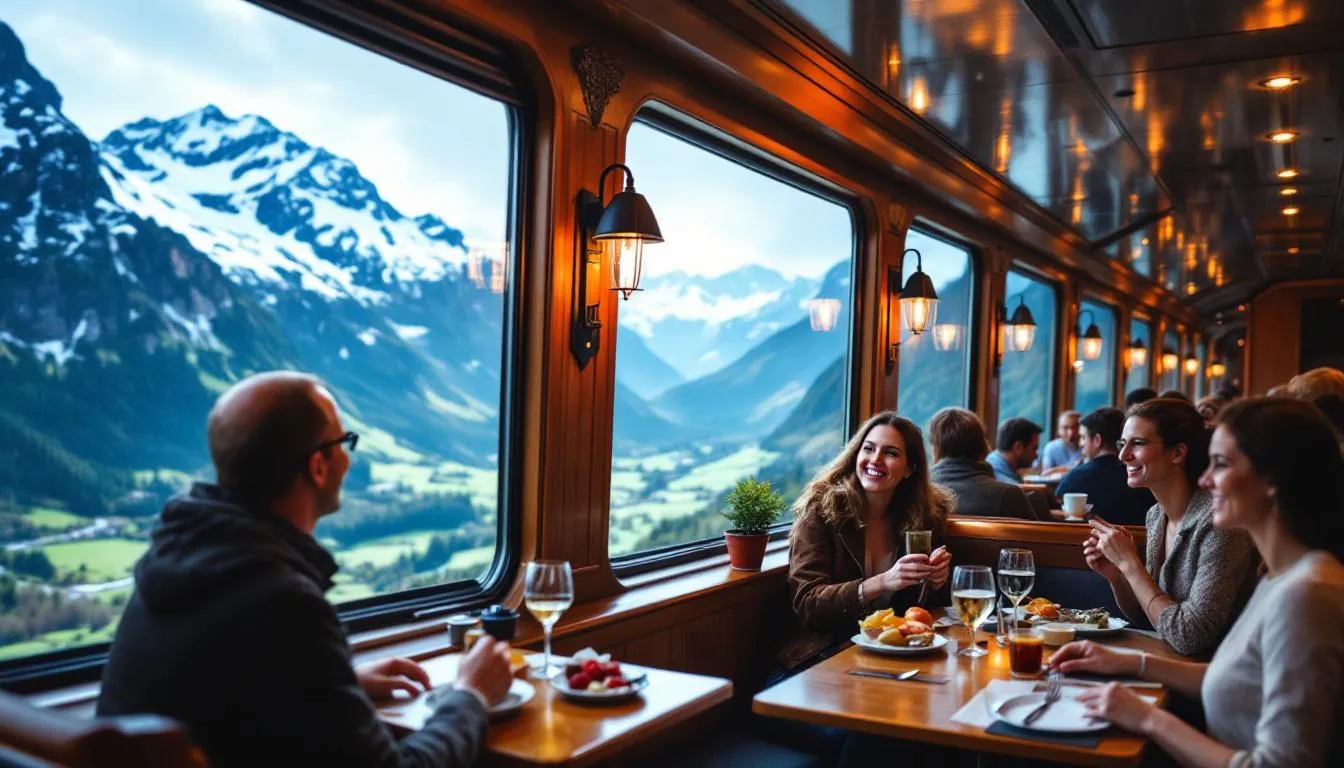
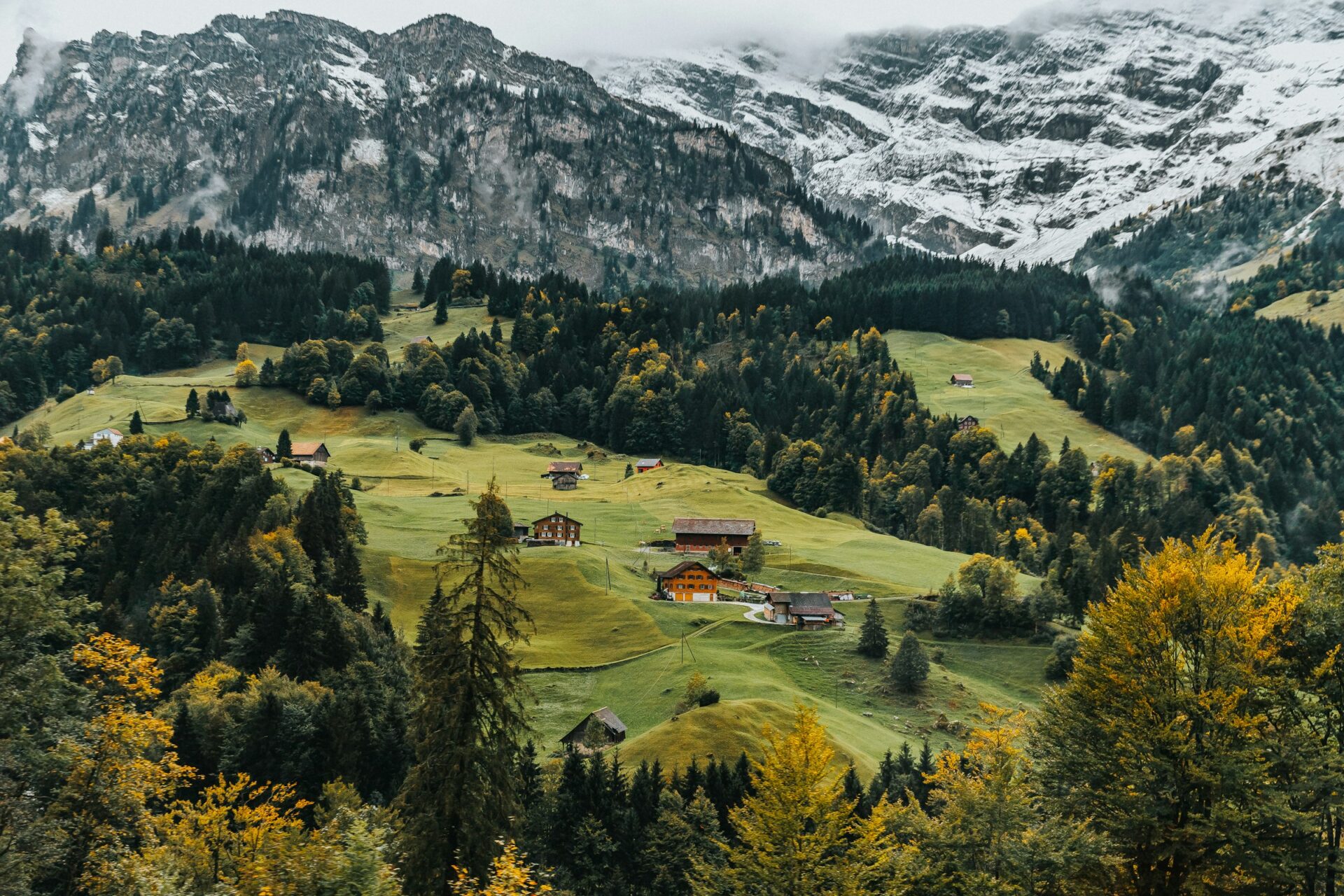
The panoramic train features oversized windows extending into the roof, providing unobstructed views of rolling green hills, snow-capped peaks, and pristine alpine valleys. Table service and luxury amenities make the journey as comfortable as it is scenic, with multilingual commentary explaining the geological and cultural significance of the landscapes.
Operating year-round, the glacier express requires seat reservations, particularly during high season when demand peaks. The route connects two of switzerland’s most prestigious alpine resorts, making it an unforgettable experience for both winter sports enthusiasts and summer hikers.
The Bernina Express
The bernina express covers a 4-hour route from chur to tirano, crossing from switzerland into italy while showcasing one of the world’s most dramatic railway lines. This UNESCO world heritage railway features famous spiral viaducts and engineering marvels that allow trains to navigate extreme elevation changes without rack-and-pinion assistance.
The route passes through remarkably diverse landscapes, beginning in alpine villages surrounded by snow-capped peaks and descending to mediterranean climates near lake thun. Passengers witness this dramatic transition from continental to subtropical environments within a single journey, making it one of europe’s most diverse scenic train experiences.
Unlike the glacier express, the bernina express doesn’t require reservations on regular regional trains covering the same route. This flexibility allows spontaneous travel while still accessing identical scenery at a fraction of the cost, making it accessible to budget-conscious travelers.
The Golden Pass Express
The golden pass express connects interlaken to montreux, providing panoramic views of lakes, vineyards, and mountains that epitomize switzerland’s diverse landscapes. Certain segments feature vintage MOB belle époque trains that evoke the golden age of rail travel while maintaining modern comfort standards.
The route passes lake geneva, renowned vineyard regions, and alpine meadows, offering passengers a comprehensive taste of swiss geography and culture. Operating as an integrated service across multiple railway companies, it demonstrates the seamless coordination that characterizes the entire swiss railway network.
This panoramic journey particularly appeals to travelers interested in combining scenic beauty with cultural experiences, as the route connects french-speaking regions with german-speaking areas, showcasing switzerland’s linguistic diversity alongside its natural splendor.
Main Railway Stations and Hubs
Switzerland’s railway stations serve as more than simple transit points – they function as integrated hubs that coordinate multiple transport modes while providing comprehensive services for travelers. Understanding these key stations helps optimize connections and access to both domestic and international destinations.
Major Hub Stations
Zürich hb handles 398,300 passengers daily, making it switzerland’s busiest station and the primary national hub. This massive facility coordinates arrivals and departures across multiple levels, with underground platforms serving regional trains while surface levels handle intercity trains and international connections.
Basel sbb acts as the key international gateway to germany and france, with specialized border facilities that streamline customs procedures for cross-border travel. The station’s strategic location makes it essential for travelers continuing to other european countries by train.
Geneva and lausanne provide direct connections to the french tgv lyria high-speed network, enabling rapid travel to paris and other french destinations. These stations feature dedicated international terminals with enhanced facilities for processing high-volume tourist traffic.
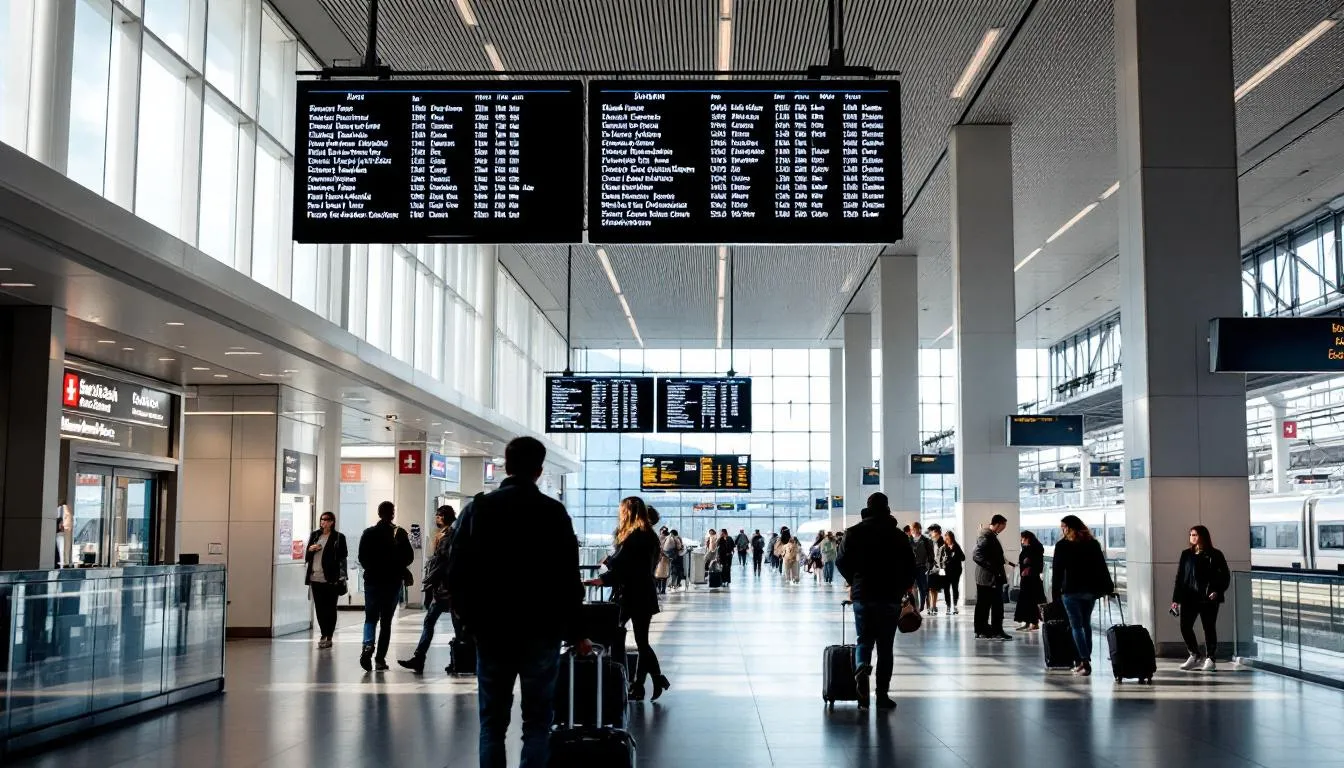
Bern, lucerne, and other regional hubs implement the integrated timed connection system that makes swiss railways famous for reliability. Every 30 minutes, trains from multiple directions arrive simultaneously, allowing passengers to transfer between routes with minimal waiting times.
International Connections
Direct services to germany operate via basel, zürich, and schaffhausen, with regular departures throughout the day. These connections utilize both high-speed and regional services depending on the destination, ensuring flexible options for different travel preferences and budgets.
The tgv lyria high-speed trains connect switzerland to paris via geneva, lausanne, and basel, reducing travel time to the french capital to under four hours. These premium services offer comfort levels comparable to air travel while eliminating airport hassles.
Services to italy route through the gotthard base tunnel and traditional simplon routes, providing multiple daily departures to milan, rome, and other italian destinations. The gotthard route showcases swiss engineering while significantly reducing journey times compared to traditional mountain crossings.
Connections to austria operate via liechtenstein and eastern border crossings, facilitating access to vienna and other austrian destinations. These routes often provide scenic alternatives to direct highway travel while maintaining competitive journey times.
Swiss Travel Passes and Tickets
Understanding switzerland’s ticketing options is crucial for maximizing value and convenience during train travel. The system offers various passes designed for different travel patterns, from short tourist visits to extended exploration of the entire swiss railway network.
Swiss Travel Pass
The swiss travel pass provides unlimited travel on trains, buses, boats, plus free museum entry, making it ideal for comprehensive switzerland exploration. Available for 3, 4, 8, or 15 consecutive days, it covers most scenic trains while requiring modest reservation supplements for premium panoramic services.
The pass includes 50% discounts on mountain railways and cable cars, significantly reducing costs for alpine excursions. This feature particularly benefits travelers planning multiple mountain visits, as individual cable car tickets can cost substantial amounts.
Beyond transportation, the pass includes free entry to over 500 museums and cultural attractions, adding considerable value for culturally interested travelers. The combination of transport and cultural access often exceeds the pass cost within just a few days of active use.
Half Fare Travelcard
The swiss half fare card costs chf 120 for one month (2025 rates) and provides 50% discounts on all tickets throughout the rail pass network. This option works best for extended stays or travelers planning multiple scenic train rides who prefer flexibility over unlimited access.
Unlike some international rail passes, the half fare card eliminates reservation fees, making it particularly valuable for scenic train travel where supplemental charges typically apply. The card pays for itself quickly when used for expensive mountain railway or panoramic train journeys.
The card can be purchased at any swiss railway station, providing immediate access without advance planning requirements. This convenience appeals to spontaneous travelers who discover additional destinations during their trips.
International Rail Passes
Eurail and interrail passes cover switzerland plus 32 other european countries, offering significant savings for multi-country travel. These passes provide substantial discounts on scenic trains, requiring only minimal reservation fees rather than full ticket prices.
The passes represent excellent value for multi-country european rail travel, particularly when combined with advance planning to maximize usage. Switzerland’s premium train services become much more affordable under these international passes.
Reservations can be booked through eurail self-service systems or at railway stations, providing flexibility for both planned and spontaneous travel. The reservation process remains straightforward even for premium scenic services.
Practical Information for Train Travel
Successfully navigating swiss railways requires understanding booking procedures, station facilities, and service standards that distinguish the swiss system from other european networks. These practical details ensure smooth travel experiences regardless of journey complexity.
Booking and Reservations
Most swiss trains operate without mandatory reservations, allowing flexible travel that accommodates changing plans. However, scenic panoramic services like the glacier express and premium international trains require advance booking, particularly during high season periods.
Booking through the sbb website, mobile app, or railway stations provides multiple convenient options for securing tickets and reservations. The digital platforms offer real-time availability and instant confirmation, while station booking provides personal assistance for complex itineraries.
Scenic train reservations cost chf 10-35 depending on season and route, representing modest supplements for premium services. Off-season travel often provides half-price reservations while guaranteeing spectacular snow views that many consider superior to summer conditions.
Station Facilities and Services
Swiss stations offer exceptional facilities including shops, restaurants, and complimentary wifi, making waiting times productive rather than tedious. Major hubs provide comprehensive services including left luggage, tourist information, and car rental facilities.
Real-time departure information through the sbb mobile app ensures travelers stay informed about any schedule changes or platform modifications. The system’s legendary punctuality means delays are rare, but when they occur, passengers receive immediate notifications and alternative arrangements.
Most stations feature full accessibility with platform access designed for travelers with reduced mobility. Elevators, tactile guidance systems, and dedicated assistance services ensure the railway network serves all passengers regardless of physical limitations.
Integration with Other Transport
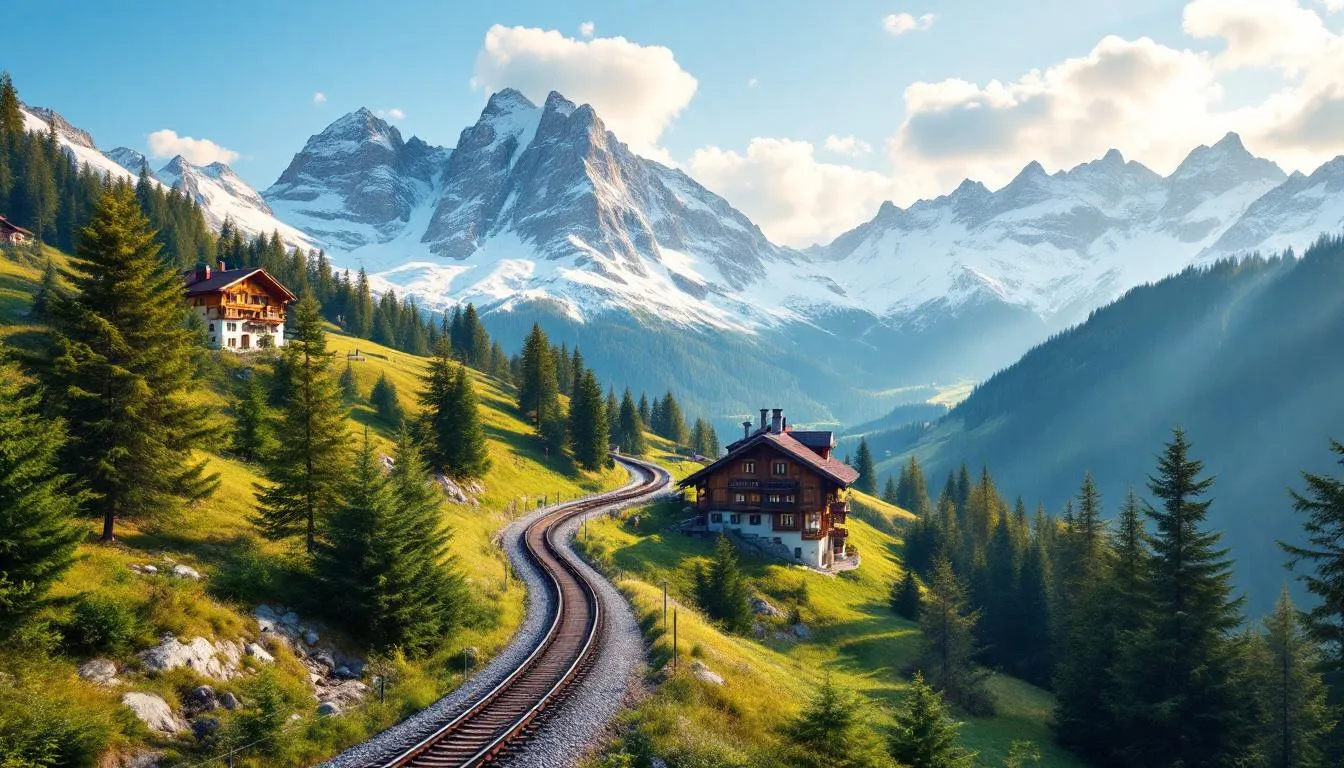
The swiss transport system’s greatest strength lies in seamless integration between trains, buses, boats, and mountain transport, creating a unified network that reaches every inhabited area of the country. This coordination transforms individual transport modes into components of a comprehensive mobility system.
Clock-face scheduling ensures trains arrive simultaneously at major hubs every 15-30 minutes, minimizing transfer times across different transport modes. This precision timing, known as the “taktfahrplan,” creates reliable connections that travelers can depend upon for complex journeys.
Single tickets remain valid across trains, postal buses, boats navigating pristine lakes, and many cable cars, eliminating the complexity of multiple ticketing systems. This unified approach particularly benefits tourists exploring diverse regions that require different transport modes to access remote destinations.
Park-and-ride facilities at numerous stations accommodate travelers combining car and rail transport, providing secure parking while accessing the railway network’s advantages for longer journeys. These facilities especially serve residents of rural areas where bus travel might be less frequent.
Boat connections on major lakes like geneva, zürich, and lake thun integrate seamlessly with train schedules, allowing travelers to combine scenic water transport with efficient rail connections. These lake services operate as integral parts of the public transport network rather than separate tourist attractions.
Mountain transport including funicular railways, cable cars, and cog railways connects valley stations to alpine destinations, extending the railway network’s reach to dramatic elevations. Many of these connections qualify for rail pass discounts, making alpine exploration more accessible to international visitors.
The postal bus network extends rail connectivity to remote valleys and mountain communities that railways cannot reach economically. These yellow buses operate on precise schedules coordinated with train arrivals, ensuring even the most isolated destinations remain accessible through public transport.
Conclusion
Trains in switzerland offer far more than simple transportation – they provide access to one of the world’s most sophisticated and scenic railway networks. From the efficiency of swiss federal railways connecting major cities to the breathtaking panoramic journeys of the glacier express and bernina express, the swiss railway system sets global standards for integration, reliability, and passenger experience.
Whether you choose unlimited travel with a swiss travel pass or flexible exploration with regional trains and postal buses, the network’s comprehensive coverage ensures every destination remains accessible. The seamless integration between trains, boats, cable cars, and bus travel creates opportunities for unforgettable experiences that extend far beyond conventional rail journeys.
Switzerland by train reveals the country’s diverse landscapes, from rolling green hills to dramatic alpine peaks, while providing practical access to both major swiss cities and remote mountain communities. The investment in this remarkable transport infrastructure reflects switzerland’s commitment to sustainable mobility and world-class passenger service that continues attracting travelers from across the globe.
Start planning your swiss rail adventure today – whether seeking scenic panoramic journeys, efficient intercity connections, or comprehensive exploration of this alpine nation, trains in switzerland deliver experiences that transform travel from necessity into lasting memories.
Frequently asked questions
How extensive is Switzerland's rail network?
Switzerland operates one of the world's densest rail networks with 5,200 km of track connecting every corner of the country. Nearly 100% of the network is electrified, and it integrates seamlessly with buses, boats, and cable cars.
What is the Glacier Express and do you need to book in advance?
The Glacier Express is a famous scenic train route connecting two of Switzerland's most prestigious alpine resorts. It operates year-round, and seat reservations are required — particularly during high season when demand peaks.
What makes the Bernina Express special?
The Bernina Express covers a 4-hour route from Chur to Tirano, crossing from Switzerland into Italy. It is a UNESCO World Heritage railway featuring famous spiral viaducts that allow trains to navigate extreme elevation changes without rack-and-pinion assistance. The journey passes through dramatically diverse landscapes, from alpine villages to Mediterranean-style climates near Lake Thun.
Do Swiss trains require seat reservations?
Most Swiss trains operate without mandatory reservations, allowing flexible travel. However, scenic panoramic services like the Glacier Express and premium international trains require advance booking, especially during high season. Reservations for scenic trains cost CHF 10–35 depending on the season and route.
How can you book tickets for Swiss trains?
Tickets and reservations can be booked through the SBB website, mobile app, or at railway stations. The digital platforms offer real-time availability and instant confirmation, while station booking counters provide personal assistance for complex itineraries.