

The train from Berlin to Dresden covers roughly 165 kilometres through Brandenburg and Saxony in as little as 1 hour and 27 minutes on high-speed services. Direct connections run throughout the day, tickets start from around €6.48 when booked early, and you’ll step off right in Dresden’s historic centre. Let’s break down everything you need to know to make this journey smooth and affordable.
Berlin to Dresden by Train: Quick Answers
Getting from Berlin to Dresden by train is one of Germany’s most straightforward routes. Direct trains connect the two cities multiple times daily, with the train journey taking anywhere from about 1 hour 29 minutes on the fastest services to around 2 hours 17 minutes on average, depending on which train you catch.
Most services are operated by Deutsche Bahn using Intercity (IC) trains, with occasional ICE (Intercity Express) or international EuroCity (EC) trains that continue onward to Prague and other Central European destinations. The main types of trains operating on the Berlin to Dresden route include ICE, IC, and EC trains—all offering comfortable, modern travel.
- Frekvens: Trains from Berlin to Dresden run approximately 11 times per day, with at least one train per hour during daytime hours. There are direct trains available around 7 times per day without the need for connections.
- Tid för resa: The average travel time from Berlin to Dresden by train is approximately 2 hours and 17 minutes, with the fastest trains completing the journey in about 1 hour and 29 minutes. High-speed ICE trains can complete the trip in approximately 1 hour 27 to 39 minutes.
- Priser: The price of a train ticket from Berlin to Dresden can start from as little as €6.48, depending on the time of day, route, and class booked. The average ticket price is around €36 if purchased on the day of travel, while the cheapest tickets can be found for only €9 when booked in advance. Train ticket prices can vary, with the cheapest ticket starting at €2, while the average price sits around €18.
- Direct routes: Trains from Berlin to Dresden typically run direct, with no need for connections, making the journey straightforward and efficient. Most departures leave from Berlin Hbf or Berlin Südkreuz and arrive at Dresden Hbf or Dresden Neustadt.
- Why train beats driving: City-centre to city-centre travel, no traffic jams on the Autobahn, comfortable seating with power sockets, and competitive total travel time make this a relaxing journey compared to getting behind the wheel.
Route Overview and Train Types
The route from Berlin to Dresden runs approximately 165 kilometres south, cutting through the flat farmlands of Brandenburg before entering Saxony. Along the way, trains pass through smaller towns like Wünsdorf, Elsterwerda, and Großenhain before descending toward the Elbe River and pulling into Dresden.
Most long distance trains use the upgraded Berlin–Dresden line, departing via Berlin Südkreuz and the Berlin outer ring. This routing bypasses the congested central Berlin tunnels, allowing for more efficient operations and faster journey times on the modernised stretches.
- IC-tåg: These Intercity express trains form the backbone of the Berlin to Dresden route. IC trains operate at a maximum speed of 200 km/h (124 mph) and feature air conditioning, a mix of reserved and unreserved seating, onboard bistro service, quiet zones, family areas, luggage racks, and dedicated spaces for wheelchairs and bicycles (the latter requiring advance reservation).
- ICE-tåg: The Intercity Express represents the fastest and most modern option available for travel to Dresden. ICE trains are high-speed trains that can reach speeds of up to 300 km/h (186 mph), though on this particular route they typically don’t hit those top speeds. When an ICE does cover this corridor, expect the quickest possible journey.
- EC-tåg: EuroCity services connect major cities across Europe and are designed for international travel, offering comfortable seating and amenities for longer journeys. On the Berlin–Dresden stretch, these trains often continue to Prague, providing seamless connections for onward travel.
- Regional Express (RE): Some regional express trains cover all or part of the route at a slower pace. Expect journey times of around 2 hours 10 minutes to 2 hours 30 minutes with more frequent stops. These regional trains accept local tickets and regional day passes, making them cheaper for flexible travellers willing to trade speed for savings.
- FlixTrain: This private low-cost operator runs services on the corridor with journeys as short as 1 hour 54 minutes for as little as €6.48. FlixTrain uses basic air-conditioned stock with free wifi and power outlets, but tickets are sold separately on their own platform—not interchangeable with DB fares or passes.
The German railway network makes this route reliable and frequent, with most trains offering similar amenities regardless of whether you’re on an IC, ICE, or EC service.
Timetables, Duration and Frequency
Travel times between Berlin and Dresden can vary, with some services taking as little as 1 hour and 27 minutes on high-speed trains, while slower options stretch beyond 2 hours. The most frequent direct service by Deutsche Bahn usually takes around 1 hour and 39 minutes to 2 hours and 2 minutes. Most direct services average around 1 hour 50 minutes to 2 hours and 30 minutes, depending on the number of intermediate stops.
- Typical weekday pattern: Expect roughly hourly direct long-distance connections during daytime hours. The frequency of trains from Berlin to Dresden typically includes at least one train per hour during the day, with EC and IC services running every two hours for those continuing to Prague.
- First and last trains: Trains typically leave Berlin around 1:00 AM on overnight services, with the first train of practical use for most travellers departing around 05:00–06:15. The last train options run until around 11:30 PM, giving you flexibility for evening plans in either city.
- Departure stations vary: Some trains start at Berlin Hbf, others at Berlin Südkreuz, and occasionally Berlin Gesundbrunnen or Berlin Ostbahnhof. All are connected by the S Bahn and other public transport, so reaching any of them from central Berlin is straightforward.
- Onward to Prague: About half of long-distance departures continue beyond Dresden towards Prague and other Czech destinations. If you’re planning a day trip or multi-city itinerary, these through-services eliminate the need to change trains.
- Weekend schedules: Patterns mirror weekdays with minor shifts in departure times. During major events like Dresden’s famous Striezelmarkt Christmas market or public holidays, occasional extra trains may run to meet demand.
- Overnight travel: Given the short distance, overnight journeys are generally unnecessary. Very late regional trains with one or two changes exist, but for most travellers, catching an earlier direct connection makes more sense.
When planning your travel date, check exact train times on the DB Navigator app or website, as infrastructure works and ETCS signaling upgrades can occasionally shift schedules.
Tickets, Prices and How to Book
Deutsche Bahn offers two main fare categories for the Berlin to Dresden route: flexible Flexpreis tickets valid on most trains that day, and cheaper advance-purchase Sparpreis tickets tied to specific departures. Understanding ticket types helps you secure the best deals without sacrificing flexibility.
- Super Sparpreis and Sparpreis tickets: Booking train tickets from Berlin to Dresden in advance can lead to significant savings, with prices starting as low as €6.48 when booked early. Typical Sparpreis fares run €25–40, depending on demand and how far ahead you book. These cheap train tickets are non-refundable and locked to a specific departure.
- Flexpreis tickets: Same-day flexible fares in 2nd class commonly cost between €40–60, sometimes reaching €75–80 at the last minute on high-demand trains. The trade-off is freedom—you can hop on any train that day without worrying about missing your booked connection.
- First class pricing: Expect to pay roughly 1.5 times the 2nd class fare for 1st class on advance bookings, with significantly higher prices for full-flex tickets. Benefits include more legroom in 2+1 seating configurations, quieter coaches, and sometimes at-seat service.
- Var kan man köpa: Purchase through DB ticket machines and counters at Berlin Hbf and other major stations, the DB Navigator app, the DB website, or trusted third-party sellers. DB itself charges no booking fees inside Germany.
- Bokningsfönster: Tickets for the Berlin to Dresden route can typically be booked up to a year in advance, allowing travelers to secure the best prices. The sweet spot for availability of low fares sits around 2–3 months before travel, with prices rising as departure approaches or cheaper fare buckets sell out.
- When booking tickets: Very early morning or off-peak midday trains often retain better prices longer than Friday evening or Sunday afternoon departures. When booking tickets for the Berlin to Dresden train, travelers can choose from different ticket types, including discounted options that are valid only for specific departures.
- Bokningar: On IC, EC, and ICE services for this route, seat reservations are optional in 2nd class but recommended on Fridays, Sundays, and holiday periods. A reservation costs a small extra fee of around €4–6 and guarantees you a specific seat rather than hunting for an open spot.
- Ticket inspection and ID: Conductors check tickets on board. Named digital tickets—especially international or heavily discounted offers—may require matching photo ID. Have your passport or national ID card handy alongside your ticket.
Avgångs- och ankomststationer
Berlin has several railway stations, but for Berlin to Dresden trains, two matter most: Berlin Hauptbahnhof (Hbf) and Berlin Südkreuz. Most direct trains to Dresden depart from Berlin Hauptbahnhof, with some from Berlin Südkreuz, depending on the specific service.
- Berlin Hbf: This multi-level through-station sits in central Berlin with clear signage directing you to long-distance platforms. Facilities include waiting areas, supermarkets, bakeries, toilets, and luggage lockers (€3–6 per day). Connections to the S Bahn, U-Bahn, trams, and buses are seamless, making it easy to reach from anywhere in Berlin city.
- Berlin Südkreuz: A major southern interchange used by many IC services to Dresden. The station sees less crowding than Hauptbahnhof, offering more relaxed boarding. Easy S Bahn links connect you to central districts and Berlin Brandenburg Airport (about 20 minutes), making this a convenient choice if you’re arriving by air.
- Other Berlin stations: Some services stop at Berlin Gesundbrunnen or Berlin Ostbahnhof. Always check your exact departure station on the ticket—it’s printed clearly and visible in the DB Navigator app.
- Dresden Hauptbahnhof: The central station sits on the southern edge of the old town. Recently modernised, it features clear signage, ticket offices, shops, food outlets, toilets, and local tram and bus connections right outside. Walking time to key sights like the Altmarkt, Frauenkirche, and Brühl’s Terrace runs around 15–20 minutes.
- Dresden Neustadt: This secondary station north of the Elbe serves some IC and regional trains. Direct trains to Dresden usually stop at both Dresden-Neustadt and Dresden Hauptbahnhof, so check which is more convenient for your accommodation. The Neustadt area is known for nightlife, independent shops, and cafes, with trams and buses directly outside the station.
- Praktiska tips för ankomst: Arrive at the station at least 15–20 minutes before departure to find your platform, grab snacks, and board without rushing. Platform display screens show coach formation diagrams, helping you locate your reserved seat before the train even arrives. This small bit of preparation makes your journey start smoothly.
Onboard Experience and Practical Tips
The onboard experience on IC, EC, and ICE dresden trains between Berlin and Dresden delivers comfort without fuss. Depending on the service, you’ll find assigned or free seating, large windows perfect for watching the Brandenburg countryside roll by, overhead luggage racks, and generally quiet ride quality.
- Power and connectivity: Expect power sockets at most seats, especially in newer IC2 or ICE stock. Onboard services on trains from Berlin to Dresden include free WiFi on certain trains, with Deutsche Bahn gradually installing it on all their IC trains. Download any maps or entertainment before boarding as a backup.
- Mat och dryck: Passengers can enjoy a variety of food and drink options on board, including an extensive menu in the on board restaurant and snacks from the bistro carriage. Some trains offer only a catering trolley or limited vending. For this short trip, bringing your own coffee and a snack works fine too.
- Seating layout: Second class generally uses 2+2 configuration with comfortable fabric seats. First class offers 2+1 seating with more legroom and quieter surroundings. You’ll find a mix of open-plan coaches and a few compartment-style sections on some trainsets—compartments suit families or small groups seeking privacy.
- Bagage: Trains from Berlin to Dresden allow passengers to bring a variety of baggage items for free, including briefcases, laptops, and even larger items like pushchairs and folding bikes, without needing a reservation. Store small bags overhead and larger suitcases in end-of-car luggage racks. Keep valuables close and consider labelling bags clearly, especially on busy services.
- Familjer: Look for family areas or quiet zones when available. Accessible toilets with changing tables are standard on most trains. Children under 6 travel free, and those aged 6–14 ride at reduced child fares when listed on the adult’s ticket.
- Tillgänglighet: Depending on rolling stock, expect either level boarding or small steps. Wheelchair spaces are clearly marked, and you can request mobility assistance through DB in advance, especially helpful at large hubs like Berlin Hbf and Dresden Hbf.
- Bikes: If you’re bringing a bike, you’ll need a bike reservation (around €9 supplement) in addition to your ticket. Folding bikes travel free without reservation.
Rail Passes: Interrail, Eurail and German Passes on This Route
If you’re exploring Germany or the broader European Union with a rail pass, here’s what you need to know for the Berlin to Dresden route. Interrail och Eurail Global Passes, as well as passes covering Germany, are valid on Deutsche Bahn-operated IC, EC, ICE, and RE services between these two cities, subject to standard pass conditions.
- Bokningar är frivilliga: With Interrail and Eurail, there’s usually no mandatory seat reservation on German domestic IC, EC, or ICE services. However, optional reservations are recommended on busy days for a small fee of around €4–6 per seat.
- Value assessment: For a single Berlin to Dresden trip, a point-to-point ticket bought in advance (around €20–40) is often cheaper than using a whole day of a Global Pass. Passes shine when you’re making multiple long distance journeys within Germany across a few days.
- German regional passes: Länder-Tickets like the Sachsen-Ticket (around €30 per day for 1–5 people) cover slower regional trains between Berlin and Dresden. These work well for passengers who don’t mind a slightly longer journey and want unlimited flexibility for day trips or multi-stop explorations.
- Combining segments: A pass becomes excellent value when combining Berlin–Dresden with other legs. For example, using one travel day to go from Berlin to Dresden in the morning, then continuing on an EC train to Prague in the afternoon, maximises your pass investment.
- Restrictions to note: Passes aren’t valid on FlixTrain or other private operators running on this corridor. You’ll also need Germany included in your pass country list, and you must fill in your travel diary or activate travel days according to pass rules.
- Practical example: A traveller with a Global Pass might catch the 10:37 IC from Berlin Hbf, arrive in Dresden at 12:07, spend the afternoon exploring Zwinger Palace and the old town, then board a 16:00 EC toward Prague—all on a single travel day, covering two major segments without buying separate tickets.
- Bottom line: For standalone Berlin to Dresden travel, buying a Sparpreis ticket usually costs less than burning a pass day. But if this route fits into a bigger German or European trip, your pass delivers real flexibility and potential savings.
Alternatives: Slower Routes and Bus Options
While direct connections are usually the best option for getting from Berlin to Dresden, some travellers may consider slower regional routes or long-distance buses for price reasons or specific departure times that better match their schedule.
- Slower rail itineraries: Combinations of Regional-Express (RE) and Regionalbahn (RB) services with one or two changes—for example via Elsterwerda or Cottbus—can get you there in roughly 2 hours 30 minutes to 3 hours or more. These slower options are covered by regional day tickets, making them budget-friendly for the patient traveller.
- Pros of regional trains: Lower cost with regional passes, no need for long-distance reservations, and the chance to see more of Brandenburg and Saxon towns along the way. The trains offer basic comfort and usually have enough space even without booking ahead.
- Cons of regional trains: More stops, older rolling stock in some cases, and less predictable onboard amenities like WiFi or power outlets. If onboard services matter to you, stick with IC or ICE.
- Bus alternatives: Intercity coach services between Berlin and Dresden take around 2 hours 10 minutes to 3 hours depending on traffic. Prices can undercut train advance fares—think €9–26 via FlixBus—but you’ll deal with roadside or out-of-centre stops and exposure to Autobahn congestion.
- Bus logistics: Buy tickets online or at coach stations. Baggage rules may include surcharges for bulky items up to €10. Plan to arrive at the stop 15–20 minutes before departure for boarding procedures, which take longer than simply stepping onto a train.
- When to choose bus or slower rail: These options make sense for last-minute travel when cheap long-distance train fares are sold out, for travellers on very tight budgets, or for those whose accommodation happens to be near a particular coach terminal rather than the central station.
- The default recommendation: For most visitors who value comfort, city-centre access, and reliable journey times, the direct IC or ICE remains the clear winner. Trains offer a more relaxing journey, drop you right in the heart of Dresden, and skip the uncertainties of road travel.
Booking Tips, Timing and Travel-Day Advice
Careful timing and booking choices can significantly reduce costs and stress for your Berlin to Dresden trip. Here’s how to approach it strategically.
- Boka tidigt: Aim for 2–3 months ahead where possible to secure the broadest choice of cheap advance fares. That said, some deals still appear closer to departure on less popular trains—midweek midday services often retain low prices longer.
- Avoid peak times if flexible: Friday late afternoon, Sunday evening, and the start or end of major German school holidays see higher demand. These trains fill up faster, and cheaper fare categories sell out earlier. Shifting your trip by a few hours can save significant money.
- Check multiple stations: When searching, compare departures from both Berlin Hbf and Berlin Südkreuz. Slight differences in departure times or train categories can affect price and seat availability, and sometimes Südkreuz offers a calmer boarding experience.
- Download your ticket: Print a physical ticket or download it to your device before travel. Connectivity issues at the station or in tunnels happen, so a fully charged phone and offline copy of your ticket and timetable serve as useful backups.
- Day-of-travel routine: Arrive early, scan the departure board for platform changes (they happen), and note the coach formation diagram to locate your reserved seat or find the quietest coach. Bring a small snack and water even if the train has a bistro—the journey is short enough that you might not want to queue.
- Buffer for connections: Minor delays can occur due to infrastructure works on the corridor, especially while track upgrades and ETCS rollouts continue through 2026. If you have tight onward connections in Dresden or Berlin—like a flight from BER or a bus to Prague—allow at least 30–45 minutes of buffer time.
- Uppdateringar i realtid: The DB Navigator app shows live departure information, platform changes, and delay alerts. Keep it handy throughout your journey, especially if you’re making same-day connections.
Making the Most of Your Dresden Arrival
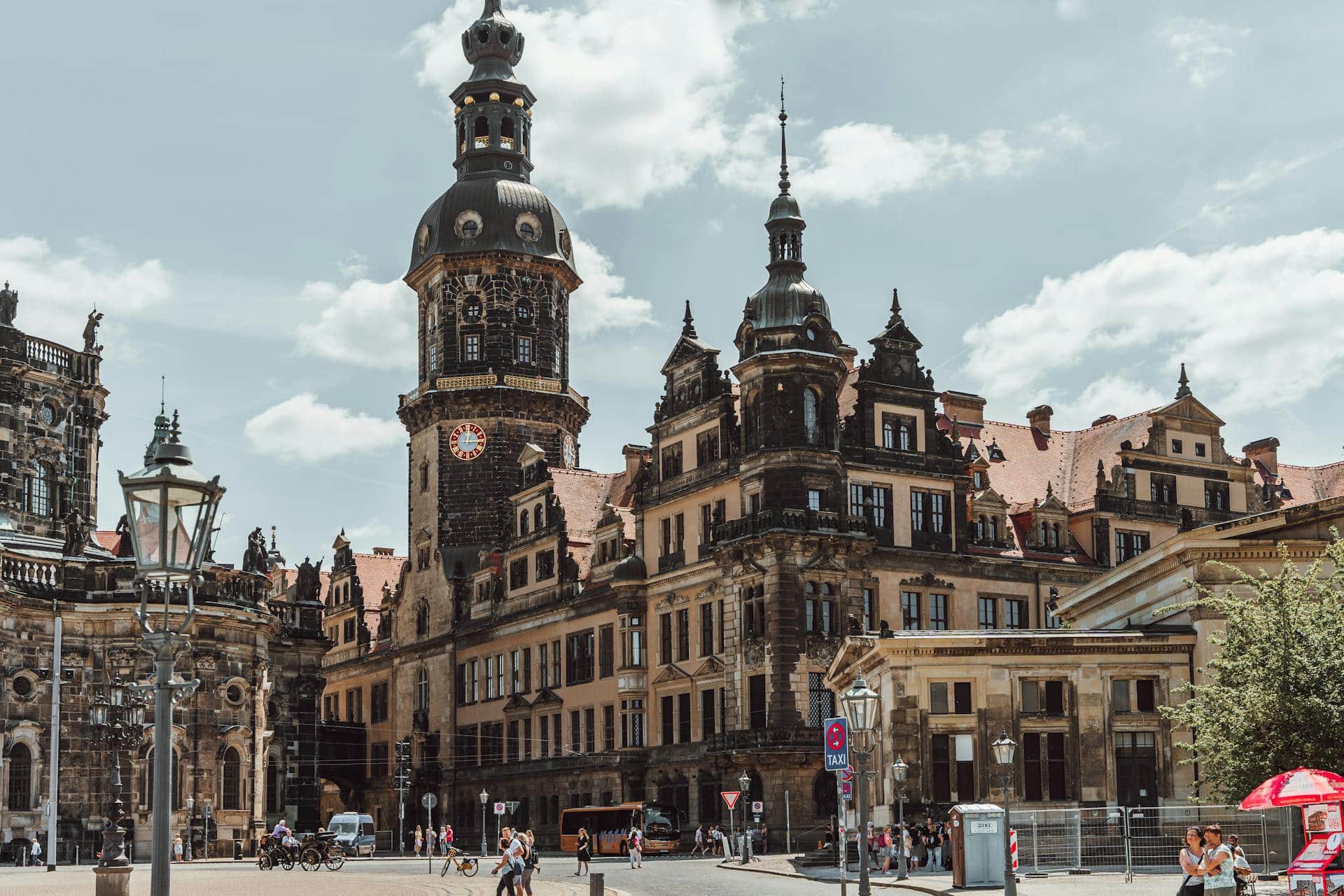
Once you step off at Dresden Hbf, you’re just a 15–20 minute walk from some of the most stunning baroque architecture in the world. The Zwinger Palace, the rebuilt Frauenkirche, and Brühl’s Terrace overlooking the Elbe River are all within easy reach on foot.
If you’re arriving at Dresden Neustadt instead, you’re on the north side of the river—perfectly positioned for the artistic Neustadt district with its independent galleries, street art, and vibrant nightlife. Trams and buses connect both stations to the wider city efficiently.
For those continuing onward, EC trains from Dresden to Prague depart every two hours, covering the scenic route through the Elbe Valley in about 2 hours 15 minutes. The picturesque landscapes along this stretch—sandstone cliffs, winding river, hilltop castles—make it one of Europe’s most beautiful rail journeys.
Whether Dresden is your final destination or a stop on a larger European adventure, the train delivers you there efficiently and comfortably. Book early for the best prices on train tickets, check your platform before boarding, and settle in for a smooth ride through the German countryside.
The Berlin to Dresden route exemplifies why European rail travel works so well: frequent departures, competitive prices, city-centre stations, and none of the hassle of airports or traffic. Your next trip to explore Saxon treasures is just a quick booking away.