

The train journey from Zurich to Milan is one of Europe’s most practical cross-border connections – fast, frequent, and genuinely scenic once you clear the Alps. Here’s everything you need to plan your trip without the guesswork.
Zurich to Milan by Train – Quick Answers
Direct EuroCity trains link Zurich HB and Milano Centrale throughout the day, with no changes required on most services.
- The fastest train completes the journey in approximately 3 hours and 12 minutes, while on average the train journey takes around 3 hours and 22 minutes.
- There are typically 10 to 28 trains per day operating between Zurich and Milan, depending on the service – roughly one direct departure every 1–2 hours.
- Train tickets from Zurich to Milan can start from €19.99 when booked in advance. Prices range from CHF 25 in 2nd class to CHF 59 in 1st class for direct EuroCity trains. Last-minute fares often exceed CHF 100 in 2nd class.
- SBB (Swiss Federal Railways) and Trenitalia jointly operate these services. Seat reservations are included on EuroCity trains – no separate booking fee.
- Trains run every day of the year, with only minor timetable adjustments on holidays.
Route Overview: How the Zurich–Milan Train Works
The standard fast route uses the Gotthard Base Tunnel, a 57 km engineering marvel that bores flat under the Swiss Alps at depths up to 2.5 km. This tunnel – the world’s longest railway tunnel – shaved about an hour off journey times when it opened in 2016, while still offering lake vistas around Zug and Lugano before and after the underground section.
- The journey from Zurich to Milan by train covers a distance of approximately 217 km (134 miles) as the crow flies, though the actual rail path extends to around 250–260 km due to the alpine routing.
- The main line runs: Zurich HB – Zug – Arth-Goldau – Bellinzona – Lugano – Chiasso (Swiss border) – Como San Giovanni – Monza – Milano Centrale. Not all EuroCity trains stop at every intermediate station.
- Most services use the modern Gotthard Base Tunnel with journey times around 3h 17m–3h 30m. A slower panoramic old route over the mountain via Göschenen and Airolo also exists for those wanting beautiful scenery.
- This is a daytime-only route – no overnight sleeper service operates between Zurich and Milan in 2026.
Traveling from Zurich to Milan by train allows passengers to experience breathtaking views of snow-covered Swiss Alps and Lake Como, showcasing the contrast between the Swiss and Italian landscapes.
Timetables, Frequency and Travel Time
Direct EuroCity trains run roughly 10–14 times daily between Zurich HB and Milano Centrale, with additional slower options requiring changes.
- The first train typically departs around 06:30, while the last train leaves around 19:30. Exact times vary slightly by timetable year, so always check current schedules.
- Frequency sits at roughly one direct EC every 2 hours during peak periods, plus some cross-border combinations outside those times requiring a change in Lugano or Chiasso.
- Trains from Zurich to Milan typically take between 3 hours and 30 minutes to 4 hours, depending on the service chosen. The fastest services clock 3h 17m, while slower regional combinations stretch to 3h 45m–4h+.
- Timetables shift in December with Europe’s annual schedule change, and occasional engineering works in the Gotthard region can cause minor delays or reroutes.
Here’s what a sample day looks like for direct departures from Zurich:
- 08:33 → 11:50 (EC, 3h 17m)
- 12:33 → 15:50 (EC, 3h 17m)
- 17:33 → 20:50 (EC, 3h 17m)
Tickets and Prices: What a Zurich–Milan Train Really Costs
Ticket prices vary heavily by how early you book, flexibility level, and class of travel. Both CHF and EUR figures apply depending on where you purchase.
- Advance promotional fares (2nd class): Cheap train tickets can start from about CHF 25 / €19.99–€30 one way if booked well in advance on a fixed train – non-refundable, non-changeable.
- Mid-range advance fares: Around CHF 60–90 (roughly €60–90) for more flexible tickets or busier travel times. The average price for a train ticket from Zurich to Milan sits around €86.
- Last-minute / fully flexible (2nd class): Often CHF 110–150+ if bought on the day, depending on quota and demand.
- 1:a klass: Starting around CHF 59 on the best promos, with typical flexible or short-notice prices often CHF 150–220 one way.
- Children’s fares: Children aged 6–15 receive a 20% discount; children 5 and under travel for free.
- Kostnader för bokning: On EC Zurich–Milan trains, the mandatory seat reservation is usually included in the ticket price – no separate fee appears at checkout.
- Regional alternatives: A slower combo using regional trains via Chiasso and Como can be slightly cheaper but takes longer and usually requires at least one extra ticket in EUR for the Italian leg.
How and Where to Buy Zurich–Milan Train Tickets
Buying directly from SBB or Trenitalia gives you access to the same fare quotas as most resellers, often with no extra booking fees.
- In Switzerland: Book train tickets at station ticket counters, ticket machines, the official Swiss rail website, or the official mobile app.
- In Italy: Use Trenitalia ticket offices, self-service machines, or the official Trenitalia app or website.
- Bokningsfönster: Start checking prices 2–6 months out. The best balance of price and availability often appears 1–3 months before travel.
- Ticket flexibility: Advance promo tickets are train-specific and usually non-refundable. Full-fare tickets allow changes or refunds but cost more.
- From Zurich Airport: Buy tickets from “Zurich Airport” to “Milano Centrale” so the short S-Bahn leg to Zurich HB is included on one ticket.
- Ticket format: A printed ticket or downloadable PDF / mobile ticket works fine. Carry ID or passport matching the ticket name – staff may check on cross-border trains.
Classes, On-Board Comfort and Facilities
Zurich–Milan EuroCity trains are usually modern SBB Giruno sets with both 1st and 2nd class, plus a bistro car serving hot meals and drinks.
- 2:a klass: Open-plan cars with air-conditioning, power sockets at most seats (230V), overhead luggage racks, and space for medium cases near doors. Trains from Zurich to Milan typically offer amenities such as free WiFi, power outlets, and adjustable seats in various classes of service.
- 1:a klass: Wider seats in 2+1 layout on most Giruno cars, more legroom, quieter atmosphere, and often more tables. Passengers can enjoy complimentary beverages, including Italian coffee and mint tea, on certain classes of trains during their journey. Journey time remains the same as 2nd class.
- Café-bar: Most direct ECs have a restaurant car serving hot meals, snacks, and Swiss and Italian drinks. Prices run CHF 15–30+ higher than station supermarkets – many locals bring their own food featuring delicious cuisine from home.
- WiFi and connectivity: Some Giruno trains offer free WiFi, but reliability varies in tunnels and mountain valleys. Mobile data works well for much of the route but may cut out in the Gotthard Base Tunnel.
- Families and accessibility: Trains on the Zurich to Milan route provide dedicated spaces for passengers with disabilities, ensuring accessibility for all travelers. Look for low-floor sections, wheelchair spaces, accessible toilets, and family zones labeled “Familienabteil.” Guide dogs travel free with appropriate documentation.
- Pets and bikes: Small pets and dogs are allowed under specific conditions – dog ticket or muzzle/leash required. Bicycle reservations are mandatory on ECs with limited spaces. Rules differ slightly between SBB and Trenitalia, so check conditions when booking.
Departure: Zurich HB Station Guide
Zurich’s main train station (Zürich Hauptbahnhof or Zurich HB) is Switzerland’s busiest, handling over 400,000 passengers daily. This is where your journey starts for most Milan trains.
- Getting there: Frequent S-Bahn, tram, and bus connections run throughout the city. From Zurich Airport, direct trains reach Zurich HB in about 10 minutes – include this leg when you buy tickets.
- Tidpunkt för ankomst: Arrive 20–30 minutes before departure to find the right platform. Southbound long-distance services often depart from platforms in the low 30s, but always scan the boards to confirm.
- Bekvämligheter: The large concourse includes supermarkets (some open late and on Sundays), bakeries, takeaway food, luggage lockers (CHF 5–10/day), toilets, ATMs, and currency exchange.
- Ticketing: Staffed ticket counters handle complex bookings, while multilingual ticket machines accept cards and cash. Information desks help with timetable or platform queries.
- Navigation: Lifts and escalators connect multiple levels – the street-level concourse, underground ShopVille shopping area, and S-Bahn platforms. Signage appears in German, English, and other languages.
Arrival: Milano Centrale and Onward Connections
Milano Centrale is a grand 1930s Art Deco terminus and the last stop for most Zurich trains. This is Italy’s second-busiest station, handling arrivals from across Europe.
- Exiting the station: Allow 5–15 minutes to disembark and navigate to the exits, depending on your position in the train and crowd levels.
- Onward transport: Metro lines M2 (green) and M3 (yellow) run from the station. The metro is usually the fastest way to reach the city center – about 10 minutes to Duomo di Milano. Trams, buses, and taxis are available outside.
- Station facilities: Multiple levels house shops, cafés, ticket machines, left-luggage offices (€6–15/day, typically 06:30–23:00), and paid toilets (€1.50). High speed Frecciarossa trains to other Italian cities depart from nearby platforms.
- Local tickets: Milan urban tickets can be purchased at machines and kiosks using cash or cards. Contactless bank card payment is increasingly accepted at metro gates.
- Safety tips: Watch for pickpockets in crowded areas, especially during rush hours (07:00–09:00, 17:00–19:00). Only use official taxis from the rank. Keep your ticket until after exiting the metro.
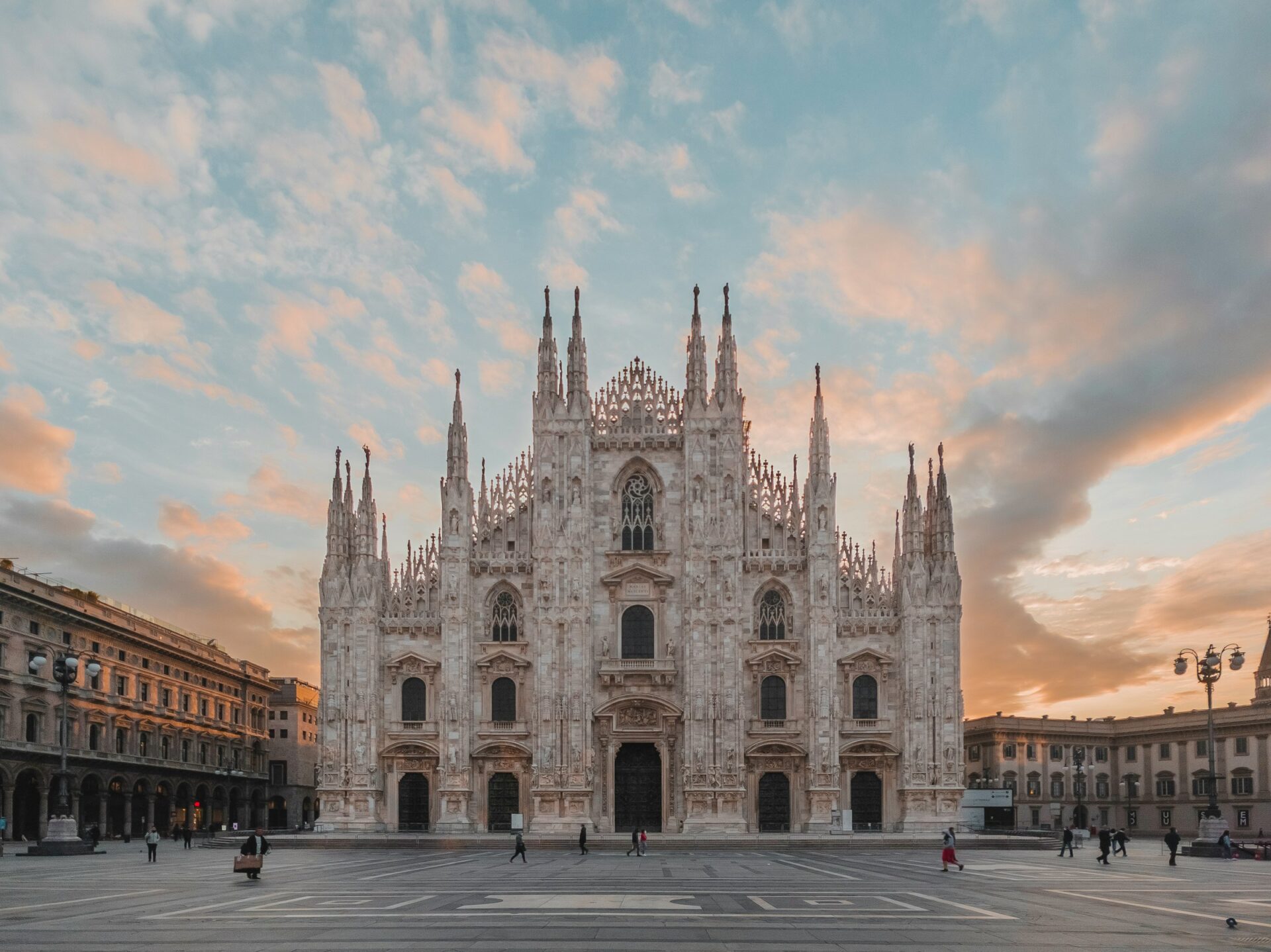
From Milano Centrale, you’re well-positioned to explore Milan’s highlights – Santa Maria delle Grazie (home to Leonardo’s Last Supper), the fashion capital’s shopping districts, and beyond.
Rail Passes on the Zurich–Milan Route: Interrail, Eurail and Swiss Passes
Major rail passes cover the Zurich to Milan route, though most require a separate reservation or supplement.
- Interrail and Eurail: Both passes cover the base fare on EuroCity trains (matching your pass class). However, seat reservations are required for direct EuroCity trains between Switzerland and Italy – expect to pay CHF 10–20 extra, bookable via SBB or Trenitalia apps.
- Quota limits: Seats for passholders on popular EC services fill quickly. Reserve several days ahead during high season (summer, long weekends, major events in Milan).
- Value comparison: A one way ticket bought well in advance for CHF 25–60 is often cheaper than using a whole day of an Interrail or Eurail Global Pass. But if last-minute flexible fares exceed CHF 100, a pass day represents good value.
- Swiss Travel Pass: This usually covers the Swiss leg to Chiasso but not the Italian section to Milan. You’ll need a discounted cross-border supplement or separate ticket from the border onward. The half fare card offers similar Swiss-only coverage.
- När passen är vettiga: Travelers doing multiple long-distance trips across Europe (Zurich–Milan–Florence–Rome, or multi-country tours) can benefit significantly. Casual return trips on the milan route alone are usually cheaper with point-to-point tickets.
- Always verify: Pass conditions change over time. Check the latest validity maps and reservation rules before committing.
Do You Need Reservations for Zurich–Milan Trains?
On direct EuroCity trains between Zurich and Milan, reservations are mandatory. The good news: they’re either included in your ticket or added as a small supplement for passholders.
- What “reservation included” means: Your ticket displays a coach and seat number. You’re expected to sit in that assigned place, though staff may permit flexible seating when trains are quiet.
- Regionala tåg: If you travel via regional trains instead (Zurich–Lugano–Chiasso–Como–Milan with changes), reservations are usually not required or even offered. These journeys are slower and may require multiple tickets.
- Busy periods: Reserve several days ahead for Friday afternoons, Sundays, school holidays, and big events. Popular trains can sell out of both normal tickets and passholder reservations.
- If reservations are sold out: Try alternative departure times, use a slightly earlier or later train, or build a route with regional trains and a connecting service from Como or Lugano.
Best Scenic Options: Gotthard Base vs. Old Gotthard Panorama Route
You can choose between the fast Gotthard Base Tunnel route or the more scenic old Gotthard mountain route – same destination, very different experiences.
- Fast base-tunnel option: Most EuroCity trains use the 57 km Gotthard Base Tunnel, keeping journey times around 3h 17m–3h 30m. Views are still excellent around Lakes Zug and Lugano before and after the tunnel section.
- Old Gotthard panoramic line: The Old Gotthard Railway offers a scenic route from Zurich to Milan, providing stunning views of the Swiss Alps and picturesque landscapes. Travel via Göschenen and Airolo using regional trains marked as “Gotthard Panorama” to enjoy spiral tunnels, valley views, and historic stations. Total travel time increases by roughly an hour.
- Example scenic itinerary: Zurich–Arth-Goldau–Göschenen–Airolo on regional trains, then onward via Bellinzona and Lugano to Chiasso and Milan.
- Ticketing: Within Switzerland, the same basic point-to-point fare applies regardless of whether you take the base tunnel or the mountain route. Italian segments beyond the border are priced separately if using regional trains.
- Vem ska välja vad: Business travelers and day-trippers will likely prefer the 3h 20m base tunnel EC. Rail enthusiasts and photographers should allocate extra time for the mountain route with its beautiful scenery.
Note: The Bernina Express offers another spectacular Swiss-Italian rail journey, though it follows a different route via the Engadin and isn’t practical for a direct Zurich to Milan trip.
Practical Tips for a Smooth Zurich–Milan Journey
A few small preparations make cross-border train travel noticeably more relaxed.
- Seat selection: For the most scenic views of Lake Como and the Alps, sit on the left side of the train when traveling from Zurich to Milan. The right side offers better views of Lake Zug between Zurich and Arth-Goldau. The journey typically includes key stops at scenic locations such as Como, enhancing the travel experience.
- Snacks and water: Bring provisions from station supermarkets in Zurich – Coop and Migros offer far better prices than the onboard bistro. Budget CHF 5–10 savings per person.
- Dokument: Carry a valid passport or ID card suitable for crossing the Swiss–Italian border. Random controls may occur onboard or at stations, even within Schengen.
- Bagage: No formal weight limit exists, but passengers must lift bags themselves. Medium suitcases (20–24”) fit in overhead racks or end-of-car luggage shelves. Skip the oversized bags if you can.
- Delays and buffers: While SBB maintains roughly 95% punctuality, construction or heavy alpine traffic can cause occasional delays. Allow 30–60 minutes buffer if you have a time-critical connection or event in Milan.
- Quieter trains: Off-peak travel (mid-morning or early afternoon on weekdays) means quieter carriages and better chances at cheaper advance fares.
Alternative Ways to Travel Between Zurich and Milan
While the direct train is usually the best all-round option, here’s how other choices stack up.
- Buss: Long-distance coaches take around 4h 30m–6h depending on route and traffic. Fares often run €20–50, cheaper than many same-day train tickets. But comfort is limited, and border traffic can add unpredictable delays.
- Flying: Flight time runs about 1h between Zurich Airport and Milan airports (Malpensa or Linate typically). But total door-to-door time easily exceeds 4 hours once airport transfers, security, and check-in are factored in.
- Environmental impact: Trains generate roughly 10–20g CO₂ per passenger-kilometer versus around 100g for flying. The train ride wins on sustainability by a wide margin.
For most travelers, the direct train from Zurich to Milan strikes the best balance of speed, comfort, price, and reliability. Book early, pack light, and let the Swiss Alps roll past your window.