


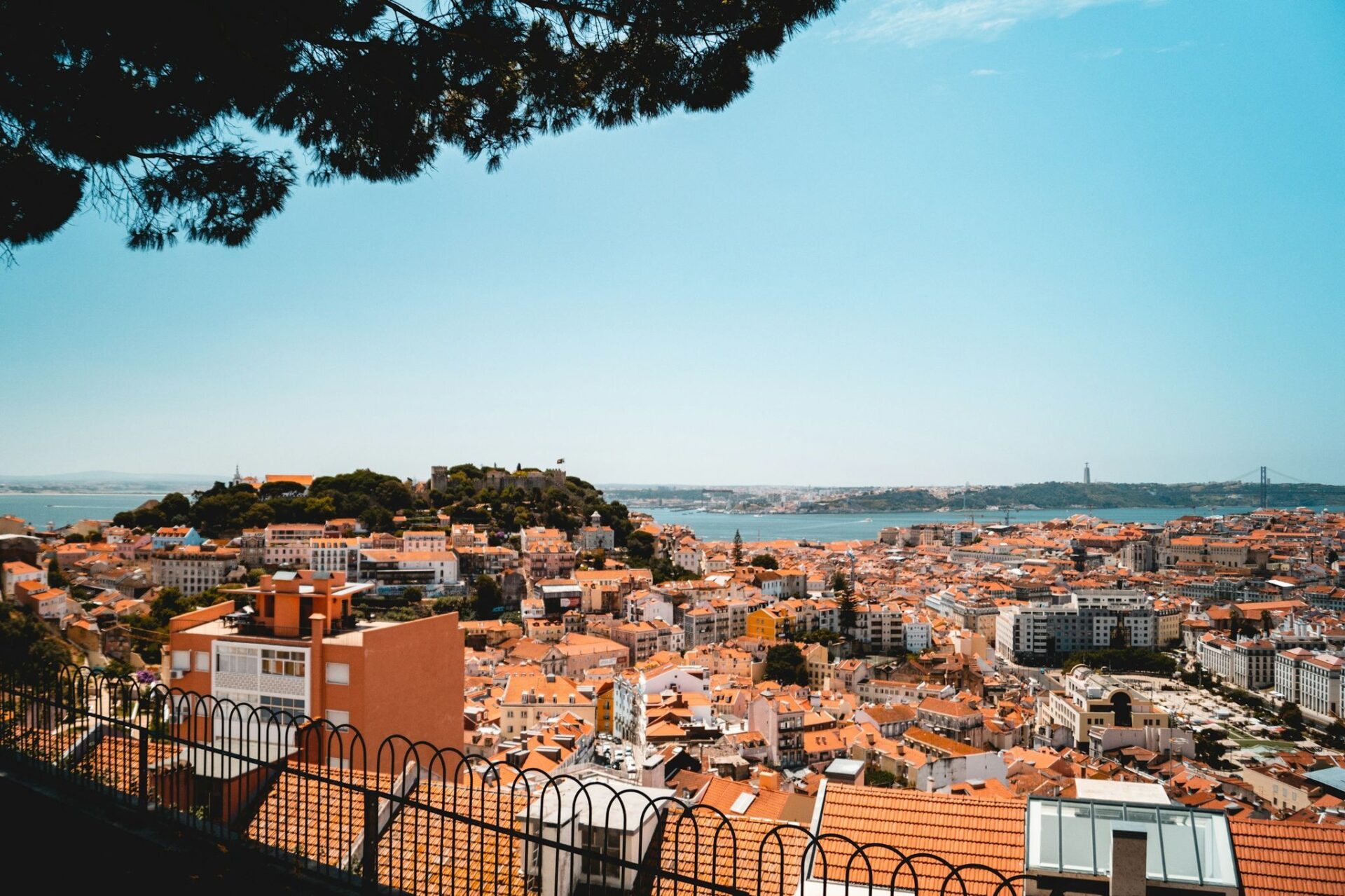

Train service

Train tickets

Omio
Omio connects you with over 1,000 transport providers - trains, buses, flights, and more - to simplify your travel planning.

Trainline
Trainline sells rail and coach tickets worldwide on behalf of major UK and European transport companies.

Raileurope
Rail Europe is a leading travel tech company specializing in European train bookings for over 15,000 travel professionals worldwide.
Traveling from Barcelona to Lisbon by train is a scenic journey through Spain and Portugal, but it requires careful planning. The journey covers two countries and offers a chance to experience the Spanish and Portuguese countryside. The journey time by train is too long to complete in a single day without an overnight stop. Many travelers consider flights or buses due to the long train journey. Here’s what you need to know:
-
No direct trains: The trip involves 4-5 transfers, typically through Madrid. The famous direct sleeper train, the Lusitânia Trenhotel, was discontinued in 2020.
-
Travel time: The fastest route takes about 22 hours and 35 minutes. Traveling from Barcelona to Lisbon by train typically requires an overnight stay due to limited train schedules.
-
Costs: Tickets range from €70 to €200, depending on booking time and class.
-
There are generally 3–6 services per day connecting Barcelona and Lisbon.
-
Best route: Barcelona → Madrid (high-speed AVE) → Lisbon (overnight Trenhotel).
-
The most scenic way to travel from Barcelona to Lisbon is via Madrid and then north to Salamanca, known for its picturesque sandstone architecture.
-
Alternate options: Routes via Porto or Badajoz offer additional stops for exploration.
-
The fastest way is by flight, which takes about two hours; the cheapest way is by bus, with tickets starting at $25 and a journey time of about 20 hours; driving takes about 12 hours and covers 776 miles (1,249 kilometers).
For a smooth trip, book tickets early, plan your transfers, and pack essentials like snacks, power banks, and travel documents. Keep reading for schedules, booking tips, and route details.
Train Routes and Connections
Traveling from Barcelona to Lisbon offers multiple pathways across the Iberian Peninsula, giving you options to suit your preferences. Some routes provide stunning views of the Mediterranean coast and take you through the south of Spain and Portugal, enhancing the scenic appeal of your journey.
Traveling from one end of the Iberian Peninsula to the other often requires overnight stops due to limited train schedules, making direct connections challenging.
If you choose the train, the stretch between Castellón and Valencia is famously pretty, offering views of the Mediterranean on one side and colorful orange groves on the other.
Alternatively, traveling by road along the E-15 south from Barcelona allows for beautiful views of the Spanish countryside.
Main Route: Barcelona-Madrid-Lisbon
The most direct route involves:
-
Taking the high-speed AVE train from Barcelona-Sants to Madrid-Puerta De Atocha.
-
Connecting to Lisbon-bound services via Madrid-Chamartín.
-
A total travel time of around 22 hours and 35 minutes at its quickest.
For added convenience, you can combine daytime AVE travel with the Madrid-Lisbon Trenhotel night train. This option lets you save on accommodation while arriving in Lisbon rested.
Alternate Routes: Through Porto or Badajoz
Northern Route (via Porto): Perfect for those who enjoy scenic views and cultural stops. This route requires connections through Vigo before reaching Lisbon via Porto.
Southern Route (via Badajoz/Seville): Ideal for history buffs, this path passes through historic towns like Seville before continuing to Lisbon.
Both alternatives let you tailor your journey, offering a chance to explore more of the Iberian Peninsula along the way. Traveling by train on these routes allows you to experience the diverse countryside and culture of each country, making the journey itself a memorable part of your trip.
Transfer Stations and Stopover Cities
Key transfer hubs include:
-
Madrid-Puerta De Atocha and Madrid-Chamartín.
-
Entroncamento, a major connection point in Portugal.
Many of these stations are centrally located, so it’s easy to walk to nearby attractions or hotels during layovers.
Consider stopping at cities like Évora (known for its Roman ruins), Seville (rich in Andalusian culture), or Porto (famous for its riverside charm). These stops turn necessary transfers into memorable travel experiences.
Train Times and Schedules
If you’re planning a train trip from Barcelona to Lisbon, it’s crucial to check the schedules in advance to ensure a smooth journey.
For return journeys, Lisbon departs are typically scheduled in the evening, allowing travelers to plan their onward connections efficiently.
Example Schedules and Trip Duration
The quickest route between Barcelona and Lisbon takes 22 hours and 35 minutes, while most trips average around 23 hours and 5 minutes. There are two daily departures from Barcelona-Sants station:
|
Depart |
Arrival |
Duration |
Changes |
|---|---|---|---|
|
14:25 (2:25 PM) |
14:00 (2:00 PM) |
23h 35m |
4 |
|
15:25 (3:25 PM) |
14:00 (2:00 PM) |
22h 35m |
5 |
When deciding on your departure, keep these timing details in mind:
Weekday Services
-
First train leaves Barcelona at 05:50
-
Last train departs at 21:15
Weekend Schedule
-
First departure at 07:05
-
Final train at 21:15
Afternoon departures, typically between 14:00 and 15:00, are an excellent option for several reasons:
-
They align with afternoon hotel check-in times upon arrival.
-
You’ll experience overnight travel segments, which can save time.
-
Transfers are generally more convenient during these hours.
Be aware that schedules may shift during peak tourist seasons or holidays. To secure your spot, book tickets 1-2 months in advance, especially in the summer when demand is higher. Afternoon departures also work well with suggested stopovers in cities like Madrid or Porto, giving you the chance to enjoy scenic daytime views and seamless transfers at key hubs.
Ticket Booking and Price Guide
Where to Book Tickets
Navigating a multi-leg journey can be tricky, but these platforms make it easier. Here’s a quick comparison of the top choices:
|
Platform |
Features |
Things to Note |
|---|---|---|
|
Omio |
Compares trains, buses, flights; mobile tickets; easy-to-use; price alerts |
Small booking fee (€1-2) |
|
Trainline |
Real-time updates; mobile tickets; competitive prices; multiple languages |
Limited rail pass options |
|
RailEurope |
Rail passes; broad rail coverage |
Prices tend to be higher |
For most travelers, Omio or Trainline are the go-to options for simple ticket purchases. Tickets for the full journey start at €68.55. If you’re considering a rail pass or need specific booking assistance, RailEurope might be the better choice.
Once you’ve picked your booking platform, these tips can help you save money:
Book Early for Lower Prices
The earlier you book, the better the deals. Ticket prices typically range from €70 to €200 for this route.
Travel During Off-Peak Times
Timing matters. To save, avoid peak travel periods and opt for midweek departures.
-
Skip high-demand seasons
-
Look for less busy travel days
Evaluate Rail Passes
If you’re planning multiple stops across Europe, a Eurail Global Pass could be a smart option. However, for a single Barcelona-to-Lisbon trip, individual tickets are often cheaper.
Use Smart Booking Tricks
-
Set up price alerts on platforms like Omio
-
Use Omio’s calendar view to compare dates for the best prices
-
Check for discounts (student, youth, or senior)
-
Opt for flexible tickets if your travel plans might change
Payment Tips to Save
Paying wisely can stretch your travel budget. Use local payment methods like bank cards or PayPal to avoid extra fees, and always book in euros to skip currency conversion costs.
Finally, always review cancellation policies. Some tickets offer free cancellation up to 24 hours before departure, while others are non-refundable. Double-check before confirming your booking.
Travel Tips and Preparation
Once your tickets are booked, preparing thoughtfully can make this 22-25 hour trip much more comfortable.
What to Pack
Packing wisely is key for such a long journey. Focus on these must-haves:
|
Category |
Essential Items |
Notes |
|---|---|---|
|
Comfort |
Neck pillow, blanket, eye mask |
Helpful for temperature changes and long hours |
|
Entertainment |
Power bank, charging cables, headphones |
Limited outlets and inconsistent Wi-Fi |
|
Sustenance |
Refillable water bottle, snacks |
Avoid pricey onboard meals |
|
Documents |
Passport, printed tickets, confirmations |
Required for border checks |
Keep medications and valuables in your carry-on. A small toiletry kit can be a lifesaver for freshening up during layovers or overnight stretches.
Station and Transfer Guide
Madrid-Atocha is the main transfer point for this route. Here’s what you need to know:
Madrid-Atocha Navigation
-
Allow at least 30 minutes for transfers.
-
Look for “Conexiones” signs to find your connection.
-
Luggage storage is available if you want to explore briefly.
Lisbon Stations
Your journey may end at Lisboa Oriente or Santa Apolónia stations. Both stations offer:
-
Taxi stands and metro connections
-
Left luggage facilities
-
Tourist information desks
Train Facilities and Services
Services differ between Spanish RENFE trains and Portuguese CP trains. Here’s a quick overview:
RENFE (Spanish Section)
-
Air-conditioned coaches
-
Power outlets at seats
-
Wi-Fi (though reliability varies)
-
Cafeteria car or trolley service
-
Complimentary headphones on some routes
CP (Portuguese Section)
-
More basic amenities
-
Stunning coastal views
-
Limited onboard services
Carry some cash, as card payments may not always be accepted, especially in Portugal.
For overnight travel, consider these tips:
-
Window seats offer better support for resting.
-
Noise-canceling headphones can help you sleep.
-
Download movies, books, or music beforehand.
-
Bring light snacks for late-night cravings.
Train amenities vary depending on the operator and service type, so check the details when booking to avoid unexpected surprises during your trip.
Common Questions
Here are answers to some frequent concerns travelers have when planning this journey:
Direct Train Options
There isn’t a direct train connecting Barcelona and Lisbon. The trip involves 4-5 transfers, as detailed in the Main Route section.
Ticket Prices
Ticket costs usually fall between €50 and €200. Prices depend on factors like:
-
How early you book (3-6 months in advance often gets you the best deals)
-
The class of service (standard vs first-class)
-
Ticket flexibility (refundable options tend to cost more)
Route Views
The journey offers stunning views, including the Spanish plains on high-speed trains, the rugged terrain of Extremadura, and Portugal’s scenic countryside. You might even catch coastal views as you approach Lisbon.
Traveling by train from Barcelona to Lisbon involves careful planning with transfer stations but offers breathtaking views of Iberian landscapes and opportunities for unique stopovers. While there’s no direct train, the fastest option takes 22 hours and 35 minutes via Madrid, with other routes providing cultural experiences along the way.
The most efficient path goes through Madrid, taking advantage of Spain’s high-speed AVE network before switching to Portuguese rail services. Along the journey, travelers can enjoy stopovers in cities like Madrid or Porto. Most trains come equipped with amenities such as power outlets and cafeteria cars to ensure a comfortable ride.
With thoughtful planning and these insights, you can turn this multi-leg trip into a memorable part of your Iberian exploration. Key factors for a smooth journey include booking tickets in advance, coordinating transfers at major hubs like Madrid-Chamartín, and being aware of the amenities provided by different operators.
Lisbon by Train: What to Expect
Traveling from Barcelona to Lisbon by train is more than just a way to get from one city to another—it’s a memorable journey across the heart of the Iberian Peninsula. While there are no direct trains between these two cities, the train connection offers a scenic route that lets you experience the landscapes, culture, and charm of both Spain and Portugal.
The train ride covers a distance of about 625 miles (1006 km), with the fastest services completing the journey in just under 10 hours, though most journeys take around 16 hours and 8 minutes. Typically, there are about three trains per day making the trip from Barcelona to Lisbon, and you’ll need to make at least one transfer—often in Madrid. Using a journey planner is your best bet for finding the exact times and the most convenient route, as train schedules can vary depending on the day and season.
To secure cheap train tickets, it’s wise to buy tickets months ahead of your planned departure. Booking in advance not only helps you find the cheapest way to travel from Barcelona to Lisbon, but also gives you access to the best deals and promotions. Platforms like Trainline make it easy to compare train times, services, and prices, including high-speed AVE train options for the Barcelona to Madrid leg of your journey.
Your trip will likely begin at Barcelona Sants, the city’s main train station and a hub for high-speed service across Spain and Europe. The first train usually departs early in the morning, giving you the flexibility to catch an early ride or spend several hours exploring Barcelona before boarding a later train. The last train departs in the evening, so you can plan your journey to suit your schedule.
As you travel from Barcelona, the train journey takes you through rolling Spanish plains, past traditional towns, and across the border into Portugal. The scenic route is a highlight in itself, offering views of the countryside and glimpses of local life. Onboard, you might enjoy traditional fado music, sample regional snacks, or simply relax and watch the landscape unfold. Train travel between these two cities is a comfortable and culturally rich alternative to flying or taking the bus.
When planning your trip, check train schedules for the fastest train or opt for a later train if you prefer a more leisurely pace. The journey is not just about reaching Lisbon—it’s about enjoying the ride, discovering new cities along the way, and making the most of your time in Europe. Upon arrival in Lisbon, you’ll be perfectly positioned to explore iconic sights like Belém Tower and Jerónimos Monastery, all within easy reach of the station.
In summary, traveling from Barcelona to Lisbon by train is a rewarding experience that combines convenience, comfort, and the chance to see the best of Spain and Portugal. With a little advance planning, you can find cheap tickets, enjoy a scenic train journey, and arrive ready to explore everything Lisbon has to offer. So, use a journey planner, buy your train tickets early, and get ready for an unforgettable trip across the Iberian Peninsula.
Frequently asked questions
Is there a direct train from Barcelona to Lisbon?
No, there are no direct trains from Barcelona to Lisbon. The journey requires 4 to 5 transfers, typically routing through Madrid. The famous direct overnight Lusitânia Trenhotel was discontinued in 2020, so all current routes require connections.
How long does the Barcelona to Lisbon train journey take?
The fastest route takes approximately 22 hours and 35 minutes, though most services take longer. Generally 3 to 6 services per day connect the two cities, and the journey usually requires an overnight stop due to the long distance and limited schedules.
How much do Barcelona to Lisbon train tickets cost?
Ticket prices range from €70 to €200 depending on when you book and the class of service. Booking early and choosing less busy travel days helps keep costs down. It is also recommended to book in euros to avoid currency conversion fees, and to check cancellation policies, as some tickets offer free cancellation up to 24 hours before departure.
What are the best stopover cities on the Barcelona to Lisbon train route?
The main transfer hubs are Madrid-Puerta de Atocha, Madrid-Chamartín, and Entroncamento in Portugal. Many of these stations are centrally located, making it easy to explore nearby areas during layovers. Recommended stopovers include Évora (known for its Roman ruins), Seville (rich in Andalusian culture), and Porto (famous for its riverside charm).
Is a Eurail Global Pass worth it for the Barcelona to Lisbon journey?
A Eurail Global Pass could be a smart option if you are planning multiple stops across Europe as part of a longer trip. However, for a single Barcelona-to-Lisbon journey, individual point-to-point tickets are often cheaper. It is worth comparing the cost of the pass against individual ticket prices before booking.